
 Kitchen remodeling
 Bathroom remodeling
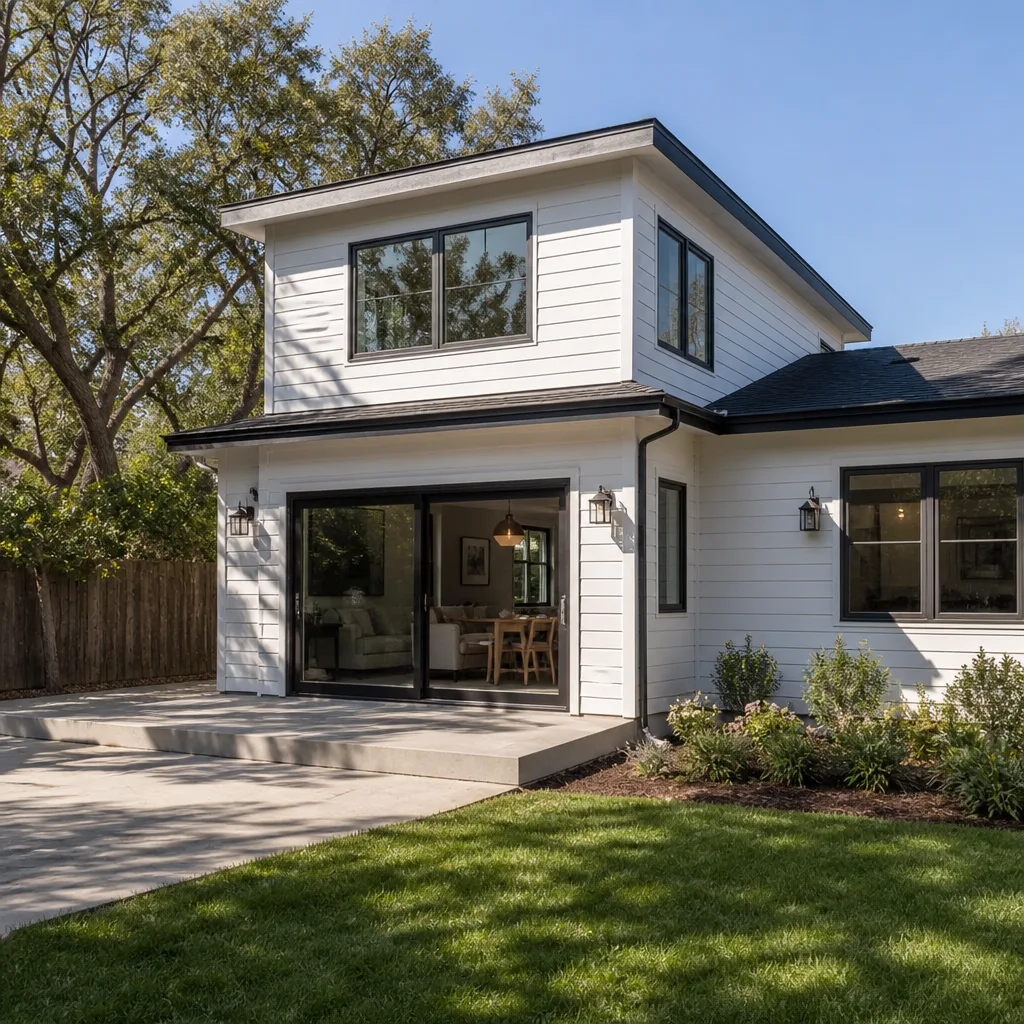 Home additions & ADU
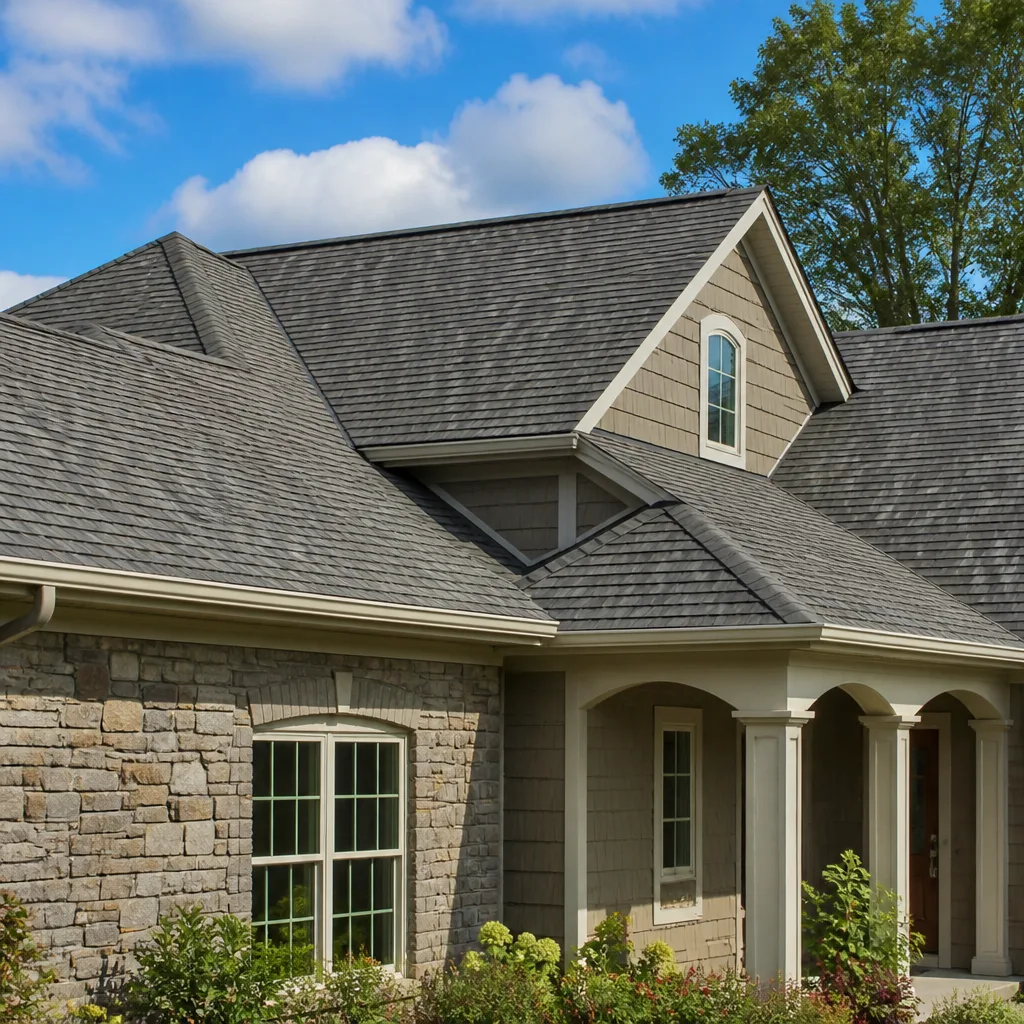 Roofing
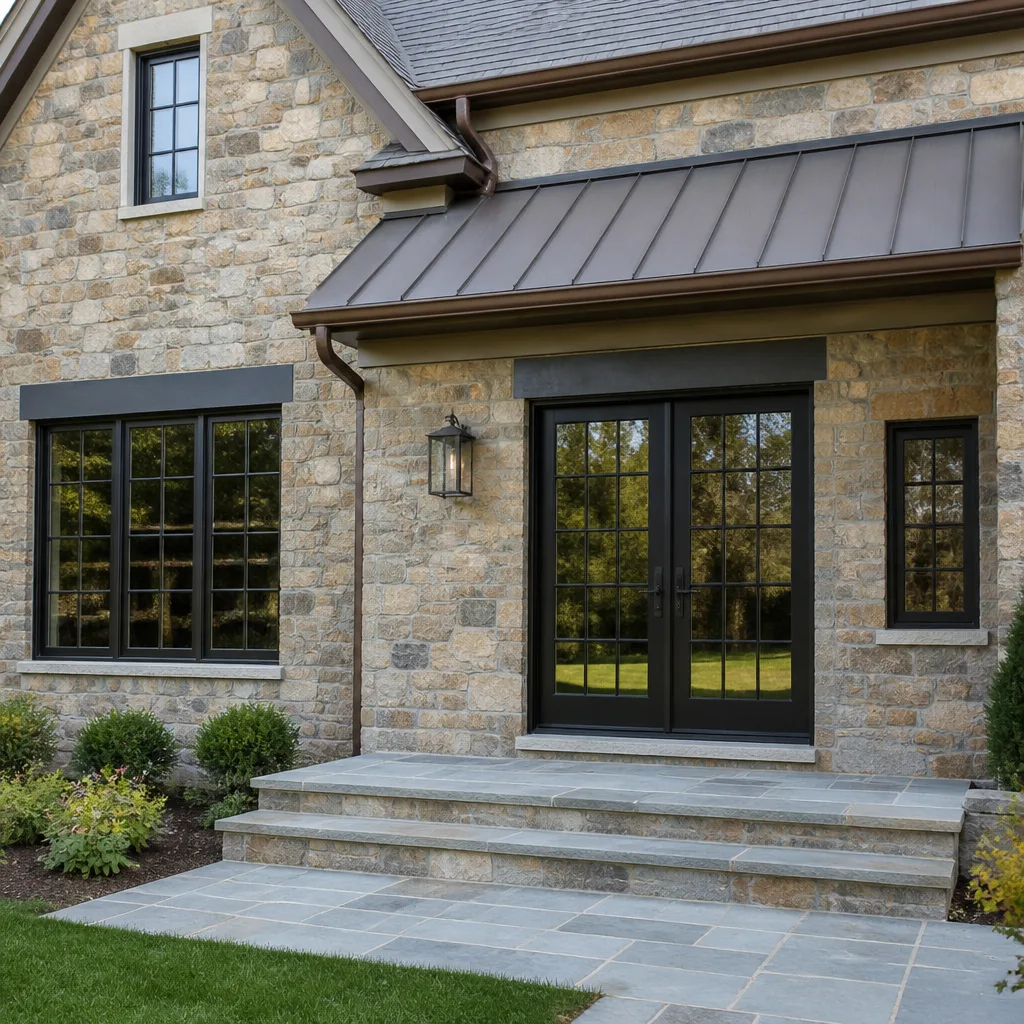 Windows & doors
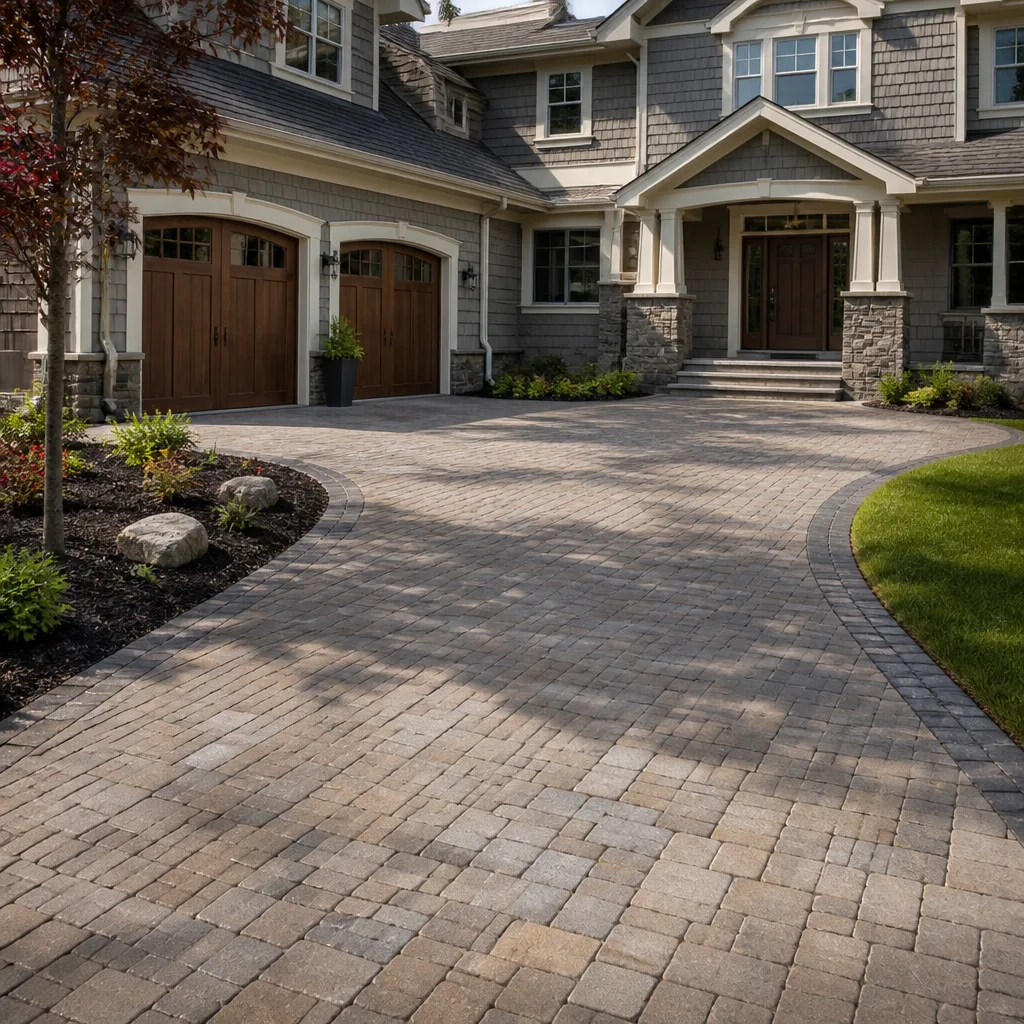 Driveway & pavers
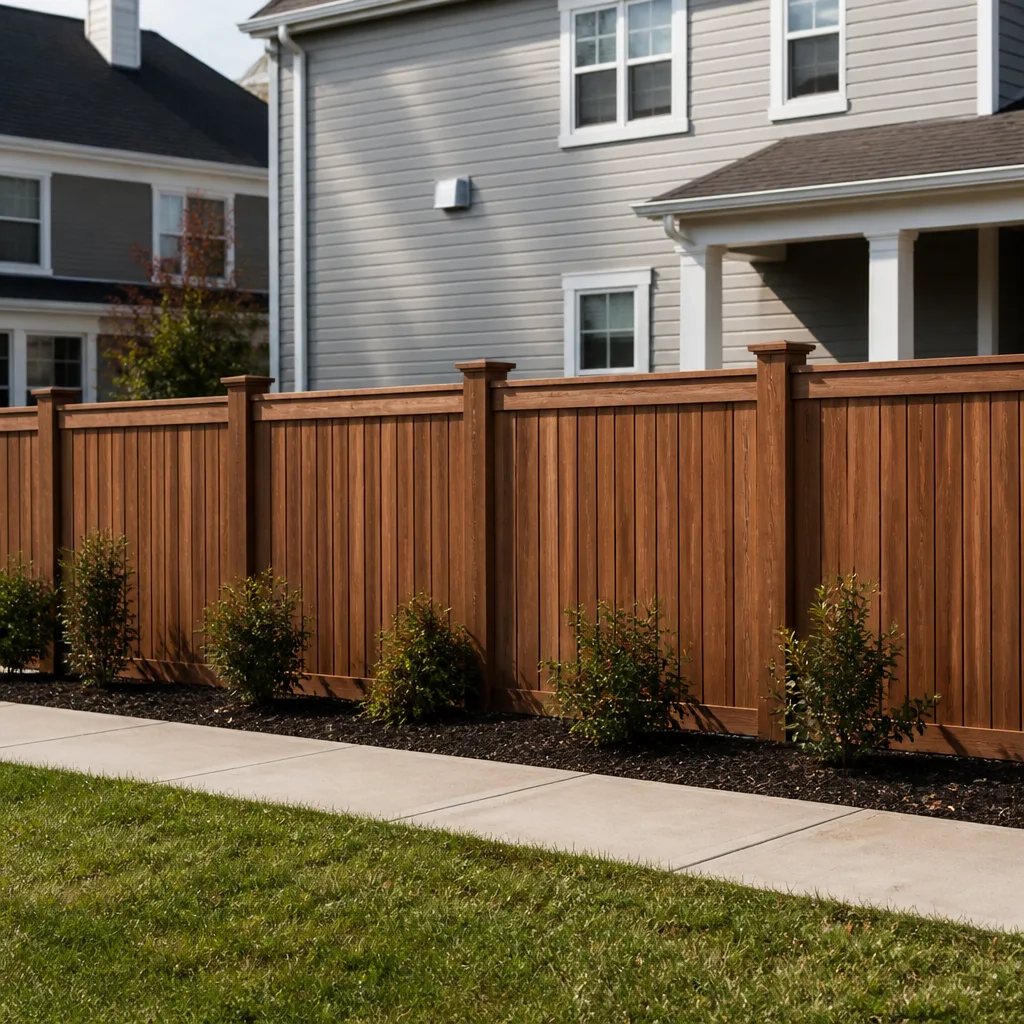 Fence
Free written scope consultation - allowances, timeline, and change-order rules on paper before a single trade is scheduled
Styles & brands we work with
- Kitchen remodeling
- Bathroom remodeling
- Home additions & ADU
- Roofing
- Windows & doors
- Driveway & pavers
- Fence
See the difference
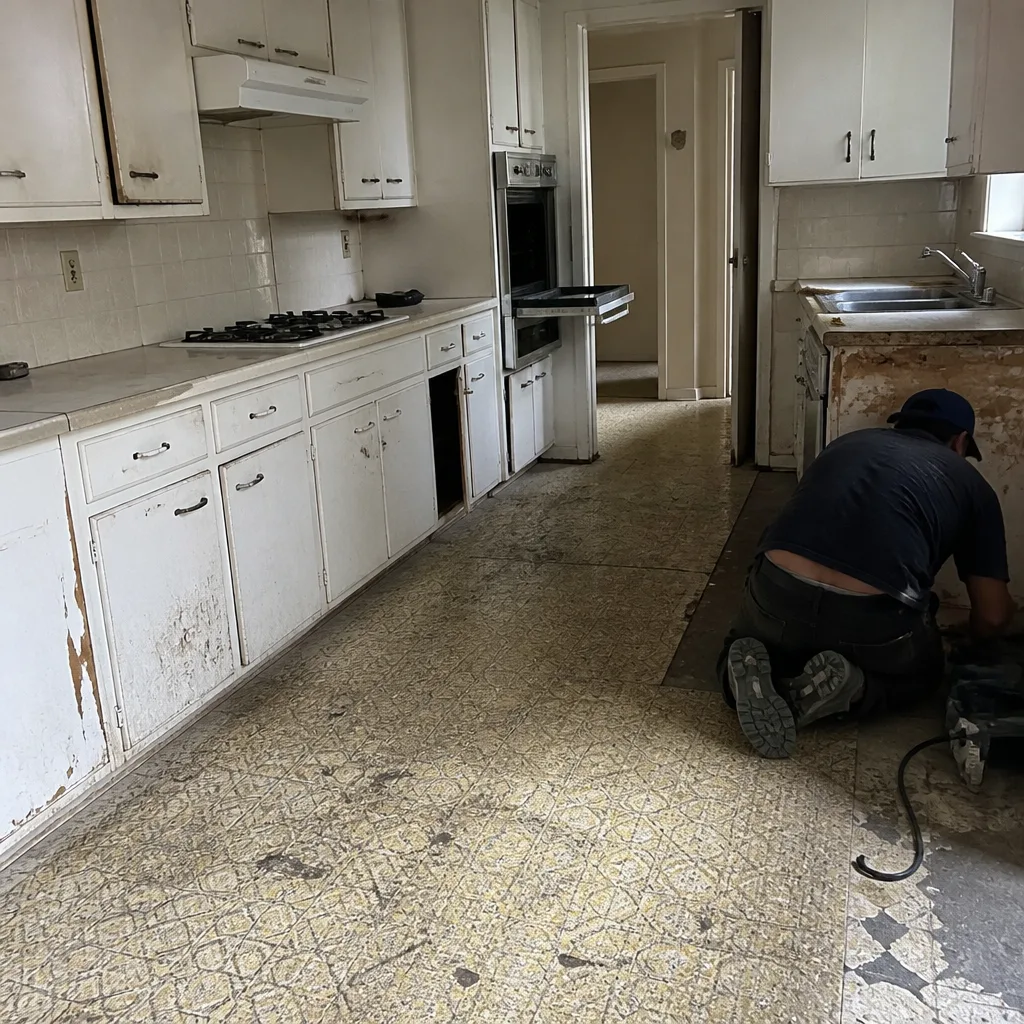 Before
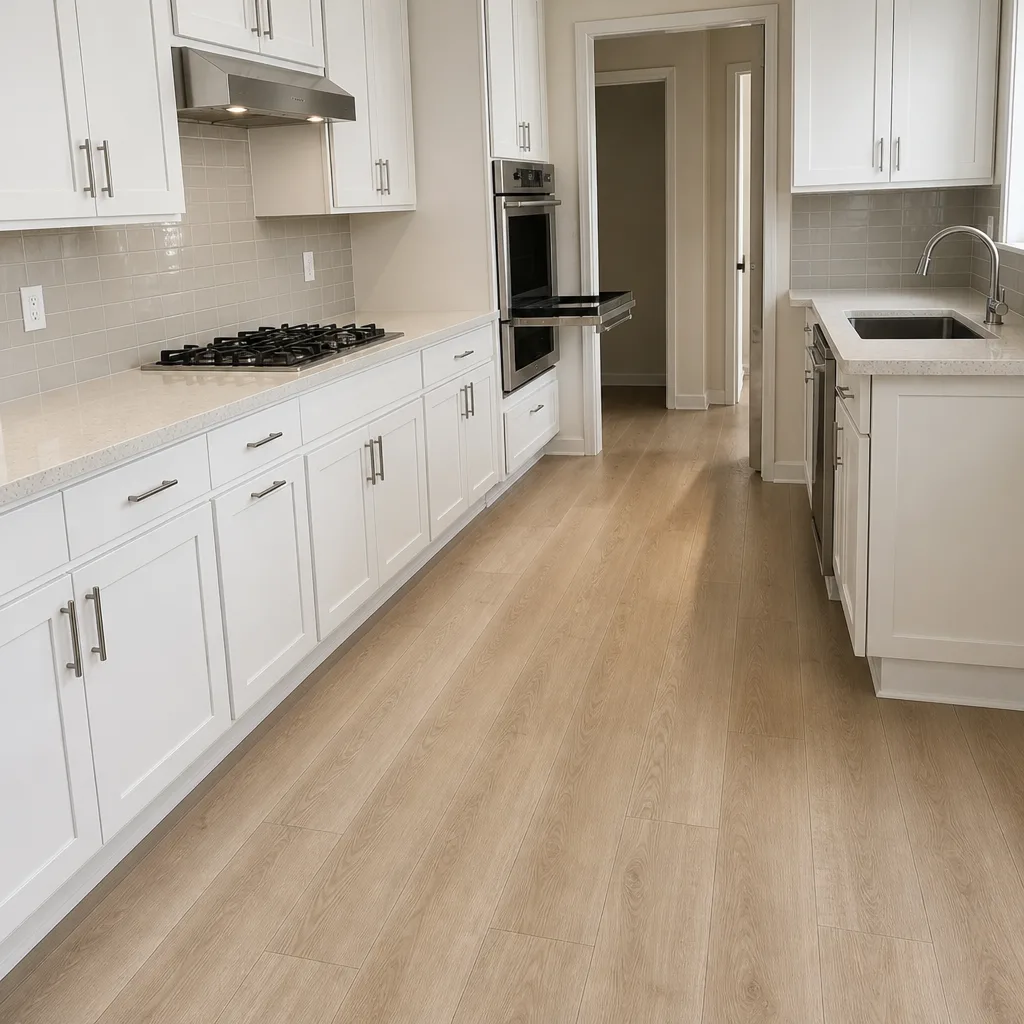 After
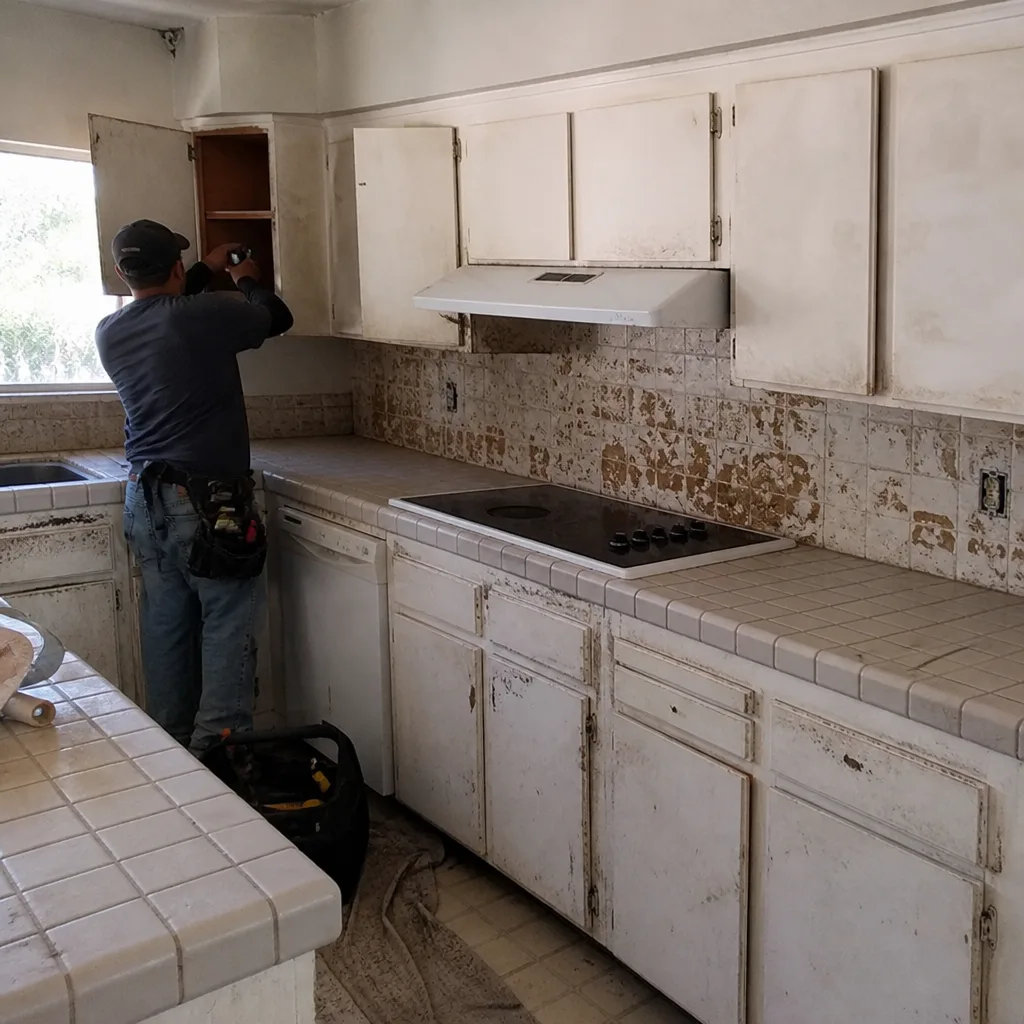 Before
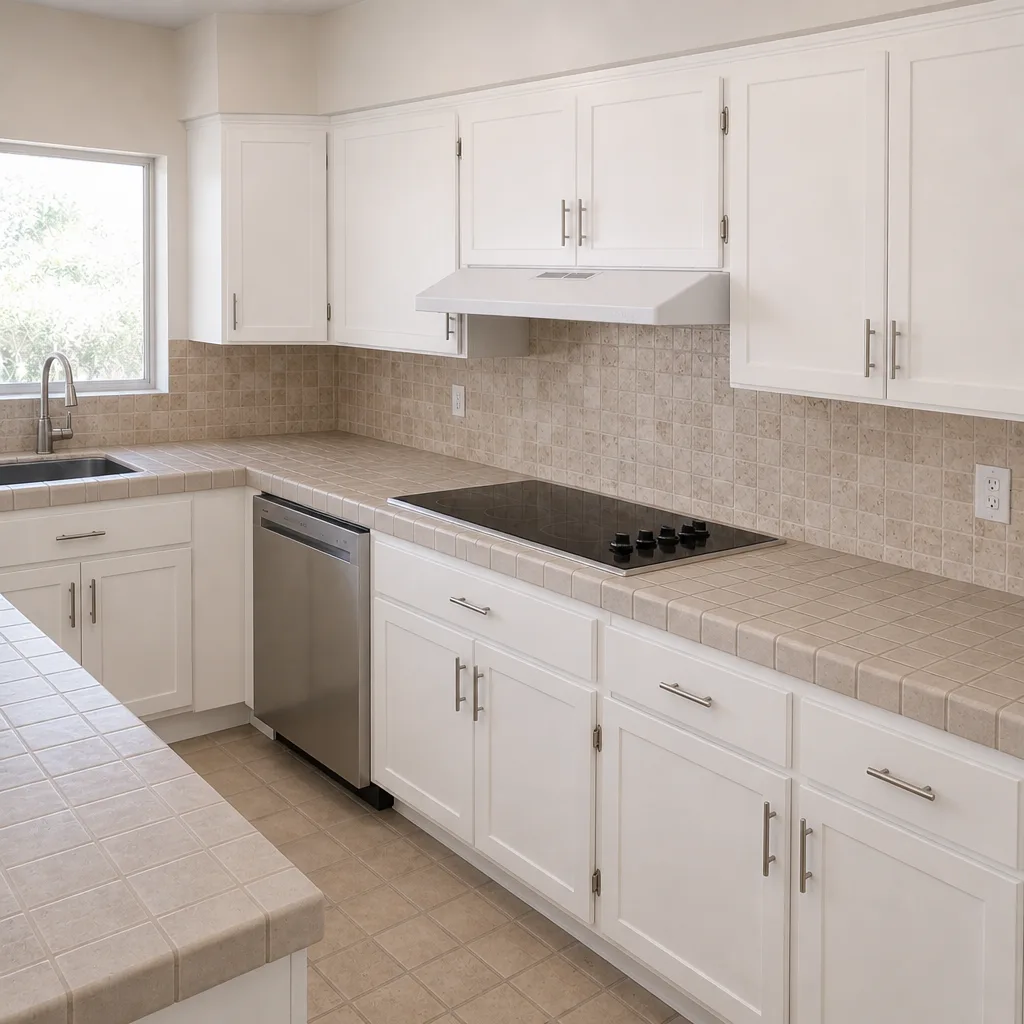 After
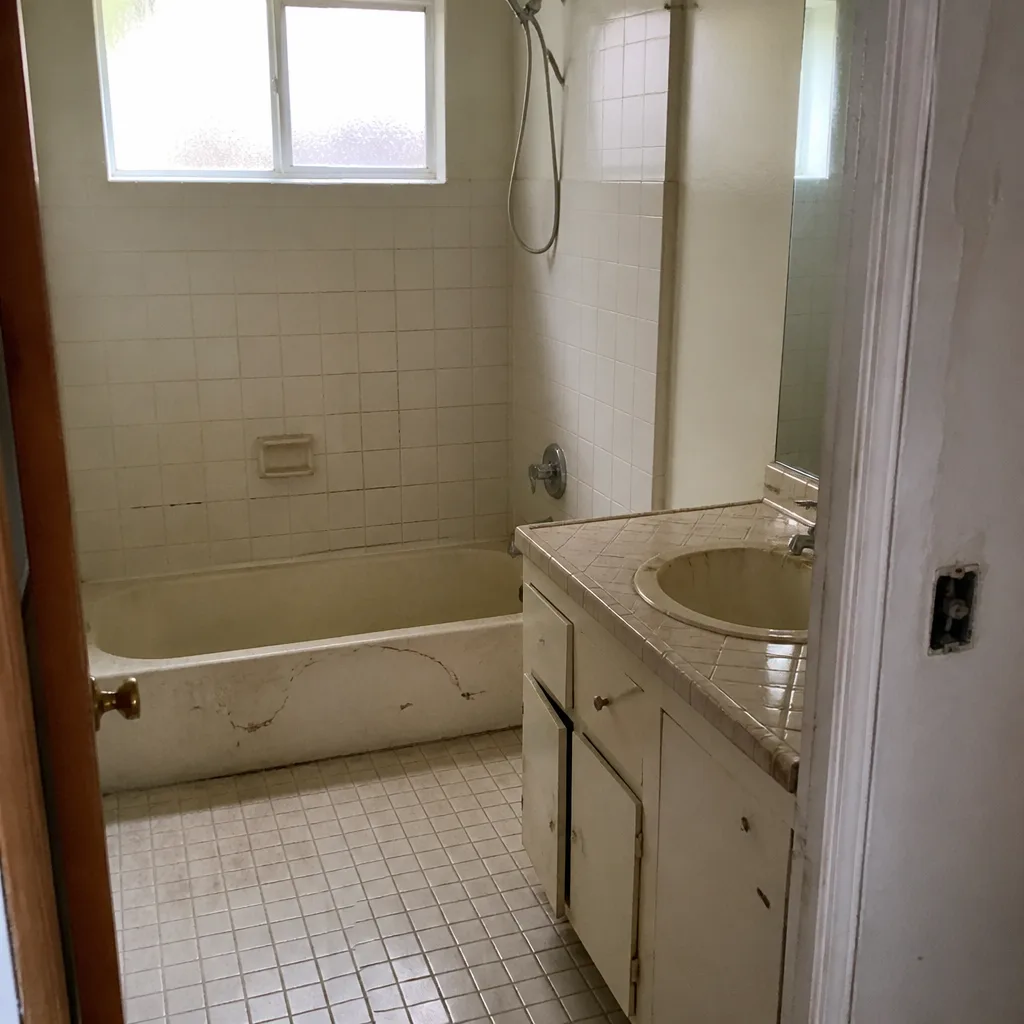 Before
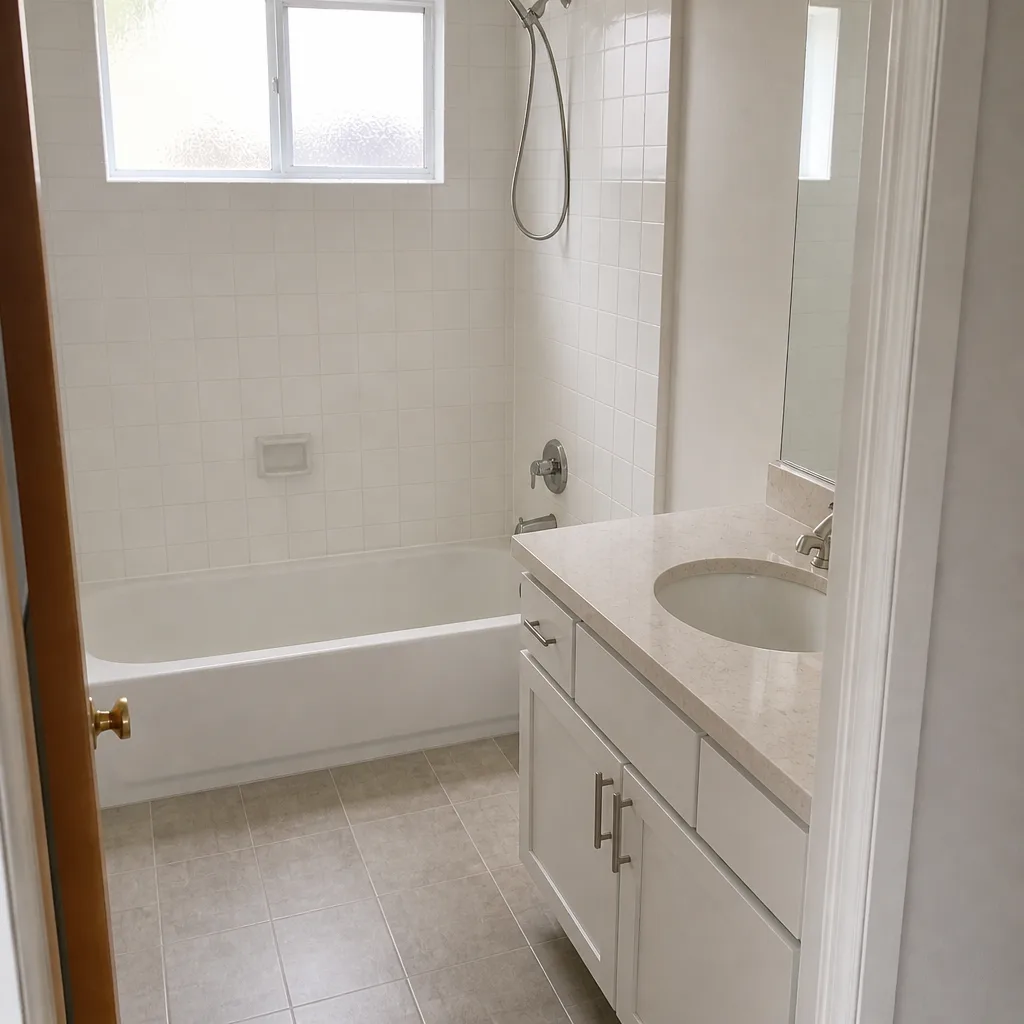 After
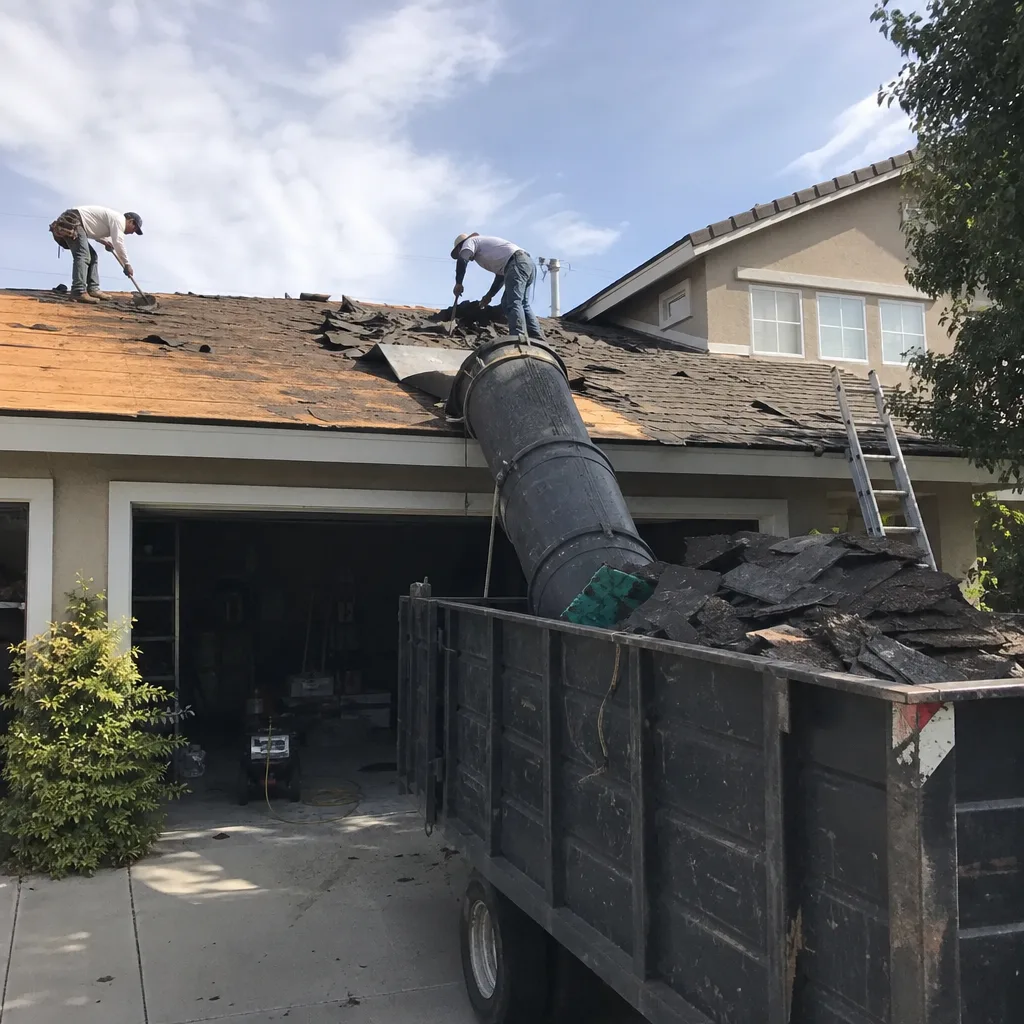
Signs You Need a New Roof in Irvine, CA: What to Look For When Your Tile Looks Fine
The most reliable sign you need a new roof in Irvine isn’t on the roof at all - it’s in the attic. Concrete tile can look flawless from the street for 50 years while the underlayment beneath it crumbles in Irvine’s dry heat, and by the time you see water on a ceiling, the membrane has usually been failing for years. If your home was built in the 1970s or 1980s and nobody has replaced the felt under that tile, you’re likely past due. Call Groundwork Construction Co. of Irvine at (888) 578-4462 for a documented assessment before the next rain finds the gap.
Key Takeaways
- Concrete tile is UV-resistant and hides underlayment failure - the surface can fool you.
- Your real diagnostic signal is attic-side: brittle felt, daylight through decking, rafter stains.
- Spanish-revival parapets and Santa Ana wind events accelerate failure at the tile-to-stucco joint.
- If ridge tiles have shifted, the membrane below has almost certainly seen water.
Why the Standard Roof Checklist Fails Irvine Homeowners
Most “signs you need a new roof” lists were written for Midwest asphalt-shingle houses. They tell you to watch for curling shingles, granule loss, and dark streaks. That advice is fine - for a different roof, in a different climate. Irvine’s housing stock is overwhelmingly post-1965 planned-community construction: Mediterranean and Spanish-revival stucco tract homes and townhomes in villages like Woodbridge, Northwood, and Turtle Rock, most wrapped in concrete tile from day one.
Concrete tile is one of the toughest surfaces made. It shrugs off the sun and rarely shows obvious wear. That’s the problem. In Irvine’s semi-arid basin, with hot dry summers and roughly 300 days of UV a year, the tile stays put while the felt or peel-and-stick underlayment below it bakes, dries out, and cracks. You can’t see any of it from the ground. So the checklist that works everywhere else asks you to inspect the one part of your roof that will lie to you.
The genuine signals are moisture patterns, not surface appearance. Here’s where we actually look.
The Attic Inspection Checklist for Irvine’s Housing Vintage
If your home went up in the late ’70s or ’80s, this is the inspection that matters. Go into the attic on a bright day and look for these:
- Daylight through the decking. Any pinhole of light between boards means the underlayment above has already failed at that spot. Water gets through the same gap.
- Brittle or powdery felt. Find the underlayment where it’s visible at the eaves or a valley. If the black paper crumbles between your fingers, it has lost its waterproofing years ago.
- Water-stain patterns on the rafters. Brown rings or tide-line streaks mark where seasonal intrusion has already happened - even if you’ve never had a visible leak. A roof can leak, dry out, and never drip into a room while quietly rotting the deck.
- Deteriorated or displaced insulation. Compressed or stained batts under a specific rafter bay often point to long-term moisture in that one area.
What you’re checking for is evidence of a membrane that has been failing quietly for years in dry heat. By the time a ceiling stain shows up inside, the damage has had a long head start.
Irvine-Specific Failure Points the Generic Guides Skip
Three local conditions show up again and again on Irvine roofs, and each one points to underlayment failure even when the tile looks intact.
The stucco-parapet intersection
Spanish-revival parapets are everywhere in Irvine’s village architecture, and they’re a moisture trap. Debris collects at the tile-to-stucco joint and holds water right where the step flashing and membrane meet. On older tract homes, that flashing is often cracked, lifted, or entirely missing. When it fails, water works under the tile edge and into the membrane - invisible from the ridge, obvious once you’re in the attic. This is one of the first things we photograph. The Irvine Company’s planned-community design standards left many of these parapet details similar across villages, so the failure repeats from house to house.
Santa Ana wind events
Irvine sits in a basin that funnels repeated Santa Ana winds through the foothill edges several times a year. Those events lift tiles and displace mortar at ridges and hips. Some of that shift is cosmetic; a lot of it isn’t. Any lateral movement in a ridge tile, or hairline to open cracking in the ridge and hip mortar, means the underlayment below has been exposed to wind-driven rain. Once the membrane is open, every storm adds another round of intrusion.
Wildland-urban interface requirements at the edges
Homes along Irvine’s eastern and southern edges, where the city meets open space and the Santa Ana foothills, fall under WUI fire-hardening rules - ember-resistant vents, Class A roofing, and noncombustible siding. If you’re near the wildland edge and your roof is 30-plus years old, the replacement decision involves a fire-hardening conversation, not just a leak one. Roofs we install on those homes use qualified Class A systems, including lines like Boral tile and Atlas and Tamko underlayments, so the assembly meets the requirement at the deck - not just at the surface.
What a Real Assessment Looks Like (and Why It Matters for HOA and Insurance)
A walk-and-eyeball from the ridge won’t tell you the truth about an Irvine tile roof. Our technicians get into the attic and photograph the underlayment condition as part of every roof assessment - the brittle felt, the displaced decking, the flashing at the parapet joints. You end up with documented evidence, not a verbal opinion.
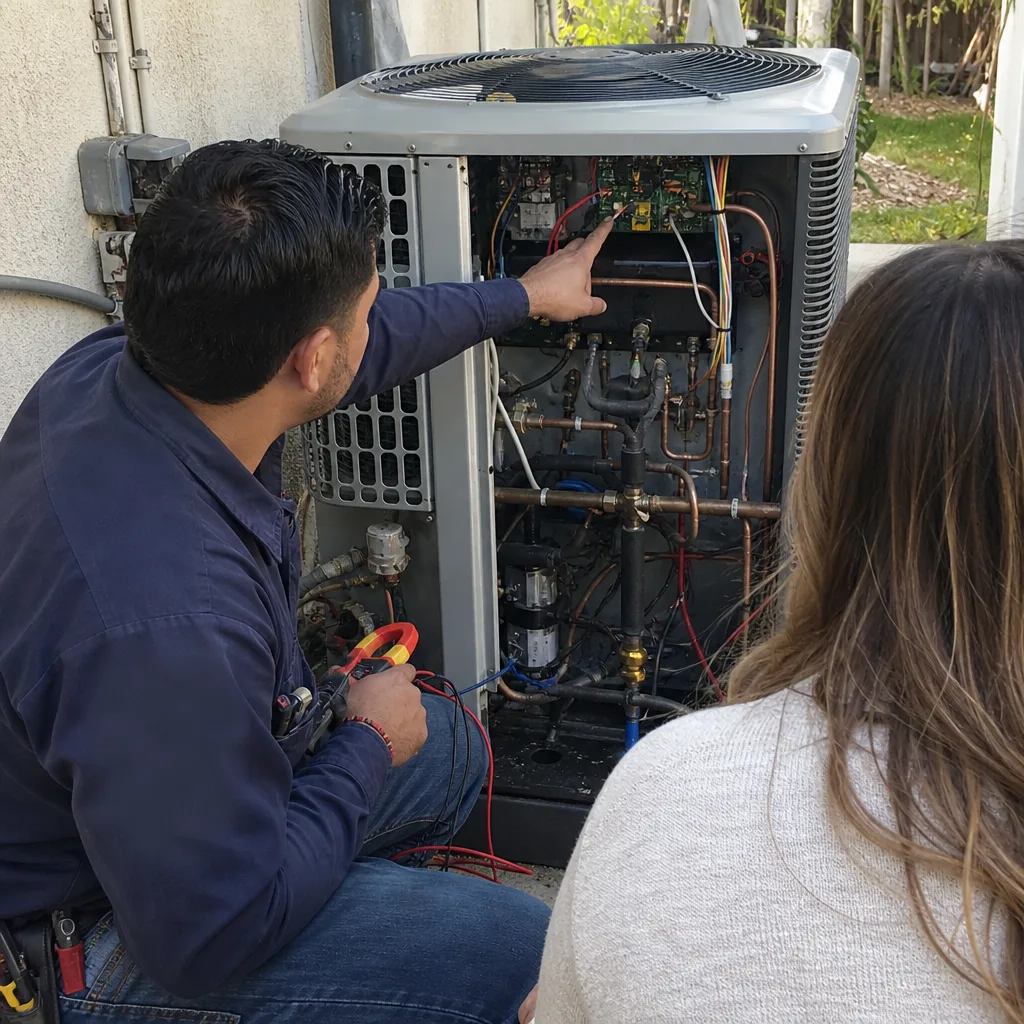
That documentation counts when you need it. Irvine is a master-planned city, so most roof work runs through village-specific HOAs and design-review boards, and mixed with insurance claims for a failing roof, a photo record of the actual condition speeds both conversations. Our technicians bring up to 12 years of hands-on experience, and every project is backed by our 730-Day Done Right Promise - if it isn’t done right, we make it right. Upfront pricing means the number you see is the number you pay, with no surprises once the tile comes off.
For a look at how we handle full replacements - including the point at which repair stops making sense - see our Roofing page. And if you want to know how roof work fits into the broader picture across our Irvine service area, that’s where to start. If you’re weighing a roof against a bigger project, our guides to kitchen remodeling, bathroom remodeling, window replacement, home additions, and ADU construction show how those timelines overlap. A failing roof usually takes priority, and for good reason: water damage spreads. Pair a replacement with stucco repair at the parapets and you solve both problems in one pass.
Typical Irvine roof work, by the numbers
| Work | Typical Irvine price range |
|---|---|
| Roof repair | $400-$1,800 |
| Tile roof repair | $600-$2,500 |
| Full roof replacement | $8,000-$20,000 |
| Metal roof installation | $15,000-$40,000 |
Those ranges move with roof size, pitch, number of penetrations, and WUI requirements. A modest Northwood tract home sits near the low end; a larger Turtle Rock roof with complex parapets and valleys lands higher. Repair is often worthwhile when a single damaged section is involved, but once the underlayment has gone brittle across the deck, patching buys a season or two at most.
Common Scenarios We See in Irvine
The 25-year-old tile roof with no visible issues. The tile is fine. The membrane isn’t. This is the most common call we field, and it usually starts with a home built in the early 1980s where the underlayment has simply outlived its useful life.
The winter ceiling stain that only shows up in heavy rain. A small water spot that appears and dries can be seasonal intrusion at a parapet flashing or a ridge. It’s also a sign the felt has failed in that bay. Either way, it’s worth documenting before it grows.
The post-Santa Ana ridge inspection. A homeowner notices a shifted ridge tile or cracked mortar after a wind event and wants to know if it’s cosmetic. Usually the answer depends on what’s underneath - and that means getting into the attic, not just looking at the ridge.
The HOA-approval question. A homeowner planning a replacement wants to know what the village association and design board will require. Having underlayment and system specifications in hand from the start keeps plan check moving.
FAQs
You check the attic, not the surface. Look for daylight through the decking, felt that crumbles between your fingers, and water-stain rings on the rafters. Tile is UV-resistant and hides underlayment failure, so visible surface condition tells you very little. Call (888) 578-4462 for an assessment that includes attic access and photo documentation.
Most Irvine roof replacements run $8,000-$20,000, with tile roof repair at $600-$2,500 and general roof repair at $400-$1,800 depending on the damage. Size, pitch, and WUI fire-hardening requirements at the city’s wildland edges affect the final number. Call (888) 578-4462 for upfront pricing with no surprises - estimates are free.
We can schedule a same-day assessment in most cases, and a live person answers the phone around the clock at (888) 578-4462. The full attic and roof-surface inspection usually happens within a short window, and you get documented findings rather than a verbal verdict.
Repair is cheaper when the damage is isolated to one section, but once the underlayment is brittle across the deck, repair just postpones replacement. For Irvine homes built before the 1990s, the honest answer is often replacement. Call (888) 578-4462 for a straightforward comparison of both options - estimates are free and pressure-free.
Get a Straight Answer Before the Next Rain
If you’d rather have it looked at, Groundwork Construction Co. of Irvine offers a no-pressure assessment in Irvine - call (888) 578-4462. We’ll get into the attic, document what the tile is hiding, and give you upfront pricing backed by our 730-Day Done Right Promise. Most jobs completed in a single visit, and a live person answers 24/7.
Written by the team at Groundwork Construction Co. of Irvine, serving Irvine, CA.