
 Kitchen remodeling
 Bathroom remodeling
 Home additions & ADU
 Roofing
 Windows & doors
 Driveway & pavers
 Fence
Free written scope consultation - allowances, timeline, and change-order rules on paper before a single trade is scheduled
Styles & brands we work with
- Kitchen remodeling
- Bathroom remodeling
- Home additions & ADU
- Roofing
- Windows & doors
- Driveway & pavers
- Fence
See the difference
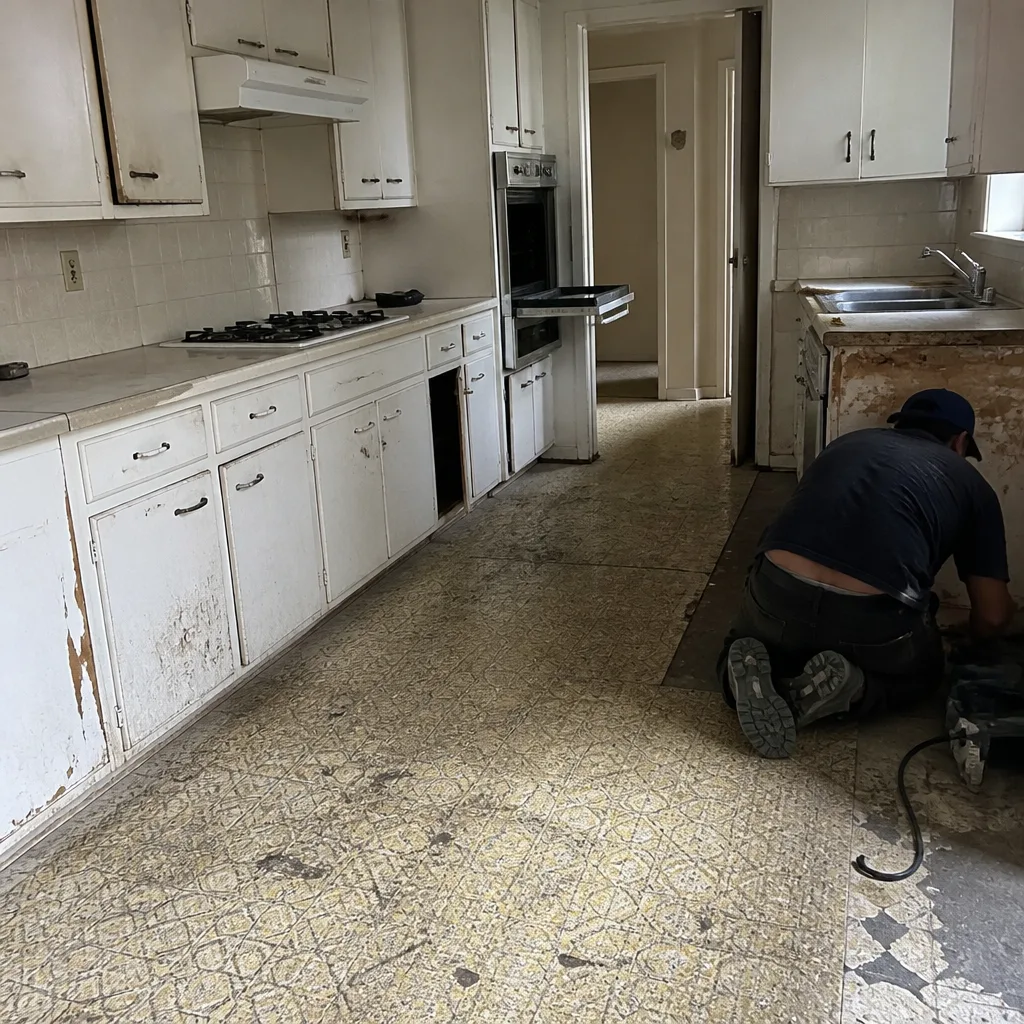 Before
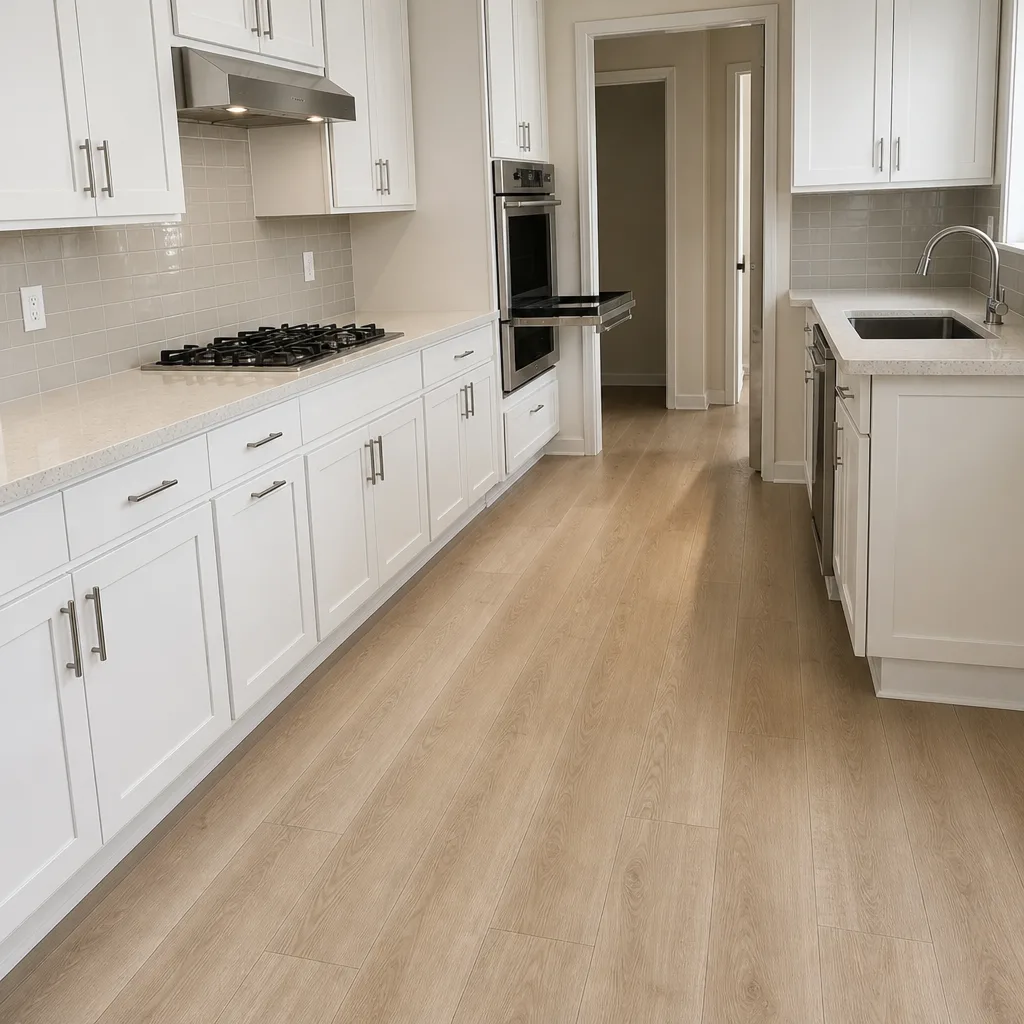 After
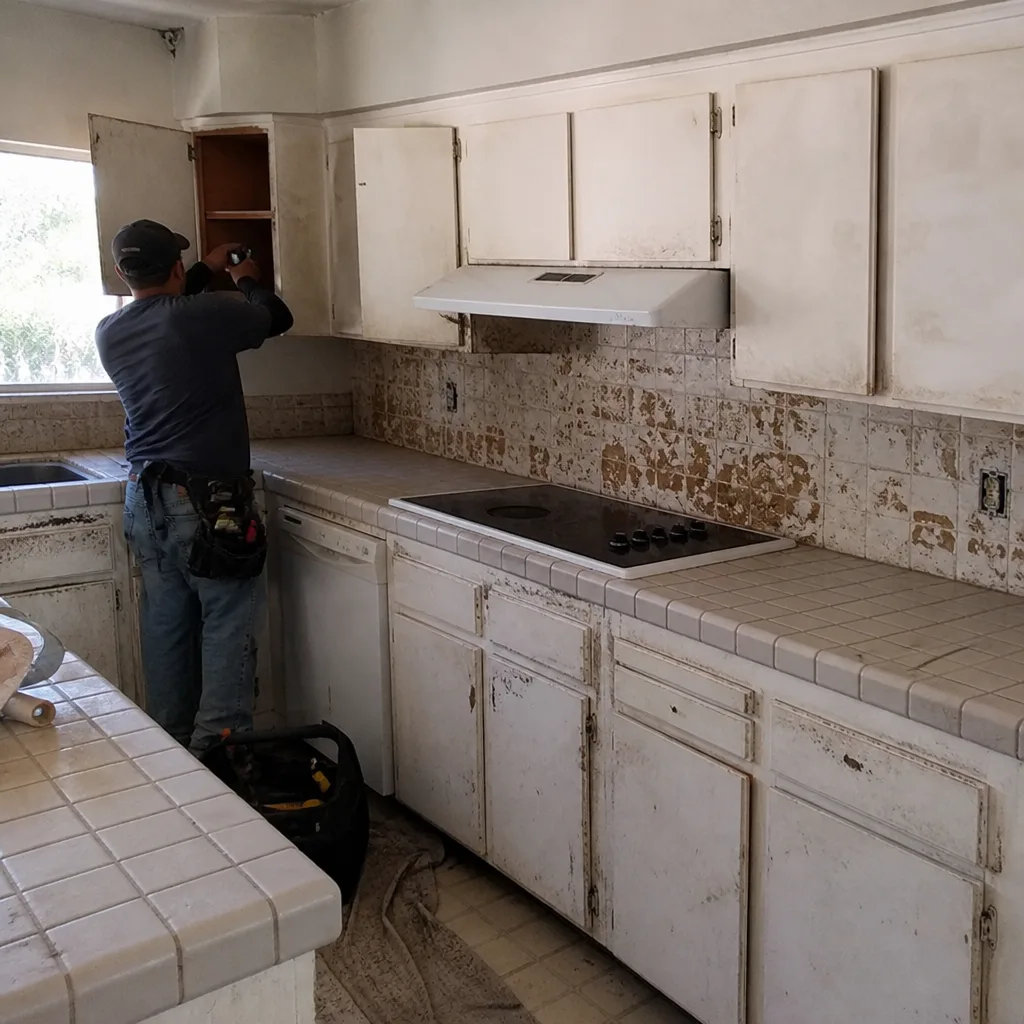 Before
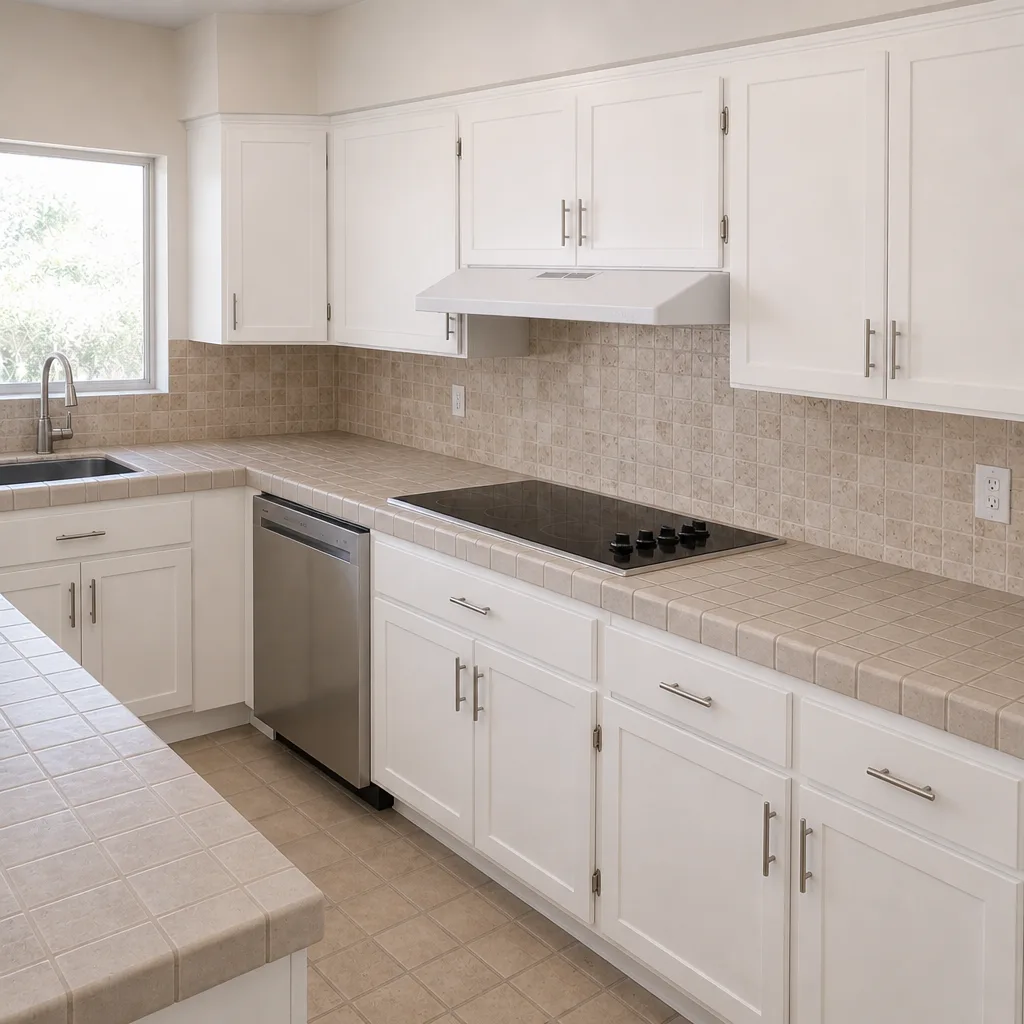 After
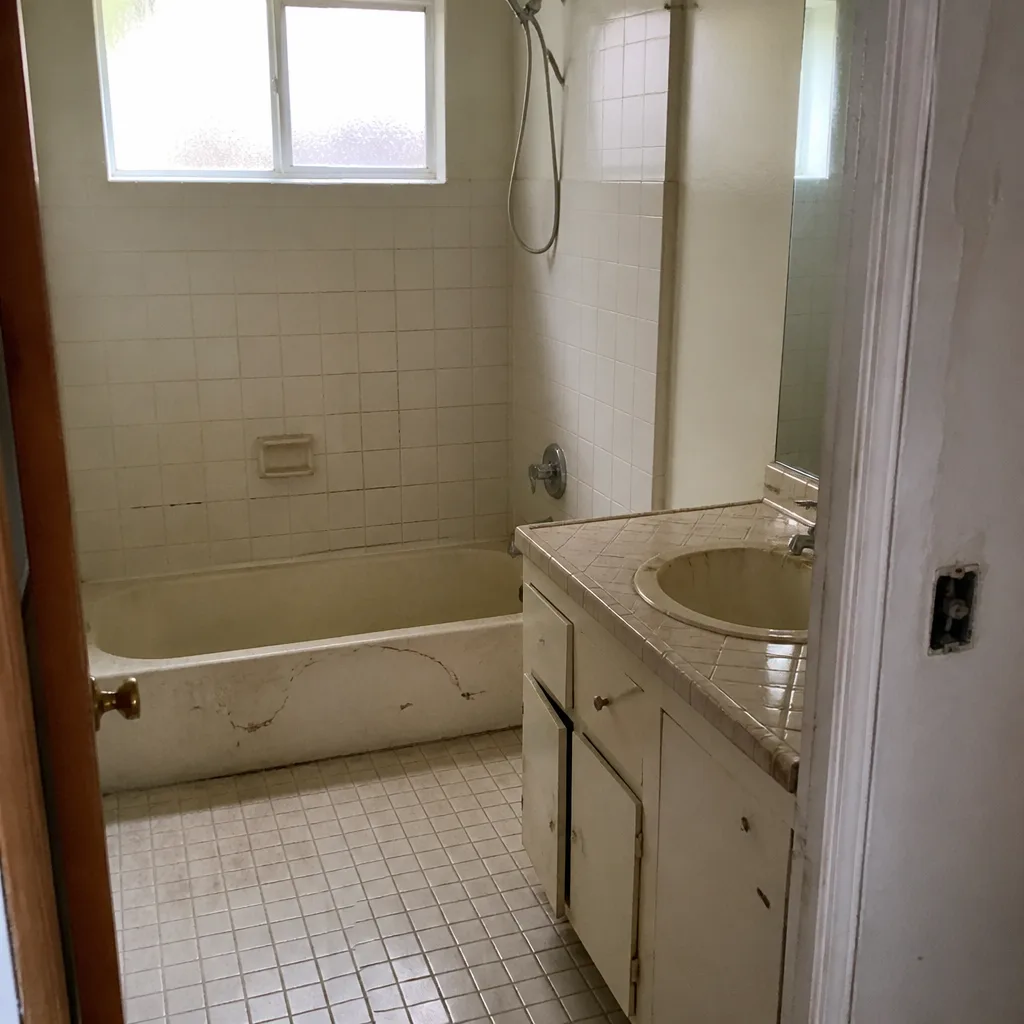 Before
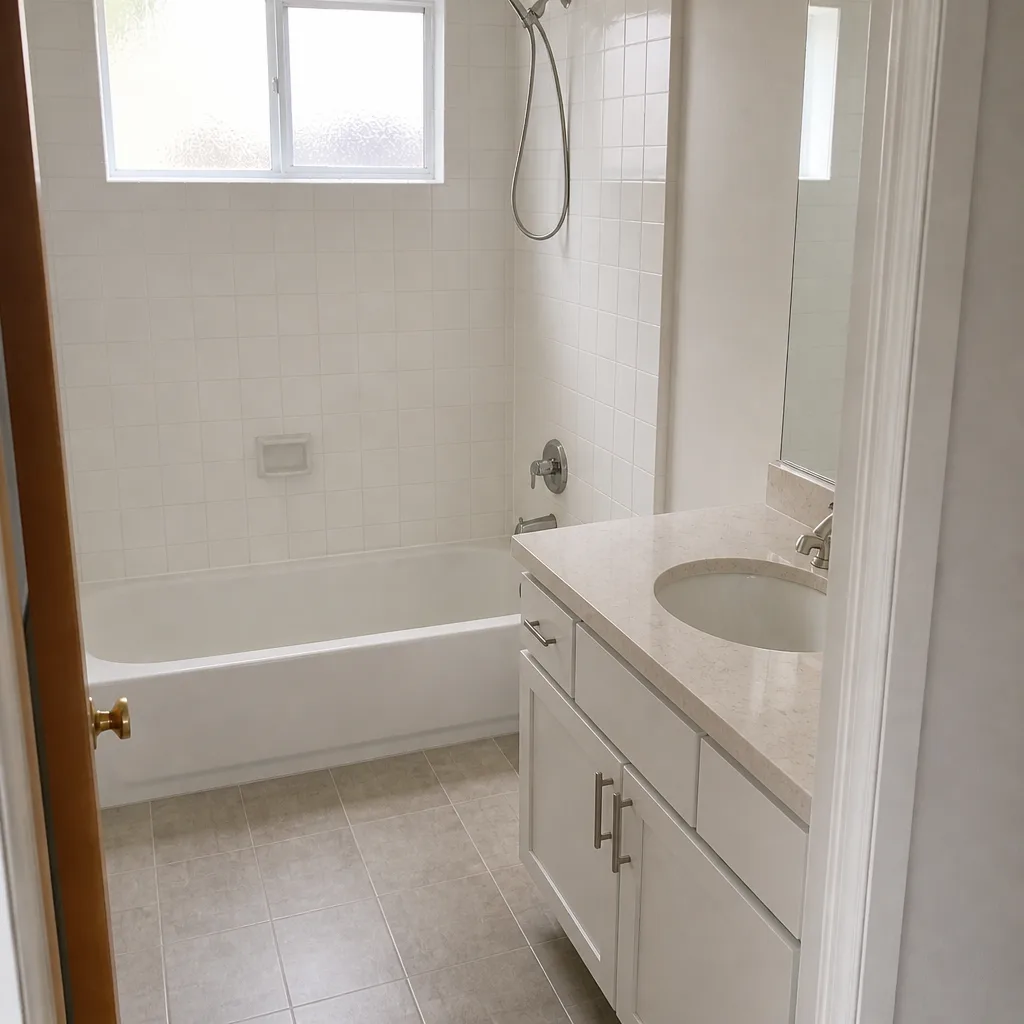 After
How to Find a Roof Leak in Irvine, CA
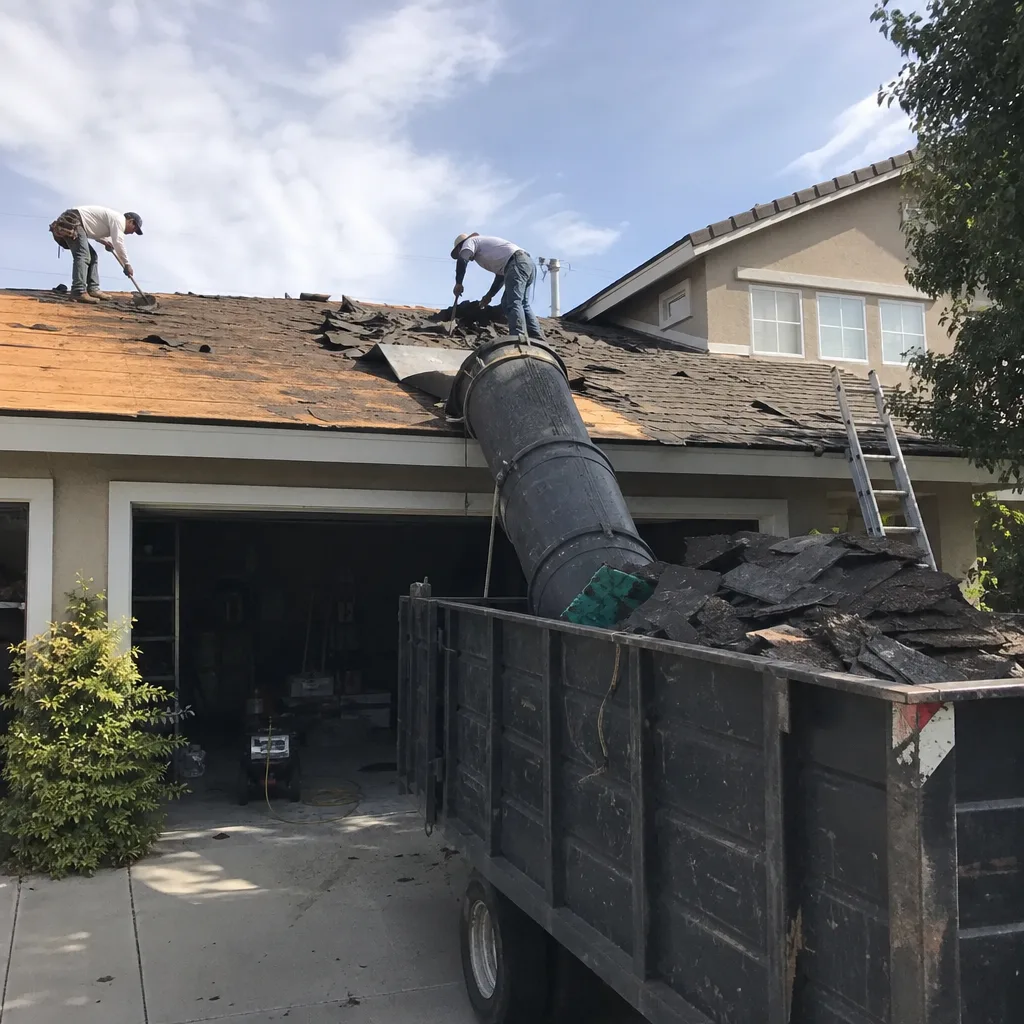
To find a roof leak on an Irvine home, trace upslope and sideways from the ceiling stain, not straight above it. On the concrete tile roofs common across Irvine’s Mediterranean-style tract homes, water slips under a cracked tile or failed mortar joint, runs laterally along the underlayment and rafter layout, then drips through the deck several feet from where it entered. The stain tells you where it exited, not where it got in. If you’d rather skip the detective work, Groundwork Construction Co. of Irvine traces leaks with infrared moisture scanning and a full attic assessment – call (888) 578-4462 for an upfront-priced inspection.
Key takeaways
- On tile roofs, the entry point is usually 3 to 6 feet upslope and off to one side of the interior stain.
- The three likeliest culprits on Irvine homes: stucco-parapet step flashing, plumbing vent boots, and ridge mortar joints.
- A dry stain in April doesn’t mean the leak is fixed – it means the last real rain was months ago.
- Tile roof repairs in Irvine run $600 to $2,500, while a full roof replacement runs $8,000 to $20,000.
Irvine is a master-planned city, so most of its housing stock went up as cohesive villages – Woodbridge, Northwood, Turtle Rock – with shared architectural standards and uniform construction methods. That consistency actually works in your favor when you’re hunting a leak: if you understand how one home in your tract is built, you understand the roof geometry of most of them. The same tile courses, the same underlayment detail, the same flashing junctions. The catch is that this same uniformity means the lateral-travel problem repeats street to street, which is exactly why the generic “look right above the stain” advice fails so often here.
Why the leak isn’t where the stain is
Concrete tile doesn’t waterproof a roof. The tile sheds most of the water, but the actual water barrier is the underlayment beneath it. Water that gets past a cracked tile or a mortar joint that’s given up lands on that underlayment and follows it downhill along the roof slope. Then it hits a rafter, a valley, or a fastener, and takes a sideways turn. By the time it reaches the ceiling drywall, it can be well away from where it started.
Here’s how we frame it on a job site: stand in the attic with a bright light and look for the water track, not just the drip. Look for staining on rafters, dark streaks on the decking, and damp insulation. The path you trace will usually point you back up and across to the real entry point. Everything from that entry point down is just the delivery route.
What to look for on Irvine’s Mediterranean homes
After enough Irvine leak calls, three entry points come up again and again. Put your attention there first:
- Stucco-parapet step flashing junctions. Where a stucco wall or parapet meets the roof, the step flashing is the weak seam. Cracking stucco or missed flashing here lets water behind the wall and into the framing – a classic culprit on the Spanish-revival homes throughout Irvine.
- Plumbing vent boots. Those rubber and lead boots around your plumbing vents take direct UV all summer and crack without any obvious sign from the ground. Irvine’s hot, dry summers and strong sun break them down faster than most homeowners expect.
- Ridge mortar joints. Santa Ana wind events work loose the mortar that holds the ridge tiles, opening gaps that quietly funnel water in during the next storm.
Notice what’s not at the top of that list: a cracked field tile. A single cracked tile on the open slope usually just needs the tile itself replaced. The expensive leaks hide at the intersections, where two planes meet and the flashing has to do real work. If you’re planning eventual repairs or a replacement, our Roofing work starts with a full leak assessment so the repair happens at the actual source.
The garden hose soak method, adapted for tile
Most online guides describe a hose test built for asphalt shingles. On Irvine’s tile roofs the method works, but it takes a second person and patience. You can’t soak the whole roof and wait – you’ll never isolate the source.
Here’s the version that actually isolates a tile-roof leak:
- Send one person into the attic with a flashlight and a phone to watch and take notes.
- Start at the eave and soak one course of tile at a time. Work slowly upslope, one course at a time, giving each 10 to 15 minutes.
- Hold at each course until the person in the attic either sees moisture or confirms it’s dry before moving up.
- When water finally shows up inside, you’ve bracketed the entry point to the last course you soaked – now trace across as well as up.
One caution before you climb anything: tile roofs are fragile underfoot, and a slip from roof height is serious. If you’re not comfortable on a ladder and a wet slope, leave the soak test to a pro. It’s not a job worth a fall.
Active leak versus “ghost” leak: the Irvine climate trap
Irvine gets its rain in a short, seasonal window. That means a stain on your ceiling is often weeks or months old by the time you notice it, and the entry point may have partly self-sealed with debris or swollen wood. The stain is dry, so it feels solved.
It isn’t. A dry stain in April usually just means it rained in November and hasn’t since. The next storm reopens the same path, and each cycle lets a little more water into the decking and insulation. That’s the setup for the repair you didn’t want. If you’ve got a stain with no recent rain, treat it as a leak waiting for the next storm rather than a closed case.
What a professional leak assessment catches that a DIY inspection misses
The limit of any flashlight-and-ladder inspection is that it only shows you what your eyes can see. Most of the moisture damage hides behind the drywall and under the tile, in the deck and insulation.
A professional assessment adds tools that see what you can’t: infrared moisture scanning of the decking and rafters to map wet insulation and trapped moisture before it turns into rot or a visible interior problem. That matters in Irvine specifically because the dry air can mask active moisture damage for months, so a leak that looks minor on the surface may already have soaked a section of decking.
Groundwork Construction Co. of Irvine pairs that with an upfront-priced assessment so you know the repair cost before anyone touches the roof – the number you see is the number you pay. Our technicians have up to 12 years of experience, they’re background-checked and arrive in uniform, and every project is backed by our 730-Day Done Right Promise. When the work calls for new materials, we install trusted brands like GAF, CertainTeed, and Owens Corning. If your HOA needs to sign off first, we also know our way through Irvine’s village design-review process.
| Service | Typical Irvine range |
|---|---|
| Roof repair (isolating and fixing the leak) | $400-$1,800 |
| Tile roof repair | $600-$2,500 |
| Full roof replacement | $8,000-$20,000 |
| Metal roof installation | $15,000-$40,000 |
For the full scope of what we handle beyond leak tracing, see our Irvine service area page, and if you’re weighing repair against replacement, our home page lays out every service line we run.
FAQs
Roof leak repair in Irvine typically runs $400 to $1,800, and tile roof repairs specifically fall in the $600 to $2,500 range depending on how many tiles and how much flashing has to be replaced. Call (888) 578-4462 for an exact upfront quote – assessments are priced with no surprises.
Because the entry point was never actually fixed – the water is following the same path through the underlayment and down the same rafter each time. A stain that comes back in the identical spot after every storm is a strong sign the source is still open. Call (888) 578-4462 to have it traced to the real entry point.
No – a dry stain just means the seasonal rain has stopped, not that the leak sealed. In Irvine’s climate a leak can sit dormant for months between storms while moisture quietly damages decking and insulation. Call (888) 578-4462 before the next rainy season and get it checked.
Usually yes. Infrared moisture scanning plus an attic inspection can locate the entry point and map the wet areas before anyone pulls tile. When we do open the roof, we open only where the scan points. Call (888) 578-4462 for a no-pressure assessment.
If you’d rather have it looked at, Groundwork Construction Co. of Irvine offers a no-pressure assessment in Irvine – call (888) 578-4462 today. We answer with a live person around the clock, give you an upfront price before any work starts, and back the repair with our 730-Day Done Right Promise. You can also ask about our current standing offers: a free project estimate and design consult, $1,000 off projects over $10,000, and 0% financing for 18 months.
Written by the team at Groundwork Construction Co. of Irvine, serving Irvine, CA.