
 Kitchen remodeling
 Bathroom remodeling
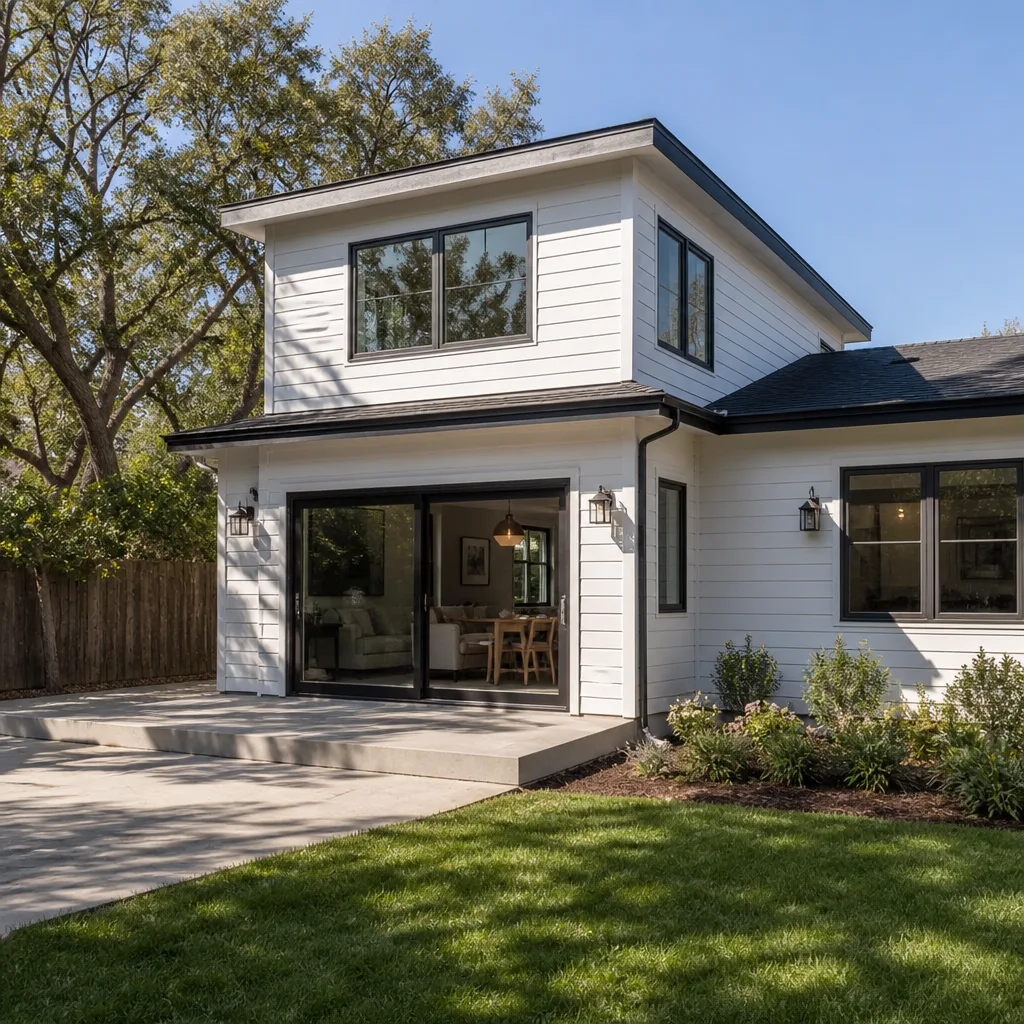 Home additions & ADU
 Roofing
 Windows & doors
 Driveway & pavers
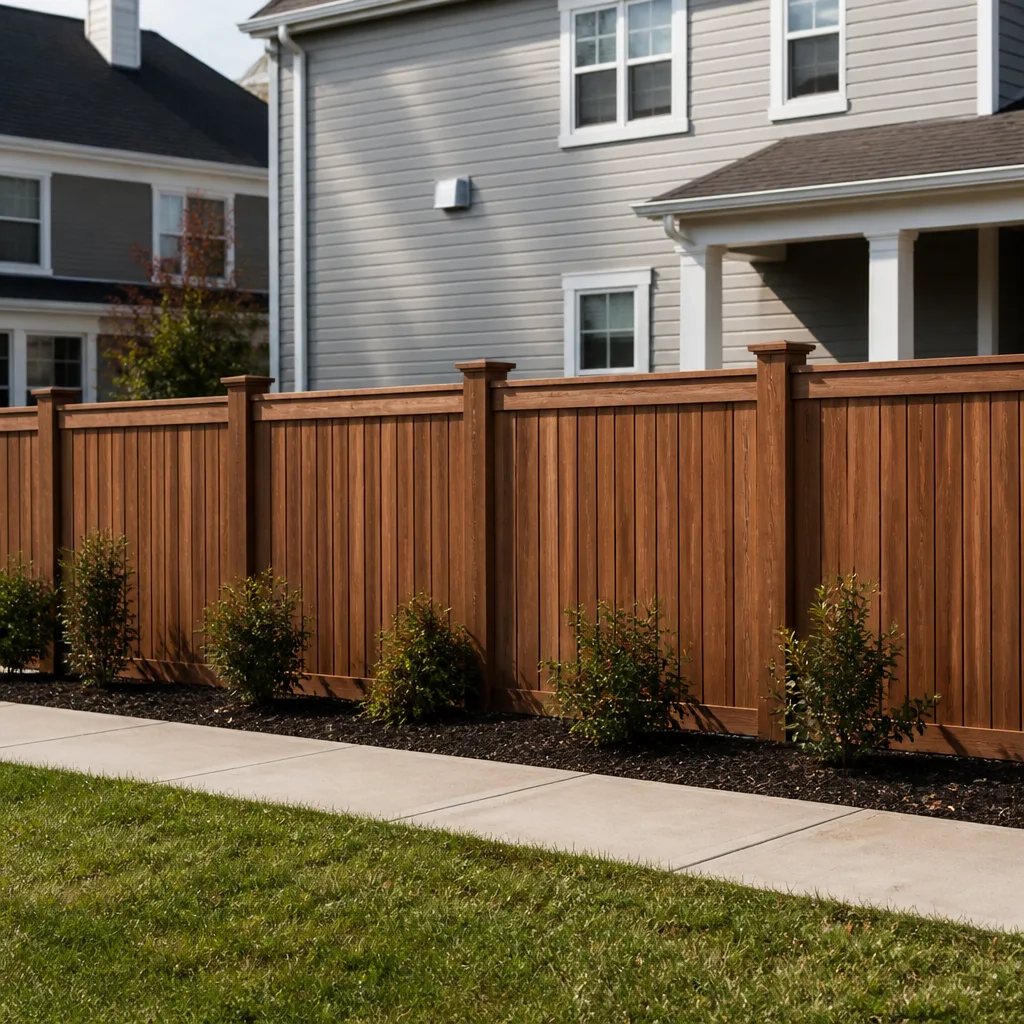 Fence
Free written scope consultation - allowances, timeline, and change-order rules on paper before a single trade is scheduled
Styles & brands we work with
- Kitchen remodeling
- Bathroom remodeling
- Home additions & ADU
- Roofing
- Windows & doors
- Driveway & pavers
- Fence
See the difference
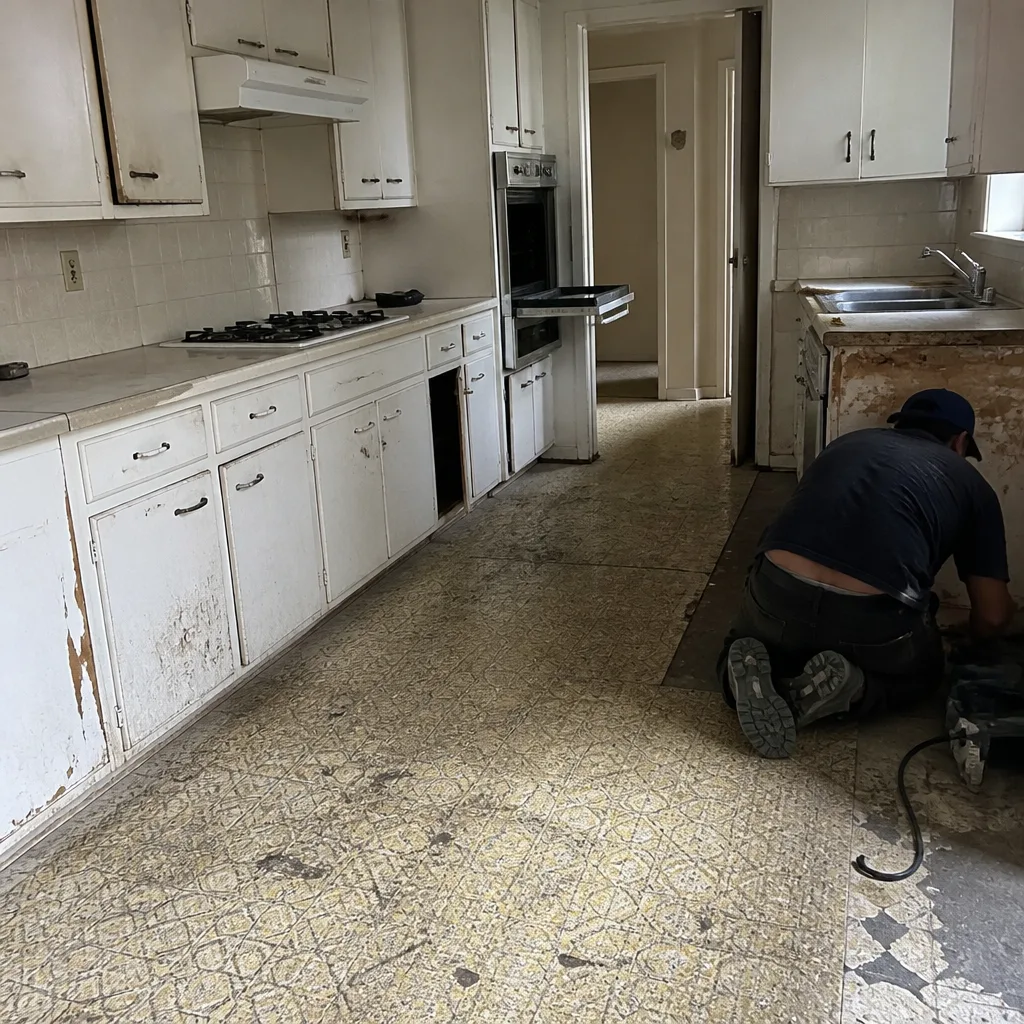 Before
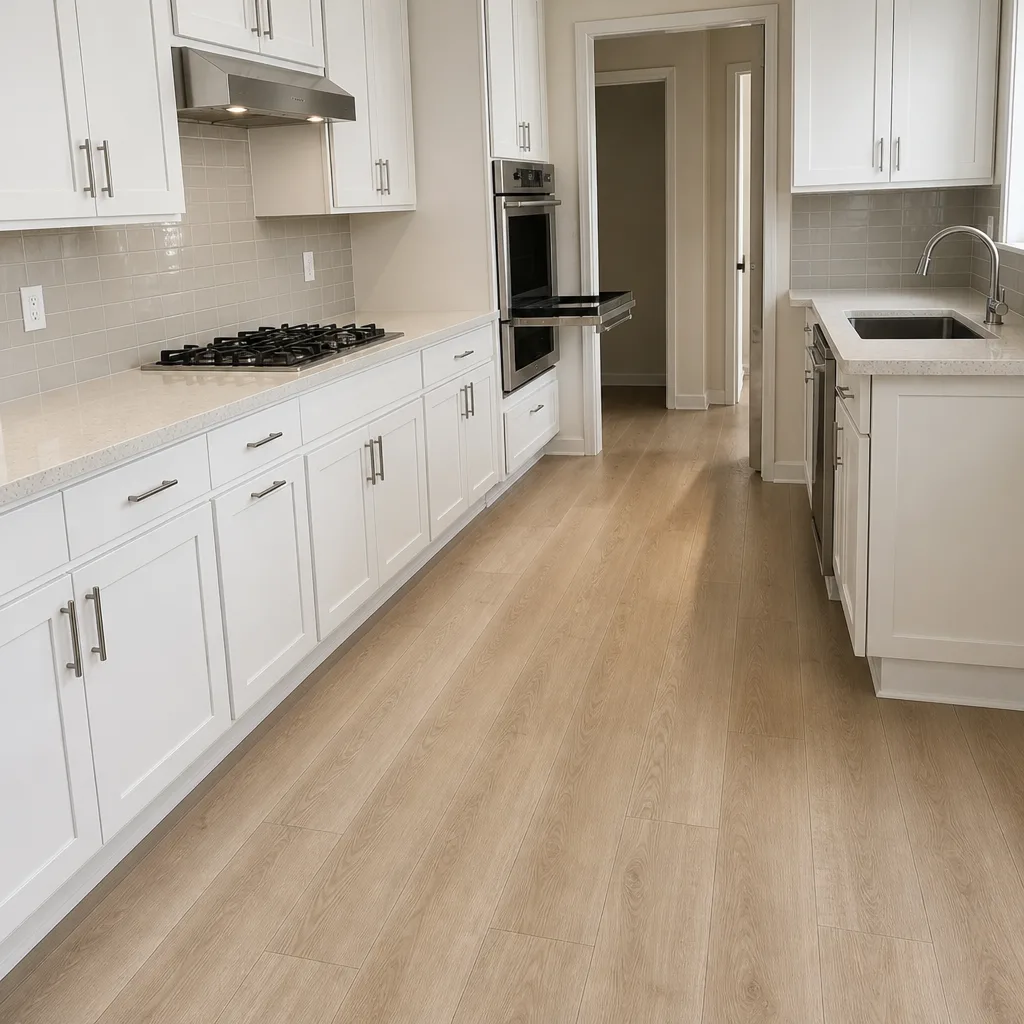 After
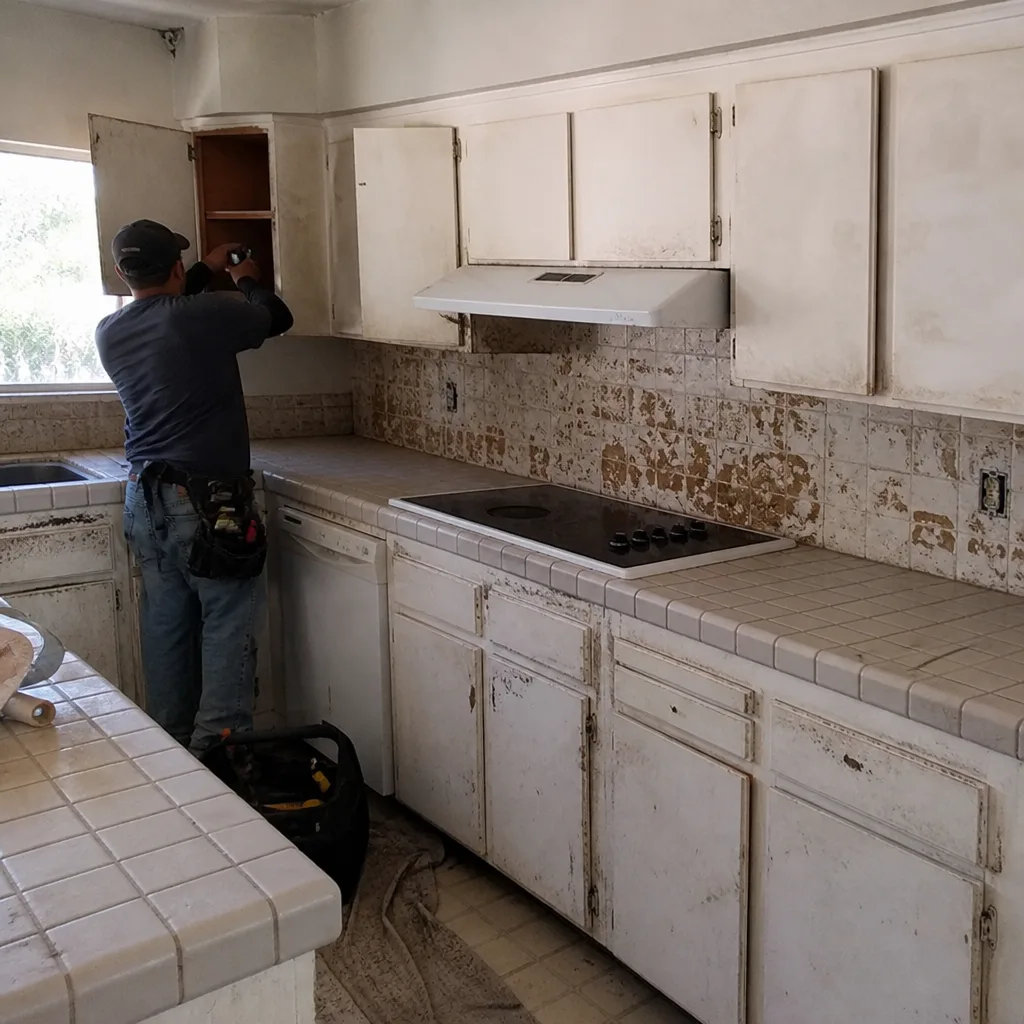 Before
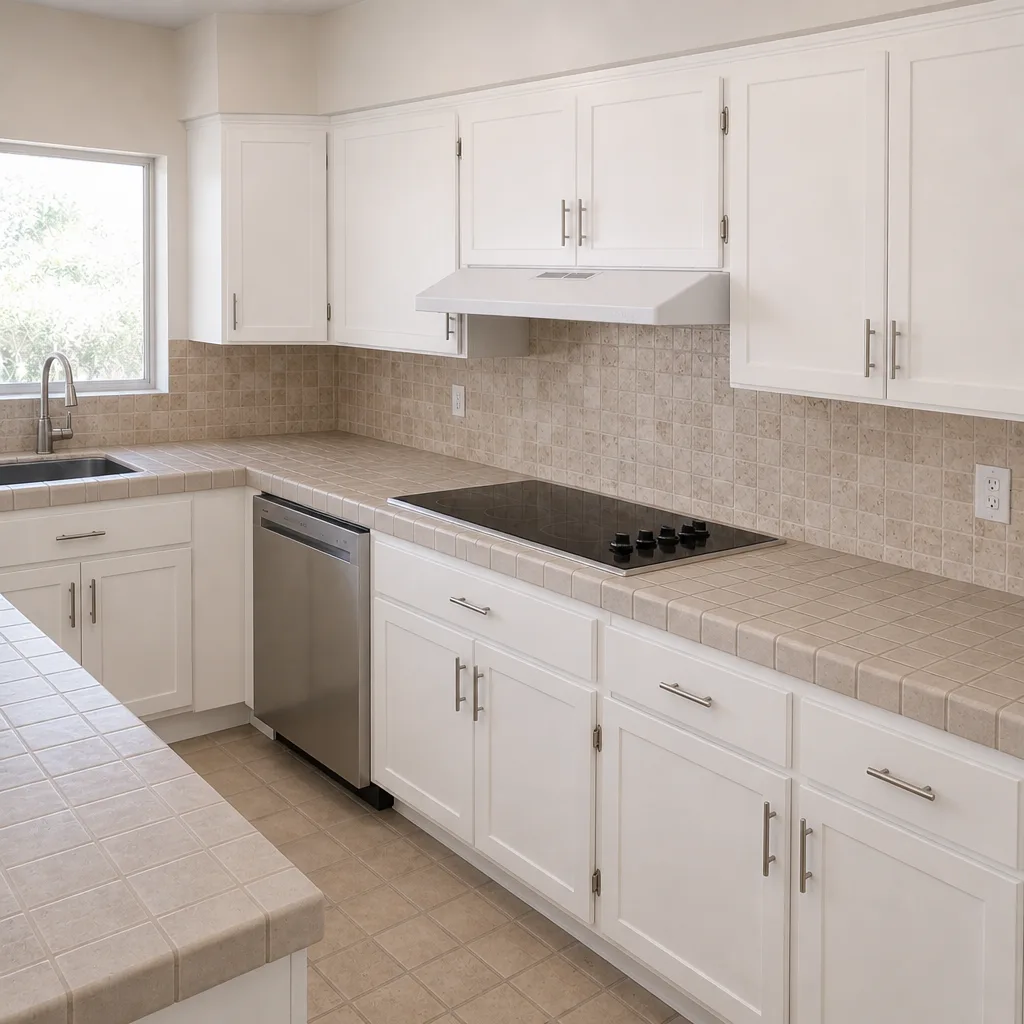 After
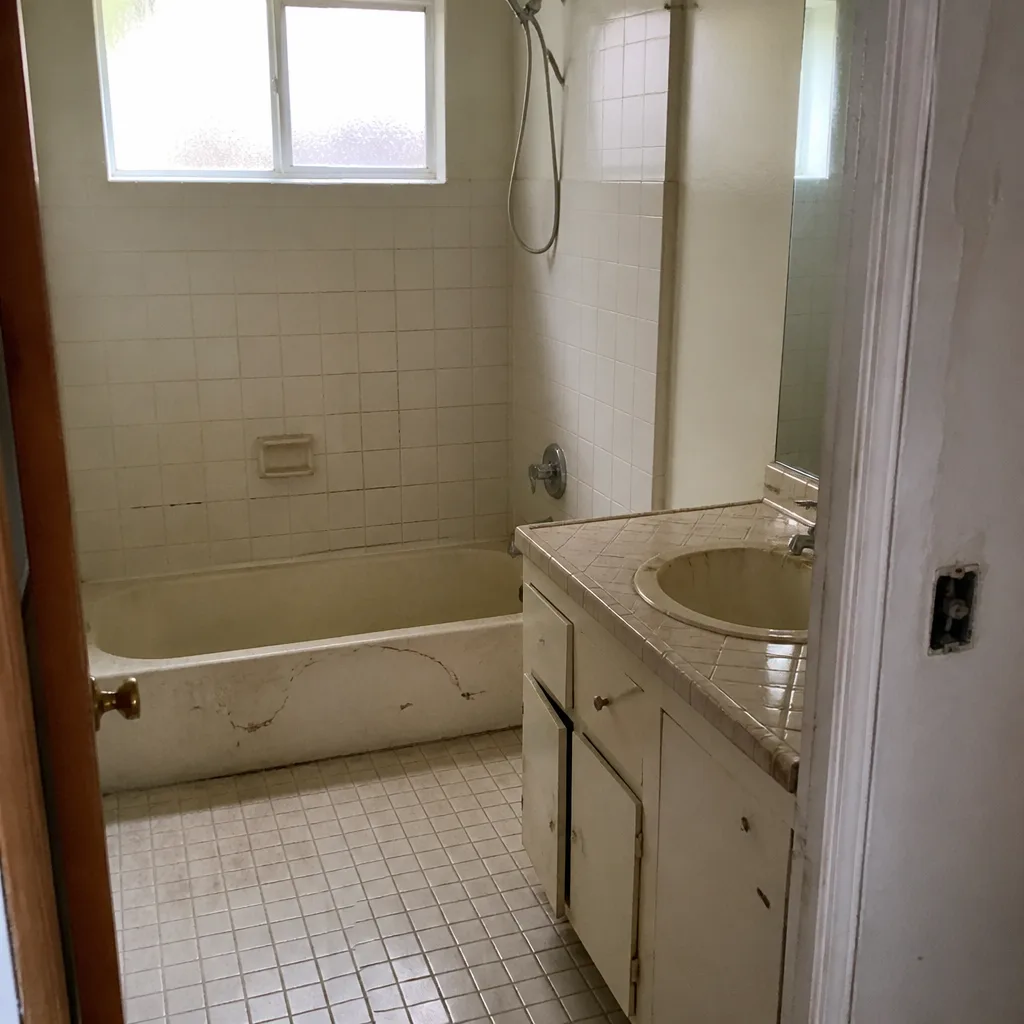 Before
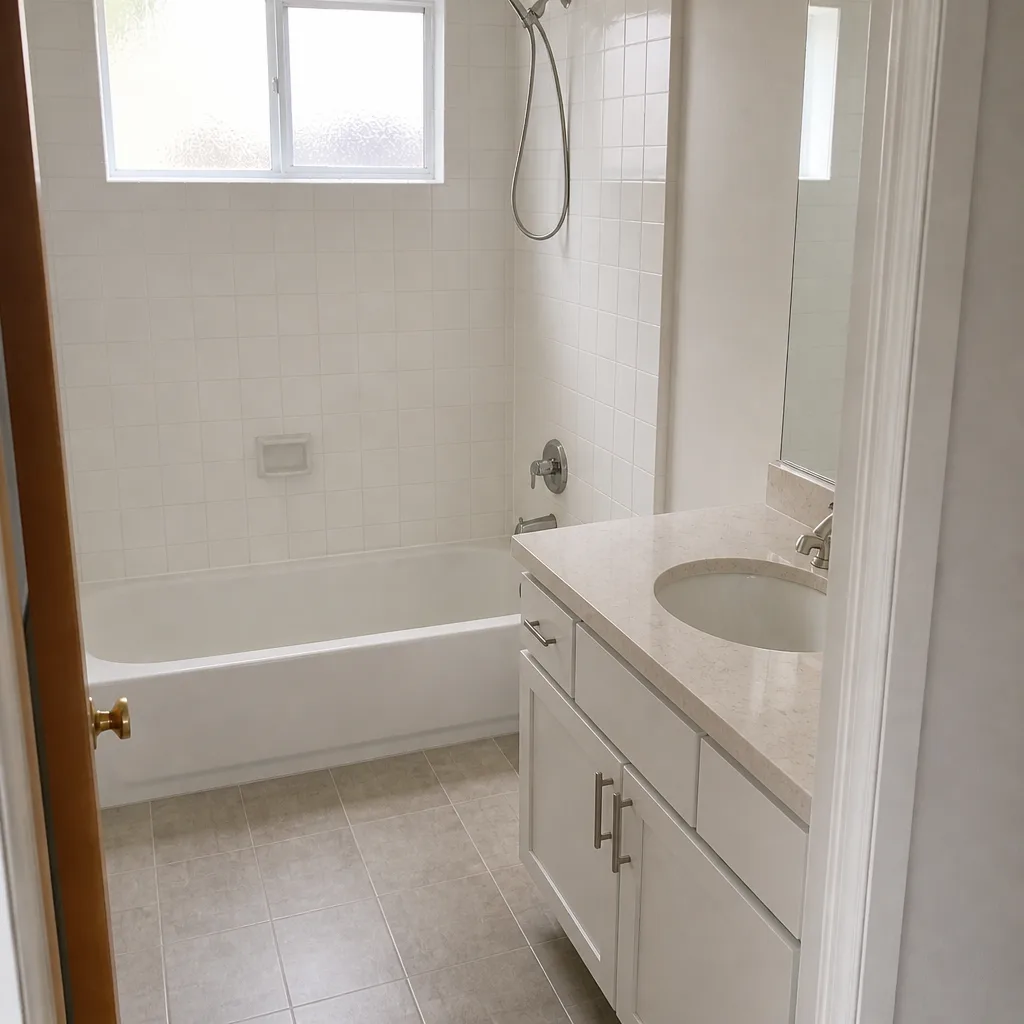 After
Roof Hail Damage Signs in Irvine, CA: What You’re Actually Seeing on Your Tile
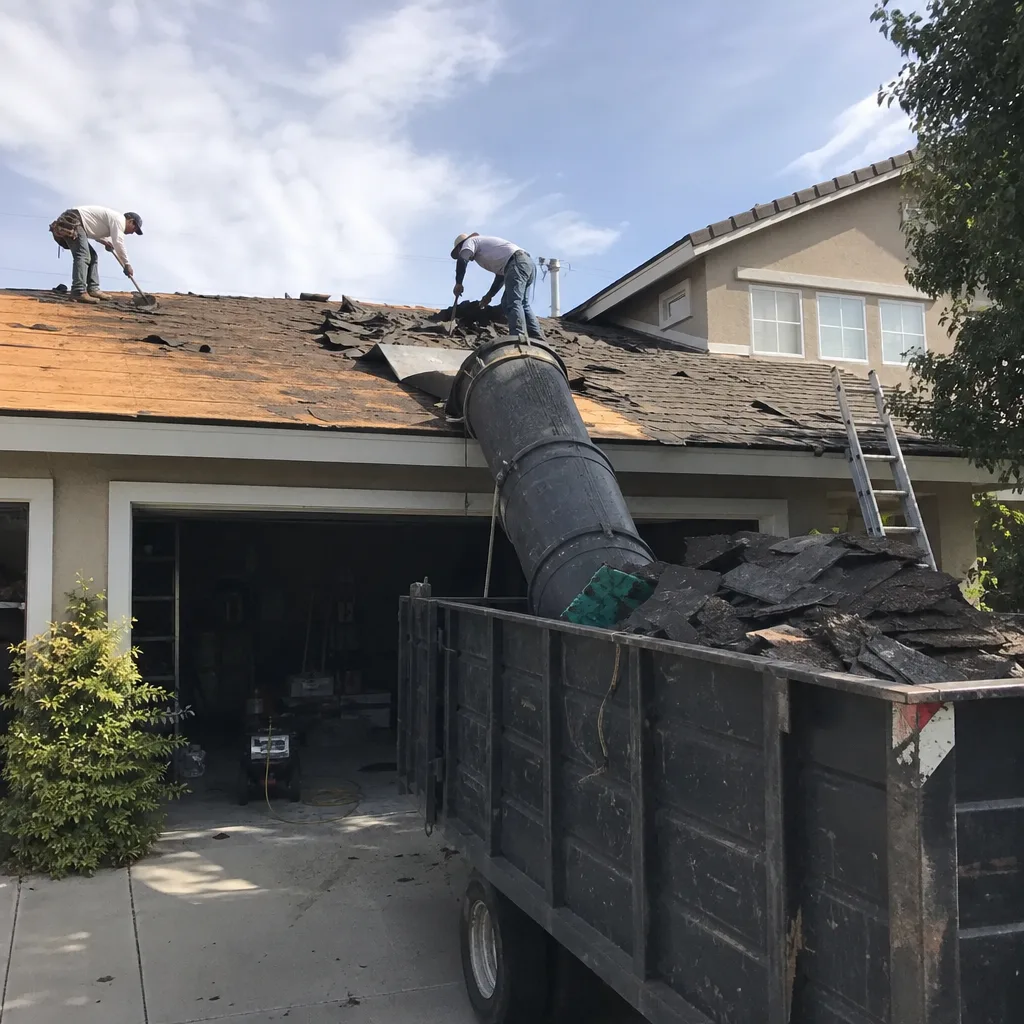
Round impact marks, chipped tile edges, and spatter-like scarring on an Irvine roof are almost never hail damage – they’re impact damage from windborne debris during Santa Ana wind events. Irvine averages fewer than three hail events per decade, so if you’re inspecting your roof after a storm and finding circular marks or spider-cracks, the cause of loss is nearly always wind-driven gravel, branch fragments, or roof-to-roof tile displacement. Getting that distinction right matters, because California insurers categorize wind and hail claims differently and document them differently. Call Groundwork Construction Co. of Irvine at (888) 578-4462 for a written, photographed assessment that correctly identifies what hit your roof.
Why Irvine Homeowners Rarely See Real Hail – and What Hits the Roof Instead
Southern California’s coastal-influenced semi-arid basin doesn’t produce hail the way Colorado or North Texas does. Irvine’s climate runs to hot dry summers, long UV exposure, and almost no freeze, which is hard on stucco and roofing but doesn’t generate the convective storms that drop hailstones. The rare exception is an anomalous winter convective event, and even those tend to produce small, soft stones that bounce off concrete tile without breaking it.
What Irvine does get, reliably, are Santa Ana wind events. Those winds pick up gravel from landscaping beds, tear small branches loose, and drive them across roofs at speed. On the dense tract housing built from the 1960s onward – the Mediterranean and Spanish-revival stucco homes across Woodbridge, Northwood, and Turtle Rock, plus the 2000s condo clusters near the Spectrum and UCI – that debris load lands on thousands of tile roofs within a few square miles.
The result looks confusingly like hail. Impact chips, circular spatter marks, and hairline spider-cracks in the tile surface are the same shapes a homeowner finds on a hail-damage checklist. The physics behind them isn’t the same, and an adjuster will examine impact geometry and depth closely before agreeing to a cause of loss.
Hail Spatter vs. Santa Ana Debris Damage: What to Look For
Here’s where the SERP consensus stops being useful for Irvine. Generic “hail damage signs” articles tell you to look for dents in metal, granule loss on asphalt shingles, and bruising on soft metals. Most Irvine roofs are concrete tile, and concrete tile doesn’t dent. It chips, cracks, and displaces. So the checklist has to change.
The comparison below is how we read a roof after a wind event in Irvine, and it’s roughly how an adjuster will read it too.
| What you see | Typical cause in Irvine | What it means for your claim |
|---|---|---|
| Tight cluster of round chips, similar size, similar depth | Hail impact (rare here, usually small stones) | Hail claim – document stone size and pattern |
| Irregular chips with angular edges, uneven depth, scattered across one slope | Santa Ana windborne gravel or branch fragments | Wind claim – document debris source and slope orientation |
| Hairline spider-cracks fanning from a single point | Point impact from flying debris | Wind claim – photograph crack origin at close range |
| Ridge tiles shifted sideways or lifted | Wind uplift, not impact at all | Wind claim – displacement is the clearest wind evidence |
| Cracked or crumbled mortar at hip joints | Wind flex plus long-term UV and dry-heat fatigue | Often wear, not storm – adjuster will look at age |
The single most reliable tell is pattern geometry. Hail falls straight down and hits a whole slope fairly evenly. Wind-driven debris concentrates on the faces the wind was hitting and clusters irregularly. If your damage is all on one or two slopes, you’re looking at wind, not hail.
How to Inspect an Irvine Roof After a Santa Ana Event
You can do a safe ground-level walk-around without climbing anything. The sequence below is the order that surfaces damage fastest, because wind damage shows up in a predictable hierarchy.
- Ridge tiles first. Wind lifts and shifts ridge tiles before anything else on the roof. From the ground with binoculars, look for lateral displacement – tiles sitting off-center along the ridge line.
- Hip mortar joints second. Check the mortar where hips meet for fresh cracks or crumbled sections. If mortar is falling, that’s a real finding.
- North- and east-facing slopes third. During a Santa Ana, wind-driven debris concentrates on these faces. Walk the perimeter and scan those slopes for chips and color-contrast scars.
- Gutters and downspout outlets last. Debris that ended up in the gutter tells you what was flying. Gravel and branch fragments confirm windborne impact.
Stay off the roof. Tile is slippery, brittle, and easy to crack underfoot, and the fall risk on a two-story Irvine tract home isn’t worth the photograph. If you see ridge displacement or fresh hip cracks, that’s when to call. Our technicians have up to 12 years of experience reading storm damage on Irvine roofs, and every assessment comes with written findings and photos you can hand directly to your insurer.
What Roof Repair Costs in Irvine After a Storm
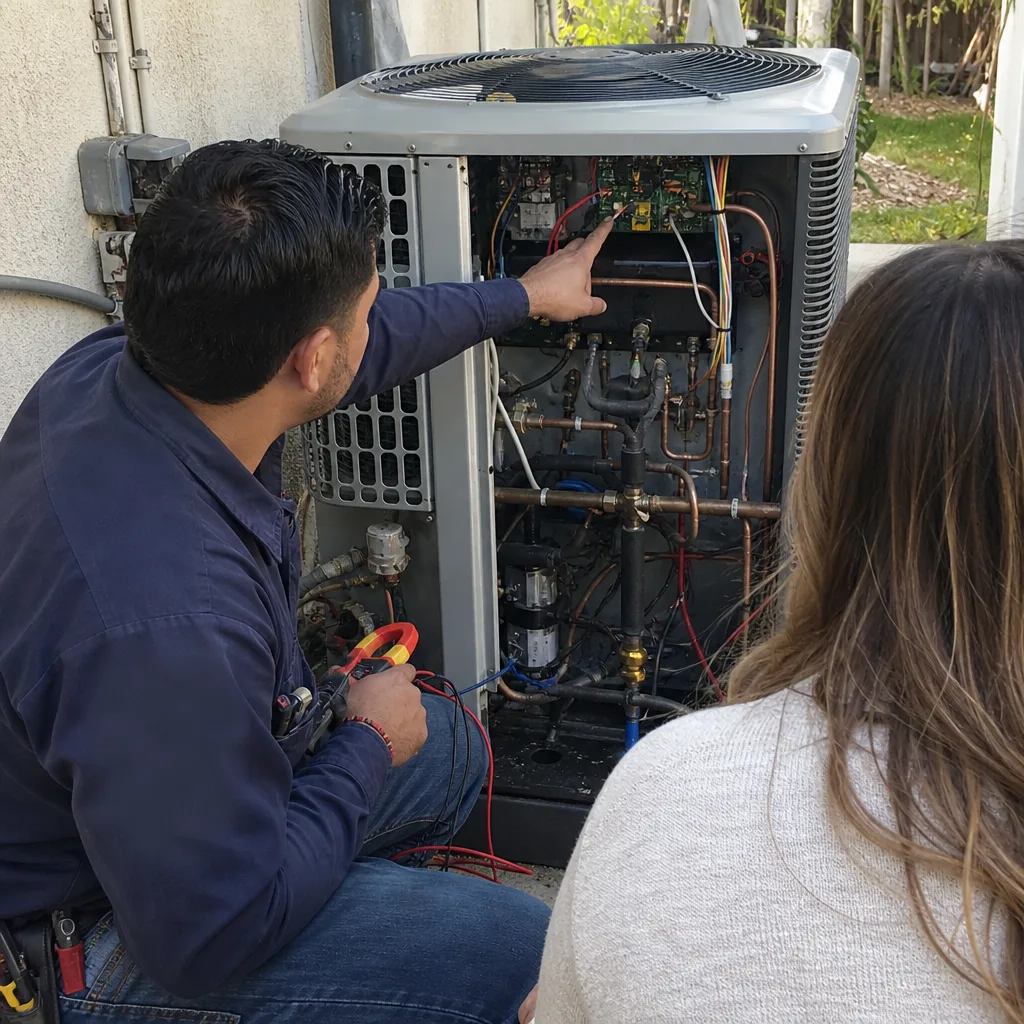
Post-storm repair in Irvine is usually tile work, not full replacement. The ranges below reflect what we quote in this market, and they hold whether the cause of loss turns out to be wind or hail.
- Roof repair: $400-$1,800
- Tile roof repair: $600-$2,500
- Full roof replacement (if damage is widespread or the roof is near end of life): $8,000-$20,000
- Metal roof installation (a fire-hardening upgrade, not a storm repair): $15,000-$40,000
Upfront pricing, no surprises: the number we quote is the number you pay. If insurance is covering the repair, our written assessment is built to match what the adjuster needs, which cuts down on back-and-forth disputes. We also offer 0% financing for 18 months and $1,000 off projects over $10,000 when the scope crosses from repair into replacement. For the full picture of what we handle, see our Roofing services.
The Irvine Detail Most Storm Repair Crews Miss: WUI Compliance
Along Irvine’s eastern and southern edges, where the city abuts open space and the Santa Ana foothills, homes sit inside a wildland-urban interface overlay. That overlay carries fire-hardening requirements – ember-resistant vents, Class A roofing, noncombustible siding. It applies to repair work too, not just new construction.
This is where a quick insurance repair can go sideways. A storm-damaged tile swapped for whatever substitute was on hand can trigger a plan-check issue at the next permit pull, and Irvine’s building division is strict. Neighboring Santa Ana and Tustin homes rarely face this level of scrutiny. Irvine does, and the village associations add their own design-review layer on top. Every repair we do on a WUI-edge home uses GAF or Owens Corning materials that meet the same fire rating as the original, so a storm fix doesn’t create a future compliance problem.
For broader context on how Irvine’s master-planned structure shapes permit work, see our Irvine service area page.
FAQs
Irvine averages fewer than three hail events per decade, and the stones are usually small and soft. Real hail damage on an Irvine roof is rare. What most homeowners find after a storm is Santa Ana windborne debris damage, which produces nearly identical impact marks on concrete tile but is categorized as a wind claim, not a hail claim. Call (888) 578-4462 if you want the cause of loss identified in writing.
Hail falls straight down and marks a whole slope fairly evenly, while wind-driven debris clusters irregularly on the faces the wind was hitting. Look at pattern geometry: even, same-size chips across an entire slope leans hail; uneven chips and displacement concentrated on north- and east-facing slopes leans wind. Depth matters too – wind debris cuts deeper and more angularly. An adjuster will examine both before agreeing to a cause of loss, so a photographed assessment from us gives you something concrete to submit. Estimates are free.
Yes. California residential property claims for wind versus hail damage are categorized differently and require different documentation. A claim labeled hail when the evidence points to wind can get disputed or delayed. Our inspection produces a written, photographed assessment that correctly identifies cause of loss – which is the simplest way to reduce claim disputes. Call (888) 578-4462 for a no-pressure assessment.
Calls are answered by a live person 24/7, so you’re reaching a person, not voicemail, any time of day. Same-day scheduling is often possible in Irvine, and every job is covered by our 730-Day Done Right Promise – if it’s not done right, we make it right. Call (888) 578-4462 and we’ll get an assessment on the calendar.
Ready to Have It Looked At?
If you’d rather have it looked at, Groundwork Construction Co. of Irvine offers a no-pressure assessment in Irvine – call (888) 578-4462. We’ll identify the cause of loss, document it properly for your insurer, and quote the repair with upfront pricing. Background-checked, uniformed technicians on every visit.
Written by the team at Groundwork Construction Co. of Irvine, serving Irvine, CA.