
 Kitchen remodeling
 Bathroom remodeling
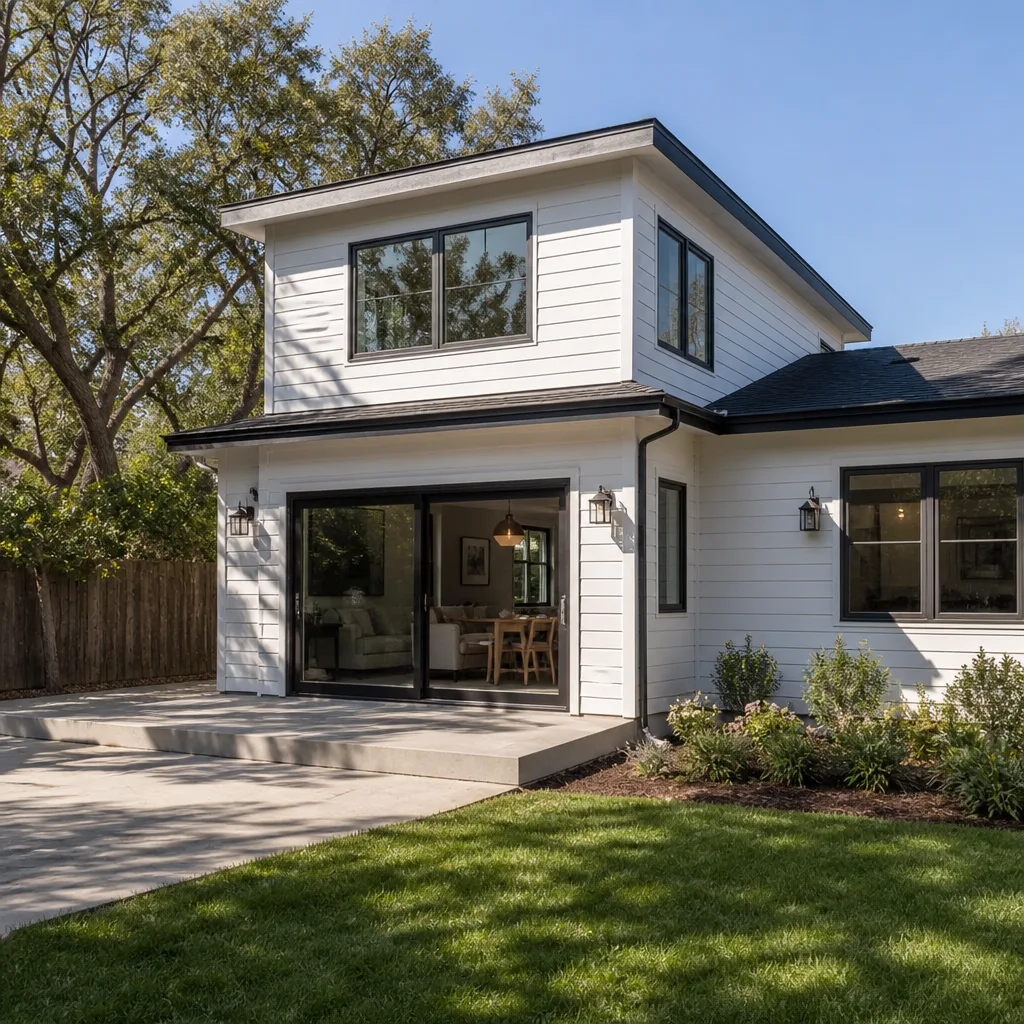 Home additions & ADU
 Roofing
 Windows & doors
 Driveway & pavers
 Fence
Free written scope consultation - allowances, timeline, and change-order rules on paper before a single trade is scheduled
Styles & brands we work with
- Kitchen remodeling
- Bathroom remodeling
- Home additions & ADU
- Roofing
- Windows & doors
- Driveway & pavers
- Fence
See the difference
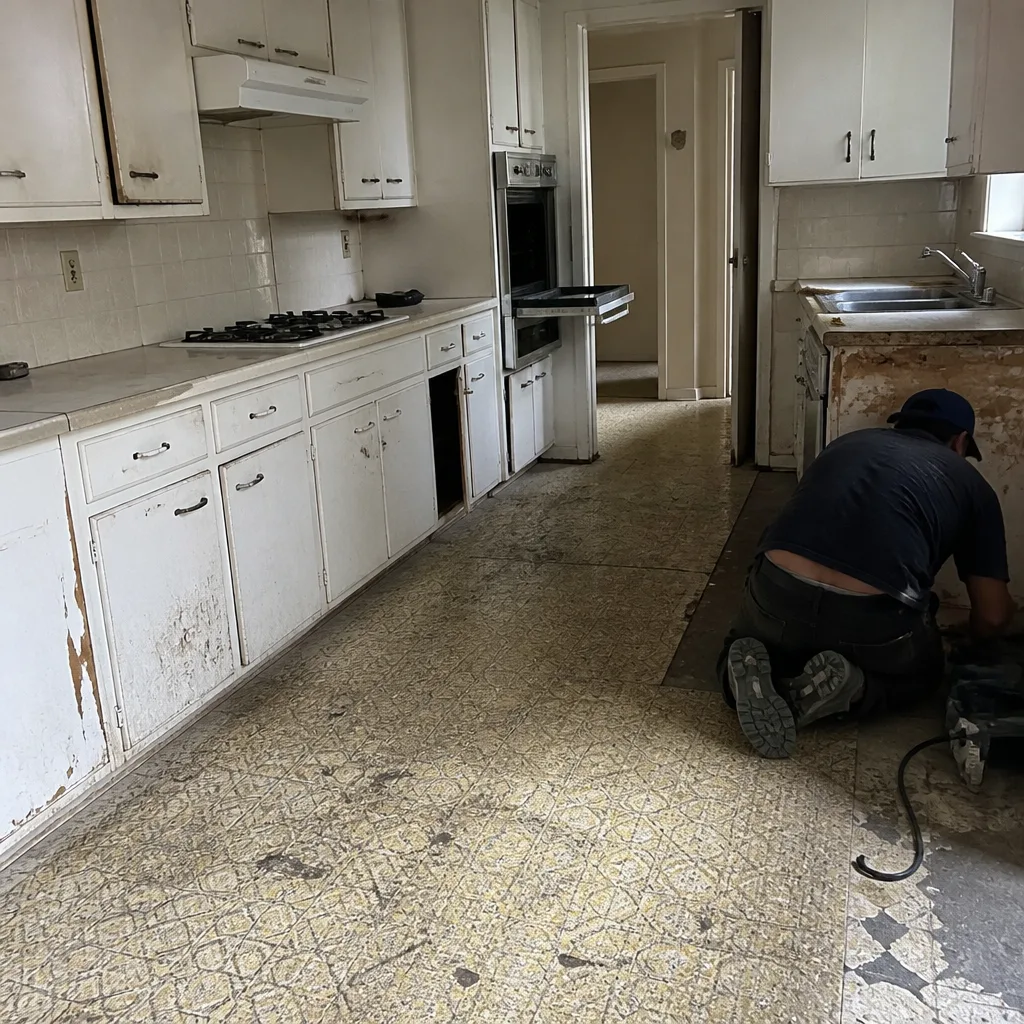 Before
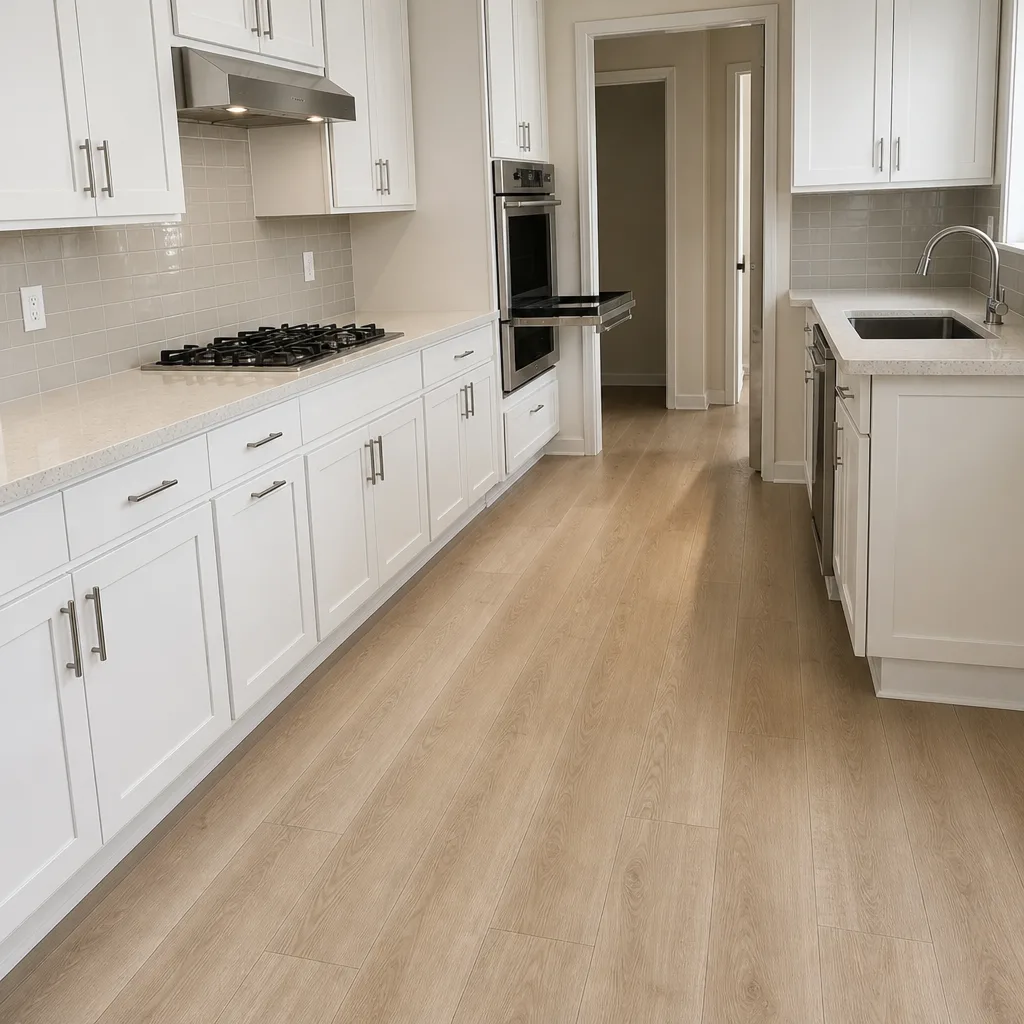 After
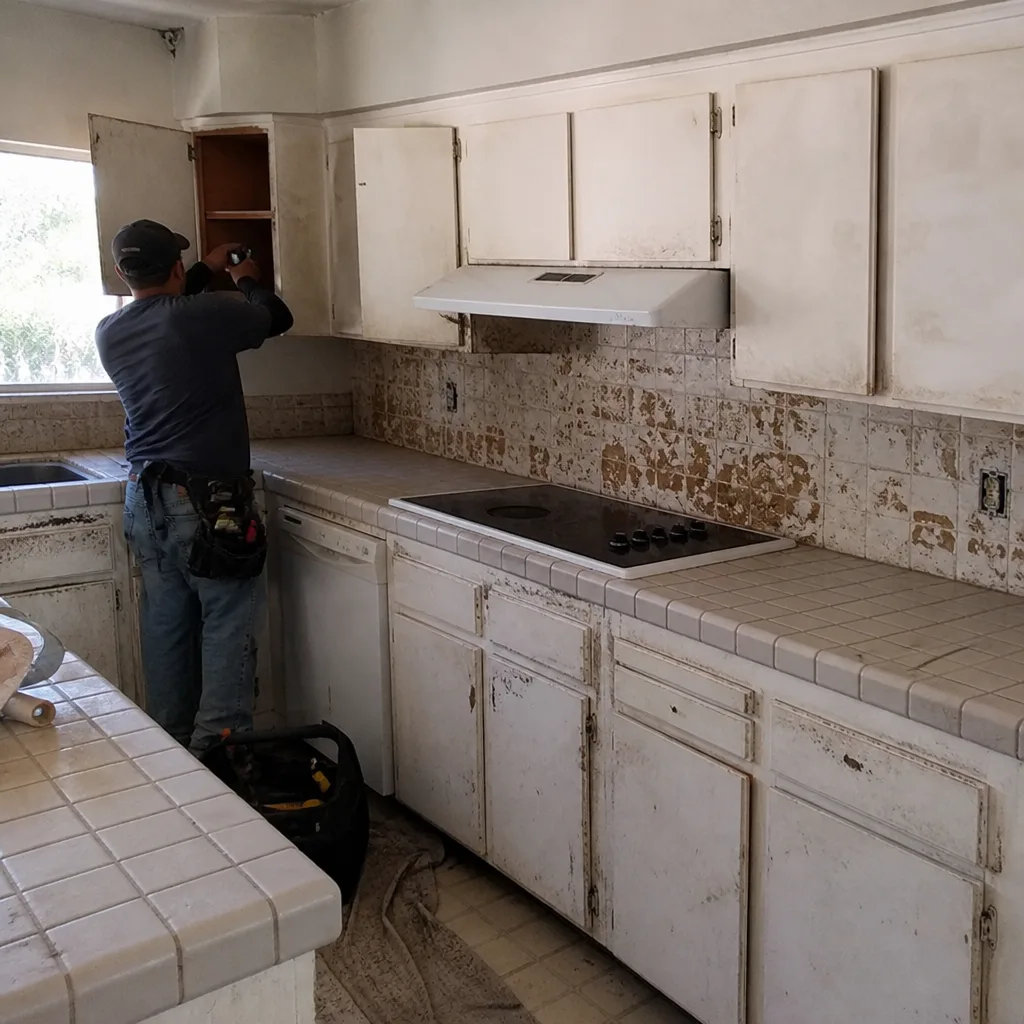 Before
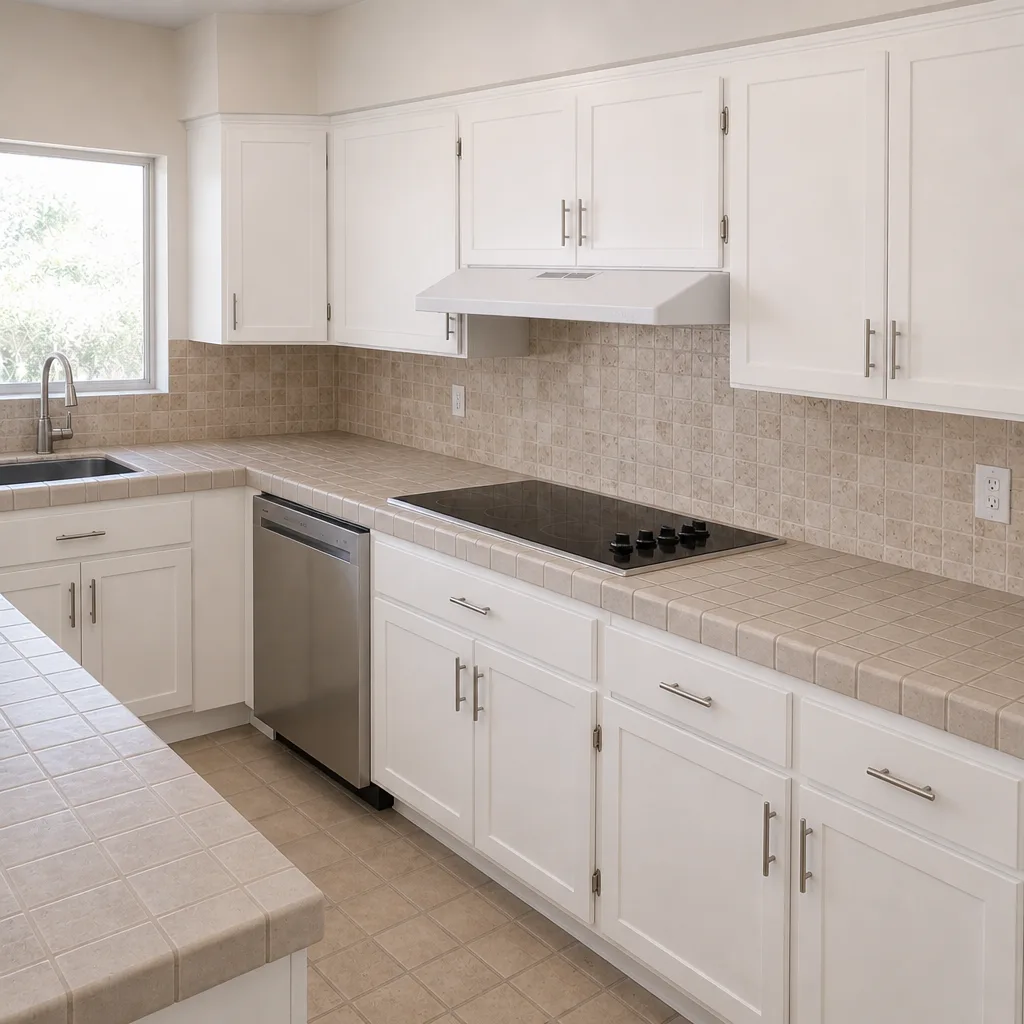 After
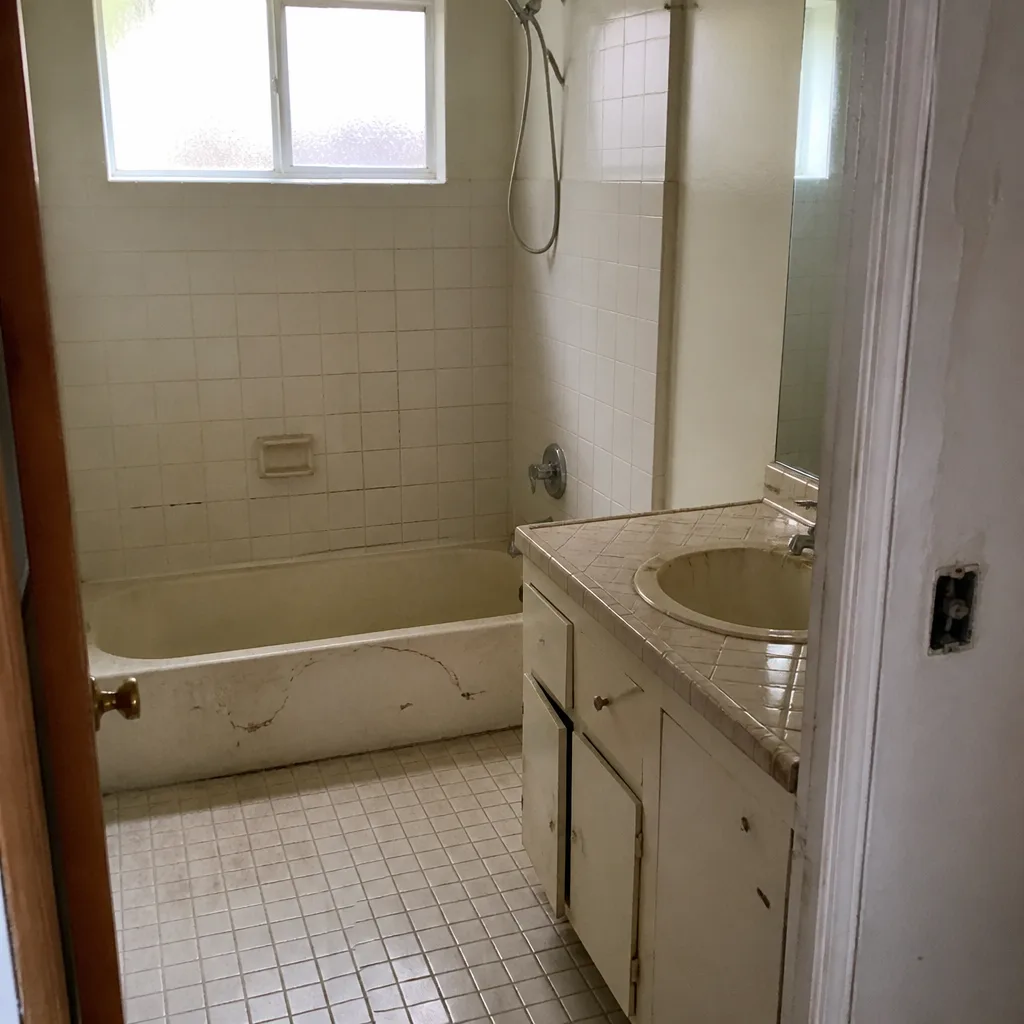 Before
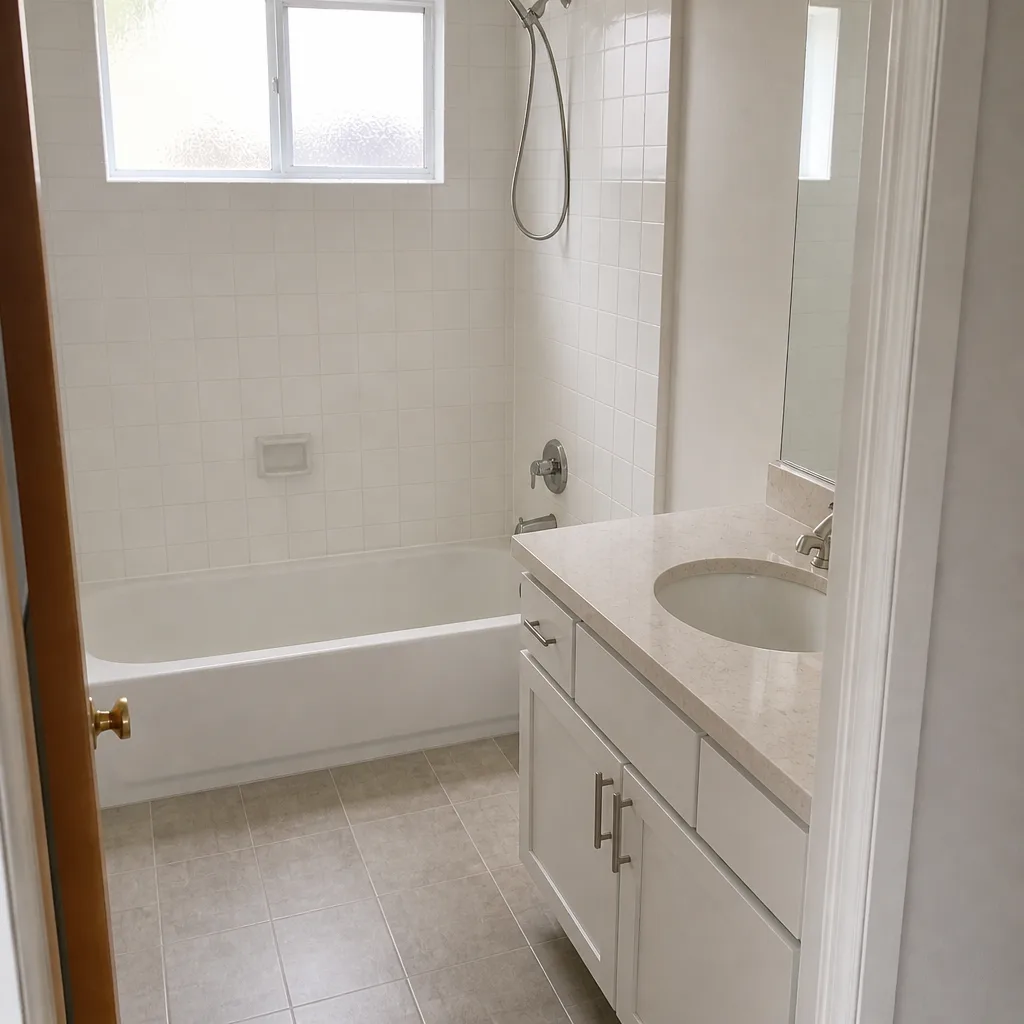 After
What Causes Roof Leaks in Irvine, CA? Usually the Underlayment, Not the Tiles
Most roof leaks in Irvine are caused by failed underlayment beneath concrete roof tiles that still look perfectly intact, by stucco-to-parapet step-flashing joints that cracked years ago, and by UV-shrunk pipe boots on re-roofed 1980s home additions. Broken tiles and storm damage exist, but they rank below all three. If water is showing up on a ceiling in Woodbridge or Northwood, the entry point is almost always hidden from the ground. Groundwork Construction Co. of Irvine can trace it to the actual source at (888) 578-4462.
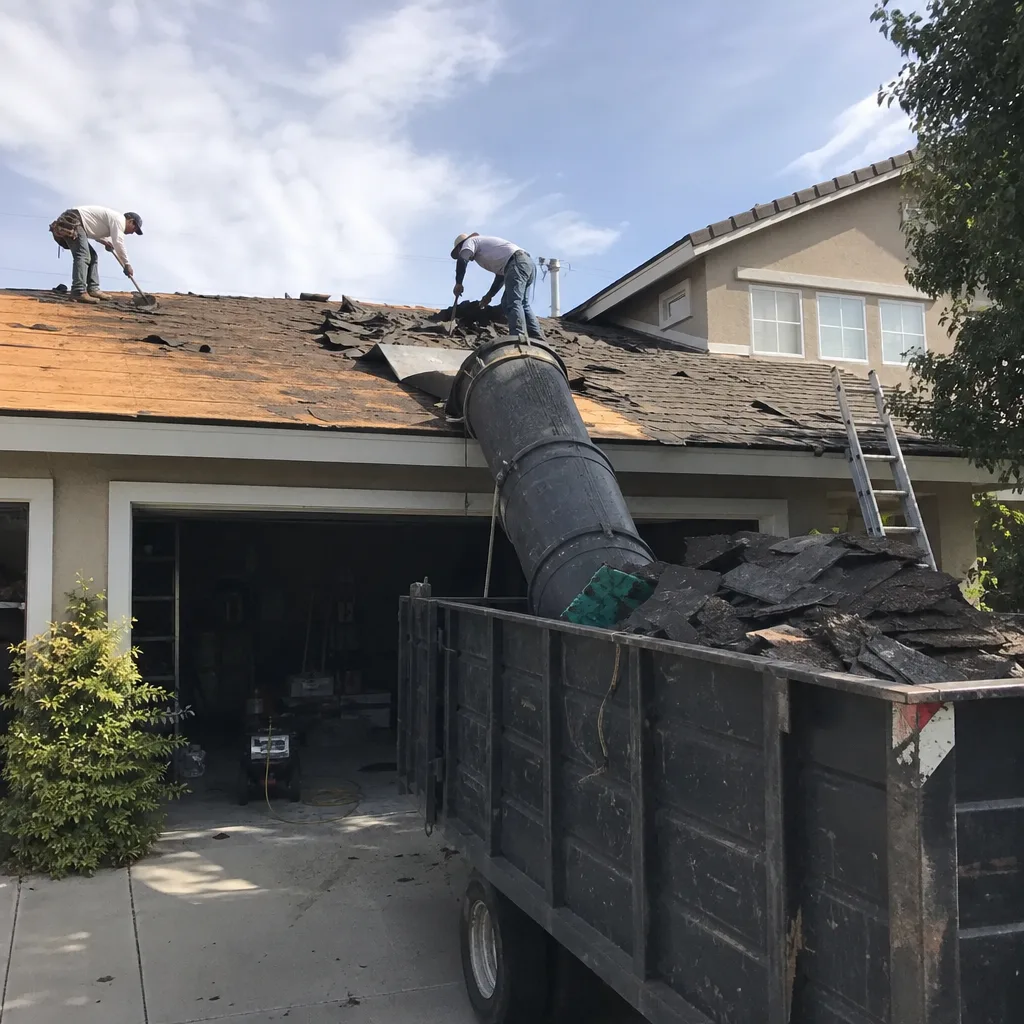
Irvine’s housing stock is overwhelmingly post-1965 planned-community construction: Mediterranean and Spanish-revival stucco tract homes and townhomes, the majority now between 25 and 50 years old. The city is semi-arid, coastal-influenced, and almost never freezes. That combination produces a very specific leak pattern, one our field technicians recognize the moment they get on a roof.
The Three Most Common Leak Causes in Irvine, Ranked by Frequency
Years of inspections across Irvine villages have given our technicians a clear hierarchy. It doesn’t match the generic lists you’ll find online, and it doesn’t match what most Orange County contractors assume when they first arrive at a leak call in this city.
- 1. Underlayment failure beneath intact concrete tile. Original builder-grade underlayment on 25- to 40-year-old tract homes has a service life that ends well before the tile does. The tile surface may look fine for another decade while the waterproofing layer beneath it is dried out, brittle, and torn across dozens of seams.
- 2. Stucco parapet step-flashing failures. Water gets behind the stucco at the roof-to-wall junction and travels down the wall cavity before it ever shows up inside. This one is frequently misdiagnosed as a plumbing leak.
- 3. Cracked pipe boots and degraded HVAC flashing collars. Direct UV exposure breaks these down faster than the surrounding tile, especially on homes built in the 1980s and 1990s that have been re-roofed at least once.
Storm damage, missing shingles, and wind-lifted tile sit below the top three. Santa Ana wind events matter here, but a wind-driven leak announces itself in one season. The other three fail quietly for years.
Why Stucco Parapets Leak in Irvine’s Spanish-Revival Homes
The step flashing itself is rarely the problem. The sealant bead running along the interface between the flashing and the stucco is. In Irvine’s low-humidity climate, that bead dries and shrinks, cracks, and eventually pulls away from the stucco surface. Water from a modest rain event wicks into the gap, runs behind the stucco, and drops down the wall cavity. By the time you see a stain on an interior wall or a drip at a ceiling joint, the water has been traveling ten or fifteen feet from the actual entry point.
That’s why a leak showing up near a bathroom gets called a plumbing problem. Our technicians trace it upward and find the joint at the parapet, upstream of the stain. Irvine’s uniform architectural standards – Spanish-revival parapets, multi-level rooflines, and stucco wall assemblies – make this failure mode more common here than in the flatter ranch rooflines of neighboring Tustin or Santa Ana.
HVAC penetrations deserve their own callout. On Irvine homes from the 1980s and 1990s, re-roofs often leave abandoned pipe penetrations and re-flashed curbs from a furnace or AC replacement. Each one is another potential failure point, and older flashing collars break down faster than the surrounding tile.
What to Look For (and When to Call a Pro)
If the tile looks fine but something inside doesn’t, check these in order before assuming the worst.
- A water stain on an interior wall that doesn’t align with any plumbing fixture on that floor.
- Ceiling discoloration that grows slowly over weeks, then dries and stops – a sign the leak dried between rain events rather than a one-time problem.
- Visible cracks or gaps in the sealant line where your roof meets the stucco wall.
- Any pipe boot or HVAC curb you can see from a ladder: a boot with visible cracking or a collar pulling away from the pipe is long past due.
- Soft or discolored wood in the attic near a penetration or wall line.
Irvine averages months between meaningful rain events. That dry stretch lets structural wood partially dry between storms. Rot and mold stay hidden while the damage grows – which is why a slow drip that only shows up a couple times a winter is more concerning than a fast one during a storm. A quick visual check from the ground is fine. Getting on the roof is not – concrete tile is fragile and slippery, and a fall from a single-story roof is a serious injury. When the water entry isn’t obvious, leave the rooftop work to a trained professional.
How Our Leak Diagnostics Work
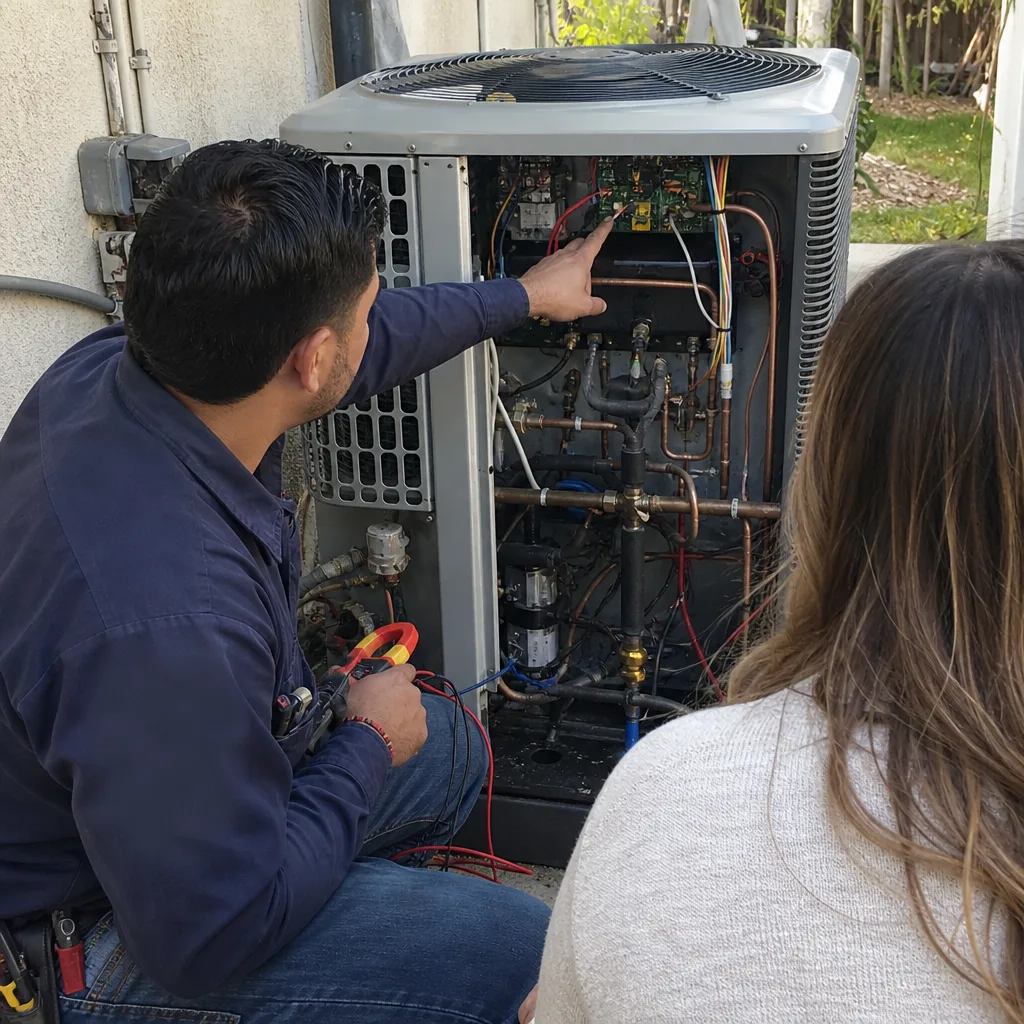
Patching the most visible symptom is the wrong move. Groundwork’s roofing team performs a system-level assessment: we trace the water back to where it enters the building envelope, not just where it shows up inside. That means checking the parapet joint, the underlayment seams, and every penetration in sequence rather than sealing the first stain we find. It’s a slower first step and a much shorter fix. The 730-Day Done Right Promise covers the repair itself, not just the inspection – if the leak returns within the guarantee period, we come back and make it right. Our technicians have up to 12 years of experience working Irvine’s tile and stucco assemblies.
Every repair uses verified brand partners. For tile work, that means tile from manufacturers like Boral matched to what’s already on the roof. For full re-roofs on Irvine homes 25 years or older, current underlayment products have largely caught up to the failure problem – the replacement assembly is a different class of product than what was installed in the 1980s or 1990s.
What Roof Leak Repair Costs in Irvine
| Scope | Typical Irvine Range |
|---|---|
| Basic roof leak repair (pipe boot, flashing patch) | $400 - $1,800 |
| Tile roof repair and tile replacement | $600 - $2,500 |
| Full roof replacement (asphalt) | $8,000 - $20,000 |
| Metal roof installation | $15,000 - $40,000 |
Those ranges come from Irvine-specific pricing, not a national average. A stucco parapet repair that requires resealing the step-flashing interface sits near the low end; replacing degraded underlayment across a whole roof plane sits at the high end. Upfront pricing means the number you see on the estimate is the number you pay, and if the total project runs over $10,000, the current $1,000-off promotion applies. 0% financing for 18 months is also available, which matters when the diagnosis turns into a re-roof.
FAQs
Failed underlayment beneath concrete tile is the most frequent cause in Irvine, especially on tract homes built between 25 and 40 years ago. The tile surface still looks intact, so the leak is invisible from the ground until you’re on the roof and can see the tears in the waterproofing layer beneath.
A water stain that doesn’t line up with any plumbing fixture on that floor is usually a roof-leak symptom, and one that dries out between rain events almost always is. Stains near a bathroom still warrant a roof check – our technicians frequently trace those back to a parapet flashing failure upstream of the stain. Call (888) 578-4462 for a no-pressure assessment.
Most pipe-boot and flashing repairs finish in a single visit, usually within a few hours. Underlayment repair across multiple roof planes can take a full day or more, and a full re-roof typically runs two to four days depending on roof size and access. Scheduling is confirmed upfront, and calls are answered by a live person 24 hours a day.
If the underlayment is still sound, a targeted repair is cheaper every time – typically $400 to $1,800 versus $8,000 or more for a full replacement. If the underlayment has failed across a wide area, repair costs start to stack up and a replacement becomes the better-value call. Our diagnostic tells you which it is. Call (888) 578-4462 for a free estimate.
If you’d rather have it looked at, Groundwork Construction Co. of Irvine offers a no-pressure assessment anywhere in Irvine – call (888) 578-4462. See our full Roofing services for re-roofs, tile repairs, and full replacement, or check our Irvine service area for what we handle across the city.
Written by the team at Groundwork Construction Co. of Irvine, serving Irvine, CA.