
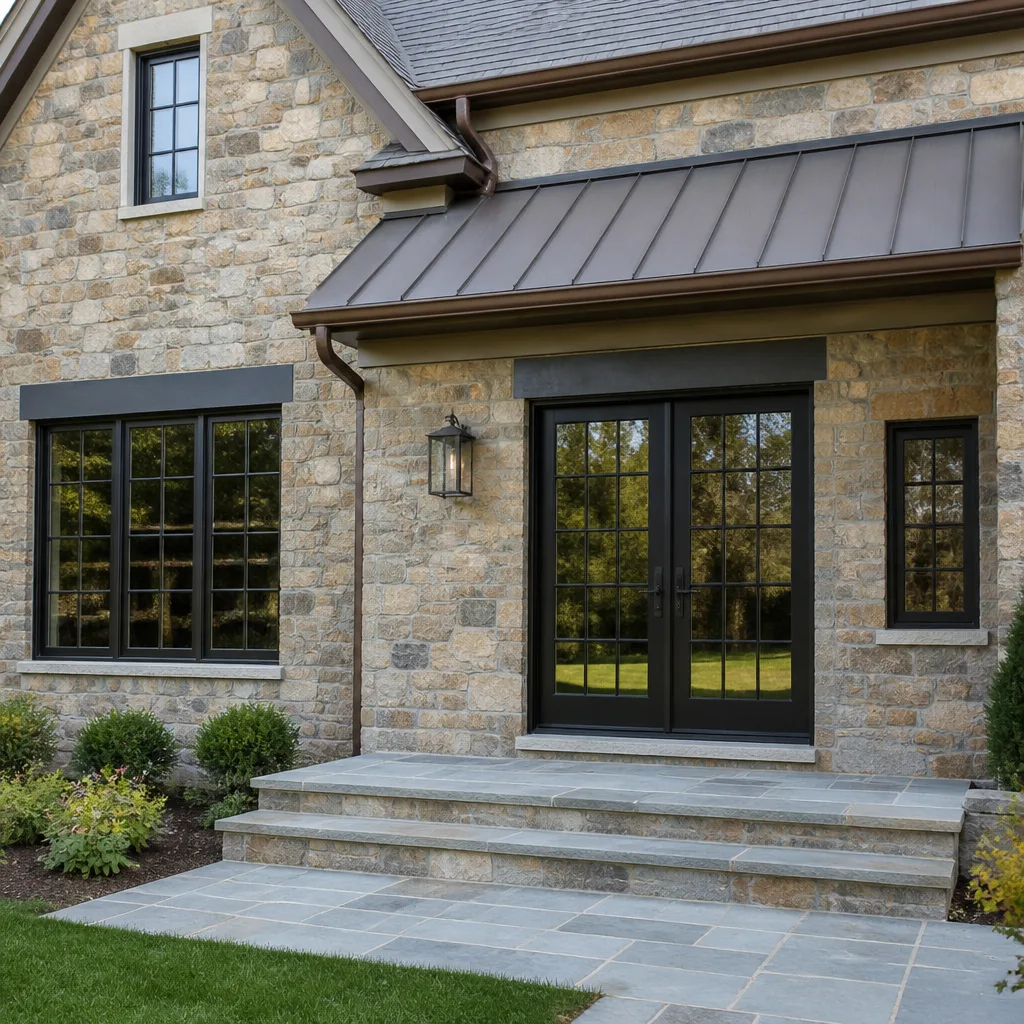
 Windows & doors
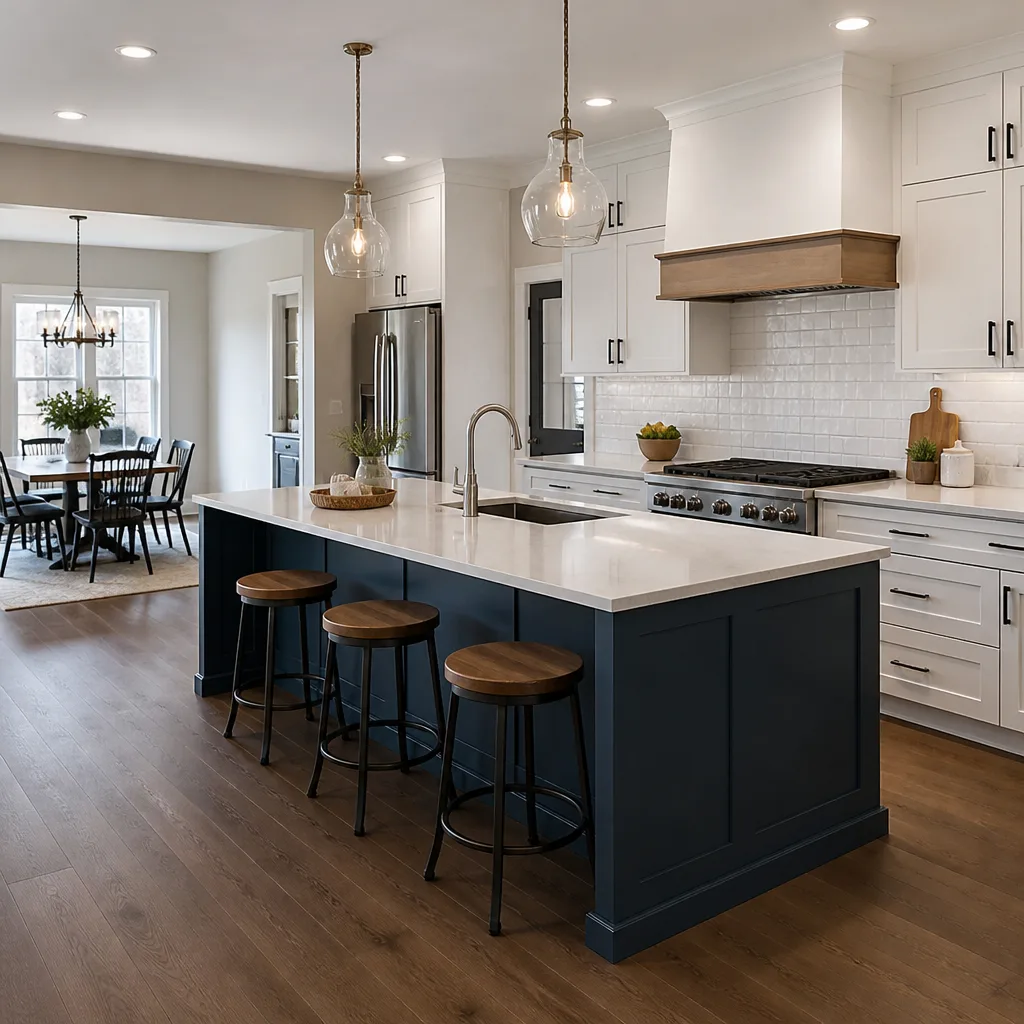 Kitchen remodeling
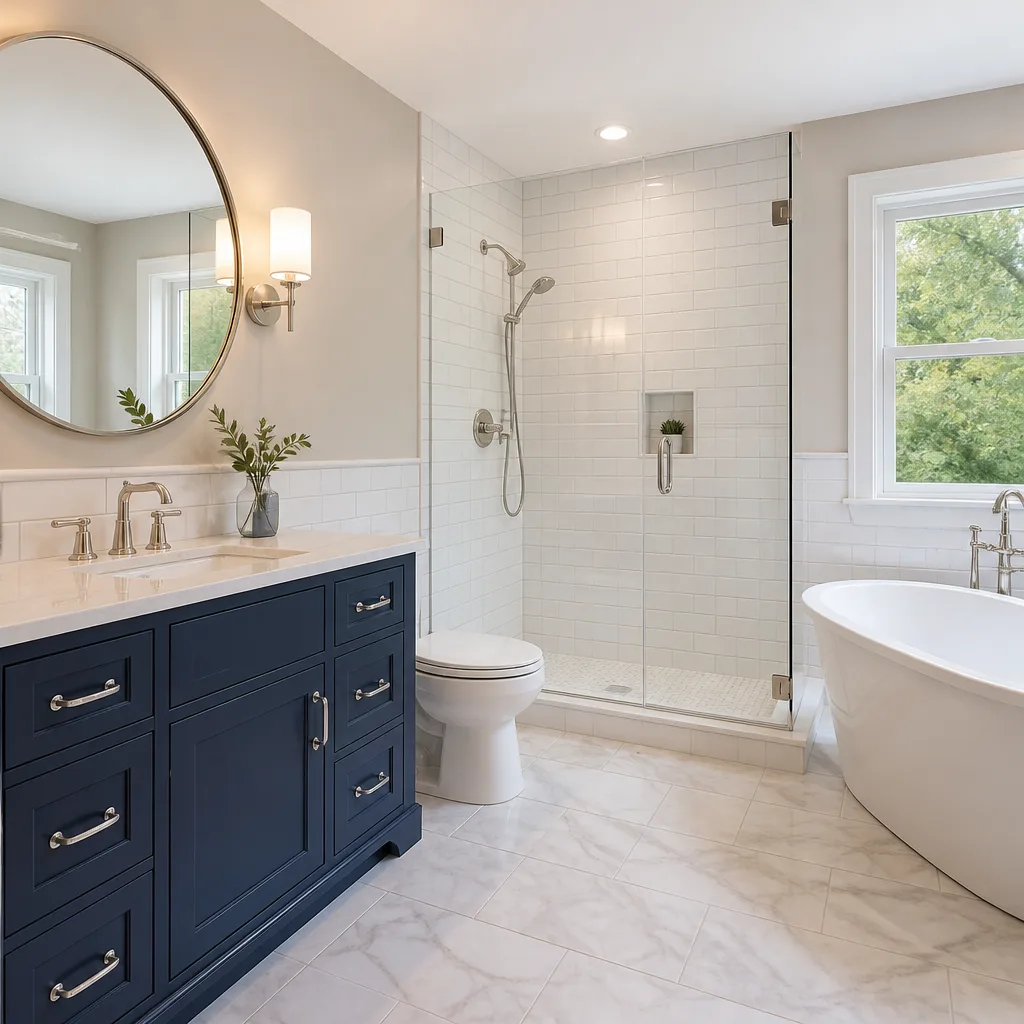 Bathroom remodeling
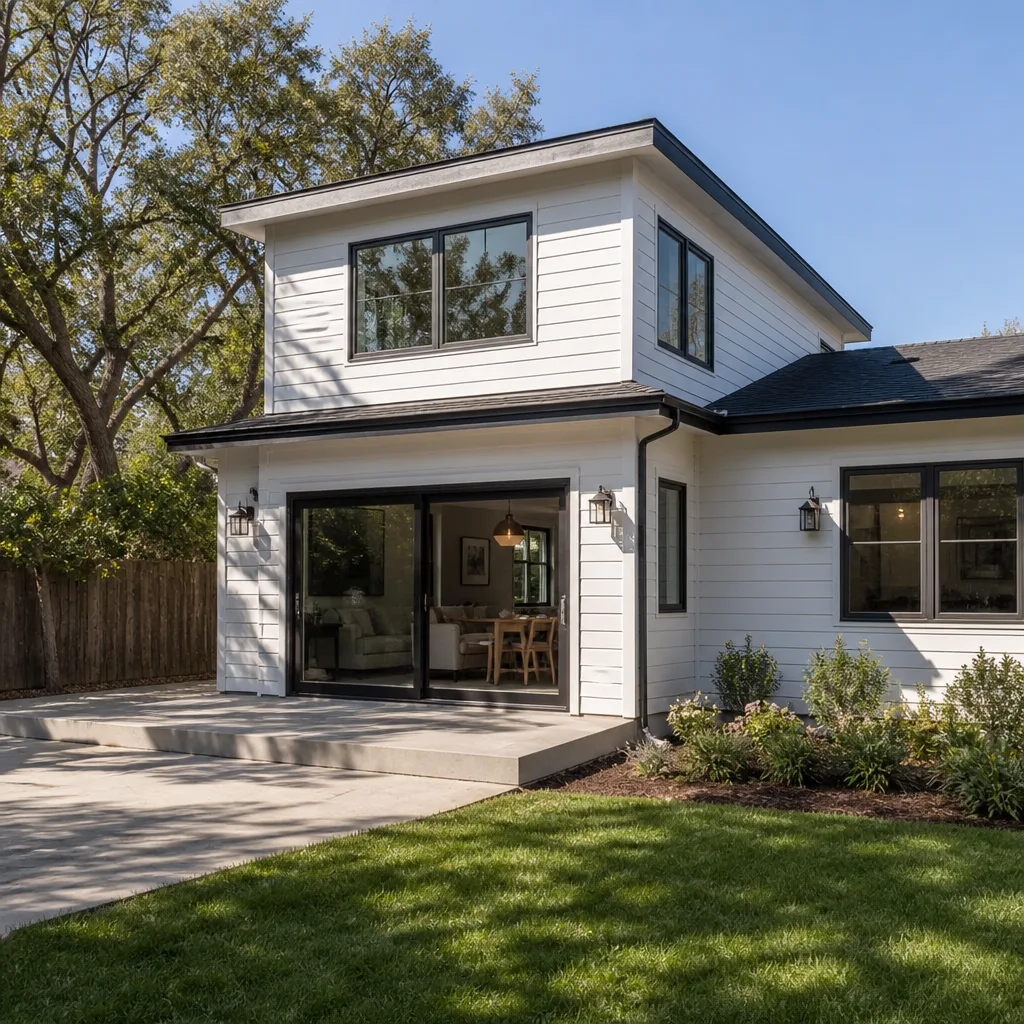 Home additions & ADU
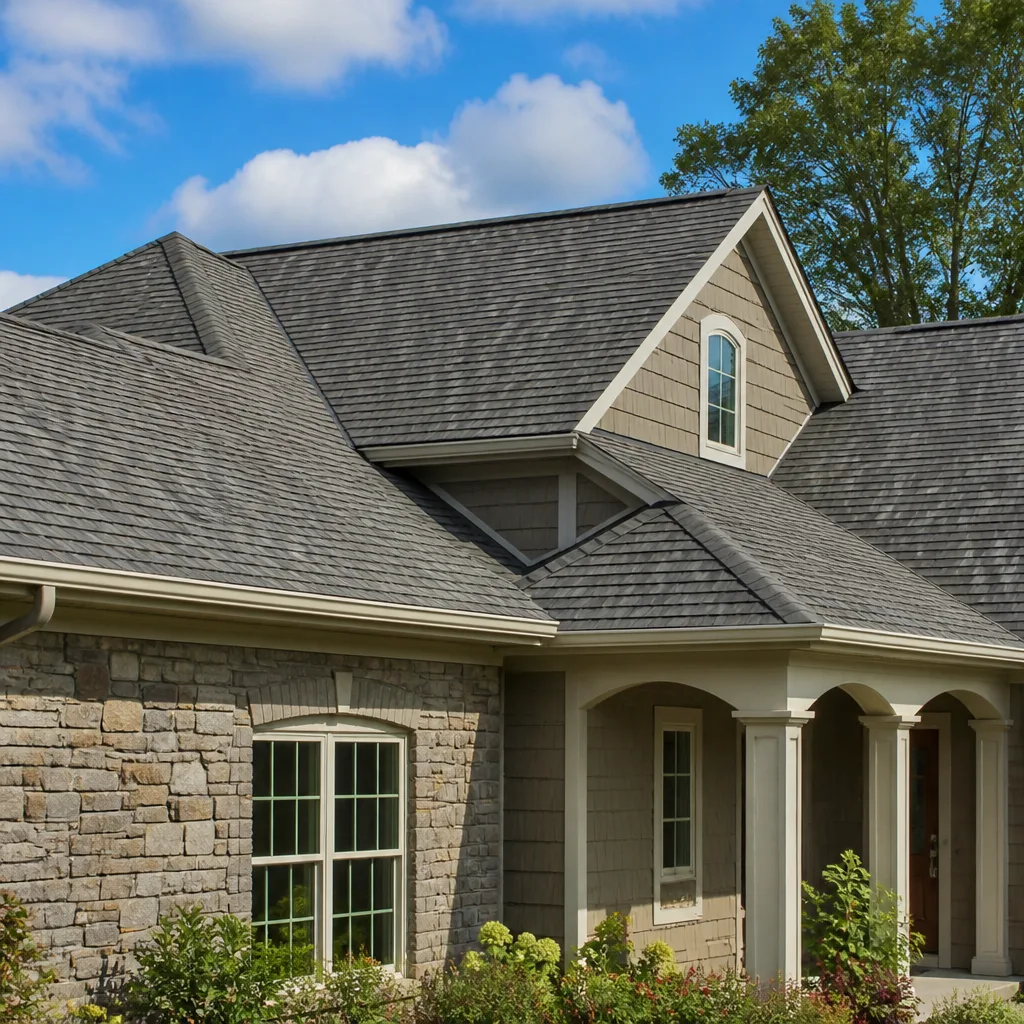 Roofing
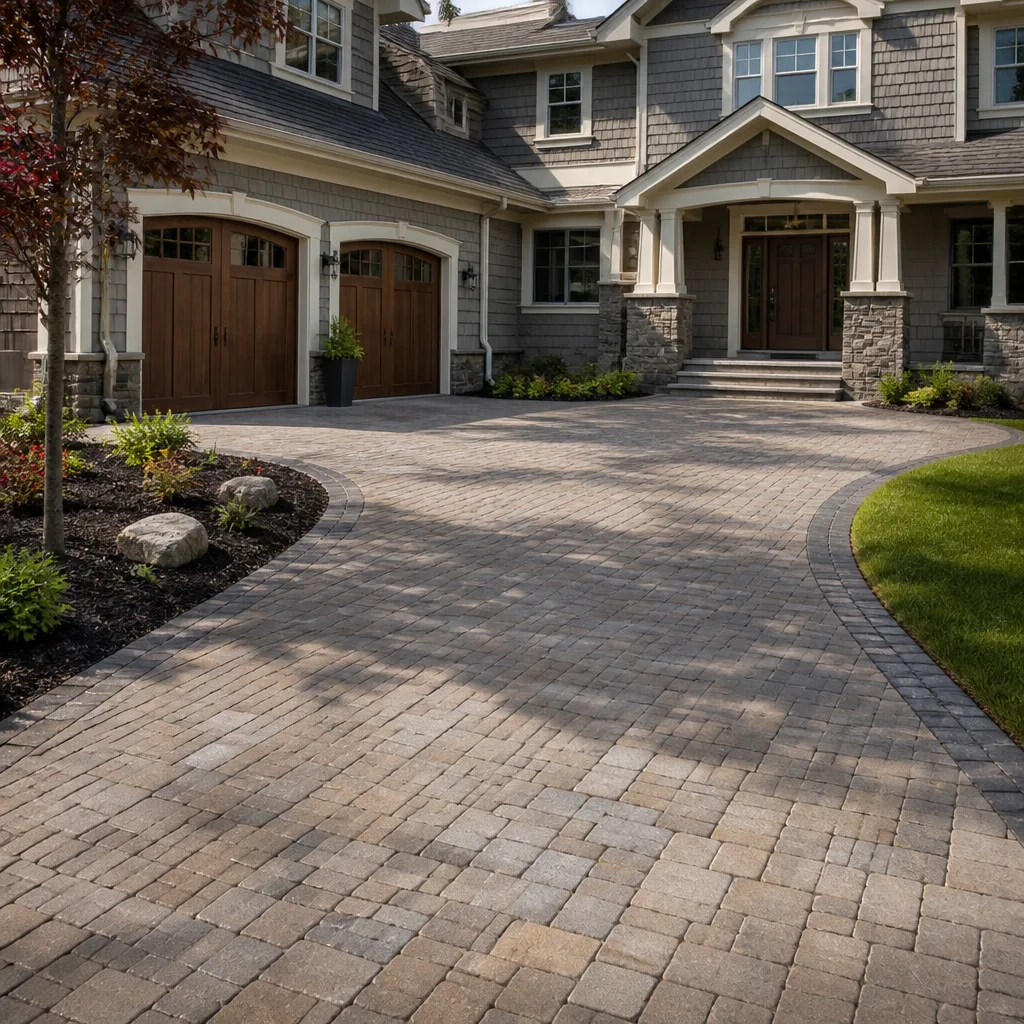 Driveway & pavers
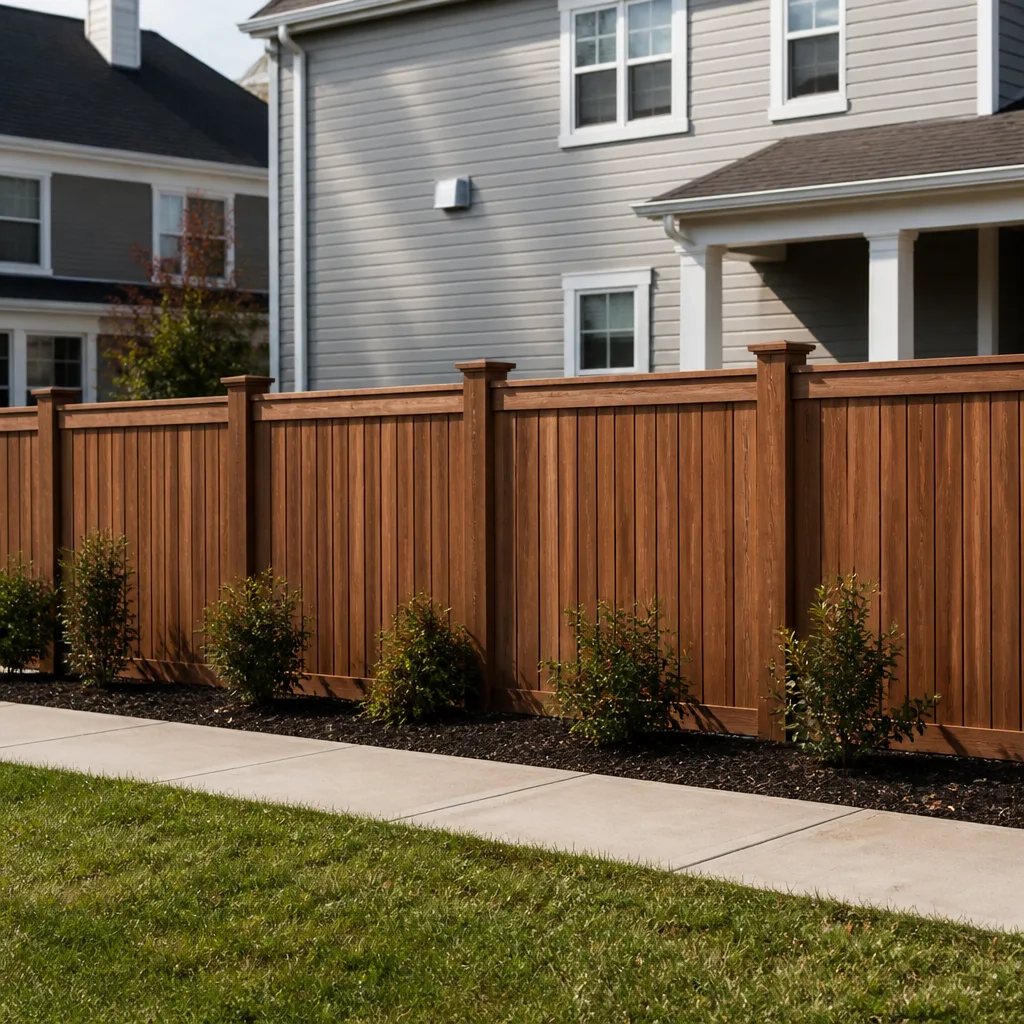 Fence
Free written scope consultation - allowances, timeline, and change-order rules on paper before a single trade is scheduled
Styles & brands we work with
- Kitchen remodeling
- Bathroom remodeling
- Home additions & ADU
- Roofing
- Windows & doors
- Driveway & pavers
- Fence
See the difference
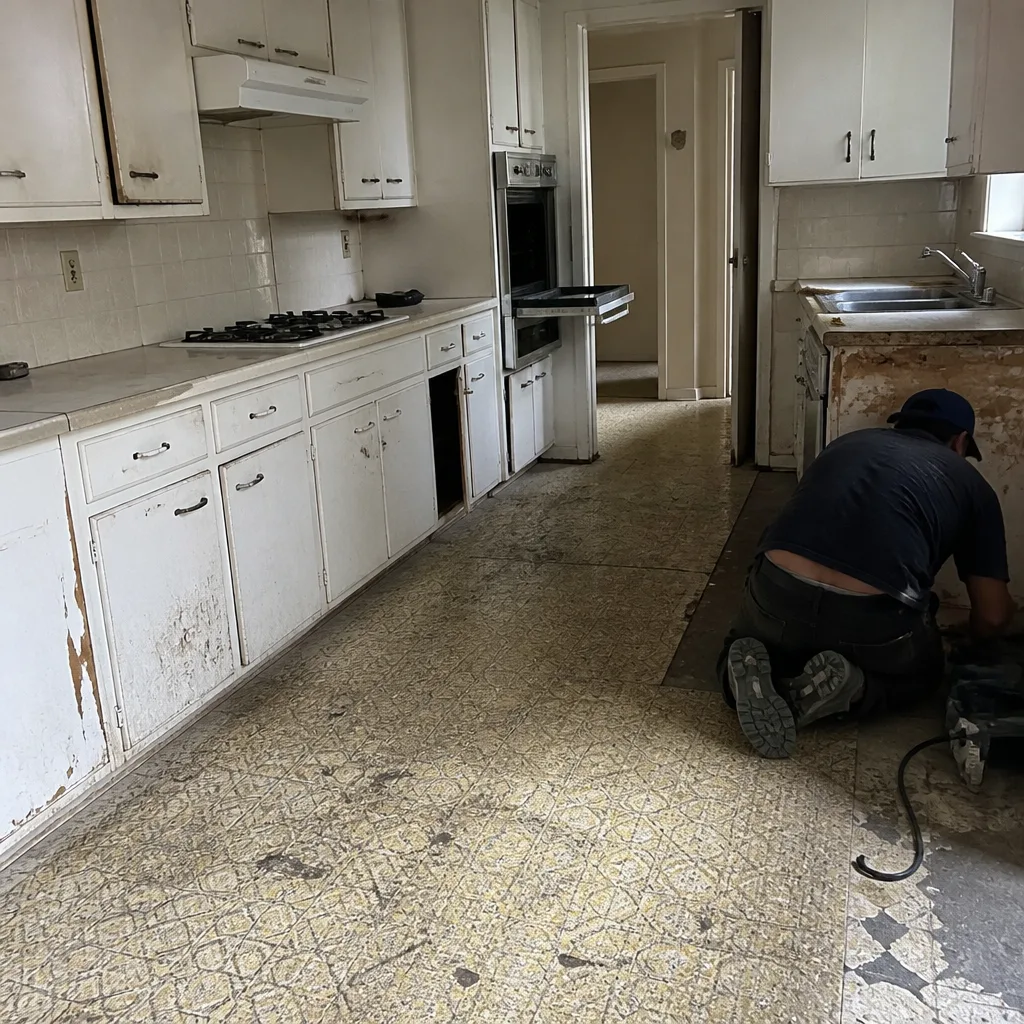 Before
 After
 Before
 After
 Before
 After
How Custom Windows Are Made, and Why It Matters in Irvine, CA
Custom windows are made by cutting, welding and assembling frame profiles to the exact dimensions of your rough opening instead of the nearest standard catalog size, then sealing a made-to-order insulating glass unit (IGU) into that frame after applying a Low-E coating and a warm-edge spacer. The difference between a $280 builder-grade unit and a $650 Andersen custom window lives almost entirely in four manufacturing steps: frame material, Low-E application, IGU spacer type and weatherstripping specification. Those four steps decide how a window performs under Irvine’s UV load and Santa Ana wind cycling for 20-plus years. If you’d rather have a straight answer on what your openings actually need, call (888) 578-4462.
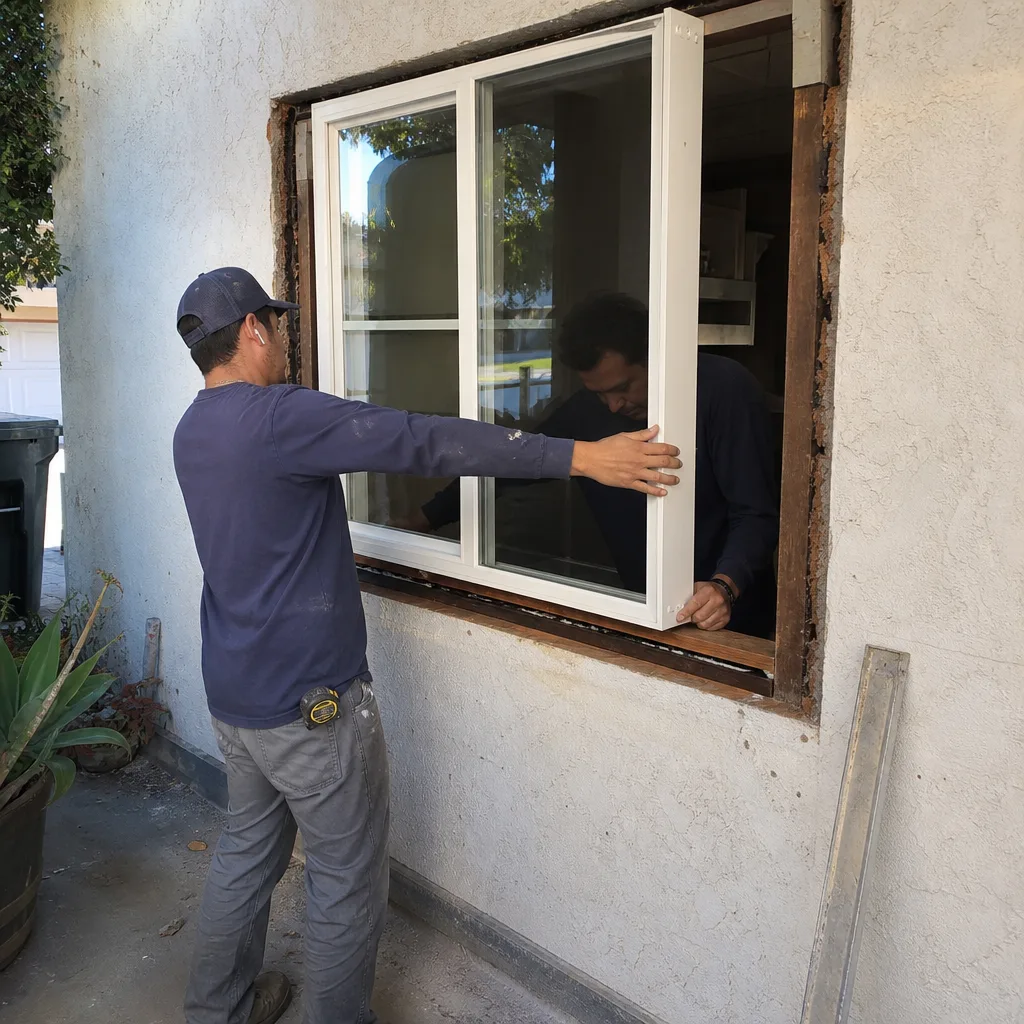
Most Irvine homeowners we talk to know “custom” means “costs more.” Fewer know why. Here’s the manufacturing side, trade by trade, so you can hold a salesperson’s feet to the specification sheet.
The Four Manufacturing Steps That Separate Premium From Builder-Grade
Every window, cheap or expensive, goes through the same rough sequence: profile extrusion or pultrusion, frame fabrication, glass unit assembly, then glazing and hardware. The premium lives in how each step is executed. In Irvine’s semi-arid, coastal-influenced basin – hot dry summers, almost no freeze, and repeated Santa Ana wind events – these four differences compound over decades.
1. Frame material: pultrusion vs. extrusion
Vinyl frames are extruded: hot PVC is pushed through a die. Fiberglass frames are pultruded: glass roving is pulled through a resin bath and cured under tension, which produces a much stiffer profile with a far lower coefficient of thermal expansion. Why that matters here: Irvine’s seasonal swing runs roughly 40°F in winter to 100°F in summer, and a vinyl frame expands and contracts noticeably across that range, stressing welds and seals. A pultruded fiberglass frame holds dimensional stability across that spread. Aluminum is dimensionally stable too but conducts heat, which is why it’s fading from residential use in California’s Title 24 climate zones.
Andersen’s Fibrex is a proprietary wood-fiber/polymer composite developed specifically to resist the UV degradation and thermal expansion that shortens vinyl window life in high-UV climates like Irvine’s. That’s the manufacturing story behind the premium – not marketing language.
2. Low-E coating: sputter-coated vs. pyrolytic
Low-E glass carries a microscopic metallic coating that reflects infrared energy. Two ways to apply it. Pyrolytic (“hard coat”) is fused onto the glass while it’s still molten at the float line – durable, but with a higher solar heat gain coefficient (SHGC). Sputter coating (“soft coat”) deposits multiple metal layers in a vacuum chamber after the glass is made; it delivers a noticeably lower SHGC, which is exactly what you want when Irvine’s cooling load, not heating load, drives your energy bill. Andersen and Marvin both use sputter-coated Low-E in their premium lines. For Irvine homes, aim for an SHGC in the low 0.20s; a hard-coat unit that lands in the 0.40s is doing roughly half the work.
3. IGU spacer: warm-edge composite vs. aluminum
The spacer is the bar that holds the two panes apart and carries the desiccant. Traditional aluminum spacers conduct cold (or heat) straight to the glass edge, which is where condensation forms first. Warm-edge composite or stainless-steel hybrid spacers cut that conduction path. In Irvine this shows up as less edge-of-glass condensation on cool winter mornings in Woodbridge and Northwood homes, and less seal stress during summer heat. It also reduces the thermal bridging that shortens IGU life.
4. Weatherstripping: durometer and compression set
The least glamorous step, and the one that decides whether your window whistles during a Santa Ana event in five years. Weatherstripping is specified by durometer (hardness) and compression-set rating (how much it permanently deforms after being squeezed). Cheap foam or low-grade bulb seals take a set within a few seasons and stop sealing; a properly specified EPDM or silicone bulb with a low compression-set rating keeps its spring through tens of thousands of open-close cycles and wind pressure reversals. Ask for the spec. If a bid can’t name it, that’s your answer.
What “Custom” Actually Means on the Factory Floor
In manufacturing terms, “custom” means the frame is cut and assembled to your exact rough-opening dimension, not the nearest standard size. That distinction matters more in Irvine than in most cities. Irvine’s housing stock is overwhelmingly post-1965 planned-community construction: Mediterranean and Spanish-revival stucco tract homes and townhomes in villages like Woodbridge, Northwood and Turtle Rock, plus dense 2000s condo clusters near the Spectrum and UCI. Openings in 30-to-50-year-old stucco homes routinely miss every standard catalog dimension by a half inch or more, and forcing a stock unit into an out-of-square opening is where air infiltration and water intrusion begin.
A custom unit is measured, specced and built to close that gap. It also lets the factory build the unit to Irvine’s Title 24 energy requirements before it ever ships, instead of patching performance with aftermarket film at the job site – a shortcut that peels, hazes and voids most glass warranties.
One more layer specific to Irvine: because the city was master-planned almost entirely by the Irvine Company from the 1960s onward, most window replacements happen inside village-specific HOAs and design-review boards. Architectural standards and CC&R scrutiny here are stricter than in neighboring Santa Ana or Tustin, and the city’s building division runs a tight plan check. Specifying the right unit at the factory is only half the job; the other half is documentation that clears design review the first time. Along Irvine’s eastern and southern edges abutting open space and the Santa Ana foothills, WUI fire-hardening requirements add another layer – ember-resistant vents, Class A assemblies and noncombustible detailing – that out-of-town contractors routinely miss on their first Irvine plan check.
Quality Control at the Manufacturing Level
Andersen and Marvin subject each IGU to a pressure-differential test before shipping – the unit is stressed and monitored for seal integrity. That’s the reason their seal-failure rates run measurably lower than commodity alternatives, and it’s why the warranty actually means something. It also matters at the installation stage: a properly built unit dropped into a poorly prepped opening will still fail. Groundwork Construction Co. of Irvine works from manufacturer-direct relationships so custom orders are spec’d to Irvine’s Title 24 requirements at the factory, then installed by background-checked, uniformed technicians who carry up to 12 years of experience – all under our 730-Day Done Right Promise. If it’s not done right, we make it right.
What that costs in Irvine, ballpark, so you can budget honestly:
| Window work | Typical Irvine range |
|---|---|
| Window Replacement (standard, per project) | $4,500-$15,000 |
| Impact Window Installation (WUI / fire-hardening) | $8,000-$25,000 |
| Custom Andersen / Marvin unit (per window, installed) | Quote-based; typically 1.5-2.5x builder-grade |
| Free Project Estimate & Design Consult | $0 |
| Standing offer on projects over $10,000 | $1,000 off |
| Financing | 0% for 18 months |
Key Takeaways
- Four manufacturing steps decide long-term performance: frame material, Low-E type, IGU spacer and weatherstripping spec.
- Fiberglass (pultruded) and Fibrex composites hold up better than vinyl in Irvine’s 40-to-100°F swing and high UV load.
- Sputter-coated Low-E beats pyrolytic for Irvine’s cooling-dominated climate – target SHGC in the low 0.20s.
- Warm-edge composite spacers reduce edge-of-glass condensation on cool Irvine mornings.
- Weatherstripping durometer and compression-set rating determine whether the seal survives Santa Ana wind cycling.
- “Custom” means built to your exact rough opening, which matters in Irvine’s 1970s-1990s stucco tract homes.
If you want to see the full scope of what we install – from Andersen and Marvin custom units to impact-rated assemblies for the foothill edges – our Windows & Doors page lays out the options and finishes. You can also read about our Irvine service area or head back to the home page to see the wider range of work we handle.
FAQs
Custom windows are cut and assembled to your exact rough-opening dimension, while standard windows are built to the nearest catalog size. In Irvine’s older stucco tract homes, the difference decides whether the unit seals cleanly or needs shimming and caulk that fails within a few years. Call (888) 578-4462 for a free measure and estimate.
The premium sits in four manufacturing steps: pultruded or composite frames, sputter-coated Low-E glass, warm-edge IGU spacers, and low-compression-set weatherstripping. Each adds cost at the factory and pays back in performance under Irvine’s UV and thermal cycling. A precise quote is free – call us today.
Yes, provided the weatherstripping and frame material are specified correctly. Low compression-set EPDM or silicone seals paired with a dimensionally stable fiberglass or Fibrex frame hold their seal through repeated wind pressure cycling. A builder-grade foam seal can take a permanent set within a few seasons. Call (888) 578-4462 to review specs on your openings.
Custom units built to spec meet Title 24 at the factory, which is the right way to do it. Aftermarket films applied at the job site can peel, haze and void most glass warranties. We spec the U-factor and SHGC at order time, matched to Irvine’s climate zone, so there’s no patching later. Estimates are free – call us.
If you’d rather have it looked at, Groundwork Construction Co. of Irvine offers a no-pressure assessment in Irvine – call (888) 578-4462.
Written by the team at Groundwork Construction Co. of Irvine, serving Irvine, CA.