
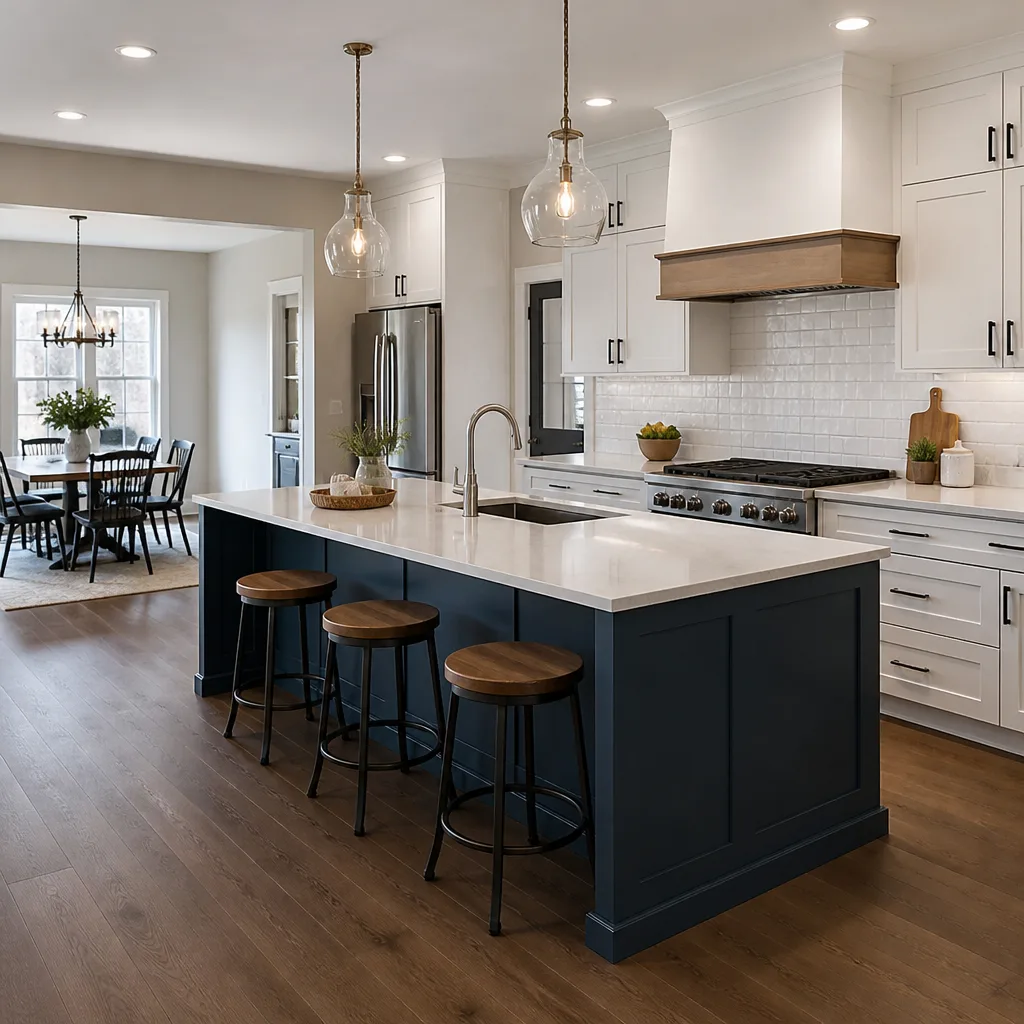
 Kitchen remodeling
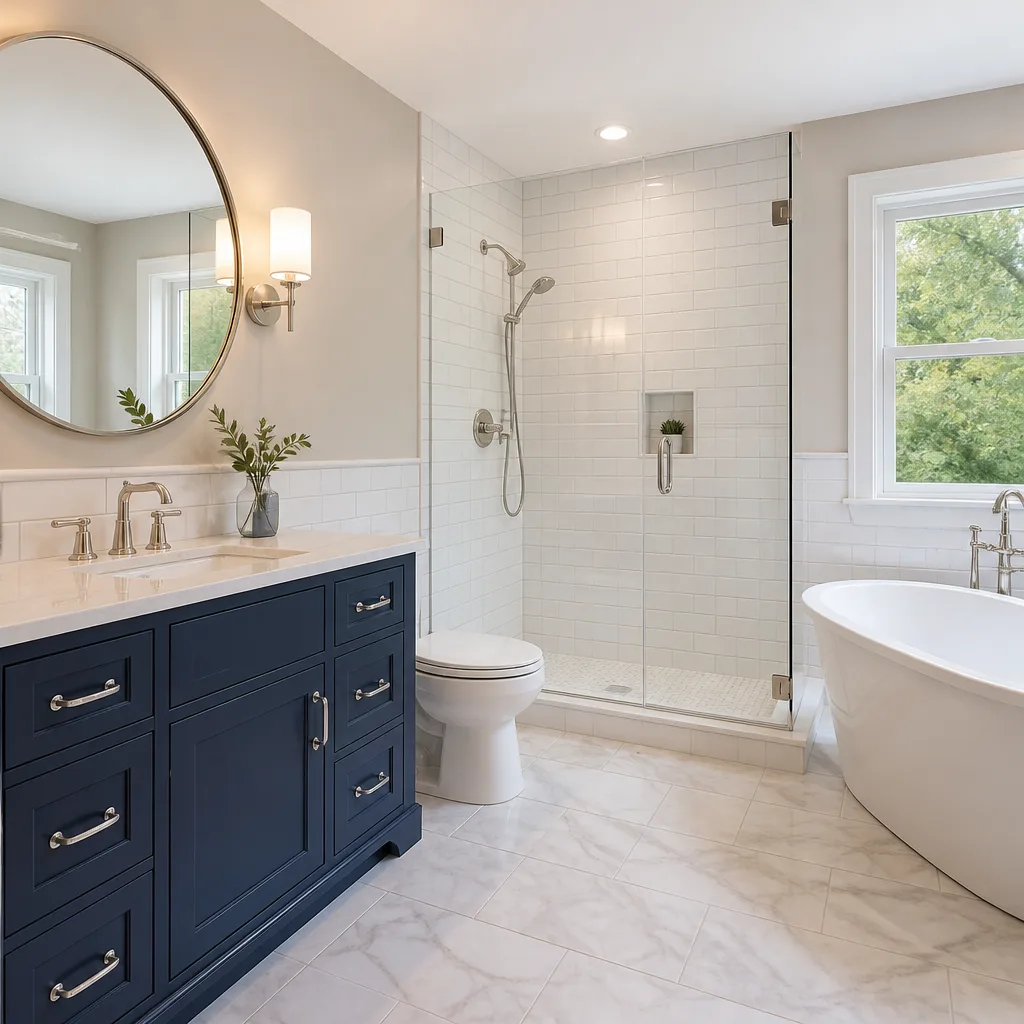 Bathroom remodeling
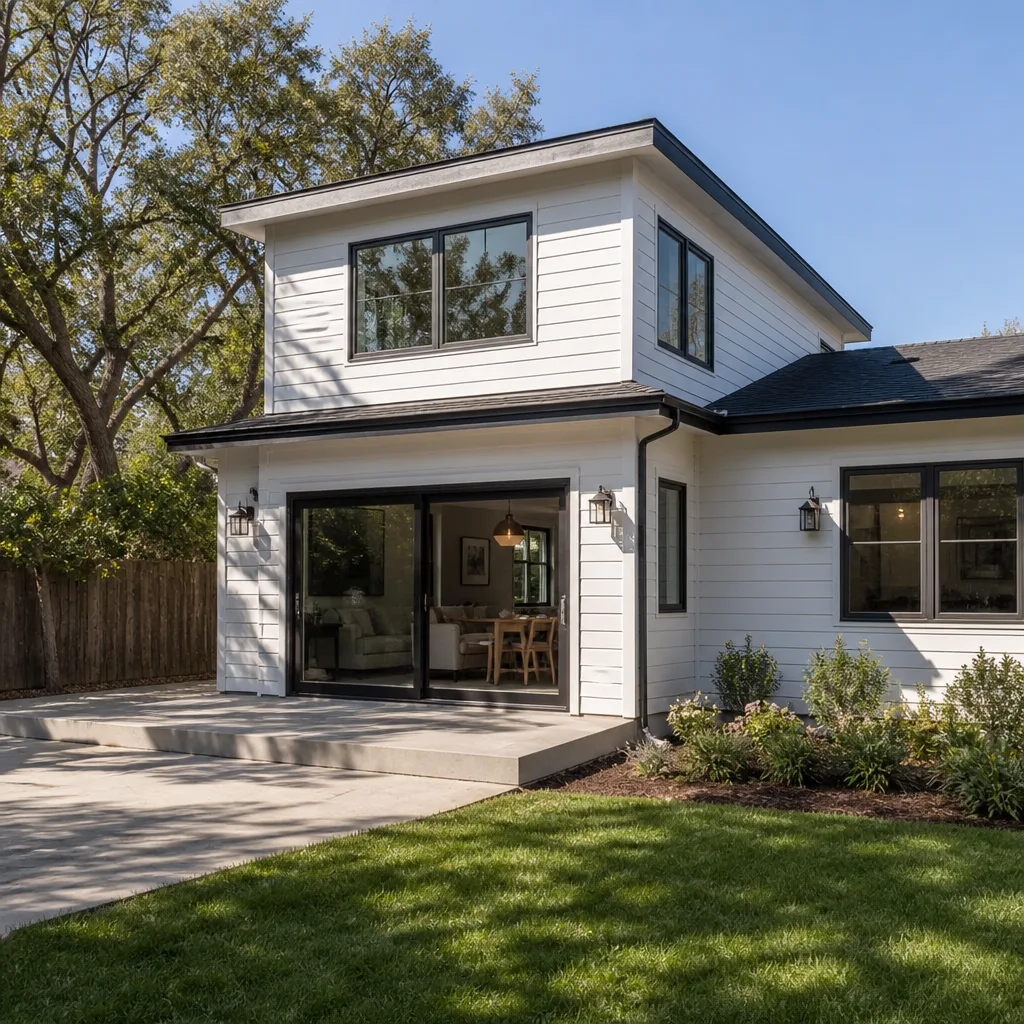 Home additions & ADU
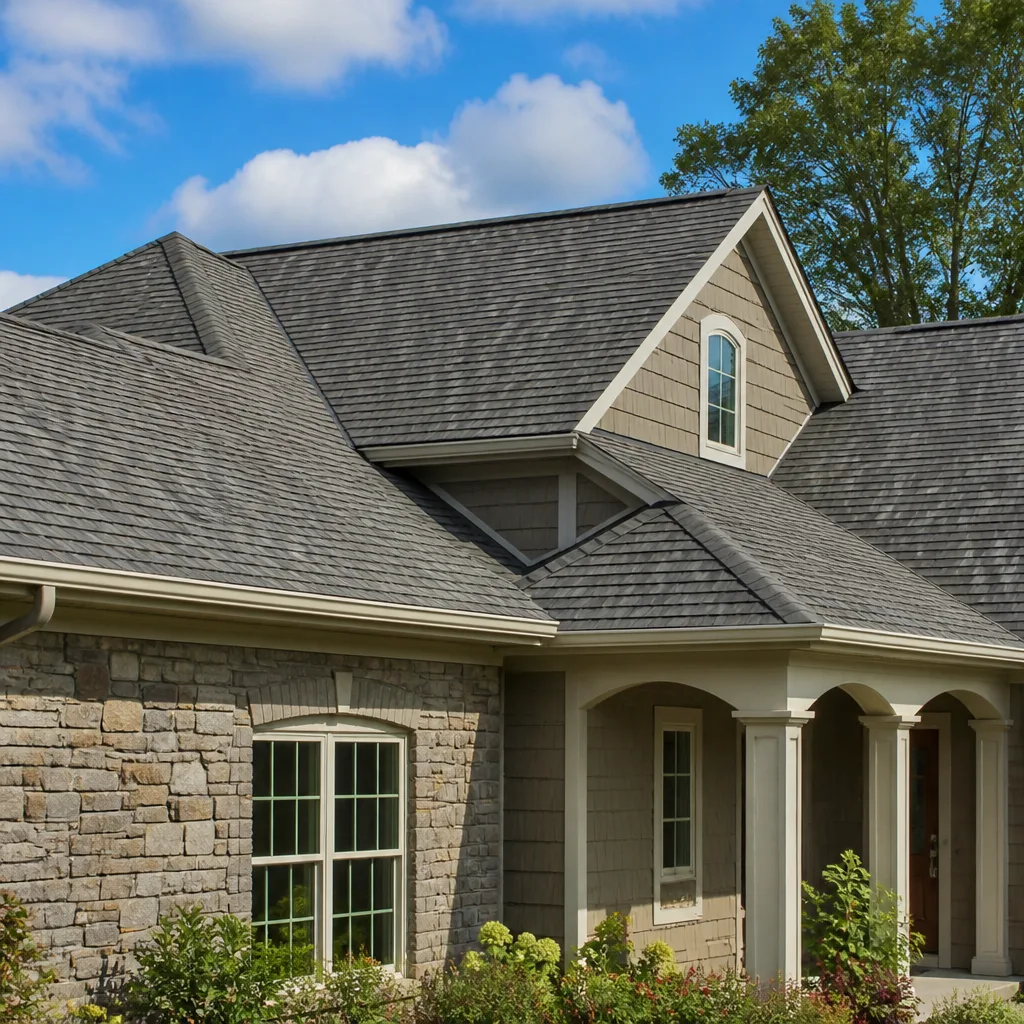 Roofing
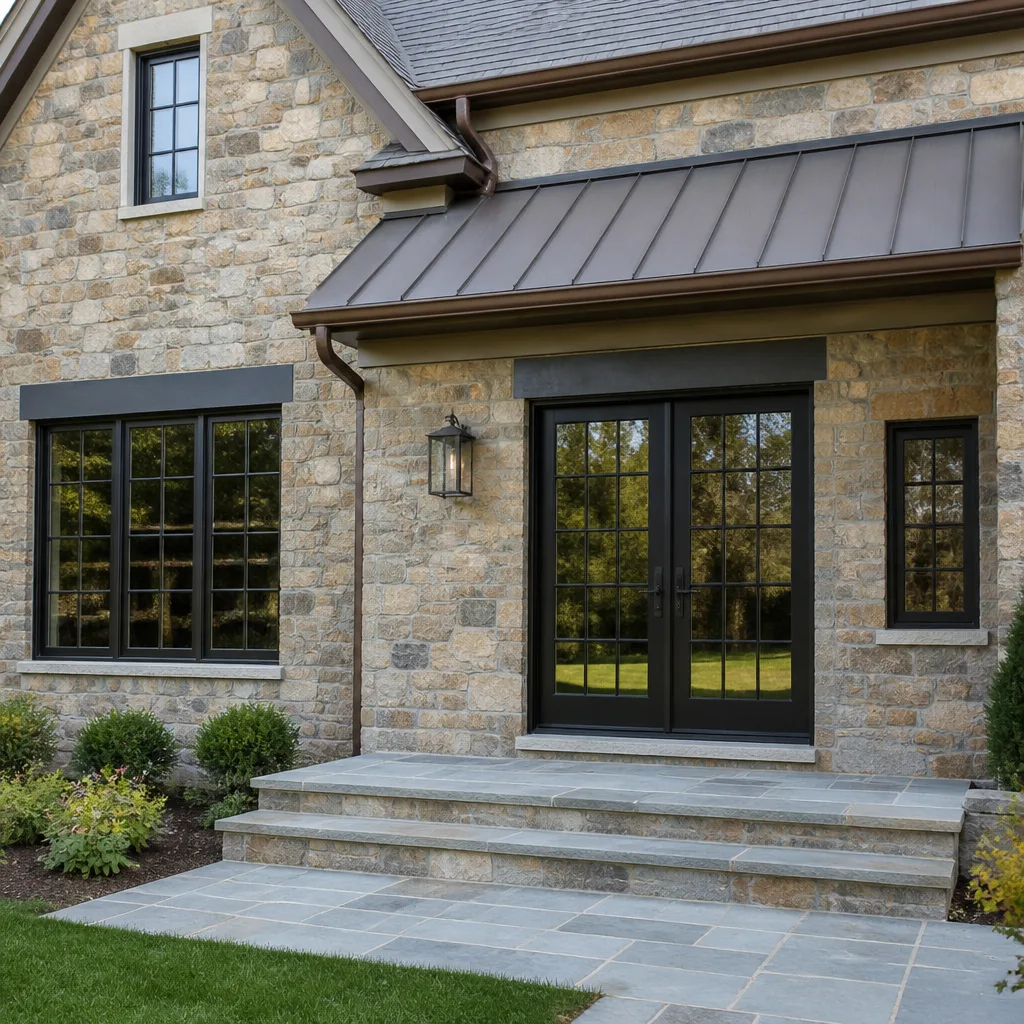 Windows & doors
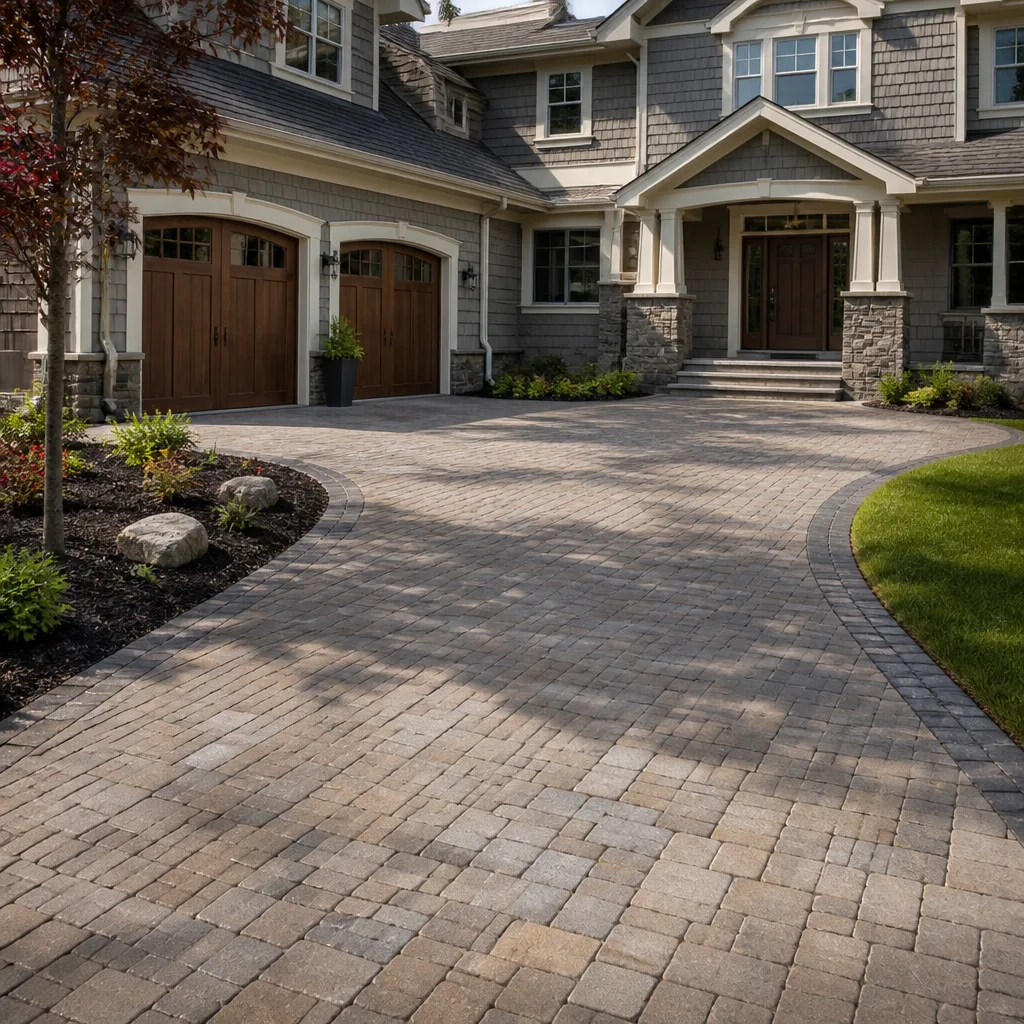 Driveway & pavers
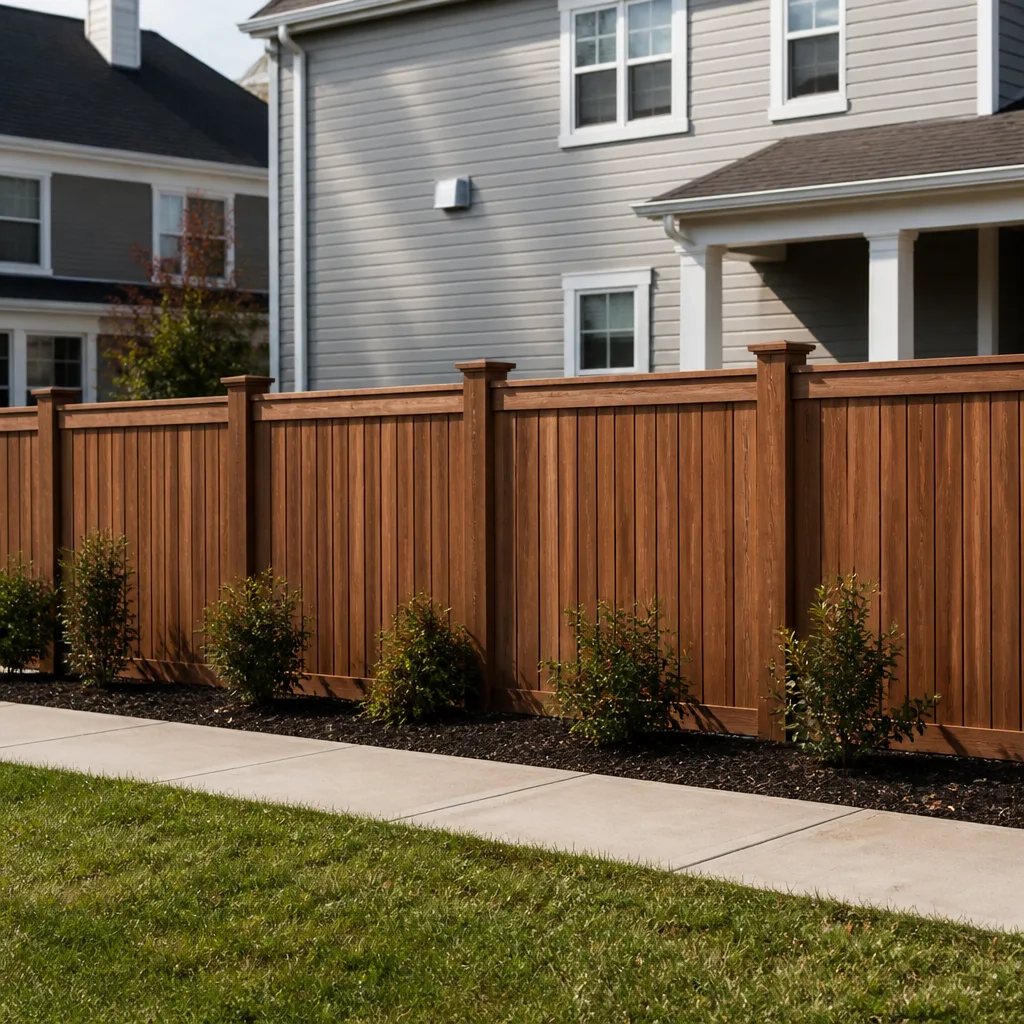 Fence
Free written scope consultation - allowances, timeline, and change-order rules on paper before a single trade is scheduled
Styles & brands we work with
- Kitchen remodeling
- Bathroom remodeling
- Home additions & ADU
- Roofing
- Windows & doors
- Driveway & pavers
- Fence
See the difference
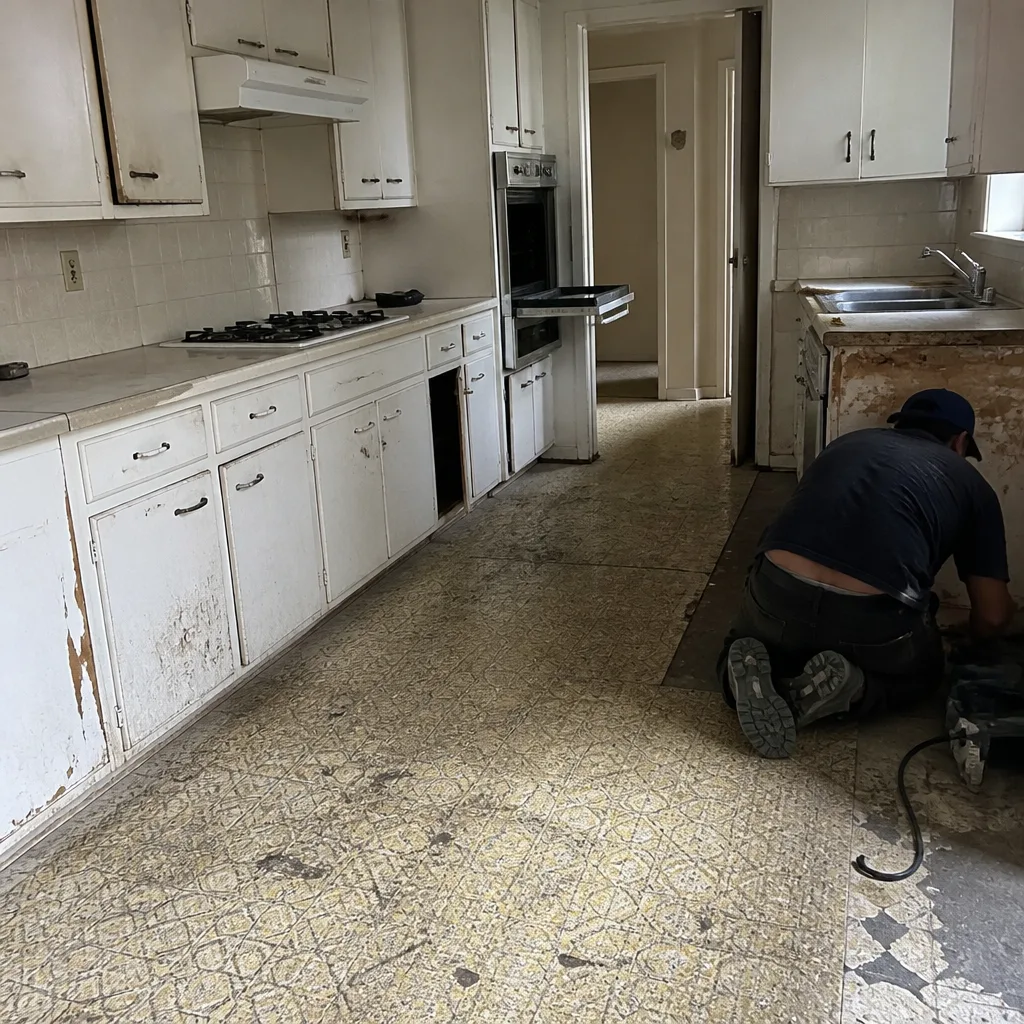 Before
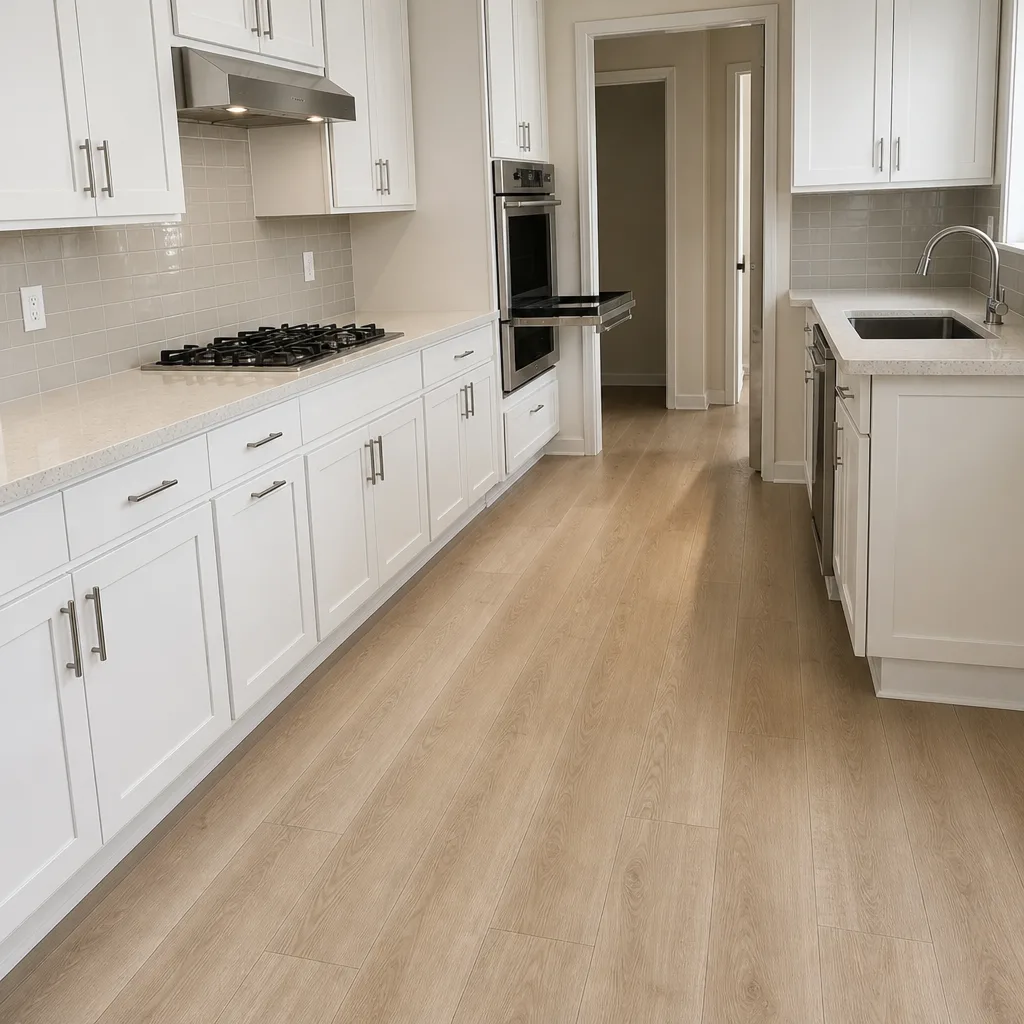 After
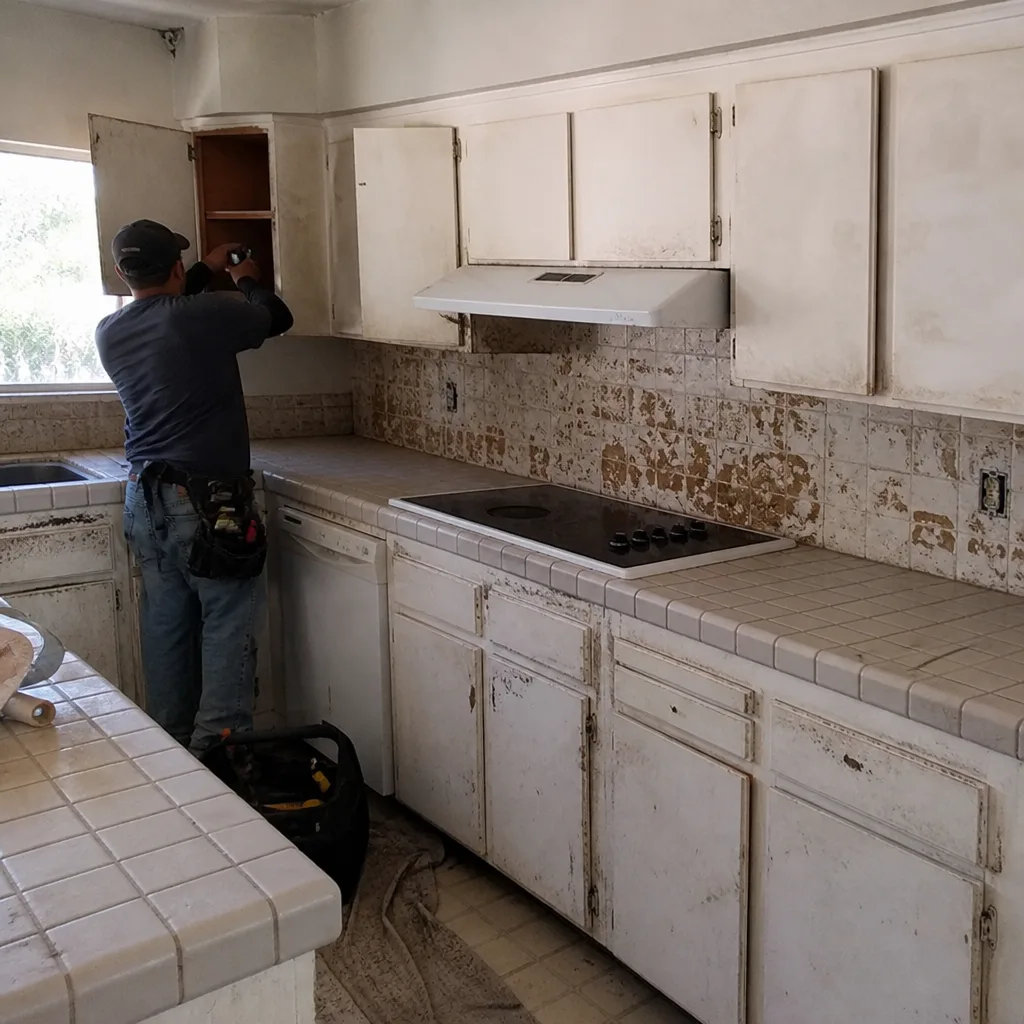 Before
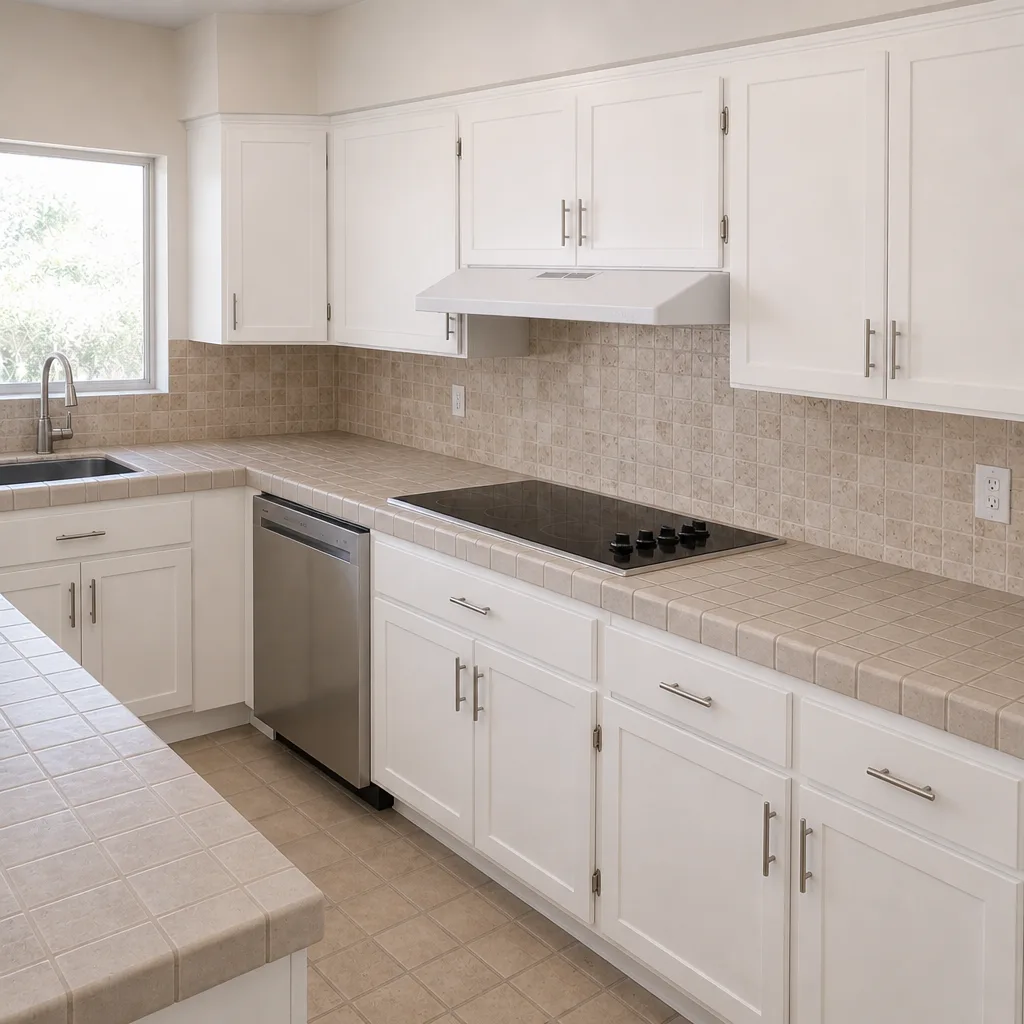 After
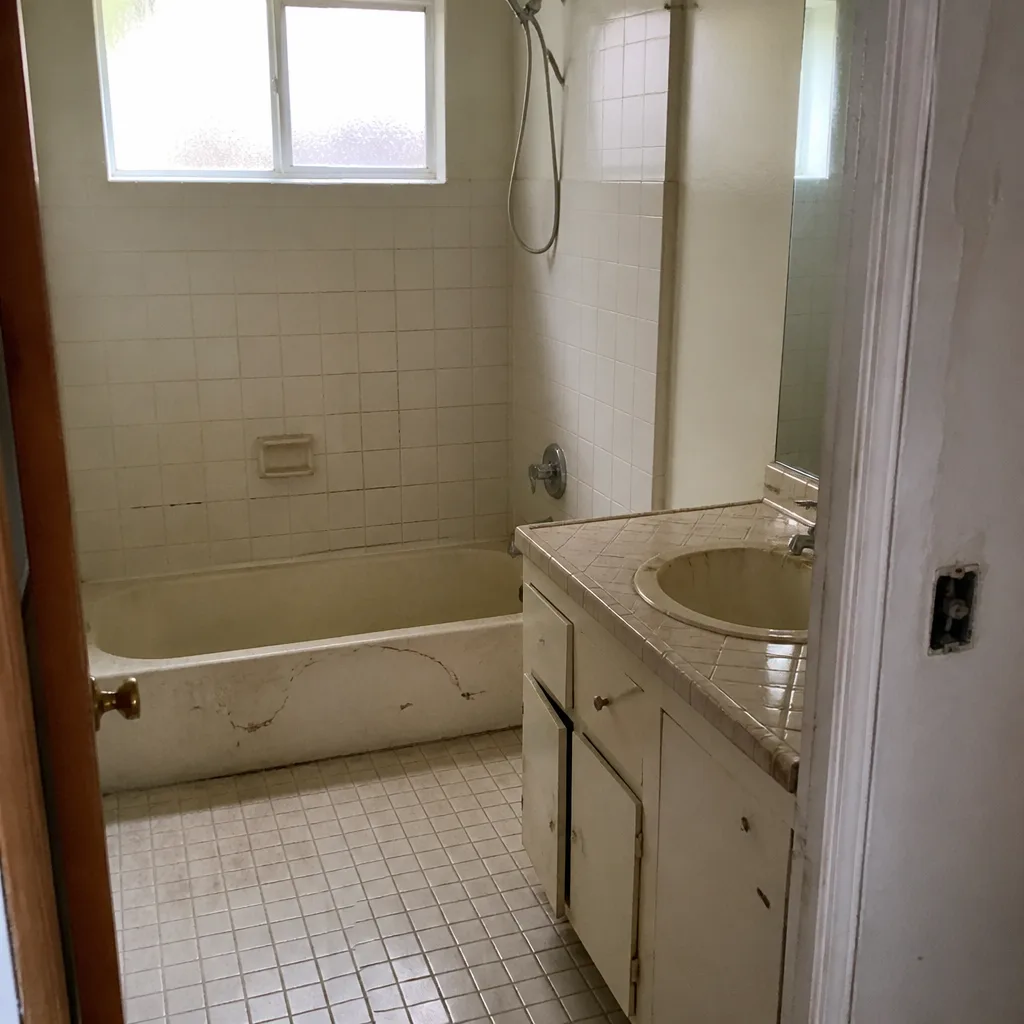 Before
 After
What Is Low-E Glass? An Irvine Homeowner’s Guide to Coatings That Keep Heat Out, Not In
Low-E glass is window glass with an invisible metallic oxide coating that reflects infrared energy back toward the side it came from, so it can either keep heat out or hold heat in depending on how the coating is built. In Irvine, that almost always means keeping heat out. A west-facing window in Woodbridge during a September Santa Ana wind event takes a completely different beating than a north-facing window in Denver in January, and the wrong coating choice shows up on your cooling bill, not your heating bill. If you want a straight answer on which product belongs on your house, call (888) 578-4462 and we’ll walk you through it.
Key Takeaways
- Low-E coatings reflect infrared energy; the coating formula (not just the presence of one) decides whether you gain or lose performance.
- Irvine sits in California Climate Zone 8, where Title 24 sets specific solar heat gain coefficient (SHGC) limits that determine which products pass plan check.
- Passive Low-E belongs in cold climates. Solar-control Low-E is the correct choice here.
- In WUI-adjacent areas of Irvine, Low-E coating does not satisfy fire-hardening requirements on its own; you also need tempered or laminated glass.
How the Coating Actually Works, Minus the Jargon
Picture a thin stack of metal oxides, measured in nanometers, bonded to one surface of the glass. That stack is tuned to reflect long-wave infrared radiation. Short-wave visible light passes through, which is why you can still see out. Heat energy gets bounced. Depending on the recipe, that same stack can either let solar infrared in or kick it back outside.
Two families come out of this:
- Passive Low-E reflects heat back into the room. It’s built for cold climates that need to retain interior warmth. Wrong for Irvine.
- Solar-control Low-E reflects solar infrared before it ever enters the envelope. It’s built for hot, sunny climates. Correct for Irvine.
Most generic explanations stop at “Low-E saves energy” and never make this distinction. That single omission sends Irvine homeowners into a window showroom asking for the wrong product. A passive coating on a south-facing wall in Turtle Rock is a cooling penalty, not a benefit.
Why Climate Zone 8 Changes the Answer for Irvine Windows
California’s Title 24 energy code doesn’t treat all glass the same across the state. It assigns climate zones and sets a maximum solar heat gain coefficient (SHGC) for each. Irvine lands in Climate Zone 8, where the dominant performance variable is cooling load, and the SHGC ceiling is tight enough that some stock products fail to clear the threshold on a west or south elevation. A window that passes plan check in a colder zone won’t necessarily pass here.
That’s where Irvine’s master-planned structure does its work. Because nearly every home here sits inside a village HOA with its own design-review standards on top of the city building division’s plan check, the glass you pick has to satisfy two layers of review, not one. Neighborhoods like Northwood and Woodbridge have specific architectural guidelines about visible glass and frame profiles that affect the exterior look, and design review won’t approve a window that changes the elevation. Santa Ana or Tustin homes in the older parts of town don’t carry that same CC&R scrutiny. Before you commit to a product line, confirm the SHGC rating meets Climate Zone 8 and the visible appearance clears design review. That’s a conversation to have before the deposit, not after.
What the Coating Looks Like in Our Andersen and Marvin Lines
The two window brands we bring to most Irvine projects, Andersen and Marvin, both use solar-control Low-E coatings on the interior surface of the outer pane (Surface 2 in technical terms). That position matters. Put it on the wrong surface and the coating has no chance to reject solar energy before it reaches the interior.
The tradeoff you’ll notice in person is visible light transmission. A solar-control coating does dim the interior slightly, and the effect is more visible on north-facing glass where direct sun is minimal. That’s normal. The typical West Coast solar-control product lands in a comfortable range, bright enough for a living room and dark enough to matter in afternoon sun. During a quote, ask us to show you the SHGC rating and the visible light transmission side by side. Any estimator who can’t put both numbers in front of you is guessing.
Here’s a first-hand detail from jobs we’ve run: south-facing glass in Irvine tract homes accumulates dust film fast during dry months, and a freshly installed coated window picks up that film differently than bare glass, so a wipedown in the first month keeps the coating reading correctly. Small thing, but you notice the tint shift when it’s dirty.
What Window Replacement Runs in Irvine
| Scope | Typical Irvine Cost |
|---|---|
| Window replacement (standard) | $4,500-$15,000 |
| Impact window installation | $8,000-$25,000 |
| Roof replacement (often bundled) | $8,000-$20,000 |
These ranges are what we see quoted across Irvine’s post-1965 planned-community housing, where most window jobs are tract-home replacement rather than new construction. If the plan also involves redoing roofline detail, the roofing team can price it in the same visit. You can also review the full scope on the Windows & Doors page before we arrive.
WUI Fire-Hardening: Where Low-E Stops and Fire Code Starts
Along Irvine’s eastern and southern edges near the Santa Ana foothills, the city enforces wildland-urban interface (WUI) fire-hardening standards. Here’s the contractor error we see: treating “low-E” as if it satisfies the fire requirement. It doesn’t. Low-E coating is an energy-performance layer, not a fire-hardening feature. WUI compliance is a separate set of requirements covering ember-resistant vents, Class A roofing, and noncombustible siding. On the glass itself, tempered or laminated assemblies are what’s required. Laminated glass with an intumescent interlayer helps resist radiant heat, but the Low-E coating doesn’t provide that resistance and shouldn’t stand in for it. If your home is in one of the WUI-adjacent zones, the window spec is a two-part answer, not one.
We routinely see this come up on first-time Irvine plan checks by inland tract contractors who haven’t faced WUI requirements before. Plan review catches it, and the job stalls. Better to spec both layers up front.
FAQs
Yes, when it’s the right type: solar-control Low-E is worth it in Irvine because cooling load dominates here, and it reduces infrared heat gain on south and west elevations. The performance benefit shows up in summer comfort and AC load, not in winter warmth, which is why the coating family matters as much as whether the glass is coated at all.
Low-E coatings reduce ultraviolet transmission substantially but don’t block it completely, so they slow fading on hardwood floors and furniture without eliminating it. If full UV protection is the priority, a laminated assembly extends that further than a coating alone. Worth confirming during the quote.
Some visible light is reduced, so yes, there’s a slight tint compared to plain glass, and it’s most noticeable on north-facing windows where direct sun is limited. In our experience, most Irvine homeowners stop noticing the day after installation. If appearance matching the neighborhood is a concern, show the sample to your HOA design review before ordering.
The number refers to how many metallic oxide layers are in the coating stack. Low-E2 and Low-E3 use more layers to improve the balance between blocking solar heat and keeping visible light up. More layers generally means better performance at the same visual brightness. Ask which tier a given brand uses if the spec sheet only says “Low-E.”
If you’d rather have your existing windows looked at or a quote compared, Groundwork Construction Co. of Irvine offers a no-pressure assessment across Irvine. Our technicians have up to 12 years of experience and every project is backed by the 730-Day Done Right Promise. See our Irvine service area or call (888) 578-4462 for a free estimate. You can also start from our home page to see the full scope of work we handle.
Written by the team at Groundwork Construction Co. of Irvine, serving Irvine, CA.