
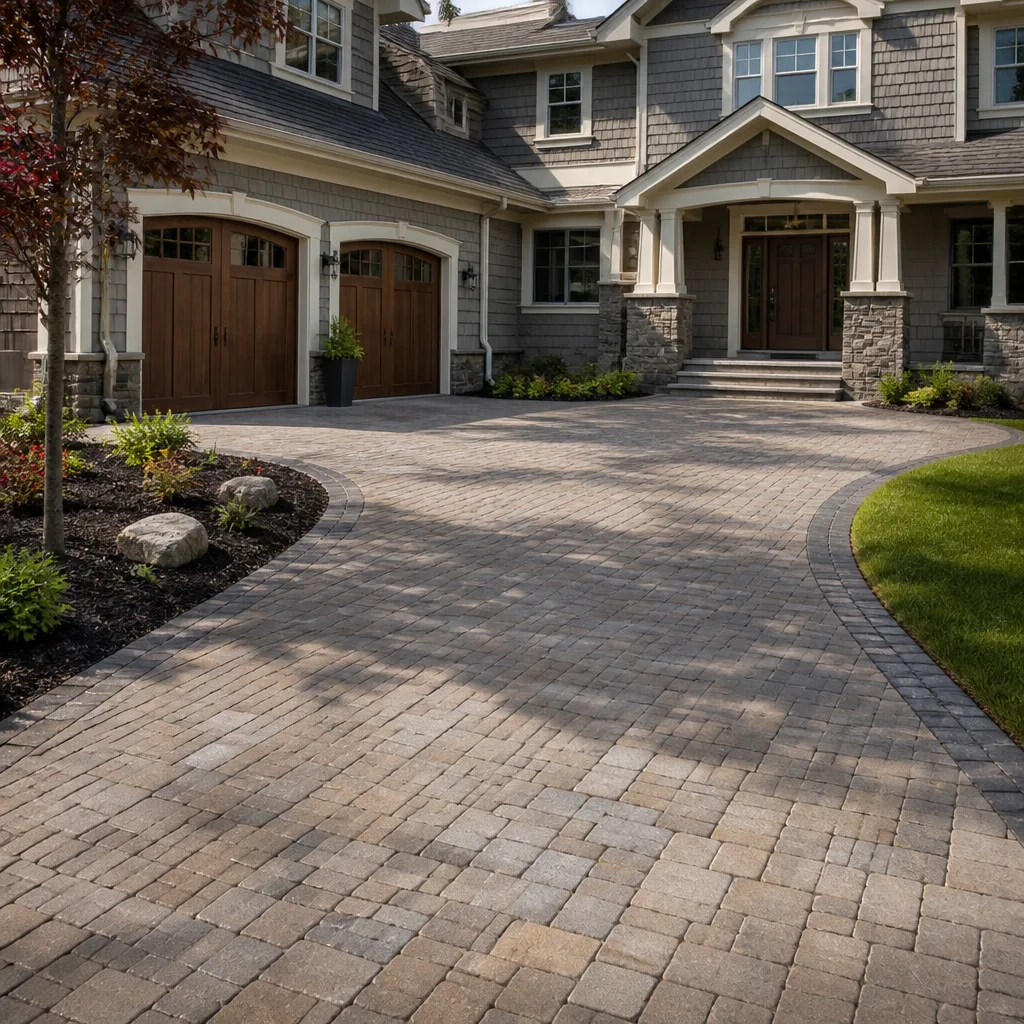
 Driveway & pavers
 Kitchen remodeling
 Bathroom remodeling
 Home additions & ADU
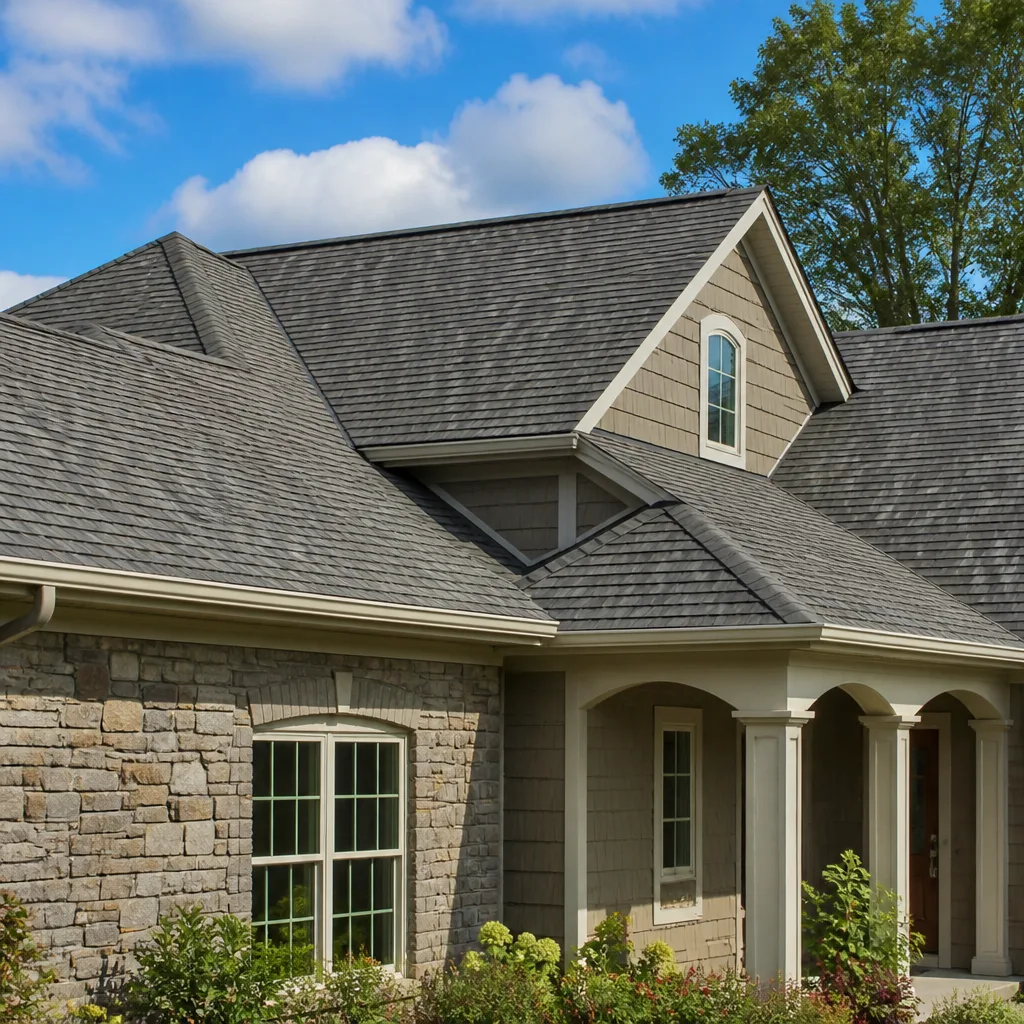 Roofing
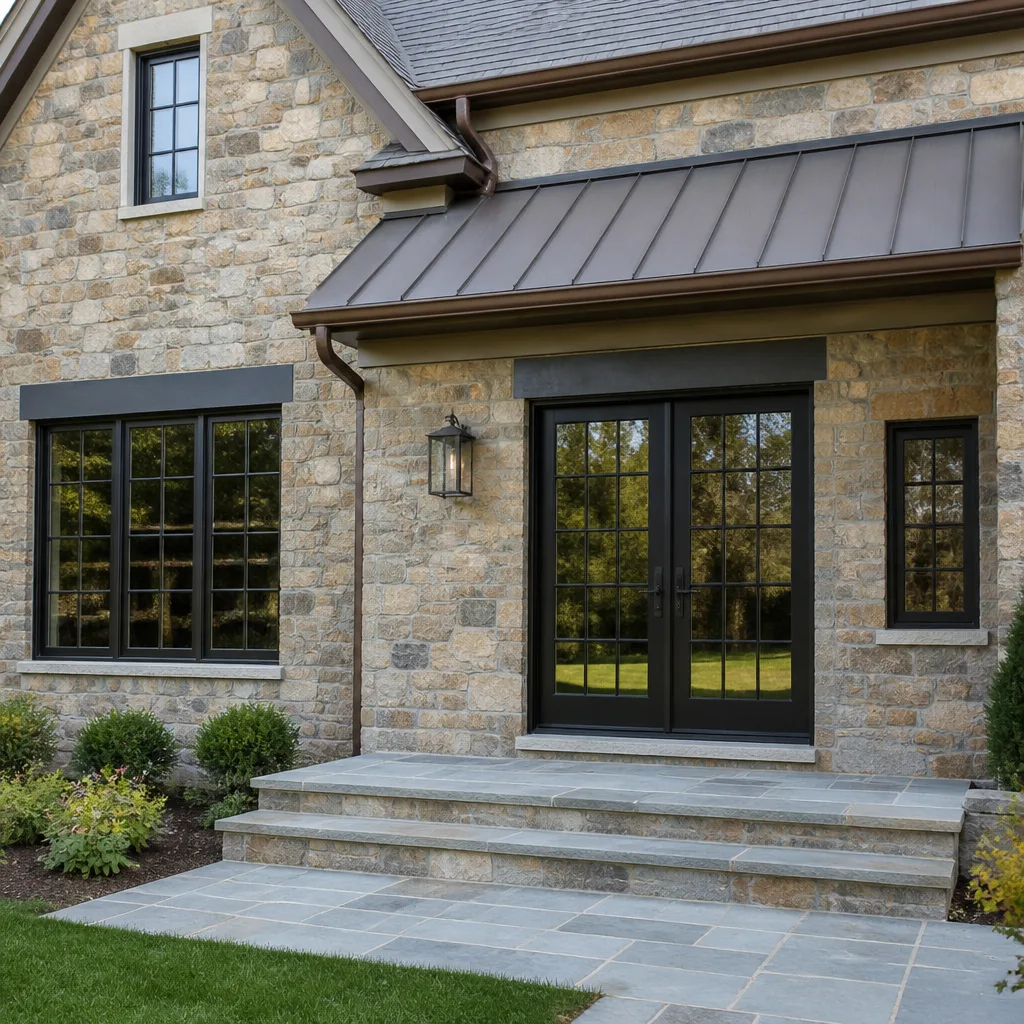 Windows & doors
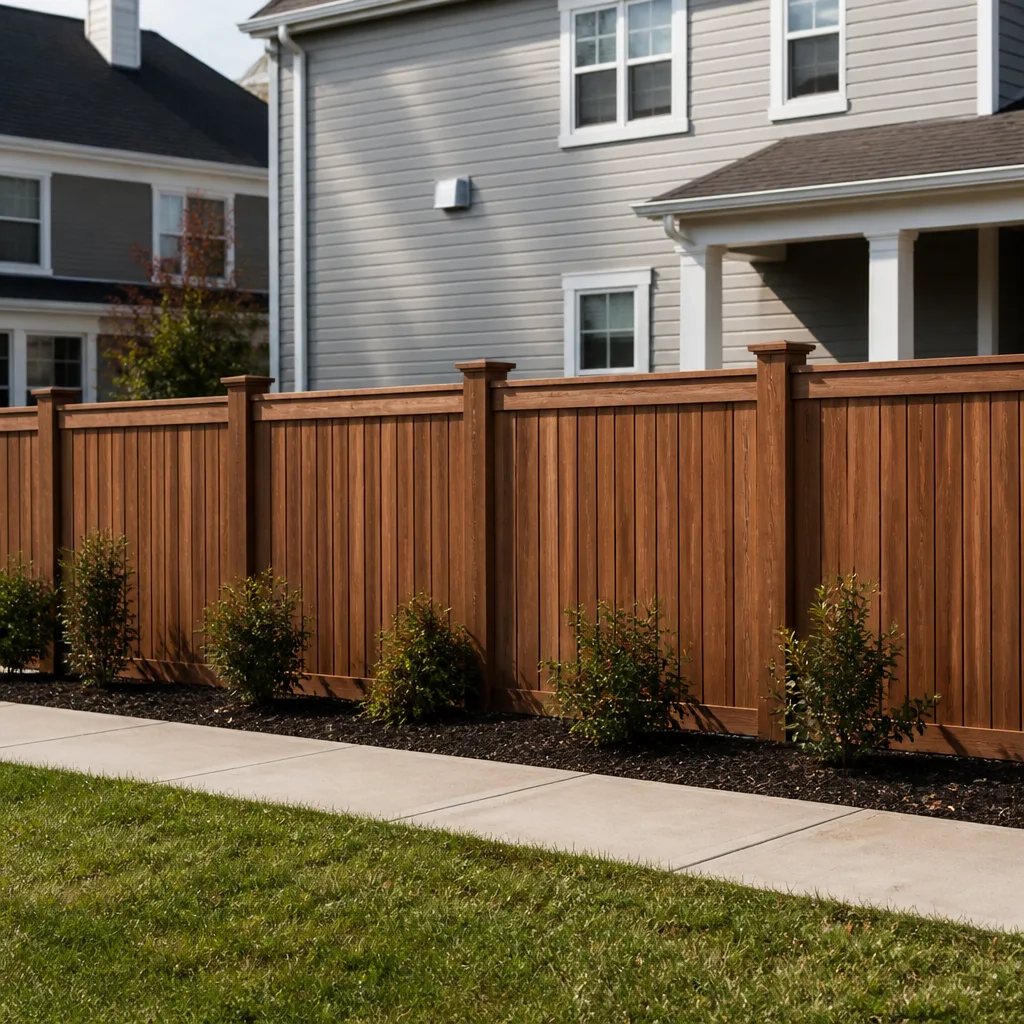 Fence
Free written scope consultation - allowances, timeline, and change-order rules on paper before a single trade is scheduled
Styles & brands we work with
- Kitchen remodeling
- Bathroom remodeling
- Home additions & ADU
- Roofing
- Windows & doors
- Driveway & pavers
- Fence
See the difference
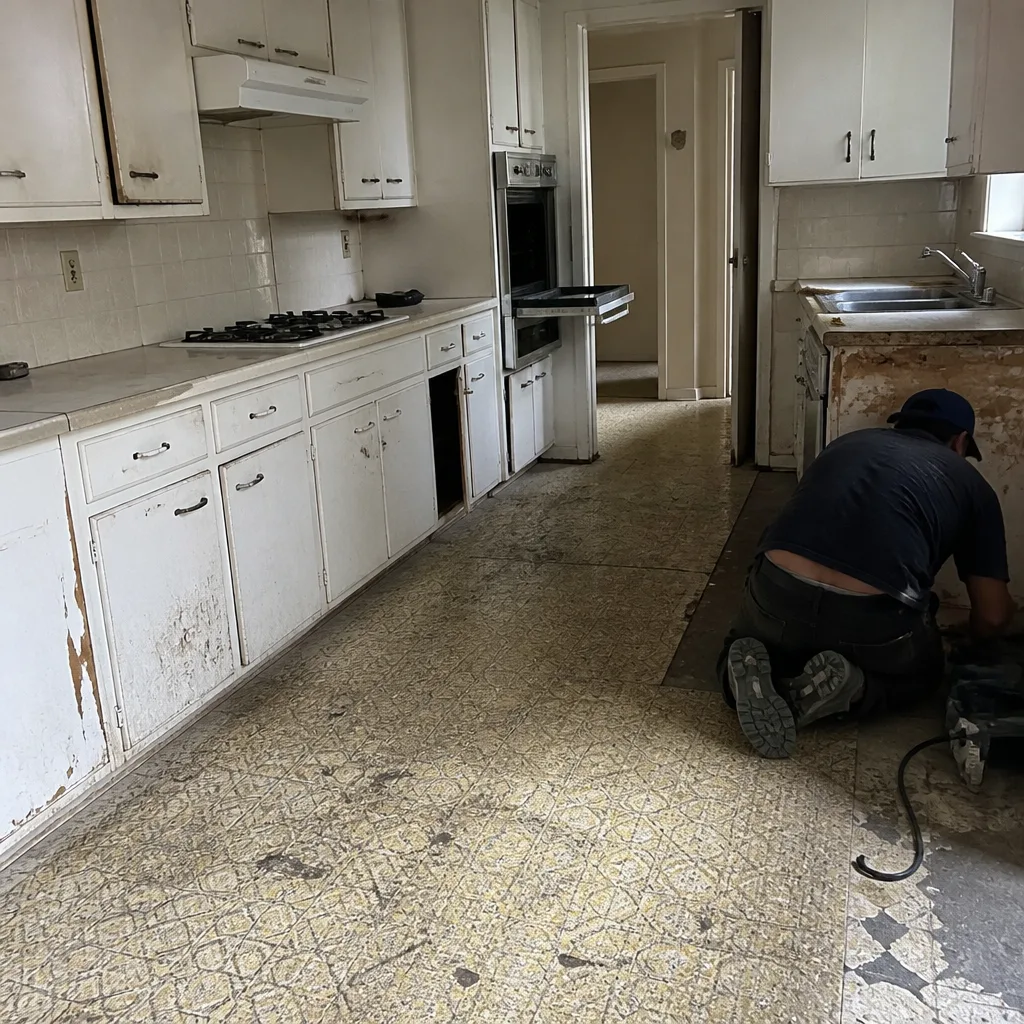 Before
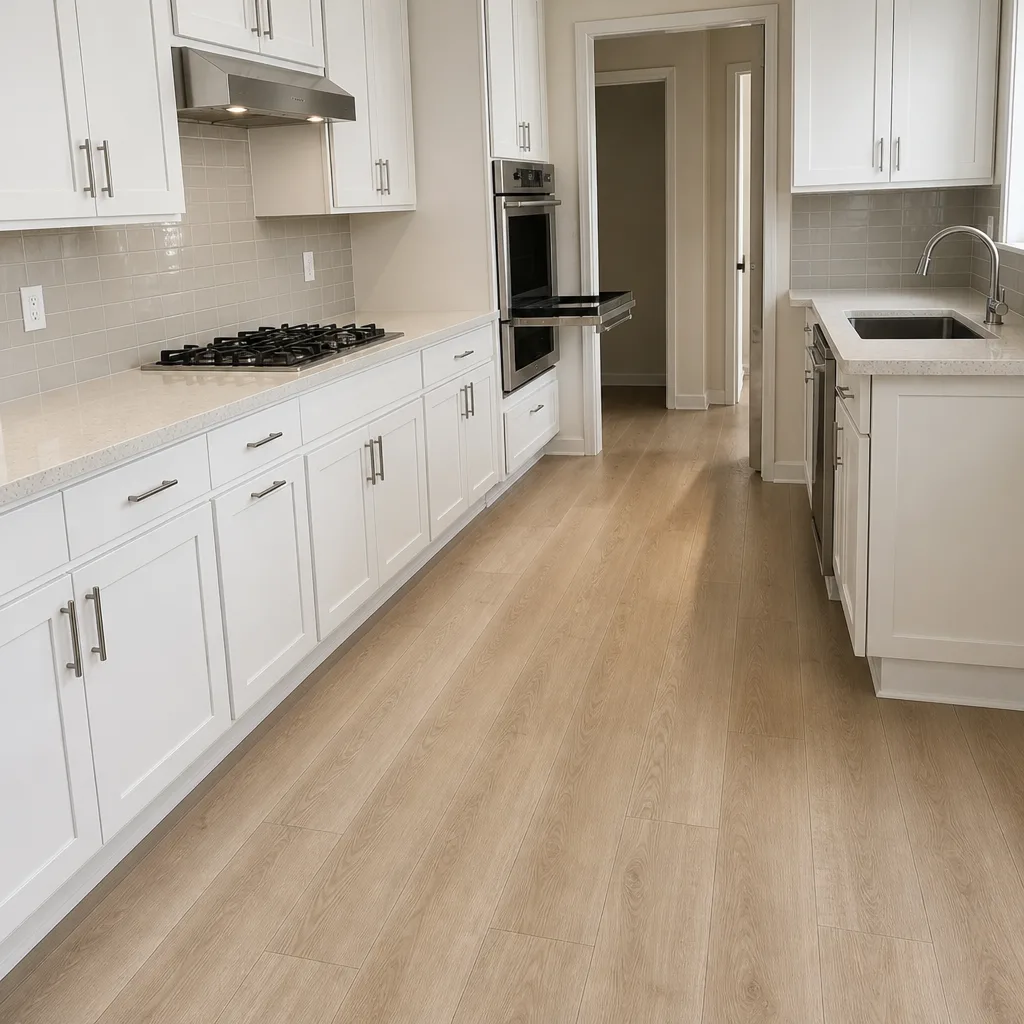 After
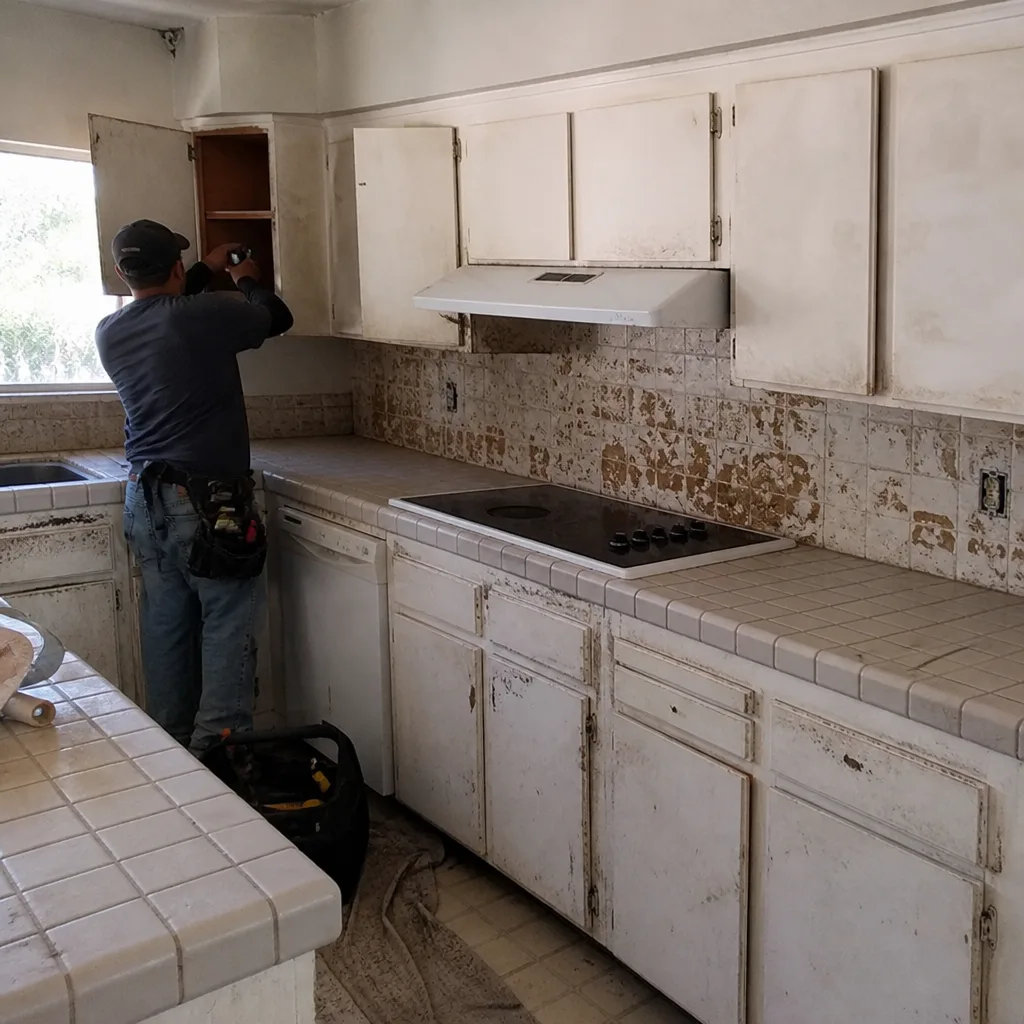 Before
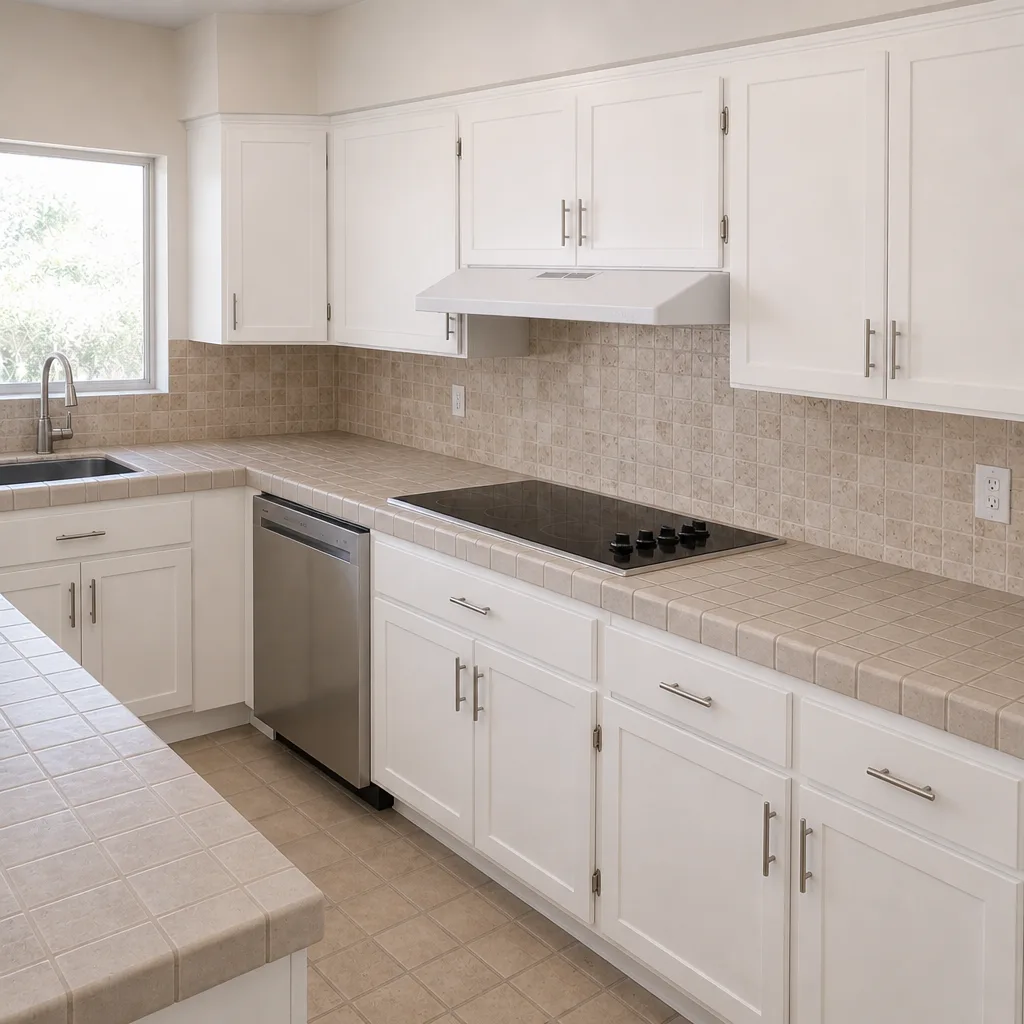 After
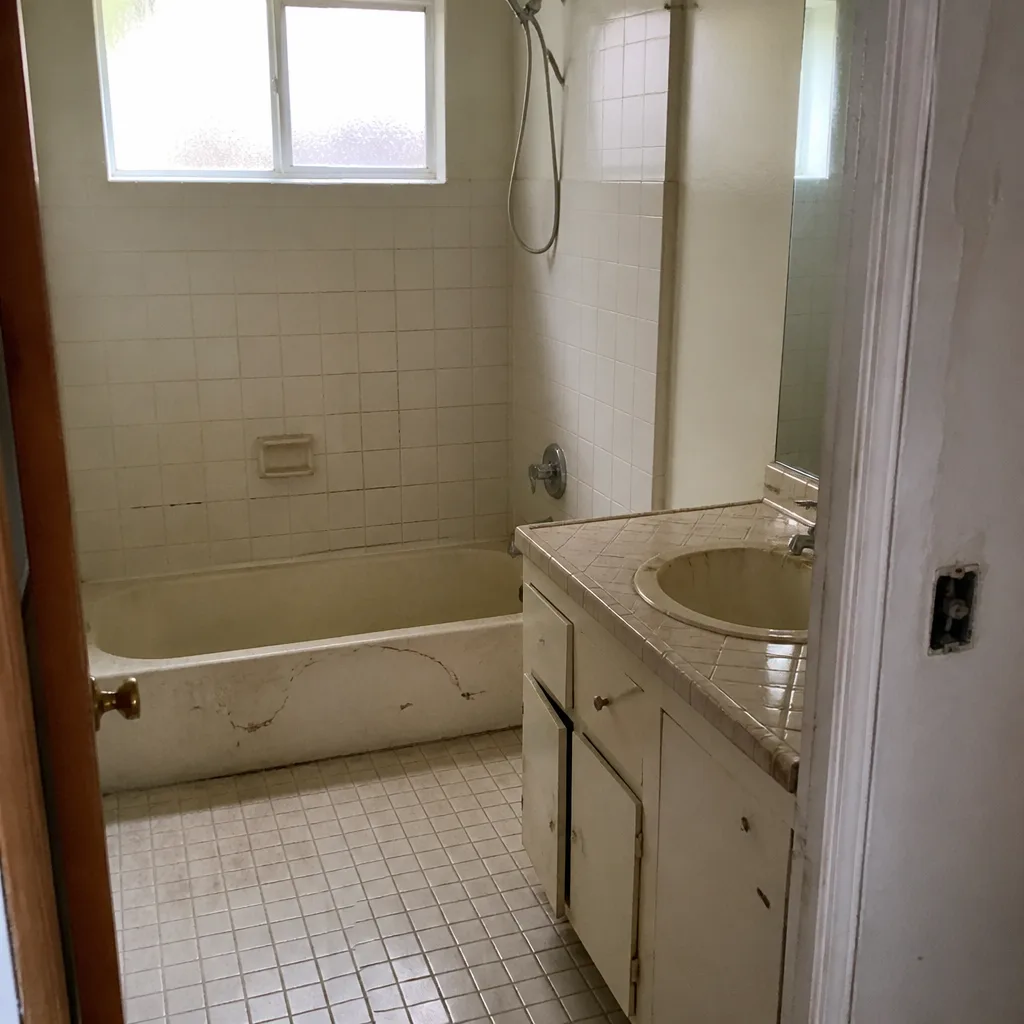 Before
 After
How Thick Should a Concrete Driveway Be in Irvine, CA?
The short answer: 4 inches is the code minimum for a residential concrete driveway, but for most Irvine homes the right spec is 5 inches of concrete over a 4-inch compacted aggregate base. That’s the number that holds up against Irvine’s expansive clay soils and the 5,000-6,500 lb SUVs and trucks parked in most driveways today. Four inches on a thin base is the spec that explains a lot of the cracked slabs you’ll spot around Woodbridge and Northwood. If you want the thickness and the base checked before a pour, call Groundwork Construction Co. of Irvine at (888) 578-4462.
Why “4 inches” is technically right but often wrong in Irvine
Four inches is a defensible minimum when the subgrade is stable, the base is properly compacted, and passenger cars do the parking. Irvine isn’t that clean. Most village geotechnical reports classify the native soils here as moderately to highly expansive, which means the ground beneath the slab moves with our wet winters and long dry summers. On a 4-inch slab poured over a thin sand bed, that movement opens transverse cracks at the control joints within a decade.
The second driver is the vehicles. When the tract homes in Turtle Rock and Northwood were designed, sedans were the norm. Today a Ford Explorer, Chevy Suburban, or Toyota Sequoia runs 5,000 to 6,500 lbs, and a lot of Irvine households park two of them. That load concentrates at the slab edges and joints. A 4-inch slab built to 1980s assumptions is running a job it wasn’t engineered for.
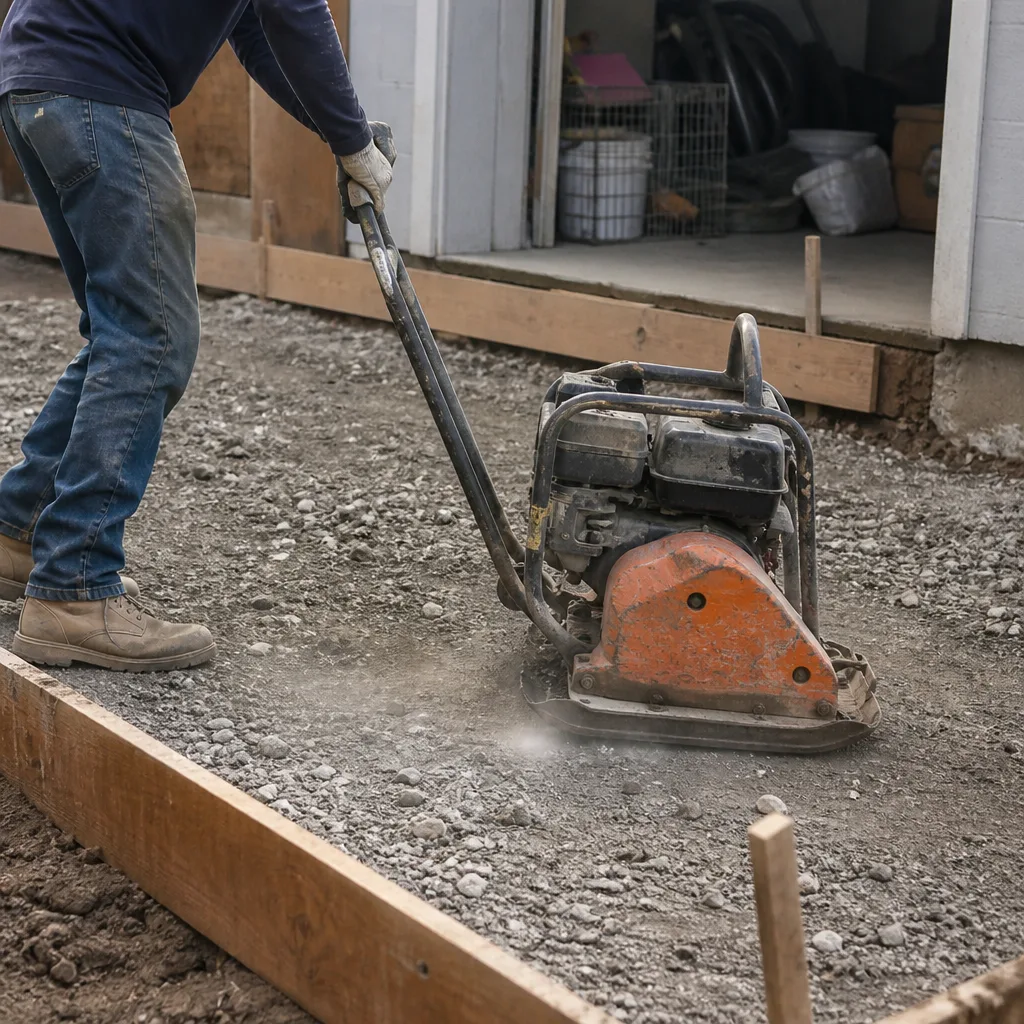
The practical recipe we specify for Irvine residential driveways:
- 5 inches of concrete as the working thickness for a standard two-car driveway
- #3 rebar on 18-inch centers for the crack control that fiber alone won’t deliver over clay
- 4-inch compacted aggregate base underneath, properly graded and rolled, not a thin sand cushion
- Control joints every 10-12 feet and around any curve, so cracks land where they’re supposed to
Homes with regular heavy-truck traffic or unusually long runs should push to 6 inches. That’s a small bump in material cost compared to what a failed slab costs to remove and repour.
Base thickness matters as much as slab thickness
Here’s what most bids won’t tell you: a 4-inch slab on a properly compacted 4-inch aggregate base outperforms a 5-inch slab on a 1-inch sand bed in Irvine clay. Every time. The base is what spreads the load and takes the movement out of the equation. If you’re comparing two quotes and one is $9 per square foot and the other is $13, the gap is almost never the thickness line alone. It’s the base, the reinforcement, and the joint spacing hiding behind that number.
| Spec component | Budget build | Irvine-spec build |
|---|---|---|
| Slab thickness | 4 inches | 5 inches |
| Base depth | 1-2 inches sand | 4 inches compacted aggregate |
| Reinforcement | Fiber only | #3 rebar at 18-inch centers, fiber as backup |
| Control joints | Often skipped | Every 10-12 feet, curved edges included |
| Typical concrete driveway cost | $4,500-$12,000 | $4,500-$12,000 (sized to job) |
The catch: a $9/sq ft number and a $13/sq ft number look identical on a one-line quote. Groundwork discloses slab thickness, reinforcement type, base depth, and control joint spacing as separate line items, so you can compare apples to apples instead of guessing why two bids for the same driveway came in $2,000 apart.
What Irvine’s plan check and HOAs actually require
Irvine is a master-planned city, and almost every driveway replacement runs through a village-specific HOA design-review board and then the city’s own building division. Plan checkers here sometimes specify a minimum concrete thickness for replacement permits, and the requirement can vary by village. That’s why our team pulls the permit before pricing anything: the spec in the contract has to be the spec the inspector signs off on, or you’re paying for a change order mid-job.
Requirements vary by village, and the village associations can layer on their own material and appearance standards. Irvine’s architectural uniformity is stricter than what independent-jurisdiction cities like Tustin or Santa Ana enforce, and it’s the reason first-time contractors sometimes fail their first Irvine plan check. If your driveway borders a village greenbelt or abuts the open space along the eastern edge of the city, the association review can add a step. Every requirement gets cleared before we quote.
Common local scenarios
Most of the driveway calls we get in Irvine land in one of a few buckets:
The 25-year-old slab with a spiderweb crack at the joints. Classic Northwood and Woodbridge pattern. The slab was poured to 1990s code on a thin base when the household had a sedan and a minivan. Now there’s a Suburban in the driveway and the slab is telling you it wasn’t built for it. Thickness and base spec matter here, and a partial repour is often the smart call.
The HOA-triggered replacement. A village association sends a notice that the driveway finish doesn’t match the design standard anymore. That means getting the association spec and the city permit aligned before anything is ordered. Groundwork handles that coordination. If you’re weighing pavers against concrete, Driveway & Pavers in Irvine lays out the comparison.
The new build or addition where the driveway has to match. Any home addition or ADU that adds parking has to meet the thickness spec for the load. The driveway gets built to carry actual vehicle weights, not the minimum the permit allows.
Your quote should spell out the spec, not just the price
Concrete driveway installation in Irvine runs $4,500-$12,000 depending on the size and finish. When you get three quotes in that range, ask each one for four numbers in writing: slab thickness, base depth, reinforcement (fiber, rebar, or both), and control joint spacing. A quote that only says “4-inch concrete” isn’t a complete bid. It’s a starting point.
Groundwork’s position is that the spec is the whole conversation. Every project is covered by the 730-Day Done Right Promise. The number you see in the estimate is the number you pay, which means the reinforcement, the base, and the joint layout all show up as separate lines instead of vanishing into one blended price. We use Quikrete mixes and materials we can verify, and the team has up to 12 years of experience on concrete and paver installations. Any question about the spec gets answered by a person, 24/7.
Financing runs 0% for 18 months, and there’s $1,000 off any project over $10,000. That budget math matters because the “do it right” spec is usually the one that gets deferred. It shouldn’t be.
FAQs
Four inches meets code minimum but is usually not enough for an Irvine driveway carrying modern SUVs over expansive clay soil. Most Irvine homes should spec 5 inches of concrete over a 4-inch compacted aggregate base with rebar. If you have a heavy pickup or you’re parking two large vehicles, 6 inches is the safer number. Call (888) 578-4462 for a no-hassle assessment of your specific driveway.
Concrete driveway installation in Irvine runs $4,500-$12,000 depending on square footage, base conditions, reinforcement, and finish. A driveway replacement runs $5,000-$14,000. The biggest cost driver is the base prep when the existing subgrade is clay and needs excavation. Estimates are free and upfront, no surprises.
Sometimes. Village associations control appearance and material standards, and the city’s plan check can set a minimum concrete thickness for replacement permits that varies by village. The combination means a first-time bid often misses a spec detail that fails inspection. Groundwork pulls the permit and matches the contract to the inspector’s requirement before quoting.
For minor cracks, a crack repair and reseal is $250-$700 and buys time. But transverse cracks running through the control joints usually mean the slab is failing from beneath, and patching won’t fix the base. The honest answer comes from seeing the crack pattern. If it’s spiderwebbing across the joints, plan for replacement. If it’s a single hairline crack, reseal it.
If you’d rather have it looked at, Groundwork Construction Co. of Irvine offers a no-pressure assessment in Irvine. Call (888) 578-4462 for a free estimate, and we’ll show you exactly what thickness and base your driveway needs.
Written by the team at Groundwork Construction Co. of Irvine, serving Irvine, CA.