
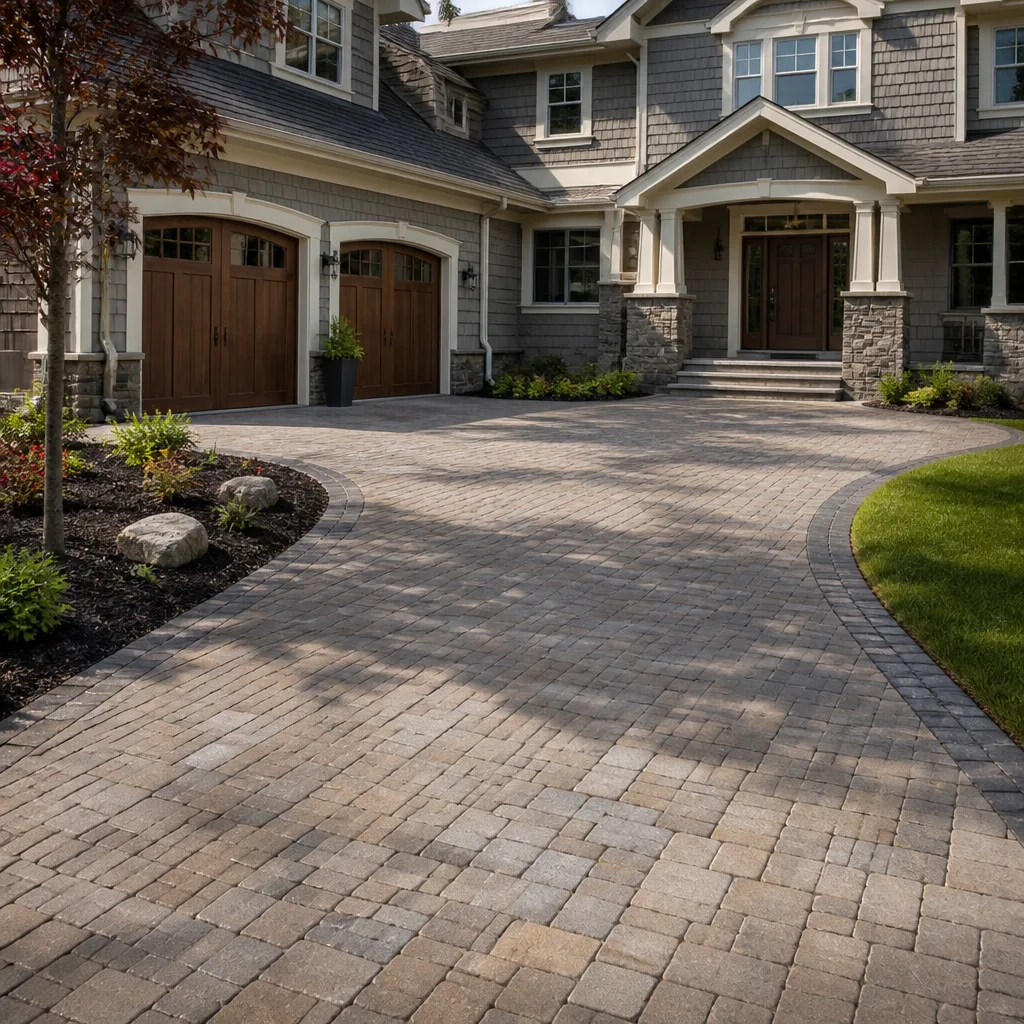
 Driveway & pavers
 Kitchen remodeling
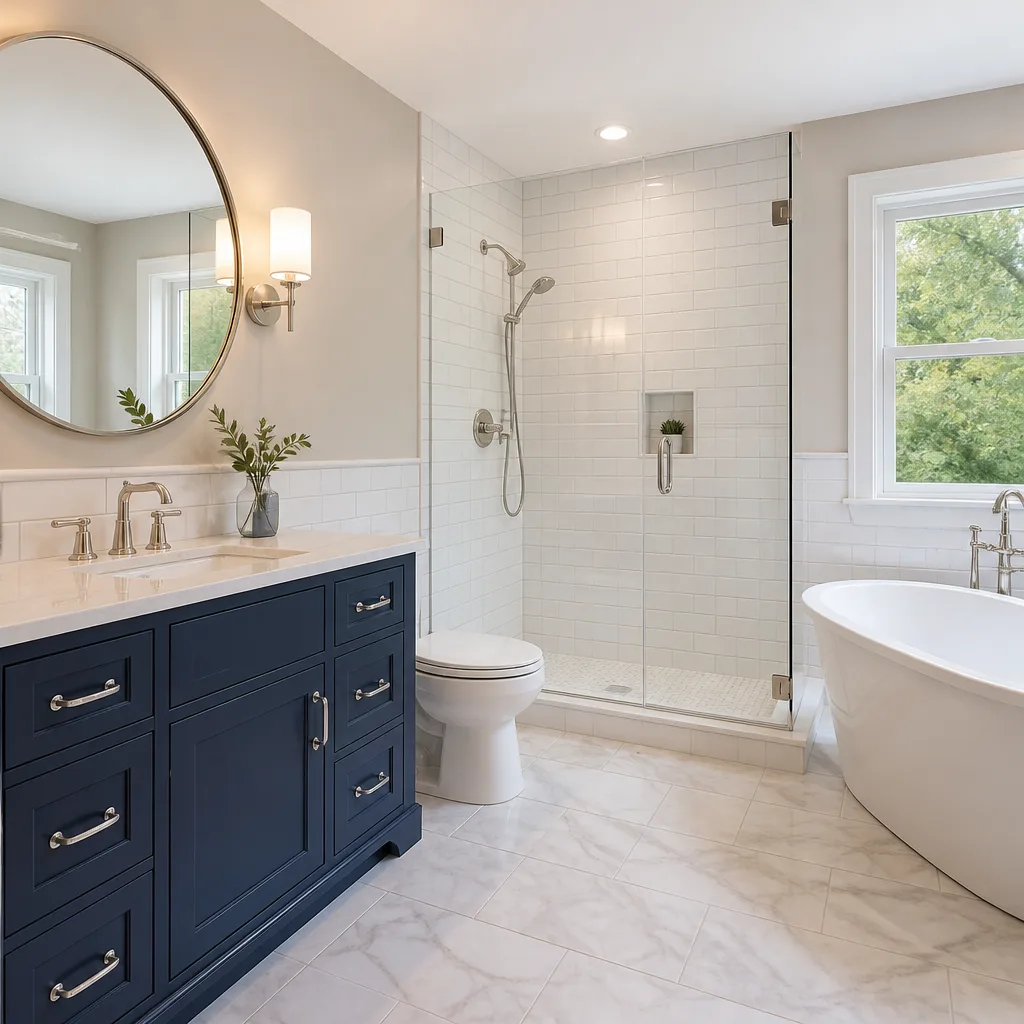 Bathroom remodeling
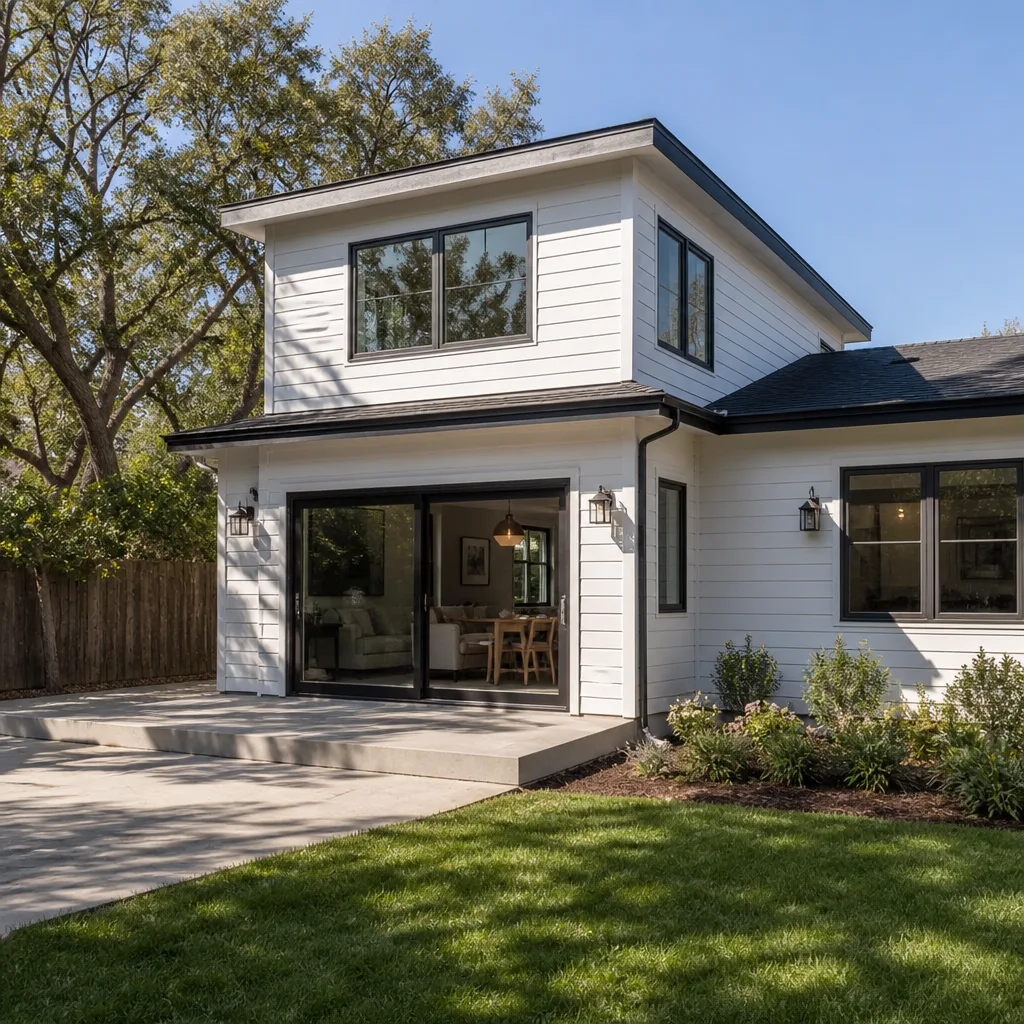 Home additions & ADU
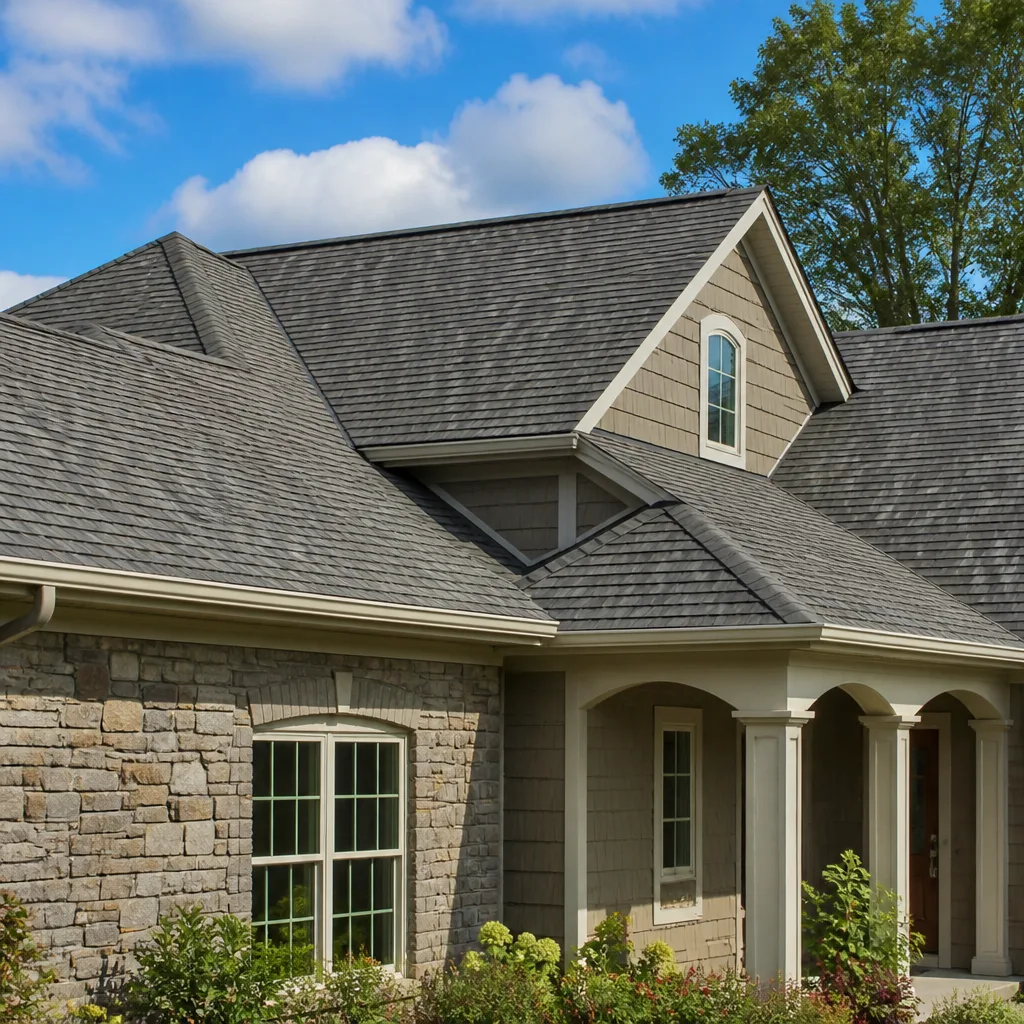 Roofing
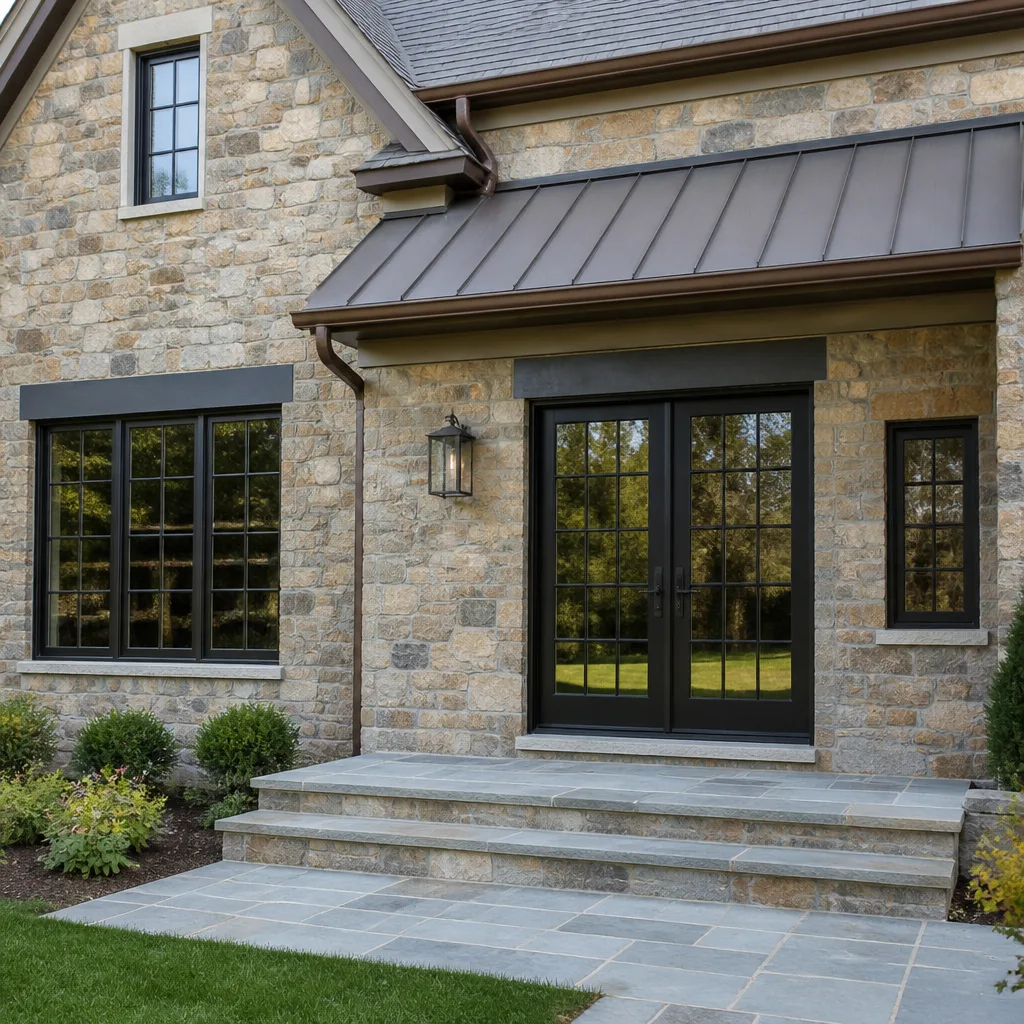 Windows & doors
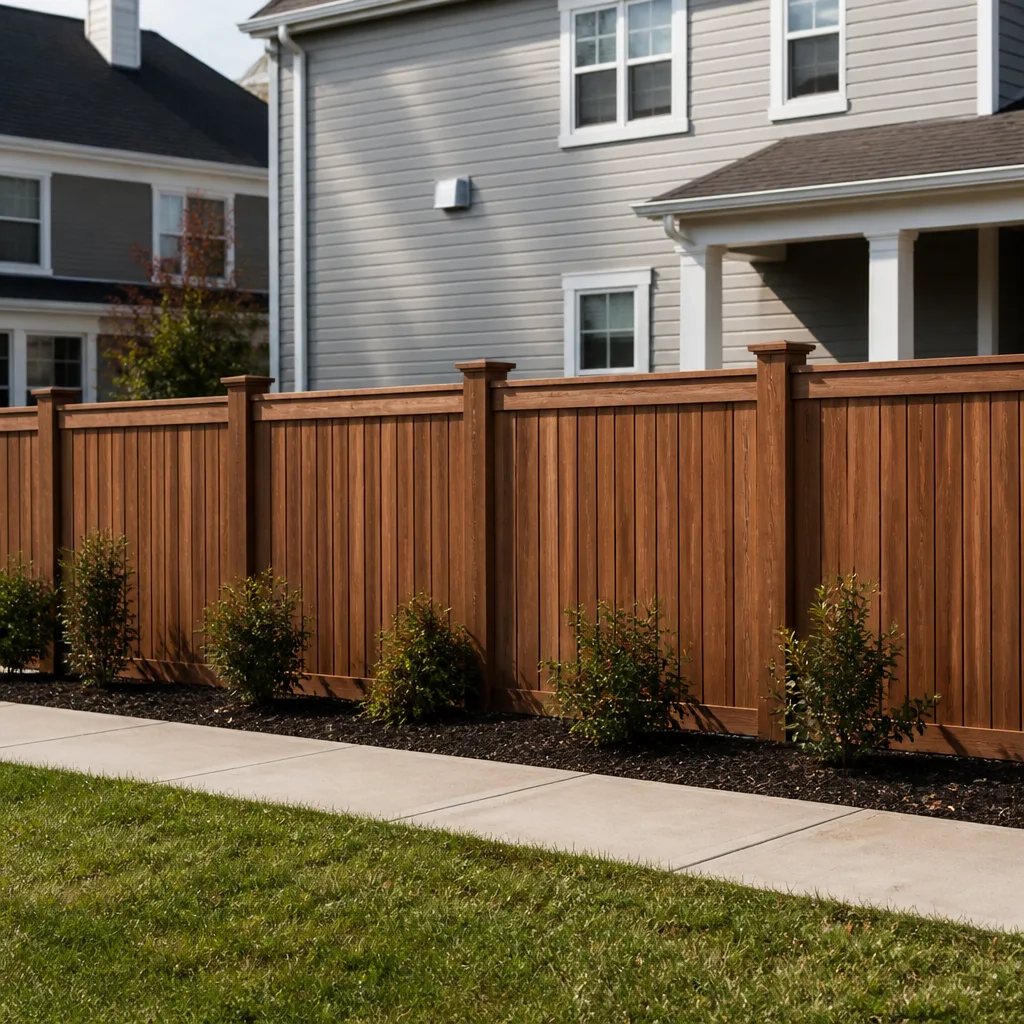 Fence
Free written scope consultation - allowances, timeline, and change-order rules on paper before a single trade is scheduled
Styles & brands we work with
- Kitchen remodeling
- Bathroom remodeling
- Home additions & ADU
- Roofing
- Windows & doors
- Driveway & pavers
- Fence
See the difference
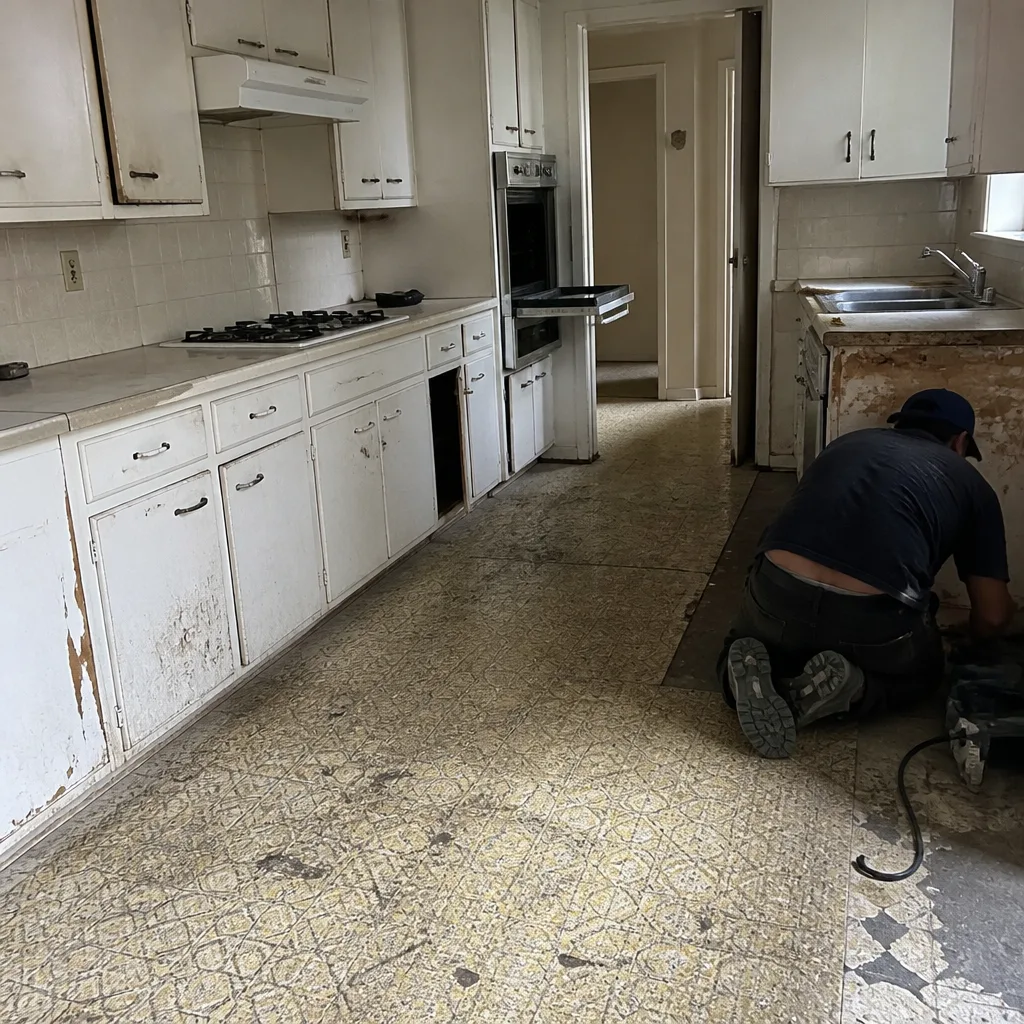 Before
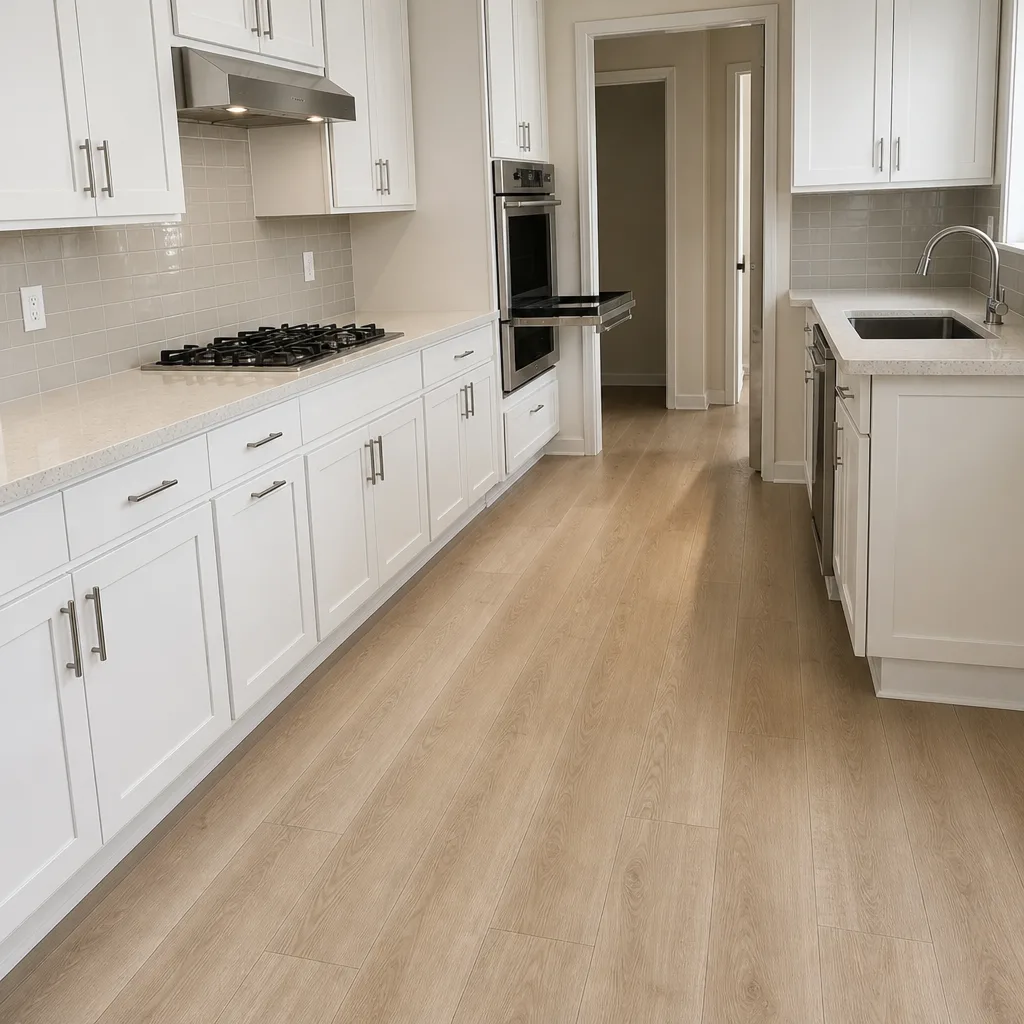 After
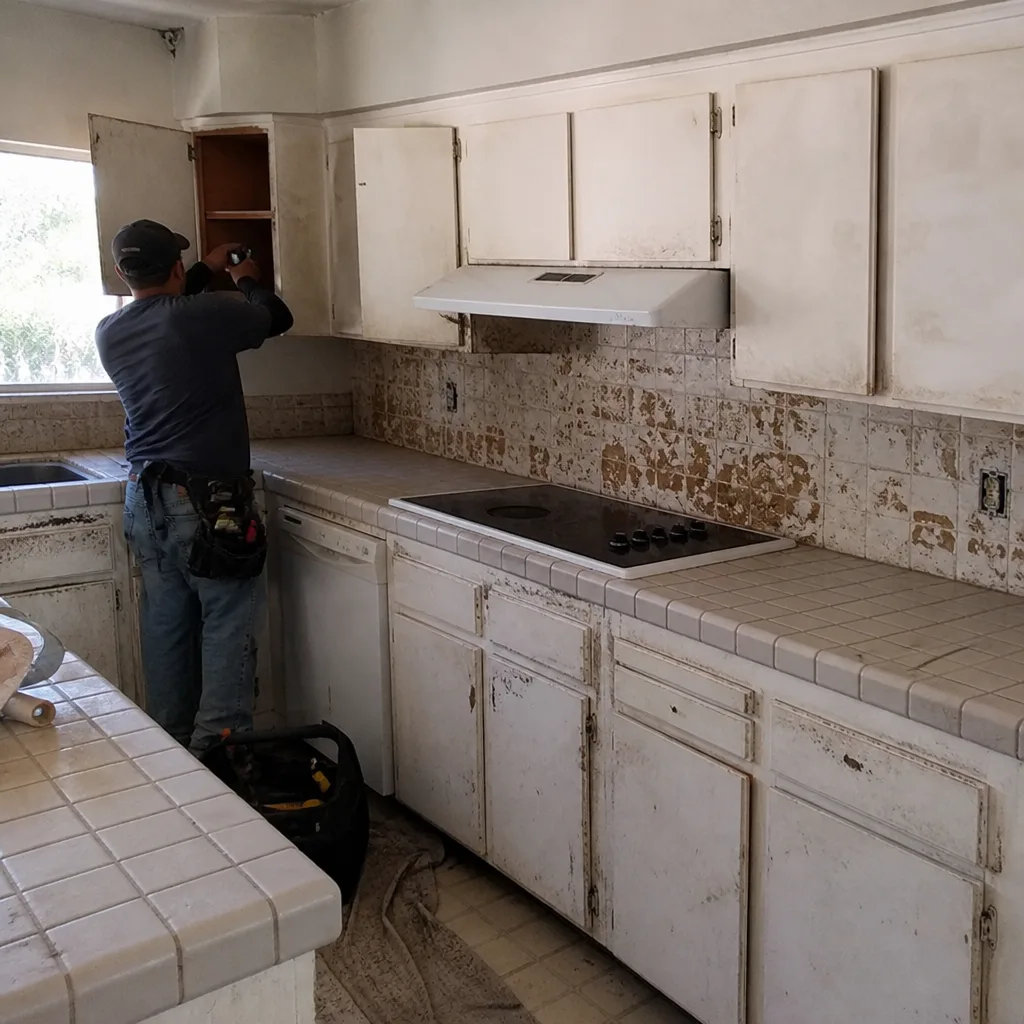 Before
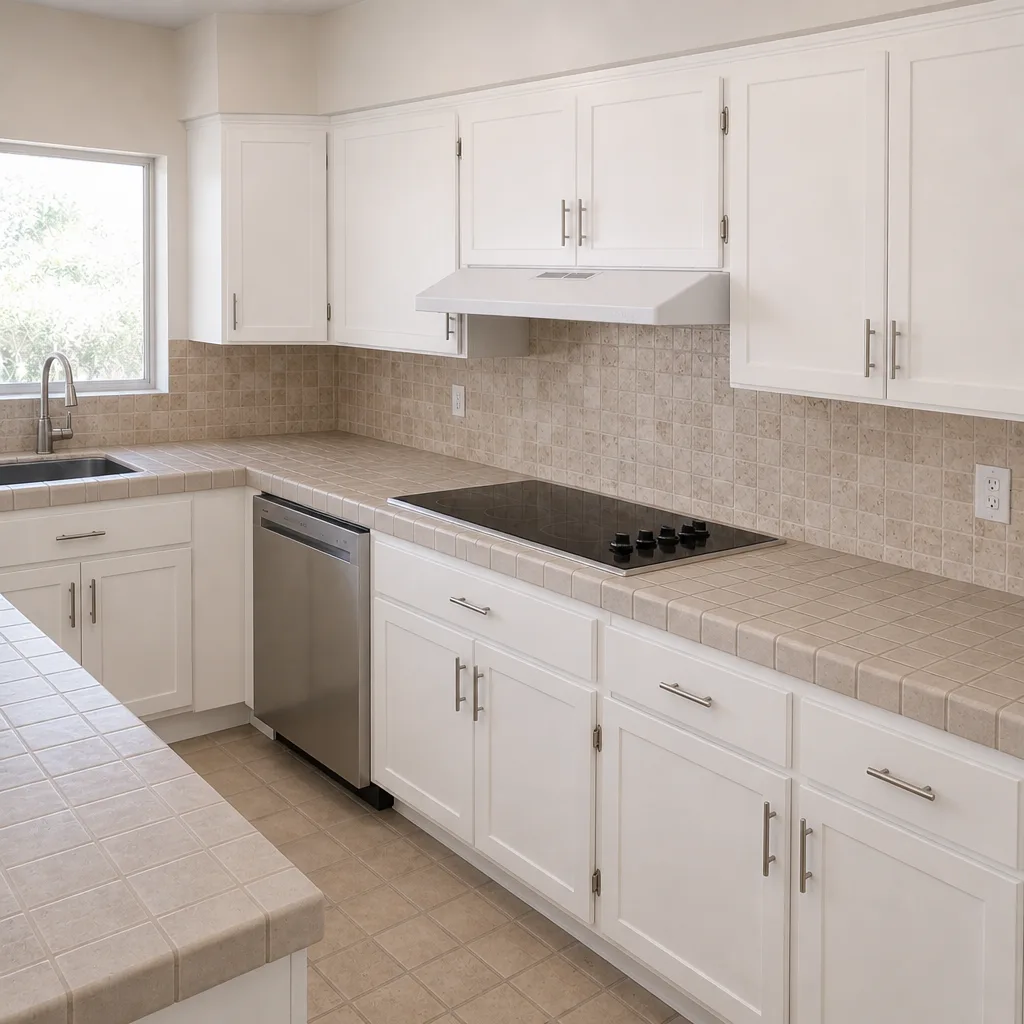 After
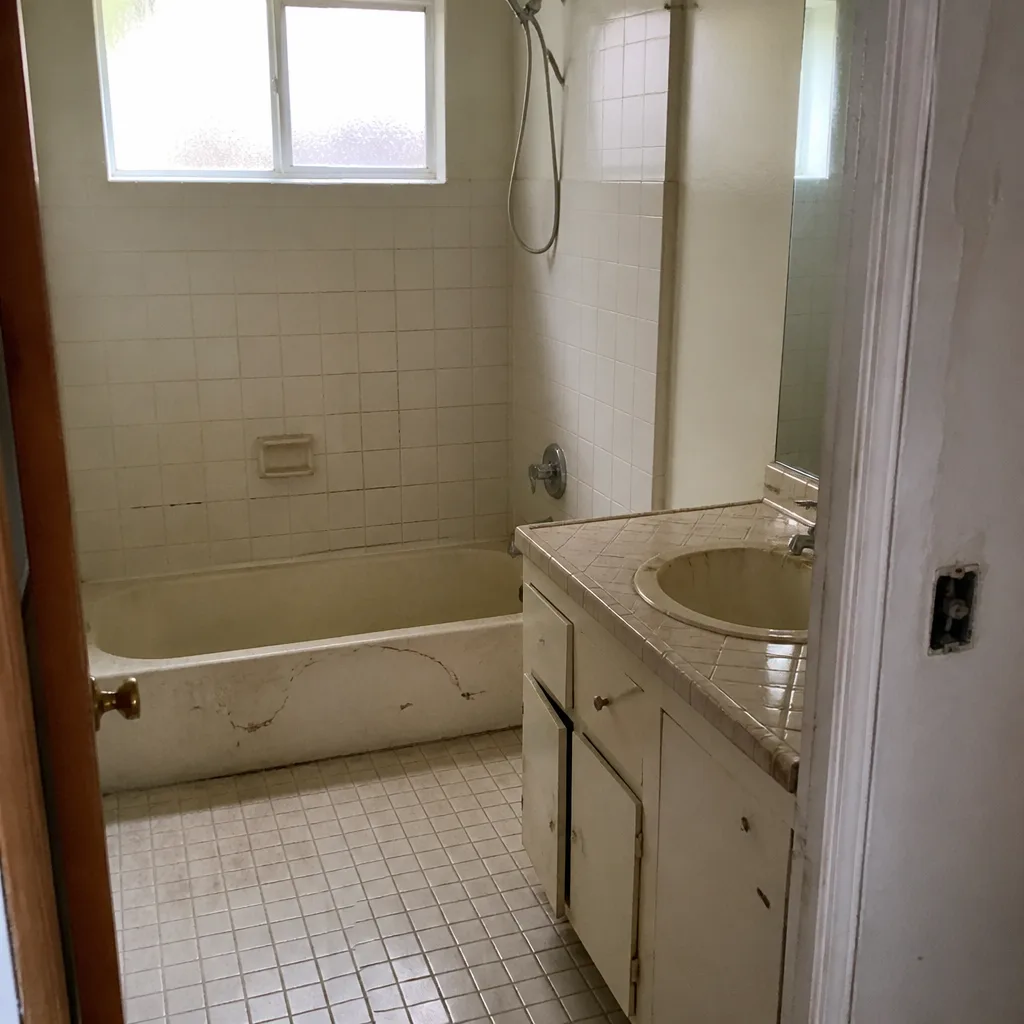 Before
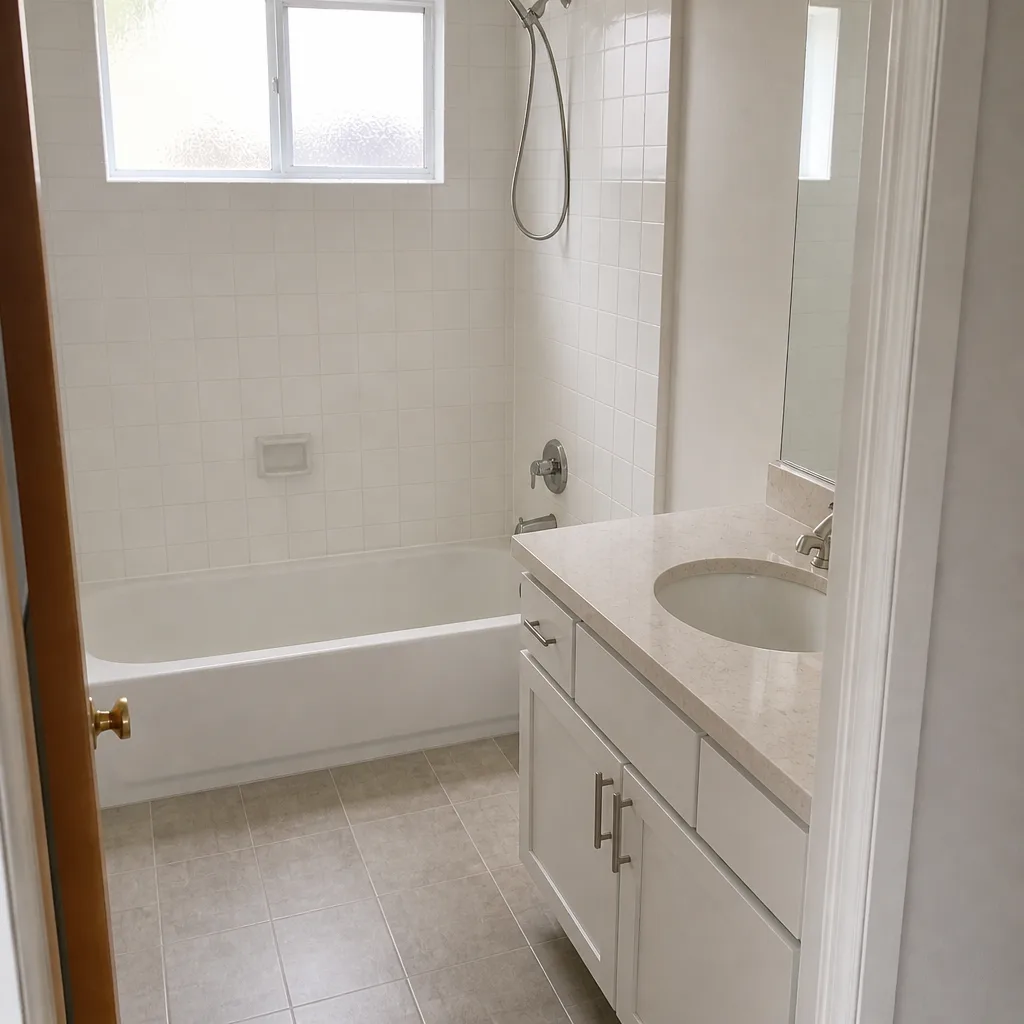 After
When to Seal a New Asphalt Driveway in Irvine, CA
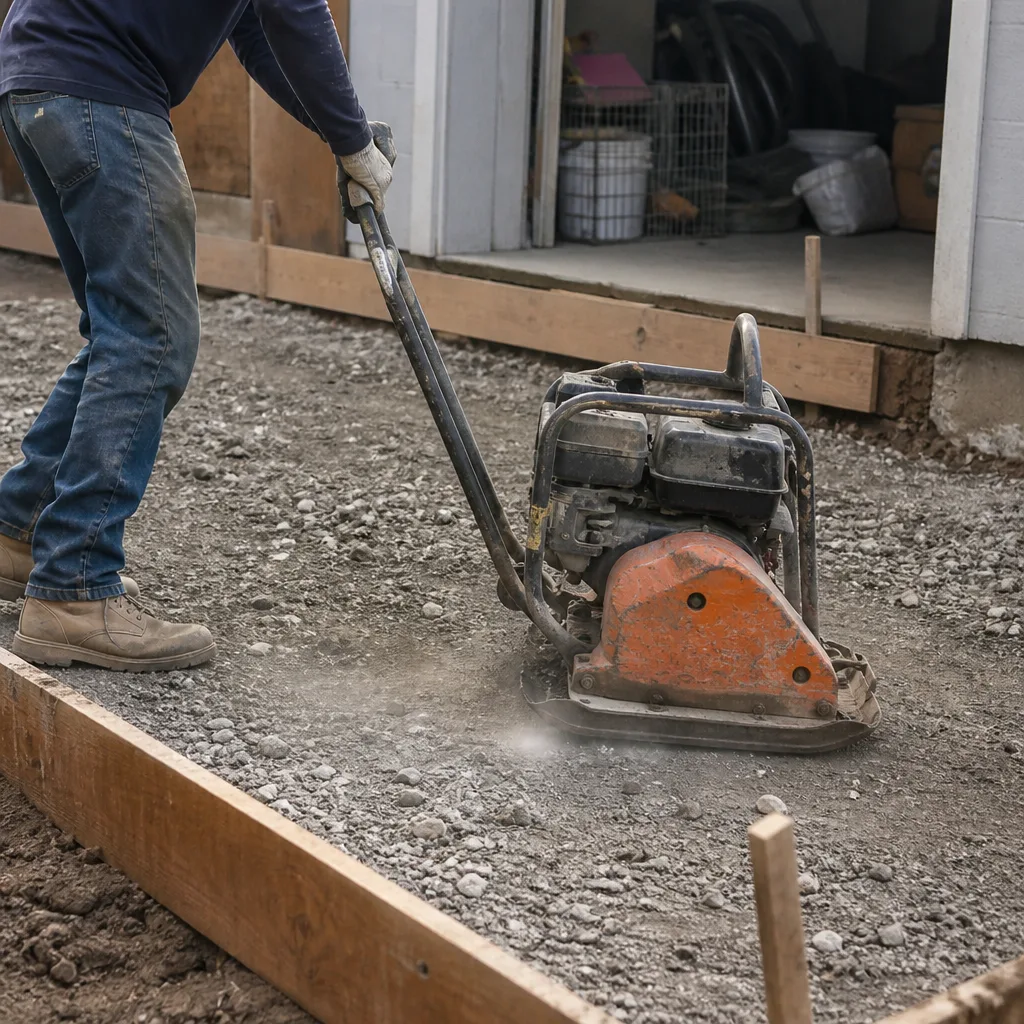
In Irvine, a new asphalt driveway should be sealed roughly 6 to 9 months after paving, not the 12 months most national guides recommend. The 280-plus days of direct sun and low humidity here strip the asphalt’s binders faster than cooler climates do, so the surface needs protection sooner. More importantly, sealing before 90 days traps residual solvents and causes peeling once summer heat hits. If you’re unsure where your driveway falls on that clock, call (888) 578-4462 for a no-pressure read from the team at Groundwork Construction Co. of Irvine.
Why Irvine’s Sun Rewrites the Sealing Timeline
Most online guides are written for climates with real winters and steady humidity. Irvine isn’t that. The city sits in a semi-arid coastal-influenced basin with hot, dry summers and almost no freeze. That combination cuts both ways for fresh asphalt.
Without freeze-thaw cycles to worry about, you’d think the driveway would age slowly. But UV radiation does the damage instead. Oxidation breaks down the light oils in the asphalt, and the low humidity pulls those volatiles out faster. The result is a surface that starts looking chalky and gray in a fraction of the time it would back east. That gray isn’t cosmetic – it’s the binder aging out, and once it does, cracks and raveling follow.
The practical takeaway: treat the 12-month rule as a Midwest or Pacific Northwest baseline, and plan on sealing your Irvine asphalt inside a 6-to-9-month window. We give every asphalt customer a written sealing timeline at project close, so the recommendation lives on paper instead of in someone’s memory.
A quick reference for the first-seal window
| Time since paving | What’s happening to the asphalt |
|---|---|
| 0-30 days | Asphalt is curing; binders are still setting. Do not seal or drive heavy loads on it. |
| 30-90 days | Residual solvents are still escaping. Sealing now traps them and invites peeling. |
| 6-9 months | Ideal first-seal window for Irvine’s UV load, once the surface has fully cured. |
| 12+ months | Oxidation is well underway. The surface may need prep work before sealing. |
Santa Ana Winds and the Adhesion Problem
The Santa Ana wind events are another factor national guides ignore. Those dry, gusting winds carry fine particulate – dust and grit off open space and the foothills – that lands on a freshly paved driveway and embeds in the still-curing surface. Sealer doesn’t bond well to a contaminated layer. It can lift, flake, or wear thin in patches.
Two things matter here. First, don’t seal right after a wind event. Give the surface a calm period and a proper cleaning so the sealer has clean asphalt to grip. Second, scheduling matters for Irvine installs: if your driveway goes down in late spring, you may be sealing right around the first Santa Ana of fall. A written timeline helps you plan around that instead of discovering it after the fact.
Sealing Too Early Fails Harder Than Sealing Late
It’s tempting to get the sealing done and checked off the list. But in Irvine’s hot, dry basin, sealing too early is the more expensive mistake. Fresh asphalt releases solvents as it cures. Trap them under sealer and they push back up once the summer heat spikes, causing bubbling, peeling, and a patchwork surface that looks worse than an unsealed driveway.
That failure mode shows up more in Inland Orange County basins than in coastal cities with cooler air. Hot, dry heat accelerates it. Wait until the surface has fully cured – the 90-day minimum is a hard floor, and for Irvine’s climate we usually recommend pushing to the 6-to-9-month window. Our technician crews have up to 12 years of experience reading surface conditions, and a background-checked, uniformed visit to evaluate a driveway takes minutes.
Common Irvine Scenarios We See
Every property is a little different. A few patterns show up over and over in this city, and each one changes the sealing math:
- New tract homes in Woodbridge and Northwood. These master-planned villages have design-review boards that want driveway surfaces looking consistent. A prematurely sealed or patchy driveway can trigger a compliance notice – the appearance standard is written into the village CC&Rs.
- Turtle Rock and older tract homes. Plenty of these driveways are 30-50 years old. If the asphalt is already oxidized and chalky, it needs prep and possibly a crack-fill before sealing, not a quick coat.
- Post-Santa Ana installs. If you paved right before a wind event, the surface collects grit. Clean first, seal after a calm stretch.
- Properties near open space. If you’re near the city’s eastern edges, your UV and dust exposure runs higher. Lean toward the front of the 6-to-9-month window.
Irvine is a master-planned city built almost entirely by the Irvine Company from the 1960s onward, so village-association approvals are part of the job here in a way they aren’t in neighboring Tustin or Santa Ana. If you’re planning a new driveway rather than sealing an old one, see our Driveway & Pavers in Irvine page for paving costs and what the install process looks like. If you want the broader picture, our Driveway & Pavers service page covers materials and options.
What a First Seal Actually Costs in Irvine
Sealing runs $250 to $700 for a typical residential driveway here, depending on square footage, surface condition, and whether prep work or crack-fill is needed. Brand-new asphalt sealing sits toward the lower end; a driveway that’s oxidized and needs cleaning plus a heavy coat trends higher. Our upfront pricing means the number we quote is the number you pay – no surprise line items after the work starts. Every asphalt and driveway project is backed by the 730-Day Done Right Promise, so if the sealing ever fails, we make it right.
FAQs
No. Sealing immediately traps the solvents still coming out of curing asphalt, which causes bubbling and peeling once heat hits – especially in Irvine’s hot, dry summers. Wait at least 90 days, and for Irvine’s UV load we recommend the 6-to-9-month window. Call (888) 578-4462 if you want a technician to inspect your surface and confirm it’s ready.
Six to nine months is the sweet spot for coastal-influenced Southern California, and Irvine falls right in that range. The 12-month figure comes from cooler, more humid climates where oxidation is slower. Here, 280-plus days of sun a year means the asphalt needs protection sooner. Call (888) 578-4462 for a free estimate and a written timeline.
Yes, and it’s the costlier mistake. In Irvine’s hot, dry basin, early sealing is more common than late sealing, and it fails more reliably. The trapped solvents cause peeling that a proper timeline would have prevented. If your driveway was paved recently, wait for a technician’s go-ahead before you schedule a seal.
Village design-review boards in Irvine care about appearance consistency – that’s part of the master-planned city’s uniform architectural standards. An improperly sealed driveway that looks patchy can draw a compliance notice. Sealing on a proper timeline keeps the finish even, which keeps you in line with those standards. Call (888) 578-4462 for a free estimate and we’ll walk through the timeline with you.
If you’d rather have the surface looked at directly, Groundwork Construction Co. of Irvine offers a no-pressure assessment. We’ll check where your asphalt sits on the curing clock and hand you a written sealing recommendation. Call (888) 578-4462 – lines are answered by a live person, 24/7.
Written by the team at Groundwork Construction Co. of Irvine, serving Irvine, CA.