

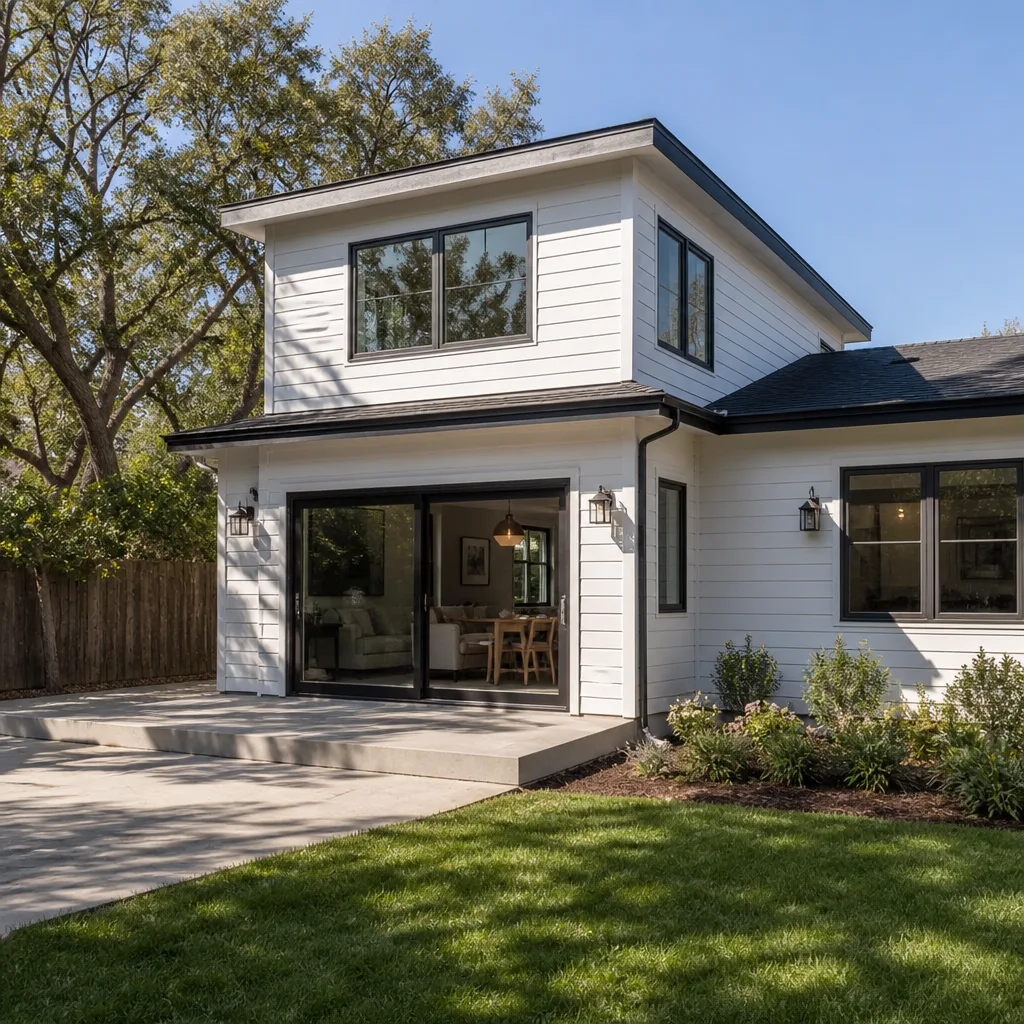
 Home additions & ADU
 Kitchen remodeling
 Bathroom remodeling
 Roofing
 Windows & doors
 Driveway & pavers
 Fence
Free written scope consultation - allowances, timeline, and change-order rules on paper before a single trade is scheduled
James Hardie Home Additions & ADU: The Irvine Owner’s Guide
We build and finish James Hardie-clad home additions and ADUs in Irvine, and a typical project runs $45,000 – $130,000 for a home addition and $90,000 – $220,000 for a full ADU, depending on square footage, foundation work, and finish level. Additions and ADUs aren’t a same-day part swap; they’re a sequenced build, and we schedule them like one. The work is permitted, inspected, and backed by our 730-Day Done Right Promise.
Most Irvine owners don’t discover a problem with the exterior envelope all at once. It shows up as a hairline crack running up a HardiePlank seam after a Santa Ana wind event, paint blistering along a butt joint by August, or a soft spot at the base of a wall where sprinkler overspray has been hitting the siding for two summers. Additions and ADUs are where James Hardie’s fiber cement products earn their reputation, and also where sloppy installation quietly undoes it.
Which James Hardie Products This Applies To
James Hardie makes fiber cement siding, trim, soffit, and panels, and each product line has its own thickness, lap profile, and fastener spec. HardiePlank lap siding comes in thicknesses from about 5/16 inch up to 7/16 inch depending on the series, with lap exposures typically set at 4, 5, 6, or 7 inches. HardiePanel vertical siding, HardieTrim boards, and HardieSoffit each carry their own thickness and width tables. Matching the wrong thickness to an existing wall creates a visible step at the transition, and using the wrong fastener or nailing pattern voids the manufacturer’s finish warranty.
The fastest way to identify what’s on your house is to pull a piece of trim at a corner, measure thickness with a caliper, and look for the mill stamp on the back of a plank. Irvine additions built under older HOA guidelines sometimes used a thinner lap profile than current code and design review allow, so a patch-and-match approach can fail inspection even when the material itself is correct.
On the OEM-versus-equivalent question: for visible siding and trim, we specify genuine James Hardie product because color, texture, and thickness have to match what’s already on the wall. For hidden flashing, fasteners, and housewrap behind the siding, we use quality equivalents from established manufacturers. We’re an independent contractor and not affiliated with James Hardie. We source genuine product through authorized distribution and hold to the manufacturer’s published installation requirements. Other brands we work with across our service lines include KraftMaid, Cambria, and Silestone.
Styles & brands we work with
- Kitchen remodeling
- Bathroom remodeling
- Home additions & ADU
- Roofing
- Windows & doors
- Driveway & pavers
- Fence
Signs Your James Hardie Addition or ADU Envelope Is Failing
- Hairline cracks along seams and corners. Usually caused by fasteners set too tight or a nailing pattern that doesn’t allow the panel to move with the framing. Fiber cement expands and contracts, and a rigidly fastened panel cracks at the stress point.
- Paint peeling or blistering within two to three years. Often moisture trapped behind the siding because housewrap or flashing was installed wrong at a window or roof-wall intersection. Irvine’s dry summers hide this until the first real rain event.
- Soft or crumbly material at the bottom edge of a wall. Sprinkler overspray and grade-level splash keep the lower course wet. James Hardie product handles moisture far better than wood, but a chronically wet base with no clearance will still break down.
- Visible gaps at butt joints. A sign the installer skipped the joint flashing or cut the plank short. Water gets behind the wall at every one of those gaps.
- Popped or rusted fasteners. Wrong fastener type or overdriven nails. Both compromise the panel’s hold on the framing and let water track in along the shank.
See the difference
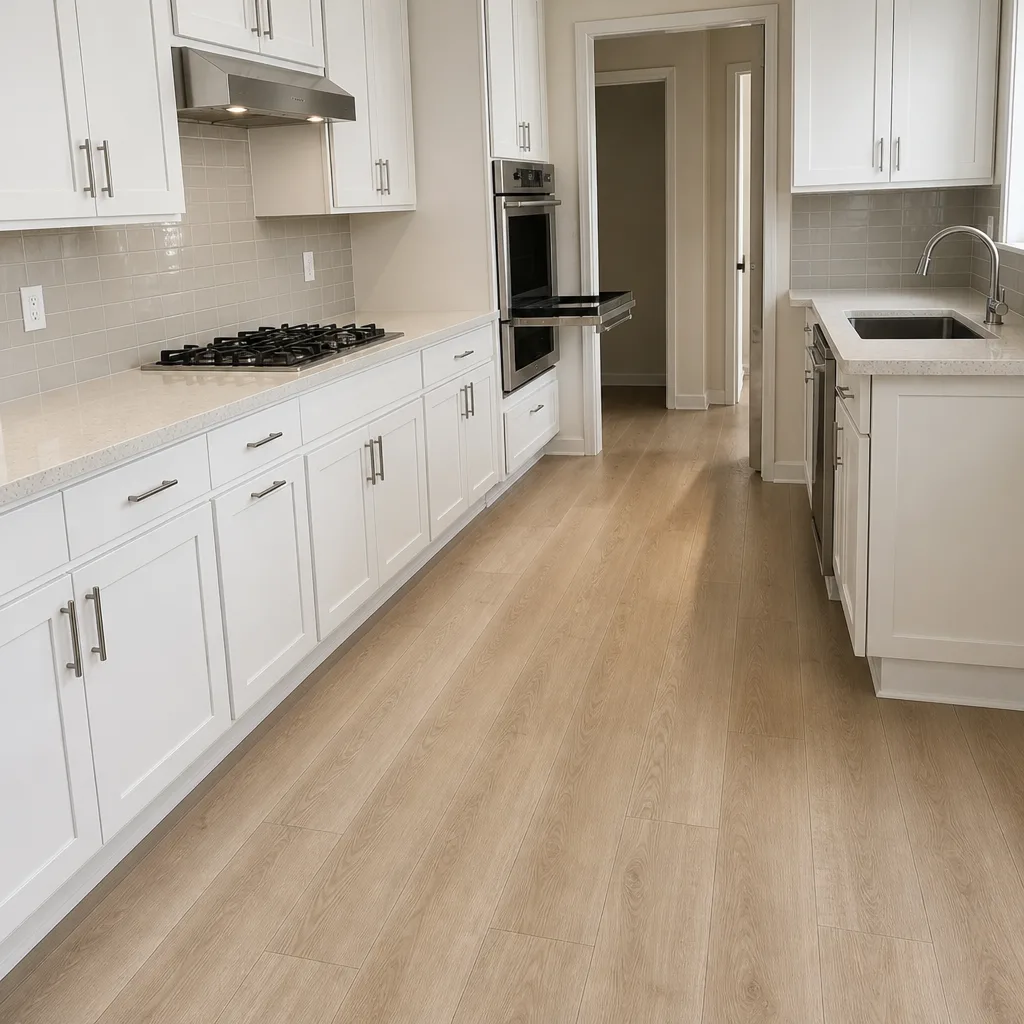
 Before
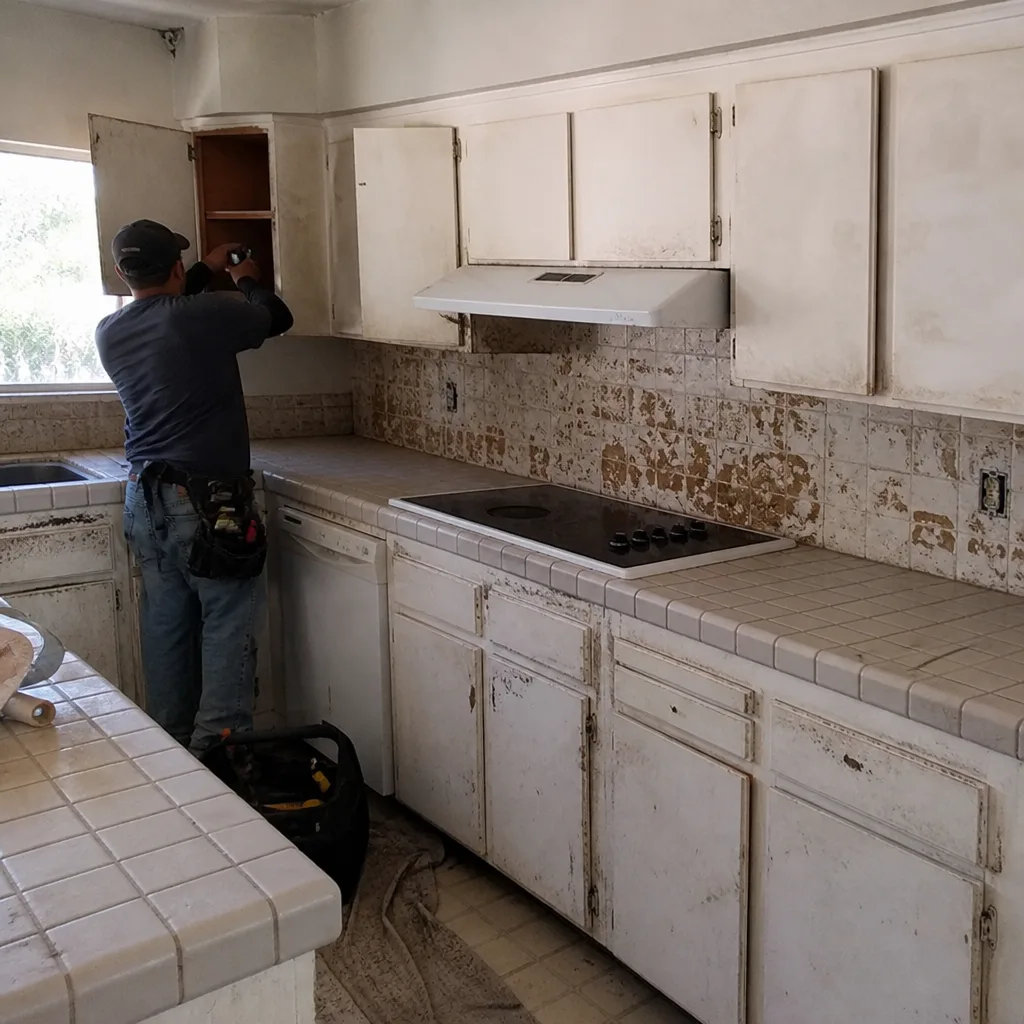
 After
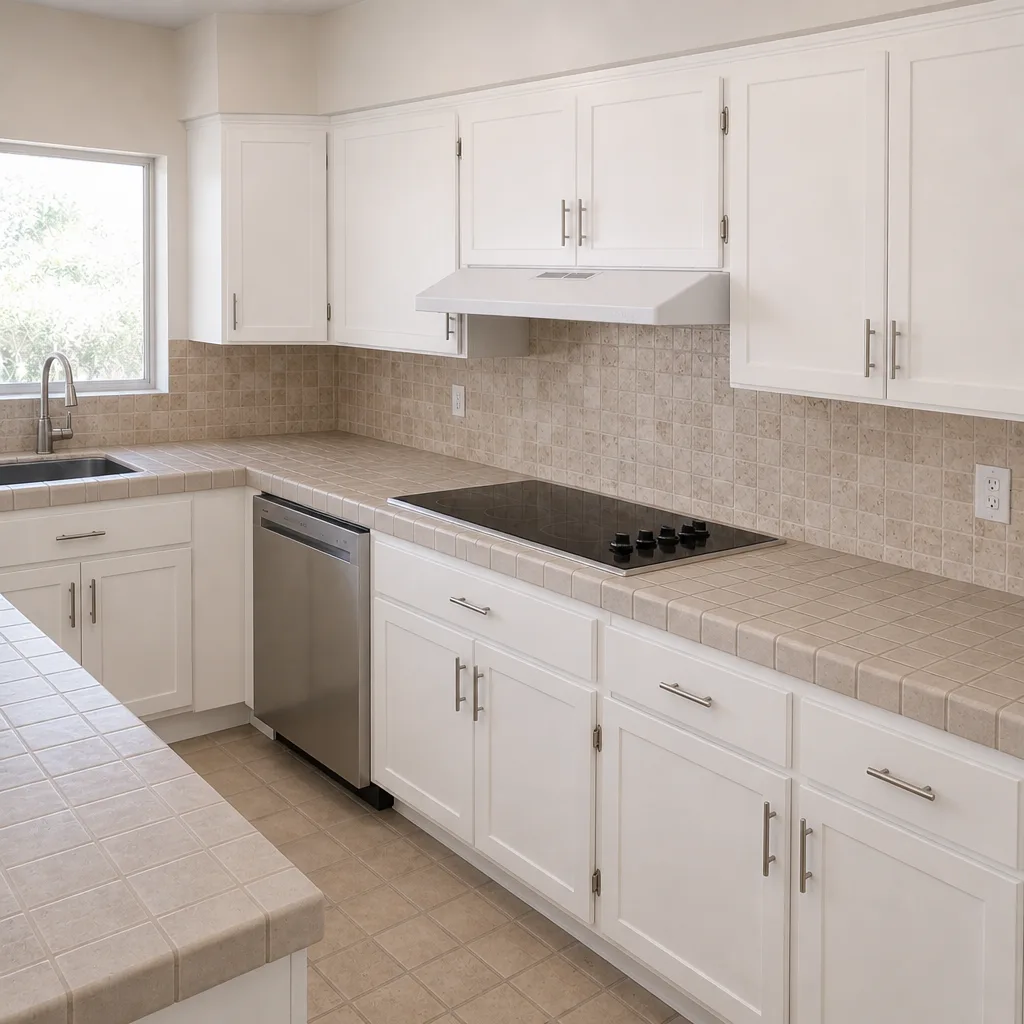
 Before
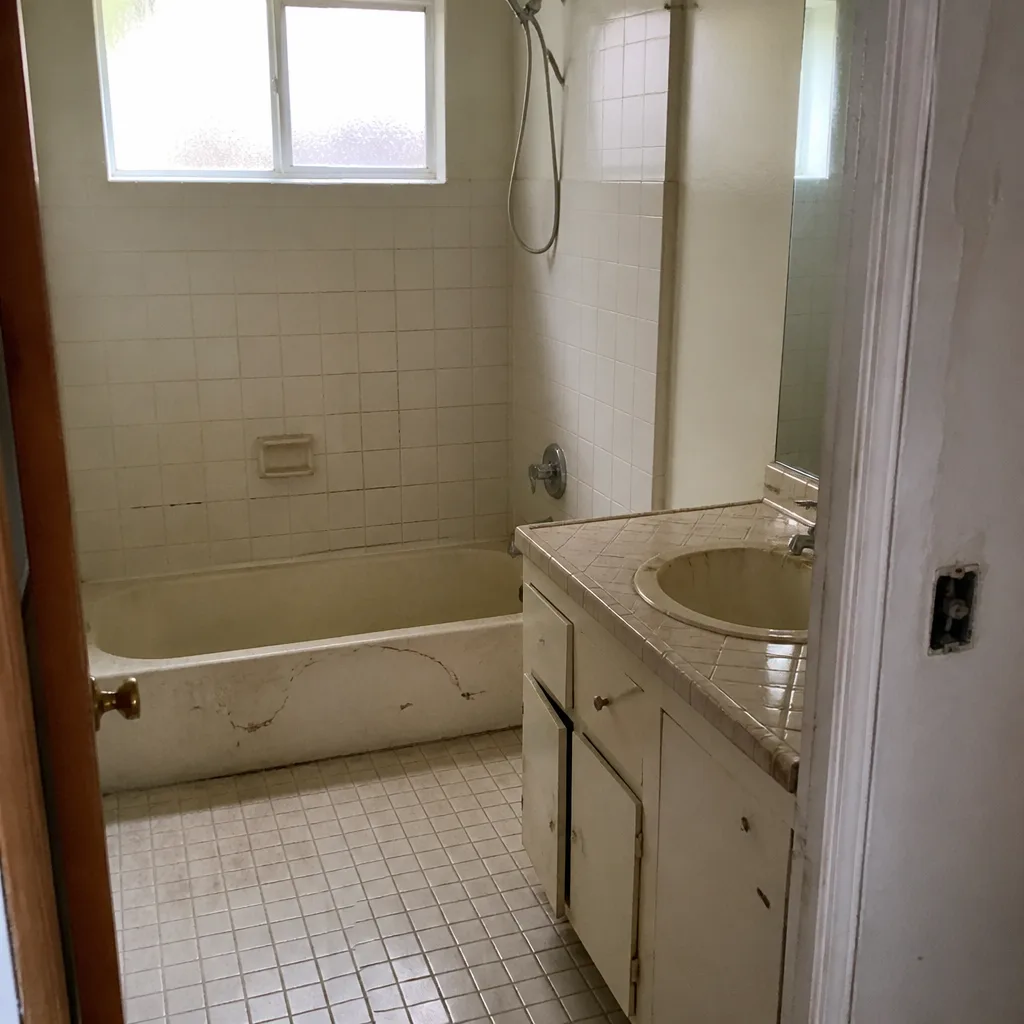
 After
 Before
 After
Replacement Cost & What’s Included
On an addition or ADU, the exterior envelope isn’t a standalone line item. It’s built into the project total. A home addition in Irvine runs $45,000 – $130,000, and a full ADU runs $90,000 – $220,000. A garage conversion sits lower at $30,000 – $80,000. What drives the range: foundation type (slab, stem wall, or pier-and-beam), square footage, roof complexity, window count, and finish level on the James Hardie cladding and trim.
Our quotes are line-item and upfront. You see the siding and trim line, the framing line, the electrical and plumbing rough-in, permits, and inspection fees separately. The number you see is the number you pay. No change orders mid-build because someone underestimated the framing.
Every addition and ADU we build is covered by the 730-Day Done Right Promise. If it’s not done right, we make it right. That’s one of the longest workmanship guarantees in residential construction, and it covers the envelope as well as the interior.
Two standing offers soften the upfront cost: $1,000 off projects over $10,000, and 0% financing for 18 months. Your free project estimate and design consult comes at no charge.
DIY or Call Us?
An owner can safely handle a few diagnostic steps. Walk the exterior after a rain and look for water staining at seams, window heads, and roof-wall intersections. Take phone photos of any cracks so you can track whether they’re growing. Check that sprinkler heads aren’t spraying the siding, and reset them if they are. Check grade clearance at the base of the wall.
Where DIY goes wrong on an addition or ADU: cutting into the wall to inspect framing, re-flashing a window, or patching siding without knowing the panel’s thickness and fastener layout. Those steps can open the envelope to water intrusion, and on a permitted structure, an unpermitted repair can create problems at resale. The building envelope is one system. A patch that looks fine in October can leak all winter. Call us at (888) 578-4462 and we’ll tell you what we see and what it costs. Estimates are free.
FAQs
James Hardie fiber cement siding is engineered to hold up for decades when it’s installed correctly and painted on schedule. In Irvine’s climate, the failure points aren’t the product. They’re the installation details: flashing, clearances, and fasteners. Paint and caulk need refreshing roughly every 8 to 12 years, and the material underneath outlasts that by a wide margin when the envelope is built right.
Often yes, if the damage is localized and the underlying housewrap and flashing are intact. A single cracked panel or a failed joint can be swapped without tearing off the whole wall. What we don’t recommend is patching over a soft spot or a wet cavity. The siding is a symptom; the moisture behind it is the problem. Call (888) 578-4462 for an exact quote, and estimates are free.
A home addition in Irvine typically takes several months from permit approval to final inspection. A full ADU takes longer because of the utility runs, foundation, and separate inspection sequence. Garage conversions move faster. The timeline that matters most is the permit phase. We pull permits and pass inspections, and we plan the sequence around your inspection schedule, not ours.
We source through authorized James Hardie distribution and match thickness, lap profile, and color to what’s already on your home. We don’t carry parts on a truck and we don’t stock material in a local warehouse. Every plank and trim piece is ordered to spec for the project. That’s how the color and profile match, and how the manufacturer’s warranty stays intact. Call (888) 578-4462 to schedule your free estimate.
Written by the team at Groundwork Construction Co. of Irvine, serving Irvine and nearby areas.