
 Kitchen remodeling
 Bathroom remodeling
 Home additions & ADU
 Roofing
 Windows & doors
 Driveway & pavers
 Fence
Free written scope consultation - allowances, timeline, and change-order rules on paper before a single trade is scheduled
ADU Site Prep & Utilities in Santa Ana: What the Job Actually Involves
ADU site prep and utilities in Santa Ana runs $45,000 – $130,000 depending on how much of your lot has to be opened up and whether the existing electrical, water, and sewer can carry a second dwelling. Site work alone usually takes four to seven weeks before a foundation is poured or a wall is framed. Call (888) 578-4462 for a free on-site estimate; a live person answers, day or night. This page covers the underground and back-of-house work that turns a bare Santa Ana lot, or an existing detached corner of it, into a buildable ADU site. It doesn’t cover design, permitting, garage conversion, or room additions, which each have their own page.
The Sequence We Follow for Site Prep and Utilities in Santa Ana
Every job starts with a survey, a utility locate, and a test pit or two to see what’s actually underground. From there the work orders itself. Here’s how it usually plays out on a lot in Santa Ana.
Day 1 to day 3: survey, locate, and test pits. We call 811 to mark public utilities, then dig test pits to find the private sewer lateral, gas line, and water main where they actually run, not where the old as-built claims. You decide at this stage whether the ADU ties into the house’s existing service panel or gets its own meter. That decision moves the budget more than any finish choice.
Week 1 to week 2: demolition and clearing. Old concrete slabs, a tired shed, a detached garage that’s past saving, or a back fence line come out. Debris hauls in 20-yard roll-offs. If the site has an unpermitted structure (common on older Santa Ana lots), we photograph it and document the demolition for the permit file. You confirm the setback line before a single stake moves.
Week 2 to week 4: grading, drainage, and foundations. We cut and fill to the finished grade the engineer specifies, install footings for the drainage system, and set the underground conduit sleeves before the slab goes in. This is the stage where hot, dry Santa Ana summers help: no rain delays, but we water the subgrade to control dust and keep compaction honest. You pick the drainage approach (surface swales vs. a buried system tied to a drywell or the storm line), and that’s a real budget fork.
Week 4 to week 6: utility trenching and rough-in. Electrical conduit, water service, sewer lateral, and gas run in open trenches to the ADU’s future meter and stub locations. This is where verification matters: we pressure-test the water line and slope-check the sewer before backfilling, and schedule the rough inspection while everything is still exposed. The homeowner decides on panel size and whether the ADU gets its own gas meter or shares the house meter.
Week 6 to week 7: backfill, compaction, and final rough inspection. Trenches get sand, compacted in lifts, and the inspector signs off on the underground work. After that the site is ready for the foundation and framing crews. You get a written summary of every stub, meter, and cleanout location, which you’ll want when the ADU design gets finalized.
Styles & brands we work with
- Kitchen remodeling
- Bathroom remodeling
- Home additions & ADU
- Roofing
- Windows & doors
- Driveway & pavers
- Fence
The Options You’ll Choose Between on Site Prep
These are the real forks. Each one changes the number on the bid.
- Electrical service upgrade vs. new panel vs. new meter. Sharing the main house panel is cheapest, but if the existing panel is a 100-amp unit from the 1960s, the load calculation for a second dwelling usually fails. A dedicated ADU feeder and meter is the cleaner long-term call. Budget roughly $4,000 – $12,000 just for the service side of the electrical scope.
- Sewer: existing lateral vs. new tap. Tying into the existing lateral is cheaper, but if the line is old clay or cast iron, an ADU on it will back up within a season. A new tap and lateral runs considerably more, and requires a city inspection and a permit. Most honest bids push you toward the new tap on homes built before 1970.
- Drainage: surface vs. buried. Swales and grading alone work on a lot with good slope and soil. A buried system tied to a drywell or storm connection handles flat lots and clay soils better. This is the single variable homeowners underestimate most.
- Foundation: slab-on-grade vs. raised/crawl vs. pier-and-beam. Slab is fastest and cheapest and suits Santa Ana’s semi-arid climate. Raised foundations cost more but let you route plumbing and electrical underneath later without busting concrete.
- Materials on the exposed bits. The conduit, cleanouts, meter pedestals, and utility boxes are visible and inspectable. Spec-grade PVC and schedule-40 conduit get the job done. Upgraded grade buys you longer service life and fewer callbacks in 20 years.
- Site access and alley loading. A lot that backs onto an alley can bring material in and out cleanly. A lot with only a narrow side gate means every truck, every trench, and every cone of concrete comes through the front door, and the labor line reflects it.
What ADU Site Prep & Utilities Costs in Santa Ana, CA
Site prep and utility work for an ADU in Santa Ana runs $45,000 – $130,000. That’s the honest spread, and here’s what moves it.
- Lot size and soil. A large flat lot with good drainage sits at the low end. A small, sloped, or clay-heavy lot with a lot of fill to correct pushes toward the high end.
- Condition of existing utilities. A home with new copper, a modern panel, and a clean sewer lateral is the low end. Knob-and-tube wiring and galvanized plumbing (common on Santa Ana’s older stock) mean full replacement to the meter, and that’s where budget goes.
- Distance from the meter to the ADU. Every extra foot of trench, conduit, and pipe adds labor and material. A 30-foot run from the panel is very different from a 120-foot run.
- Permit scope. An electrical panel upgrade, a sewer tap, a drainage connection, and a gas line each pull their own permit and inspection. More permits, more cost, and more wall-clock time.
- Access. Alleys and wide side yards are cheap to work in. Tight gates and no alley loading add real labor hours.
What’s included in a written estimate: demolition of existing structures (if scoped), grading and compaction, trenching and backfill, new utility stubs to the ADU footprint, rough inspections, and a written record of every stub and meter location. What typically isn’t: the ADU design, the foundation itself, framing, finishes, and landscaping restoration, which are quoted separately. Our 730-Day Done Right Promise applies to the site work we perform, and the number we write down is the number you pay unless the scope changes in writing.
See the difference
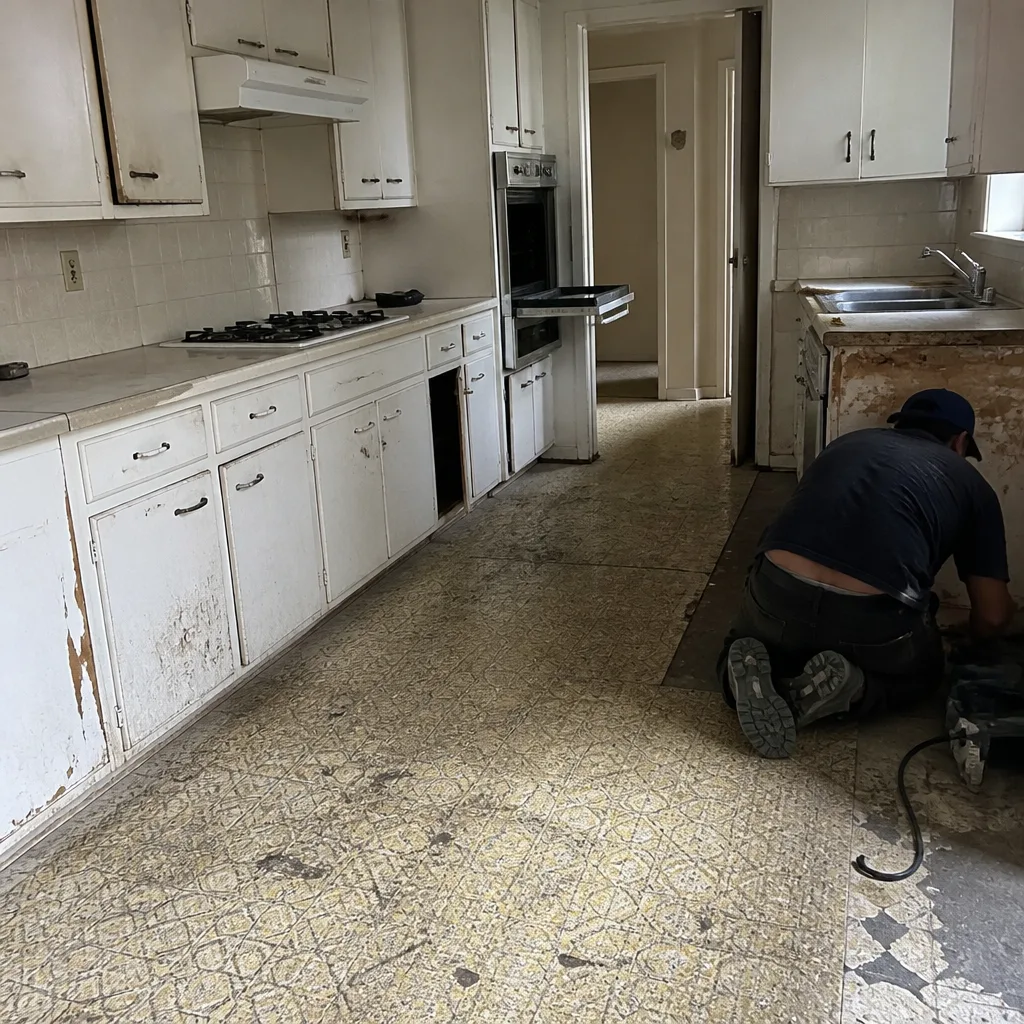 Before
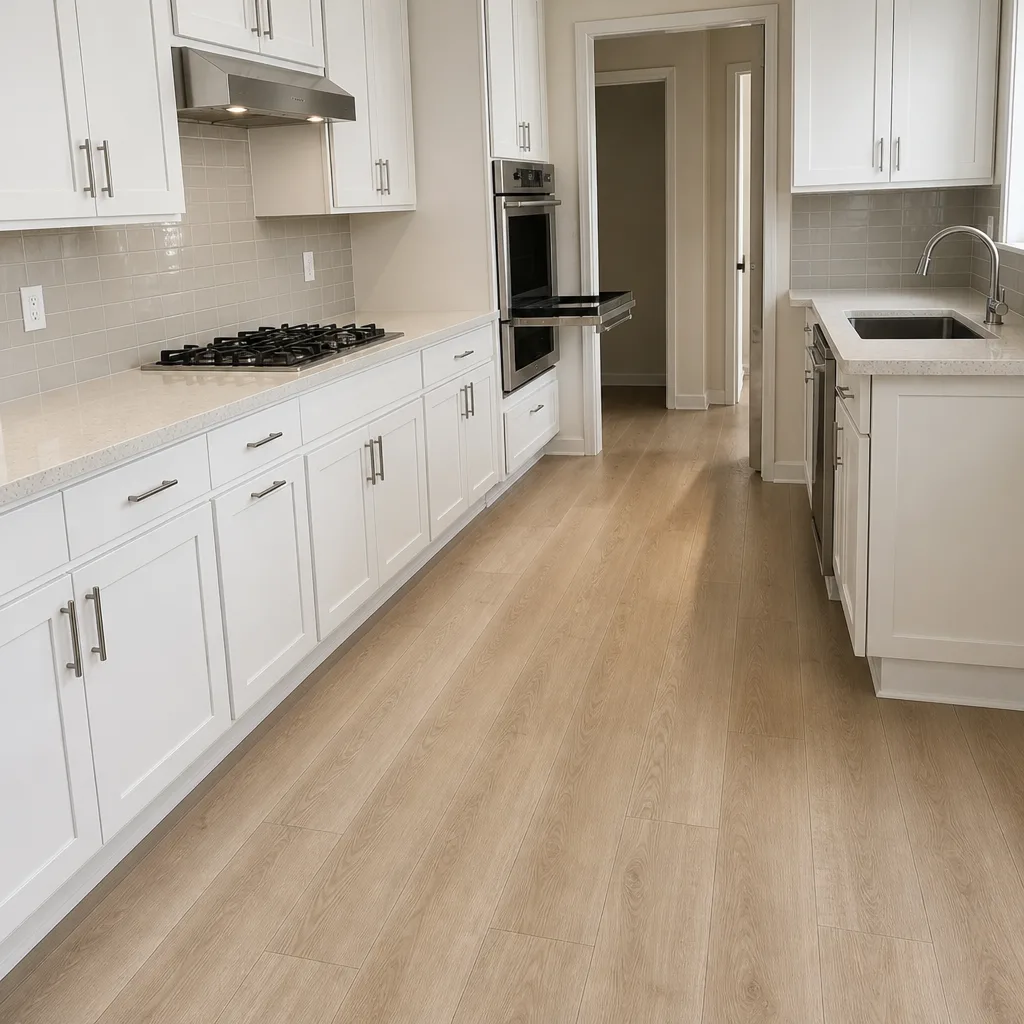 After
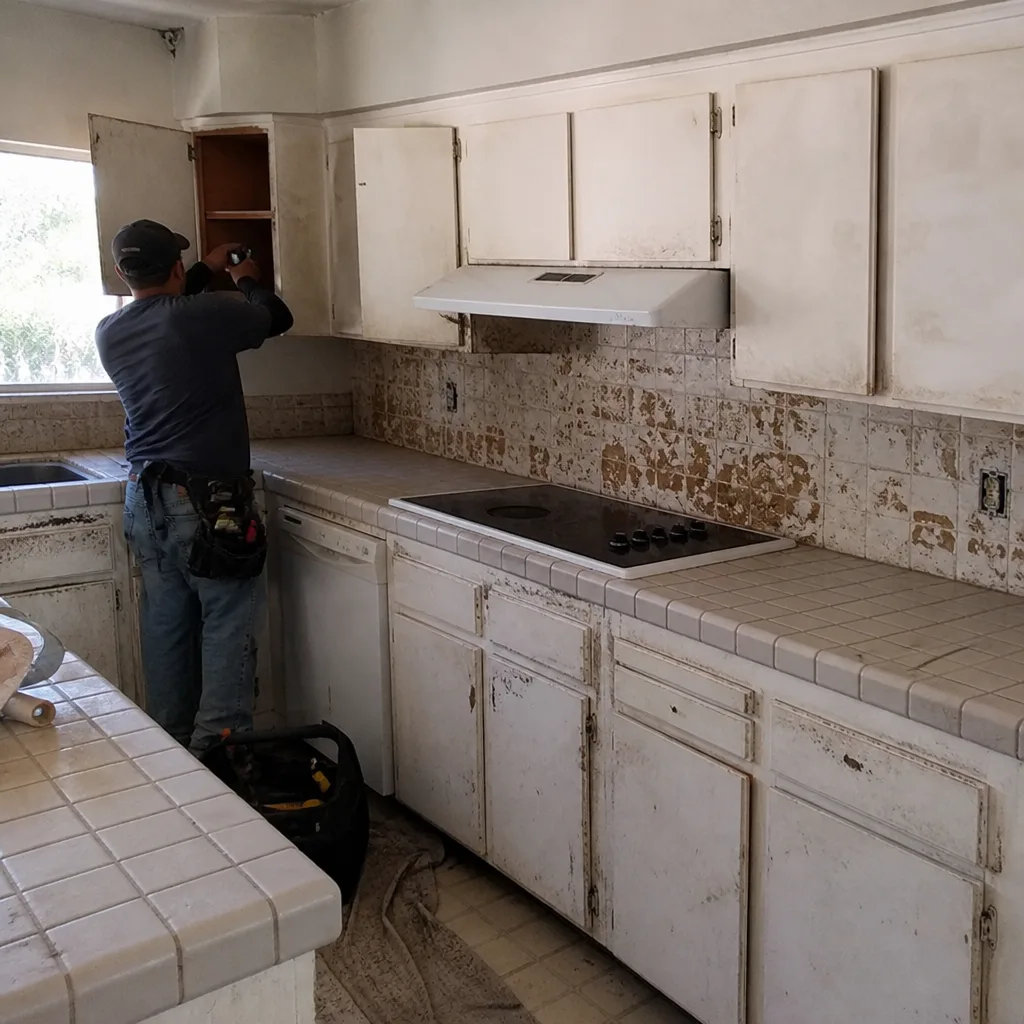 Before
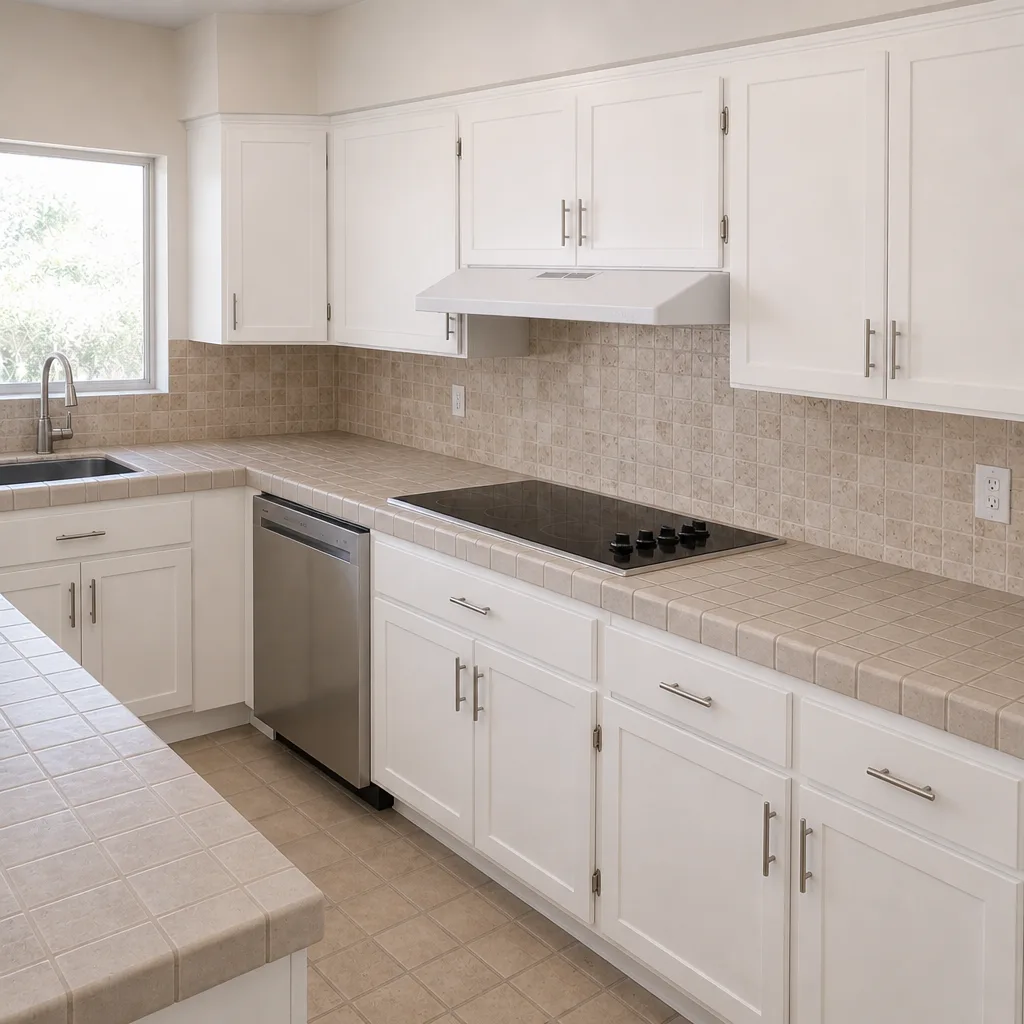 After
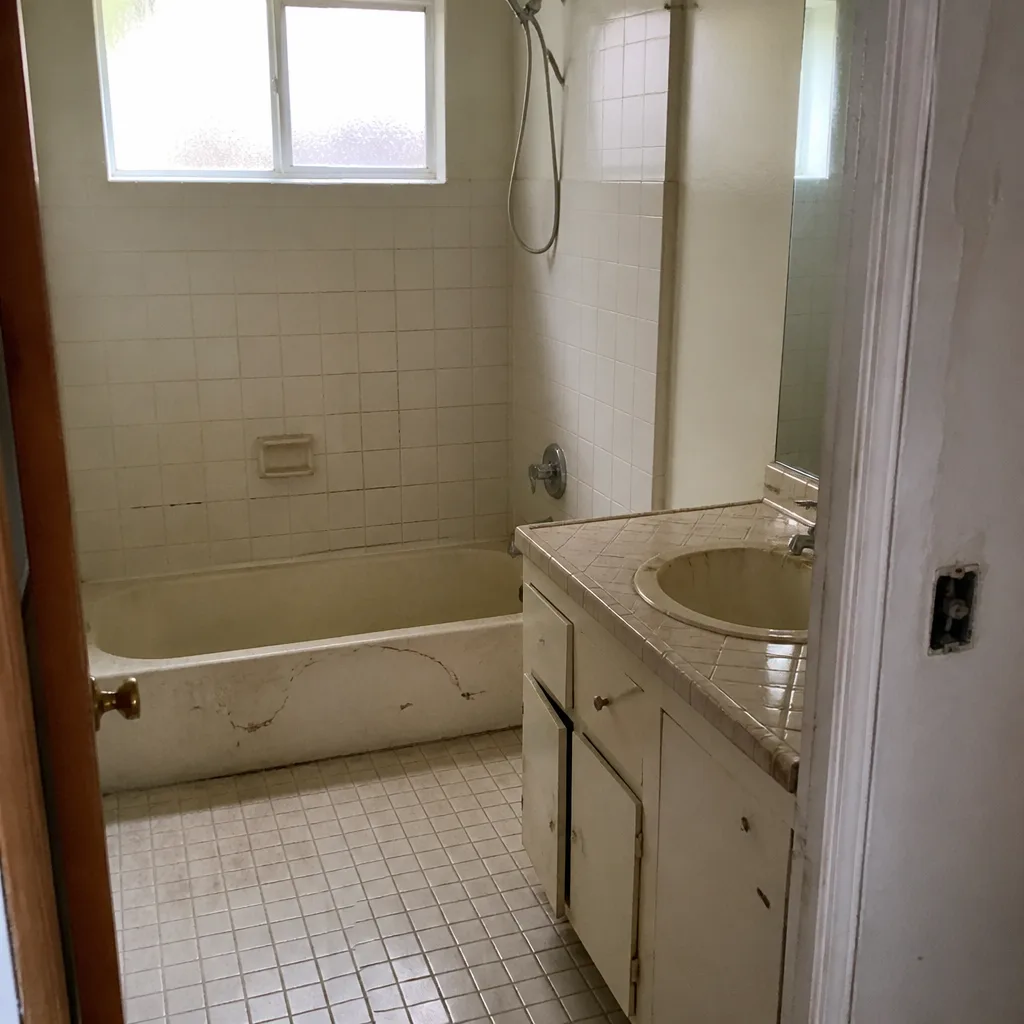 Before
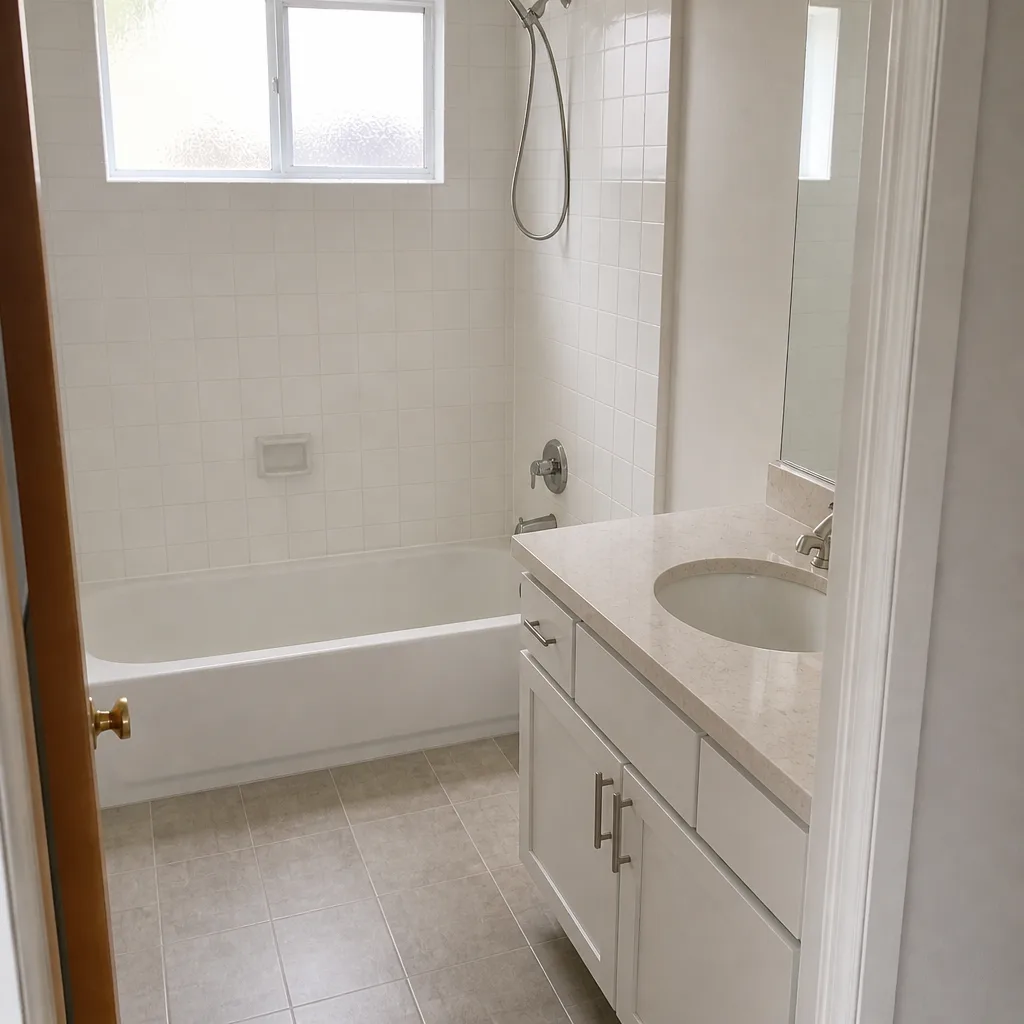 After
What Santa Ana Homes Specifically Do to This Job
Santa Ana’s construction market is driven by its 1920s Craftsman and Spanish Colonial bungalows in the core and its mid-century tract homes, and both present real site-prep problems. On the older homes, unpermitted additions are the norm: many lots in Wilshire Square and French Park have a garage that was converted to a rental unit decades ago without permits. Any ADU permit pulls a compliance review, so the old conversion has to be corrected before site work begins. And the seismic retrofit requirements that apply to soft-story and unreinforced masonry structures on these older homes frequently trigger foundation work on the main house as part of getting an ADU approved, which changes the utility scope. On mid-century tract homes (ZIPs 92705, 92707, and 92704), knob-and-tube wiring and galvanized plumbing are near-universal, and sewer laterals are often original clay that fails a camera inspection. The good news for scheduling: Santa Ana’s semi-arid climate with hot, dry summers and mild, wet winters rarely wrecks a trench schedule, though Santa Ana winds in the fall push dirt and dust around and require careful dust control. We cover all of Santa Ana, and homeowners often pair the ADU site prep with our Full Bathroom Remodeling in Santa Ana or Small & Partial Kitchen Remodels in Santa Ana while the main house is already torn open for utility work.
This whole scope is one piece of the wider project. If you’re comparing what the ADU will cost top to bottom, our Home Additions & ADU in Santa Ana page covers the build side. If you’re looking at how site work fits into a full build, see Home Additions & ADU for the broader picture. And if you’re in a nearby city but still want the same crew, our Santa Ana service-area page is where we document what we cover.
Serving Santa Ana, CA – Our Local Coverage Area
We serve Santa Ana and nearby communities. Use the map below to see the area we cover. If you’re nearby, we can almost certainly help.
Frequently Asked – ADU Site Prep & Utilities in Santa Ana
Four to seven weeks is typical for a straightforward site, and eight to ten weeks is realistic if the lot needs major grading, a sewer tap, and an electrical service upgrade. Tight access or an unpermitted structure to demolish adds another one to two weeks. Call (888) 578-4462 for a site visit and a written timeline built around your lot.
Yes, and more than one. Electrical service work, sewer taps, gas lines, and drainage connections each pull their own permit and inspection, and the ADU permit itself requires the site plan to show utility routing. Older lots with unpermitted additions also trigger a compliance review before the ADU permit moves forward. We pull the permits and document the inspections. Call us to talk through what your specific address will require.
Sometimes. If the existing panel has headroom and the sewer lateral is clean and appropriately sized, you can often avoid touching the main house. On homes built before 1970 in Santa Ana, that’s the exception, not the rule, because knob-and-tube wiring and galvanized plumbing usually can’t carry a second dwelling. A test pit and a panel load calculation tell us in the first three days. Call for a free estimate and we’ll tell you straight.
It runs $45,000 – $130,000. The biggest drivers are existing utility condition (old wiring and plumbing push the number up hard), lot access (alley loading vs. a narrow side gate), drainage scope, and how many separate permits the site requires. A flat lot with modern utilities and alley access sits near the low end. Call (888) 578-4462 for a written line-item quote, and estimates are free.
Every project we do is covered by our 730-Day Done Right Promise. If the work isn’t right, we make it right within that period, which is one of the longest workmanship guarantees in the residential construction space. That covers the trenching, backfill, stubs, and site work we perform. Call (888) 578-4462 if you have questions about what’s covered before you sign anything.
Get a Free On-Site Estimate for ADU Site Prep & Utilities in Santa Ana
Call (888) 578-4462 and we’ll schedule a free on-site estimate for the site prep and utility work on your Santa Ana lot. A live person answers, day or night. On the visit we survey the lot, pull public utility records, dig a test pit or two, and hand you a written line-item quote with a fixed price and a clear scope. No sales pitch on the call, just the number and the plan.
Written by the team at Groundwork Construction Co.