
Last updated November 17, 2026
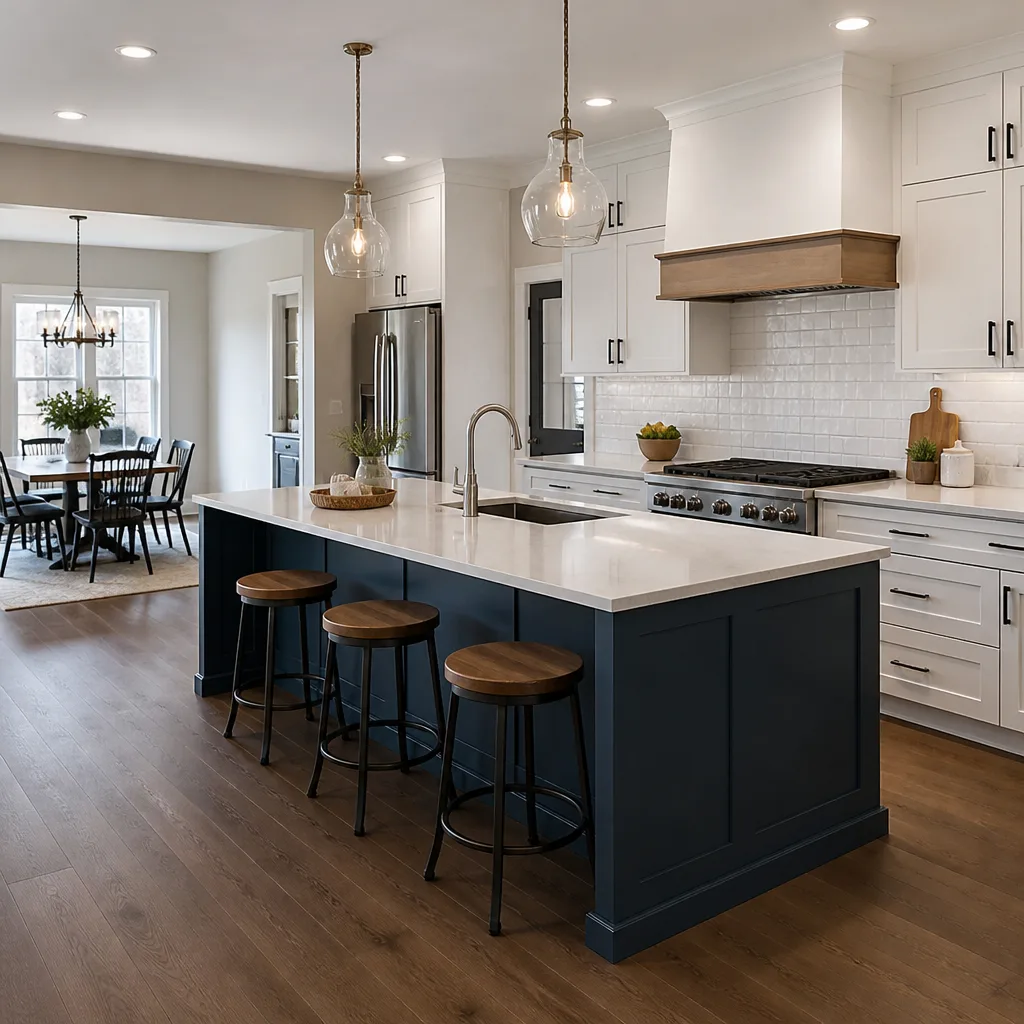 Kitchen remodeling
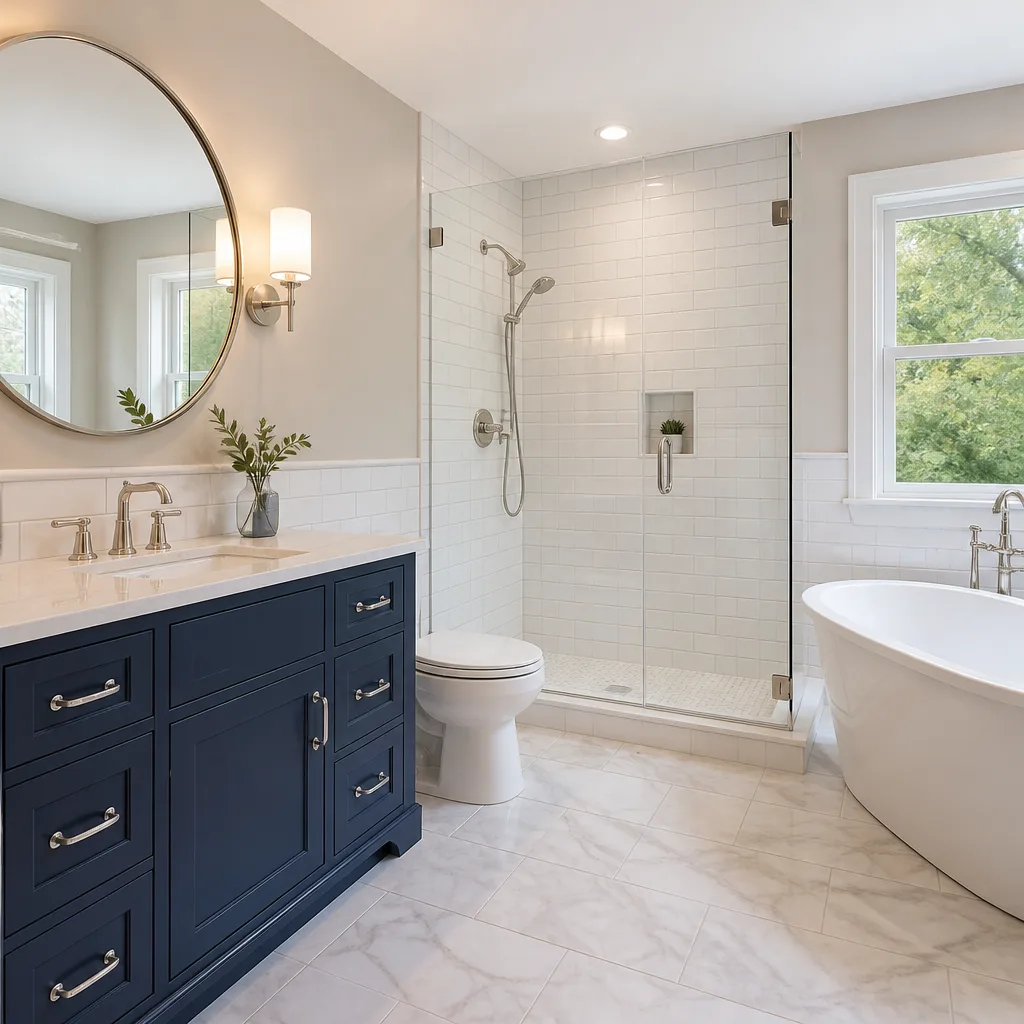 Bathroom remodeling
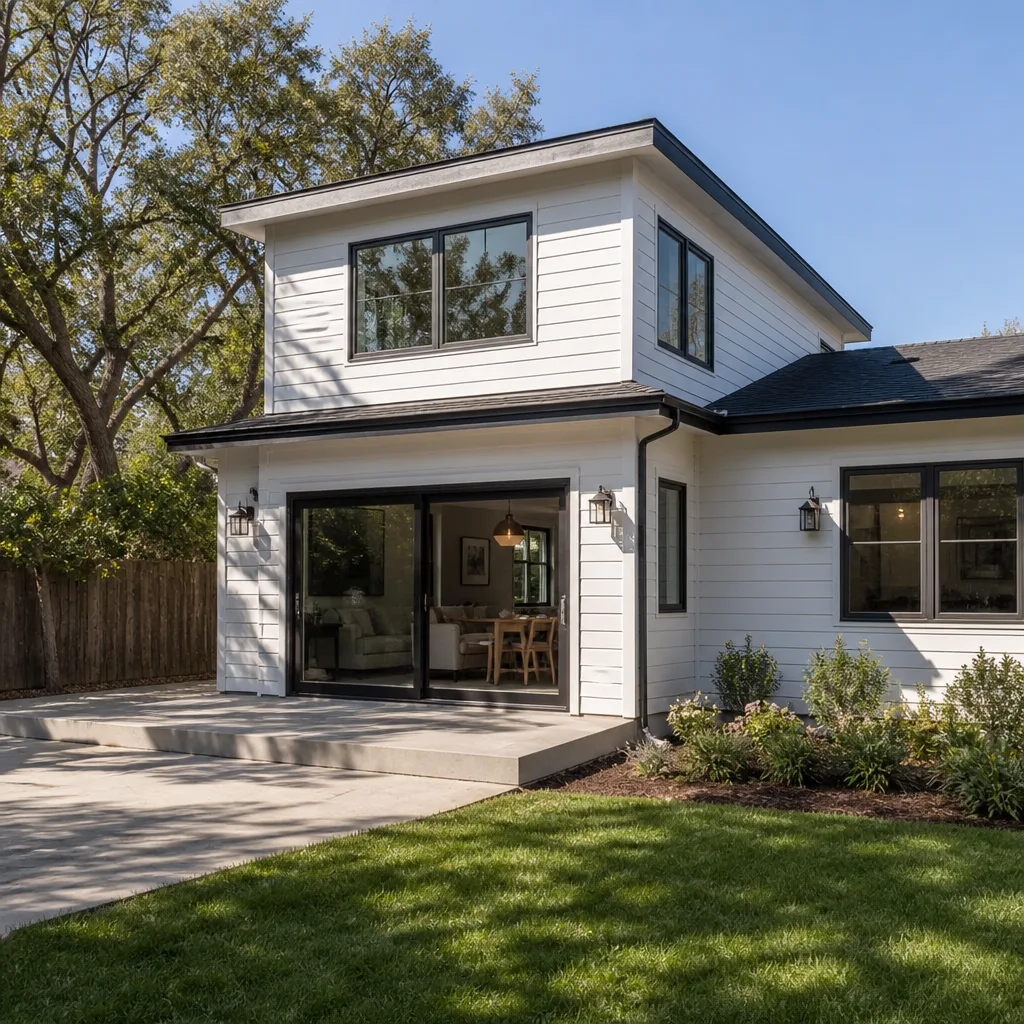 Home additions & ADU
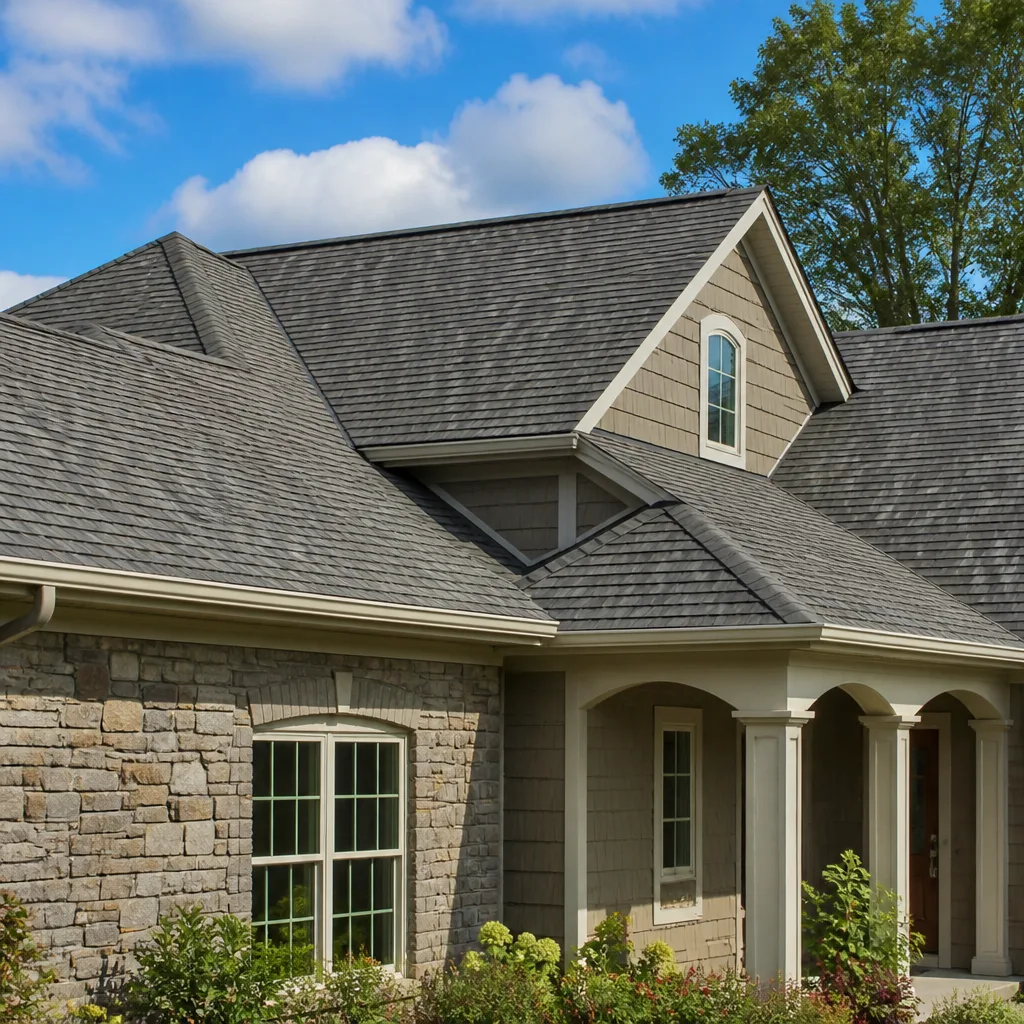 Roofing
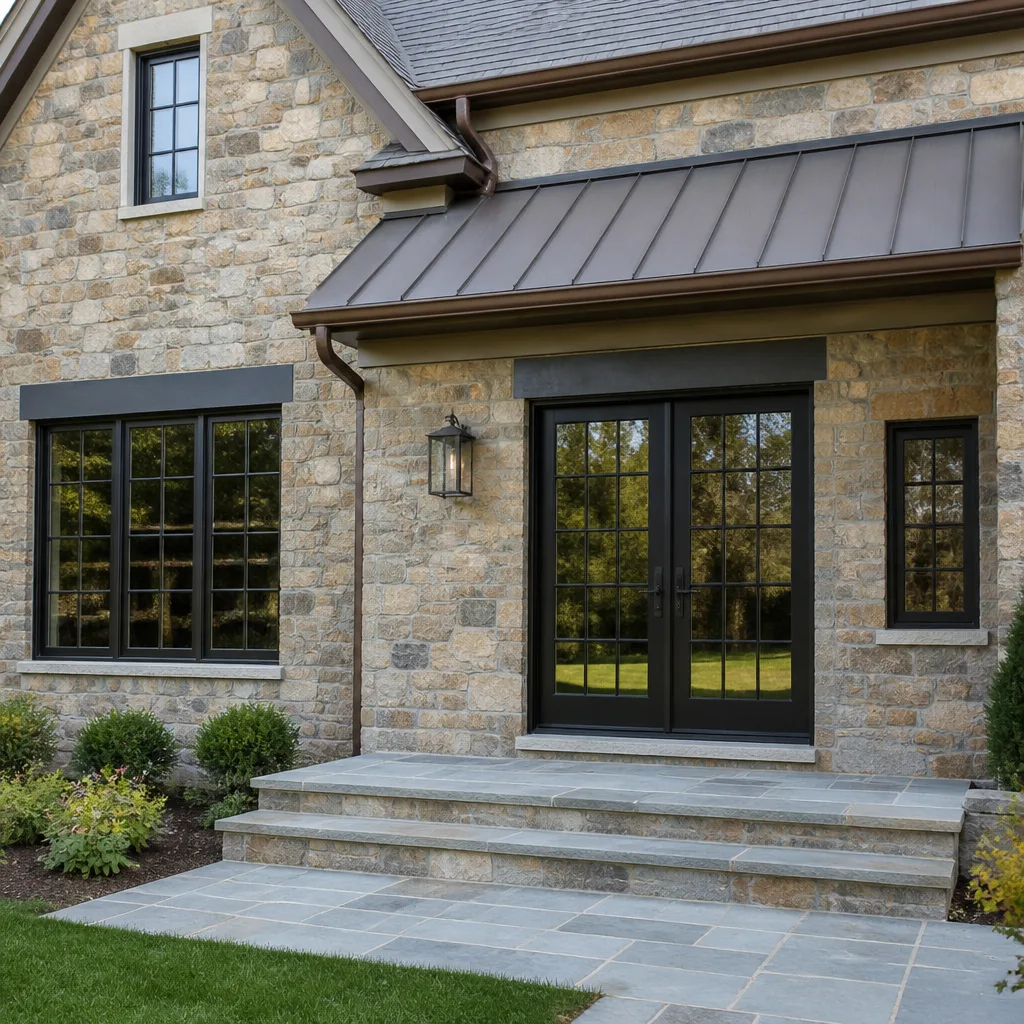 Windows & doors
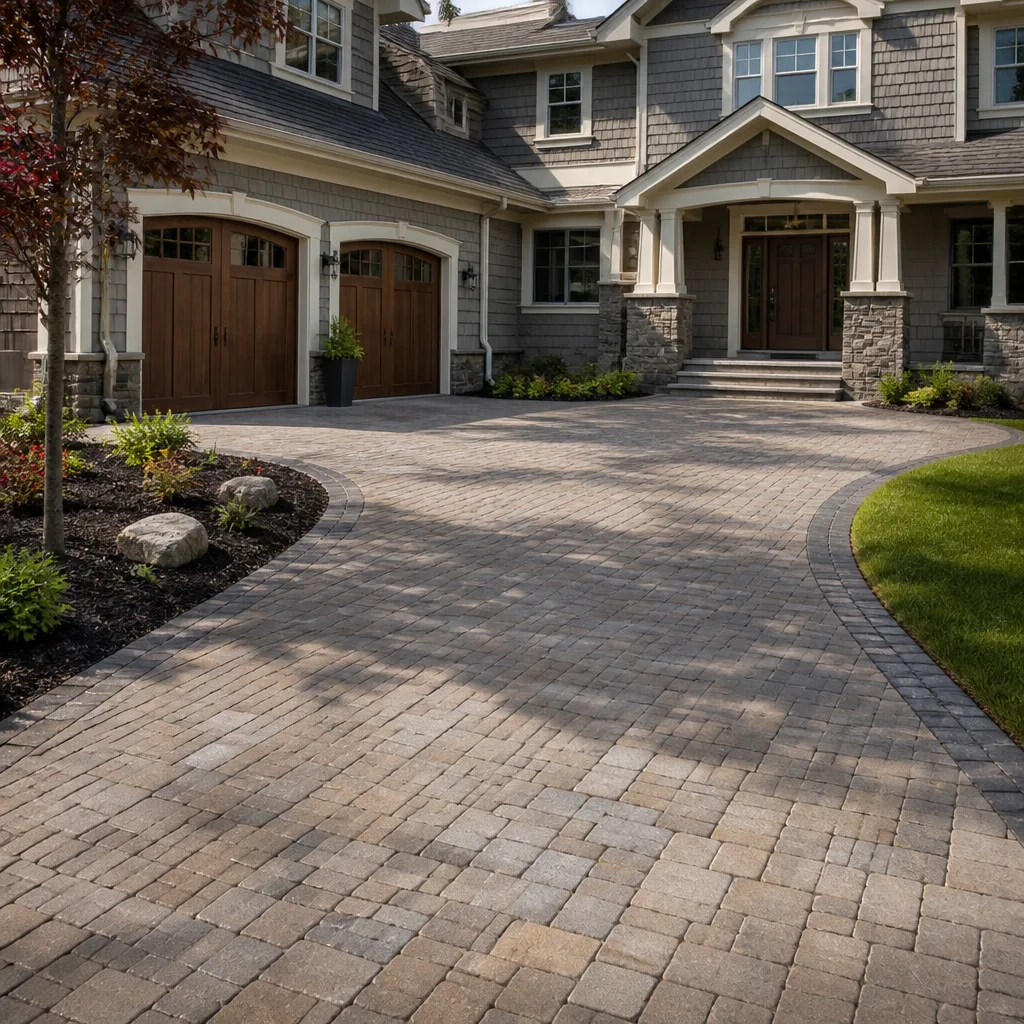 Driveway & pavers
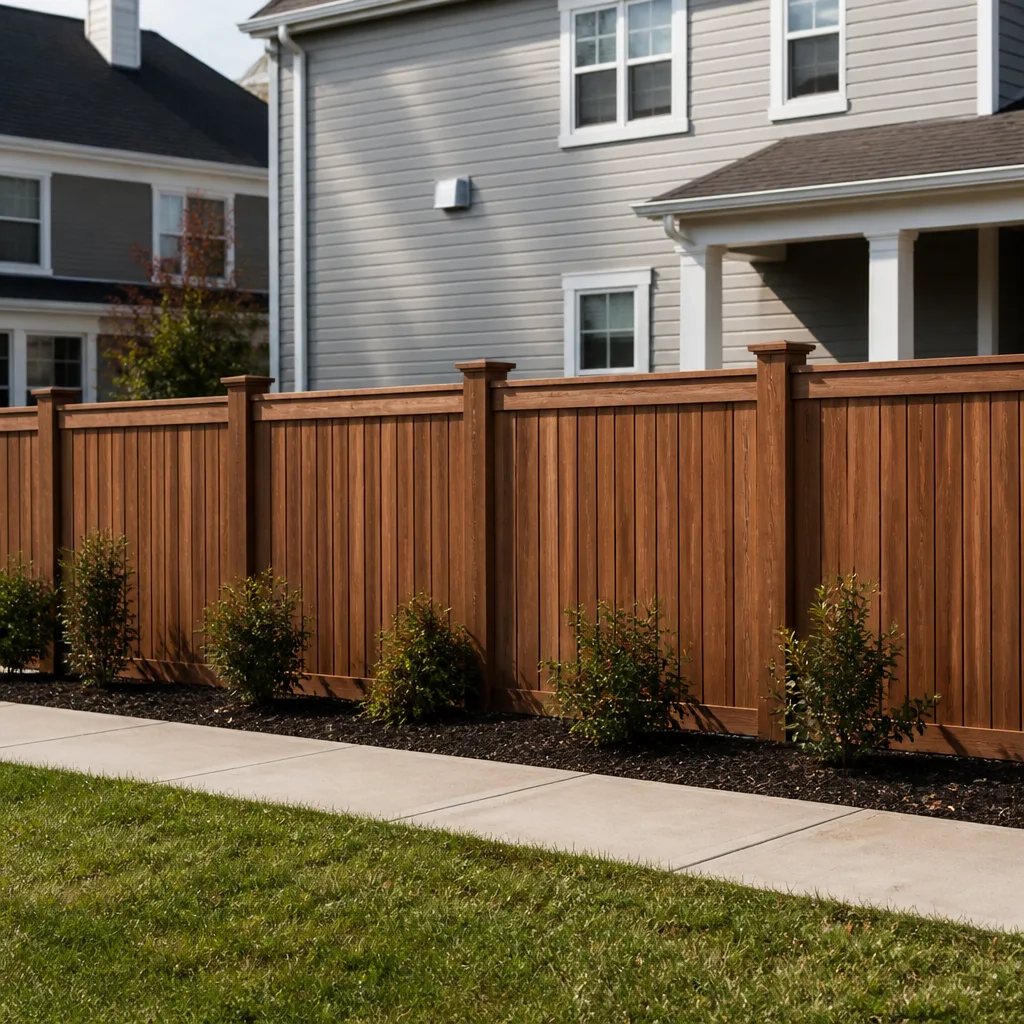 Fence
Free written scope consultation - allowances, timeline, and change-order rules on paper before a single trade is scheduled
Choosing the Right Construction Brand: A Buyer’s Guide for Irvine
Two concrete pavers sit side by side on a bid sheet. Same size, same color, same installed price per square foot. One carries a manufacturer UV rating tested against coastal exposure. The other doesn’t. Five years from now, on a driveway in Irvine, one still looks like the day it went down and the other has chalked into a pale, dusty version of itself. That gap between what a bid sheet shows and what a spec sheet proves is where most Irvine homeowners lose money. This guide shows you how to read the specs, work with HOA requirements, understand warranty transfers, and protect yourself from material substitution.
Quick Answer
The construction brand on your material list matters because premium brands in Irvine carry three things cheap alternatives don’t: verified performance specs for UV and marine layer exposure, HOA-accepted documentation that speeds approval, and product warranties that often transfer to the next homeowner. Read the spec sheet before you read the brochure, and put the specified brand in writing so nobody swaps it mid-project.
Styles & brands we work with
- Kitchen remodeling
- Bathroom remodeling
- Home additions & ADU
- Roofing
- Windows & doors
- Driveway & pavers
- Fence
Table of Contents
- Why Material Brands Matter More in Irvine Than Anywhere Else
- How to Read a Material Spec Sheet Like a Builder
- HOA Material Approval: Which Brands Move Faster in Irvine
- The Warranty Transfer Question Every Buyer Should Ask
- Why We Partner With Specific Manufacturers
- How to Catch Material Substitution Before It Costs You
- The Questions to Ask Every Contractor
- Common Mistakes to Avoid
- When to Call a Professional
Why Material Brands Matter More in Irvine Than Anywhere Else
Irvine sits in a climate that’s kind to plants and quietly brutal to building materials. The marine layer rolls in most mornings from May through September, coating roofs and hardscape in moisture that evaporates by noon and returns the next day. That daily wet-dry cycle is one of the hardest things a material can face. Add in the sun that follows, with UV loads well above what inland markets see, and you get a place where the gap between a tested product and a cheap lookalike shows up fast.
Then there’s the HOA factor. Irvine is unusually organized about its residential design standards. Villages like Woodbridge, Northpark, and Turtle Rock all maintain material and color rules, and a project that runs afoul of them can stall for weeks while you resubmit documentation. Brands with pre-approved product lines cut that timeline. Brands without it add steps.
And there’s the resale question. Irvine’s housing stock turns over constantly, and buyers here ask sharper questions than buyers in most California markets. A roof with a transferable GAF or Owens Corning warranty and a driveway laid with a rated paver brand tells a buyer something when they review the disclosure packet. “The contractor put down whatever the yard had” tells them something too.
How to Read a Material Spec Sheet Like a Builder
Manufacturer spec sheets are boring on purpose. They bury the useful information between sales copy and installation diagrams. Here’s what to look for on any material going onto an Irvine home.
UV resistance rating
Look for an explicit test reference, typically ASTM G154 or G155 for accelerated weathering. A good product line will tell you how many hours it weathered at what percentage of color retention. If a sheet doesn’t discuss UV at all, that’s your answer. Concrete pavers, roof shingles, fence stains, and window frames all take very different UV loads in Irvine, but they all degrade without a stated rating.
Moisture absorption coefficient
This matters most for hardscape and masonry. A lower absorption coefficient means less water gets into the material, and less water means less staining, less efflorescence, and fewer hairline cracks. For pavers, look for an absorption rate under 5%. For stucco and masonry elements, the same rule applies.
Freeze-thaw cycle rating
Yes, we know. Irvine doesn’t freeze. But the cold winter nights that dip into the high 30s combined with morning marine layer moisture do create a mild version of the same stress. More importantly, the sealer you put on your driveway or patio has to handle those cycles. Sealers without a stated freeze-thaw tolerance will fail within a few seasons.
Color fastness and fading classification
Look for ASTM D2244 ratings or a manufacturer-stated fade guarantee. James Hardie siding, for example, publishes color retention data tied to its ColorPlus finish. That’s the kind of specific number you want to see.
HOA Material Approval: Which Brands Move Faster in Irvine
Here’s the part of the process most contractors gloss over. Irvine’s HOA review committees work off approved product lists. If your specified tile, roof color, or fence material is already on the list, review takes days. If it isn’t, you’re looking at additional submittal documentation, color samples, and a review queue that can stretch for weeks.
In our experience working throughout Irvine, the brands that tend to sail through HOA review are the ones with well-published spec sheets, standardized color codes, and a track record in the community. James Hardie fiber cement siding, GAF and CertainTeed shingles, Belgard pavers, and Andersen or Pella windows all have documentation packages that review committees already understand. That translates into a faster green light.
What slows things down: off-brand materials with sparse documentation, colors that don’t map to a known code, and fence styles that require a variance. If you’re installing a fence in Irvine, checking the material against your village’s approved list before you sign a contract is worth the fifteen minutes. The Fence Installation in Irvine page covers which styles and materials tend to clear review cleanly.
One practical shortcut: ask your contractor for a list of HOA pre-approved brands in your specific village before work starts. A contractor who’s done this before in Irvine will have that list.
The Warranty Transfer Question Every Buyer Should Ask
Manufacturer warranties come in two flavors: original-owner-only and transferable. The difference is real money when you sell.
Take roofing. GAF’s top shingle lines offer a limited warranty that can transfer to a second owner, extending coverage for a set number of years after the resale. CertainTeed offers similar transfer terms on its premium lines. On windows, Andersen’s warranty structure allows transfer in many cases. On hardscape, Belgard publishes transfer terms for its premium paver products. These are matters of public record and worth confirming before you buy, because the specific terms change over time and depend on the exact product line.
Why does this matter in Irvine specifically? Because homes here resell frequently, and buyers read disclosure packets. When your roof, windows, or hardscape carries a transferable manufacturer warranty, that’s a documented asset you can put in front of a buyer. When the paperwork just says “contractor-installed,” it’s not. That can be the difference between a clean close and a negotiation.
Ask three questions before signing:
- What is the manufacturer’s warranty length and does it transfer to a new owner?
- What number do I call if something fails, and does the warranty cover labor or material only?
- Will you provide the manufacturer warranty registration in writing when the job closes?
A quality contractor will hand you those answers without hesitation. If the warranty conversation gets vague, that’s information.
Why We Partner With Specific Manufacturers
The reason we curate our brand partners and don’t just buy whatever the supply yard has on hand comes down to accountability. When we specify KraftMaid cabinets or Cambria counters for an Irvine kitchen, or GAF shingles for a roof, we are putting our name behind a product we can call someone about if it fails. That’s a different relationship than “we installed it, good luck.”
Three things happen when a contractor works with the same manufacturers on job after job:
- Manufacturer technical support is real. When there’s a question about proper installation for our climate, the manufacturer’s field rep answers.
- Materials arrive correct and complete. Consistent sourcing means fewer mid-project substitutions or delays.
- Warranty claims actually process. When a premium brand knows the installer, its claim process is smoother.
Our brand portfolio spans every trade we touch. KraftMaid and Kohler for kitchens and baths. GAF and Owens Corning on roofs. Andersen and Marvin for windows. Belgard for pavers. James Hardie for siding. We’ve also watched the prefab space evolve, with names like Boxabl and Plant Prefab generating real interest for accessory units, though local site conditions still drive most of that decision. For a ground-up view of how additions and ADUs get built in Irvine, the Home Additions & ADU in Irvine page lays out the sequence.
Here’s where the accountability piece ties to our guarantee. Our 730-Day Done Right Promise covers the workmanship for two full years. It doesn’t just cover the material, which the manufacturer warranties already handle. When a dispute happens, that’s the gap most builders leave open, and it’s the one we’ve closed in writing.
How to Catch Material Substitution Before It Costs You
Material substitution is the quiet way a project’s budget gets rebuilt on the back end. A contractor swaps a specified James Hardie plank for a lesser fiber cement board, or a rated paver for a generic alternative, and pockets the difference. You find out years later when the color fades or the surface chalks.
Here’s how to lock it down.
- Specify the brand and product line in the contract. Not “concrete pavers” but “Belgard [specific product line].” Not “fiber cement siding” but “James Hardie [specific product].” Ambiguity is the opening.
- Add a substitution clause. Something like: “Any substitution requires written approval from the homeowner prior to installation.” This is standard language and any reputable contractor will sign it.
- Request delivery photos and packing slips. Fast and easy. If the driver drops pallets on site, you should see the brand on the label.
- Inspect materials on delivery day. Walk the pallets before installation starts. Check the printed manufacturer name. It’s a five-minute task that protects thousands of dollars.
- Know the change-order rule. If a substitution is proposed mid-project because of a supply issue, it should come to you in writing with a credit for the price difference.
We do all of this by default. Pricing is upfront and the number you see is the number you pay. If a specified material becomes unavailable, that’s our conversation to have with you before we make a decision.
The Questions to Ask Every Contractor
Most homeowners come to us after being burned somewhere else. The pattern is consistent. Here’s the checklist that would have caught the problem nine times out of ten.
- Which specific brand and product line are you specifying for each major material?
- Does that brand carry a transferable warranty? For how many years and under what conditions?
- Is the brand on the HOA’s approved list for my village?
- What does your contract say about material substitution and change orders?
- Will I receive the manufacturer warranty registration at job close?
- Who answers the phone if I have a problem in month 14?
That last one matters. Calls to us are answered by a live person 24/7, which means nobody’s troubleshooting a leak through a voicemail system. When you’re comparing contractors, test it. Call on a Saturday and see who picks up.
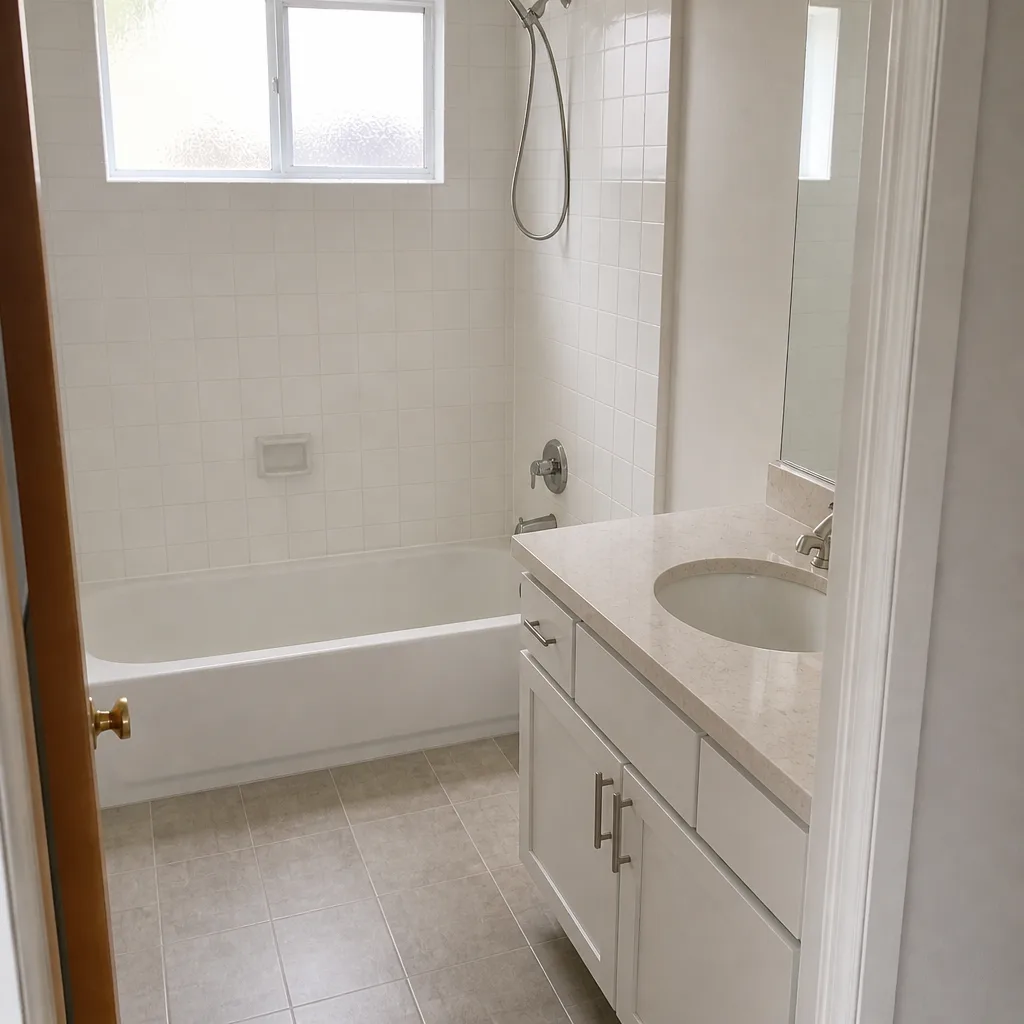
See the difference
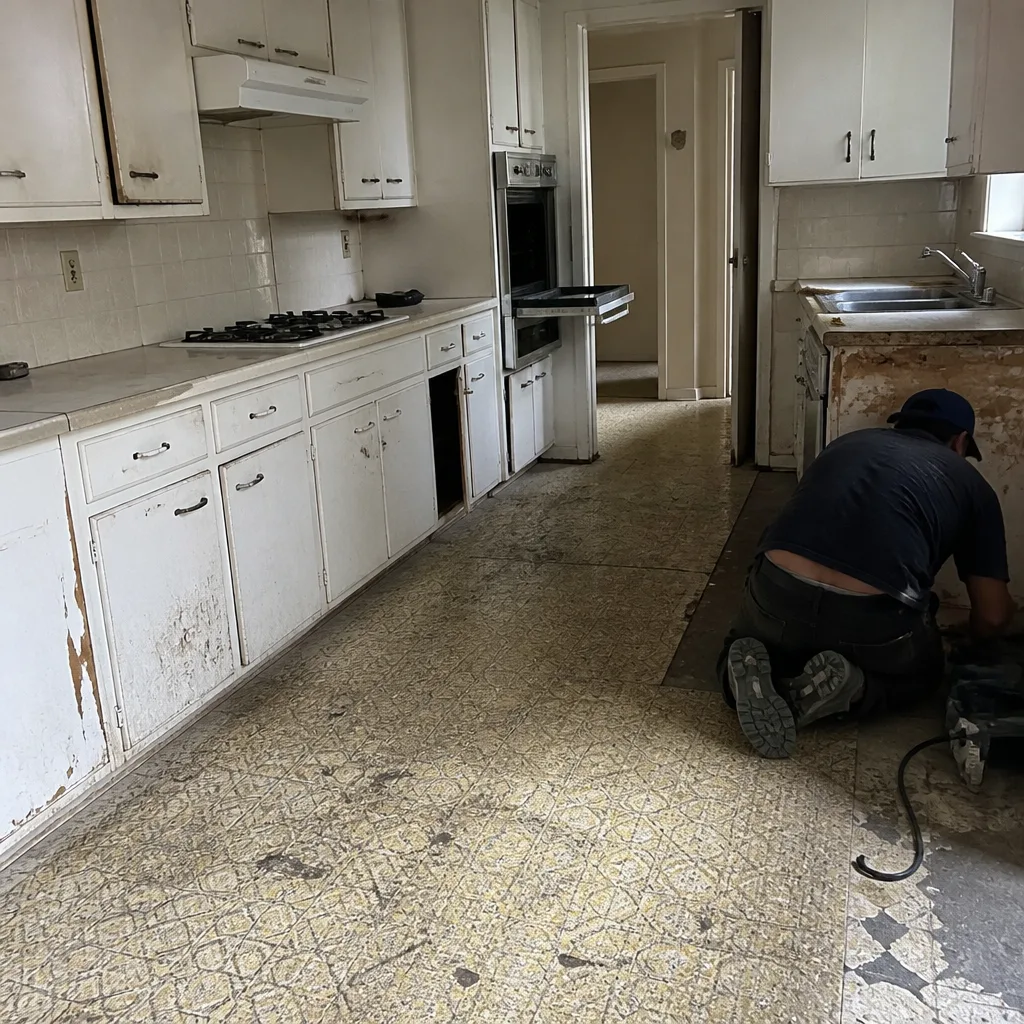 Before
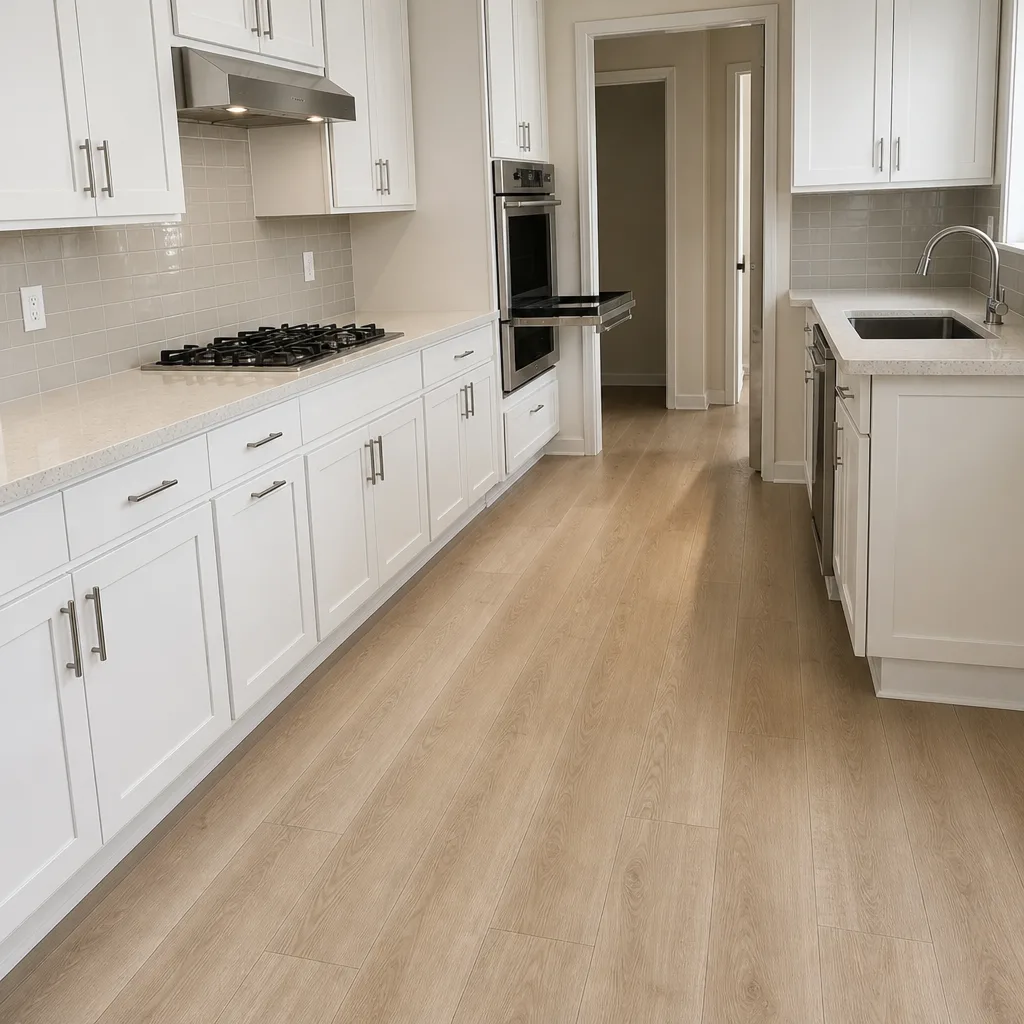 After
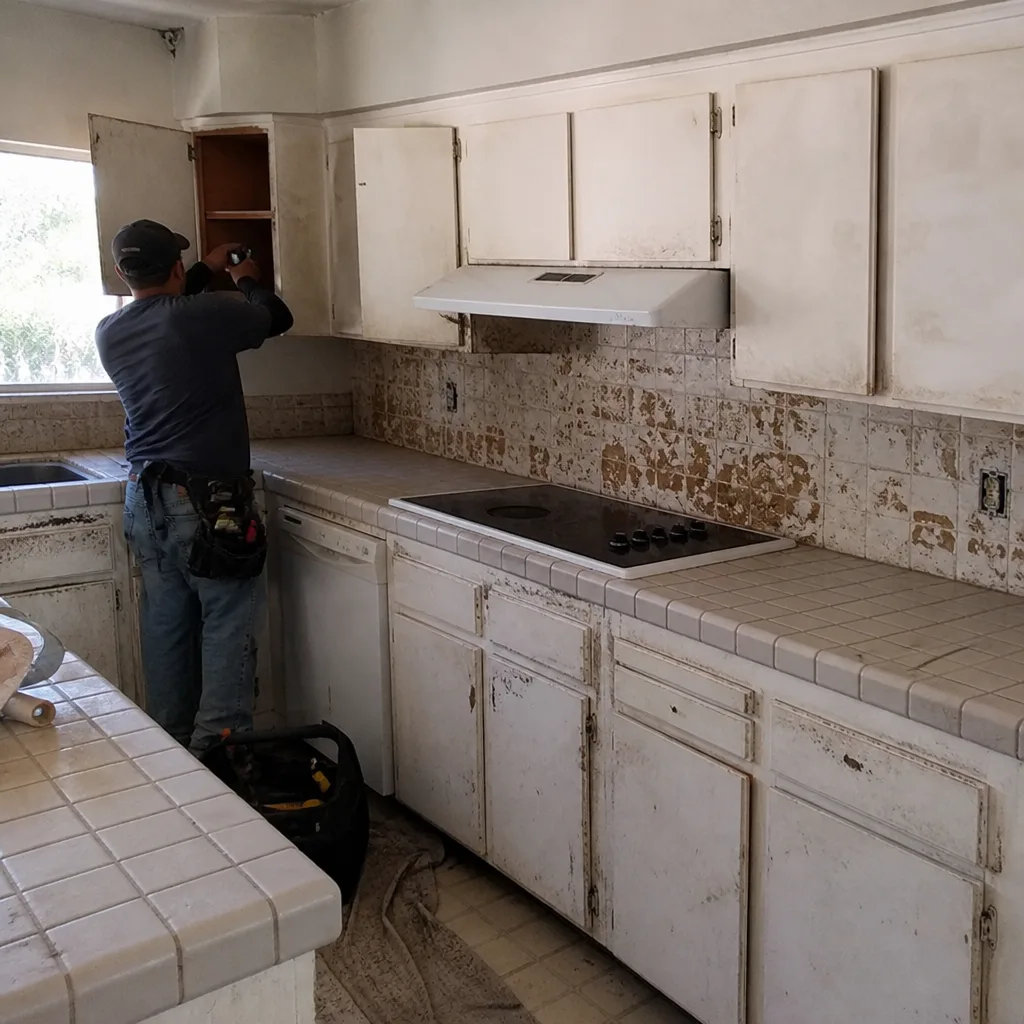 Before
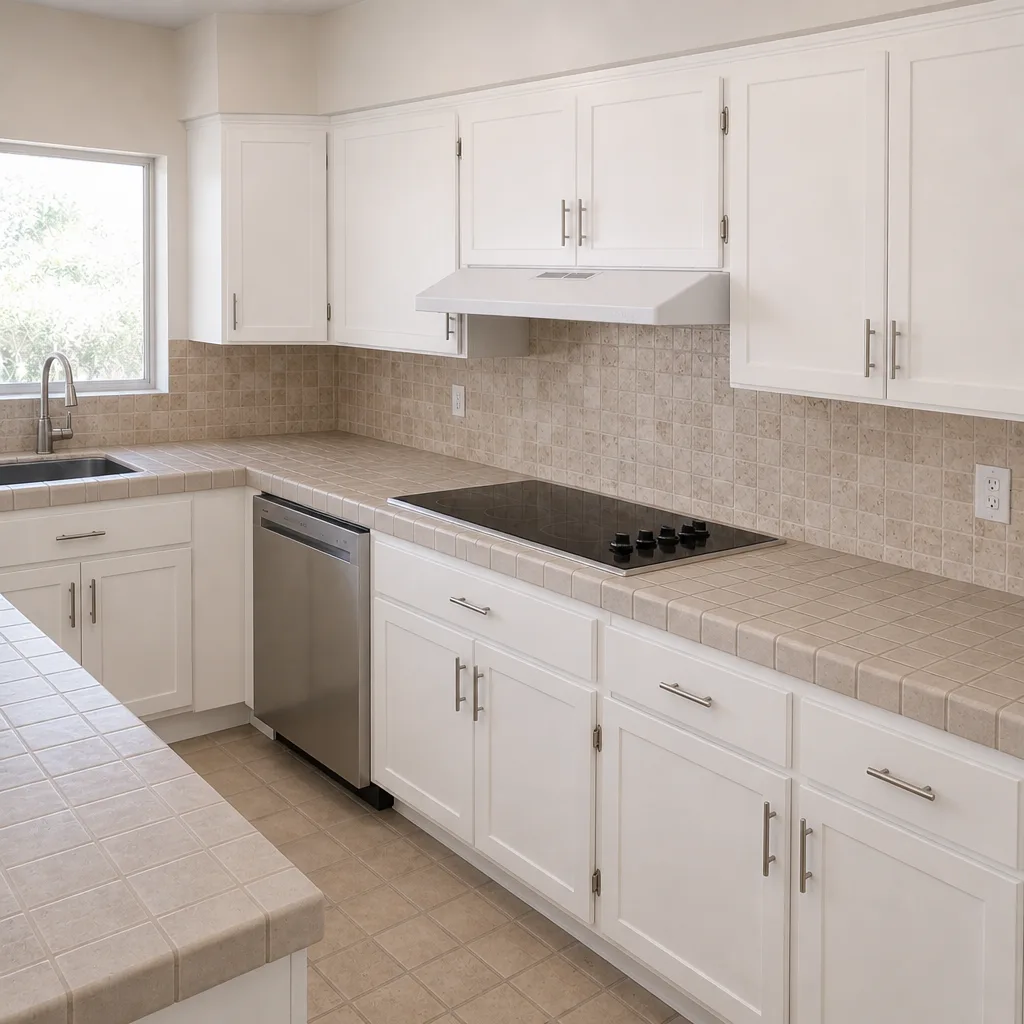 After
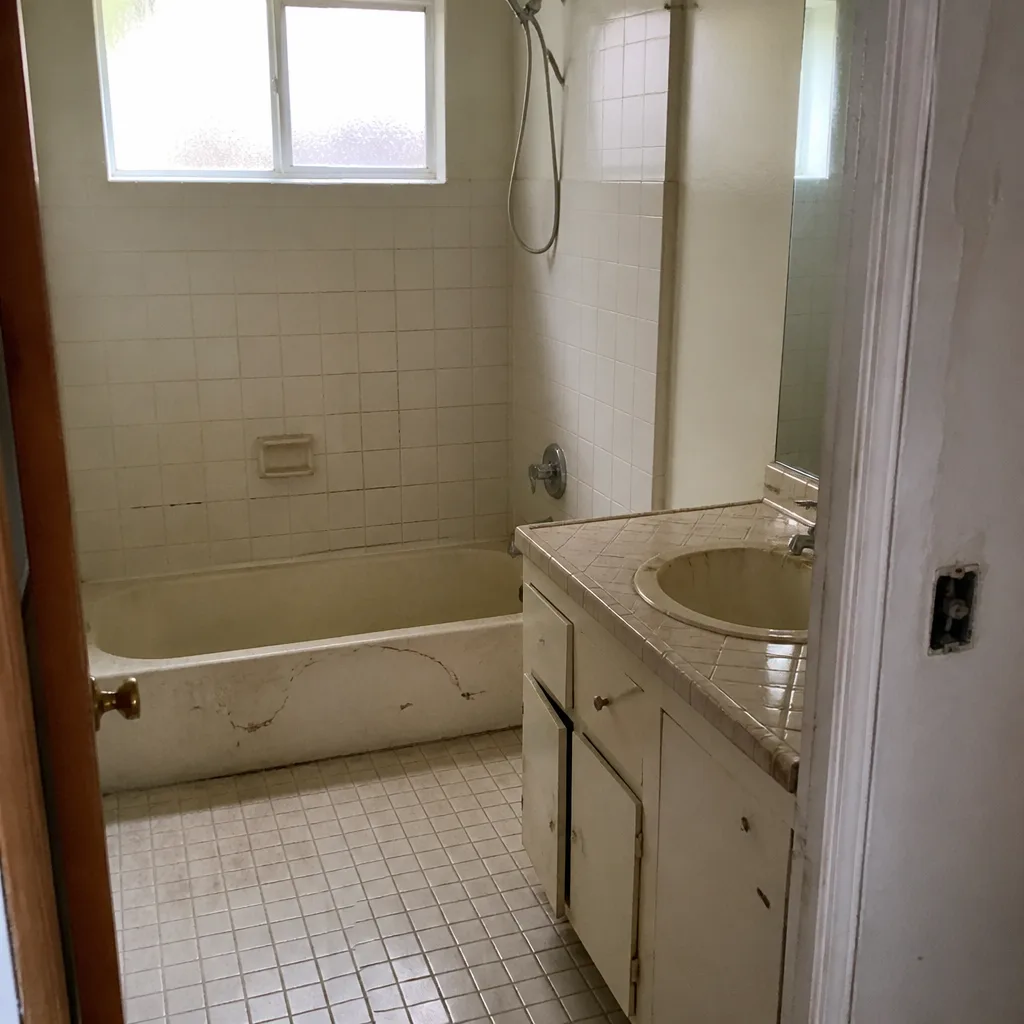 Before
 After
Common Mistakes to Avoid
- Buying on brand recognition alone. A Johnson-level brand name on the front of a bid sheet doesn’t help if the specific product line isn’t rated for your application. Ask for the exact SKU or product line, not just the parent brand.
- Skipping the spec sheet because the product looks fine. A paver or shingle that looks identical to a better one on the truck can have half the UV rating. In Irvine’s sun, that shows up on your driveway in three summers.
- Assuming “HOA-approved” without checking. Approval is village-specific and sometimes lot-specific. A brand approved in Woodbridge may require additional documentation in Northpark. Confirm before signing.
- Ignoring warranty transfer terms until you sell. By the time you’re listing the home, the warranty math is baked in. Ask at the contract stage, when you still have leverage.
- Signing a contract that says “or equivalent.” That phrase is the most common loophole in construction contracts. It gives the installer the legal right to swap in something they consider equivalent, and “equivalent” is routinely misinterpreted.
- Not asking who reviews the material list. Design review committees, not contractors, approve HOA submittals. Ask who’s submitting the packet and what materials they need from you.
- Trusting fast pricing over correct pricing. A bid that comes together in five minutes is a bid built on generic assumptions. Line-item, material-specific quotes take longer because they mean more.
When to Call a Professional
Brand research is worth doing even for a small job. It becomes essential the moment the project crosses into territory where an installation error is expensive to undo: a roof replacement where the shingle line determines warranty length, a driveway where the paver choice decides how the surface weathers, a window replacement where the frame system controls drafts, an ADU where the prefab shell decision affects cost and resale. These are decisions where a wrong choice costs five figures to correct.
We’ve watched Irvine homeowners make these calls with and without expert input. The pattern is clear. The ones who get spec-level answers before signing end up with fewer regrets, cleaner resale packages, and no mid-project surprises. Our Driveway & Pavers in Irvine work is a good example of where brand-specific choices pay off in visible ways. If you’re planning a project and want to talk materials, Groundwork Construction Co. of Irvine offers free estimates in Irvine. Call (888) 578-4462 to start the conversation.
Frequently Asked Questions
The best brands for Irvine are the ones with published UV resistance ratings, low moisture absorption, and transferable warranty terms, including James Hardie, GAF, CertainTeed, Andersen, Pella, Belgard, KraftMaid, and Kohler. These brands also tend to be on HOA pre-approved lists across Irvine villages, which shortens review time. Call (888) 578-4462 to review which brands fit your specific project – estimates are free.
Yes. Irvine’s HOAs review material and color selections before installation, and using a brand that isn’t on your village’s approved list adds submittal paperwork and review time. Confirm approved brands for your specific village before signing a contract. Call (888) 578-4462 to talk through which materials typically clear Irvine HOA review fastest.
Some can and some can’t. GAF, CertainTeed, Andersen, and Belgard all offer transfer options on certain product lines, but the terms vary by product and change over time. Ask for the warranty documentation in writing at job close. Call (888) 578-4462 for a free estimate that includes a clear read on which warranties transfer.
Stop the installation and require written disclosure of the substitution along with a credit for the price difference. Your contract should include a substitution clause requiring your written approval before any material changes. Any legitimate contractor will honor that clause. Call (888) 578-4462 to schedule a free estimate where every specified brand is written into the contract.
Premium brands typically add 10% to 25% over builder-grade alternatives on most projects, but the cost gap closes over time when you factor in warranty transfer value, HOA approval speed, and reduced replacement cycles. The right comparison is total cost of ownership, not installed price. Call (888) 578-4462 for a free line-item estimate you can compare across brands.
No. The 730-Day Done Right Promise covers workmanship on every project regardless of material brand, and runs two full years from completion. That’s the promise in writing, and it applies whether we install KraftMaid cabinets or GAF shingles. Call (888) 578-4462 for a free estimate that spells out both the warranty and the workmanship coverage.
The Bottom Line
Irvine’s climate, its HOA structure, and its resale market all punish cheap material choices in ways that don’t show up on a bid sheet. Read the spec sheet for UV rating, moisture absorption, and freeze-thaw tolerance. Confirm HOA approval before signing. Ask about warranty transfer terms. Lock the specific brand and product line into your contract, and add a substitution clause. Then pick a contractor who puts the commitment in writing. That’s the difference between a project that holds up in year five and one that doesn’t. Groundwork Construction Co. of Irvine is here when you’re ready to talk materials. From foundation to finish line, Groundwork Construction Co. of Irvine home is where the conversation starts.
Ready to plan your project? Call (888) 578-4462 for a free estimate and design consult. Every project is covered by our 730-Day Done Right Promise, our technicians have up to 12 years of experience, and pricing is upfront with 0% financing for 18 months plus $1,000 off projects over $10,000. A live person answers the phone 24/7.
Written by the team at Groundwork Construction Co. of Irvine.