
Last updated November 17, 2026
 Home additions & ADU
 Kitchen remodeling
 Bathroom remodeling
 Roofing
 Windows & doors
 Driveway & pavers
 Fence
Free written scope consultation - allowances, timeline, and change-order rules on paper before a single trade is scheduled
The Complete Fence Installation Guide for Irvine Homeowners
In Irvine’s master-planned communities, the wrong fence material, height, or color can result in a mandatory tear-down – and “I didn’t know the HOA rule” is not a defense that saves you from paying for it twice. We’ve watched homeowners in Woodbridge and Northwood build first and ask questions later, then absorb the cost of removing a fence that was never going to pass review. This guide maps the compliance web before you break ground: Irvine’s height and setback rules by yard location, how the major HOA review processes actually work, why our clay-heavy soil punishes shallow posts, and what a real Irvine fence project costs in 2026.
Quick Answer
A typical fence installation in Irvine runs $4,200 to $9,800 for 100 to 150 linear feet of standard wood or vinyl, with block walls and premium materials pushing past $15,000. The final number depends on four things: linear footage, material choice, post footing depth in Irvine’s expansive clay soil, and whether your HOA and the city require permits or design review. Budget 4 to 8 weeks from first HOA submission to finished fence.
Styles & brands we work with
- Kitchen remodeling
- Bathroom remodeling
- Home additions & ADU
- Roofing
- Windows & doors
- Driveway & pavers
- Fence
Table of Contents
- Irvine Fence Height and Setback Rules by Yard Location
- How Irvine’s HOA Approval Process Works
- Irvine Soil Conditions and Why Post Depth Matters
- Material Performance in Irvine’s Climate
- What Fence Installation Costs in Irvine
- Permits, Inspections, and Property Lines
- The Step-by-Step Installation Process
- Common Mistakes to Avoid
- Frequently Asked Questions
Irvine Fence Height and Setback Rules by Yard Location
Irvine enforces different fence limits depending on where the fence sits on your lot, and the rules are not uniform. A fence that’s legal in your rear yard can be a violation in your front yard. Here’s how the city breaks it down, referencing the Irvine Zoning Ordinance (Title 2, Division 3) and the standard residential (R-1) development standards.
Front Yard
Front yard fences in Irvine are the most restricted. In most R-1 zones, a front yard fence cannot exceed 3 feet in height within the required front setback, and solid walls are frequently prohibited near the property line to preserve sightlines. Corner lots have an additional visibility triangle requirement at the intersection of the two street-facing sides.
Side Yard
Side yard fences typically cap at 6 feet, but if your side yard abuts a street (common on corner lots), the front-yard restriction applies to that stretch instead. This is where corner-lot owners in communities like Turtle Rock and Quail Hill get tripped up: they treat the entire side as rear-yard territory and build 6 feet right up to the corner.
Rear Yard
Rear yard fences generally allow up to 6 feet without a variance, and up to 7 feet in some cases with an approved minor conditional use permit. Anything over 7 feet requires a full variance and a public hearing, which most homeowners never pursue.
Corner Lot Requirements
Corner lots carry the strictest rules. The visibility triangle at each street corner typically requires fences to stay under 3 feet within a defined radius (often 25 feet from the corner), so drivers and pedestrians can see each other. In our experience, this single rule causes more Irvine tear-downs than any other.
Before you buy a single post, pull your property’s specific zoning designation from the city’s online parcel tool and confirm the height limit for each run of fence. If the parcel sits in a planned community with an HOA, the more restrictive of the two governs.
How Irvine’s HOA Approval Process Works
Irvine is built almost entirely around master-planned communities, and nearly every one of them runs a design review process for exterior modifications. The major associations – Woodbridge Village, Northwood, Turtle Rock, Westpark, Quail Hill, and the Great Park neighborhoods – all require architectural committee approval before a fence goes up. Skip this step and you can be ordered to remove work that already passed city inspection.
Typical Submission Requirements
Most Irvine HOA architectural committees ask for the same core package. Have these ready before you submit:
- A site plan drawn to scale showing the fence’s exact location, height, and relationship to property lines and the home
- Material specifications – manufacturer, product line, color name, and finish (down to the stain or paint code for wood)
- Elevation drawings showing how the fence looks from the street and from neighbors’ yards
- Photos of the existing fence condition and the areas where new fence will go
- Contractor license and insurance documentation
- Neighbor acknowledgment letters where the fence sits on or near a shared property line
Review Timelines
Plan for 3 to 6 weeks from submission to written approval. Some associations meet monthly and only review complete packets; an incomplete submittal pushes you to the next cycle, adding another 30 days. The Great Park neighborhoods and newer associations sometimes move faster, but don’t count on it.
Common Rejection Reasons
The same problems come up again and again in Irvine HOA reviews:
- Wrong color or finish. Many Irvine associations maintain an approved color palette for fences, and a stain that’s two shades off gets rejected.
- Height over the community maximum. Some associations cap fences below the city limit – 5 feet instead of 6, for example.
- Wrong material. Certain communities prohibit chain-link or restrict vinyl to specific profiles that mimic wood.
- Visible from the street. Fences that change the street-facing elevation without matching community character get flagged.
- Incomplete drawings. A hand sketch on a napkin with no dimensions will be returned unread.
Getting written approval in hand before you schedule installation is non-negotiable. Store that approval with your project records; you’ll want it if you ever sell the home.
Irvine Soil Conditions and Why Post Depth Matters
Here’s the part most fence contractors gloss over: Irvine sits on expansive clay soils across large portions of the city, particularly in older neighborhoods like El Camino Real and the areas surrounding Irvine Valley College. That clay expands when wet and contracts when dry, and it will heave a fence post out of the ground like a lever if the footing isn’t deep and wide enough.
Why Standard 2-Foot Post Depth Fails Here
A 2-foot post depth works fine in sandy or loamy soil. In Irvine’s clay, it’s the single most common cause of fence failure within 8 to 10 years. The clay swells during winter rains, pushing the post sideways, then dries and shrinks, leaving a gap that lets water pool at the base and rot the wood. Repeat that cycle a few seasons and posts lean, rails separate, and the whole run needs to be rebuilt.
What We Do Differently
For Irvine installations, posts should be set 30 to 36 inches deep, with a concrete footing 10 to 12 inches in diameter. On heavy clay lots, we sometimes widen the footing base (a bell shape) to resist uplift. Homes near the San Diego Creek corridor, where soils are wetter, may need deeper footings still.
Grading and Drainage
Irvine’s graded lots often slope toward the street or a drainage channel, and fence lines need to follow that grade without creating pockets where water collects against the base. The right approach is to step the fence in sections rather than run a straight line through uneven ground – a detail that separates a fence that lasts 15 years from one that lasts five.
If you’re planning other hardscape at the same time, our Driveway & Pavers in Irvine team can coordinate grading and drainage so the fence and driveway work together rather than against each other.
Material Performance in Irvine’s Climate
Irvine runs coastal-influenced, dry-summer Mediterranean weather: mild winters, long dry spells, and enough marine layer to keep wood damp in the mornings. That climate favors some materials and punishes others. Here’s how the four main options hold up.
Wood (Cedar, Redwood, Pressure-Treated Pine)
Wood is the most common Irvine fence material, and it’s what many HOA design guidelines specifically expect. Cedar and redwood resist rot naturally and hold stain well in Irvine’s climate. Pressure-treated pine is cheaper but moves more and needs re-staining every 2 to 3 years.
- Realistic lifespan: 12 to 18 years for cedar or redwood with maintenance; 10 to 15 for pressure-treated
- Ongoing maintenance cost: $250 to $600 per re-staining cycle – budget 4 to 6 cycles over a fence’s life
- Repairability: easy and cheap, which is a real advantage for a fence that will take Irvine clay shifts over time
Vinyl
Vinyl fences resist rot and insects and need almost no maintenance, but Irvine’s sun exposure can fade low-quality vinyl and make it brittle over 10 to 15 years. The good products (the kind rated for high UV zones) hold their color far longer. Many newer Irvine associations approve specific vinyl profiles that mimic wood; older ones reject it outright.
- Realistic lifespan: 20 to 30 years for quality vinyl
- Ongoing maintenance cost: near zero – an occasional hose-down
- Watch for: whether the HOA allows it. Confirm before you buy.
Aluminum and Ornamental Metal
Aluminum fencing handles Irvine’s climate cleanly – no rust, no rot, no repainting. It’s popular for pool areas and decorative front-yard sections where openness is required. It doesn’t offer privacy, which is why it’s rarely used for the full run of a rear-yard fence.
- Realistic lifespan: 25 to 30+ years
- Ongoing maintenance cost: minimal
Block Wall (CMU Masonry)
Block walls are the premium option in Irvine, seen in older established neighborhoods and upscale newer communities. They’re permanent, private, and completely maintenance-free, but expensive and often limited by height rules. A block wall also requires its own permit and structural engineering consideration in some cases.
- Realistic lifespan: 50+ years
- Ongoing maintenance cost: essentially zero (repaint if painted)
- Upfront cost is the barrier: roughly 2 to 3 times a wood fence
Quality products from manufacturers like Boral and Tamko are worth asking your contractor about for solid-block and post-and-rail systems built to stand up to Irvine’s sun and seasonal moisture swings.
What Fence Installation Costs in Irvine
Here’s the honest pricing picture for an Irvine fence project, broken out by the drivers that actually move the number. These are real 2026 ranges for the Irvine market, not national averages.
| Component | Typical Irvine Range |
|---|---|
| 6-foot cedar privacy fence, per linear foot | $38 – $58 |
| 6-foot pressure-treated pine, per linear foot | $28 – $42 |
| 6-foot vinyl privacy fence, per linear foot | $42 – $65 |
| 4-foot aluminum ornamental, per linear foot | $45 – $72 |
| 6-foot block wall (CMU), per linear foot | $70 – $120 |
| Deep-set concrete post footings (clay-heavy lots) | $40 – $85 per post |
| Irvine fence permit and inspection fees | $150 – $450 (varies by scope) |
| HOA architectural review fee (if applicable) | $50 – $300 |
| Old fence removal and disposal | $400 – $900 |
What Drives the Total
- Linear footage: the biggest single variable. A typical Irvine single-family lot needs 100 to 180 linear feet of fence.
- Material: cedar versus pine versus vinyl versus block can swing the total by $6,000 to $12,000 on the same footage.
- Post footings: Irvine’s clay soil often requires deeper, wider footings than a national pricing tool assumes – this is where cheap bids quietly cut corners.
- Slope and access: steep graded lots or tight side-yard access add labor. Some Irvine properties require a narrow access surcharge for equipment that won’t fit through a 3-foot gap.
- Permits and HOA fees: small line items, but real. Include them in the budget.
Worked Examples
A 120-foot cedar privacy fence in a Woodbridge backyard, with deep clay footings, permit, and old fence removal, typically lands around $7,200 to $9,400. The same footage in a 6-foot block wall can run $12,000 to $16,000. A 60-foot aluminum front-yard section on a corner lot, restricted to 3 feet by the visibility triangle, runs $3,000 to $4,300.
Our Fence Installation in Irvine team provides written line-item quotes so you can see exactly where each dollar goes. If you need a broader home improvement plan, our Home Additions & ADU in Irvine group can coordinate fencing with structural and site work.
Permits, Inspections, and Property Lines
Irvine requires a building permit for most fences over 6 feet or any fence that’s part of a retaining-wall system, and inspections are part of the process. This is true even when the fence is “replacing” an existing one – the permit and inspection ensure the posts, footings, and heights actually comply.
Step-by-Step Permit Process
- Confirm zoning and parcel boundaries. Pull your property’s zoning designation and lot lines from the city’s online tools. If the fence sits on a shared boundary, have a surveyor confirm the line – building 6 inches over is a common and expensive mistake.
- Submit the permit application. This includes the site plan, fence specifications, material, height, and contractor info.
- Obtain HOA approval in parallel. Some HOAs require proof of city approval; some are independent. Confirm your HOA’s order of operations before submitting either.
- Schedule inspections. Irvine inspects post depth and footings before the concrete is poured and again after completion. Get the post inspection on the calendar before the crew digs.
- Final walkthrough. Confirm the finished fence matches the approved plan.
Property Line Basics
Fences on or near a shared property line need neighbor conversation, and often a written acknowledgment. Irvine’s older neighborhoods sometimes have fence line disputes that flare up years later, and a fence built slightly off the line becomes a serious legal headache. Get a surveyor’s opinion if there’s any doubt.
The Step-by-Step Installation Process
A properly built Irvine fence follows a specific sequence. Here’s what a quality installation actually looks like from start to finish.
- Site assessment and measurements. Confirm footage, plot post locations, check for buried utilities (call 811), and identify grade changes and soil composition. This is where the deep-footing decision gets made.
- Permit and HOA approval. Submit both and wait for written approval before anything is ordered or dug.
- Material delivery and staging. Materials arrive on site; confirm brand, color, and finish match the approved specs before unloading.
- Old fence removal (if applicable). Clean demolition, disposal, and a clear site inspection to spot grade issues the old fence hid.
- Post hole excavation and footing pour. Holes dug 30 to 36 inches deep on Irvine clay lots, footings poured 10 to 12 inches wide, posts set plumb and braced. City inspection happens here.
- Framing and rail installation. Rails attached to posts with the correct fasteners for the material – notched or bracketed, depending on spec.
- Panel and finish installation. Boards or panels installed plumb, gates hung and swing-tested, all hardware torqued to spec.
- Final inspection and walkthrough. Clean up, site back to normal, and a documented final inspection covering the finished fence.
A wood fence typically takes 2 to 4 days on site; vinyl and aluminum are faster; block walls take 4 to 7 days plus cure time. The excavation and footing stage is often the longest, especially in clay soil – don’t let anyone rush it.
Common Mistakes to Avoid
- Building before HOA approval. In Irvine’s master-planned communities, this is the single costliest error. A rejected fence can force removal down to the footings, and you pay twice.
- Skipping the permit because “it’s just a replacement.” Irvine still requires permits and inspections for most fence work, and an unpermitted fence can complicate a future sale.
- Using shallow post footings on clay soil. A 2-foot post in Irvine clay is a guaranteed rebuild within 10 years. Pay for the deep footing now.
- Treating a corner-lot side yard like a rear yard. The visibility triangle is a strict rule and the city will flag it. Confirm the boundary before you build.
- Choosing material from a national average instead of Irvine-specific performance. Vinyl that fails in UV-heavy zones, or pine that needs annual staining, will cost more over 15 years than the better material would have up front.
- Not getting a neighbor acknowledgment. Fences on shared lines need it in writing. A friendly conversation now prevents a legal dispute later.
- Ignoring onsite grade changes. A fence run straight through a slope pockets water at the low end and rots the base – step it instead.
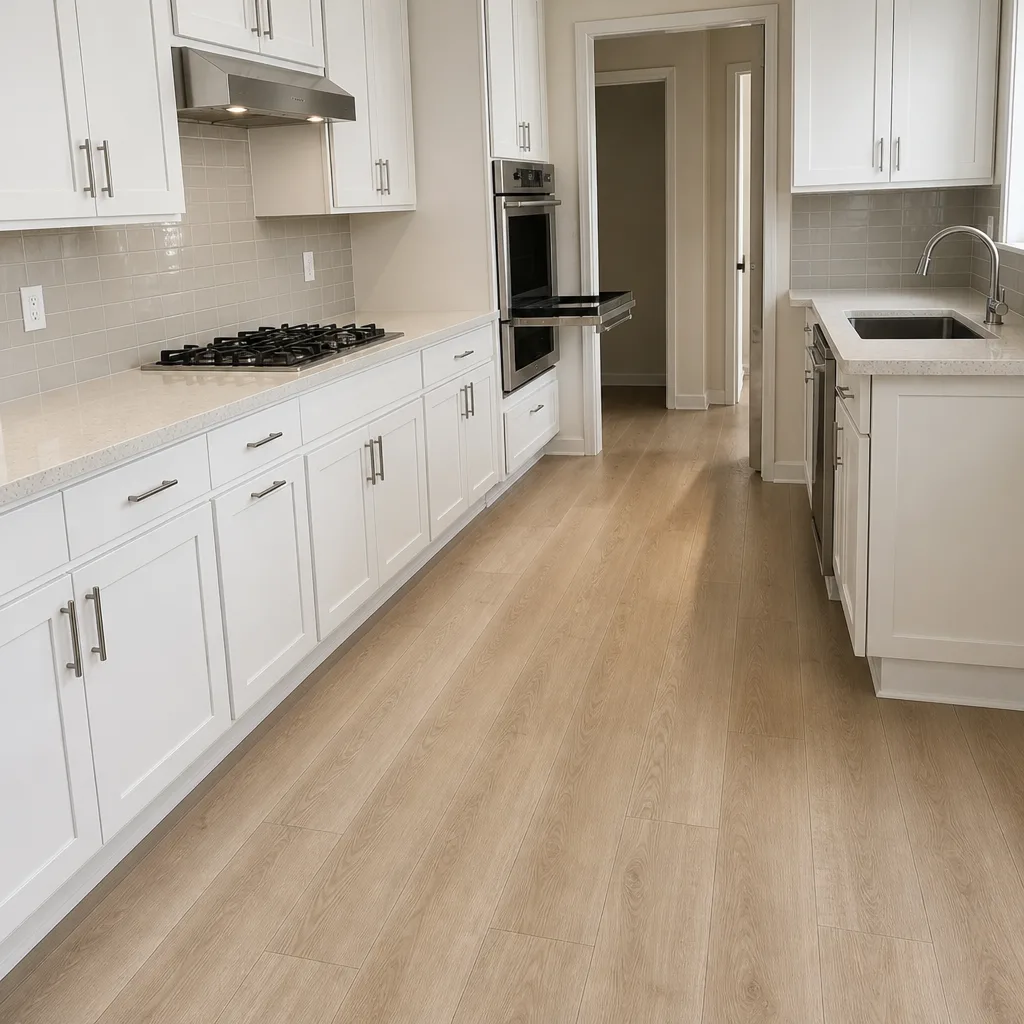
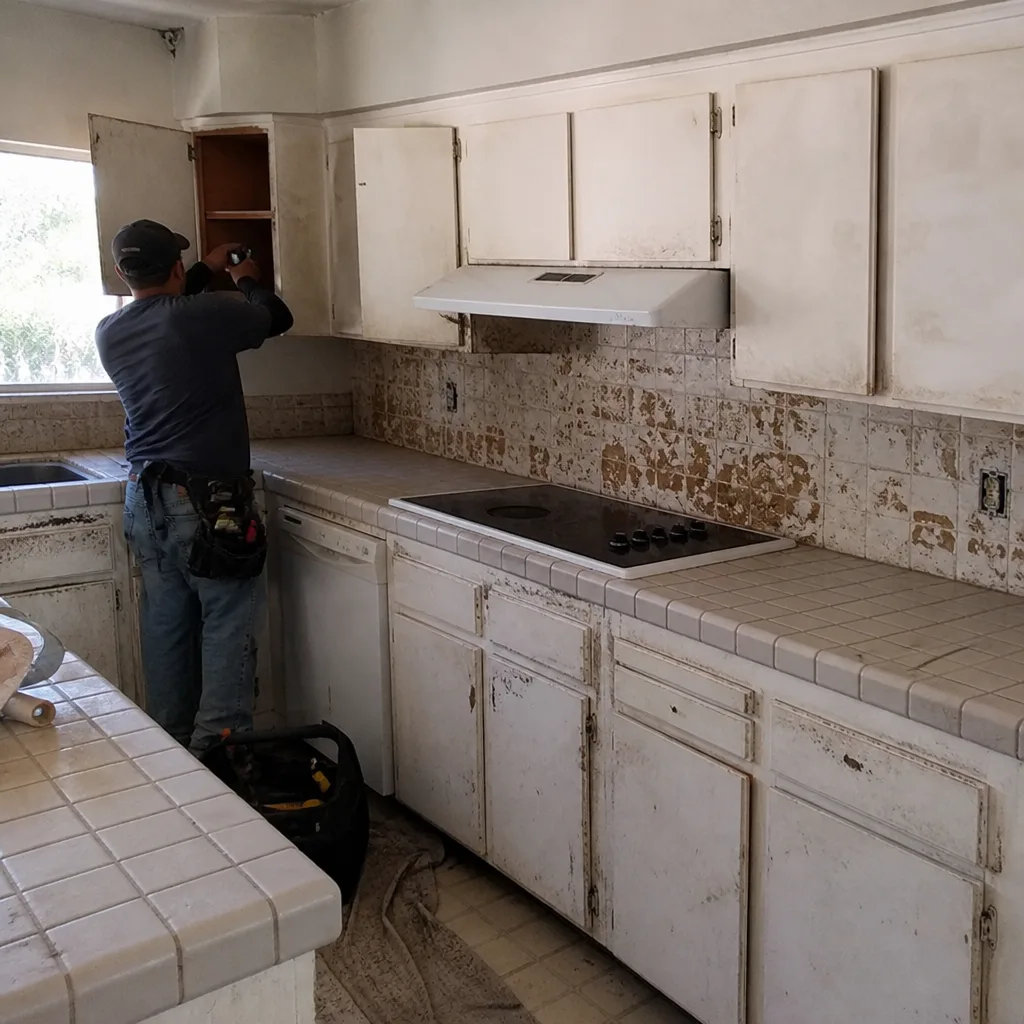
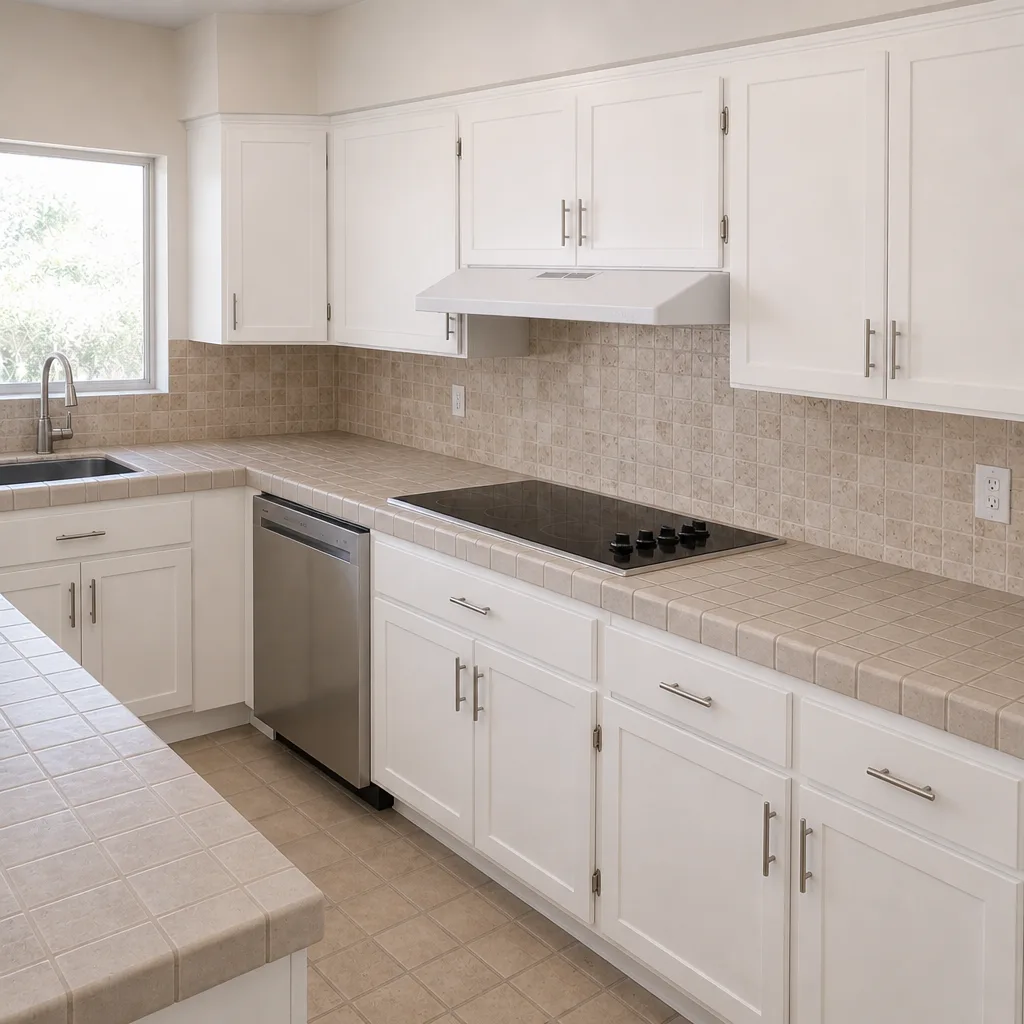
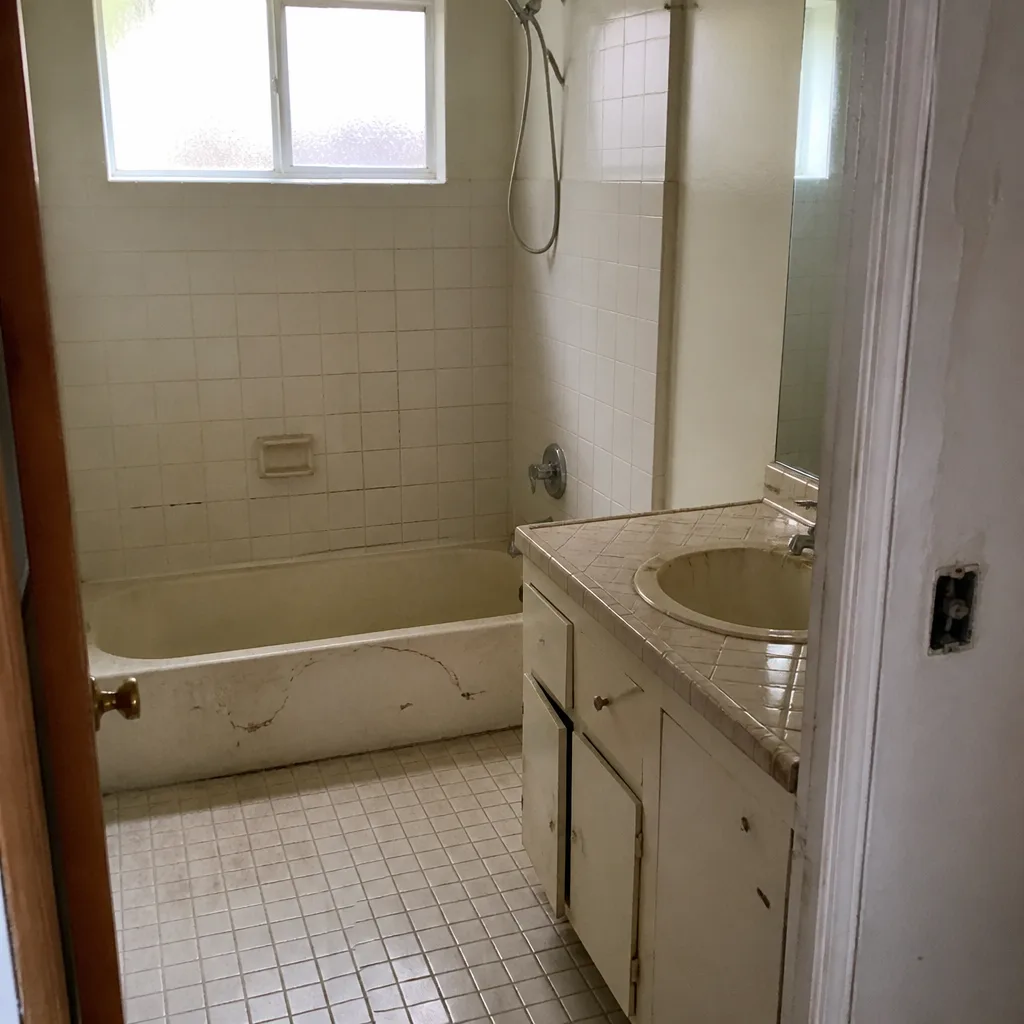
See the difference
 Before
 After
 Before
 After
 Before
 After
When to Call a Professional
Some fence problems are clearly DIY-adjacent: touching up a gate hinge, restaining a few boards. But when your project involves any of the following, a professional crew is the right call – and in Irvine, often the only one that keeps you out of permit and HOA trouble.
Call us when you need a clay-soil post footing done right, when your HOA requires a specific material or color you’re unsure how to source, when the fence line sits on a shared property line, or when you need a permit pulled and inspection passed in a single go. Our technicians have up to 12 years of experience and we handle the permit submissions and HOA documentation that otherwise eat weekends.
Groundwork Construction Co. of Irvine offers free estimates in Irvine – call (888) 578-4462. Our team answers live, 24/7, so you’re not leaving messages. Every project we take on is backed by our 730-Day Done Right Promise: if it’s not done right, we make it right.
Frequently Asked Questions
Fence installation in Irvine typically runs $4,200 to $9,800 for 100 to 150 linear feet of wood or vinyl, with block walls and premium materials pushing past $15,000. Linear footage, material choice, deep clay footings, and permit and HOA fees are the main cost drivers. Call (888) 578-4462 for an exact quote – estimates are free.
Yes, in most cases. Irvine requires a building permit and inspections for fences over 6 feet and for many replacement projects, even on existing fence lines. The permit confirms post depth, footing size, and height compliance. Call us for help – we handle permit submission and inspection scheduling as part of the project.
Plan on 3 to 6 weeks from submission to written approval, depending on the association’s meeting schedule. Incomplete submissions push you to the next cycle. Always get written approval before scheduling installation, and store the approval with your home records.
Cedar is the most common choice for Irvine’s dry-summer Mediterranean climate – it resists rot naturally and holds stain. Vinyl is a strong low-maintenance option if your HOA allows the profile. Aluminum is best for ornamental or pool-area fencing. Block wall is the most permanent but the most expensive. Each has a real lifespan (12 to 18 years for cedar, 20 to 30 for vinyl, 50+ for block) that should guide the budget.
Irvine’s expansive clay soils heave and shrink with seasonal moisture, and a standard 2-foot post depth doesn’t resist that movement. Most Irvine fence failures happen because the footing was too shallow – 30 to 36 inches deep with a 10 to 12 inch concrete base is the right spec for clay-heavy lots. Deep footings are where quality shows.
Not with a written line-item quote built from a site assessment. Unexpected conditions – buried utilities, undiscovered surface water, or poorly graded sections – can affect the number, but we surface these before work starts, not after. No-hassle upfront pricing means the number you see is the number you pay, backed by our 730-Day Done Right Promise.
The Bottom Line
An Irvine fence project is a compliance project first, a construction project second. The homeowner who wins is the one who confirms zoning and height limits by yard location, gets HOA approval in writing, and specs deep footings for Irvine’s clay before a single post goes in the ground. Cedar and vinyl cover most Irvine lots, but the material decision comes after the compliance decision, not before. Get a written line-item quote from a contractor who understands the Irvine clay, pulls the permits, and stands behind the work in writing: our team at Groundwork Construction Co. of Irvine answers live, 24/7, at (888) 578-4462 – call to schedule your free estimate.
Written by the team at Groundwork Construction Co. of Irvine.