
Last updated November 17, 2026
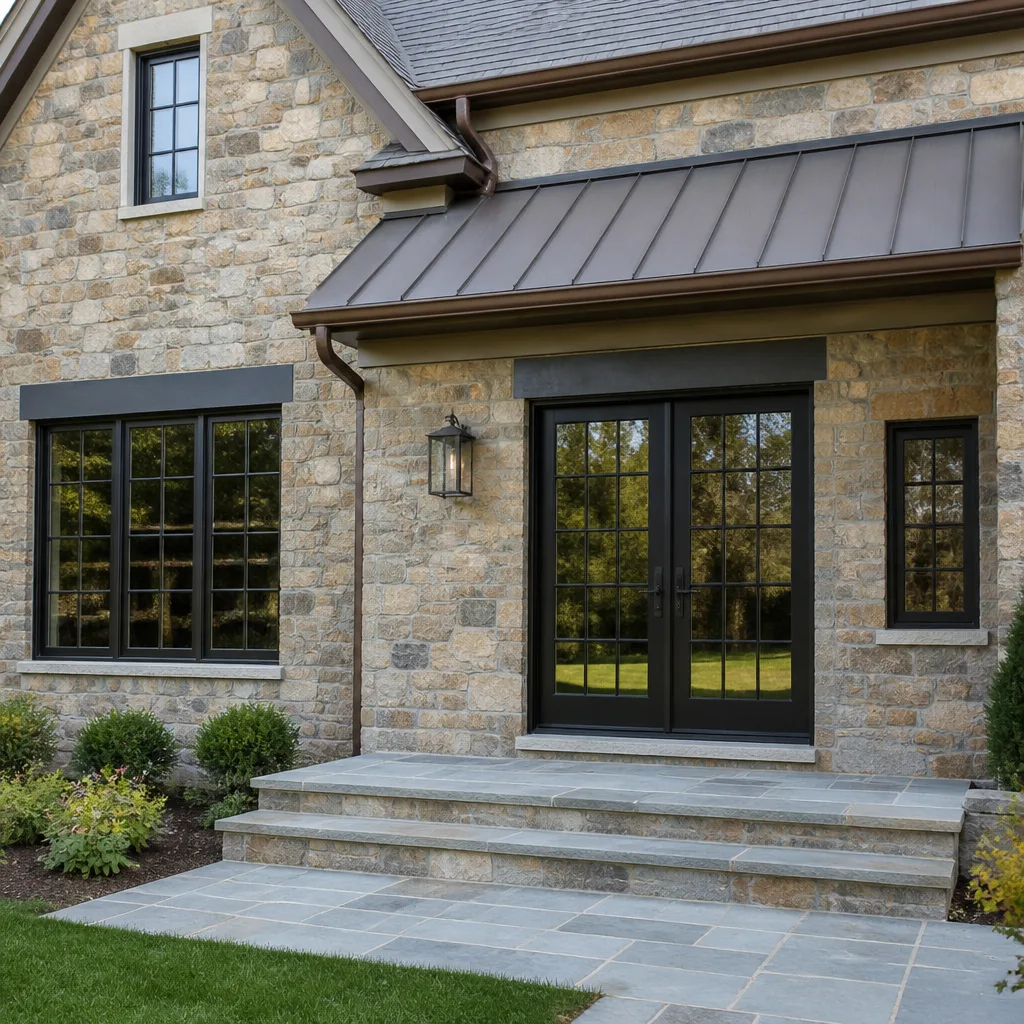 Windows & doors
 Kitchen remodeling
 Bathroom remodeling
 Home additions & ADU
 Roofing
 Driveway & pavers
 Fence
Free written scope consultation - allowances, timeline, and change-order rules on paper before a single trade is scheduled
Windows & Doors Warning Signs Every Homeowner Should Know
A window that suddenly becomes hard to open after years of smooth operation isn’t a hardware problem 40% of the time. It’s a warning sign of wall movement or foundation shift that the window is revealing before anything else in the home shows symptoms. Windows and doors are the first components in a house to telegraph structural stress, moisture intrusion, and installation failure, mostly because they sit at the exact intersection of wall, frame, and opening. This guide teaches you to read those signals before a small fix becomes a large project. We’re writing it from Irvine, where clay soils, dry summers, and marine-layer humidity combine to stress openings in ways that inland and coastal climates don’t.
Quick Answer
The main warning signs for windows and doors are difficulty operating the unit, drafts or daylight visible around the frame, condensation between panes or on interior glass in summer, soft or cracked drywall near the opening, and inconsistent paint cracking at joints. The most important distinction is whether the symptom points to a failing unit (a single window or door) or to the structure around it (multiple openings showing the same problem), because the repair path and cost are very different. If three or more openings in your home show the same issue, treat it as a structural question first.
Styles & brands we work with
- Kitchen remodeling
- Bathroom remodeling
- Home additions & ADU
- Roofing
- Windows & doors
- Driveway & pavers
- Fence
Table of Contents
- Is It the Window or the Wall? How to Tell Unit Failure from Structural Movement
- Reading the Gap Between Frame and Wall: Daylight, Cracking, and Soft Drywall
- How to Spot a Failed Insulated Glass Unit Before Your Energy Bill Moves
- Warning Signs in a Contractor’s Quote: Scope, Measurement, and Sizing
- Energy Performance Warning Signs: Hot Rooms, Cold Rooms, and Summer Condensation
- Door-Specific Warning Signs Most Homeowners Overlook
- Why Irvine Homes Show These Signs Differently Than the Rest of Southern California
- When to Call a Professional
Is It the Window or the Wall? How to Tell Unit Failure from Structural Movement
The single most useful skill in diagnosing windows and doors is separating a unit problem from a structure problem. A unit problem lives in one opening. A structure problem shows up across several. That’s the fork in the road that determines whether you’re looking at a window replacement or a larger assessment of framing, wall, or foundation.
Here’s how we break it down in the field:
- Unit failure signs: seal rupture (fog between panes), failed hardware, warped sash, sticking that’s isolated to one window, or a lock that no longer aligns. These typically point to the window itself.
- Structural signs: three or more openings in the same wall showing sticking or gaps, door frames that have gone out of square (visible when a door swings open or closed on its own), diagonal cracks radiating from window corners, or a header sagging above a large opening.
- The tell: if a window is hard to operate after years of ease and nothing else in the unit has changed (no recent painting, no hardware damage, no weather event), assume movement until ruled out. That’s where the 40% figure above comes from – our experience on Irvine service calls is that a suddenly stiff window is a structural or moisture signal more often than a hardware failure.
On Irvine homes built through the 1980s and 1990s, especially in neighborhoods like Woodbridge and Turtle Rock, we regularly see stiff windows clustering on the sun-facing and slope-facing walls. That pattern is the signature of differential movement, not a brand defect. If the same window on the shaded side operates fine, you have your answer about where the problem sits. For broader work across the building envelope, our Groundwork Construction Co. of Irvine home team assesses windows, doors, and adjacent structure as one scope so the diagnosis isn’t split across two contractors.
Reading the Gap Between Frame and Wall: Daylight, Cracking, and Soft Drywall
The gap where a window or door frame meets the wall is the most diagnostic 1/4 inch in your house. Three specific visual cues tell you what’s happening there: daylight, cracking pattern, and drywall texture. Learn to read all three and you’ll catch installation and moisture failures years before they show up as rot or mold.
- Daylight visible when the unit is closed. Stand inside on a bright day with the lights off. If you can see any light at the perimeter, the weather seal is compromised. That’s not cosmetic; it’s a direct path for air, water, and insects.
- Inconsistent paint or caulk cracking. Hairline cracks at the joint are normal as materials expand and contract. Cracks that are wider at one end, run diagonally, or return after each repaint are not normal – they indicate the frame is moving relative to the wall.
- Soft or bulging drywall within 12 inches of the opening. Press gently with a fingertip. Crunchy, spongy, or bubbling texture means moisture is behind the drywall. In Irvine, we see this most often on west-facing walls where afternoon sun bakes the exterior and the interior stays cool, driving vapor inward.
One more cue that’s easy to miss: trim that’s separated from the wall by 1/16 inch or more but still tightly attached to the frame. That gap says the trim is holding to the window and the wall is drifting. Combined with any of the three above, it’s a call-a-professional signal, not a caulk-over. Doors that stick seasonally and frames that swell in humid months often trace back to the same moisture path behind the wall, which is why we treat the two together on this kind of work.
How to Spot a Failed Insulated Glass Unit Before Your Energy Bill Moves
A failed insulated glass unit (IGU) – the sealed double-pane sandwich in most modern windows – usually shows visible symptoms long before it changes your energy bill, and waiting makes the frame more vulnerable. The seal that holds argon or krypton gas between the panes fails silently, the gas escapes, and moisture enters the gap. The glass itself hasn’t broken, so many homeowners assume the window is fine.
Look for these signs in this order:
- Fog or haze between the panes that you can’t clean off either side. This is moisture inside the sealed unit – the definitive sign of seal failure.
- Condensation streaks that appear on cool mornings and dry out by afternoon, usually starting at one corner.
- A rainbow or oil-slick sheen near the edges where the seal was, indicating the desiccant is saturated.
- Distortion when you look through at an angle – a subtle ripple in the reflection or the view that wasn’t there before.
Why waiting costs more: once the seal fails, the wooden or aluminum frame around the glass is now exposed to the same vapor that got into the IGU. On humid Irvine mornings – especially May through June and September through October – that vapor migrates into the frame and the sill, where it becomes a rot pathway. Replacing just the glass unit is typically far less expensive than replacing glass plus frame plus interior trim. Andersen and PGT both publish seal-failure indicators on their technical pages, and the language matches what we see in the field.
One calibration on timing: a single fogged unit in a 20-window house is a routine replacement. Fogging in four or more units clustered on the same facade usually means the units were from the same production run or the same installer, and that’s worth a broader conversation about the original installation. Both paths are covered under the 730-Day Done Right Promise when we handle the work.
Warning Signs in a Contractor’s Quote: Scope, Measurement, and Sizing
Some of the most expensive window and door mistakes happen before any sawdust flies, in the quote itself. A vague bid is not a favor to you; it’s a deferral of cost and risk onto you. Here’s what to watch for when a contractor quotes windows and doors in Irvine.
Vague scope. “Replace 8 windows” tells you nothing. A real quote specifies: which windows, what size each opening, which product line from which brand, whether the installation is a full-frame replacement or a pocket/insert, whether trim and interior stops are included, and how exterior stucco or siding is reflashed and patched. If the quote doesn’t say, ask. If the answer is “we’ll figure it out on site,” that’s a red flag.
No measurement visit. Windows and doors are ordered by opening size – an exact field measurement, not the nominal size on the old glass. Any contractor quoting from photos, a floor plan, or your memory of the size is quoting a “standard size” that may not match your wall. On Irvine homes with 1980s stucco, we routinely find openings that vary by half an inch from the architectural plan, and that variation changes the entire order.
Quoting standard sizes without confirming openings. This is the single most common bait-and-switch in the category. A “standard” size may fit most walls, but if your opening is non-standard, the quote becomes a change order almost immediately. Ask for the field-measured width and height of each opening in writing, with the tolerance noted.
No line-item pricing. A lump-sum number hides where the money goes. You want to see material cost, labor, disposal, trim, permit (where required), and inspection broken out. That’s what upfront pricing means: the number you see is the number you pay, and you can see why.
Our practice is to send a measured, line-item estimate after a site visit, not a number over the phone. If a caller pushes for a phone-book price, we explain why we won’t guess.
Energy Performance Warning Signs: Hot Rooms, Cold Rooms, and Summer Condensation
Energy waste from windows and doors shows up as comfort complaints long before it shows up on a utility bill. If a room in your home is consistently hotter or colder than the rest, trace the symptom to a specific opening before you assume the HVAC is at fault. Here’s a field-tested method.
- Isolate the room. Close all interior doors. Note which rooms drift hot or cold within an hour. That narrows the search to walls adjoining those rooms.
- Run the “hand test” on a windy evening. Hold the back of your hand 2 inches from each window and door frame, moving slowly along the perimeter. A cool draft on a warm evening points to air infiltration at the frame, not the glass.
- Check for summer condensation on interior glass. In Irvine, interior condensation in July and August is a warning sign, not a cool glass story. It means the interior surface is dropping below the dew point, usually because the window is single-pane or has lost its low-E coating, or because interior humidity is high (bath fans not venting, drier vent issues).
- Check the exterior for sun exposure. A west-facing window with no overhang in Irvine will feel 10 – 15°F hotter on the glass surface at 4 PM than a shaded north-facing window. That’s not a defect; it’s a shading design problem, and it’s fixable with solar film, exterior shading, or higher-performance glazing on that facade only.
Trace thermal problems to the specific opening and specific facade, not to “the windows” as a category. A common mistake is replacing every window in the house when only the three west-facing ones were the problem. Brands like CGI and CWS both publish solar heat gain coefficients (SHGC) for their product lines, and matching the glazing package to orientation is the difference between a good investment and an over-spend.
Door-Specific Warning Signs Most Homeowners Overlook
Doors fail more quietly than windows because we use them every day and adapt to the sticking, the latch that needs a nudge, the sweep that drags. Each of these is a signal worth reading:
- A door that swings open or closed on its own. The jamb is out of plumb. That’s a structural signal, not a hinge problem.
- The latch needs two tries. The strike plate has moved relative to the latch because the frame has shifted.
- Daylight or a draft at the bottom sweep. The threshold seal is gone, or the door has warped. Both let water in during Irvine’s winter rain events.
- Sticking only in humid months. Wood doors swell as relative humidity rises. If yours only sticks in July, the door itself is absorbing moisture from the air or from a wet wall.
- Interior finishes that don’t line up. If the door trim doesn’t meet tile or flooring cleanly anymore, the assembly has moved.
- On sliding patio doors: rollers that drag, a track that’s no longer level, or the fixed panel separating from the frame. Sliding door failures are the most commonly misdiagnosed – many homeowners replace the roller when the frame has actually shifted.
On Irvine homes in neighborhoods like Northwood and Westpark, we see exterior door rot most on the south-facing side doors and on patio doors exposed to the afternoon marine air. If you’re already thinking about upgrading the entry door, the patio door frame, and the sidelights as one scope, do it as one scope. Doing it piecemeal usually costs more in trim, stucco patching, and paint than it saves.
Why Irvine Homes Show These Signs Differently Than the Rest of Southern California
Irvine sits on expansive clay soils and cycles between dry, hot summers and cool, damp marine-layer months. That combination does specific things to windows and doors:
- Clay soil movement. Irvine’s clay-rich soils swell and shrink with moisture. Over a decade, that cycling puts subtle flex on framed openings. You see it first as sticking windows on slope-facing walls in the hill communities.
- Marine layer humidity in spring and fall. The so-called “May gray” and “June gloom” push outdoor humidity to the 70% range for weeks at a time – well above the inland average. That’s when window-frame vapor problems accelerate on west-facing units.
- Stucco construction. Most Irvine homes from the 1970s through 2000s are stucco over sheathing. When windows fail and moisture gets in, it’s stucco that hides the rot. This is why we open the stucco at the frame perimeter on any window replacement, and why a “window swap” quote that doesn’t address stucco patching is incomplete.
- Sun exposure on the west and south. Irvine’s late-afternoon sun on a west wall is the second-highest UV load in Orange County. IGUs and door seals fail there first.
If you’re also planning a broader exterior project – say, replacing the fence in front of the same wall or the driveway in the same yard – it saves money to schedule the work together so equipment, subs, and inspections are on site once. Our Driveway & Pavers in Irvine and Fence Installation in Irvine pages cover those scopes; if you’re adding a room or an ADU that includes new windows and exterior doors, we handle that under Home Additions & ADU in Irvine and coordinate the window and door order with the framing schedule.
See the difference
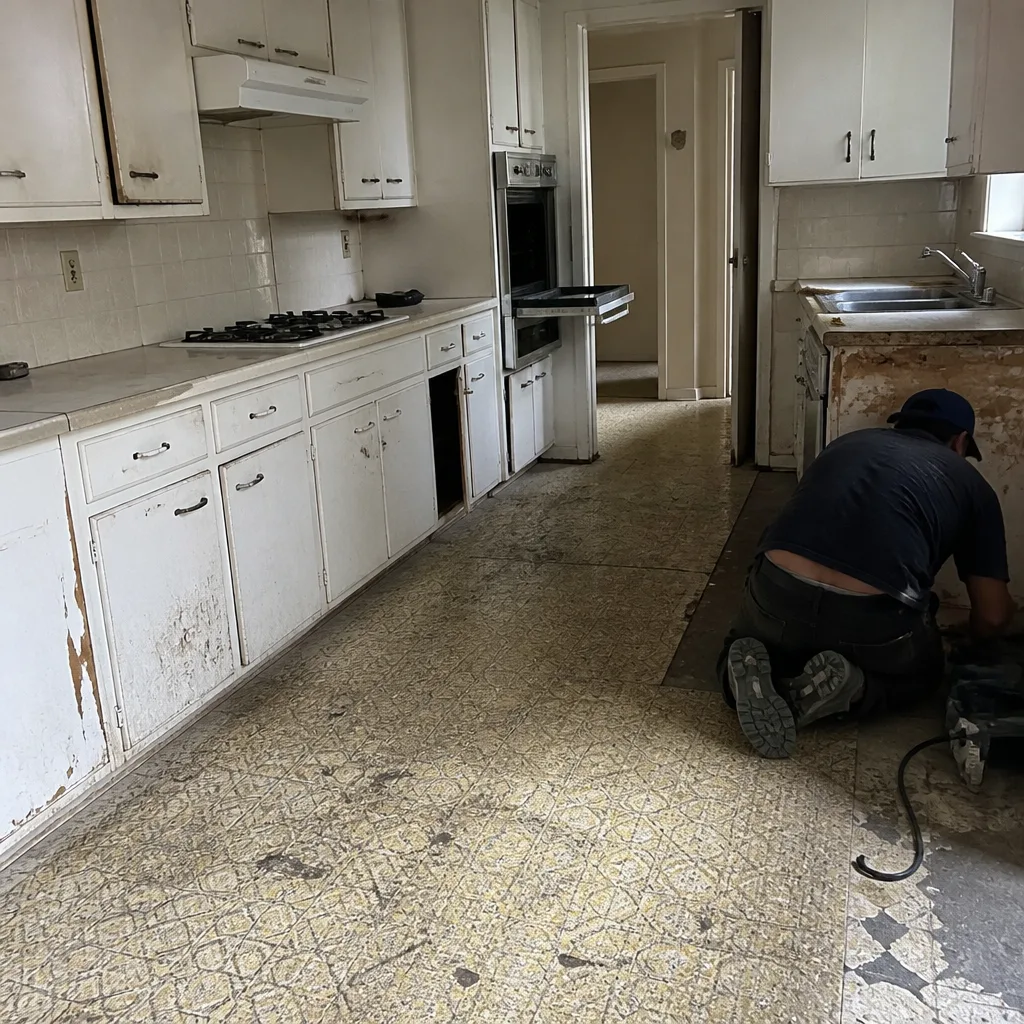 Before
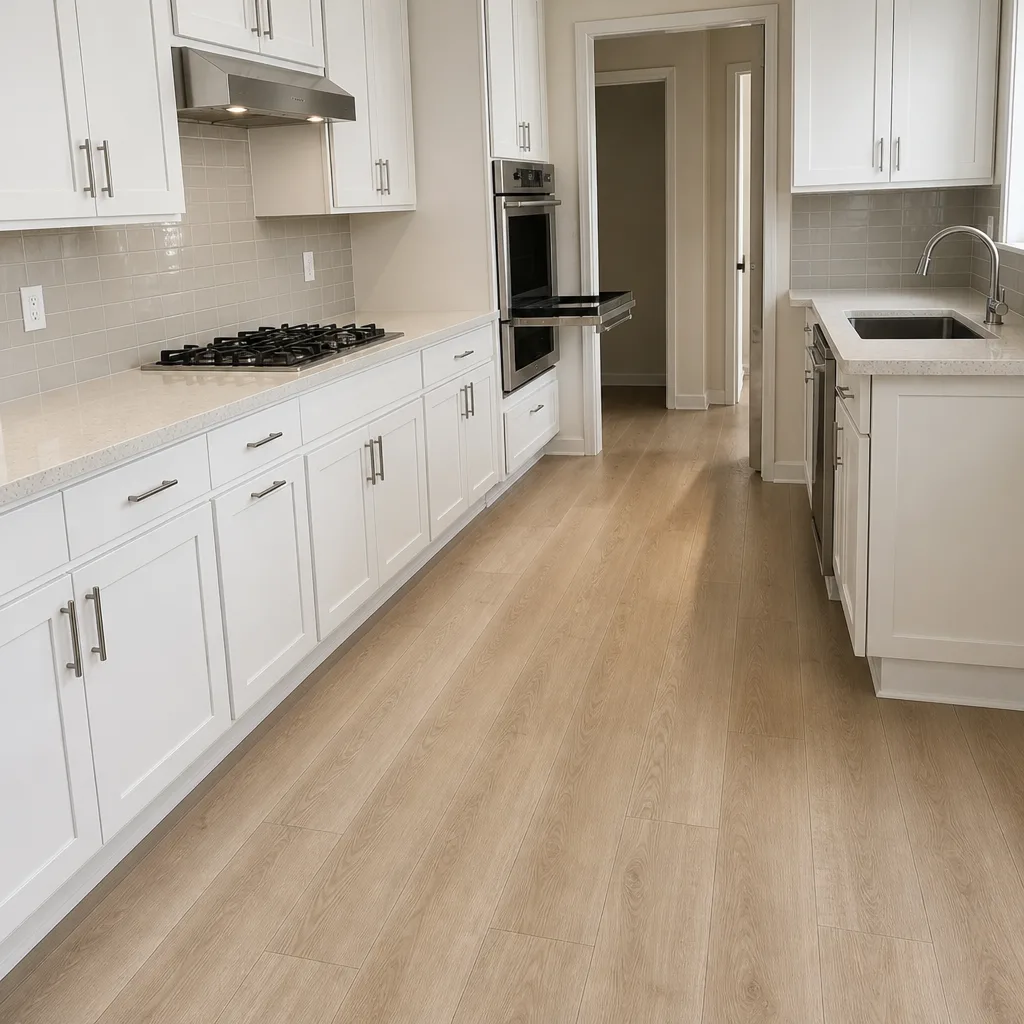 After
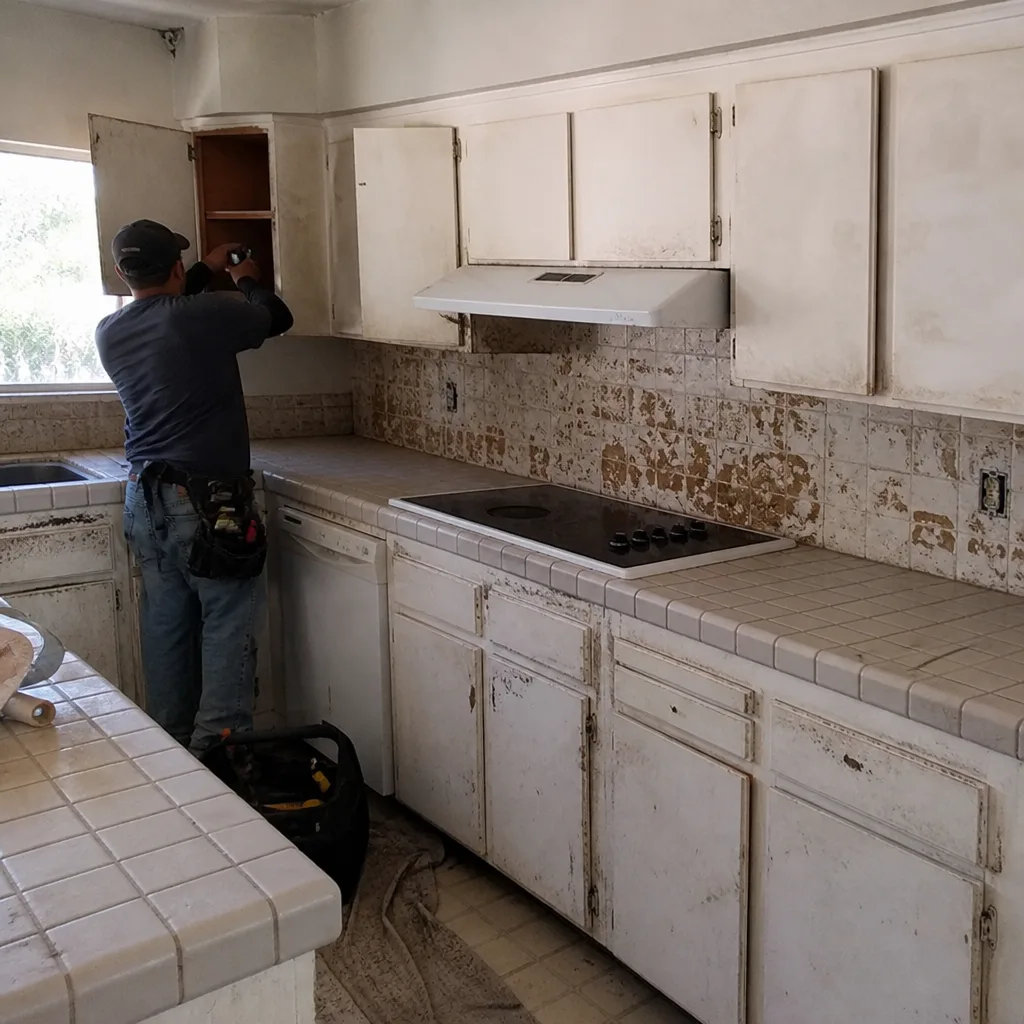 Before
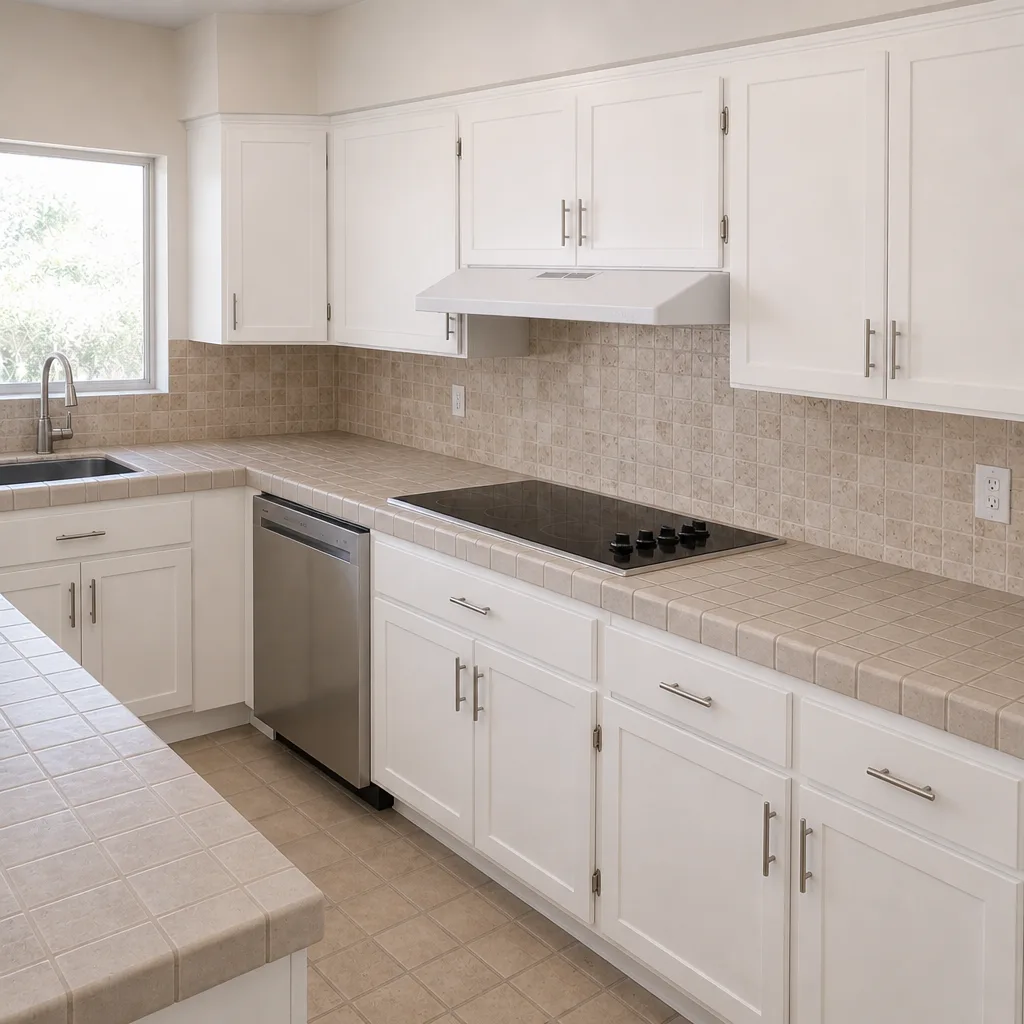 After
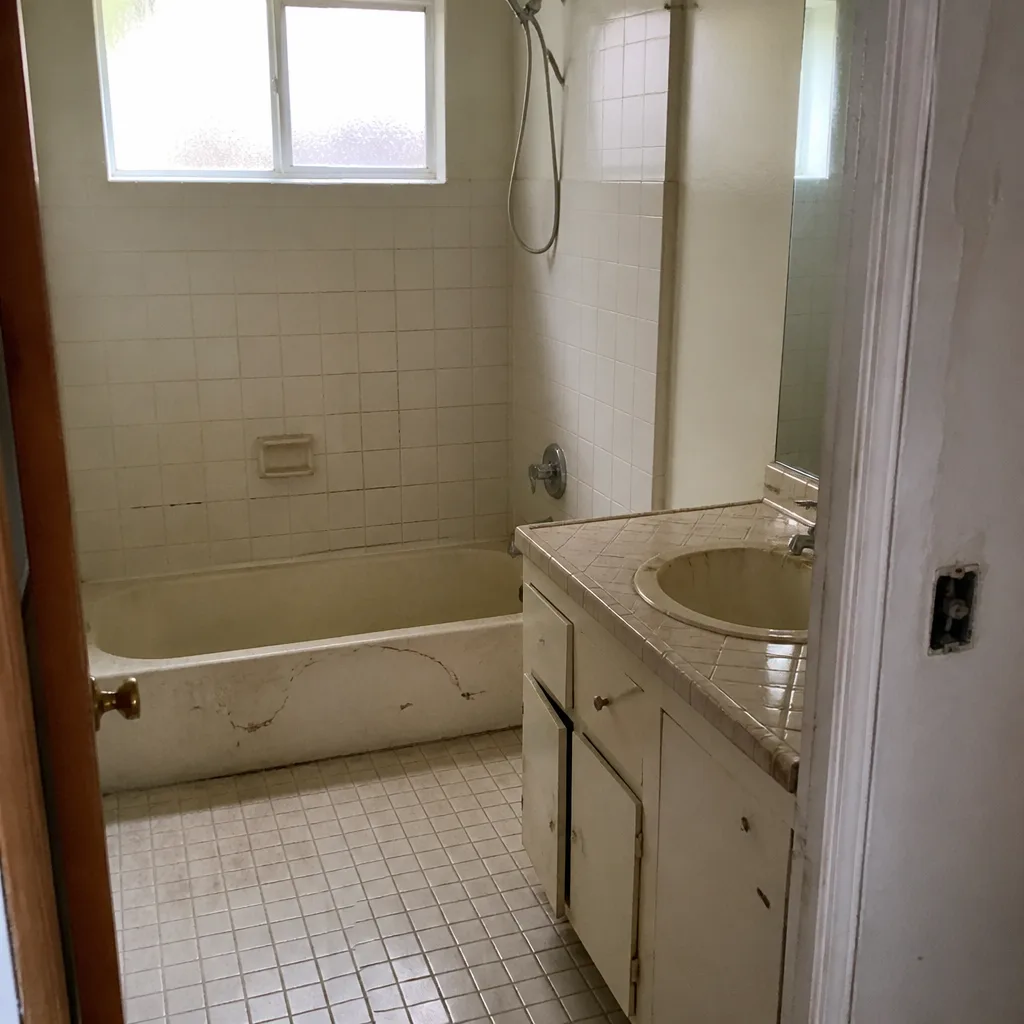 Before
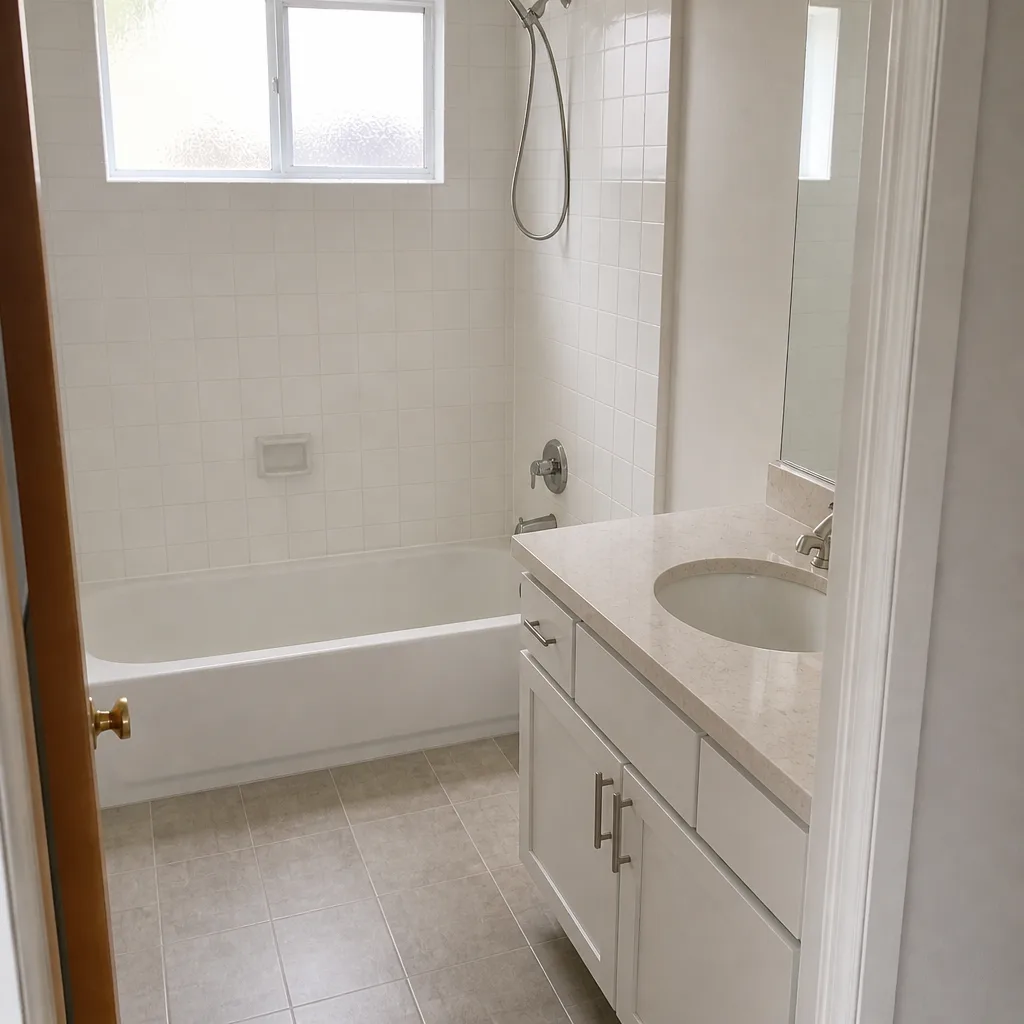 After
Common Mistakes to Avoid
- Caulking over paint cracks. If the crack returns within a season, the movement is ongoing and caulk won’t fix it. The crack is a symptom; the cause is frame movement, wall flex, or moisture.
- Treating a fogged IGU as an energy problem only. The moisture in a failed unit is a rot pathway into the frame. Replacing the glass before the frame fails is the budget-friendly call; waiting until the frame rots is not.
- Replacing a single stiff window before checking the other windows on the same wall. If only one out of six windows on a wall is stiff, that’s a unit problem. If three of six are, replacing the one is a waste of a good window.
- Accepting a phone quote on windows or doors. Every door and window in your house is a specific opening size. Anyone quoting without a measurement visit is quoting a standard size that may not match your stucco penetrations.
- Ignoring the west-facing windows on a hot-runaway room. Comfort complaints in Irvine are usually facade-specific. Replacing the whole house when three windows are the problem overspends by thousands.
- Hiring a contractor who can’t produce a written scope and a warranty longer than one seasonal cycle. Windows and doors manifest their failures in the first two heating and cooling cycles. A one-year warranty is essentially a completion receipt.
- Skipping the permit conversation on structural-sized replacements. When a window replacement involves reframing an opening or a header change, ask who is pulling the permit and producing the inspection record. On that, our team walks the homeowner through the permit scope on every quote – no surprises later.
When to Call a Professional
Call a professional when you see two or more of the signs in this guide on the same wall, when a door swings on its own, when you find soft or spongy drywall near any opening, or when daylight is visible around a closed window or door frame. Those aren’t the only triggers, though. A single failed glass unit in a window you use daily, an exterior door that sticks seasonally, or a west-facing window that’s driving a hot room are all worth a site assessment to get a real diagnosis rather than a guess. If you’re in Irvine and any of this sounds familiar, Groundwork Construction Co. of Irvine offers free estimates with a measured, line-item scope, and calls are answered by a live person 24/7. The number is (888) 578-4462. Every job we do on windows and doors is covered by the 730-Day Done Right Promise.
Frequently Asked Questions
Window replacement in Irvine typically runs $550 to $1,400 per window installed, depending on size, glazing package (low-E, argon, SHGC-matched), frame material, and whether it’s a pocket replacement or full-frame. Full-frame replacements with stucco patching run 20-40% higher than pocket replacements. Call (888) 578-4462 for a specific quote – estimates are free, line-item, and based on measured openings.
A door that swings open or closed on its own means the jamb is out of plumb – the frame is no longer vertical. That is a structural signal, not a hinge problem. It often traces back to wall movement, a settling foundation, or a header issue. Have it assessed before you replace the door hardware; the hardware won’t fix a moving wall.
Yes. Fog between panes means the sealed glass unit has failed and moisture has entered. The energy penalty is real, but the bigger cost is that the moisture now has a path into the frame and sill, where it becomes a rot problem. Replacing the glass unit early is far less expensive than replacing the frame later. Call (888) 578-4462 for an assessment if you see fog in two or more units.
It shouldn’t. A proper estimate is based on a field measurement visit and a written line-item scope covering materials, labor, trim, disposal, permit, and inspection. Ask for each of those lines in the quote. If a contractor’s number moves after the work begins, that’s a scope gap, not an unforeseen condition. Our upfront pricing means the number you see is the number you pay.
Yes, when the scope requires it. Straight like-for-like replacements typically don’t trigger a permit, but any replacement that involves reframing an opening, changing a header, or altering the exterior envelope does. We tell you up front which permit applies to your job and produce the inspection record when the work is done. Call (888) 578-4462 for specifics on your project.
Most Irvine window and door jobs – up to about ten openings – are completed in one to three days of on-site work. Full-frame replacements with stucco patching and repaint can extend that to a week or more. Most single-opening repairs are done in a single visit. Call (888) 578-4462 for a project timeline based on your scope.
The Bottom Line
The warning signs in this guide break into two categories, and the split matters. Unit-level signs – fogged glass, failing hardware, isolated sticking – point to a window or door replacement. Structural signs – multiple stiff openings on the same wall, doors that swing on their own, soft drywall near a frame, daylight at a closed unit – point to a broader assessment before any product is ordered. Read the gap between frame and wall, check the glass before the bill, and insist on a measured, line-item quote with a warranty that outlasts the first seasonal cycle. In Irvine, our clay soils and marine-layer humidity make those signals show up on west-facing walls first. Whenever you’re ready to talk through what you’re seeing, Groundwork Construction Co. of Irvine is a call away at (888) 578-4462.
Written by the team at Groundwork Construction Co. of Irvine.