
 Kitchen remodeling
 Bathroom remodeling
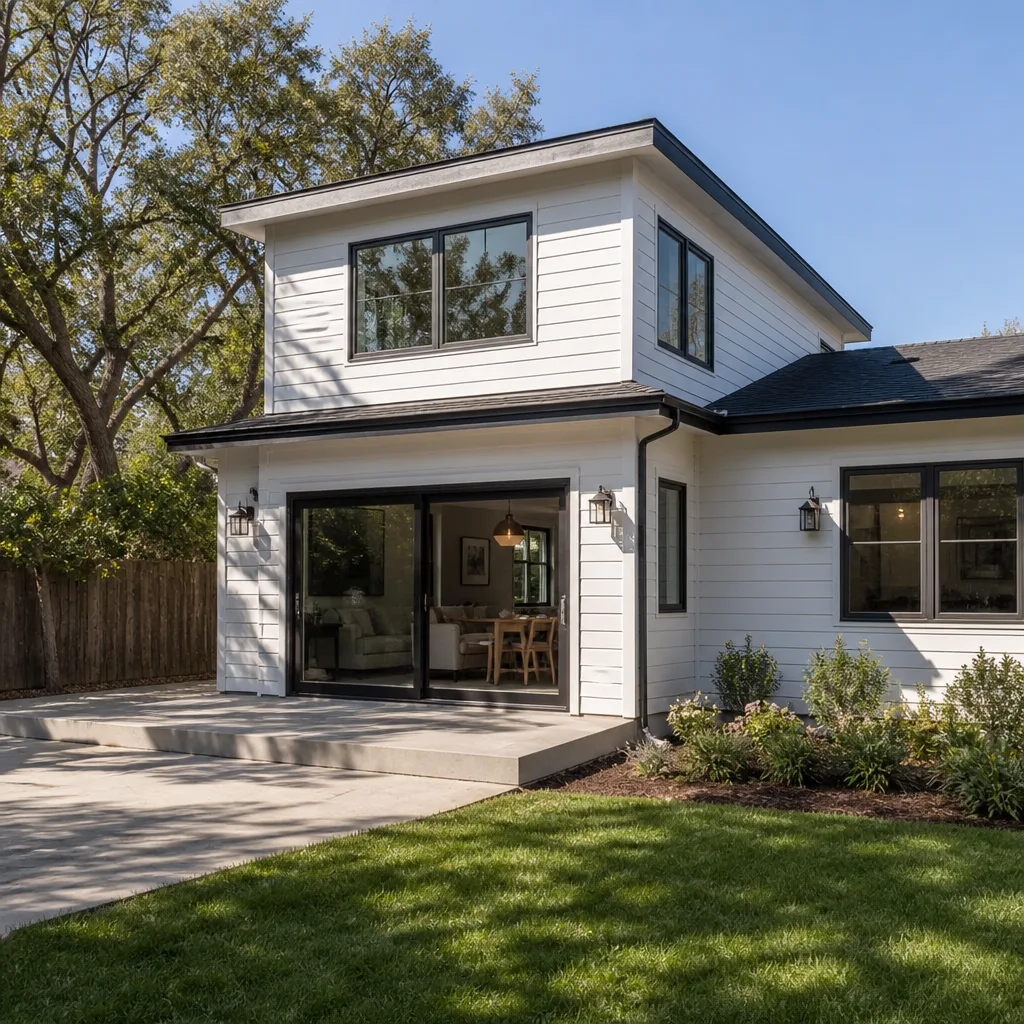 Home additions & ADU
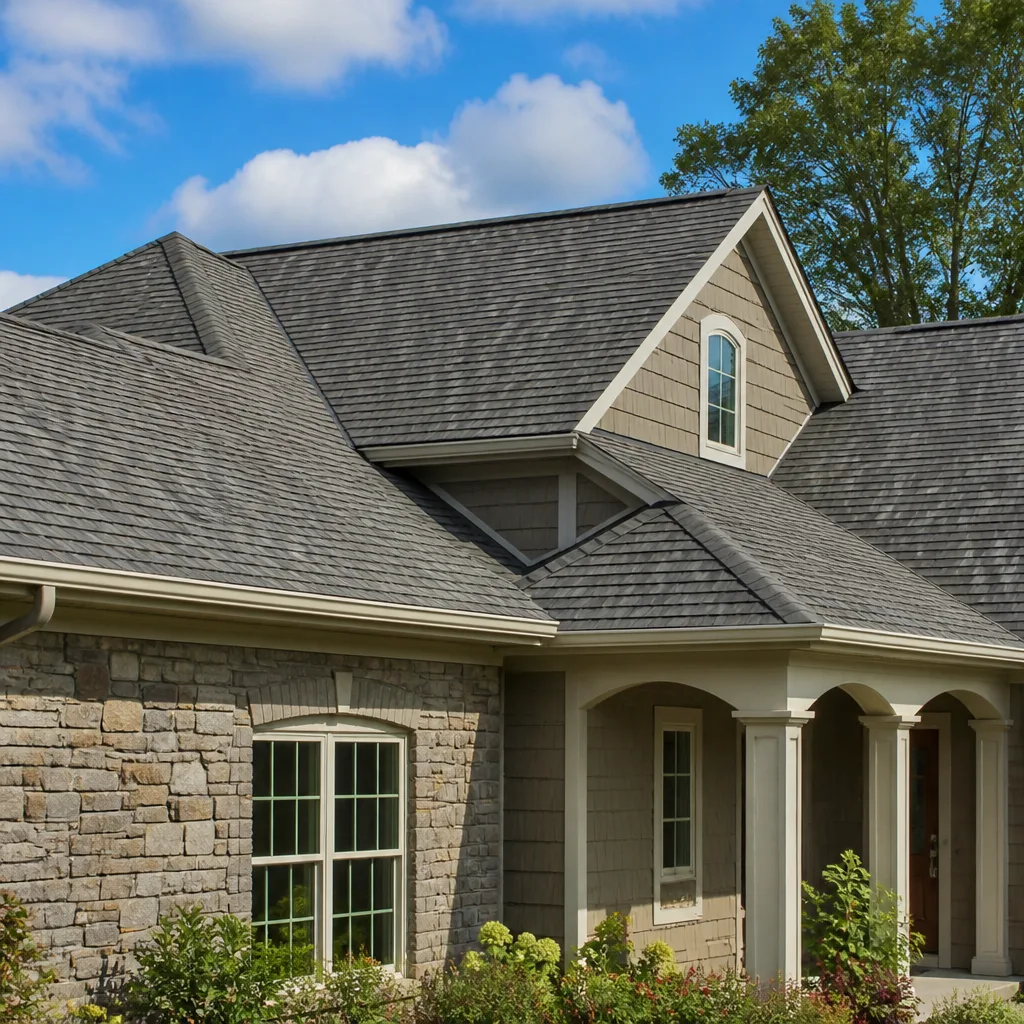 Roofing
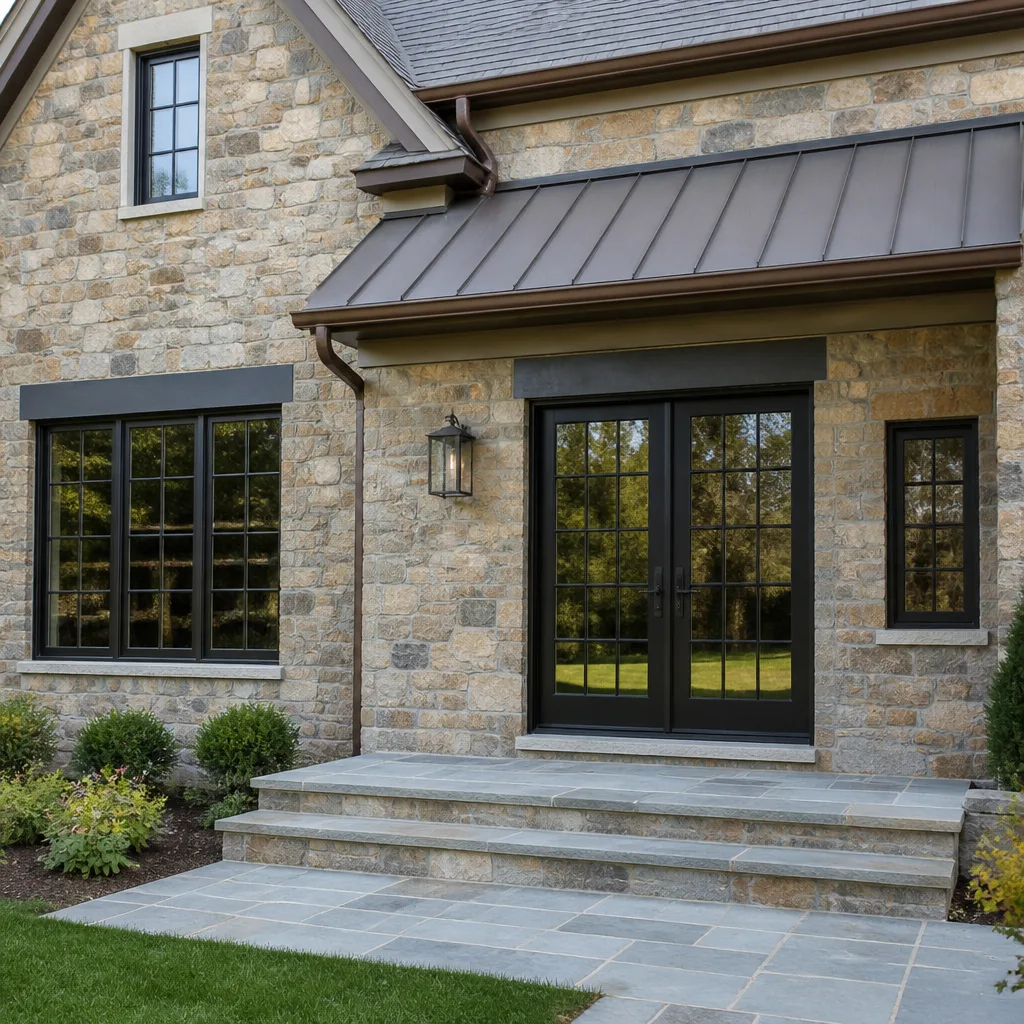 Windows & doors
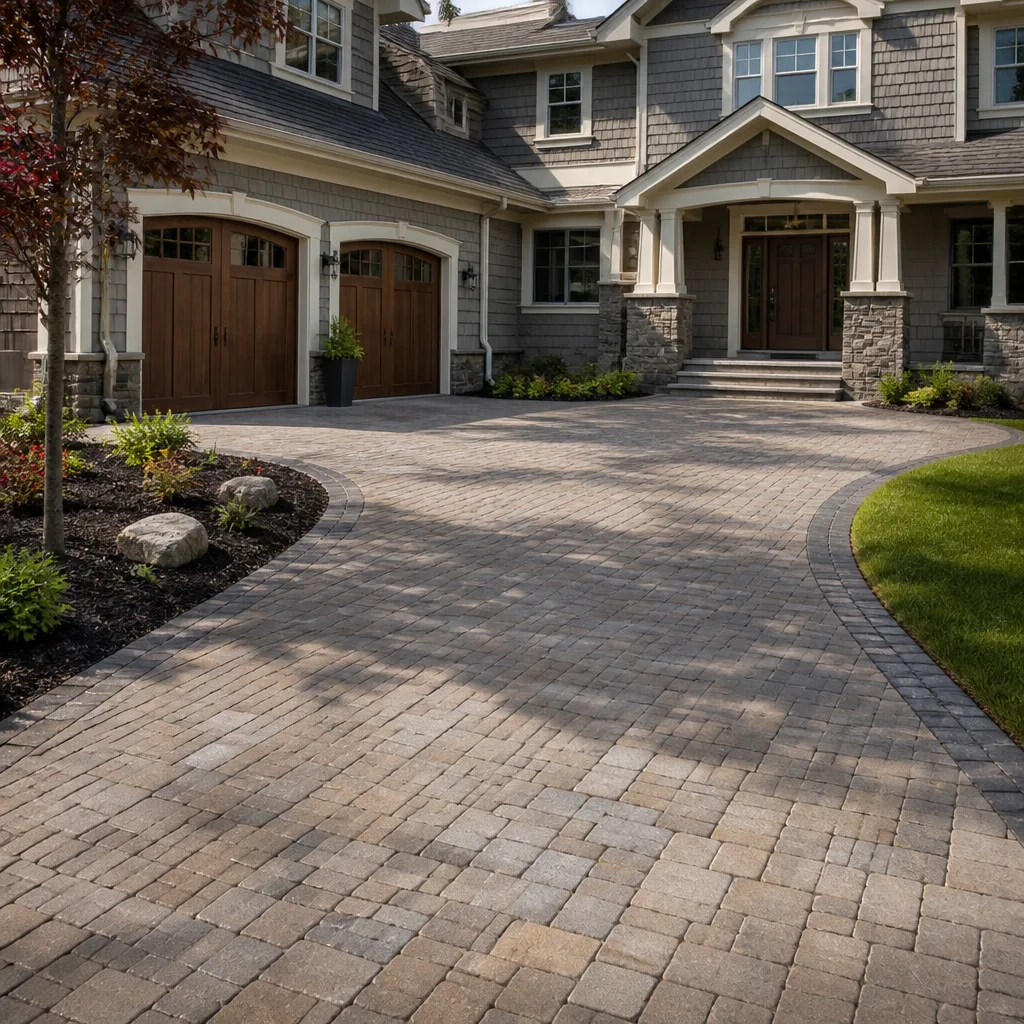 Driveway & pavers
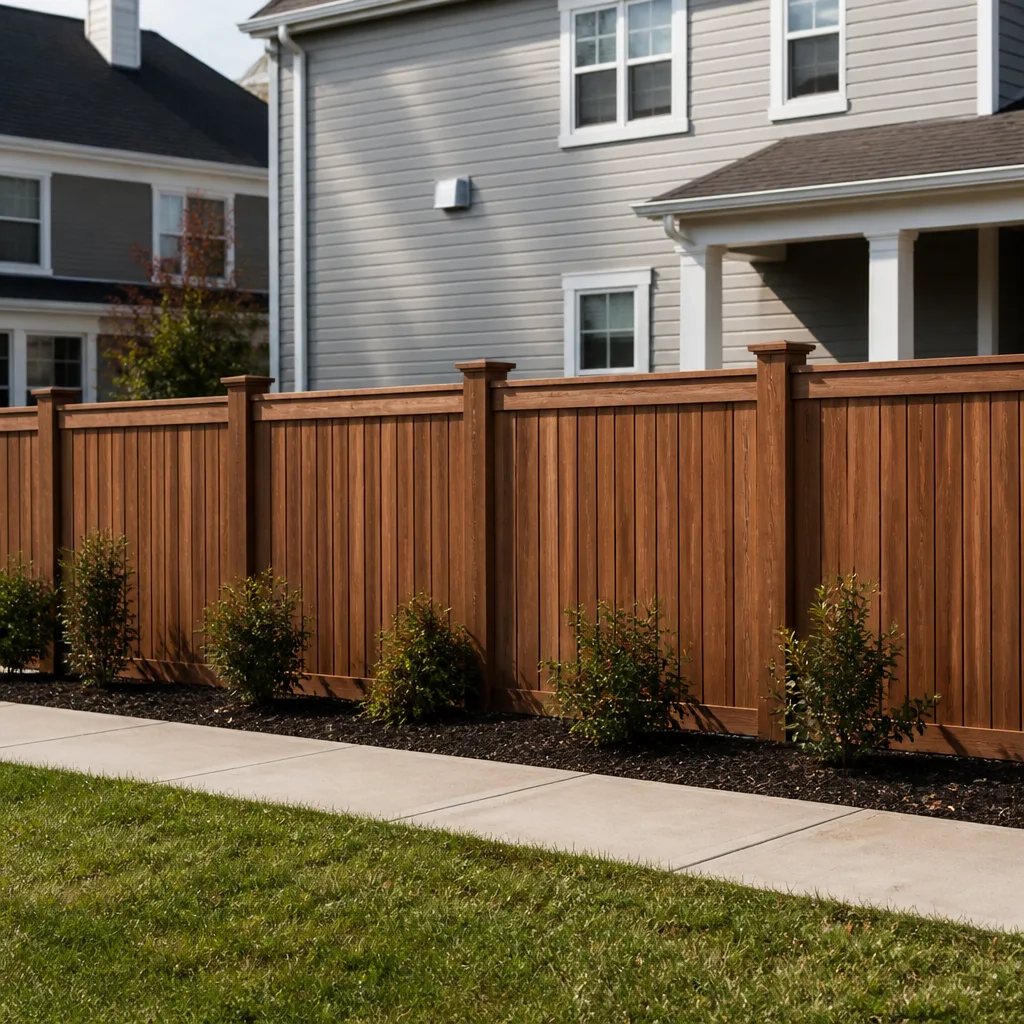 Fence
Free written scope consultation - allowances, timeline, and change-order rules on paper before a single trade is scheduled
ADU Site Prep & Utilities in Orange, CA: What It Costs and How Long It Takes
ADU site prep and utilities in Orange, CA typically runs $45,000 – $130,000, with most of that going to grading, trenching, and the utility runs that connect a new unit to the city’s water, sewer, gas, and electrical systems. Plan on four to eight weeks of site and utility work before a single wall goes up. Call (888) 578-4462 for a free on-site estimate and a written line-item scope.
How the work actually unfolds, stage by stage
Every Orange property has its own constraints, so the sequence below is our standard path with the variables called out where you’ll be making a decision.
Stage 1: Site evaluation and utility locate (days 1 – 3)
We walk the lot with you, map the proposed footprint against setbacks, and have the 811 locating service mark existing water, gas, electric, and sewer lines. On the east side’s slab-on-grade ranch lots, this is usually fast; in Old Towne’s pier-and-beam yards, we spend more time tracing older service laterals that don’t match the records. Your decision here: confirming the footprint location and whether the unit ties into the main house’s utility stubs or runs its own.
Stage 2: Demolition, clearing, and grading (days 3 – 10)
We remove anything in the way (old concrete, fences, landscaping, an aging patio slab) and grade the pad to the elevations the plans call for. Grading is where Orange’s dry, sandy soils and Santa Ana wind grading standards come into play. Your call: whether you’re paving the new driveway and walkways now or later, and what finish you want. Belgard pavers are a popular choice for ADU approach work because they take the foot traffic and still look right from the street.
Stage 3: Trenching and rough utility runs (days 10 – 24)
This is the heart of the job. We trench for water, sewer, gas, and electrical conduit, then lay the runs to correct depth and slope. Sewer depth is non-negotiable; if the main is shallow, a lift station adds cost. On 92867 and 92869 lots, longer runs from the street or the main house often push this stage by a few days. Your decision: conduit sizing for future panel capacity and whether you want a separate gas meter or a tie-in.
Stage 4: Rough-in inspection (days 24 – 30)
The city inspects trenches and rough utility work before backfill. We schedule this as soon as the runs are laid and keep the trench open until we have a signed card. Missing paperwork or a slope that doesn’t hold means a re-inspection and a cold restart on the schedule, which is why we build a buffer into it.
Stage 5: Backfill, compaction, and utility stubs (days 30 – 45)
We backfill in lifts with compaction testing so the ground under the unit won’t settle, cap or stub the runs at the pad, and mark meter locations for the finish crews. Your final call at this stage: confirming panel location and where the stub-ups land relative to the future unit’s kitchen and bath layout. Homeowners often pair this with Small & Partial Kitchen Remodels in Orange planning so the ADU’s kitchen rough-in lines up with what they’ll actually install.
Styles & brands we work with
- Kitchen remodeling
- Bathroom remodeling
- Home additions & ADU
- Roofing
- Windows & doors
- Driveway & pavers
- Fence
The choices that shape your site prep and utility bill
For a job this size, the spec decisions you make in the first two weeks matter as much as the labor.
- Tie into the main house vs. separate meters. Tying in is cheaper up front but limits future ADU rental independence. Separate meters add a few thousand dollars and utility company fees but make the unit a clean rental.
- Sewer depth and slope. If the main is deep enough, gravity works and the cost is modest. A shallow main means a grinder pump, which adds equipment, a vault, and ongoing maintenance.
- Trenching route. Running a utility line across a hardscape or an established tree canopy costs more than a clean line down an existing swale. On the midcentury pockets, we sometimes route around mature landscaping to avoid root damage.
- Pad and approach material. Concrete is durable and low-maintenance; pavers like Belgard flex with minor ground movement and look right in front of a Craftsman or Spanish Colonial. Budget concrete as your baseline and pavers as a modest upgrade.
- Future capacity. Running 2-inch conduit instead of 1-inch adds very little cost now and saves a full re-trench if you later want a larger panel or solar tie-in.
What ADU Site Prep & Utilities costs in Orange, CA
Most site prep and utility packages here land between $45,000 and $130,000. A simple 500-square-foot ADU pad with a short utility run on a clean lot sits near the low end; a larger unit on a tight lot with a long sewer run, a grinder pump, and separate meters pushes toward the top.
What moves the number:
- Unit size and footprint. A 1,200-square-foot ADU needs more pad, more trench, and larger conduits than a 500-square-foot one.
- Existing site condition. An empty graded lot is a different project than a yard full of old concrete, mature trees, and a failing lateral. Old Towne’s century-old yards often have surprises under the surface.
- Utility distance and depth. Long runs from the street and shallow sewer mains are the two most common drivers of high-end pricing.
- Permit and inspection scope. Historic-district or design-review requirements, and anything beyond standard plan check, add time and fees.
- Pad and approach finish. Bare gravel pad vs. finished concrete or Belgard pavers changes the line item noticeably.
Our written estimate is line-itemed: grading, trenching by utility, pipe and conduit material, backfill, compaction testing, pad, and permit fees, each on its own row. Sales tax on materials, utility company connection charges, and any landscaping restoration beyond reseeding are the usual exclusions. Call (888) 578-4462 for an exact quote; estimates are free.
See the difference
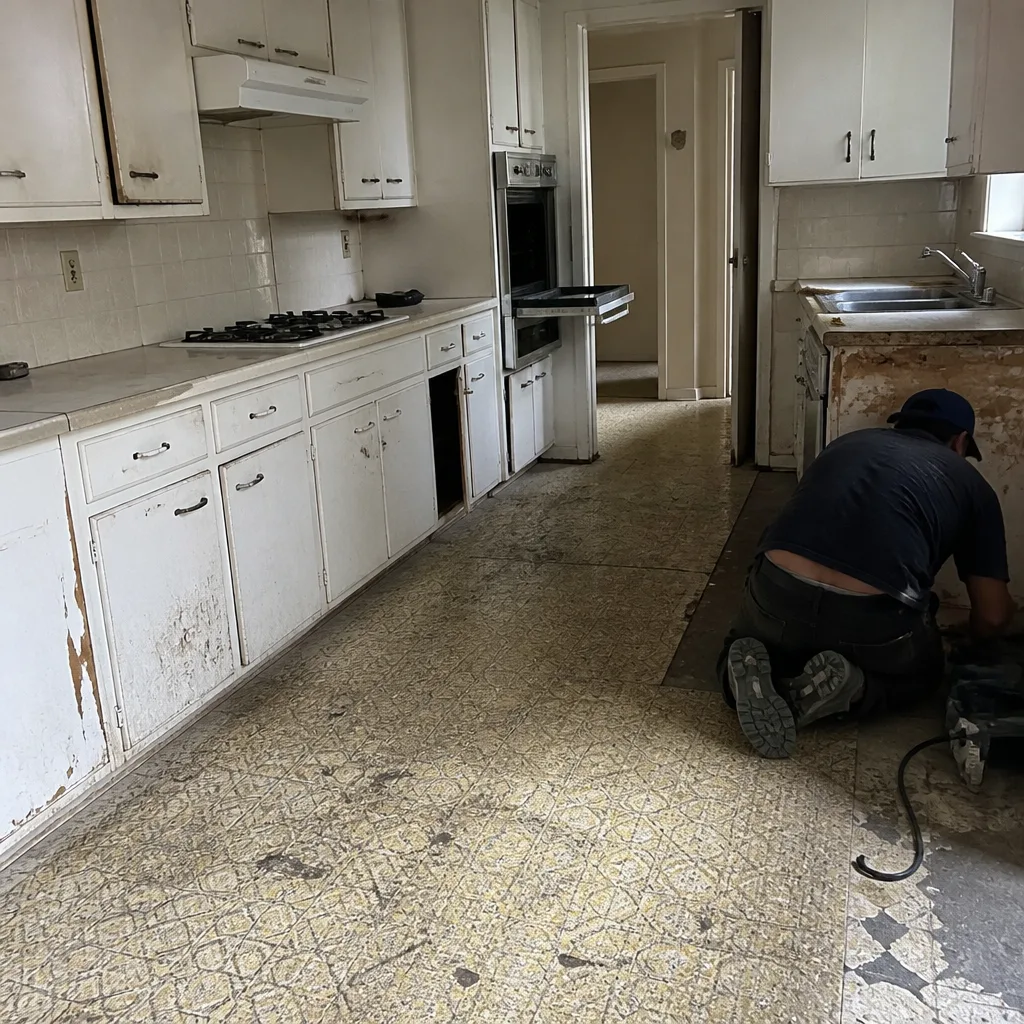 Before
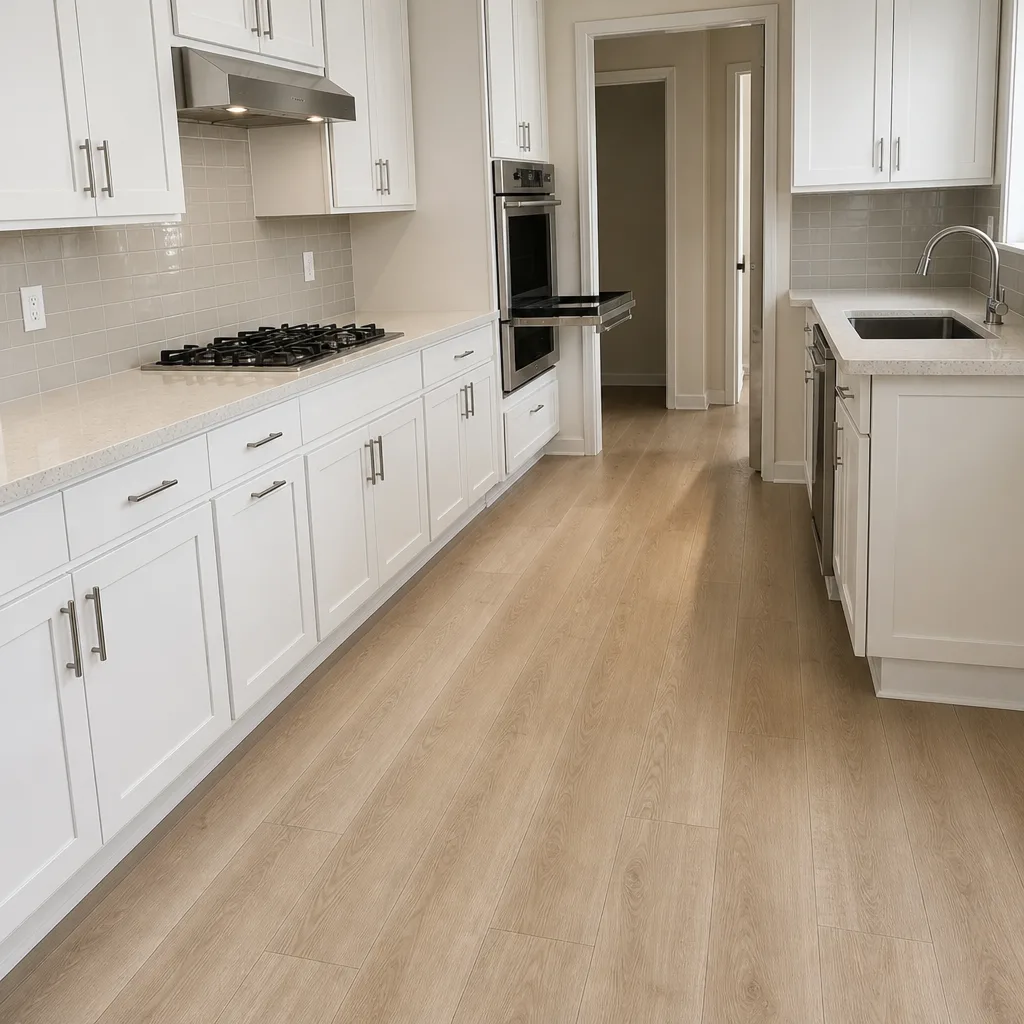 After
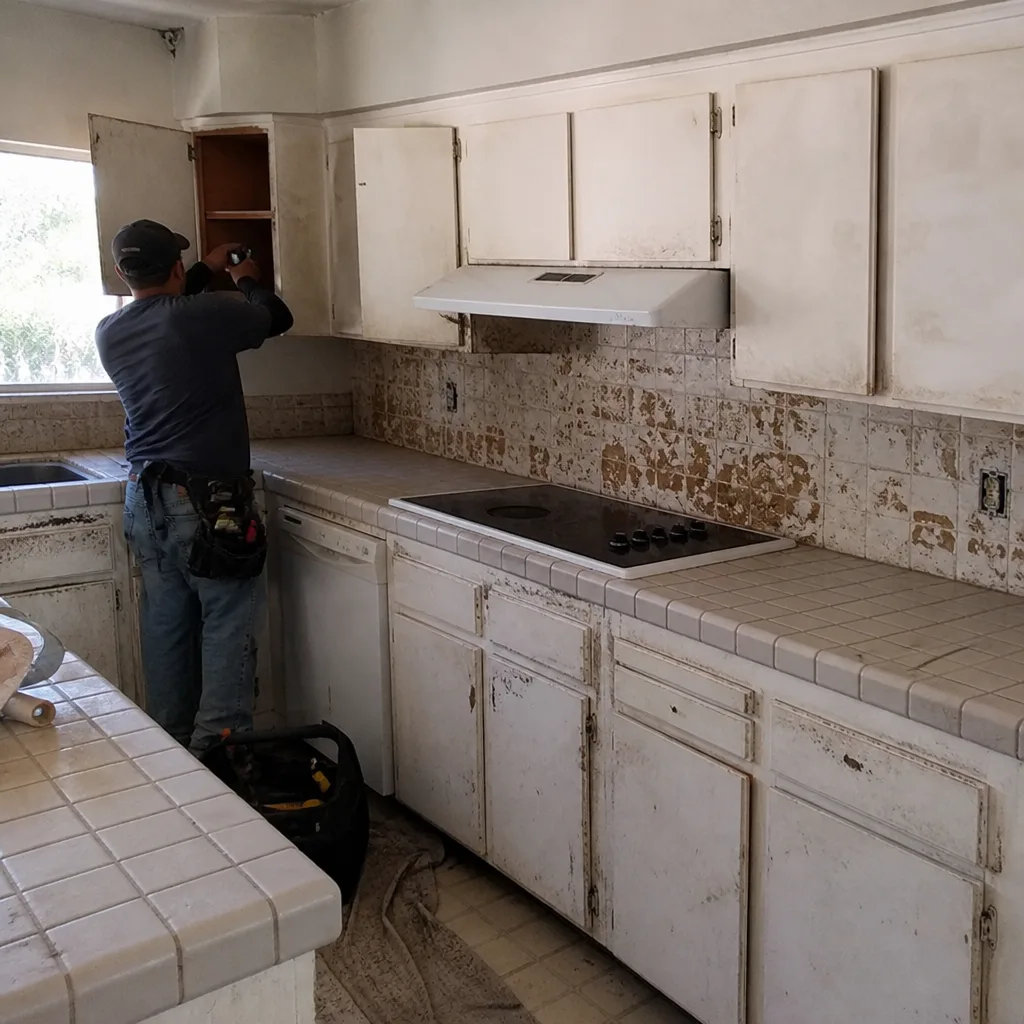 Before
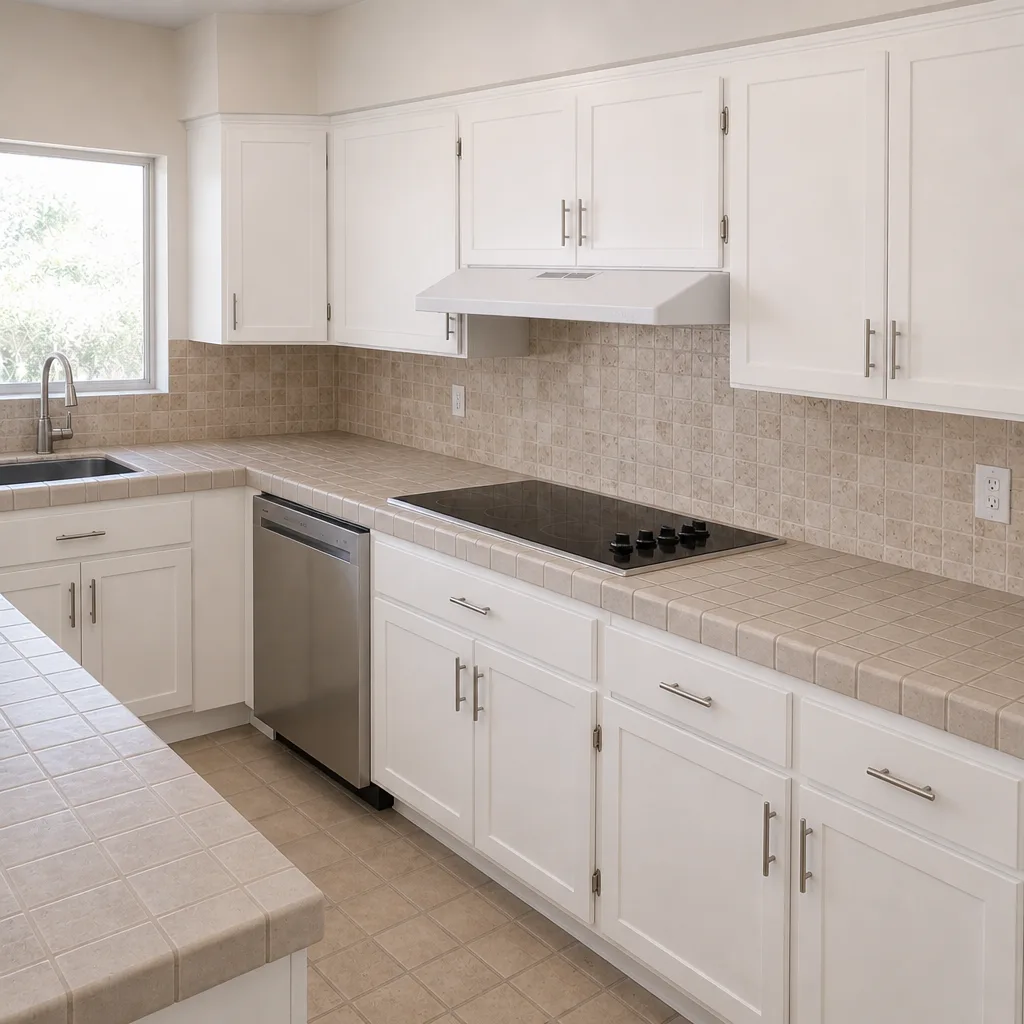 After
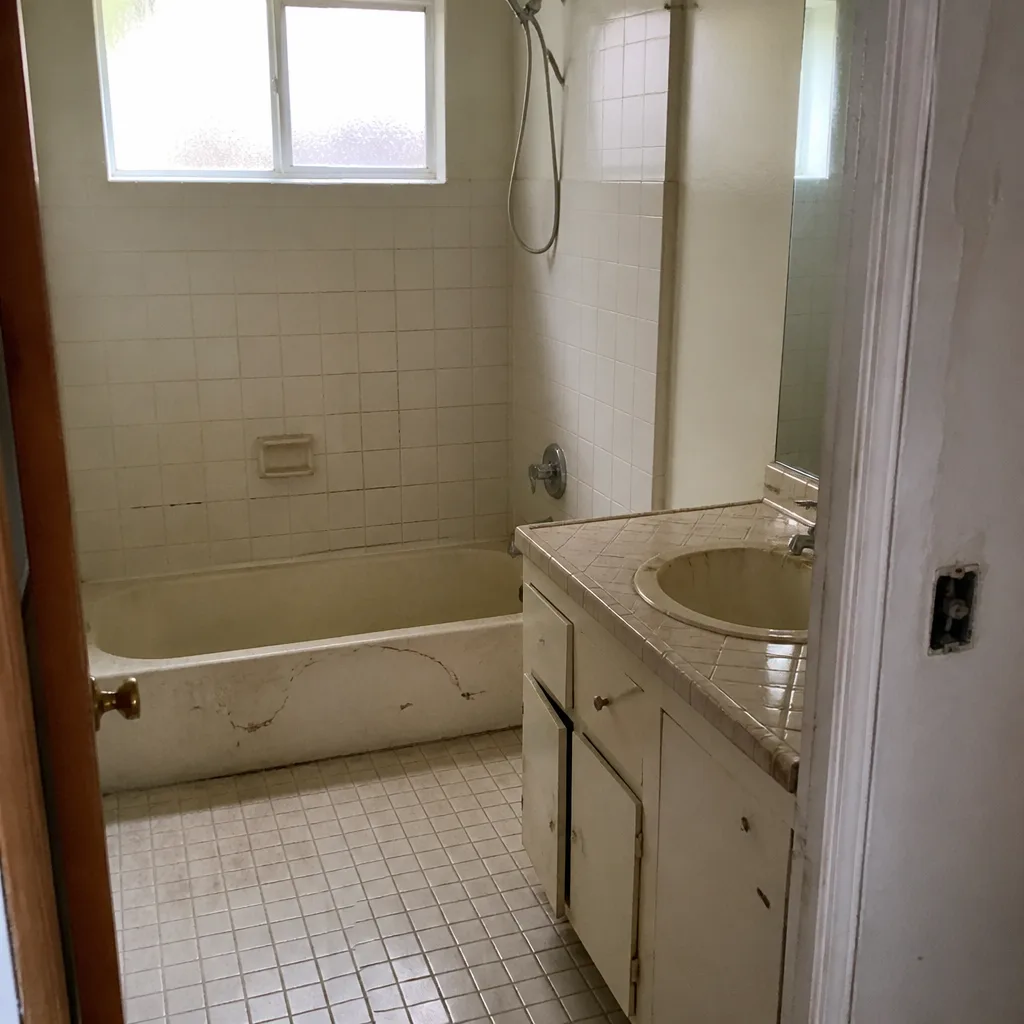 Before
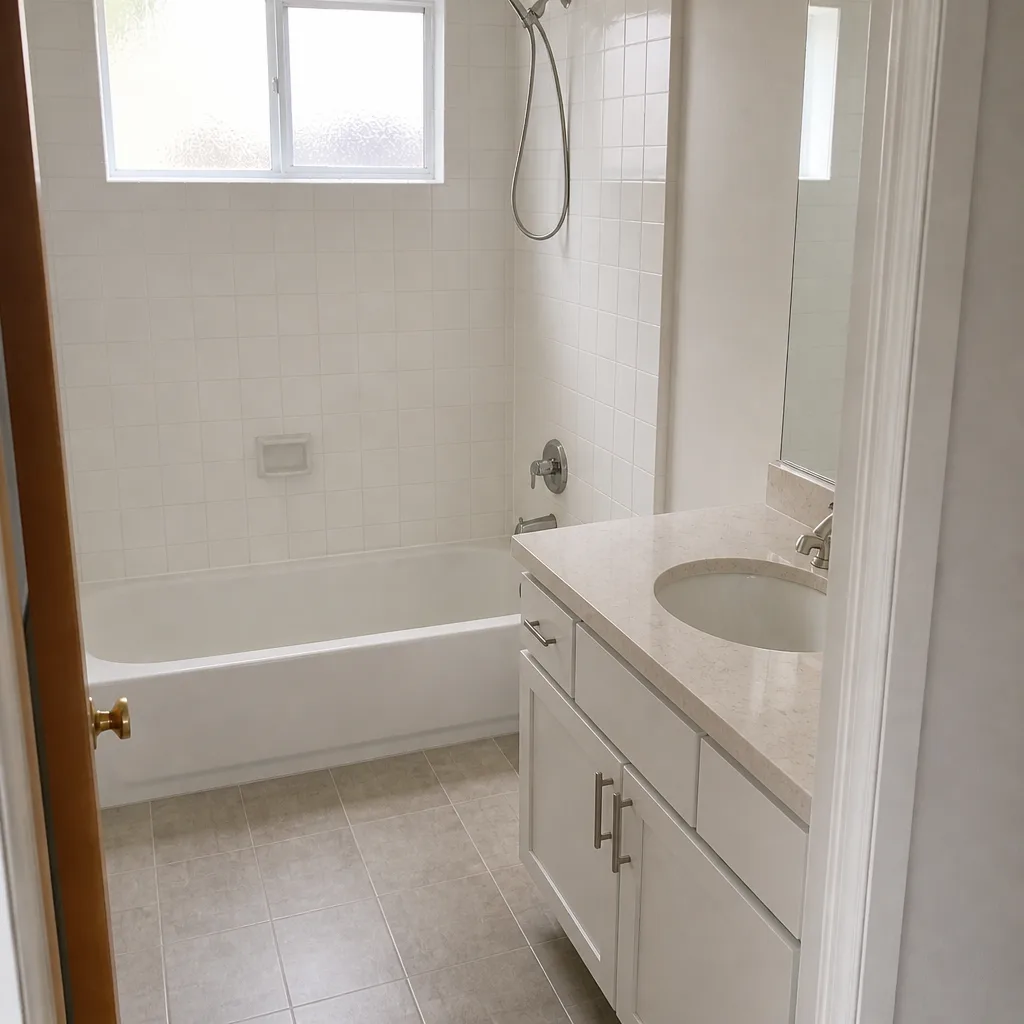 After
What Orange homes specifically do to this job
Orange’s build era and its historic preservation rules change how site prep and utilities get permitted and built here. In the Old Towne Historic District, the one-square-mile grid of 1880s – 1930s Craftsman, Victorian, and Spanish Colonial homes, even exterior work that touches a visible sightline can trigger design review, and utility trenches that disturb the front yard often draw materials-approval questions a contractor in neighboring Anaheim or Santa Ana would never face. Out toward 92867 and 92869, the 1960s – 70s ranch tracts sit on slab-on-grade with original shallow sewer laterals, so we plan for grinder pumps or reroutes more often on that side of Orange.
The climate shapes it too. Orange’s warm, semi-arid summers and Santa Ana wind events dry out and crack the ground, which is why compaction testing on backfill matters more here than in cooler coastal cities, and why dry-rot repair on old fence lines and stucco often shows up alongside the work. On the city’s eastern edges, defensible-space and ember-resistant material choices are increasingly part of the site conversation. Utility locates are the first step on every Orange job because the records on the oldest lots don’t always match what’s actually buried.
Serving Orange, CA – Our Local Coverage Area
We serve Orange and nearby communities. Use the map below to see the area we cover. If you’re nearby, we can almost certainly help.
Frequently asked – ADU Site Prep & Utilities in Orange
Expect four to eight weeks from clearing to finished utility stubs. The grading and trenching stages run the longest, and the rough-in inspection is the one step that can slip if the city schedule is backed up. Call (888) 578-4462 for a timeline built around your lot.
Yes. Grading, trenching, and rough utility work all require permits, and the rough-in inspection must pass before backfill. The ADU’s own building permit covers the unit, but the site and utility scope gets its own trade permits and inspections. We pull them and manage the sign-offs. Call to talk through what applies on your property.
Often, yes. If the ADU ties into existing stubs and there’s panel capacity, we can run new lines from the main without relocating anything inside. A panel upgrade or a service lateral replacement is the usual trigger for that extra scope. Call (888) 578-4462 for a site walk and we’ll tell you straight which side of that line you’re on.
The working range is $45,000 – $130,000. The low end fits a clean lot with gravity sewer and short utility runs; the high end covers longer runs, a grinder pump, separate meters, design review, and finished hardscape. Call for an exact quote; estimates are free.
Our workmanship is covered by the 730-Day Done Right Promise. If something we installed fails, we make it right. That covers trenching, backfill, compaction, and utility stub work, and the product warranties on pipe, conduit, and hardscape material pass through to you. Call (888) 578-4462 with questions about a specific item.
Get a free on-site estimate
We’ll walk your Orange lot, map the utility routes, and give you a written line-item estimate for ADU Site Prep & Utilities with no surprises. This is usually part of a full Home Additions & ADU in Orange project, and it connects back to our Home Additions & ADU service. Homeowners often pair the ADU plan with a Full Bathroom Remodeling in Orange in the main house. We also cover Orange and the surrounding areas. Call (888) 578-4462, or let us know when you’re ready and we’ll set a time.
Written by the team at Groundwork Construction Co.