
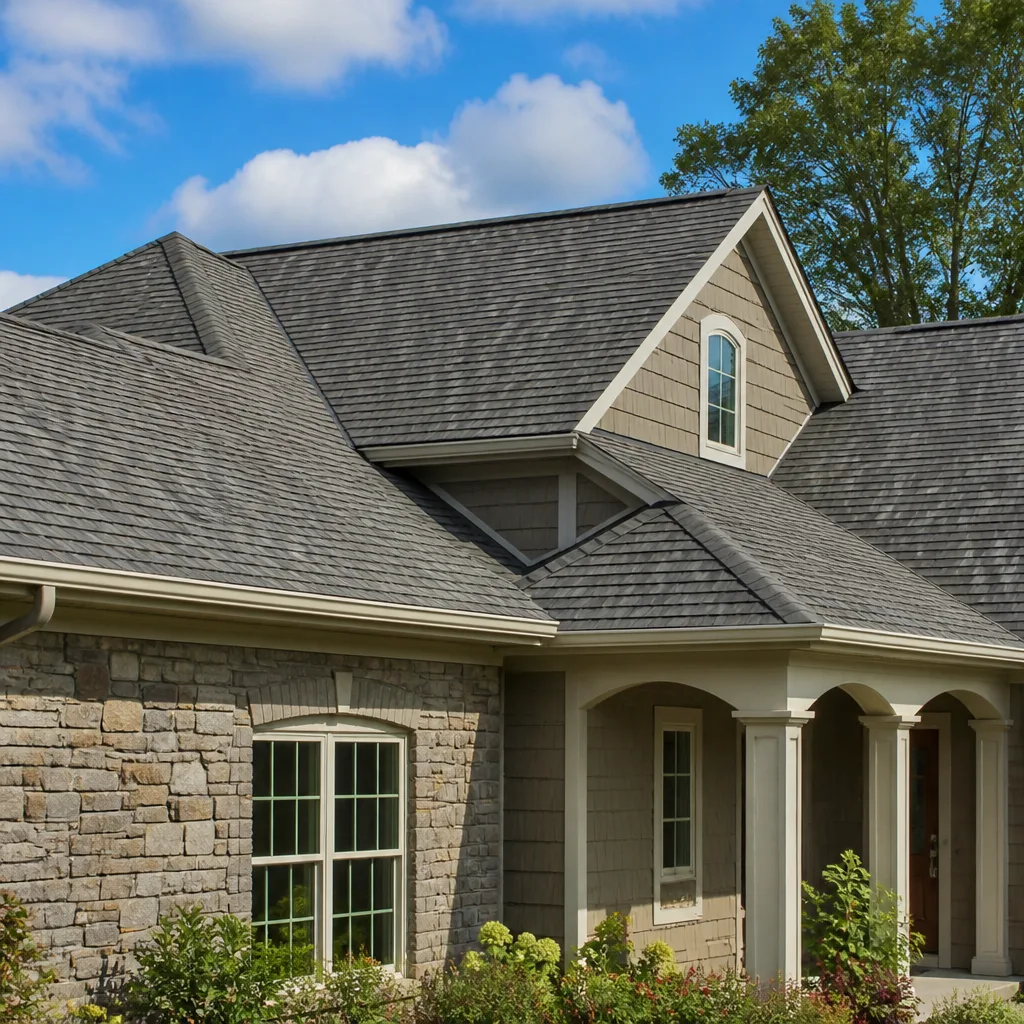
 Roofing
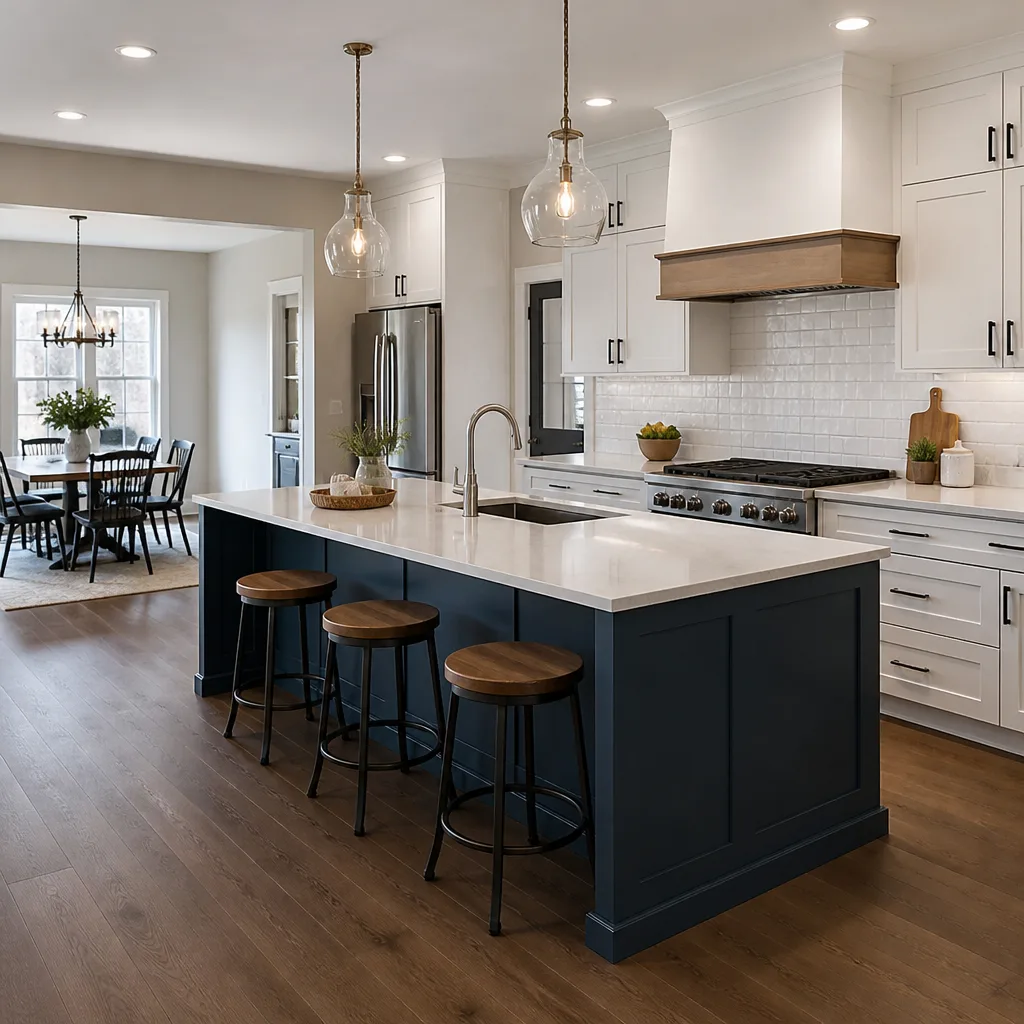 Kitchen remodeling
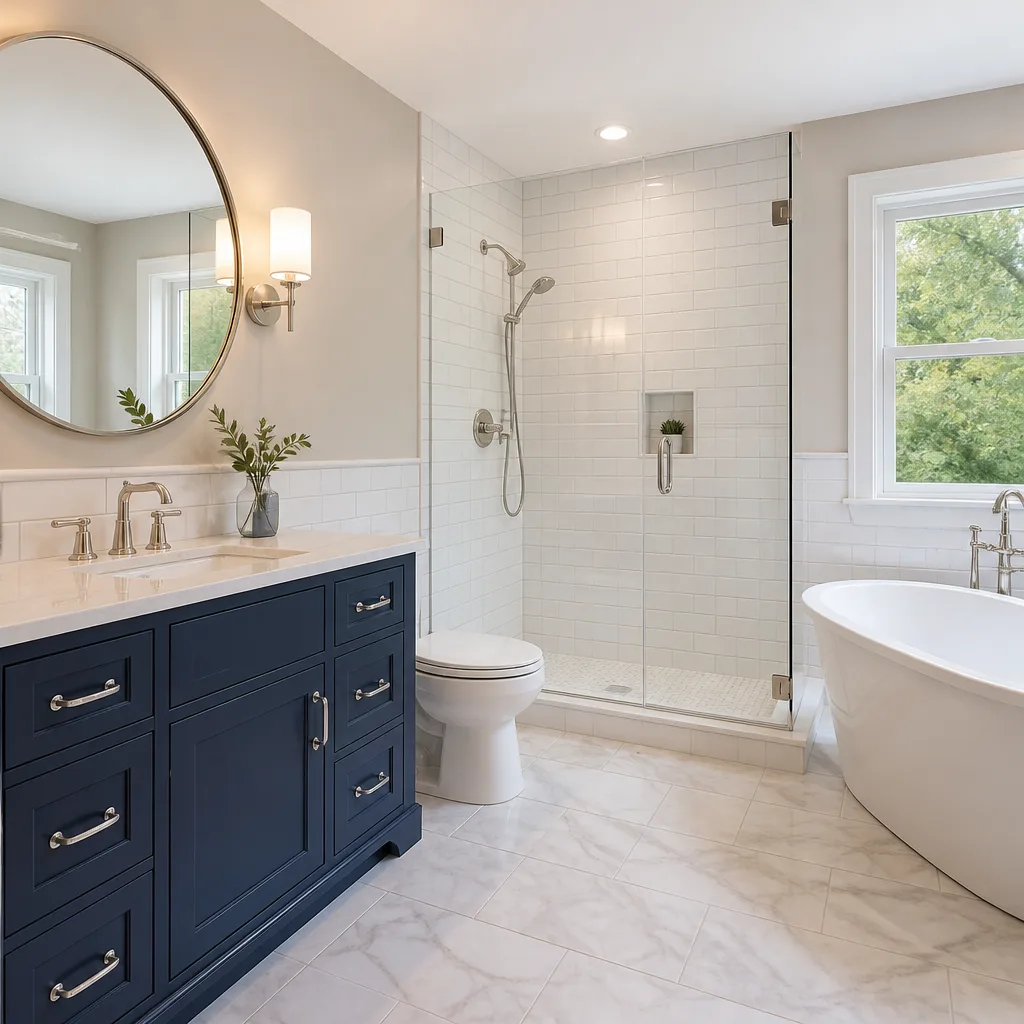 Bathroom remodeling
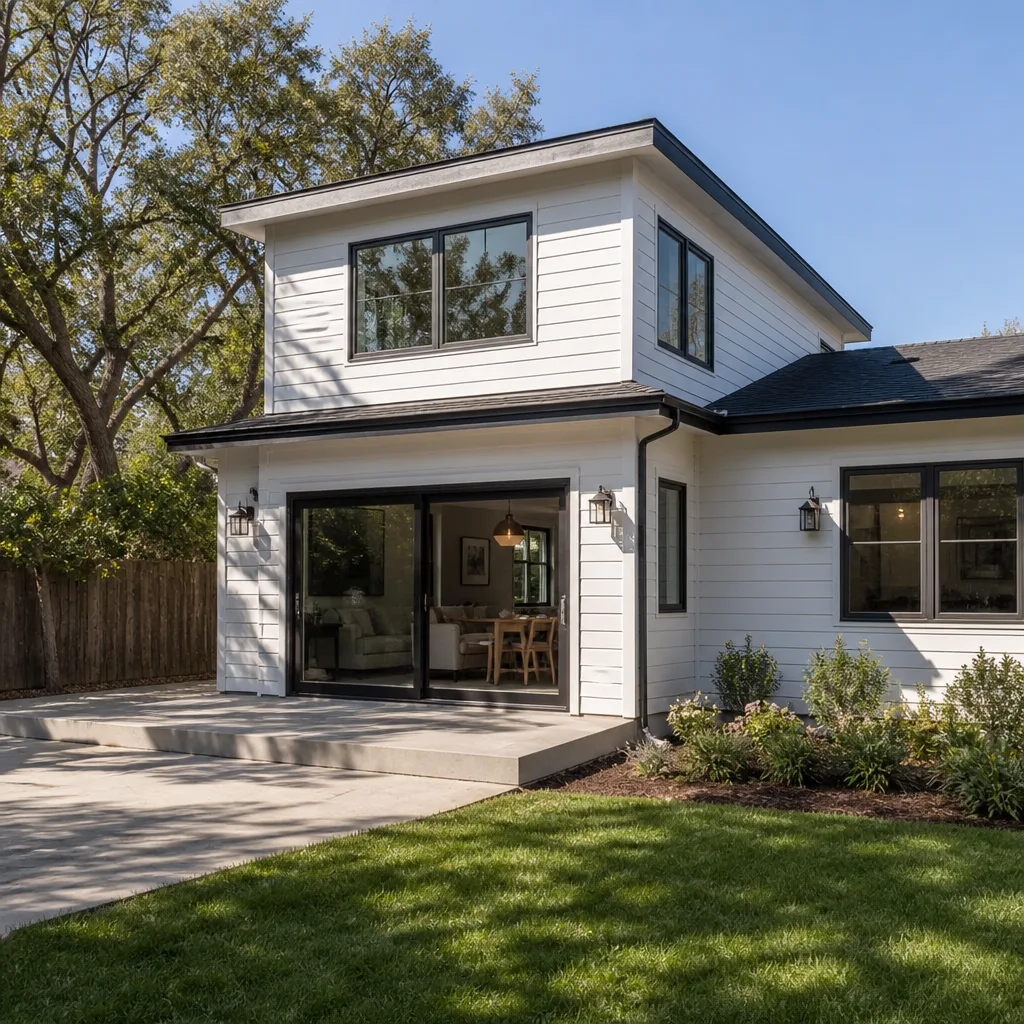 Home additions & ADU
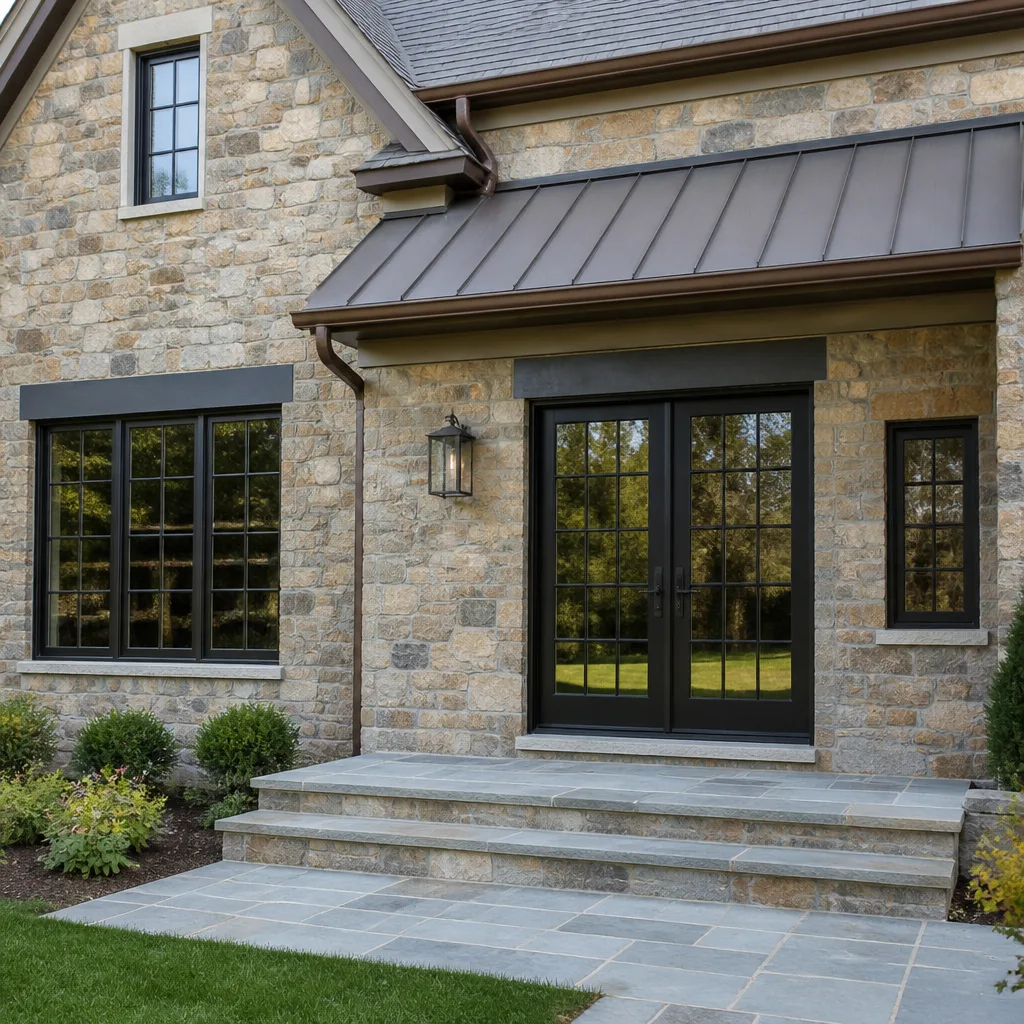 Windows & doors
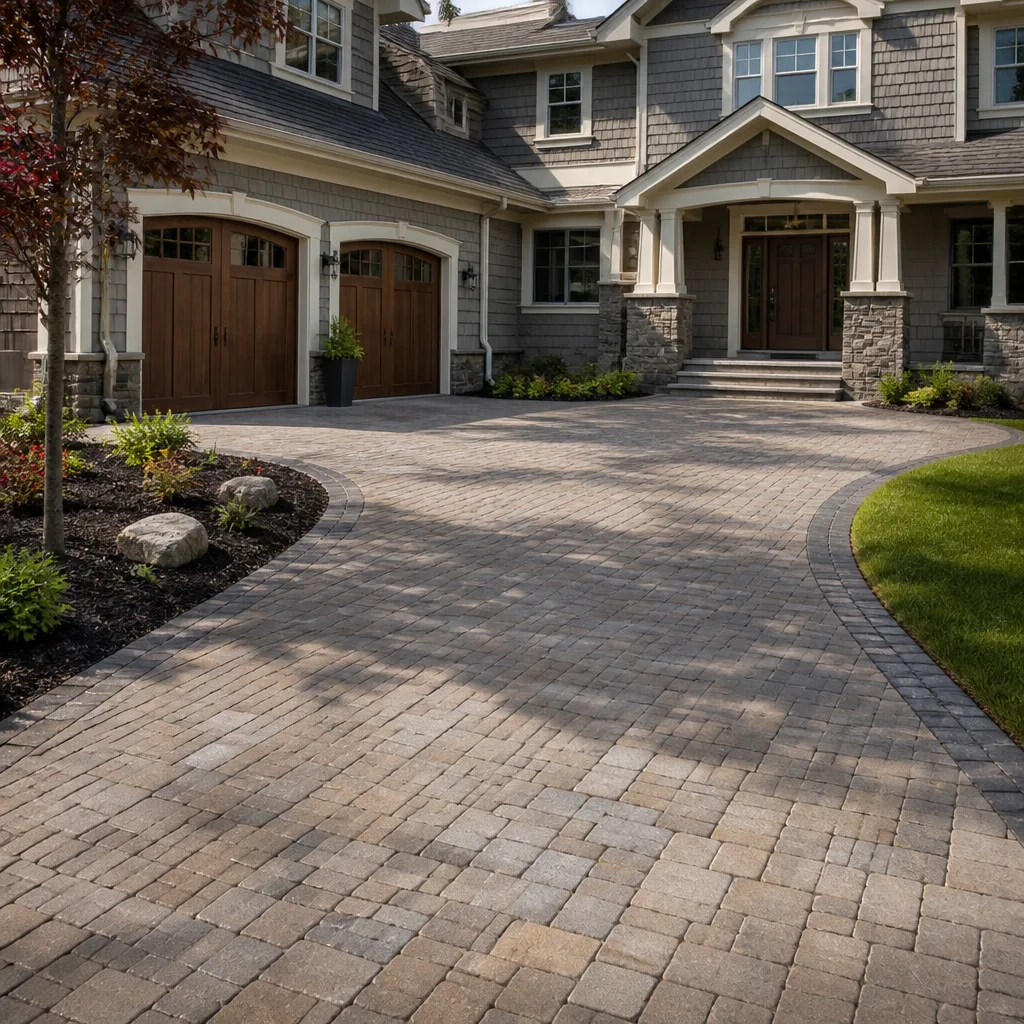 Driveway & pavers
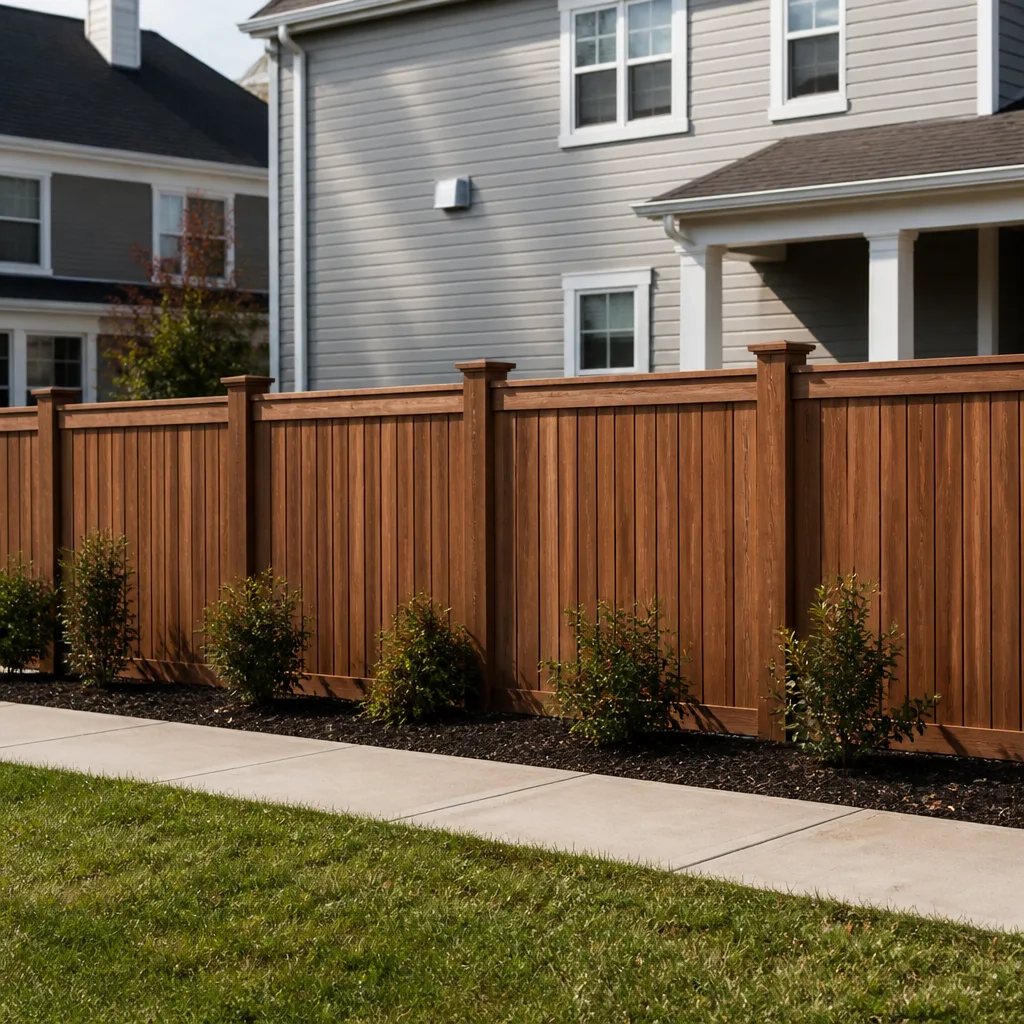 Fence
Free written scope consultation - allowances, timeline, and change-order rules on paper before a single trade is scheduled
Quikrete Roofing: The Irvine Owner’s Guide
Quikrete roofing products are cement-based materials – typically rapid-setting patching compounds, roof coatings and mortar mixes – and installed repair work using them in Irvine runs $400 – $1,800 for most residential roof repair jobs, with full replacement running $8,000 – $20,000 when the failure has spread. We install and repair Quikrete-compatible roofing, pull the right materials for your specific Quikrete product, and quote upfront before anyone touches your roof.
Owners usually find out something’s wrong the same way: a brown stain spreading across a bedroom ceiling after the first real rain, granules or crumbled patching material in the gutter, or a hairline crack in a Quikrete patch that was supposed to be the permanent fix. Irvine’s dry summer-to-wet winter swing is hard on cement-based roof products, and a patch that looked solid in July often tells the truth in January.
Which Quikrete Models This Applies To
Quikrete’s roof-relevant line runs wider than most owners realize. The products we see most on Irvine roofs are the rapid-setting cement products (Quikrete FastSet and the Rapid Road Repair family), the polymer-modified patching mixes, and the acrylic and elastomeric roof coatings sold under the Quikrete name at big-box supply. Each behaves differently on a California roof, and each has its own compatibility limits.
To identify what you’re working with, read the bag or pail label: you need the product name, the mix number (Quikrete prints a number like 1241 or 1004 on the bag), and the volume. If the bag is gone, measure the patched area and note the roof substrate – asphalt shingle, built-up, tile, or concrete. The substrate is the compatibility gotcha that trips people up: cement-based Quikrete products bond well to concrete and masonry tile, but adhesion to aged asphalt shingle and to some single-ply membranes is where failures start. Match the product to the substrate, not just to the hole.
On the OEM-versus-aftermarket question, Quikrete is itself the accessible option – the decision here isn’t brand, it’s chemistry. A polymer-modified patching mix holds longer on a moving roof than a plain cement mix, and an elastomeric coating flexes where a rigid patch cracks. We spec the product to the roof, not to what’s cheapest on the shelf.
Groundwork Construction Co. of Irvine is an independent service provider and is not affiliated with Quikrete.
Styles & brands we work with
- Kitchen remodeling
- Bathroom remodeling
- Home additions & ADU
- Roofing
- Windows & doors
- Driveway & pavers
- Fence
Signs Your Quikrete Roofing Is Failing
Here’s what a failing Quikrete roof patch or coating looks like, and why:
- Hairline cracks across the patch. Rigid cement-based product can’t move with the roof deck as it expands in Irvine’s summer heat and contracts in the cool nights, so it cracks at the bond line. Once water gets behind the patch, freeze-thaw isn’t the issue here – it’s capillary action pulling moisture under the edge.
- Chalky, powdery surface on the coating. Acrylic and elastomeric roof coatings degrade under UV, and Irvine gets a lot of it. A coating that wipes off on your hand as white dust is at the end of its service life.
- Peeling or curling at the edges. This means the product never bonded to the substrate properly, usually because the surface was dusty, damp, or the wrong material for the roof type. Adhesion failure is the single most common cause we find.
- Water staining on the ceiling or attic decking. The roof membrane has already failed somewhere and the Quikrete patch masked it. Staining means water is moving, and it has found a path.
- Granules or crumbled material in the gutter and downspouts. Cement-based product breaking down sheds grit, and that grit collects and clogs. Clogged gutters then back water up under the roof edge, which accelerates the next failure.
Replacement Cost & What’s Included
In Irvine, repairing a failed Quikrete roof patch or coating typically runs $400 – $1,800. That range covers removing the failed material, prepping and priming the substrate, applying the correct Quikrete-compatible product for your roof type, and sealing the repair. Small isolated patches land near the bottom; larger areas, difficult roof access, or a repair that uncovers a second problem push toward the top.
When the failure has spread beyond a patch – widespread coating breakdown, multiple leaks, or compromised flashing – a full roof replacement in Irvine runs $8,000 – $20,000. Tile roof repair specifically runs $600 – $2,500, since tile needs careful handling and matching.
What drives the range: roof pitch and access, the number of leak points, whether the substrate needs full removal or just prep, and material choice. You get an upfront written quote with parts and labor itemized – the number you see is the number you pay. All work is covered by our 730-Day Done Right Promise: if it’s not done right, we make it right.
See the difference
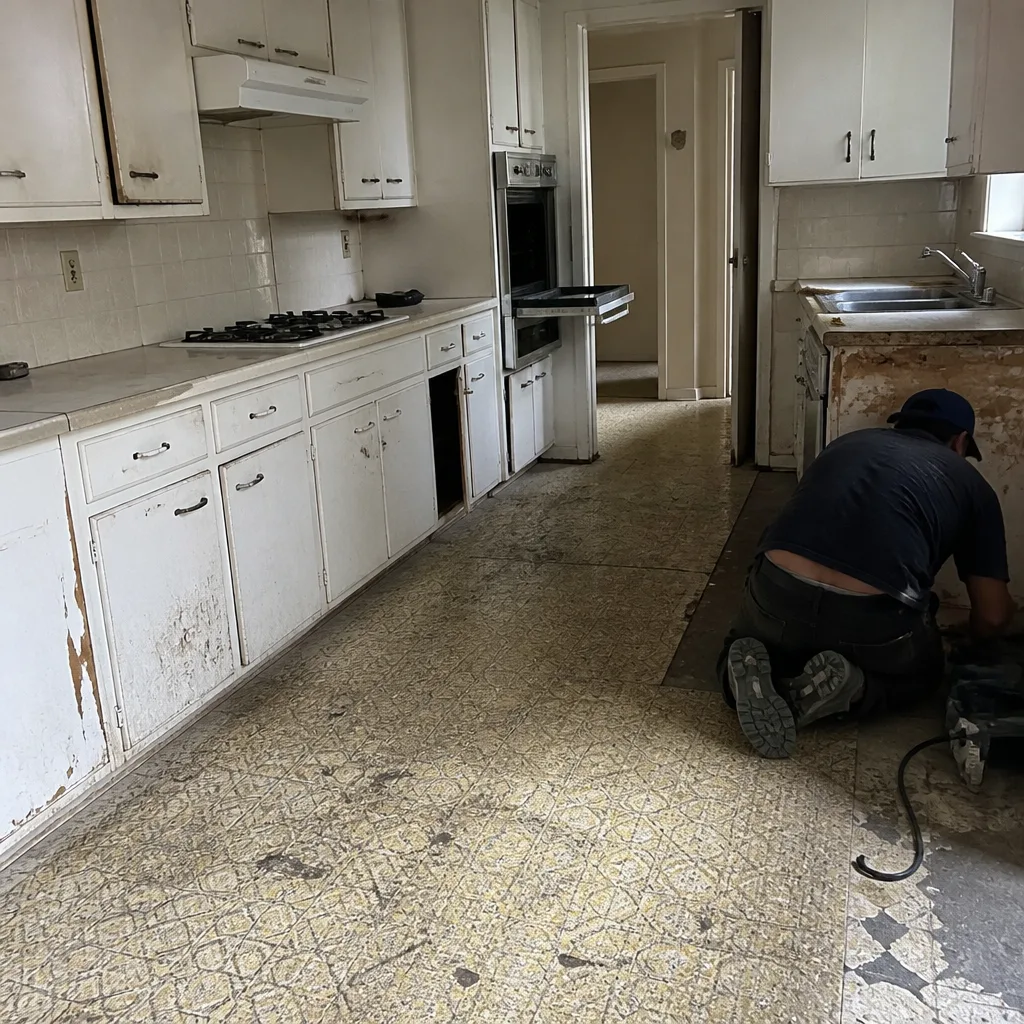 Before
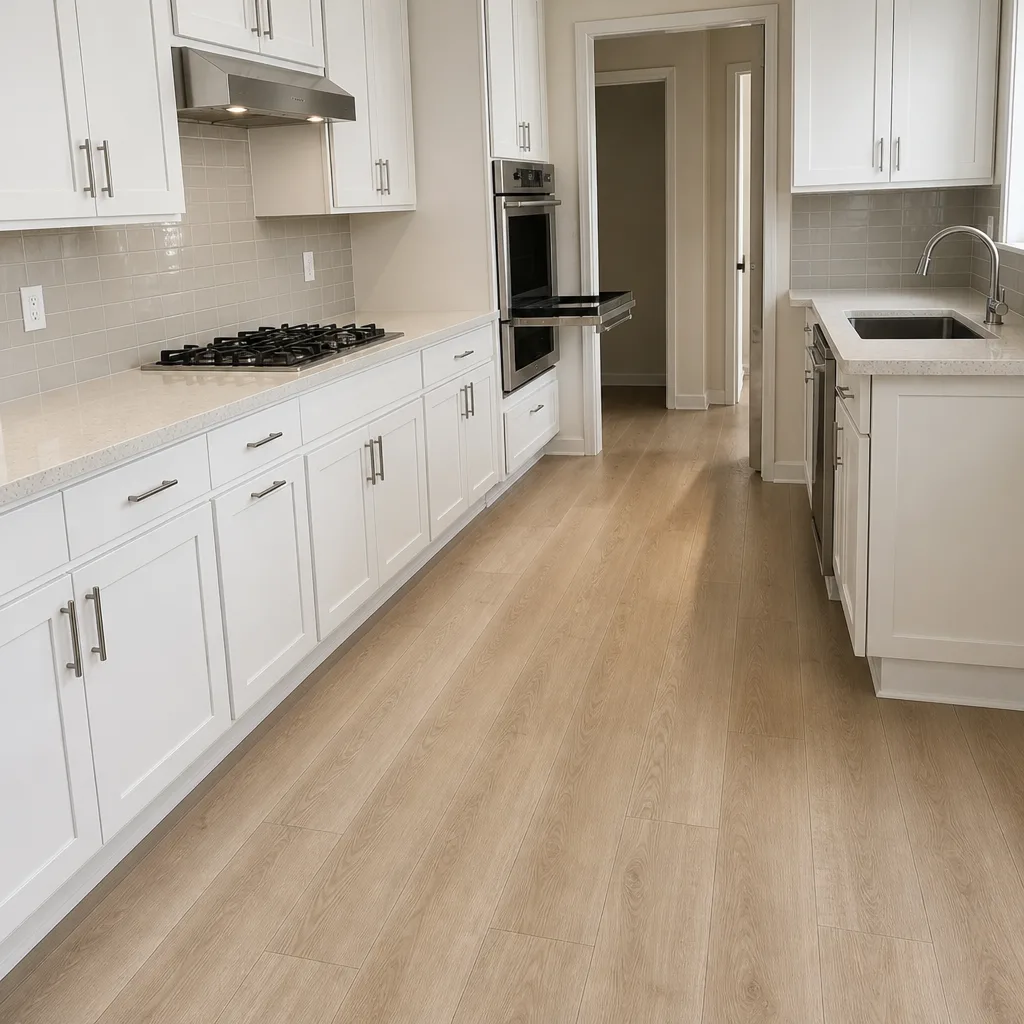 After
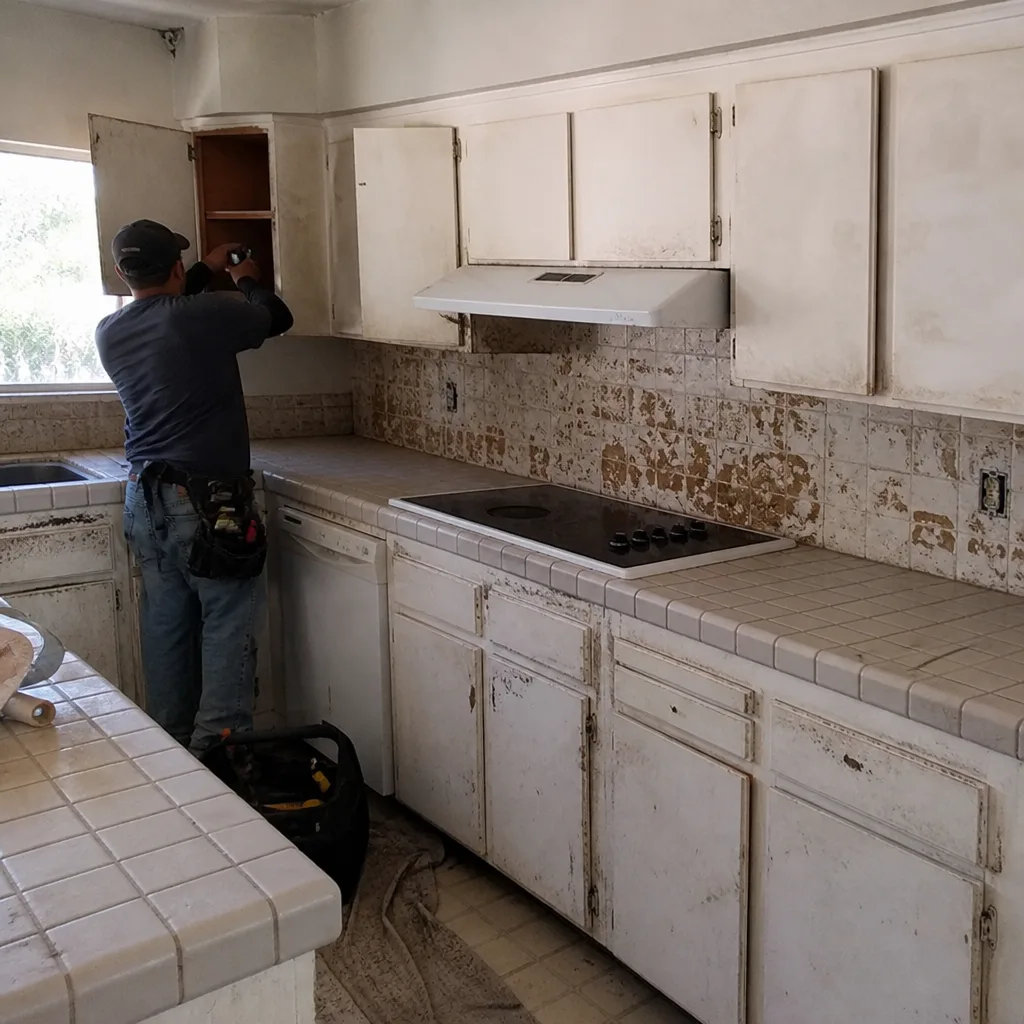 Before
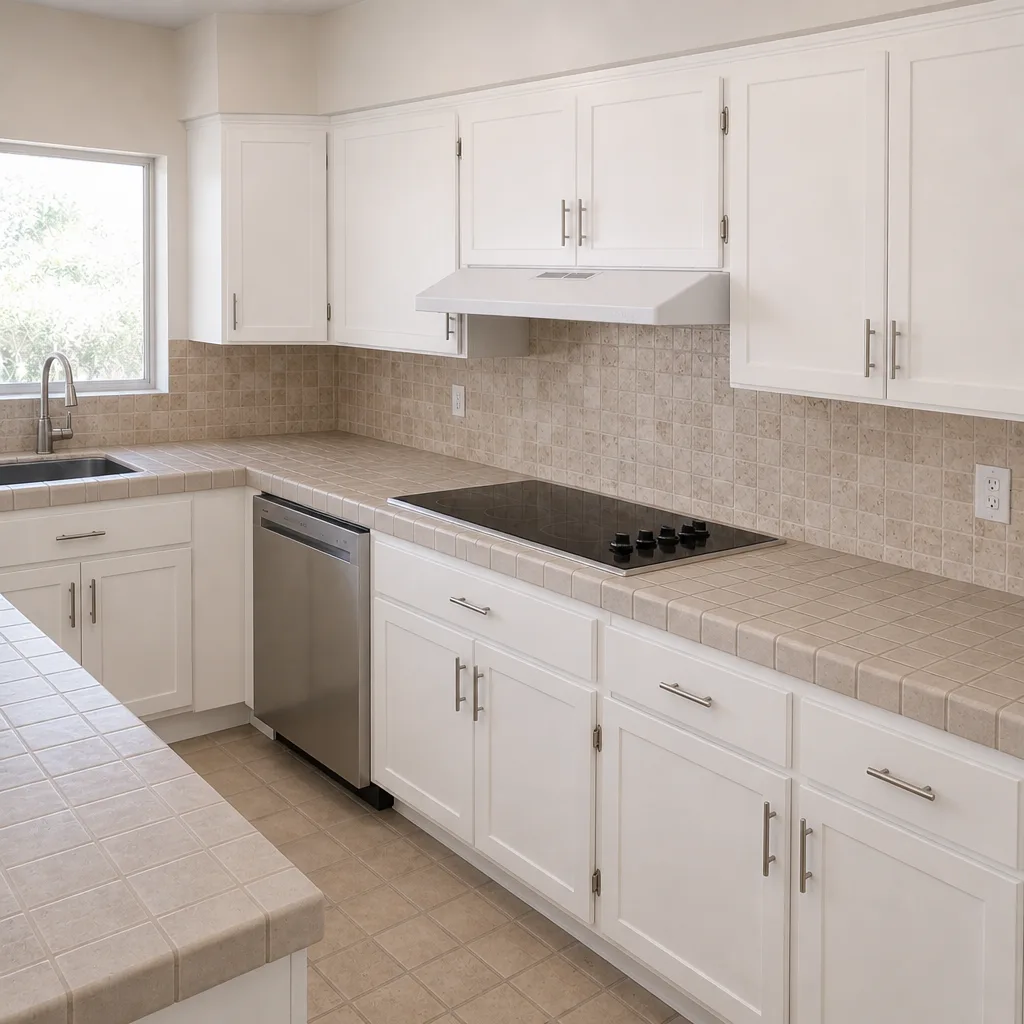 After
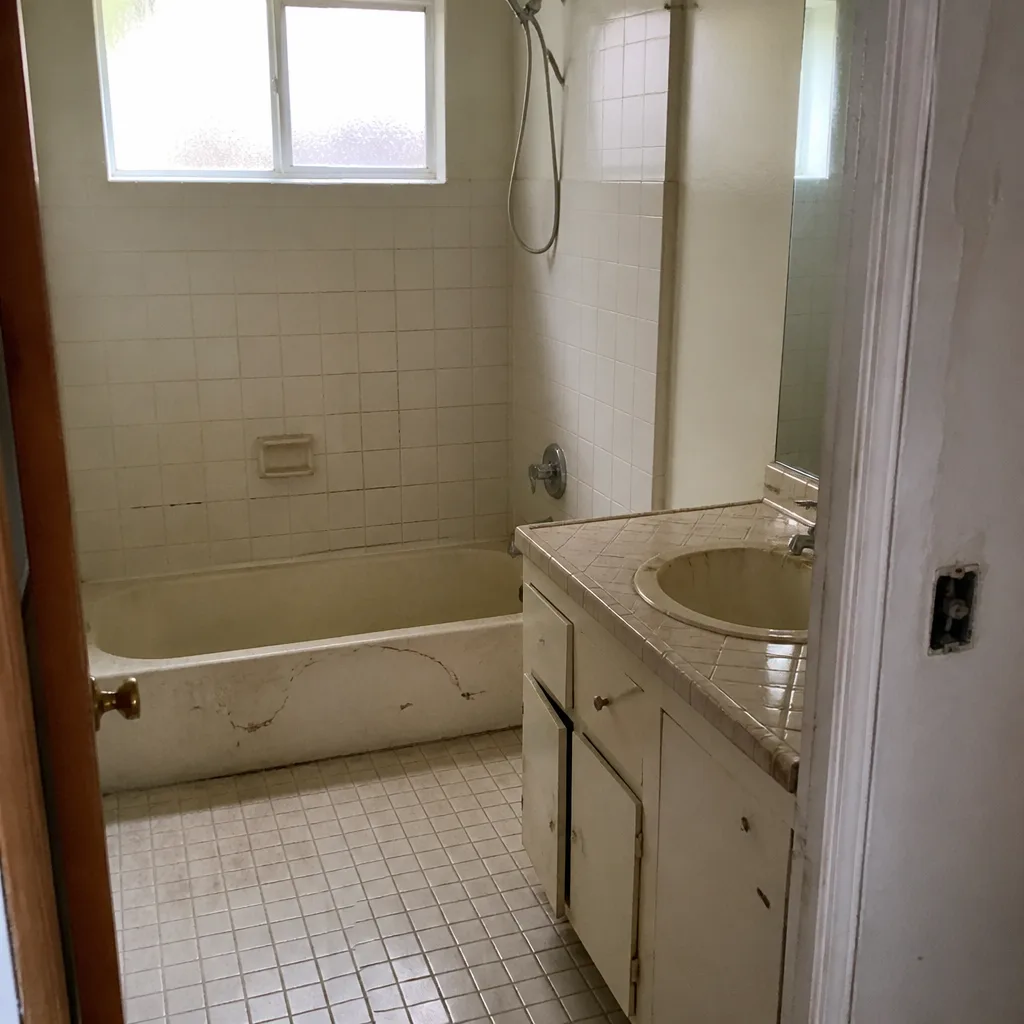 Before
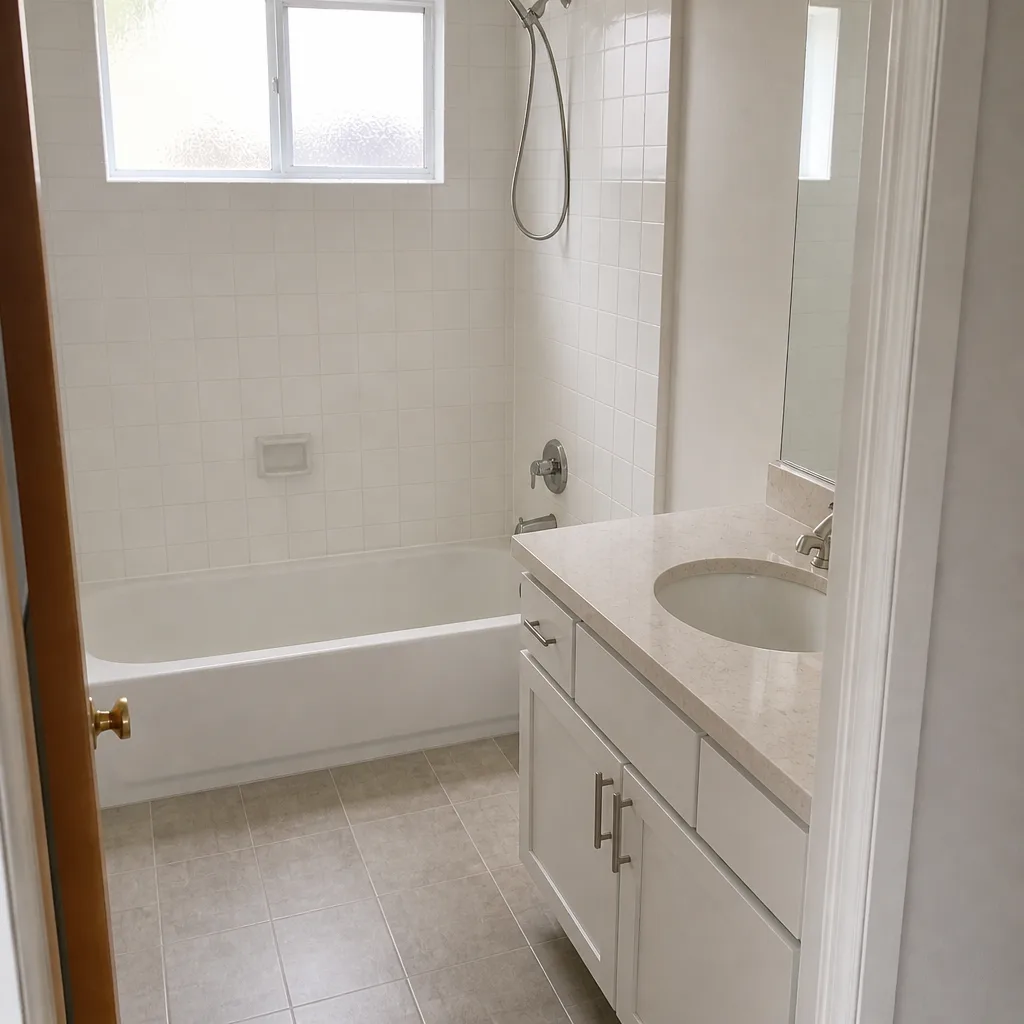 After
DIY or Call Us?
Some of this you can safely check yourself. From the ground with binoculars, look for cracked or peeling patches, chalky coating, and dark streaks. In the attic on a dry day, look for water staining on the decking and rafters. Keep both feet on the ladder and stay off the roof.
Where DIY goes wrong: roof work means height, and a fall from a two-story Irvine roof is a serious injury. Beyond the safety piece, most failed Quikrete patches fail because the wrong product went on the wrong substrate, or the surface wasn’t prepped – so the homeowner repeats the same mistake the last person made. Diagnosing the real leak source is the hard part, and it’s rarely where the stain shows on the ceiling. That’s a trained eye looking at the whole roof.
Our technicians have up to 12 years of experience on exactly this kind of work. Call (888) 578-4462 – a live person answers, 24/7, and estimates are free.
FAQs
A properly applied polymer-modified Quikrete patch on the right substrate typically lasts 5 – 10 years before it needs attention; a plain cement patch on a moving roof can crack within a single season. Irvine’s UV load and dry-wet cycle shorten that. Call (888) 578-4462 for an exact assessment – estimates are free.
Yes, in most cases – if the failure is isolated to the patch or coating and the underlying roof membrane is sound, a repair in the $400 – $1,800 range solves it. If leaks have spread or the decking is compromised, replacement is the honest answer. We’ll tell you which one you’re looking at.
Most Quikrete-compatible patch and coating repairs are completed in a single visit, typically a few hours depending on roof access and area. Larger or multi-leak jobs may need a second visit for prep and cure. Call (888) 578-4462 and we’ll give you a realistic window up front.
We match the product to your roof substrate and the failure type – not to whatever’s on sale. We read your existing label or assess the roof directly, then spec the polymer-modified patch or coating that will actually hold on your specific roof type in Irvine. You’ll see it itemized in your written quote.
If you’re weighing roof materials alongside your repair, we also work with KraftMaid, Cambria, and Silestone on the interior side of whole-home projects.
Get Your Free Estimate
Whether you’re staring at a cracked patch or a ceiling stain that won’t quit, the fastest way to a straight answer is a call. Reach Groundwork Construction Co. of Irvine at (888) 578-4462 for a free estimate – live person, 24/7, upfront pricing with no surprises, and the 730-Day Done Right Promise behind the work. From foundation to finish line, we’re built to last and backed in writing.
Written by the team at Groundwork Construction Co. of Irvine, serving Irvine and nearby areas.