
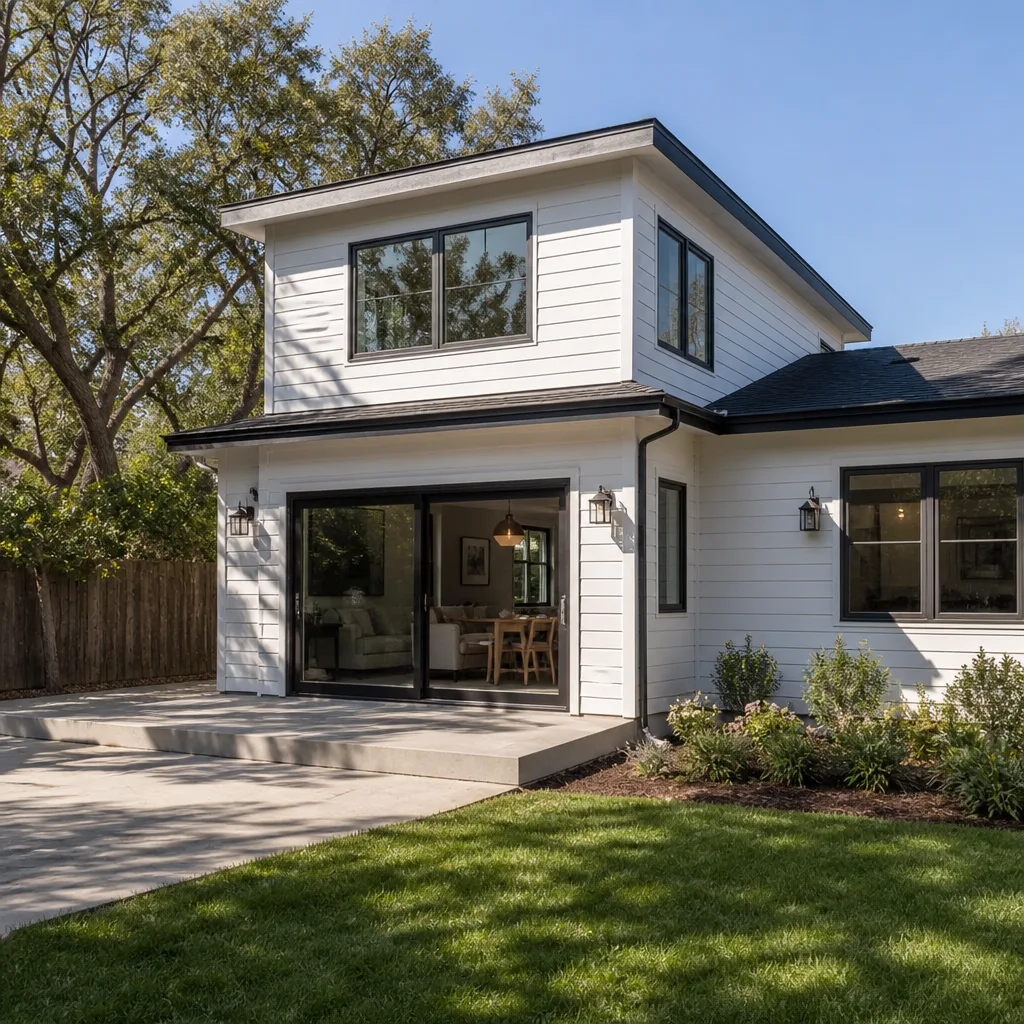
 Home additions & ADU
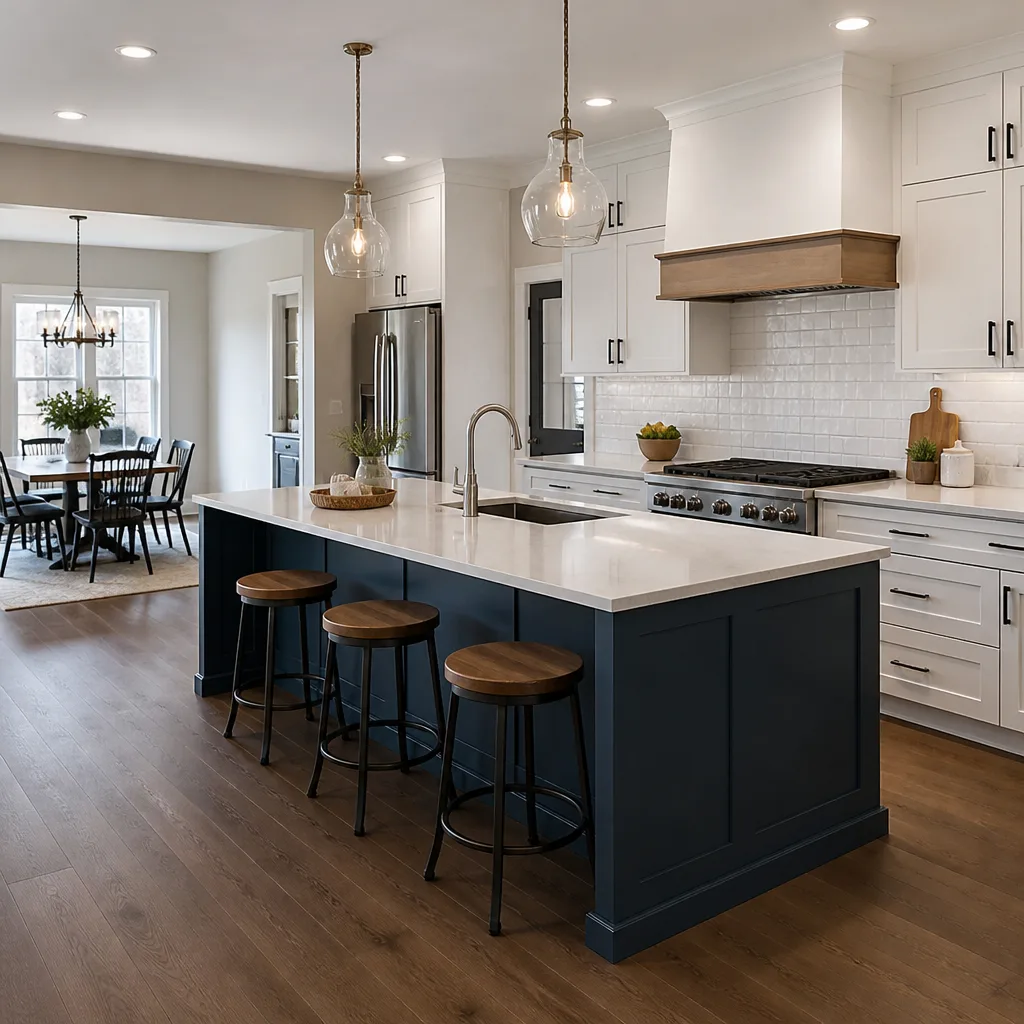 Kitchen remodeling
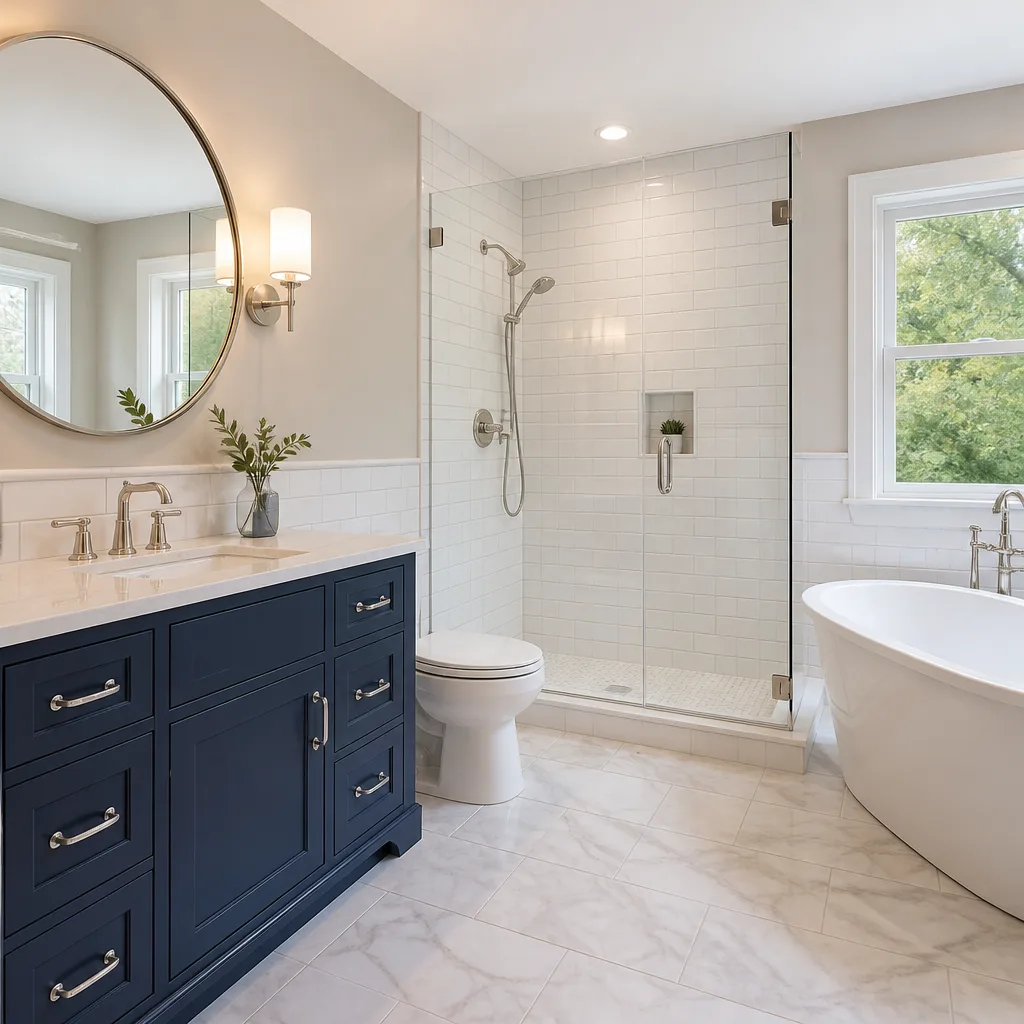 Bathroom remodeling
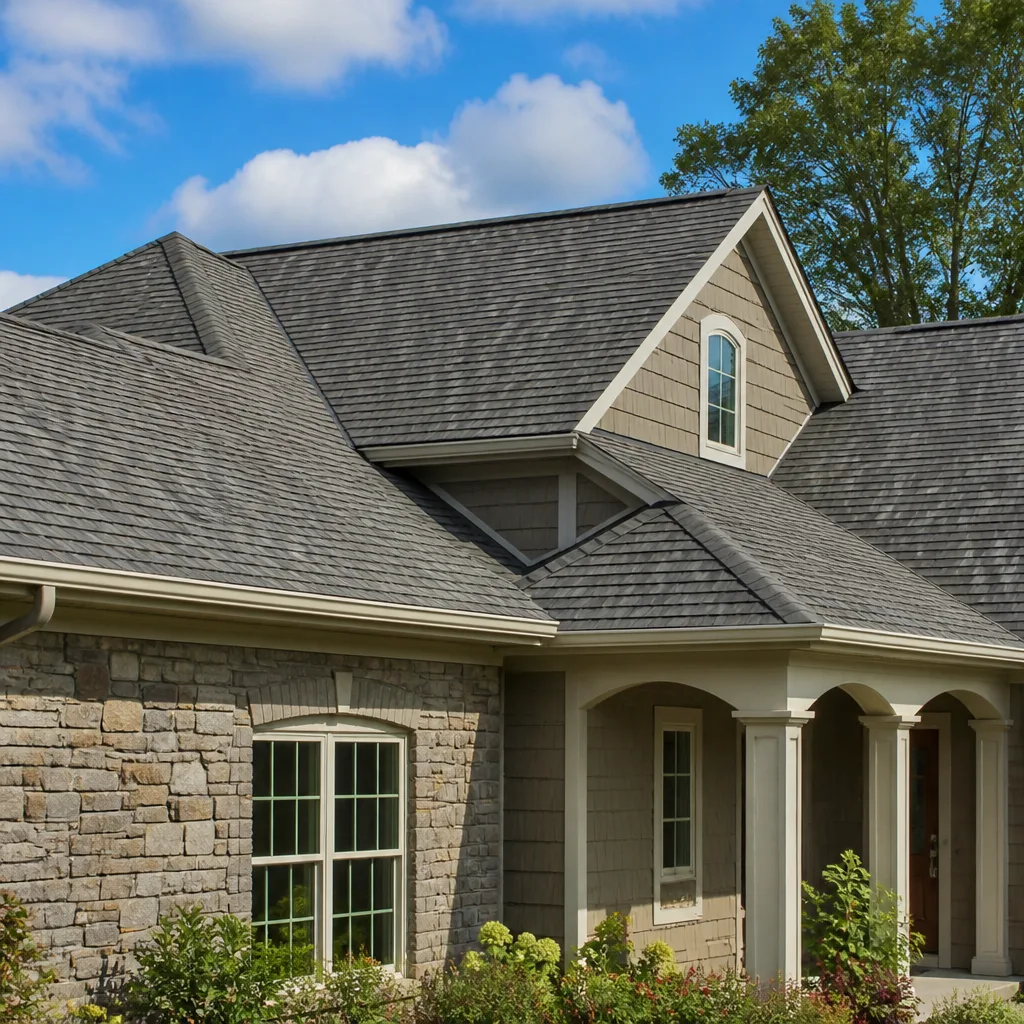 Roofing
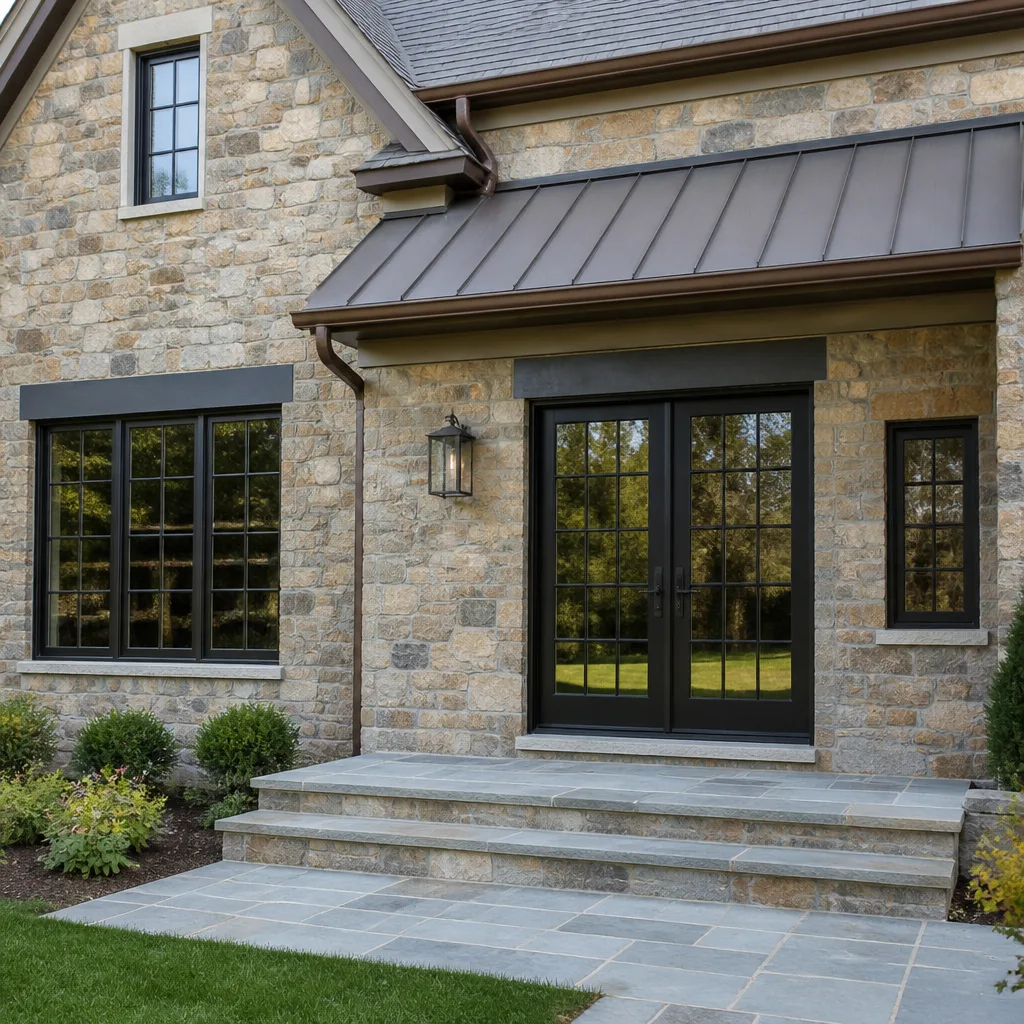 Windows & doors
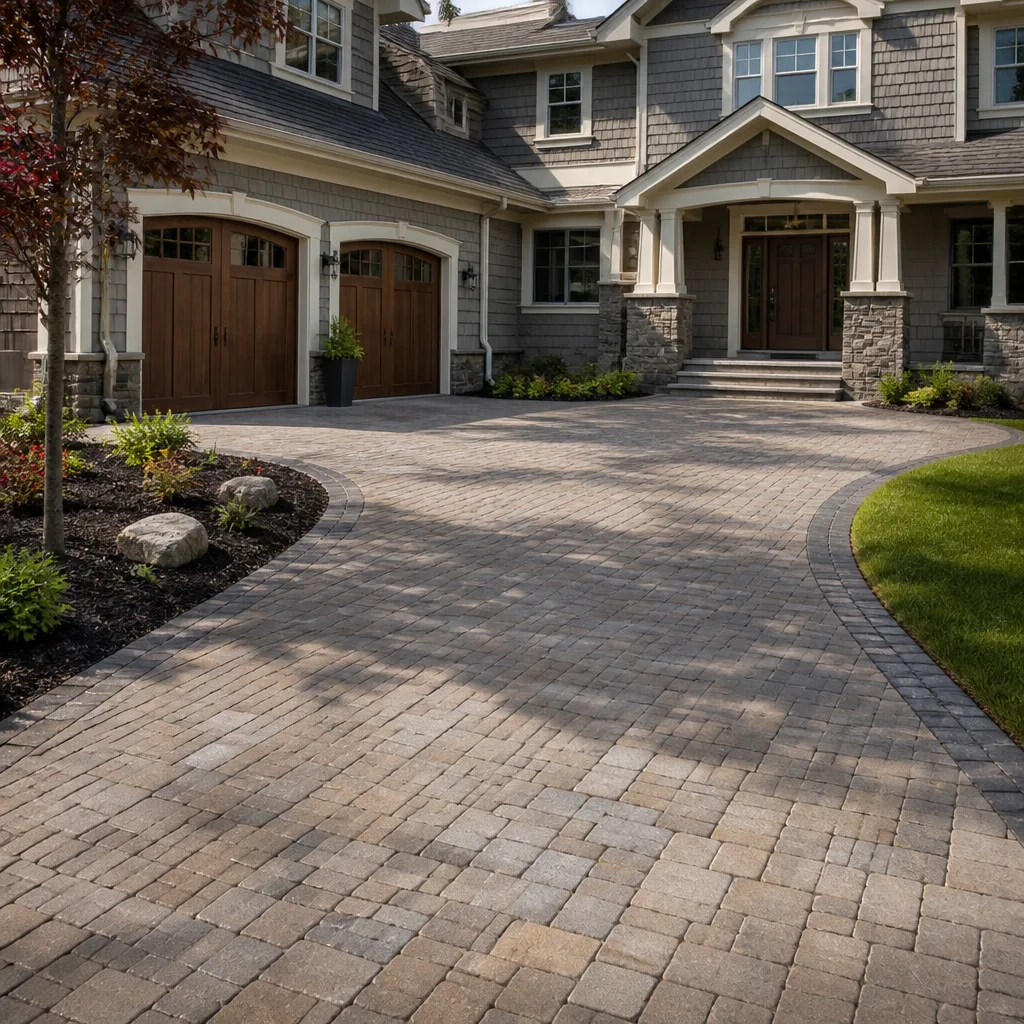 Driveway & pavers
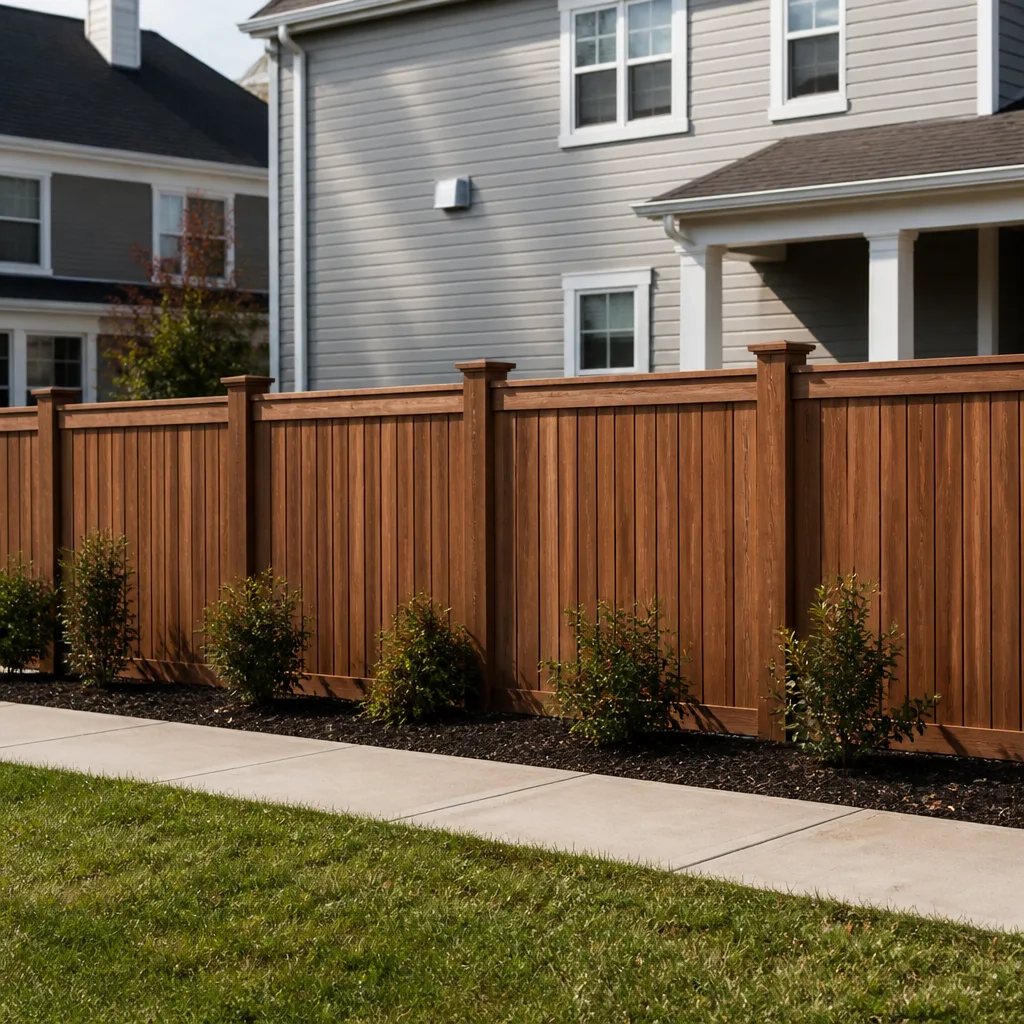 Fence
Free written scope consultation - allowances, timeline, and change-order rules on paper before a single trade is scheduled
Styles & brands we work with
- Kitchen remodeling
- Bathroom remodeling
- Home additions & ADU
- Roofing
- Windows & doors
- Driveway & pavers
- Fence
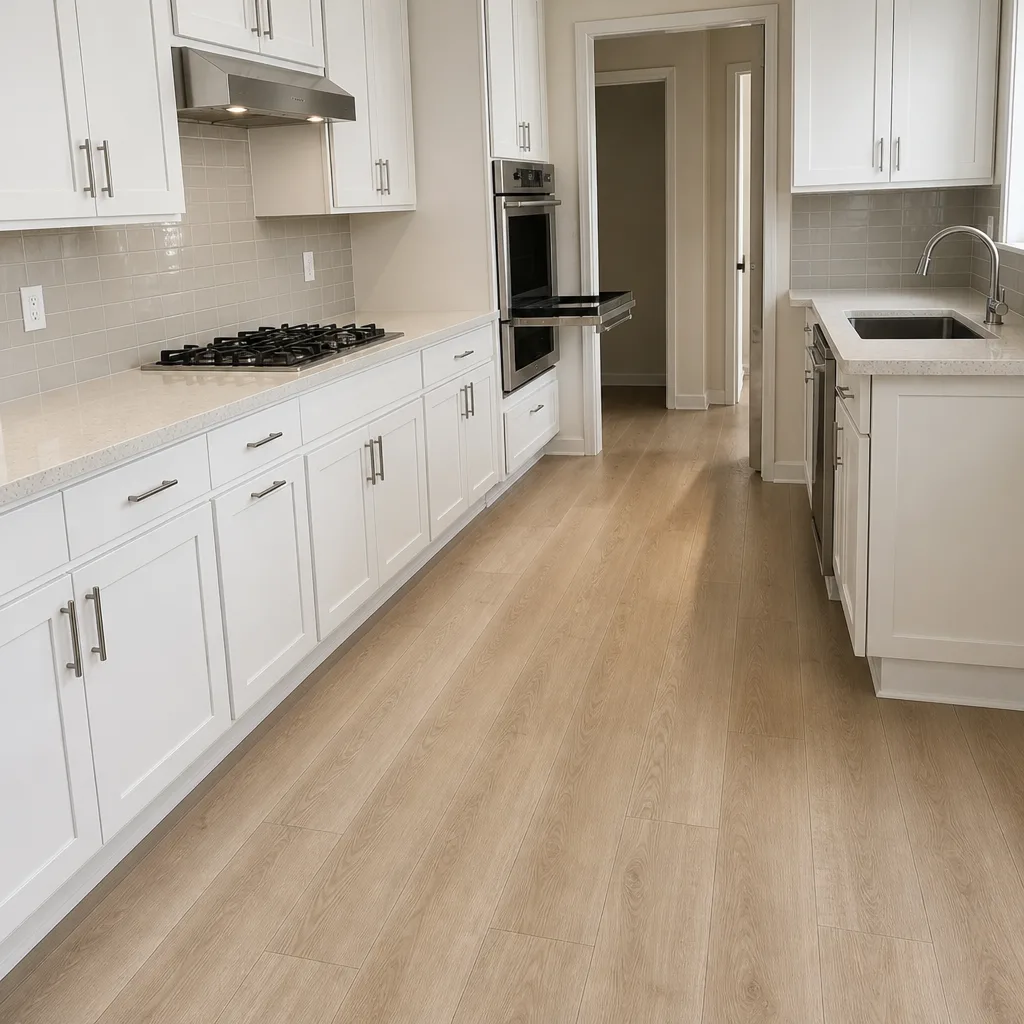
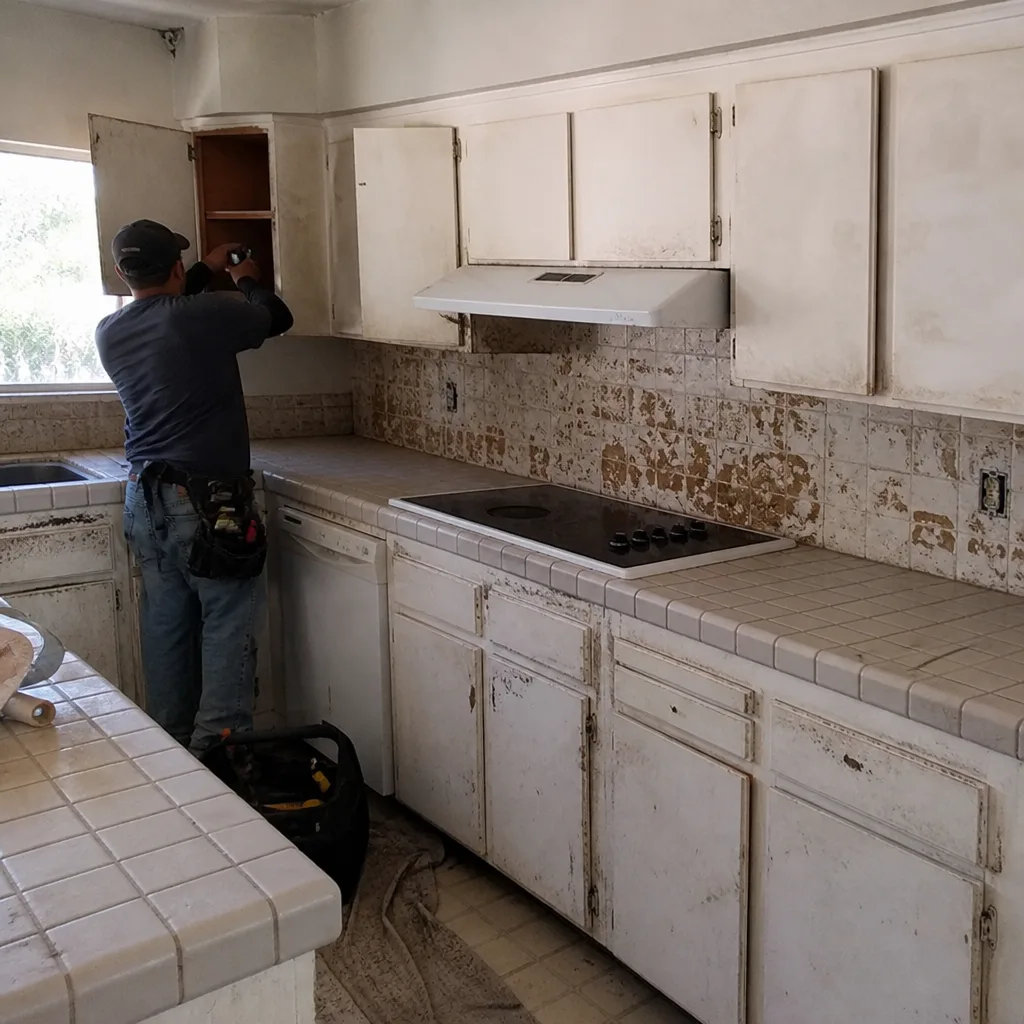
See the difference
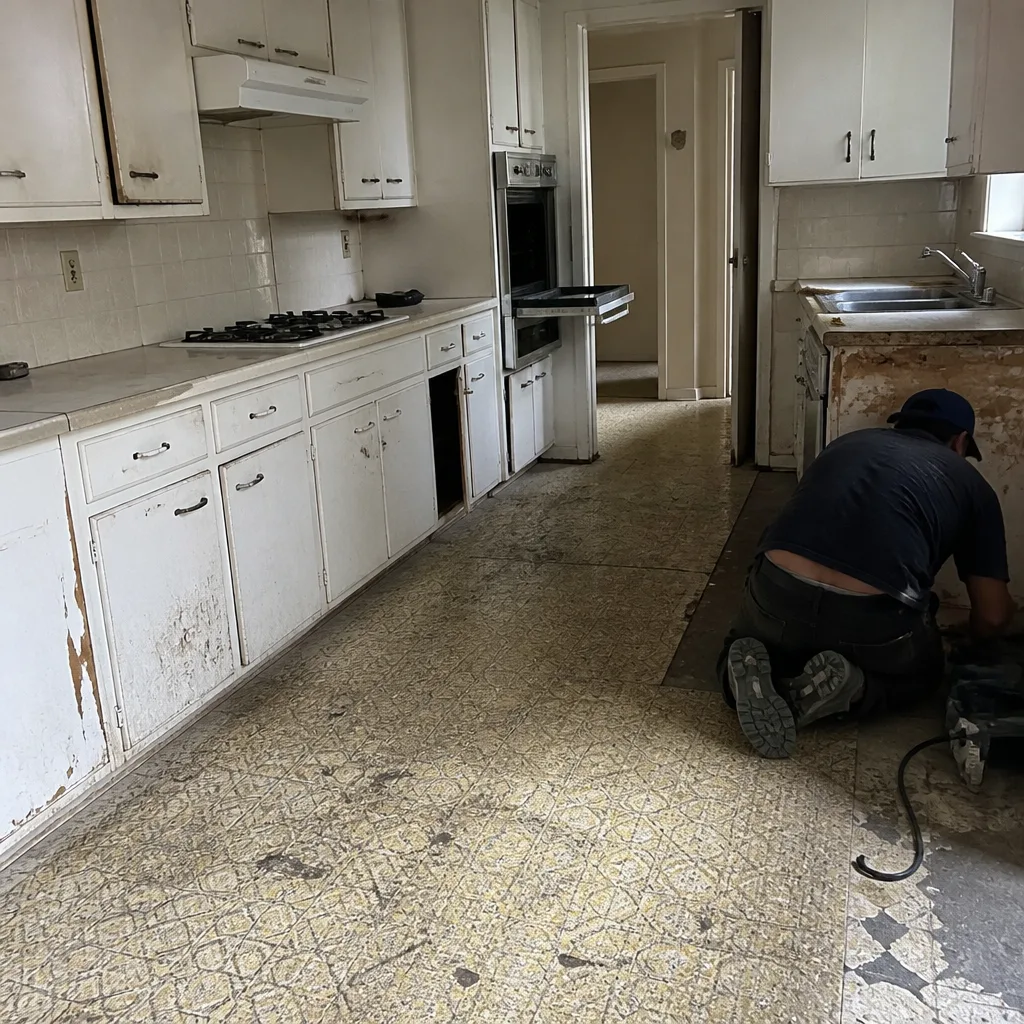 Before
 After
 Before
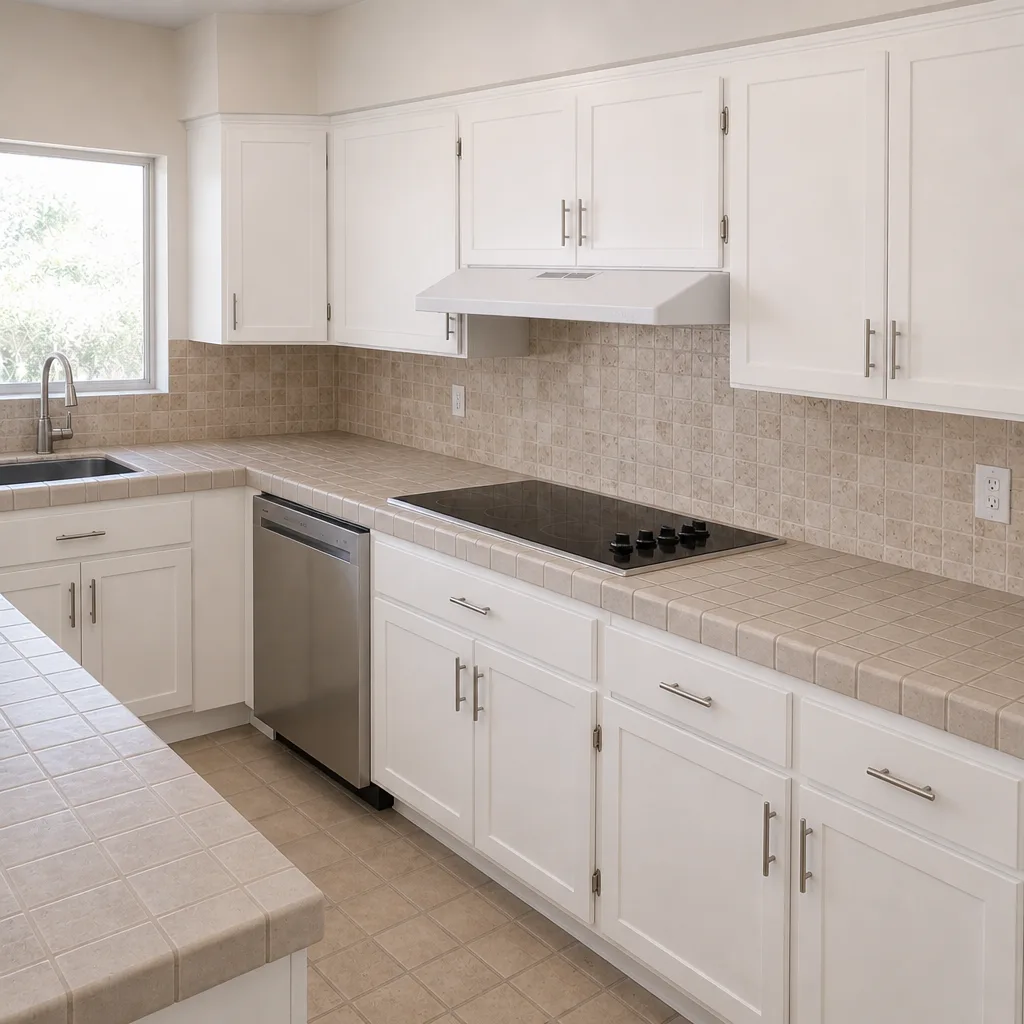 After
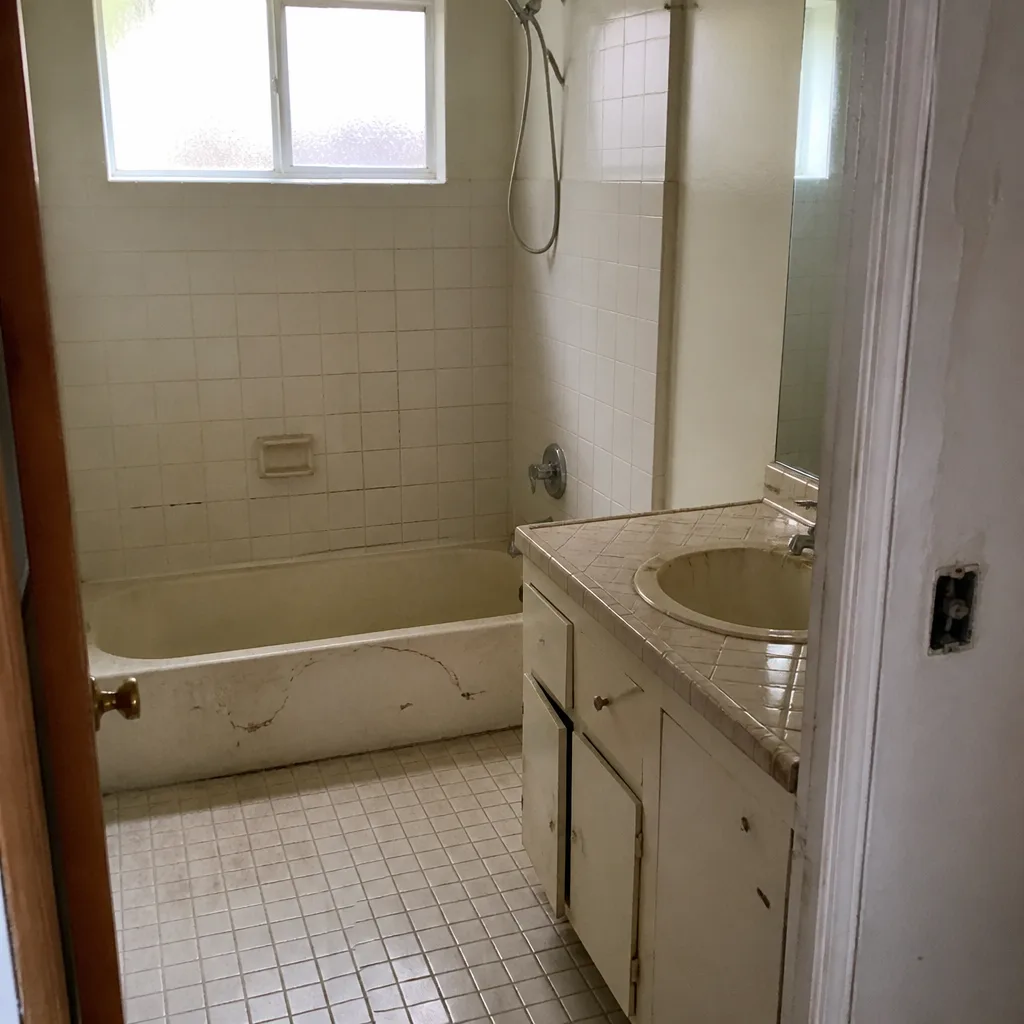 Before
 After
Home Addition vs ADU in Irvine, CA: Which One Will Your Village Actually Approve?
Pick the ADU if your village board is the bottleneck. Pick the traditional addition only if you need square footage the state’s ADU rules can’t protect. That’s the honest short answer for Irvine, and it runs against most comparison guides, which treat this as a pure cost-and-square-footage call. Here the deciding factor is usually which path your village’s design-review board will actually sign off on – and California law tilts that fight in the ADU’s favor. Have a look at the numbers and the approval path together before you commit either way. For a free, no-pressure read on your specific property, call (888) 578-4462.
Why Irvine Flips the Conventional Wisdom
Irvine is a master-planned city built almost entirely by the Irvine Company from the 1960s onward. That means almost every project here runs through a village-specific HOA and its design-review committee, not just a city plan check. Walk a plan through Woodbridge or Northwood and you’ll hear the phrase “architectural standards” more than you’ll hear “building code.” The association has real teeth over what your house looks like from the street.
Here’s the legal asymmetry that most addition-vs-ADU articles skip. California Government Code sections 65852.2 and 65852.150 sharply limit what a city – and, since the 2020 updates, what an HOA – can do to block or over-restrict an accessory dwelling unit. ADUs get defined review timelines and a narrow set of grounds for denial. A traditional home addition gets none of that protection. Government Code 65852.2 says nothing about the extra bedroom and great-room bump-out you’re dreaming of. Your Irvine association retains its full CC&R authority over a conventional addition, which means design review can go several rounds.
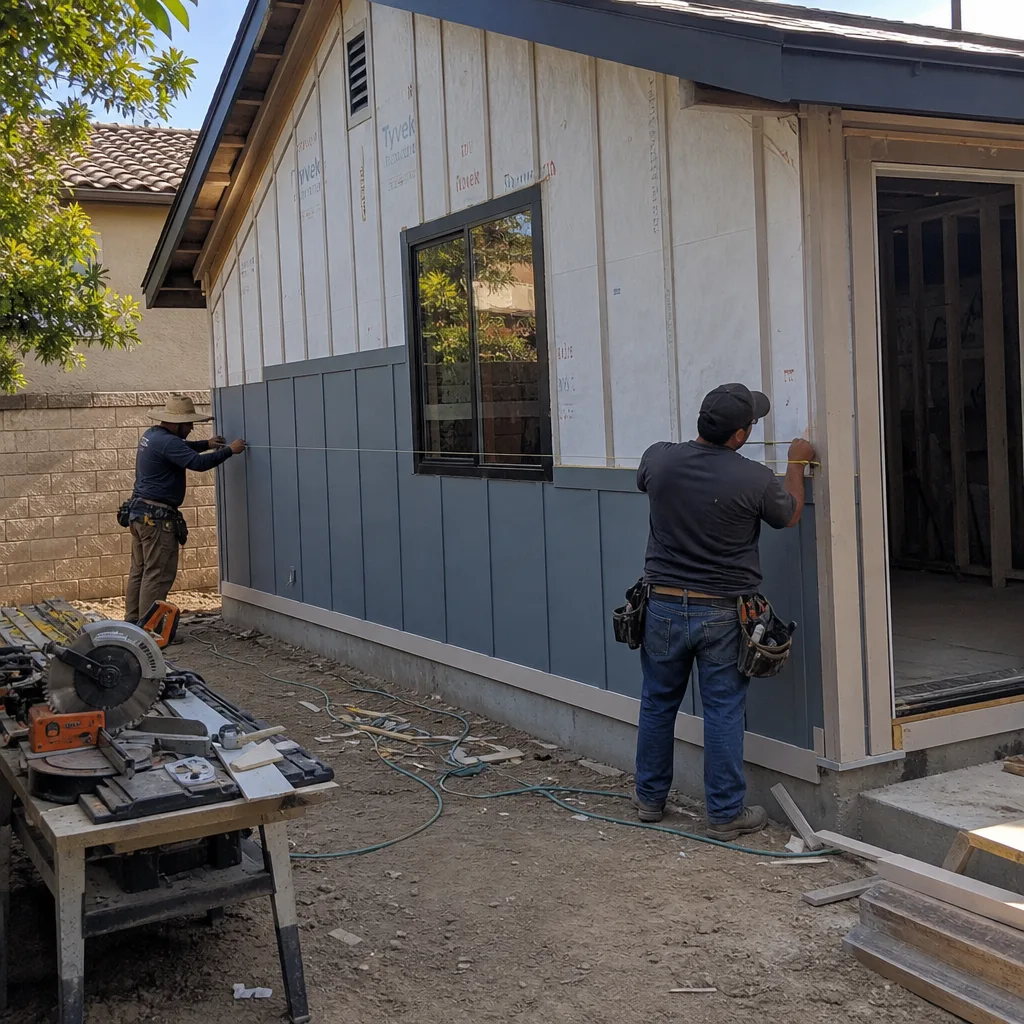
So the counterintuitive result: the detached ADU in your backyard can clear design review faster than the attached addition that “looks more normal.” The state preempts much of the association’s discretion on the ADU. It leaves it fully intact on the addition. A contractor who doesn’t know that difference will promise you a smooth approval that the village board was never going to give.
The Irvine Approval Timeline, Side by Side
When does the ADU preemption actually save you time? When the design is close to the standards already in place. Our technicians, who bring up to 12 years of experience, have watched the pattern repeat across Irvine villages: a state-compliant ADU typically moves through a compressed review because the association’s grounds to push back are narrow. Exterior details still matter – the city and the foothills wildland-urban interface rules for fire hardening apply – but the “does this fit the neighborhood” debate shrinks.
A traditional addition is a different animal. Expect the association to scrutinize roofline match, stucco texture and color, window style, and setbacks, and to send the plan back for revision more than once. If you live in one of the villages where tile roofs and Mediterranean detailing are tightly controlled, matching the existing roof pitch and material isn’t a cosmetic nicety – it’s the price of approval.
- ADU path: State rules limit HOA denial grounds and set review timelines. Approval tends to compress, though architectural standards still apply to the finished structure.
- Traditional addition path: Full CC&R authority applies. Plan for multiple design-review rounds and slower city plan check in Irvine’s strict building division.
- Fire-hardening edge: Properties abutting open space on the east and south edges face WUI requirements – ember-resistant vents, Class A roofing, noncombustible siding. Inland tract contractors from other Orange County cities miss these on their first Irvine plan check.
What Each One Costs in Irvine
What does a home addition or ADU run in Irvine? A traditional home addition typically lands between $45,000 and $130,000. A full ADU build runs higher – $90,000 to $220,000 – because you’re paying for a complete second structure with its own foundation, kitchen, bath, and utility runs. Here’s how the two line up against the other build paths.
| Project | Irvine price range | What drives the number |
|---|---|---|
| Home Addition | $45,000-$130,000 | Contiguous foundation tie-in, matching stucco and tile-roof detailing for village standards |
| ADU Construction | $90,000-$220,000 | Full second structure, separate utilities, state-preemption design flexibility |
| Garage Conversion | $30,000-$80,000 | Existing shell reused, fewer exterior-standard conflicts, fastest path to a rentable unit |
Notice what inflates the traditional addition on a per-square-foot basis in Irvine specifically: to satisfy village architectural standards, the new wing usually has to share a contiguous foundation with the existing house and match the stucco and tile-roof detailing exactly. That’s real money in materials and labor. The ADU, under state preemption, has more design latitude on its exterior, which can pull some of those matching costs down even though the base structure costs more.
And the smaller garage conversion at $30,000-$80,000 is often the middle road worth considering if you want rental income without the full footprint. If you want to see how we frame the full menu of build paths, look at our Home Additions & ADU work before you decide.
Which One Pays You Back in Irvine’s Rental Market?
Which option performs better as an investment near UCI and the Spectrum? The ADU, hands down, if rental income is the goal. Irvine’s high-rent market and steady demand from students and tech workers near the Spectrum make a rentable ADU or garage conversion a serious income asset. A traditional addition raises resale square footage and livability but doesn’t generate rent while you own it.
Is it cheaper to repair or replace – meaning add or convert? If your goal is income, a garage conversion at $30,000-$80,000 usually returns faster than a $90,000-plus ADU, though it adds less living space. If your goal is family space with the least approval friction, an ADU often wins on the HOA timeline even at a higher price. Two different questions, two different answers.
Here’s how our financing shifts the real out-of-pocket comparison at Irvine project scales. Our 0% financing for 18 months spreads either project across a year and a half with no interest, and $1,000 off projects over $10,000 applies to both the addition and the ADU. On a $90,000 ADU that $1,000 is a rounding error, but the 18-month financing is what lets a homeowner start now instead of saving for three more years. Upfront pricing means the number you see is the number you pay, so you can compare the two paths on real figures rather than vague bids.
How Do You Keep the Build Out of Trouble?
You keep it out of trouble by choosing a builder who knows Irvine’s village boards and the WUI edge as well as the building code. Fire hardening, then matching stucco and tile detailing, then the CC&R review – get those wrong and you’re redrawing plans for months. Our projects carry the 730-Day Done Right Promise: if it’s not done right, we make it right. From foundation to finish line, one team handles the plan check, the material selections, and the finish work. For windows and doors, that includes names like Andersen, Therma-Tru, and Mr-Glass so the exterior matches the village standard rather than fighting it.
You can also read our broader home construction overview to see how the seven service lines fit together, or look at how we handle projects just outside the city in our guides to nearby communities like Home Additions & ADU in Tustin and Home Additions & ADU in Santa Ana, where the CC&R landscape is looser than Irvine’s.
FAQs
In most cases, no – or at least, your HOA’s ability to deny it is sharply limited. California Government Code 65852.2 limits what associations can do to block or over-restrict an ADU, and state review timelines apply. Architectural standards still cover the finished structure, but the grounds for denial are narrow. Call us for a free read on your specific village’s rules.
Yes. The ADU preemption doesn’t extend to conventional additions, so your village association keeps full CC&R authority over design review, setbacks, roofline match, and exterior materials. Expect multiple revision rounds. We build the design to the village’s standards from the first submission to shorten the path – call for a free estimate and we’ll map the review steps.
A traditional addition is cheaper at the low end – $45,000-$130,000 versus $90,000-$220,000 for a full ADU – and a garage conversion at $30,000-$80,000 is cheaper still. But the ADU often clears approval faster under state preemption, and it can generate rent near UCI and the Spectrum. Call (888) 578-4462 for an exact quote; estimates are free.
We answer calls live 24/7, so you can reach a real person any time to line up an assessment, and we move quickly to get eyes on your property. Bring your lot details and your village name and we’ll get started. Call (888) 578-4462 to set it up.
Start With a Straight Read on Your Property
If you’d rather have it looked at, Groundwork Construction Co. of Irvine offers a no-pressure assessment in Irvine – call (888) 578-4462. We’ll walk your lot, weigh the village approval path against the income potential, and give you upfront pricing on either option. Free estimate and design consult, no surprises.
Written by the team at Groundwork Construction Co. of Irvine, serving Irvine, CA.