
Last updated November 17, 2026
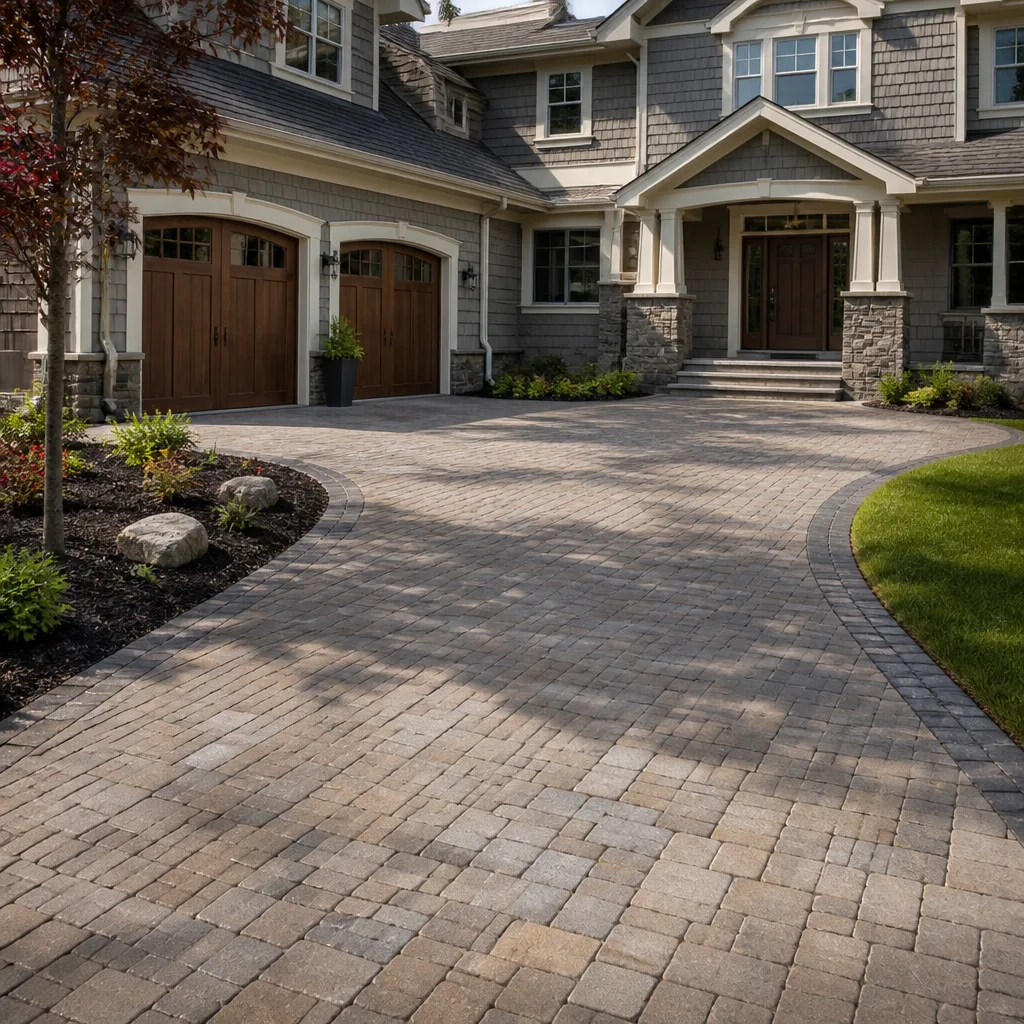 Driveway & pavers
 Kitchen remodeling
 Bathroom remodeling
 Home additions & ADU
 Roofing
 Windows & doors
 Fence
Free written scope consultation - allowances, timeline, and change-order rules on paper before a single trade is scheduled
How Long Does Driveway & Pavers Take? Timelines and What to Expect
A 600-square-foot driveway replacement in Irvine can take anywhere from four days to four weeks. That range surprises people. What’s harder to accept is that the difference has almost nothing to do with how many workers show up and almost everything to do with what’s buried under your existing slab. We’ve torn into driveways in Irvine where the base was solid and the whole job moved like clockwork, and we’ve opened up others where decades of clay movement and poor drainage turned a “one-week” project into a three-week excavation. This guide walks through where the time actually goes, phase by phase, what legitimately adds days, and how to tell whether a contractor is padding the schedule or genuinely managing what’s under the surface.
Quick Answer
Most driveway paver installations take 5 to 10 working days from demolition to final joint sand, with a typical Irvine project landing around 7 to 8 days on site. That does not count permit and HOA approval, which can add one to four weeks before a shovel touches the ground. Add a settling period of about a week before you park a full-weight vehicle on the new surface.
Styles & brands we work with
- Kitchen remodeling
- Bathroom remodeling
- Home additions & ADU
- Roofing
- Windows & doors
- Driveway & pavers
- Fence
Table of Contents
- The Phase-by-Phase Timeline, Honestly Broken Down
- Where the Schedule Really Goes: Irvine Soil and Base Prep
- Permits and HOA Approval: The Weeks Nobody Quotes You
- Weather Windows and Why Timing Matters
- Curing, Settling, and the First Driveway Load
- How to Tell If Your Contractor Is Padding the Schedule
- Materials, Lead Times, and Brand Partners
- Common Mistakes to Avoid
The Phase-by-Phase Timeline, Honestly Broken Down
The schedule people quote you and the schedule the job actually runs are two different documents. Here’s the one that matches reality on a typical Irvine driveway of 500 to 800 square feet. A reputable crew can hit these numbers. A crew that shortcuts base prep will beat some of them, and you’ll feel it in year three when pavers start to settle unevenly and joints open up.
- Demolition (1 day). Breaking out asphalt or concrete, cutting clean edges, and staging debris. Concrete removal runs longer than asphalt, especially if there’s rebar grid or an old slab poured thick.
- Haul-away (same day or next). Loading and disposing of the old material. If the dumpster or truck can’t get close, add half a day for wheelbarrow runs.
- Excavation to subgrade (1 to 2 days). Digging down to proper depth for the base, bedding sand, and paver thickness. This is where overruns start if you hit buried surprises.
- Subbase prep and grading (1 day minimum). Shaping the excavated grade for drainage away from the house. Slope matters more than most homeowners realize, especially on Irvine lots graded toward the street.
- Base compaction (1 to 2 days). Laying and compacting the aggregate base in lifts. Skipping lifts is the most common corner cut in the trade, and it’s the one that silently costs you a flat, stable driveway down the road.
- Bedding sand and screeding (half a day). A uniform sand bed screeded to the final grade. Get this wrong and the pavers telegraph every imperfection.
- Paver laying (2 to 4 days). Driven mostly by square footage, pattern complexity, and whether the crew cuts pieces on the fly or pre-cuts. Herringbone runs slower than a running bond.
- Edging (half a day). Restraining the field with edge restraint so it doesn’t creep. Cheap plastic edge restraint is a false economy over a 20-year surface.
- Joint sand and final compaction (half a day). Sweeping polymeric or stabilized sand into the joints and compacting the finished field to lock it in.
Add it up and you’re looking at 7 to 9 working days under normal conditions. Add rain, soil surprises, or an ambitious pattern and you’re comfortably in the 10 to 14 range. For a deeper look at what goes into the finished product, see our Driveway & Pavers in Irvine service page.
Where the Schedule Really Goes: Irvine Soil and Base Prep
Here’s the part almost nobody tells you: base prep is the job. The pavers on top are just the finish. In Irvine, we regularly see two soil conditions that stretch excavation and base work by two to four days over a clean-slate quote, and neither is a contractor’s excuse. They’re what the ground under your driveway is made of.
- Expansive clay. Parts of Irvine sit on clay soils that swell when wet and shrink when dry. That movement will crack an under-built base and heave pavers in a season or two. The fix is real: excavate deeper, bring in select fill or a geosynthetic separation layer, and compact to spec. That work doesn’t compress into a single day.
- Old fill or undocumented subgrade. Installers in older Irvine neighborhoods routinely find layers of fill, old concrete footings, or landscape debris under the existing drive. Everything has to come out and be replaced with proper aggregate base. What looks like a shallow dig is really an extra two days of removal and re-compaction.
- Poor drainage. If the driveway slopes toward the house or the yard has no positive pitch to the street, we won’t just lay pavers on top and hand you a puddle. That means re-grading, additional base at the low side, and often a channel drain or a swale that pitches the water where it belongs.
When a contractor quotes you a “four-day paver job” without opening up the driveway first, they’re guessing. The honest ones include contingency in the schedule and explain what “undercutting” or “over-excavation” means before the number is on the contract. A paving crew that tells you soil conditions won’t affect their timeline in Irvine has either never dug one here, or is planning to skip the base altogether and hope you don’t notice.
What “Undercutting” Actually Means
Undercutting is removing soil below the minimum base depth because the native subgrade is unstable. You excavate deeper, fill with compactable material, and build back up. On a driveway where the soil test or site observation calls for it, undercutting can add two to four days. That’s the price of a driveway that still sits flat a decade in. Base depth alone, when done right, runs 6 to 8 inches of aggregate for a residential drive, compacted in 2-inch lifts. Each lift needs watering and compaction, so the days add up quickly.
Permits and HOA Approval: The Weeks Nobody Quotes You
The fastest way to a bad surprise is a permit delay the contractor forgot to factor in. In Irvine, driveway work that alters the public right-of-way, changes grade, modifies the apron, or requires a new approach to the street typically needs a city permit before crews can mobilize. Some like-for-like replacements are exempt. Many are not. If your driveway ties into a sidewalk, curb, or drainage structure, assume you need a permit and factor in the review time.
- HOA approval first. If your community runs an architectural review committee, get it done first. Irvine HOAs vary widely, but most want material samples, a site plan, and color selections. Approval timelines can run one to four weeks depending on how often the committee meets.
- City permit review. Building or right-of-way permits generally run from a couple of business days up to several weeks depending on complexity and inspection workload. Leave room in the schedule. Never start work pending a permit.
- Inspections. The city may require a post-excavation inspection before base work goes in. Schedule this into the timeline and don’t let it surprise you. A good contractor builds this into the on-site calendar rather than squeezing it in later.
- Certificate of completion. Final inspection closes out the permit. Complete this and keep the paperwork. It matters if you ever sell.
If any contractor tells you they’ll “take care of the paperwork later,” walk away. Pulling and closing out permits is part of the project, not a favor. Our crews handle permit and inspection coordination as part of a Groundwork Construction Co. of Irvine home project so there’s one accountable point of contact.
Weather Windows and Why Timing Matters
Irvine’s climate helps, but “nice weather” and “weather that’s decent for pavers” are two different things. Paving is sensitive to both rain and heat spikes. In our experience, the wrong weather window can drag a job that should take eight days into two weeks or worse. Here’s the honest rule set:
- Rain is the biggest stop-work trigger. Installing pavers onto saturated bedding sand or compacting limestone into wet clay produces a base that will settle unevenly. The fix is to stop, dry out, and re-work the base. That means days, not hours.
- Heat spikes matter too. Dry, hot Santa Ana winds dry out bedding sand unevenly and make compaction finicky. Skilled crews water the base lightly and stage the work in shorter shifts. A crew that ignores this can bake out a compacted layer and leave you with a wavy field.
- Cold isn’t a big worry in Irvine, but the shoulder seasons are. If we’re installing in winter, we watch moisture in the base layer much more carefully than in July. Best practice is to schedule around a forecast rather than fight it.
- Wind and dust management. Some Irvine lots sit near open washland or hillsides. Dust is a real neighbor-relations issue for demolition and haul-away days. We plan water trucks and covering where needed.
Starting a paver project based on a two-week-out forecast is guessing. A realistic contractor builds in a weather buffer and reschedules rather than drops a second-rate base to hit their own calendar. If the forecast turns and they push you a few days, that’s a good sign, not a red flag. If they install in the rain because they’re behind on other jobs and can’t afford the gap, you’ll be paying for that decision later when the pavers start to move.
Curing, Settling, and the First Driveway Load
The moment your last pavers go down, the job looks finished. It isn’t. The final phase is the one that homeowners most often blow by because the driveway looks perfect. Here’s how to respect the surface so all that base work stays solid.
- Day 0 (installation day). Edging installed, joints filled with polymeric or stabilized sand, final compaction completed, site cleaned. Foot traffic can resume within hours. Vehicles do not go on yet.
- Days 1 to 7. Give the joint sand time to cure, especially polymeric sand. Do not wash the driveway with a hose during this window. Polymeric sand needs dry time to set. If you hit it with water too early, you’ll wash out the joints and weaken the bond. Also keep vehicles off during this window.
- Days 7 to 14. Settling period. Bedding sand takes time to compact fully under the pavers, and you may see minor joint fill settle. This is normal and the driveway will stabilize. Sweep more sand into the joints after the first week if needed.
- Day 14 onward. Full vehicle loads are fine. Respect any specific instructions your contractor gives you. Installers know their materials and their local conditions, and their guidance will be specific to the job.
Skipping the settling period and parking a full-weight pickup or SUV on the new driveway in the first week is the most common small mistake that becomes expensive. Under load on uncured joints, you can shear the surface and lose compaction uniformity, which is exactly what base prep was fighting to give you. Wheels turn in play on a fresh paver field. Wait the week, respect the joint sand’s cure time, and you’ll get decades of use.
How to Tell If Your Contractor Is Padding the Schedule
A long schedule isn’t automatically a padded one. Sometimes the longer quote is the honest one. But you can read the difference, and here are the signals to look for before you sign.
- Padded schedule: vague phase labels (“prep,” “install,” “finish”) with no day counts, no mention of soil conditions, and a “we’ll see how it goes” attitude. If the contractor can’t articulate why each daylight is committed, ask to break it down.
- Honest schedule: phase-by-phase with a day range next to each item, plus an explicit note about soil and weather contingency. If they say “we assume 1 to 2 days on subbase, and here’s what we do if we find fill,” you’re dealing with a professional.
- Padded: adding extra weeks upfront to pad for weather or materials with no schedule-tying explanation. Honest contractors plan for a buffer, not a months-long lead time on typical materials.
- Honest: confirming the actual material lead time. Most hardscape lines are stocked or have short lead times, and your contractor should be able to tell you precisely when the pavers arrive. Curb-to-drive should be days, not weeks.
- Padding signal: refusing to put dates in writing. Get it in writing. The schedule is part of the contract.
The best check is a written, phase-by-phase schedule that includes contingency and permits. That’s honest schedule padding expressed as an actual plan, and it’s what a serious contractor gives you. A verbal “about a week” without the underlying breakdown is a promise, not a schedule.
Materials, Lead Times, and Brand Partners
Most hardscape materials arrive fast. What varies is the design work and the selection. We work with a curated portfolio of brands so homeowners can choose genuine quality instead of whatever happens to be on a truck. Belgard is a natural partner for driveway pavers, and we also draw on brands like Cover for outdoor living and covered structures that sometimes get designed in the same project so the driveway, fence line, and structure are planned together. If your driveway is part of a larger backyard redo, coordinating those installations can save weeks.
For clients planning a full outdoor build, a project often pairs well with new fencing or an ADU – see Fence Installation in Irvine and Home Additions & ADU in Irvine for context on how those timelines run. Mighty Buildings and Boxabl come up when clients are exploring prefab ADUs, and coordinating the driveway access for construction staging is a real planning item. If you’re considering an age-in-place suite or detached office at the same time as a new driveway, the sequencing matters, and it’s worth putting the driveway on site access first so the rest of the project has a clean staging surface.
Why Material Choice Affects Schedule
The paver material itself doesn’t usually change the schedule much. What matters is your pattern complexity and whether your chosen line is a stocked color or a special order. Fieldstone look and textured finishes can run a few days longer on a special order. Skip the special order and you can shave a week. Confirm lead times with the contractor before you commit to a specific color and style.
Common Mistakes to Avoid
- Approving demolition without a soil inspection. If the contractor quotes without opening anything up, expect a schedule surprise. Get a provisional plan for how soil surprises extend the timeline.
- Ignoring HOA review until after you signed. Irvine HOAs generally take one to four weeks to approve exterior changes. Pull the approval early, not after the pavers ship.
- Installing between rain events to save a day. Watching wet weather and pushing ahead anyway leaves you with a base that settles unevenly for years. Stop, dry, and re-work.
- Driving on the new surface too soon. Full vehicle loads before joint sand cures defeat all the base compaction work. Wait the week.
- Washing down the joints with a hose in week one. Polymeric sand fails if washed before it cures. Follow contractor instructions precisely.
- Choosing a four-day quote as if it’s a bargain. Short quotes usually mean skipped undercutting, base lifts that don’t compact to spec, or no permit. The savings evaporate in year two or three.
- Skipping the inspect-after-excavation step. Some Irvine permits require it. Skipping it can close out your project with a failed inspection and additional work to make it right.
See the difference
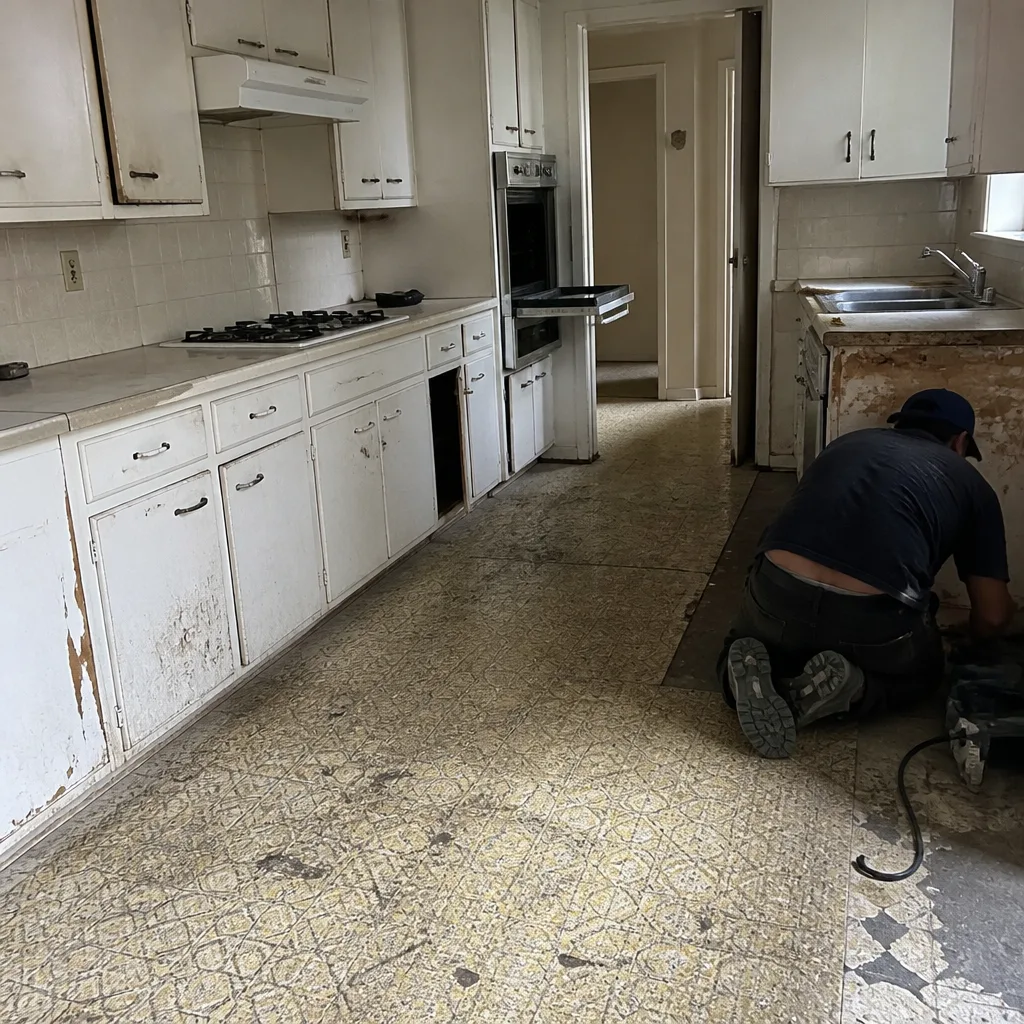 Before
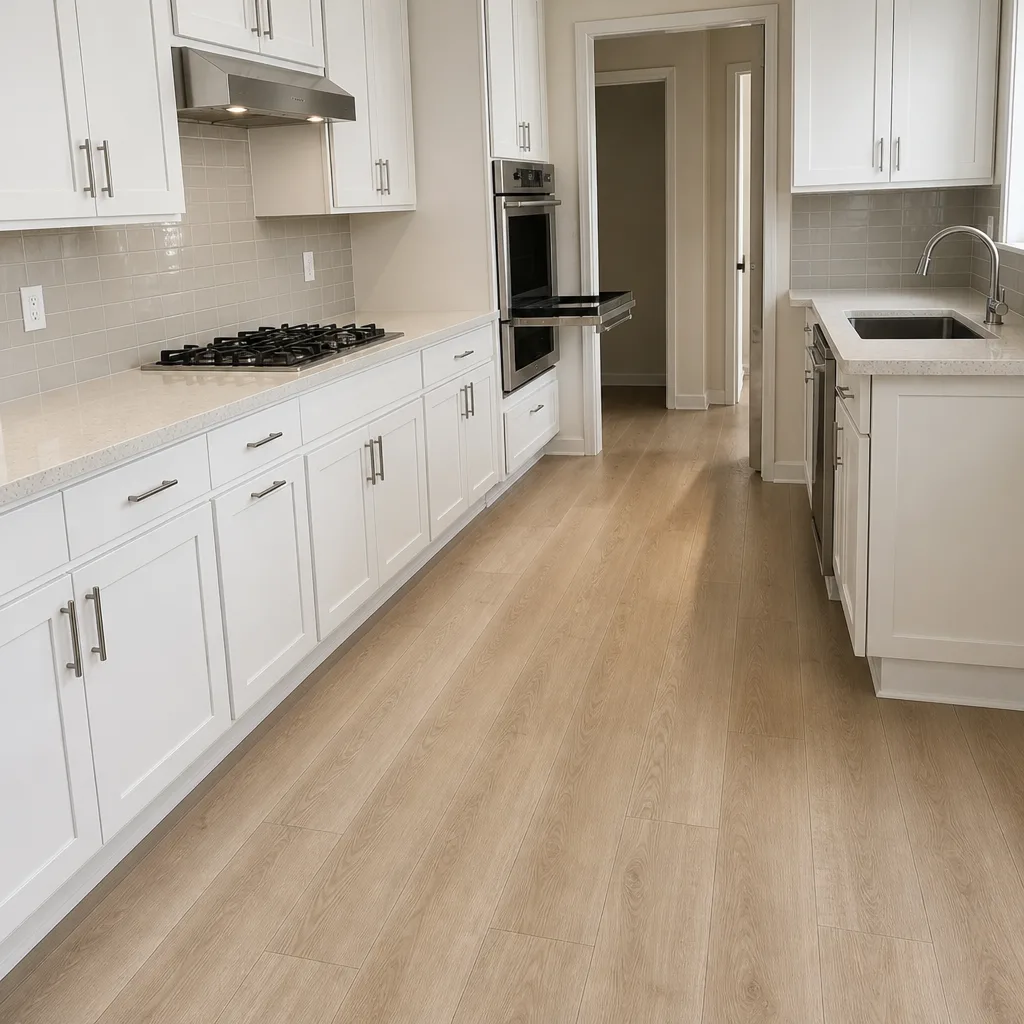 After
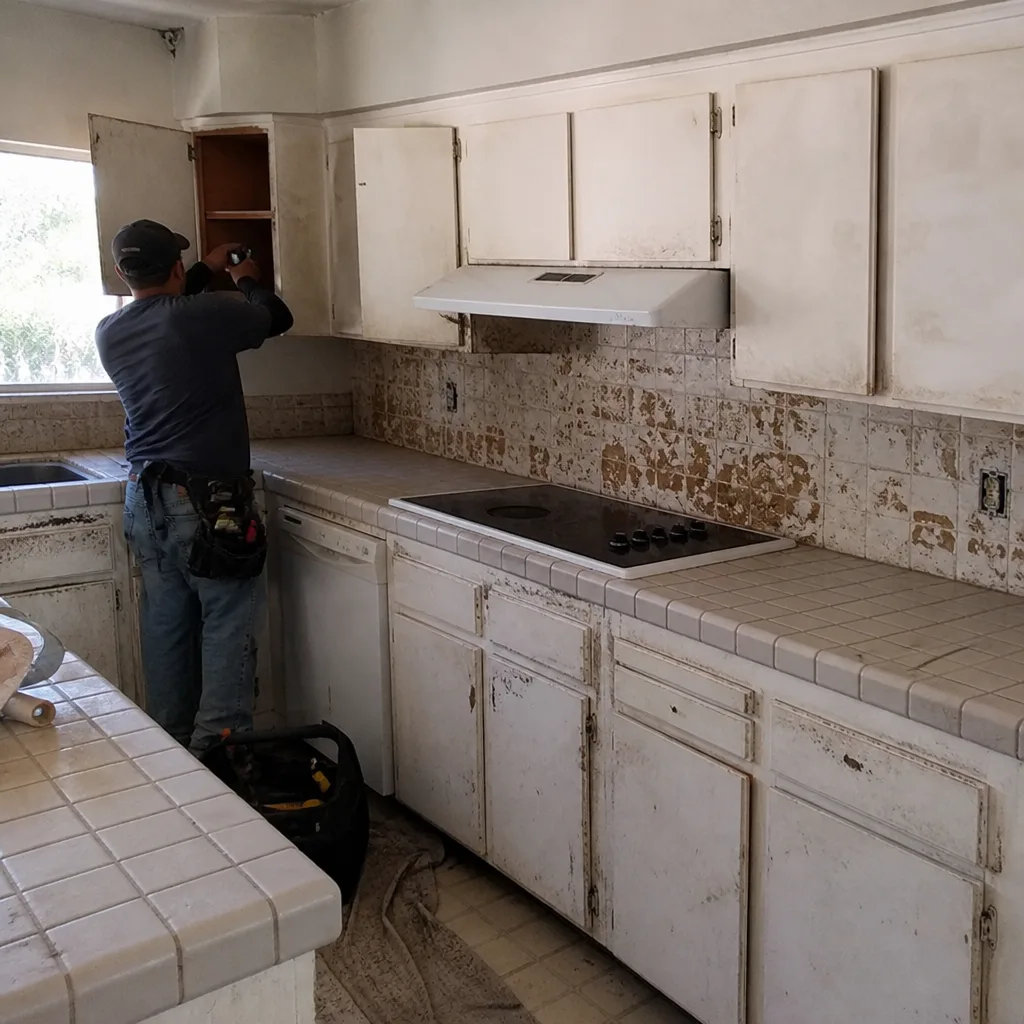 Before
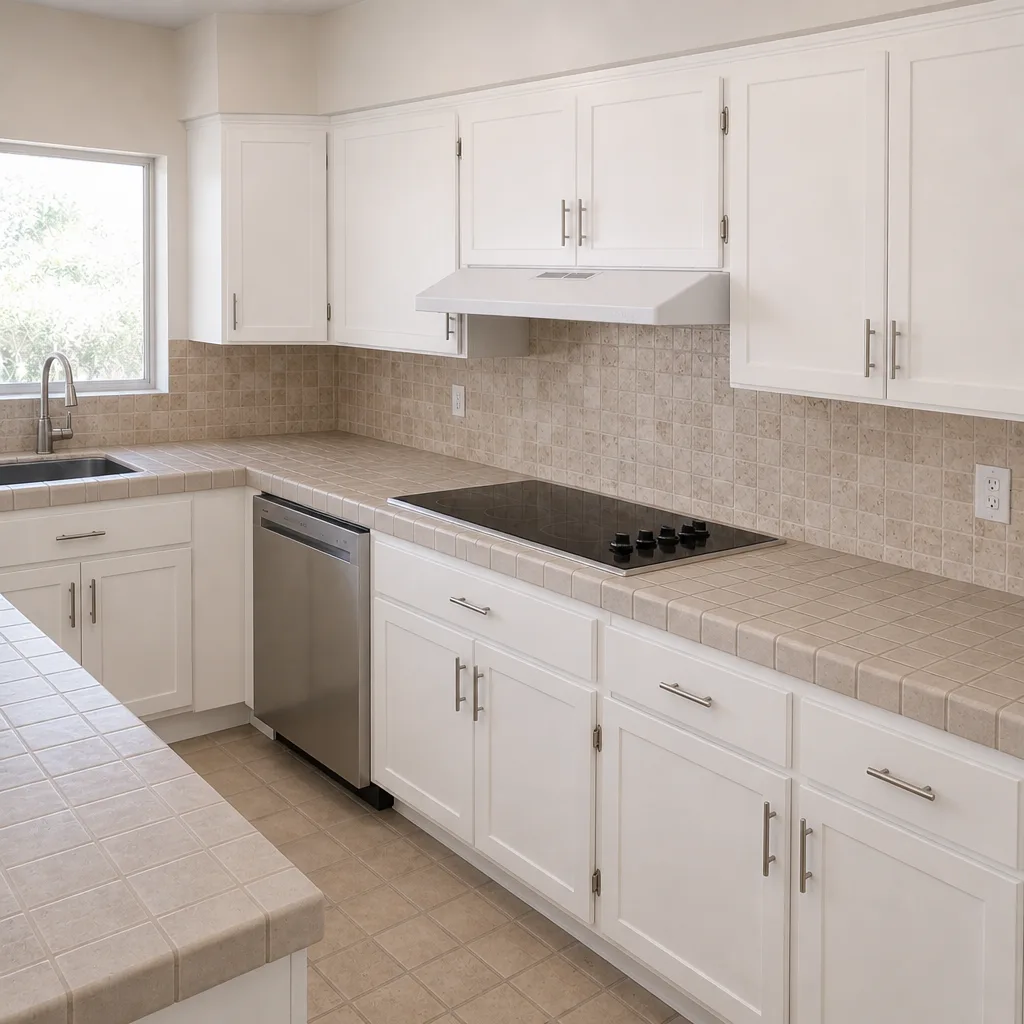 After
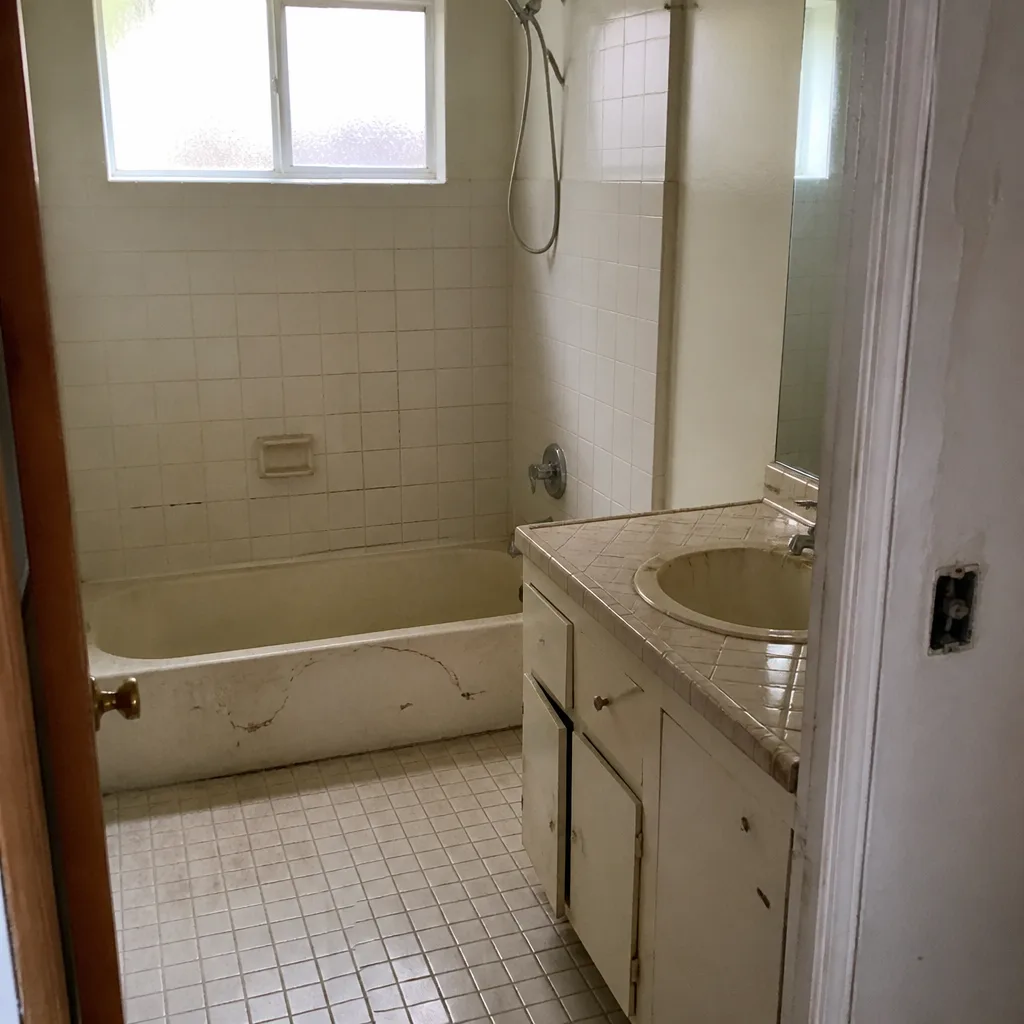 Before
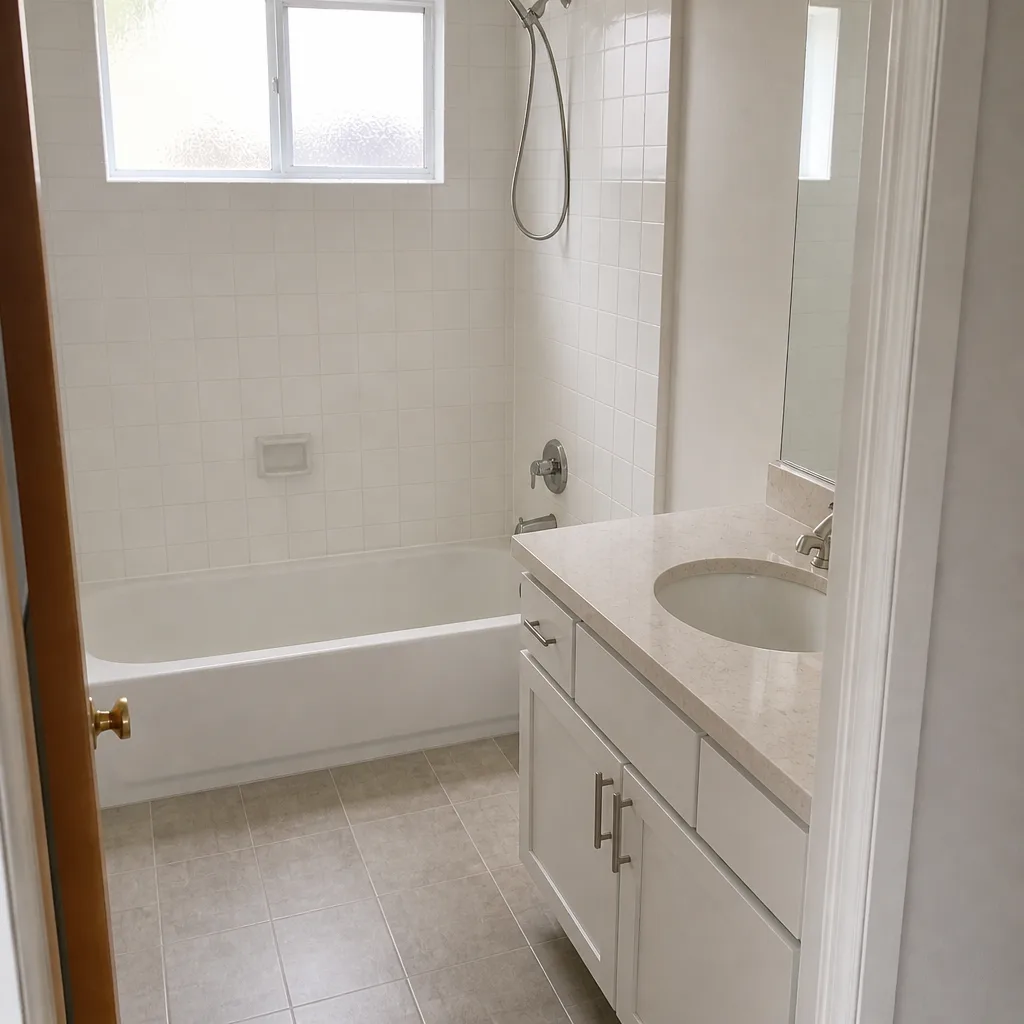 After
When to Call a Professional
Some driveway situations are genuinely DIY-friendly. A simple paver patio, a clean path, and small projects where base depth is shallow are reasonable. Driveways are a different story. A full driveway install involves excavation depth, engineered base compaction, drainage grading, permit and inspection coordination, and haul-away of tons of material. Every one of those has real risk when done wrong. And if your driveway slopes toward the house, has visible heaving or cracking from the previous surface, sits near a property line, or feeds into the public right-of-way, it’s past the do-it-yourself point.
If you’re in Irvine and want a straight answer on your timeline and permit requirements, Groundwork Construction Co. of Irvine offers free estimates and design consults in Irvine. Call (888) 578-4462 to schedule yours. Live person, 24/7.
Frequently Asked Questions
On-site paver installation in Irvine typically takes 5 to 10 working days, with most projects around 7 to 8 days from demolition through final compaction. Permit and HOA approval can add 1 to 4 weeks before crews start. Soil conditions and weather can extend the on-site portion by 2 to 4 days. Call (888) 578-4462 for an exact timeline for your driveway.
Yes, and they’re not an excuse. Expansive clay, buried fill, and poor drainage are common in Irvine and can add 2 to 4 days to excavation and base compaction. A contractor who won’t plan for this is planning to skip the base. Call (888) 578-4462 for a free assessment.
For most Irvine communities with architectural review, yes. Materials, colors, and layout typically require committee approval, and the process can take one to four weeks. Get this moving before demolition or your install will sit idle. Call (888) 578-4462 to schedule a design consult and get your package ready.
No. Give joint sand time to cure, and wait roughly 7 to 14 days before full vehicle loads. Walking on the surface is fine within hours. Respect any specific timeline your contractor provides for your material and conditions. Call (888) 578-4462 with questions before installation.
Installation pauses until the base dries and can be re-compacted properly. That’s the right call. Starting up too soon after rain produces a base that settles unevenly for years. A good contractor builds a weather buffer into the schedule rather than fighting the forecast. Call (888) 578-4462 to talk timeline planning.
Not necessarily. An honest schedule includes phase-by-phase day counts, an explanation of soil and weather contingency, and permit lead times. If the estimate has no day counts and no reasoning behind the length, ask for the breakdown. Call (888) 578-4462 for a written, phase-by-phase estimate.
The Bottom Line
Most driveway paver projects take a week or two on site. The difference between a fast install and a driveway that still sits flat a decade from now is whether the contractor respected the base, planned the weather, and pulled the permits. Ask for a phase-by-phase schedule with day counts. Expect soil conditions to move the timeline in Irvine. Wait the settling week before parking a full-weight truck. The honest timeline is longer than the fast one, and it’s the only one that holds up.
Groundwork Construction Co. of Irvine brings our industry-leading brand partners and our 730-Day Done Right Promise to every project, backed in writing. Upfront pricing, no surprises. Calls answered by a live person, 24/7. Call (888) 578-4462 for a free estimate.
Written by the team at Groundwork Construction Co. of Irvine.