
Last updated November 17, 2026
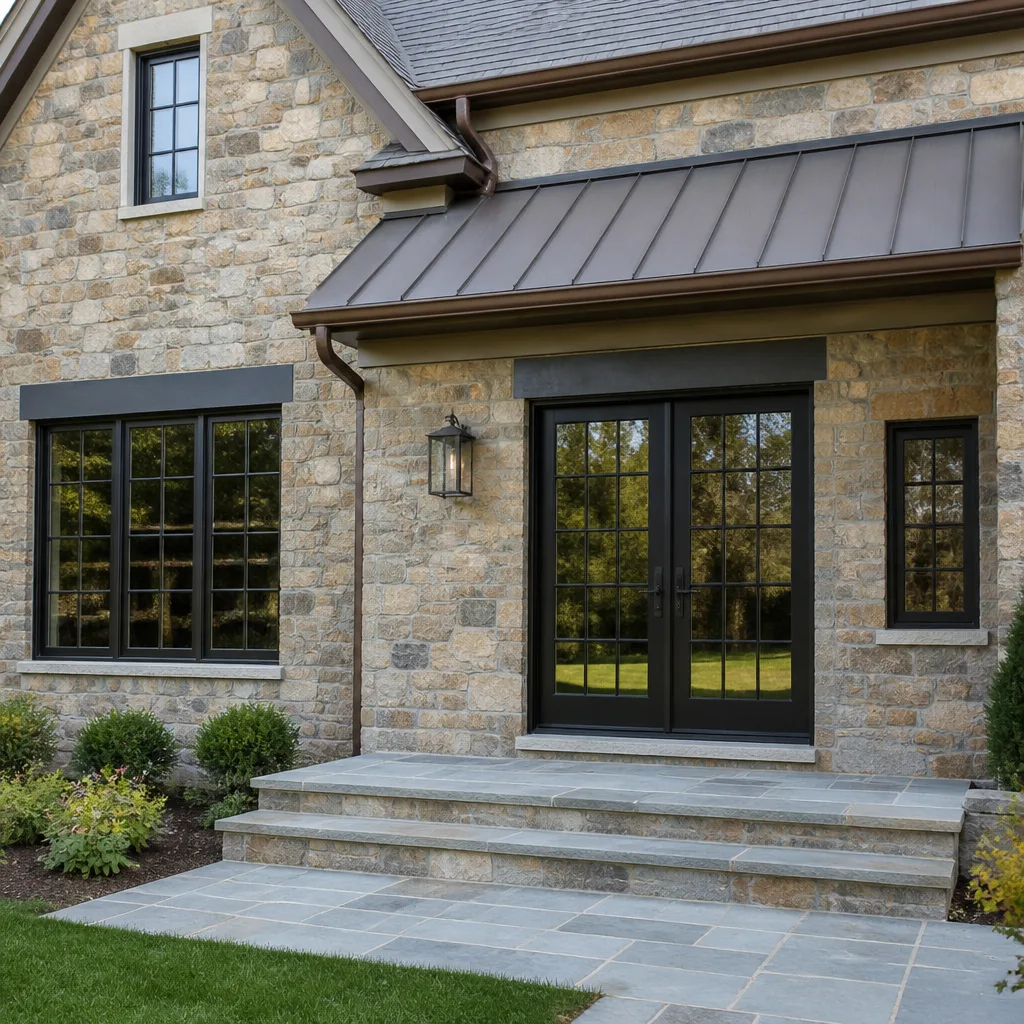 Windows & doors
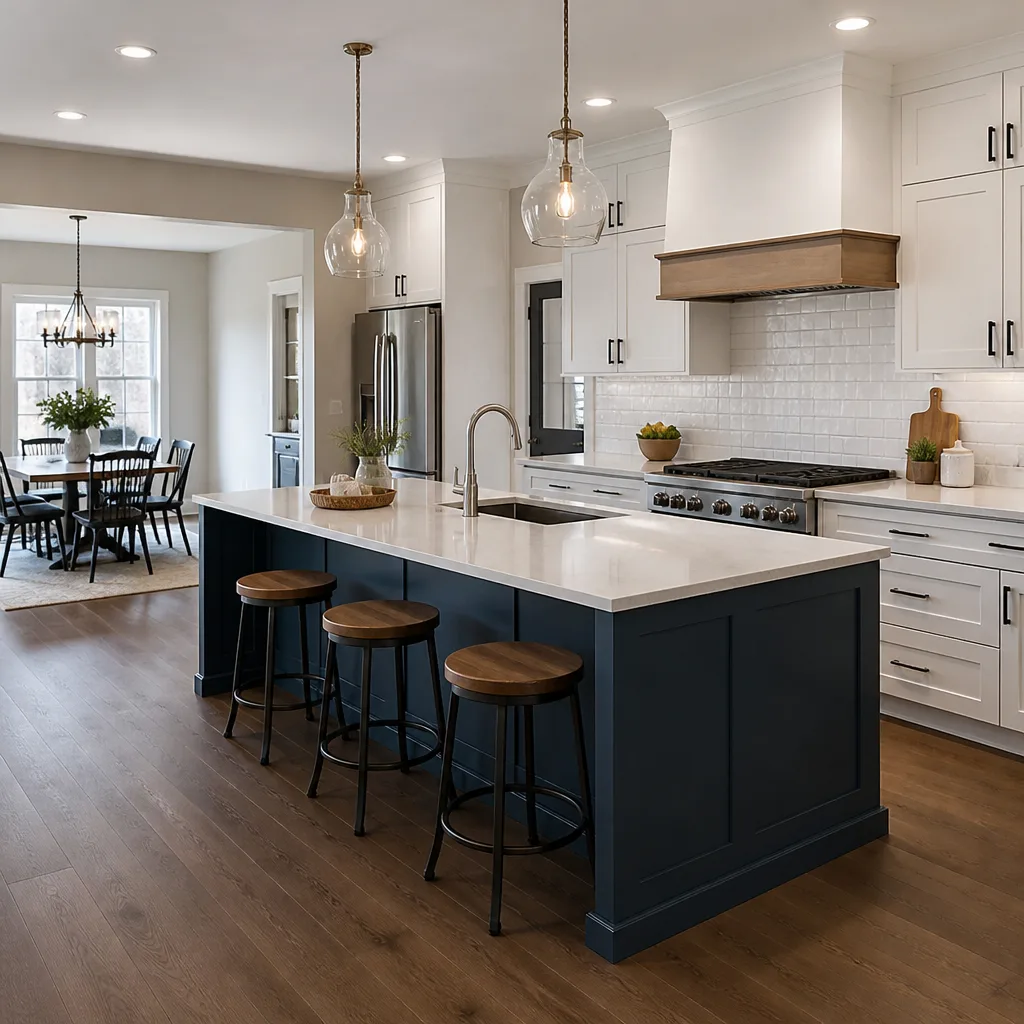 Kitchen remodeling
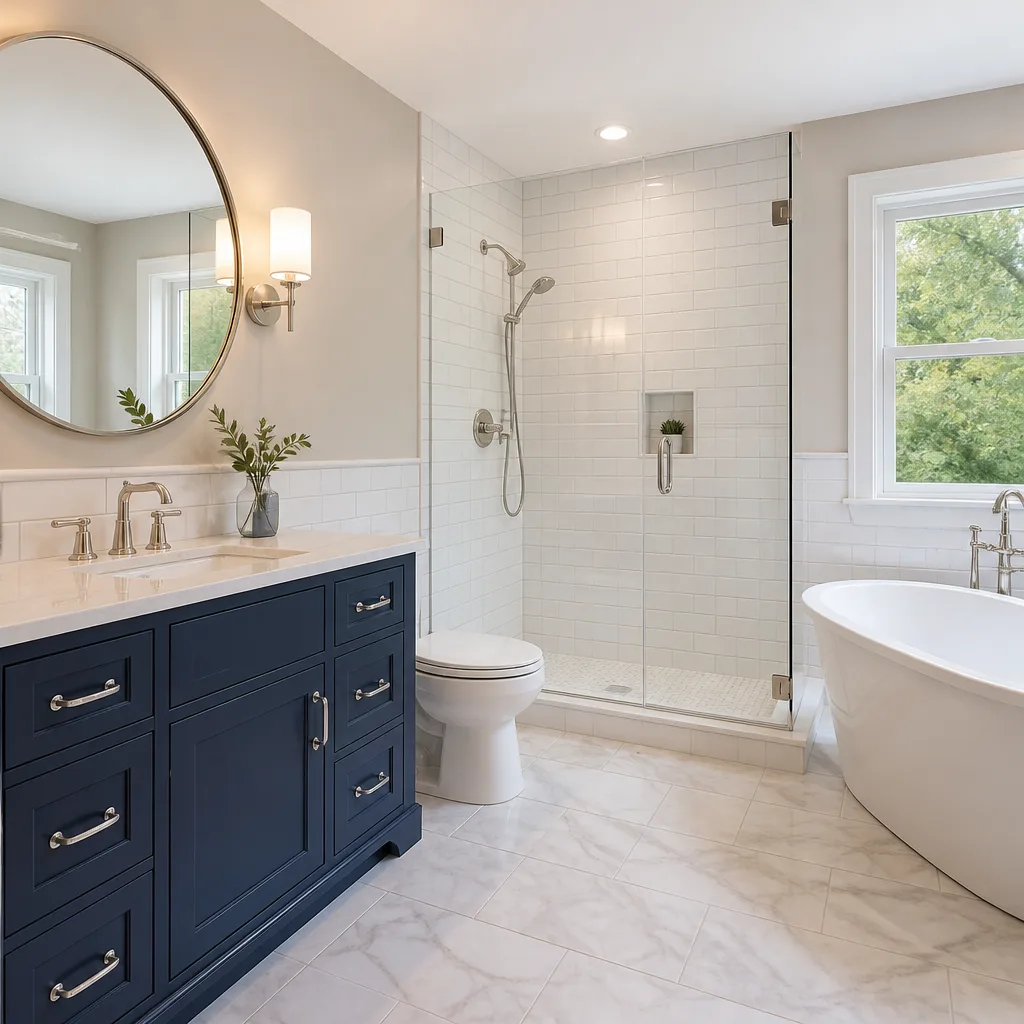 Bathroom remodeling
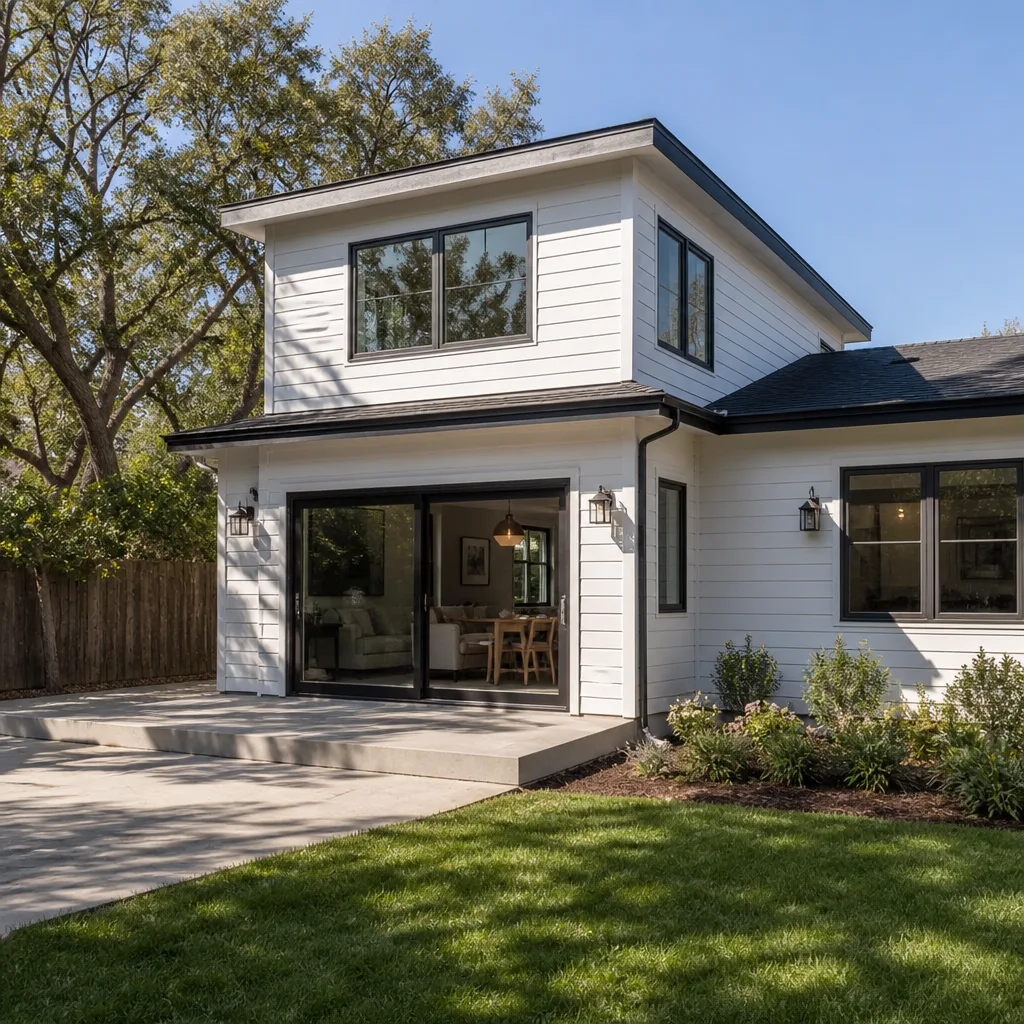 Home additions & ADU
 Roofing
 Driveway & pavers
 Fence
Free written scope consultation - allowances, timeline, and change-order rules on paper before a single trade is scheduled
How Long Does Windows & Doors Take? Timelines and What to Expect
Custom window lead times from most major manufacturers currently run 6 to 14 weeks. That means the “two-day installation” your contractor quoted is accurate, but it starts two to three months after you sign, not two days from now. This gap between installation time and project time is where most Irvine homeowners get blindsided. They clear a weekend, then discover the real clock doesn’t start until the factory does. In this guide, we break down the full timeline from first measurement to final inspection, explain what’s actually driving the schedule, and show you how to plan a window and door project in Irvine without calendar surprises.
Quick Answer
A typical window or door replacement project in Irvine takes 8 to 16 weeks from signed contract to final inspection. The physical installation of a standard window takes 2 to 4 hours, and most single-visit jobs finish in one to two days. The rest of the calendar is measurement, manufacturing lead time, permitting, and inspection. Custom orders and full frame-out replacements sit at the longer end; standard-size retrofits sit at the shorter end.
Styles & brands we work with
- Kitchen remodeling
- Bathroom remodeling
- Home additions & ADU
- Roofing
- Windows & doors
- Driveway & pavers
- Fence
Table of Contents
- The Eight Phases of a Window and Door Project
- Why Manufacturer Lead Times Are 6 to 14 Weeks (and When They’re Longer)
- Retrofit vs. Full Frame-Out: Which Timeline Your Home Needs
- How to Sequence a Multi-Window Project to Limit Disruption
- What Can Delay Your Project (and How We Build Contingency In)
- Permits and Inspection in Irvine: What to Expect on the Schedule
- Installation Day: What Actually Happens Hour by Hour
- Irvine Climate and the Materials That Decide Your Timeline
The Eight Phases of a Window and Door Project
Every window and door project runs the same eight phases. Where projects differ is how long each phase takes. We’ve walked Irvine homeowners through this sequence hundreds of times, and the pattern holds whether you’re replacing two sliding doors in Woodbridge or a full set of dual-pane windows in Turtle Rock. Estimate the whole sequence honestly before you commit, or you’ll be the person calling every Friday asking where the windows are.
- Assessment and consultation (1 to 3 days). We walk the house, measure rough openings, and check existing frames, flashing, and drainage. On older Irvine homes built in the 1970s or 1980s, this step often uncovers rot around the frame that changes the scope.
- Precise measurement (1 to 5 days). Final measurements are taken at the site, not from rough dimensions. This is the number the factory actually builds to.
- Order placement (1 day, once specs are confirmed). The moment the order is submitted is the moment the manufacturing clock starts.
- Manufacturing (4 to 14 weeks). Depends on material, brand, color, glass package, and current factory load.
- Permit application (1 to 3 weeks, if required). Runs in parallel with manufacturing, not after it.
- Delivery and staging (1 to 7 days). Windows arrive at the site or warehouse and are inspected before install.
- Installation (1 to 5 days for most Irvine residential projects).
- Final inspection and walkthrough (1 to 7 days). City inspection if permits were pulled, plus our own quality sign-off.
The most common mistake is adding up these phases after a contractor quotes you “two days of labor.” That’s not the project. That’s phase seven. Every other phase still has to happen, and each one uses the calendar.
Why Manufacturer Lead Times Are 6 to 14 Weeks (and When They’re Longer)
Window and door manufacturing is not a warehouse-with-everything-in-stock operation for residential replacements. Most factories build to order, in runs. When you sign for a replacement window, a production slot is assigned to your specific size, glass, color, and hardware combination. If any of those variables isn’t standard, the run takes longer. If your brand is Andersen or Marvin, custom color and custom size options push your order into a distinct production track, which is where the 10 to 14 week leads show up.
Here’s how the phases of lead time break down in practice:
- Standard stock sizes, white vinyl, single-hung or slider: 4 to 8 weeks. The fastest category in the market right now.
- Non-standard sizes, colors, or grilles: 8 to 12 weeks. Sized-to-order production with limited customization.
- Custom wood, aluminum-clad, or fiberglass in specialty colors: 10 to 14 weeks. This is where most Andersen and Marvin orders land.
- Architectural doors (folding, pivoting, oversized sliders): 12 to 18 weeks in many current markets. Hardware and glass sourcing add weeks beyond the door frame itself.
Material choice matters as much as brand. Vinyl assembles fastest. Fiberglass and aluminum-clad wood take longer because the finishing stages are more involved. Doors with sidelights, transoms, or hardware packages add another one to three weeks. If you’re planning a fall install, order in April or May. If you want the windows in before summer, order in January or February. The Irvine market slows slightly in the winter months, but factory lead times don’t follow local seasonality; they follow national order volume and material supply.
Retrofit vs. Full Frame-Out: Which Timeline Your Home Needs
There are two window replacement methods, and they run on very different schedules. Knowing which one your home needs before signing a contract is the single biggest thing you can do to avoid a calendar surprise.
Retrofit (also called insert replacement) is the standard for most Irvine homes under 40 years old with sound existing frames. The new window is fitted inside the existing frame. Installation is 2 to 4 hours per window and often completed in a single visit for a whole-house job. The retrofit avoids touching stucco, interior drywall, and exterior trim, which is why it’s the faster, less disruptive path.
Full frame-out replacement is required when the existing frame is rotted, leaky, or dimensionally incompatible with the new window. This is where the timeline expands significantly:
- Extends installation to 4 to 8 hours per opening, and typically a whole day for two windows.
- Requires stucco work on exterior and drywall patch on interior. That means separate trades, separate scheduling, and up to two weeks of extra calendar time.
- Almost always requires a permit. Retrofit windows sometimes qualify for exemption if the opening size is unchanged; full frame-outs don’t.
- Extends the total project to 14 to 20 weeks in many cases because of the stucco and paint phases that follow.
In our experience across Irvine, the homes most likely to need full frame-out are the ones in established neighborhoods like El Camino Real and Rancho San Joaquin, built in the 1970s and early 1980s. Original aluminum or single-pane wood windows in those homes often have decayed sill pans that only show up after the old window comes out. A good assessment catches this before the crew knocks on the door. We always prefer to know the answer at the estimate, not on installation day.
How to Sequence a Multi-Window Project to Limit Disruption
Once a whole-house order is in production, installation order becomes a scheduling choice you can actually control. Done wrong, you live with open walls for a week per room. Done right, each opening is exposed for only a few hours.
Here’s the sequence we recommend for Irvine homes, based on hundreds of installs:
- Start with the smallest, least-used rooms. A guest bath or laundry room window is the lowest-stakes opening to test fit, finish, and crew workflow. If there’s a surprise, it stays contained.
- Move next to bedrooms on one side of the house. Complete a full side before crossing over. This keeps the crew in one work zone, keeps tools in one area, and keeps dust out of the rest of the home.
- Hold living and kitchen areas for mid-project. These are high-use spaces and benefit from mid-project crew momentum and calibration.
- Finish with the front door or main entry door. The main entry is the highest-disruption opening. It’s exposed for the longest because it typically includes hardware, trim, and threshold work. Do it once everything else is done and the house is clean.
- Front-facing windows last among the glass. Curb-appeal windows get the freshest install attention and the cleanest finish trim, which matters more when the whole neighborhood sees the result.
Season matters for sequencing in Irvine. Install between October and April when daytime temperatures stay in the 60s to low 70s. That’s comfortable crew weather and easier on sealant curing. July and August installs are possible, but we typically schedule east-facing and west-facing windows for early morning to avoid direct sun on fresh sealant and trim work. A well-run schedule accounts for this; a rushed schedule doesn’t.
What Can Delay Your Project (and How We Build Contingency In)
A certain percentage of window and door projects run behind schedule, and it’s rarely the installation crew. The delays come from upstream variables that the homeowner and contractor need to plan around, not react to. Our approach is to build the realistic timeline in at signing, before a date is promised.
- Factory production pushback. Manufacturers shift order priorities based on volume. Anything in the 10+ week lead category can move by one or two weeks with a single production reschedule. We confirm factory status at the 4-week and 2-week marks, not just at order.
- Material shortages of specific components. Glass packages, specialty hardware, and certain finishes periodically go on allocation. GAF and CertainTeed accessories and trim don’t usually move, but window hardware from less-common suppliers does. Selecting mainstream finishes shaves weeks off the worst-case scenario.
- Permit review queues. Irvine permit reviews move faster than most Southern California cities, but a full frame-out project or a change to the opening dimensions still runs through the plan check queue. We submit early and track status weekly.
- Unexpected structural issues. Rot, dry rot in headers, or a failed flashing pan discovered during install adds one to five days if the crew carries contingency stock, and up to two weeks if it doesn’t. We carry enough rough framing stock to get through most of these without a return trip.
- Homeowner change orders. A color change, a size change, or a glass upgrade after the order is placed resets the factory clock. This is the single most common delay that’s fully in the homeowner’s control.
Delays are a planning problem, not an excuse. A well-run contractor builds a two to three week buffer into the promised install window for anything in the 10+ week category. If your contractor quotes a firm delivery date without that buffer, they’re selling you optimism, not schedule.
Permits and Inspection in Irvine: What to Expect on the Schedule
Permit requirements for window and door replacement in Irvine depend on the scope. Straight size-for-size window swaps typically don’t require a permit. Anything that changes the opening, the header, the exterior envelope, or involves a new door installation almost always does. When permits are required, they run parallel with manufacturing, not after installation.
The permit and inspection timeline on a typical Irvine window replacement:
- Application submission: day 1 to 3 after signed contract.
- Plan check (if required): 7 to 21 days depending on scope.
- Permit issuance: end of plan check.
- Installation: scheduled once the permit is issued and the material is ready.
- Inspection scheduling: 1 to 7 days after install, depending on city availability.
- Final inspection and sign-off: same visit for most scope.
Because the permit clock runs in parallel, a well-scheduled Irvine project doesn’t extend its overall timeline by pulling permits. The permit waits for the window, not the other way around. What does extend the timeline is discovering that a permit was needed after the fact, which is a re-work-and-re-inspect scenario. We always submit at the earliest defensible scope and adjust if the city asks for more, because the alternative is losing weeks on the back end. For projects combining windows with other exterior work, we coordinate permits across all trades in a single application; see Groundwork Construction Co. of Irvine home for how we handle multi-trade projects across the city.
Installation Day: What Actually Happens Hour by Hour
Installation day is what most homeowners picture when they think “window project,” and it’s the fastest phase in the timeline. Knowing what to expect makes the day itself calmer and helps you spot a crew that’s cutting corners.
The standard sequence for a retrofit window:
- Morning arrival and staging (30 to 45 minutes). Crew arrives in uniform, does a walkthrough, lays down drop cloths, and stages tools. On multi-window days, all windows for the day’s install are unpacked, inspected, and labeled by room.
- Interior preparation (15 to 30 minutes per opening). Furniture is moved back, blinds are removed, and masking is applied to nearby surfaces.
- Old window removal (30 to 60 minutes per opening). The old sash is removed, the frame is inspected, and any rot or hidden issue is flagged immediately to the homeowner before work continues.
- New window set and shimmed (45 to 90 minutes per opening). The new unit is fit, shimmed to level, and checked for square and smooth operation.
- Insulation, flashing, and sealing (30 to 45 minutes per opening). This is where the long-term water performance of the window is decided. We don’t rush it.
- Interior trim and finish (30 to 60 minutes per opening). Trim is cut and installed, caulk and paint touchup follow.
- Cleanup and homeowner walkthrough (30 to 60 minutes). Every opening is tested, every surface cleaned, and the homeowner is walked through each window with the crew before they leave.
For a retrofit project of 8 to 12 windows, that math lands on 2 to 3 days total, single crew, with daily walkthroughs. Full frame-outs take two to three times as long per opening because of the stucco and drywall work. If you’re adding a door into the mix, expect an extra half-day per door for threshold, sealing, and hardware.
Irvine Climate and the Materials That Decide Your Timeline
Irvine’s climate shapes both what windows work best and how long installs take. The city sits roughly 10 miles inland, so it gets warmer summer afternoons than coastal Newport Beach but avoids the inland heat of Tustin or Lake Forest. Frequent morning marine layer, moderate year-round temperatures, and prevailing westerly wind create specific challenges: condensation control, sun exposure on west-facing openings, and periodic Santa Ana wind events between September and November that push wind-driven rain against exterior seals.
Those climate demands inform material choice, which in turn informs timeline:
- Vinyl windows handle Irvine’s climate well, install fastest, and are usually in the 4 to 8 week lead category.
- Fiberglass windows resist expansion and contraction better than vinyl, install in the 8 to 12 week lead range, and hold up well on west-facing openings exposed to afternoon sun.
- Aluminum-clad wood, common on custom and architectural projects, runs 10 to 14 weeks. It’s the material Andersen and Marvin homeowners most often choose for non-standard openings, and the one most exposed to lead-time variance.
Door selection follows the same rule. Entry doors in fiberglass and aluminum-clad wood are in the 8 to 14 week range; sliding patio doors vary widely by brand and glass package. For a window project paired with other exterior upgrades, our team can coordinate timing with Driveway & Pavers in Irvine so both finishes settle before the next rainy season. And if the plan includes adding a room rather than replacing glazing, the timeline story changes completely: see Home Additions & ADU in Irvine for how glazing factors into a larger construction schedule.
Common Mistakes to Avoid
- Planning around the installation date instead of the project date. When a contractor says “two days,” they mean the install, not the whole project. You need to know the full calendar from signing to final walkthrough. Add 6 to 14 weeks for manufacturing alone, and plan the rest around that.
- Choosing a specialty finish without checking its lead time. That beautiful bronze anodized aluminum looks great in the showroom; it may also push your install from 8 weeks to 14. In Irvine, where Mediterranean revival and Spanish colonial styles favor non-standard colors, this catches a lot of homeowners off guard. Ask for the lead time on the specific finish before signing.
- Submitting a permit late. Permit applications should be filed the same week the order is placed. Filing after windows are delivered pushes the install back by weeks in cities with slower plan check queues. Irvine is faster than most, but “faster than most” still means 7 to 21 days.
- Ordering in June for a fall install. Fall and early winter are the most competitive install seasons in Southern California. Everyone wants windows before the rains. Ordering six to eight months ahead is standard for a September install; ordering in June puts you in a lottery for post-holiday scheduling.
- Skipping the frame inspection during estimate. A “retrofit” project only stays a retrofit if the existing frames are structurally sound. Discovering rot on install day turns a 2-day project into a 3-week one. We always tap and probe frames at the estimate, and so should any contractor quoting your job.
- Scheduling install in Santa Ana wind season. September through November brings wind-driven debris and difficult sealing conditions on west- and north-facing openings. Not impossible to install in, but scheduling them for the front half of the day is smarter. It’s the kind of local detail that buys back a day when you need it.
- Forgetting the warranty clock. Manufacturer warranties start at delivery and cover the product, not the install. A workmanship guarantee is what covers the labor and the sealing, and that guarantee is only as good as the contractor. A short warranty window is a red flag: it means the company expects the sealing to last just long enough for them to leave town.
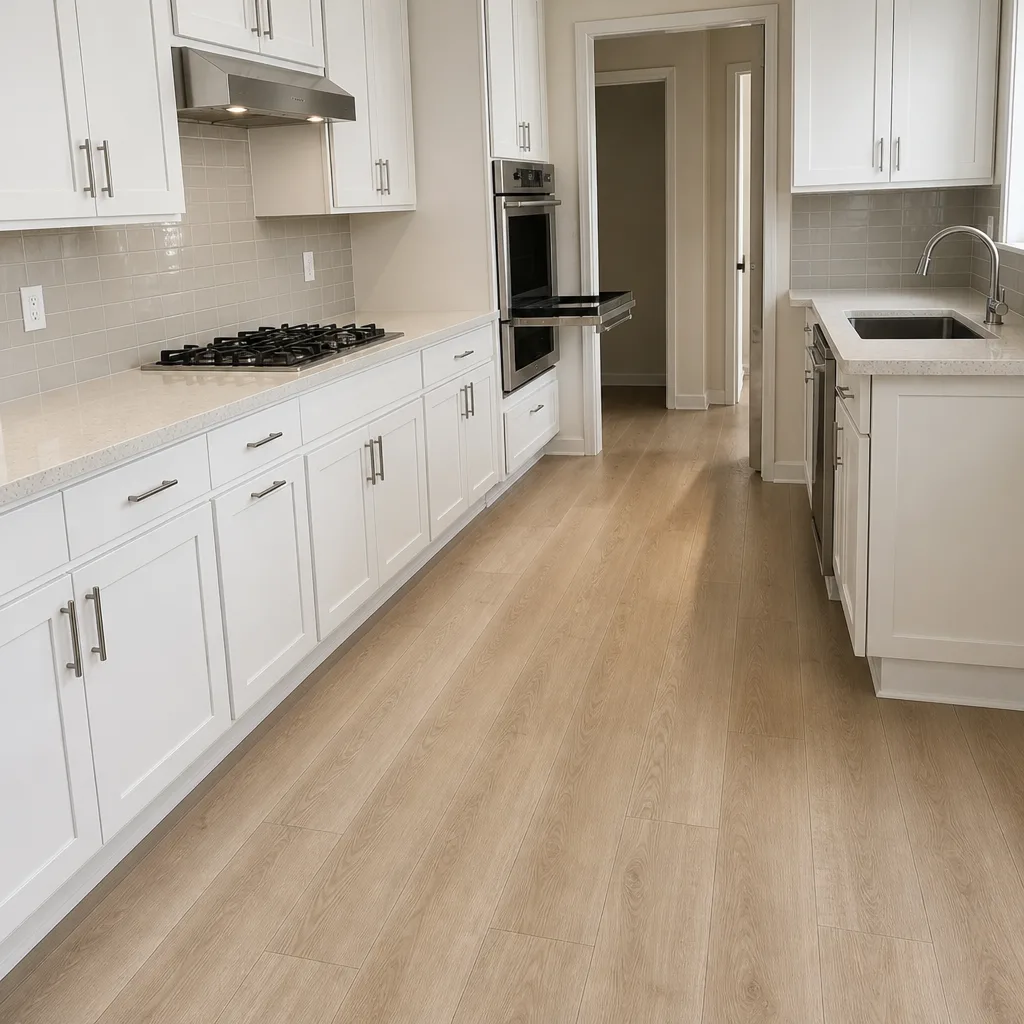
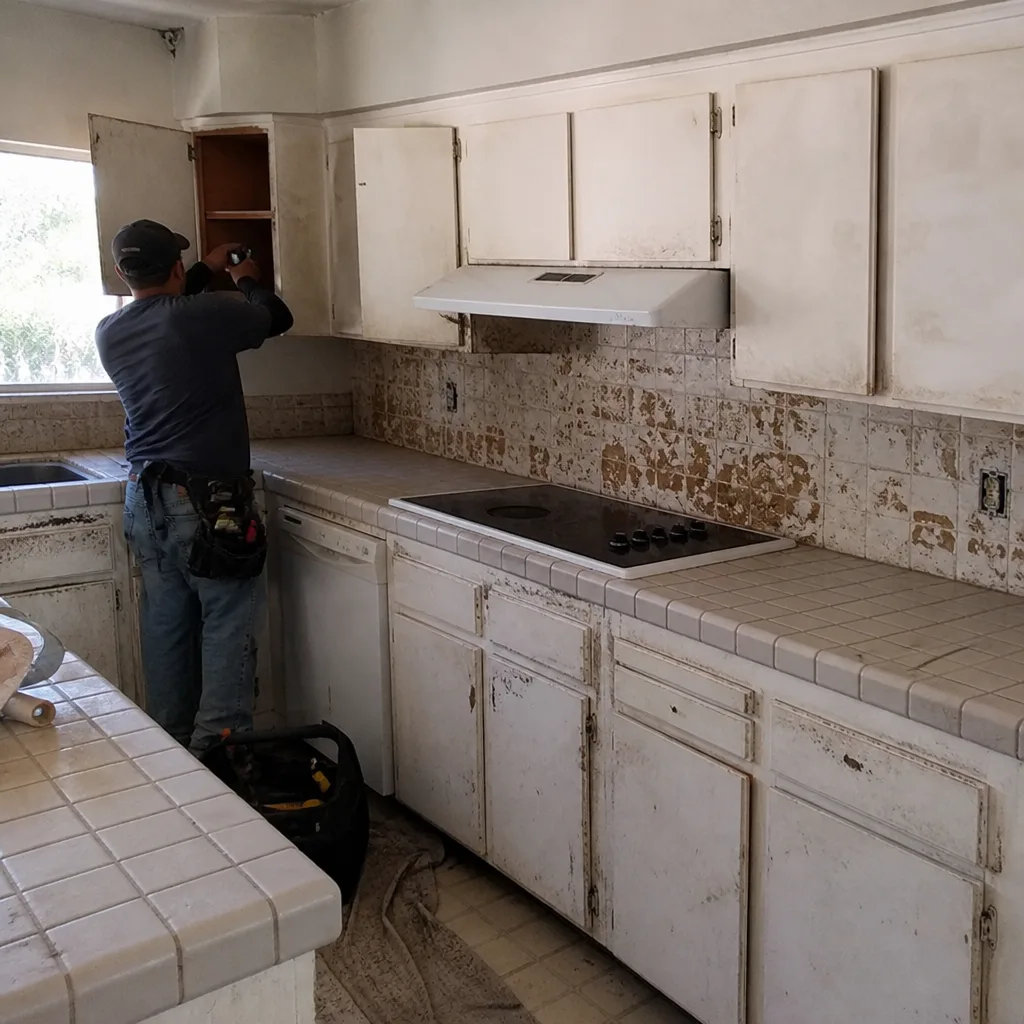
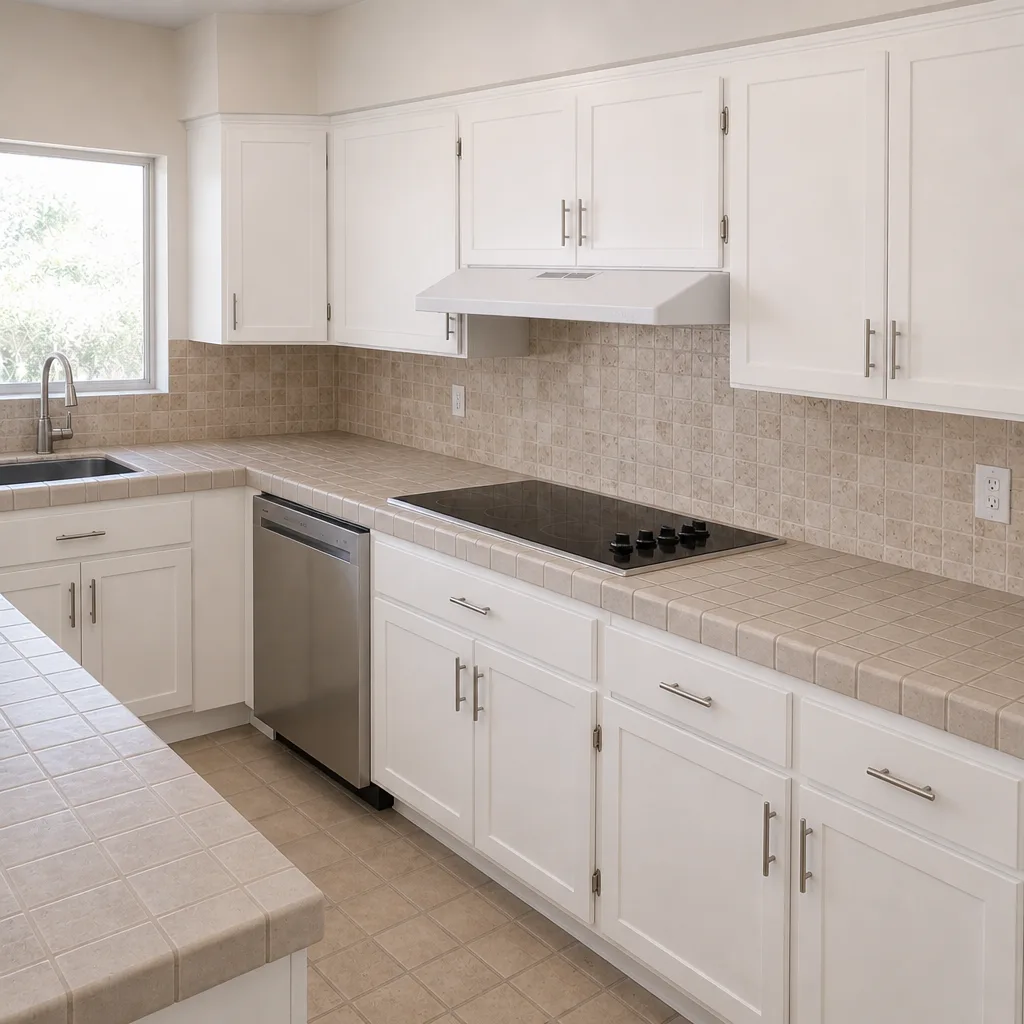
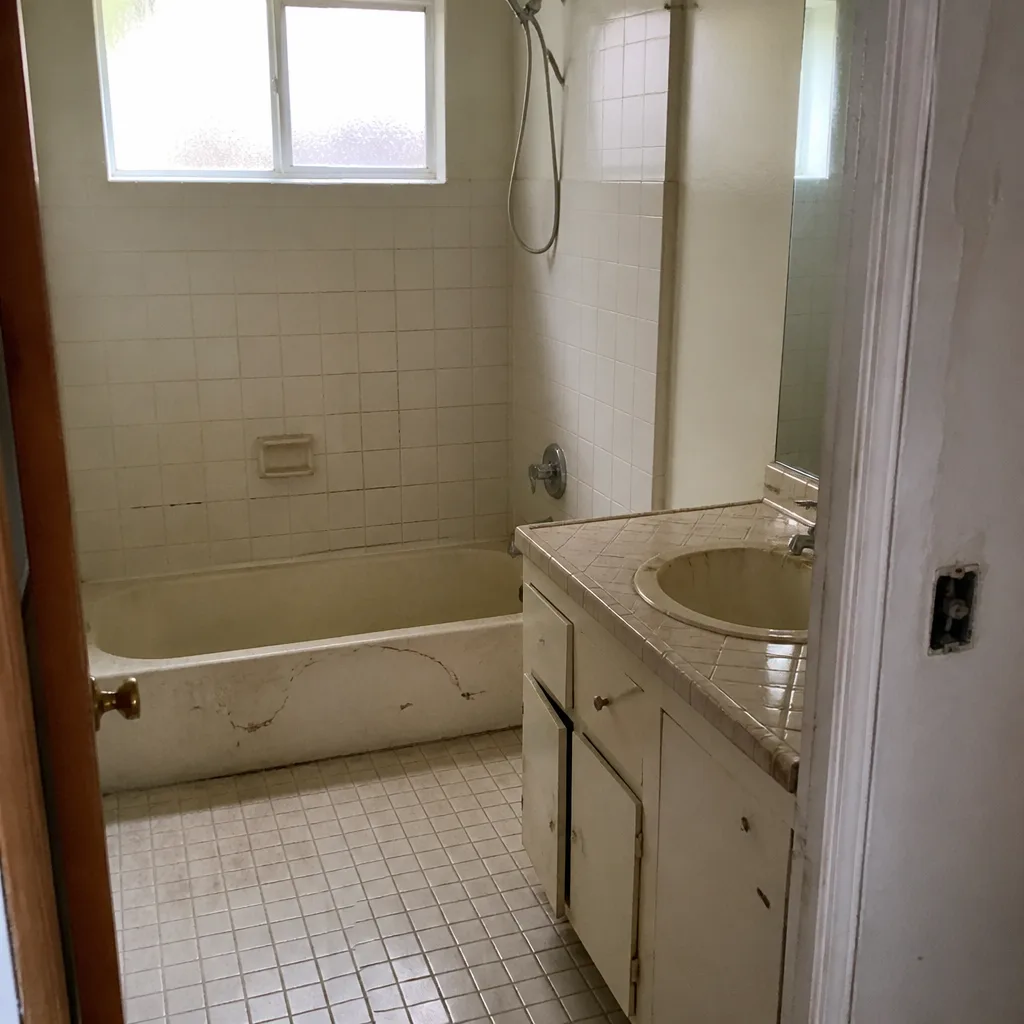
See the difference
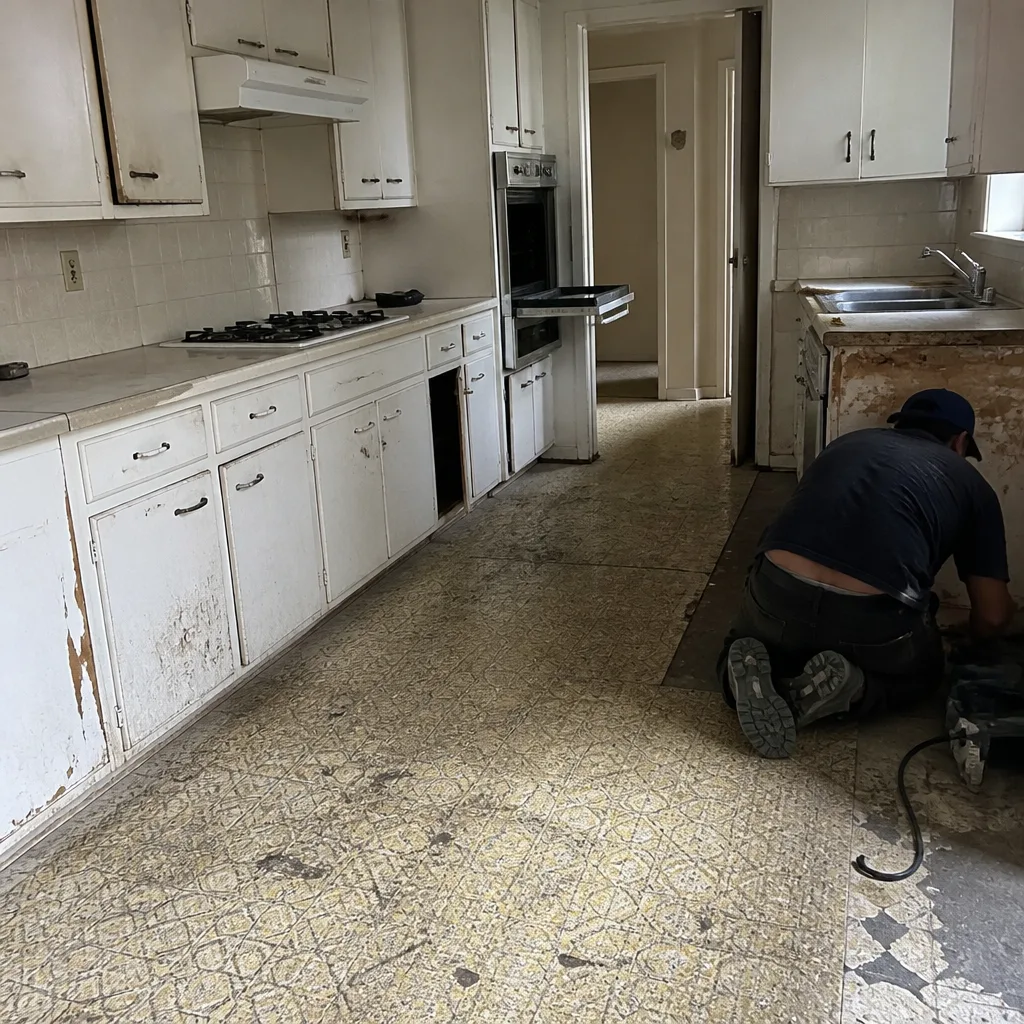 Before
 After
 Before
 After
 Before
 After
When to Call a Professional
Some window and door work is worth calling in immediately rather than planning for later. Fogging between panes on a dual-pane unit means the seal has failed, and the window’s efficiency is already dropping. Frame rot visible from inside or outside, especially on Irvine’s older aluminum-framed homes, will spread if it isn’t addressed. Water intrusion around a door threshold during the first heavy rain of the season is a flashing problem that will get worse. Drafts, sticking sashes, and visible gaps at the frame are also signs the timeline should start now, not next spring.
If the situation is safety-relevant, like a door that won’t latch or a window that could shatter, we treat it as urgent and coordinate an assessment right away. Groundwork Construction Co. of Irvine offers free estimates in Irvine, and our calls are answered by a live person 24 hours a day. Call (888) 578-4462 to schedule your free estimate. No-hassle upfront pricing means the number you see on the estimate is the number you pay.
Frequently Asked Questions
A typical Irvine window replacement project takes 8 to 16 weeks from signed contract to final inspection, with installation itself taking 1 to 3 days for most residential projects. Factory manufacturing lead time of 6 to 14 weeks is the largest single block on the calendar. Retrofit windows typically sit at the shorter end; full frame-out replacements extend the schedule because of stucco, drywall, and follow-up trades. Call (888) 578-4462 for an exact timeline on your specific scope, and we’ll give you the whole calendar, not just the install date.
Most replacement window manufacturers build to order, not to stock. Your specific size, glass package, color, and hardware combination enters a production queue that runs in batches. Non-standard sizes, specialty colors, and architectural brands all extend that queue. Retrofits in standard colors and sizes land at the 4 to 8 week end; custom Andersen and Marvin orders for Irvine homes typically land at the 10 to 14 week end. Plan the install around that, not the other way around.
Size-for-size window replacements generally don’t require a permit in Irvine. Any project that changes the opening dimensions, involves a new door install, or addresses the exterior envelope almost always does. When a permit is required, the application is filed in parallel with manufacturing so the project doesn’t lose time. We track status weekly so the permit lands before the windows do. Call (888) 578-4462 for a free estimate and a permit assessment on your specific scope.
Yes, and doing so often makes sense for older Irvine homes where the budget or disruption tolerance is capped. The trick is to sequence by zone (one side of the house at a time) and to lock in the entire order with a single manufacturer commitment upfront. Splitting the order across multiple contracts often resets the factory lead time each time, which costs more in total calendar than one coordinated phase plan. We build the multi-phase schedule into the estimate when we know it’s coming.
A retrofit window install runs 2 to 4 hours per opening and a whole project typically lands at 8 to 12 weeks from signature to final walkthrough. A full frame-out replacement runs 4 to 8 hours per opening, requires stucco and drywall work, and extends the total project to 14 to 20 weeks. Whether your home needs one or the other depends on the condition of the existing frames, which we assess at the estimate. Getting that answer early is the whole point.
Not on a Groundwork project. Upfront pricing means the number on the signed estimate is the number you pay. The one scenario that changes the price is discovering hidden structural damage at install – rotted framing or a failed pan – and in that case we stop, walk you through what we found, and get written approval before any additional work happens. All work is covered by our 730-Day Done Right Promise, and we also offer $1,000 off projects over $10,000 with 0% financing for 18 months. Call (888) 578-4462 for a free project estimate and design consult.
The Bottom Line
Window and door projects almost never run late because of the install crew. They run late because homeowners plan around the install date and not the project date. The full calendar from signed contract to final inspection on a typical Irvine home is 8 to 16 weeks, and manufacturing is the largest single block. Retrofit projects move faster than full frame-outs. Sequencing the openings properly reduces disruption. Permits, when required, run in parallel with manufacturing rather than after it. If any contractor quotes only the installation time, ask for the whole calendar. That’s the number you actually plan your life around. For a project paired with exterior upgrades, our team can also coordinate timing with Fence Installation in Irvine.
Ready to plan your timeline? Call (888) 578-4462 for a free estimate. Calls are answered by a live person, 24/7. Our technicians arrive in uniform, work is covered by our 730-Day Done Right Promise, and we serve Irvine and the surrounding communities across every trade from foundation to finish line. No-hassle upfront pricing, top-tier brand partners including Andersen, Marvin, GAF, and CertainTeed, and written guarantees you can hold us to. Start with the free estimate and design consult, and we’ll give you the full schedule before you sign anything.
Written by the team at Groundwork Construction Co. of Irvine.