
Last updated November 17, 2026
 Windows & doors
 Kitchen remodeling
 Bathroom remodeling
 Home additions & ADU
 Roofing
 Driveway & pavers
 Fence
Free written scope consultation - allowances, timeline, and change-order rules on paper before a single trade is scheduled
Windows & Doors Maintenance Schedule: What to Do and When
Sliding door tracks are the most neglected maintenance point in Irvine homes. A track that costs about $15 in cleaner and an hour of your Saturday to service each year becomes a $400-$900 roller-and-track replacement once grit grinds the rollers flat and the panel starts dragging. Windows and doors are the most-used moving parts in any house and the least-serviced, and the failure curve is predictable: years of quiet neglect, then a sudden bill. This guide gives you a real maintenance schedule organized around Southern California’s seasons, so you replace on your timeline instead of the manufacturer’s. You’ll learn what to do quarterly, why the wrong lubricant does more harm than none, and how to document upkeep so a warranty claim isn’t denied for neglect.
Quick Answer
Clean and lubricate sliding door tracks and window hardware every three months, inspect weatherstripping seals twice a year (spring and fall), and check exterior caulk and sill seals annually before Santa Ana wind season. In Irvine’s high-UV climate, caulk degrades roughly 30% faster than the national average, so exterior frame inspections matter more here than the generic checklists suggest. Document every task with a dated photo; that record is what keeps manufacturer warranties valid.
Styles & brands we work with
- Kitchen remodeling
- Bathroom remodeling
- Home additions & ADU
- Roofing
- Windows & doors
- Driveway & pavers
- Fence
Table of Contents
- The Quarterly Maintenance Checklist, Season by Season
- Lubricating Hardware the Right Way (and the Wrong Way)
- Weatherstripping: Cadence and the Signs Seals Have Failed
- Exterior Frames and Sills: The UV Problem in Irvine
- Maintaining and Documenting Warrantied Windows
- Pre-Santa Ana Wind Season Prep (September-October)
- Post-Summer Heat Check (October-November)
- When Repair Beats Replacement
The Quarterly Maintenance Checklist, Season by Season
A maintenance schedule that ignores seasons is just a list. In Irvine, the year splits into distinct stress periods for windows and doors: dry, dusty spring; a long, hot, high-UV summer; the dry Santa Ana wind events of fall; and a mild, occasionally wet winter. Each period asks something different of your seals, tracks, and hardware. Here is the schedule we recommend to Irvine homeowners, organized so you’re not repeating work or skipping a season.
- Spring (March-May): Deep-clean all sliding door tracks and window channels. Remove the panel where the manufacturer allows and vacuum the track with a crevice tool before any wet cleaning. Check weatherstripping compression along door frames and window sashes. Inspect exterior caulk lines after winter rain for cracking or separation.
- Summer (June-August): Test every window for smooth operation and full closure. Clean weep holes at the bottom of window frames so condensation and irrigation spray can drain. Wipe tracks monthly during dust season. Check that screens are intact, since Irvine’s dry summer afternoons push a lot of dust through open windows.
- Fall (September-October): Run the pre-Santa Ana wind checklist (below). Lubricate hinges, rollers, locks, and latches. Inspect weatherstripping again before wind season. Re-caulk any exterior seams that show hairline cracks from summer UV exposure.
- Winter (November-February): Test for water intrusion after the first real rain. Check door sweeps and thresholds for gaps. Confirm that sliding door weep holes and the track drain path are clear so standing water doesn’t pool and corrode the track. Lubricate any hardware that stiffened in cooler, damper air.
That’s the skeleton. The rest of this guide fills in the how and the why behind each line, because the details are where most homeowners go wrong. If you’d rather hand the whole schedule to a crew that shows up in uniform and background-checked, that’s what Groundwork Construction Co. of Irvine home does, and our technicians have up to 12 years of experience on exactly these systems.
Lubricating Hardware the Right Way (and the Wrong Way)
Here’s the counterintuitive part: the wrong lubricant on a vinyl sliding door track accelerates deterioration faster than no lubricant at all. Vinyl tracks and rollers are engineered to run dry or with a specific dry-film product. Spray them with a heavy petroleum lubricant and you create a magnet for dust and grit. That grit packs into the roller bearings, grinds the nylon wheels down, and turns a smooth slide into a metal-on-metal scrape. We see this constantly in Irvine homes where a well-meaning weekend project did more damage than the years of neglect that came before it.
Match the lubricant to the material and the moving part:
- Vinyl and aluminum sliding tracks: Clean first, then use a dry silicone spray or leave them dry. Never use grease, WD-40, or oil-based sprays on the roller path.
- Roller assemblies: A dry PTFE or silicone-based lubricant applied sparingly. Wipe off excess; the roller needs a film, not a coating.
- Hinges (hinged doors, casement windows): A light machine oil or a purpose-made hinge lubricant. One or two drops per hinge, worked in by opening and closing several times.
- Locks, latches, and deadbolts: Graphite or a dry lock lubricant. Liquid lubricants attract dust into the cylinder and cause the stiff, gritty turn that makes people think the lock is failing.
- Weatherstripping and seals: A silicone-based protectant that keeps rubber and foam supple. Avoid petroleum-based products that break down the rubber over time.
One rule above all: clean before you lubricate. Lubricant applied over grit is just glue for more grit. Vacuum the track, wipe it with a damp cloth, let it dry fully, then apply the correct product. Do this quarterly and your sliding doors will still glide the way they did when they were installed.
Weatherstripping: Cadence and the Signs Seals Have Failed
Weatherstripping is the compression seal that stops air, water, dust, and pests at every door and operable window. When it fails, you don’t usually notice at first. You notice later as a higher energy bill, a whistling door on a windy Irvine evening, or a fine line of dust on the sill. Inspect every seal twice a year, in spring and fall, and you’ll catch failure while it’s still a cheap fix rather than a hidden cost.
Here’s what to look for on a seal that’s lost its efficacy:
- No compression: Close the door or window on a dollar bill. If the bill slides out with no drag, the seal isn’t making contact anymore.
- Visible flattening or memory loss: Foam seals that stay crushed after the door opens have lost their rebound.
- Cracking, brittleness, or crumbling: Rubber that cracks or foam that crumbles has dried out, often from UV exposure.
- Daylight around a closed door or window: Any visible gap along the frame means air is moving through it.
- Water spotting or a wet sill after rain: Moisture on the interior sill is a seal problem, sometimes combined with a drain problem.
When you find a failed seal, replace the whole run of that weatherstripping, not just the visibly bad section. Partial replacements leave inconsistent compression and tend to fail at the seams. Keep a note of which doors and windows you re-sealed and when; that log becomes valuable if a warranty claim ever comes up.
Exterior Frames and Sills: The UV Problem in Irvine
Irvine sits in a high-UV zone. Our summer sun and year-round clear days push the UV index well above the national average, and that sun degrades exterior caulk seals roughly 30% faster than it would in a cooler, cloudier climate. That single fact changes the maintenance math for every Irvine home. Caulk that a generic checklist tells you to check every few years needs an annual look here, especially on south- and west-facing walls that take the worst of the afternoon sun.
Your annual exterior frame and sill inspection should cover:
- Walk the exterior of every window and door. Look for cracks, shrinkage gaps, or separation between the caulk and the frame or siding. Hairline cracks in the caulk bead let water in behind the frame.
- Press on the caulk. Healthy caulk feels firm and bonded. Caulk that peels up or feels chalky has failed and needs replacing.
- Check the sill and the wall below it. Water stains, soft wood, bubbling paint, or a dark streak below a sill points to water intrusion that started at the seal.
- Look at the frame material. Wood frames need paint that’s intact; any bare wood soaks up moisture. Vinyl doesn’t rot but can discolor and crack in high UV. Aluminum is durable but its seals and the caulk around it still age.
- Re-caulk proactively before the rainy season. Cut out failing caulk, clean the joint, and apply a quality exterior sealant rated for sun exposure. This is one of the highest-return maintenance tasks in an Irvine home.
If you’re already planning exterior work around the property, our guides to Fence Installation in Irvine and Driveway & Pavers in Irvine cover the same UV-and-heat logic for those surfaces, because your windows, doors, fence, and hardscape all take the same sun.
Maintaining and Documenting Warrantied Windows
Most window and door warranties require reasonable maintenance, and “neglect” is the word a manufacturer uses to deny a claim. A failed seal you never cleaned, a track you never serviced, or a finish you never protected can be cited as evidence of neglect even when the underlying defect is the manufacturer’s. The fix is simple and it costs you almost nothing: document your maintenance as you do it.
Build a simple maintenance file for your home. Keep it in a folder, physical or digital, and add to it every time you touch a window or door:
- Dated photos of cleaned tracks, serviced hardware, and re-caulked frames. A photo with a date on it is the strongest proof of upkeep.
- Receipts for cleaning products, lubricants, caulk, and any replacement weatherstripping.
- The original warranty paperwork and the installation date, kept in one place with the product model numbers.
- A short log of what you did and when. A few sentences per season is enough.
When you do file a claim, lead with the record. A homeowner who can show a regular maintenance history is in a far stronger position than one who can’t speak to how the window was treated. And if you’re unsure whether a problem is a maintenance failure or a material defect, get a professional opinion early while the record is fresh. Groundwork Construction Co. of Irvine works with Andersen and Marvin among other window brands, so we can often tell you which side of the warranty line a problem falls on.
Pre-Santa Ana Wind Season Prep (September-October)
Santa Ana winds are the defining seasonal event for Irvine windows and doors. The dry, gusty offshore winds can hit 40-60 mph and drive fine dust and grit into every operable joint in a home. A window or door that’s marginally sealed becomes a leaking, rattling one during a strong event. Prep before the season, in September and October, and you’ll save yourself the mid-wind panic call.
Run this sequence each fall:
- Test every latch and lock so the window pulls tight to the frame and the door holds shut under gust pressure. A loose latch means a rattling, air-leaking window under wind.
- Check weatherstripping compression on the windward side of the house, which takes the brunt. Re-seal any gap before the winds arrive.
- Lubricate rollers, hinges, and latches while the hardware is clean, so dust has less to stick to going into the season.
- Clear tracks and weep holes so wind-driven grit doesn’t clog drainage and hold water the next time it rains.
- Check screens and window crank hardware for anything loose that wind can grab.
If a door or window already closes loosely or rattles in a normal breeze, it will be worse in a Santa Ana event, and it’s telling you a seal or a latch or a roller needs attention now. Document the prep, then enjoy a quieter, drier fall. If your home also has a garage or entry door on the same exterior wall, it’s worth checking its sweep and seals on the same walk.
Post-Summer Heat Check (October-November)
By October, an Irvine summer has done its work on your windows and doors. Months of high heat and intense UV stress caulk, weatherstripping, vinyl frames, and window finishes. This is the moment to catch the damage the summer caused, before the winter rains test it. The post-summer heat check is short but high-value.
- Caulk: Re-inspect every exterior bead. Heat cycling opens hairline cracks, especially on sun-facing walls. This is the single most important check after a hot Irvine summer.
- Weatherstripping: Feel the seals for flat, cracked, or crumbly sections. Heat dries out rubber and foam.
- Vinyl frames and moving parts: Look for discoloration, cracking, or warping at the frame edges, and test that panels still slide smoothly. Heat can distort vinyl if the fit is tight.
- Window finishes and hardware: Sun exposure can dull and break down exterior finishes; loose hardware should be tightened before winter.
- Interior humidity: As a final touch, wipe down interior sills and frames after a hot, dry summer to keep dust and grit out of the joints.
The logic is simple. Summer stress creates hairline failures; the rainy season finds them. A post-summer heat check closes the window between the two. If you find a problem that’s beyond a touch-up, that’s the right moment to call, when you’re planning to repair rather than reacting to a leak.
When Repair Beats Replacement
One of the points of a maintenance schedule is to make the repair-versus-replace decision on your terms, from a place of information rather than a burst pipe or a failed lock at the wrong time. Most window and door problems are repairs: a worn roller, a failed latch, a weathered seal, a cracked caulk line. Replacing those on their own saves the cost and disruption of a full replacement. Full replacement makes sense when the window or door itself is failing structurally or functionally, not because one part wore out.
In our experience working Irvine homes, these situations usually point to replacement rather than repair:
- Misting or fogging between the glass panes. A failed insulating glass seal can’t be re-sealed once moisture gets in; you replace the glass unit or the window.
- Rotted wood framing around old windows or doors, where the frame itself is compromised beneath the finish.
- Repeated track and roller failure on a sliding door that’s outlived its hardware, where new parts grind down within a season.
- Age and energy performance. Single-pane or failing windows that leak air and heat point to replacement, not a new seal.
When it’s a rolling worn-out slider or a single failed unit, a professional can often restore function quickly. When it’s a set of them across a wall that all show the same wear, that’s where planning a window-and-door replacement with the right materials pays off, and why window and door brands differ so much in longevity.
Common Mistakes to Avoid
- Using the wrong lubricant on vinyl tracks. A heavy oil or petroleum spray on the roller path attracts grit and grinds the rollers down faster than if you’d done nothing. Clean, dry, or dry-silicone. Never grease.
- Skipping the track drain and weep holes. In Irvine, windblown dust clogs these drain paths every dry season. A clogged weep hole holds water against the frame and corrodes the track from the inside.
- Caulking over old caulk. A fresh bead over a failing one traps moisture and fails at the same seam. Cut out the old seal, clean the joint, and reapply.
- Replacing only the visibly bad section of weatherstripping. Partial seals create inconsistent compression and fail at the seams. Replace the full run.
- Treating warranty as automatic. Manufacturers cite neglect to deny claims. A homeowner with no dated maintenance record is at a disadvantage even when the defect is theirs to pay for.
- Waiting for the Santa Ana winds to test the seals. If a door rattles or a window closes loosely in calm weather, it will fail in wind. Fix it before the season.
- Ignoring the exterior sill and wall below it. Dark stains or bubbling paint below a sill mean water intrusion that started at the seal; the interior looks fine while the wall behind it gets wet.
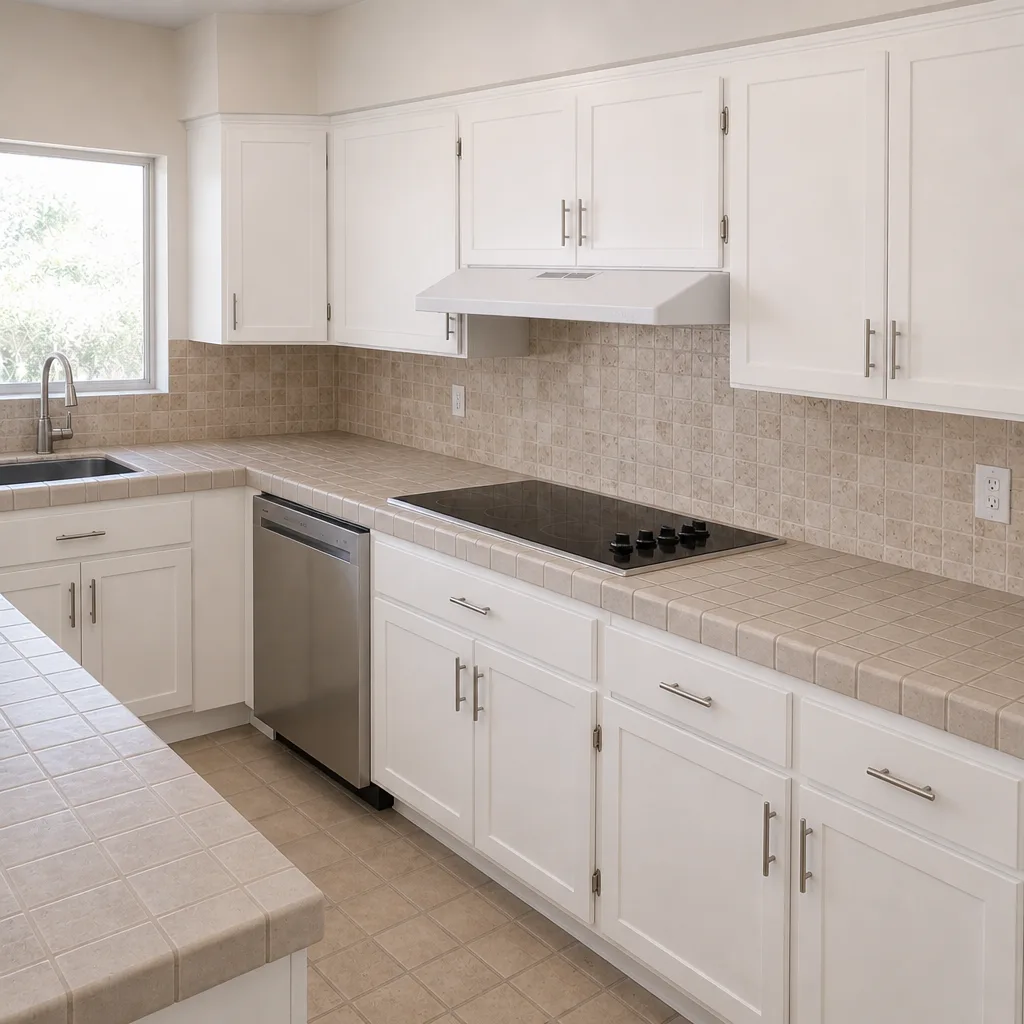
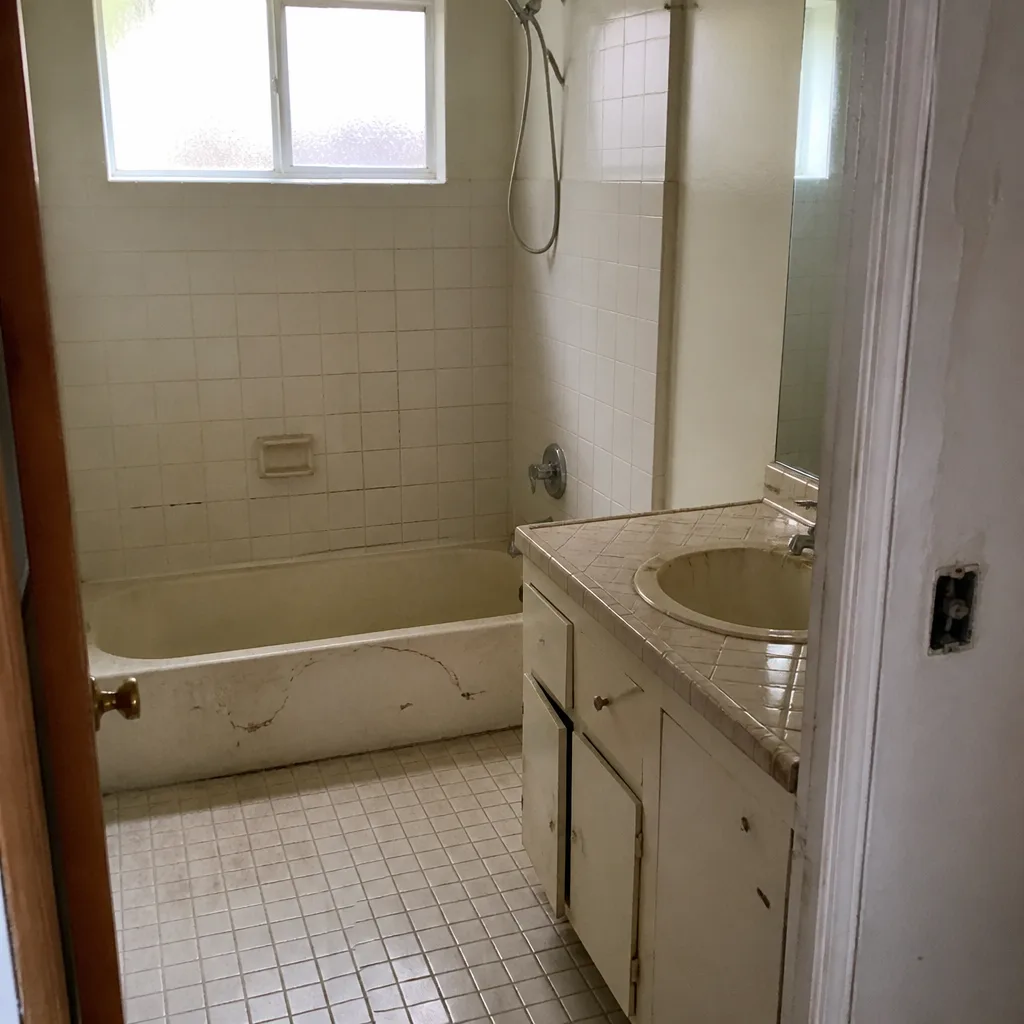
See the difference
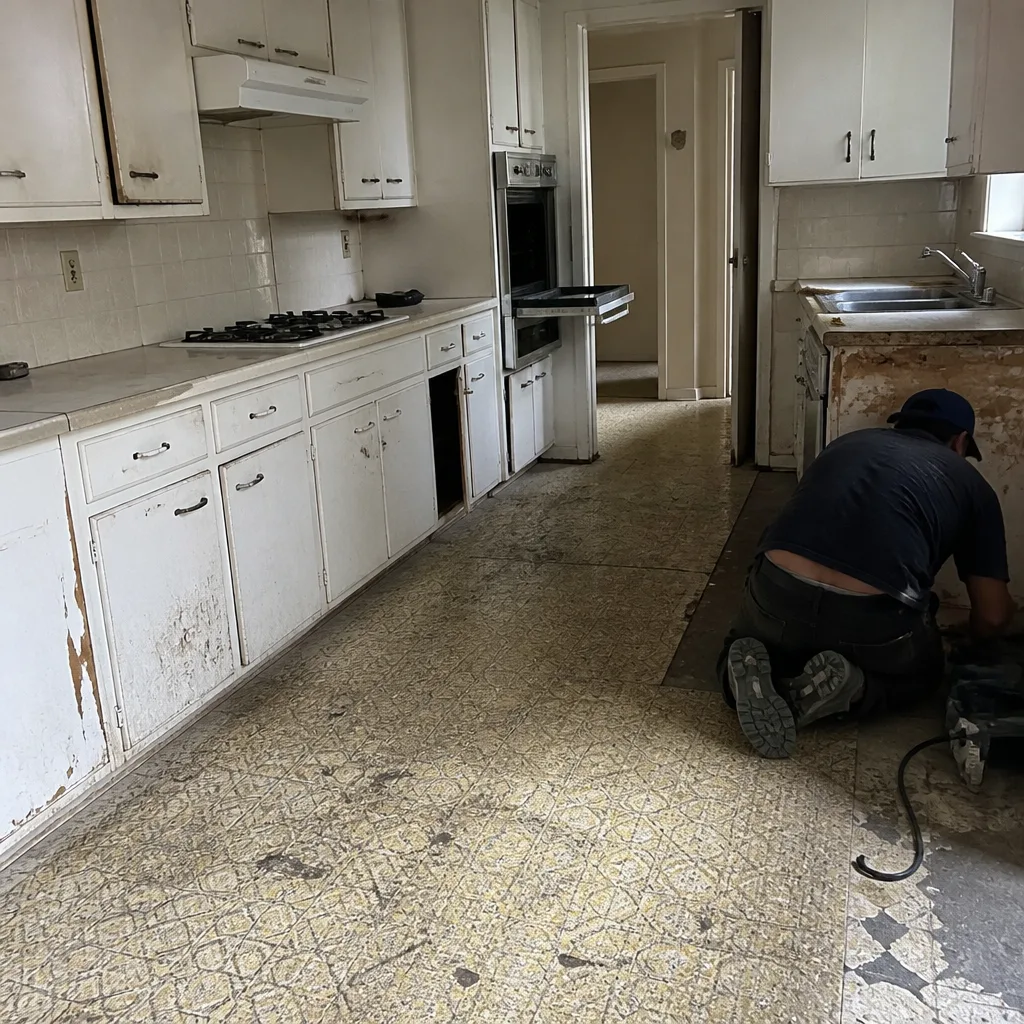 Before
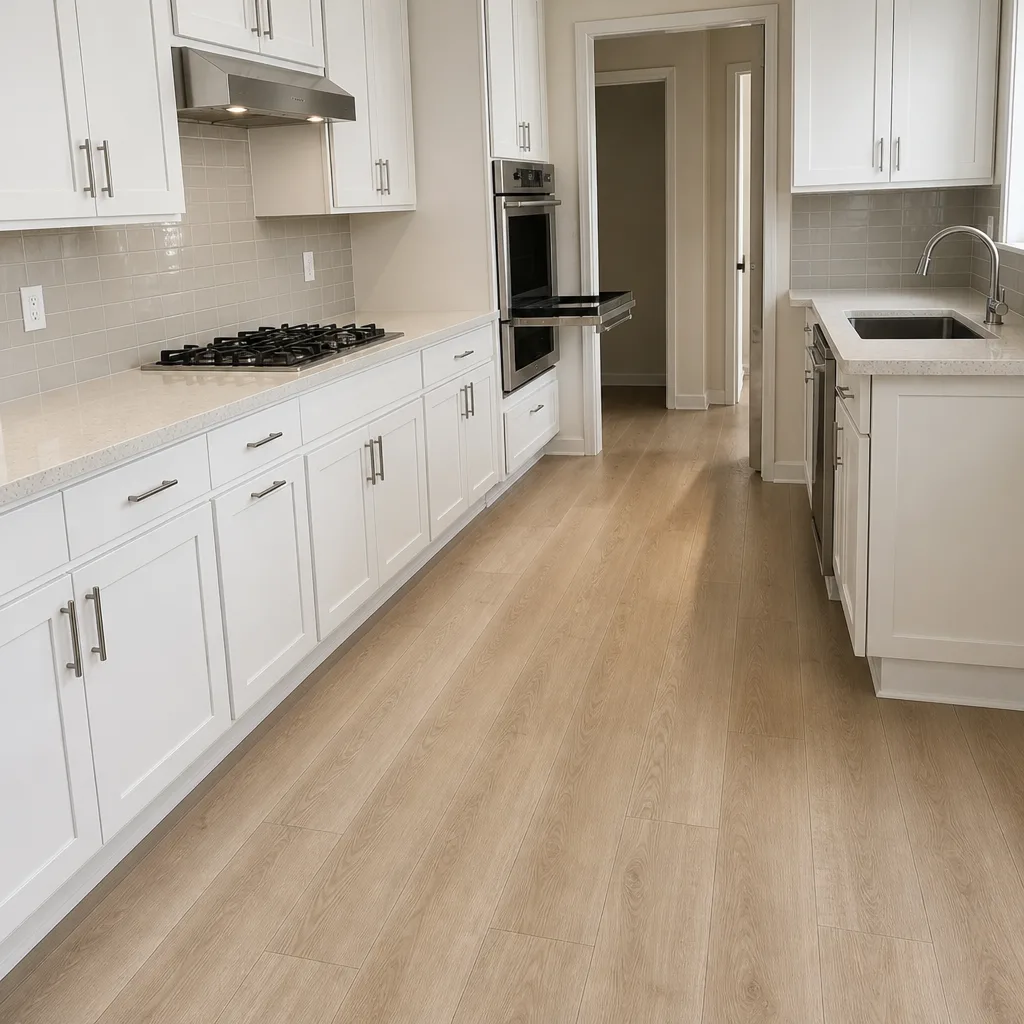 After
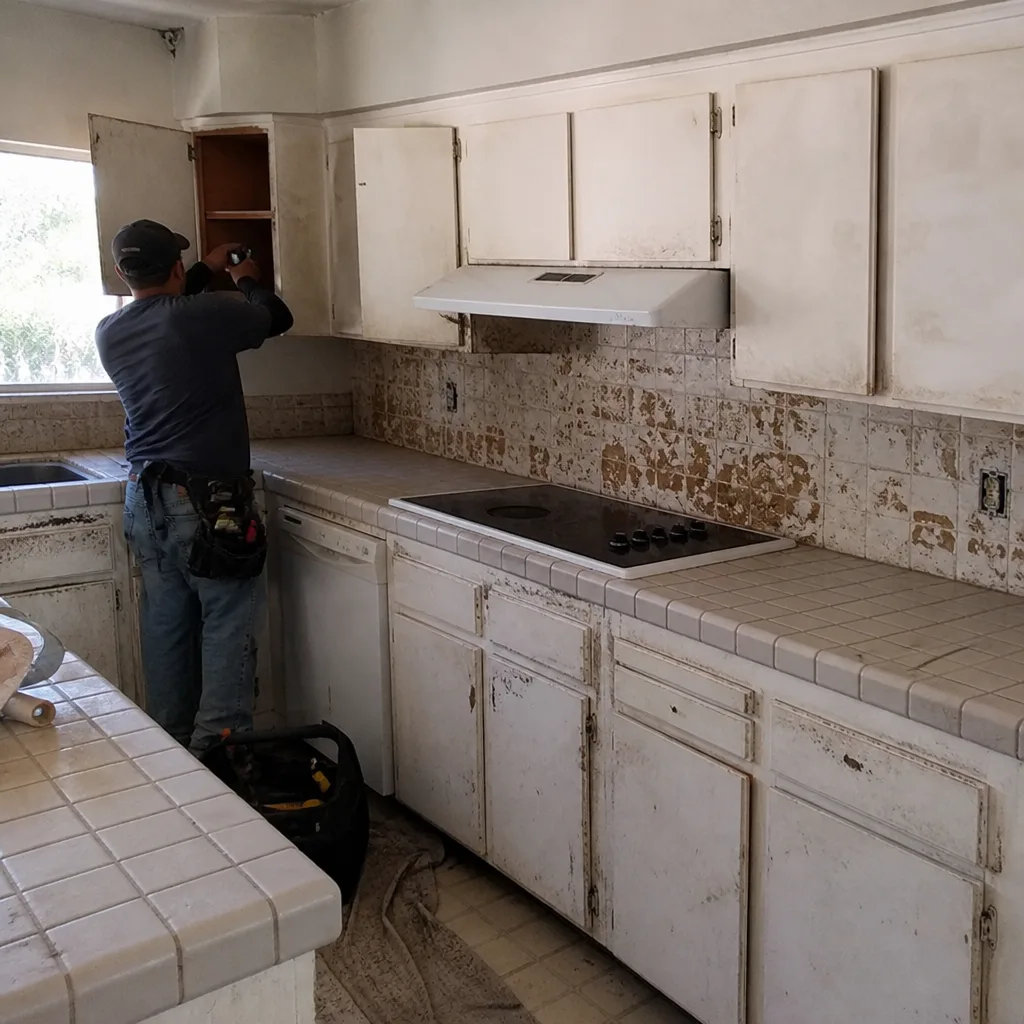 Before
 After
 Before
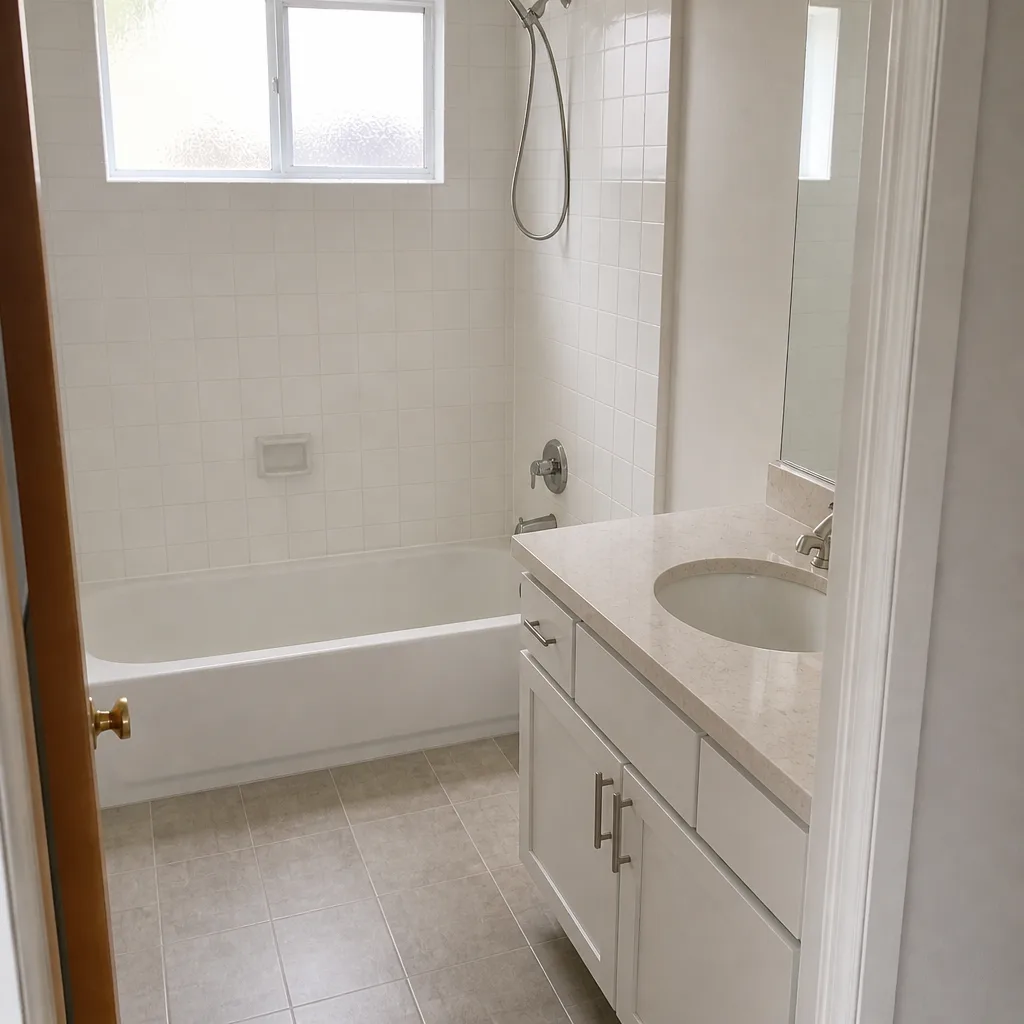 After
When to Call a Professional
Some window and door problems are calls for a professional. Fogging between panes means a failed insulated glass seal that can’t be repaired in place. A track or roller that has seized hard enough to grind the panel, a door that won’t close or latch squarely, a window that leaks water into the wall, or rotted wood framing around an old unit are all jobs where a repair attempt can cost more than getting it right the first time. The same goes for any window or door work on an upper floor, where height and safety turn a weekend task into one for trained hands. Groundwork Construction Co. of Irvine offers free estimates in Irvine. Call (888) 578-4462 to schedule yours, and the quote will be upfront and written line by line so you know exactly what you’re paying for before any work starts.
Frequently Asked Questions
Service the moving parts every three months, inspect weatherstripping twice a year (spring and fall), and check exterior caulk and sills annually before the rainy season. In Irvine’s high-UV climate, the exterior caulk check matters more often than the generic national checklist suggests because the sun degrades seals faster here. Call (888) 578-4462 for a free estimate if a window or door issue is beyond routine upkeep.
The wrong lubricant, especially an oil or grease, turns a vinyl or aluminum track into a dust magnet. Grit packs into the roller bearings and grinds them down until the panel drags. The fix is to clean the track and use a dry silicone spray or leave it dry, never grease. If your rollers are already grinding, call (888) 578-4462 for a free estimate on the repair.
Use the dollar bill test: close the door or window on a bill, and if it slides out with no drag, the seal isn’t making contact. Other signs are visible daylight around a closed frame, cracked or crumbly rubber, and a wet sill after rain. Replace the full run of stripping when it fails. Call (888) 578-4462 if you’d like a professional seal inspection.
Yes, a manufacturer can deny a claim for “neglect.” Most warranties require reasonable maintenance, so keep dated photos, receipts, and a short maintenance log. If a defect problem and a maintenance problem are hard to tell apart, get a professional opinion while the record is fresh. Call (888) 578-4462 for a free estimate and we’ll help you sort out which it is.
Plan on an annual inspection and re-caulking of problem seams, and a proactive re-caulk every few years on sun-facing walls. Irvine’s UV index is high enough to degrade caulk seals roughly 30% faster than the national average, so a crack you’d ignore elsewhere deserves attention here. Call (888) 578-4462 for a free estimate if you want the exterior evaluated.
Yes. Groundwork Construction Co. of Irvine handles window and door repair and replacement across Irvine, backed by our 730-Day Done Right Promise: if it’s not done right, we make it right. Our project pricing is upfront with no surprises, and we include $1,000 off projects over $10,000 and 0% financing for 18 months. Call (888) 578-4462 for your free estimate and design consult.
The Bottom Line
Windows and doors fail on a predictable curve, and this schedule moves you off it. Clean and lubricate the moving parts quarterly, with the right products; inspect seals twice a year; and check exterior caulk and sills annually, especially in Irvine’s high-UV climate. Document every task, because a maintenance record is what keeps a warranty claim alive. Do this and you’ll replace on your timeline, not the manufacturer’s, and you’ll keep the small, cheap fixes from becoming the large, sudden ones. When a problem outgrows the checklist, that’s a call, not a crisis.
Ready to Plan Your Window & Door Upkeep?
If your maintenance check turns up a window or door that needs more than a wipe-down and a fresh seal, we’d rather look at it with you early than after a leak. Groundwork Construction Co. of Irvine offers free estimates with a written, line-by-line quote, calls answered by a live person 24 hours a day, seven days a week, and background-checked, uniformed technicians on every job. Our technicians have up to 12 years of experience, we work with top window brands like Andersen and Marvin, and every project is backed in writing by our 730-Day Done Right Promise. Call (888) 578-4462 to schedule your free estimate, and remember the $1,000 off projects over $10,000 plus 0% financing for 18 months when you’re ready to plan a larger replacement. When your windows and doors tie into bigger exterior plans, our teams also handle Home Additions & ADU in Irvine, and a single partner can keep the whole job from foundation to finish line.
Written by the team at Groundwork Construction Co. of Irvine.