
Last updated November 17, 2026
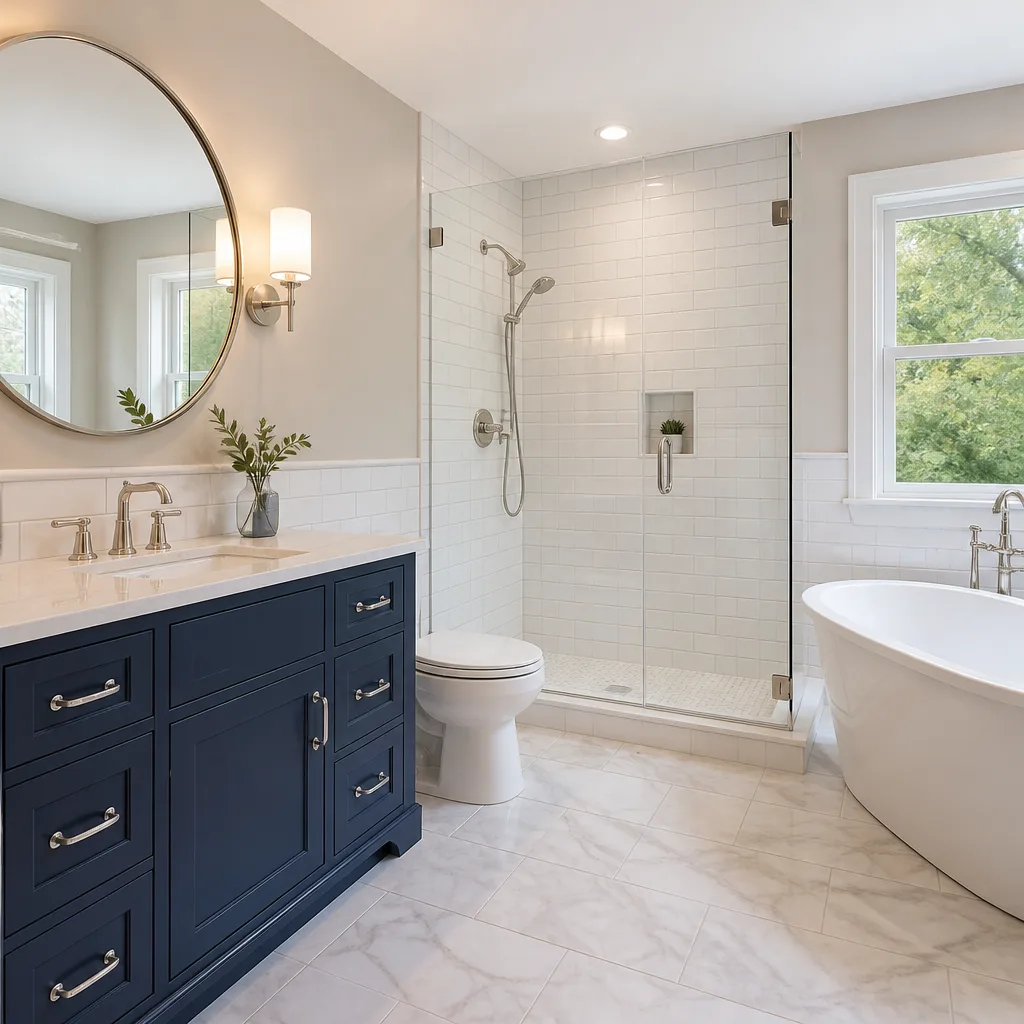 Bathroom remodeling
 Kitchen remodeling
 Home additions & ADU
 Roofing
 Windows & doors
 Driveway & pavers
 Fence
Free written scope consultation - allowances, timeline, and change-order rules on paper before a single trade is scheduled
DIY vs Professional Bathroom Remodeling: What’s Safe to Do Yourself
Painting a bathroom yourself saves about $400. Attempting your own shower drain rough-in and failing inspection costs an average of $3,200 to open, correct, and re-close the wall and framing. That gap is the whole conversation, and most DIY guides never mention it. The real question isn’t whether you’re handy enough to tile or set a toilet. It’s what happens when something goes wrong inside the wall, under the floor, or behind the valve trim, and whether the person who did that work can be held accountable. This guide draws a hard line through a bathroom remodel, separating the tasks that genuinely save you money from the ones that void permits, fail inspections, and cost double to fix. We’ll walk through California licensing law, how Irvine building codes treat wet-zone plumbing and electrical, and which cosmetic work is worth your weekend.
Quick Answer
In Irvine, cosmetic bathroom work (painting, hardware swaps, mirror and accessory installs, replacing a vanity top, re-caulking) is safe to do yourself. Any work that touches the plumbing supply or drain lines, runs new electrical in a wet zone, moves walls, or changes the footprint requires a licensed contractor and a permit under California law. The dividing line isn’t difficulty. It’s liability, inspection, and resale disclosure.
Styles & brands we work with
- Kitchen remodeling
- Bathroom remodeling
- Home additions & ADU
- Roofing
- Windows & doors
- Driveway & pavers
- Fence
Table of Contents
- Where the Real DIY Line Sits
- What California Law Actually Requires You to Hire Out
- How Irvine Building Codes Treat Wet-Zone Plumbing and Electrical
- The Hidden Cost Multiplier When Unpermitted Work Surfaces
- The Cosmetic Tasks That Are Genuinely Low-Risk
- How to Read a Renovation Quote and Cut It Safely
- What an Inspection Actually Checks
- Common Mistakes to Avoid
- When to Call a Professional
Where the Real DIY Line Sits
Most homeowners frame this as a skill question: am I capable of doing this? That’s the wrong frame. The better question is: if this fails in three years, who pays to make it right, and can I prove the work was done correctly when I sell? A bathroom is the most moisture-dense room in the house, and almost every serious failure happens out of sight. A shower pan that looks perfect on day one can leak into the subfloor for months before you notice a soft spot or a water stain on the ceiling below. A toilet flange set a quarter inch high will hold water at the base and rot the floor from the top down.
That’s why we draw the line at what’s inside the wall and under the tile. Everything visible and reversible is fair game for a careful homeowner. Everything that gets buried, sealed, or inspected is not. In our experience across Irvine, the remodels that turn into nightmares are rarely the ones where someone painted a cabinet wrong. They’re the ones where someone moved a drain line two inches and didn’t realize the trap arm now exceeded code fall.
A simple test before you pick up a tool
- If the work fails, will water go somewhere it shouldn’t? If yes, hire it out.
- Does the work require a permit to be legal? If yes, hire it out.
- Will the work be hidden behind drywall, tile, or a finished surface? If yes, hire it out.
- Is the task reversible in an afternoon with basic tools? If yes, it’s probably fine to do yourself.
- Does a mistake create a shock or fire hazard in a wet zone? If yes, hire it out, no exceptions.
That test is deliberately conservative, and it should be. The work you’re outsourcing costs a known amount. The work you’re gambling on costs an unknown amount, and the number is almost never small.
What California Law Actually Requires You to Hire Out
California is specific about this. Under the Contractors State License Law (Business and Professions Code section 7025 and following), any construction work priced at $500 or more in labor and materials requires a licensed contractor. That threshold is low on purpose. It means almost any remodeling task beyond a minor repair legally requires a license, and the license has to be active and in the right classification. For bathroom work, that’s typically a B (general building) or C-36 (plumbing) or C-10 (electrical) specialty license depending on the task.
Here’s the part most homeowners don’t know. There’s a narrow homeowner exemption: you can perform work on your own principal residence without a contractor’s license, but you still need permits, and you still have to build to code. The exemption lets you swing the hammer. It doesn’t let you skip the inspection or the code book. And it definitely doesn’t protect you when the work is discovered later.
What this means for your project
- Moving a drain or supply line: requires a plumbing permit and, in practice, a licensed plumber. Not a DIY task in Irvine.
- Adding or relocating a circuit, a GFCI outlet, or a vent fan: requires an electrical permit and a licensed electrician. Wet-zone electrical is the highest-consequence work in the room.
- Changing the footprint or moving walls: requires a building permit and usually structural review. This is not a homeowner-exemption task.
- Replacing a fixture in the same location: often exempt from permit but still code-bound. If you’re swapping a like-for-like toilet or vanity, you can usually do it yourself. If you’re changing location or rough-in, you can’t.
- Water heater replacement, gas line work, and anything involving combustion: licensed plumber only. No exceptions, no homeowner workaround.
If any of that reads as more restrictive than you expected, good. The $500 threshold catches most of what people assume they can do themselves. When we quote a bathroom remodel in Irvine, we pull the permits and schedule the inspections as part of the job. That’s not a courtesy. It’s the only way the work is insurable and defensible at resale. For a wider look at how we handle whole-home scope, see our Groundwork Construction Co. of Irvine home page.
How Irvine Building Codes Treat Wet-Zone Plumbing and Electrical
Irvine adopts the California Building Standards Code, which layers the Uniform Plumbing Code, Uniform Mechanical Code, and California Electrical Code on top of local amendments. For bathrooms, the practical effect is that wet zones get extra scrutiny. GFCI protection is required on all bathroom receptacles, and it’s been required for years. Any receptacle within six feet of a sink or tub has to be GFCI-protected, and so does any circuit serving bathroom countertop appliances. That alone disqualifies most DIY electrical in an Irvine bathroom if you don’t know the code path.
Plumbing is just as strict. Shower pans have to slope to the drain at a minimum quarter inch per foot, and the waterproofing has to extend up the walls to a specified height. The valve bodies have to be set at the right depth for the trim, with proper blocking behind. Toilet flanges have to sit flush with the finished floor. Vent stacks have to be sized and routed correctly. None of this is optional, and none of it is inspected after the fact if you tile over it, which is exactly why the inspection happens before the tile goes down.
Local conditions that affect bathroom work in Irvine
Two things shape bathroom remodels here more than most people expect. First, Irvine sits in a climate with low humidity and warm summers, which sounds forgiving but actually means moisture from a slow leak evaporates faster than you’d notice, so the damage is often advanced before the first visible sign. We’ve opened walls in Woodbridge and found framing that looked dry on the surface and crumbled at a touch. Second, much of Irvine’s housing stock was built in tight waves in the 1970s, 1980s, and 1990s, which means original plumbing in older neighborhoods like Turtle Rock and Walnut is often at or past its service life. Copper that’s been through several decades in hard water can develop pinhole leaks behind a vanity you never plan to move.
That’s not a reason to avoid DIY. It’s a reason to know what you’re opening. If you’re replacing a vanity in an older home, the supply lines and shutoff valves you expose may need replacement, and that becomes plumbing work with a permit. It’s the kind of thing a contractor flags before demolition and a homeowner discovers mid-project.
The Hidden Cost Multiplier When Unpermitted Work Surfaces
This is the part that changes the math. Unpermitted work doesn’t stay invisible. It surfaces at the worst possible moment: during a home sale, an insurance claim, or a refinance appraisal. When it does, the buyer’s inspector flags it, the buyer’s lender won’t fund the loan until it’s corrected, and you’re now paying to open walls, correct work you thought was finished, and re-close them, with no contractor warranty to fall back on because the original work was never permitted or warranted in the first place.
Our rule of thumb from real Irvine projects: correcting unpermitted bathroom plumbing or electrical after the fact runs roughly two to three times what it would have cost to do it right the first time. A shower drain rough-in that failed inspection costs an average of $3,200 to open, correct, and re-close, and that’s before any finish repairs. On a resale, the number compounds because you’re also negotiating against a buyer who now knows there may be more.
What the multiplier actually looks like
- First-time correct cost: permit, licensed labor, inspection, finish. Known number.
- Discovery cost: inspection report, negotiation leverage for the buyer, or a repair demand before closing.
- Correction cost: demo, re-rough-in, re-inspection, re-finish. Typically 2 to 3 times the original.
- Disclosure cost: every future sale has to disclose the correction, which affects how buyers price the home.
None of that math favors DIY on the risky tasks. It favors doing the safe tasks yourself and hiring the rest, with permits and a written warranty. That’s the whole reason our 730-Day Done Right Promise exists: if the work isn’t done right, we make it right, and it’s one of the longest workmanship guarantees in residential construction. You can’t get that guarantee on your own rough-in.
The Cosmetic Tasks That Are Genuinely Low-Risk
Here’s the good news. A real chunk of a bathroom remodel is cosmetic and worth doing yourself if you have the time. We’d rather you spend your effort where it pays and leave the wet-zone work to a licensed crew. The tasks below are reversible, visible, and carry no permit or inspection exposure. Done carefully, they save real money without creating liability.
Worth doing yourself
- Painting walls, ceilings, and trim. The single best DIY value in a bathroom. Prep and two coats do more for a dated room than anything else you can do for the money.
- Swapping cabinet and drawer hardware. Knobs and pulls are a 30-minute job. Measure hole spacing before you buy, or you’ll be filling and redrilling.
- Installing a mirror or medicine cabinet. Anchored into studs, this is a low-risk job. Use the right anchors, and don’t hang anything heavy into drywall alone.
- Installing a new showerhead, faucet aerator, or towel bars. Thread-on and screw-in swaps. No permit, no inspection, fully reversible.
- Replacing a vanity top (not the plumbing). If the rough-in stays put and the cabinet is sound, a new top and sink set is a real upgrade. The plumbing connection should still be done by a licensed plumber, but the install itself is manageable.
- Re-caulking tub and shower joints. Small job, big payoff. Remove the old caulk completely, dry the joint, and use a mold-resistant silicone. This one task prevents the most common water intrusion we see in Irvine bathrooms.
- Swapping light fixtures that plug in or use an existing fixture box. If you’re not running new wire, it’s a fixture swap. If you are, it’s electrical work. Know which one you’re doing.
Notice how many of those tasks are about finishes and hardware. That’s not a coincidence. The safe DIY zone is exactly the zone that doesn’t hide anything.
Not worth doing yourself, even if you think you can
- Shower pan and tiling over a new pan. The waterproofing is the whole job, and you can’t inspect it after the fact.
- Moving or re-routing a drain, supply, or vent line.
- Adding a circuit, a GFCI, a vent fan on new wire, or any electrical in a wet zone.
- Anything that moves a wall, widens a doorway, or changes the footprint.
- Gas line work and water heater replacement.
If you’re planning a larger renovation than a bathroom, the same logic applies, and the stakes go up. Our guides to Home Additions & ADU in Irvine cover where the permit line sits on structural work. The same discipline that keeps a bathroom legal keeps an addition insurable.
How to Read a Renovation Quote and Cut It Safely
A bathroom quote is not a single number. It’s a stack of line items, and some of them are yours to remove while others are load-bearing. Learning to read the stack is the most useful skill in this entire guide. When we hand a homeowner an upfront line-item quote, the number they see is the number they pay. That’s a standing commitment, not a marketing line. But it only works if the scope is honest from the start, and that’s where a lot of vague bids fall apart.
The line items you can safely cut
- Paint labor. Take this off the quote and do it yourself. It’s the cleanest savings in the stack.
- Hardware and accessory install. Knobs, towel bars, mirrors, and shelves are yours to handle.
- Demo of finishes. If you’re able and careful, removing old tile, vanity, and fixtures is real savings. Confirm with your contractor what they want left in place, especially around the rough-in.
- Final clean and punch-list touch-ups. Some contractors will let you take this on. Ask.
The line items you should never cut
- Permits and inspections. Cutting this is how unpermitted work happens. It’s not savings, it’s deferred cost.
- Plumbing rough-in and valve work. Licensed, permitted, inspected. Non-negotiable.
- Electrical rough-in and GFCI work. Same standard as plumbing in a wet zone.
- Shower waterproofing and tile labor. This is the most-failed task in bathroom remodels. Cutting it is a gamble with the floor below.
- Workmanship warranty. A bid without one isn’t really a bid. It’s a quote with a handshake attached.
The right way to evaluate a quote is to ask which lines can come out without affecting inspection or warranty. A good contractor will tell you exactly which ones and why. A vague bid won’t answer the question at all, and that’s your signal. For the larger home-improvement picture, our Driveway & Pavers in Irvine guide walks through the same line-item logic on hardscape work.
What an Inspection Actually Checks
Inspections aren’t a formality, and they aren’t adversarial. They’re a second set of eyes on the parts of the job you’ll never see again. Knowing what an inspector looks for is how you know which tasks are safe to DIY and which aren’t. In Irvine, bathroom inspections typically happen in phases, and the trade inspection has to pass before the next phase can be covered.
The rough-in inspection
- Plumbing: slope on drain lines, venting, valve body depth, toilet flange height relative to finished floor, and shower pan preslope.
- Electrical: GFCI protection, box fill, wire gauge, and vent fan ducting to the exterior.
- Framing: blocking for grab bars and valve access, and structural changes if the footprint moved.
The final inspection
- Fixtures installed and functioning: no leaks at supply or drain connections, water pressure and temperature verified.
- GFCI trip test: every receptacle in the wet zone confirms reset.
- Waterproofing and finish: tile over the correct substrate, silicone at wet joints, no gaps at the pan or curb.
- Vent fan operation: exhaust ducted outside, not into the attic.
Here’s the point that matters most. Once the tile is down and the vanity is in, the rough-in is unreachable without demolition. That’s why an inspection happens before finish, and why doing the rough-in yourself to save money is such a bad trade. If it fails, you’re not fixing a small item. You’re opening walls you just closed. Our technicians have up to 12 years of experience, and every one of them has seen a homeowner’s rough-in that didn’t pass. The pattern is depressingly consistent.
Common Mistakes to Avoid
- Skipping a permit to save a few hundred dollars. The permit costs a fraction of the correction. When it surfaces at resale, the buyer’s lender won’t fund until it’s fixed, and you’re paying a contractor to redo work you already paid for once.
- Replacing a vanity without checking the shutoff valves. In older Irvine homes, the angle stops behind a vanity are often seized. Forcing them turns a cosmetic swap into a plumbing repair with a permit.
- Setting a toilet on a flange that doesn’t sit flush with the finished floor. The toilet rocks, water pools at the base, and the subfloor rots from the top. It looks fine for years before it fails.
- Tiling a shower without a proper preslope and waterproofing. This is the single most expensive DIY mistake in the room. Water finds the path of least resistance, and in Irvine’s low-humidity climate, it evaporates from the surface while quietly damaging the framing below.
- Running electrical in a wet zone without GFCI protection. Code requires it, inspectors check for it, and it’s a genuine shock hazard near water. Not a task for a homeowner with a YouTube video.
- Cutting the workmanship warranty out of the scope to save money. Without it, you own every future problem. That trade never works out in your favor.
- Assuming “a neighbor did it and it’s fine” means your house will be fine. Every bathroom is different. The conditions behind the wall in Woodbridge are not the conditions in Turtle Rock, and the age of the plumbing matters more than the neighborhood’s reputation.
If you’re also planning exterior work around the same time, the same mistakes in permitting and scope apply. Our Fence Installation in Irvine guide covers where the property-line and permit rules bite hardest.
When to Call a Professional
Call a professional the moment the work goes inside the wall, under the tile, or into the electrical panel. That means any plumbing rough-in or relocation, any new electrical circuit or wet-zone wiring, any change to the footprint or structure, any gas work, and any shower waterproofing. Call us too if your home is older than about thirty years and you’re opening a vanity wall; the plumbing you find may not be what the plans show. Groundwork Construction Co. of Irvine offers free estimates in Irvine, pulls the permits, schedules the inspections, and backs the work with our 730-Day Done Right Promise. Upfront pricing, no surprises, and 0% financing for 18 months with $1,000 off projects over $10,000. Call (888) 578-4462 for a free estimate. A live person answers, 24/7.
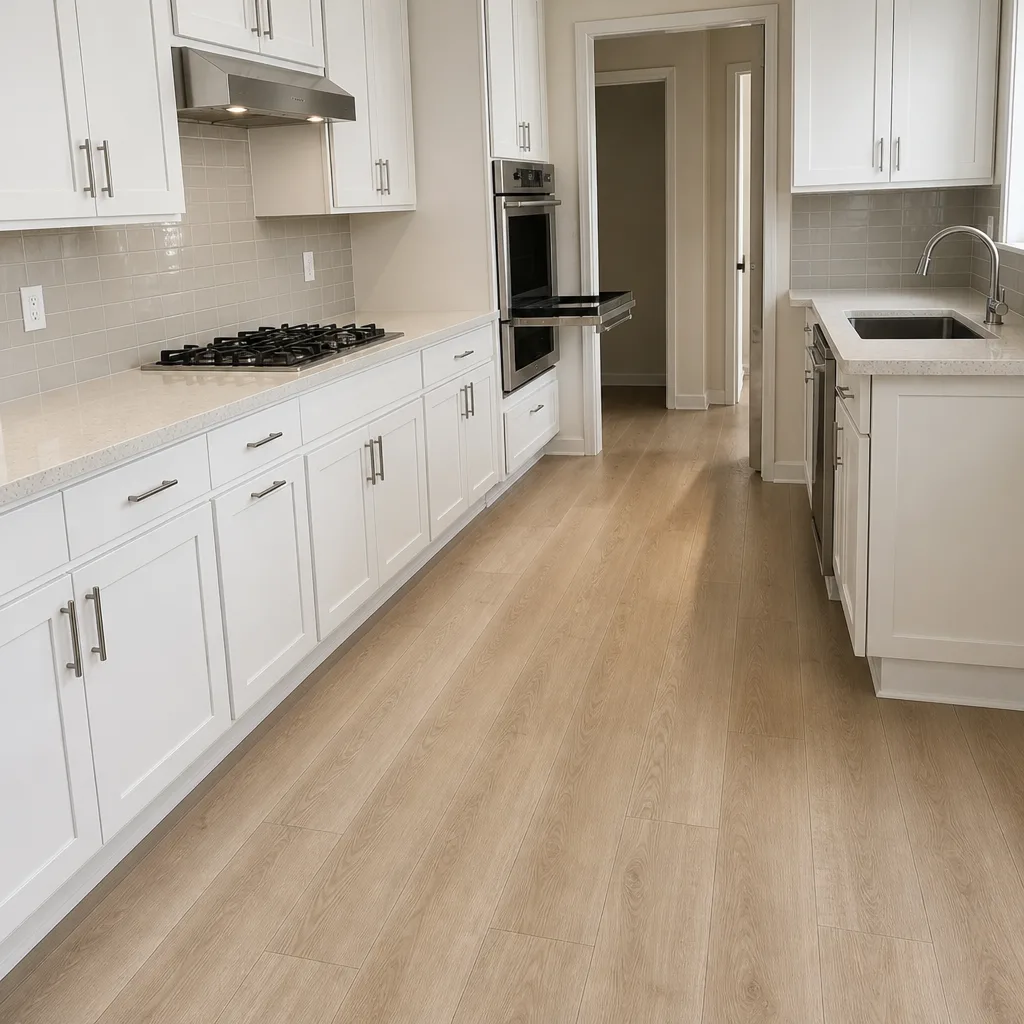
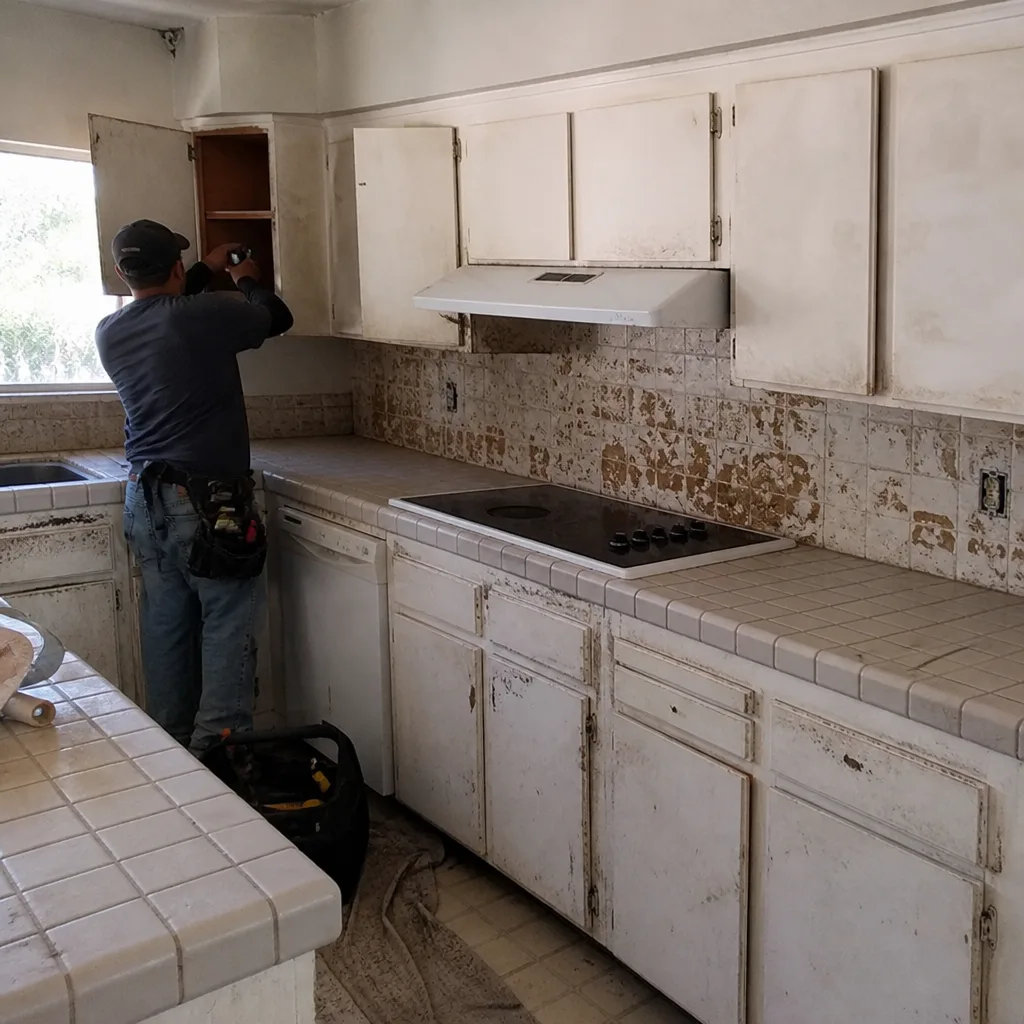
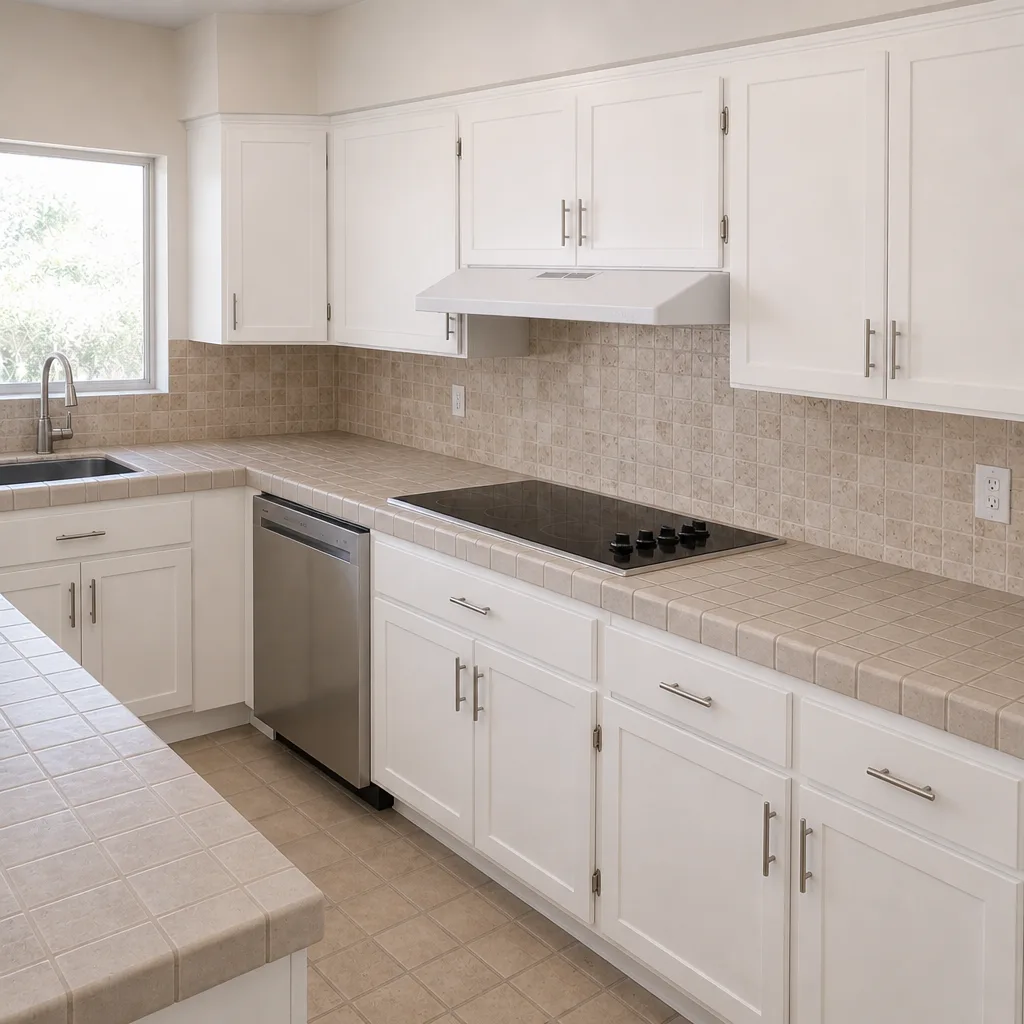
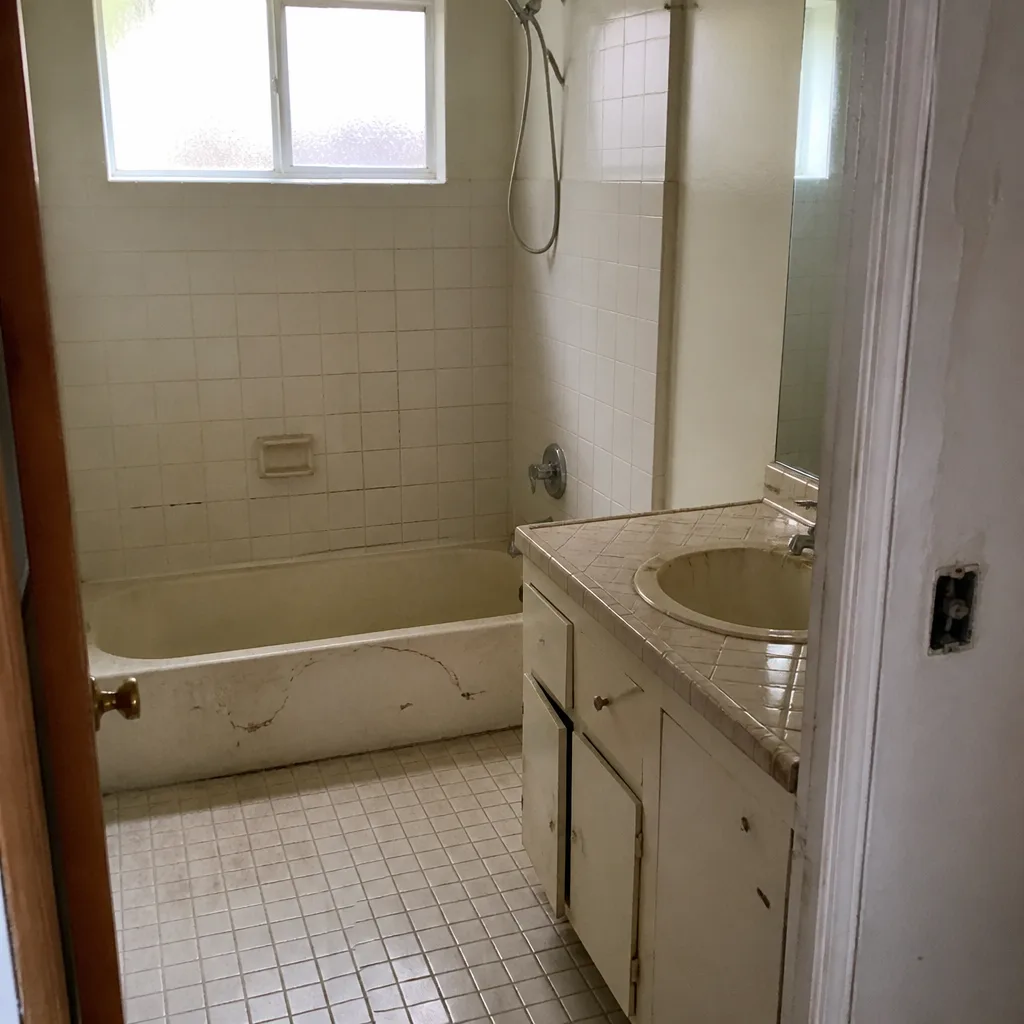
See the difference
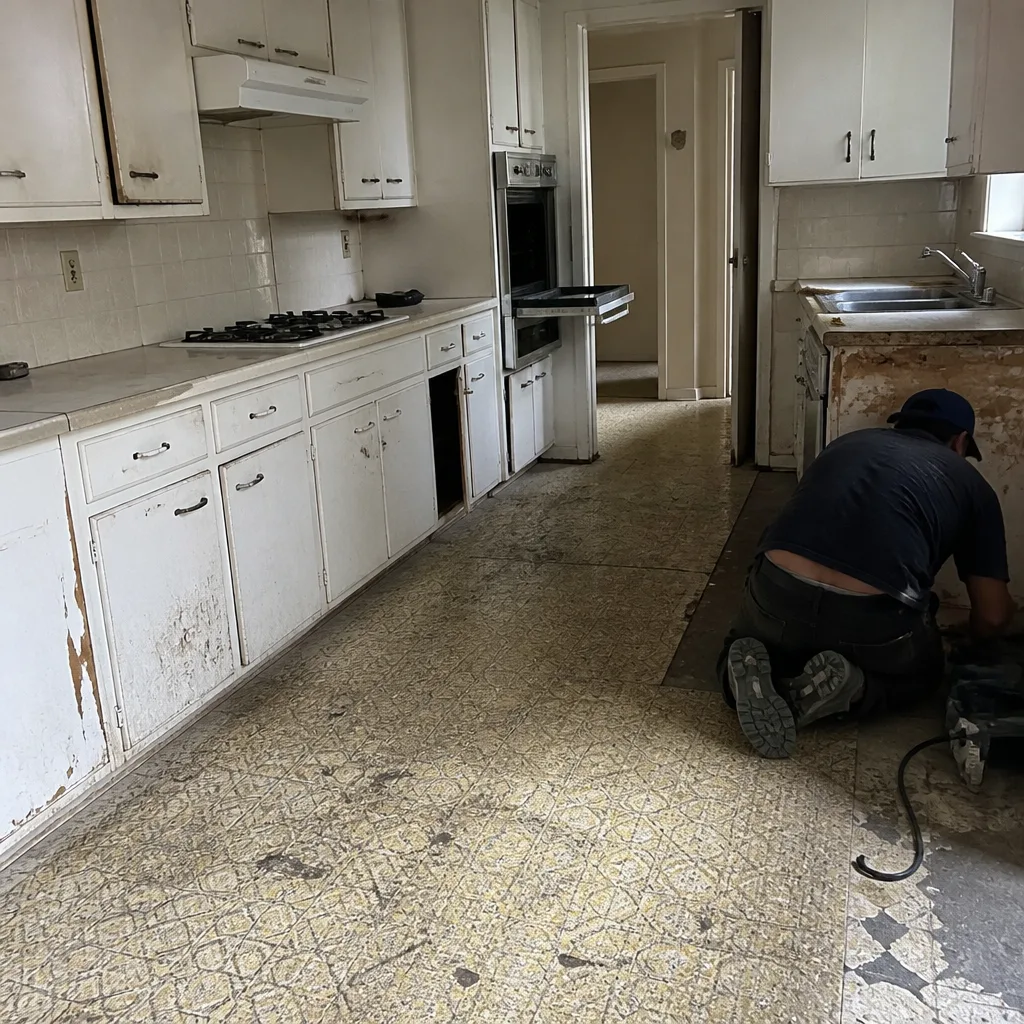 Before
 After
 Before
 After
 Before
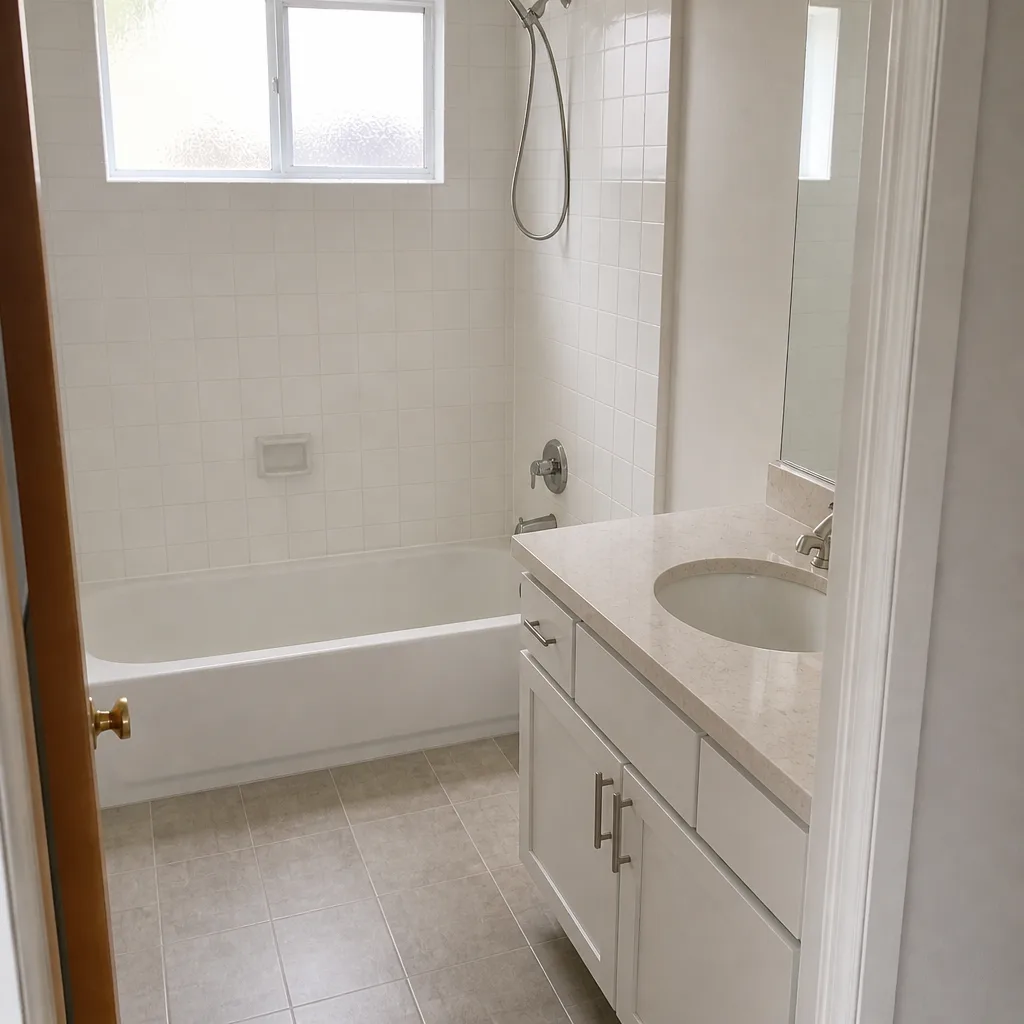 After
Frequently Asked Questions
You can perform work on your own principal residence without a contractor’s license, but any plumbing work still requires a permit and must meet the Uniform Plumbing Code as adopted in Irvine. In practice, moving a drain, supply line, or vent is a licensed plumber’s job, and inspections catch the rest. Electric, gas, and wet-zone work fall under the same standard. Call (888) 578-4462 for a straight answer on your specific project; estimates are free.
Correcting unpermitted bathroom plumbing or electrical after the fact typically runs two to three times what it would have cost to do correctly the first time. A failed shower drain rough-in costs an average of $3,200 to open, correct, and re-close, and that’s before finish repairs. On a resale, you also lose negotiating leverage with the buyer. Call (888) 578-4462 for a free estimate on doing it right the first time.
Yes, but only the right parts. Paint labor, hardware and accessory install, and finish demo are safe to remove and do yourself. Permits, plumbing rough-in, electrical rough-in, shower waterproofing, and the workmanship warranty should stay in every bid. Ask your contractor which lines can come out without affecting inspection or warranty, and a good one will tell you. Call (888) 578-4462 and we’ll walk you through the line items on a free estimate.
With upfront line-item pricing, it shouldn’t. The number you see is the number you pay, and any change to scope is documented and agreed before it happens. Vague bids are where change orders come from. If a contractor won’t put scope and price in writing, that’s the warning sign. Call (888) 578-4462 to schedule a free estimate with a written quote.
Like-for-like replacement of a toilet or vanity in the same location is often exempt from a permit, but it’s still code-bound. If you’re moving the rough-in, adding an outlet, or changing the footprint, you need a permit and a licensed contractor. The $500 labor-and-materials threshold under California law catches most projects that look exempt but aren’t. Call (888) 578-4462 and we’ll confirm what your project requires.
Painting, hardware swaps, mirror and accessory installs, showerhead and faucet aerator swaps, re-caulking joints, and cosmetic installations that don’t touch plumbing, electrical, or structure. These are reversible, visible, and permit-free. Everything buried behind tile or drywall isn’t worth the risk. Call (888) 578-4462 for a free estimate on the work that belongs to a licensed crew.
The Bottom Line
The DIY line in a bathroom remodel isn’t about skill. It’s about what happens when something fails inside the wall. Paint, hardware, mirrors, and cosmetic swaps are yours to do and worth doing. Plumbing rough-in, wet-zone electrical, waterproofing, and anything that moves the footprint belong to a licensed, permitted, inspected crew, because that’s the only work that’s insurable and defensible at resale. The $400 you save on paint is real money. The $3,200 you spend correcting a failed rough-in is real money too, and it lands at the worst possible moment. Do the safe work yourself, hire the rest, and insist on permits and a written warranty on every job.
Ready for a free estimate? Groundwork Construction Co. of Irvine pulls the permits, schedules the inspections, and backs every project with our 730-Day Done Right Promise. Upfront pricing, no surprises, 0% financing for 18 months, and $1,000 off projects over $10,000. Call (888) 578-4462 today. A live person answers, 24/7.
Written by the team at Groundwork Construction Co. of Irvine.