
Last updated November 17, 2026
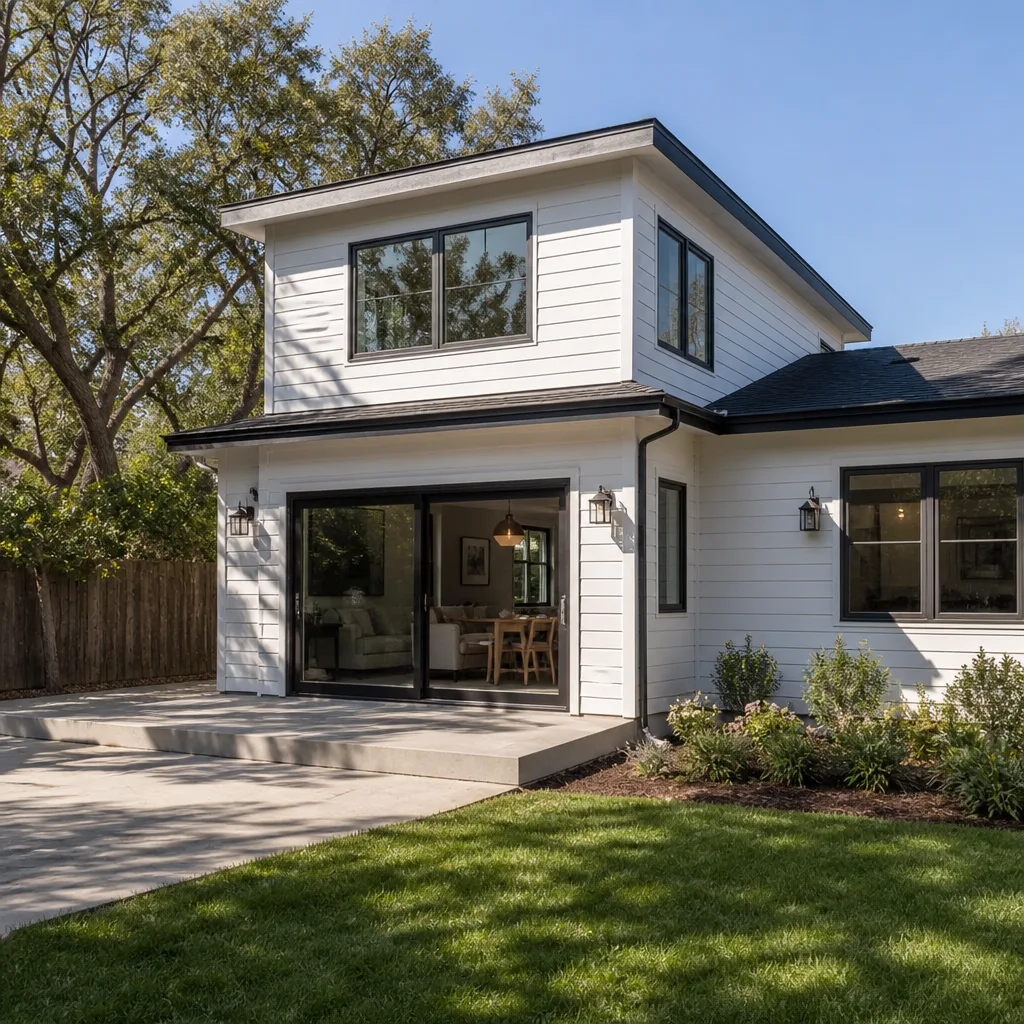 Home additions & ADU
 Kitchen remodeling
 Bathroom remodeling
 Roofing
 Windows & doors
 Driveway & pavers
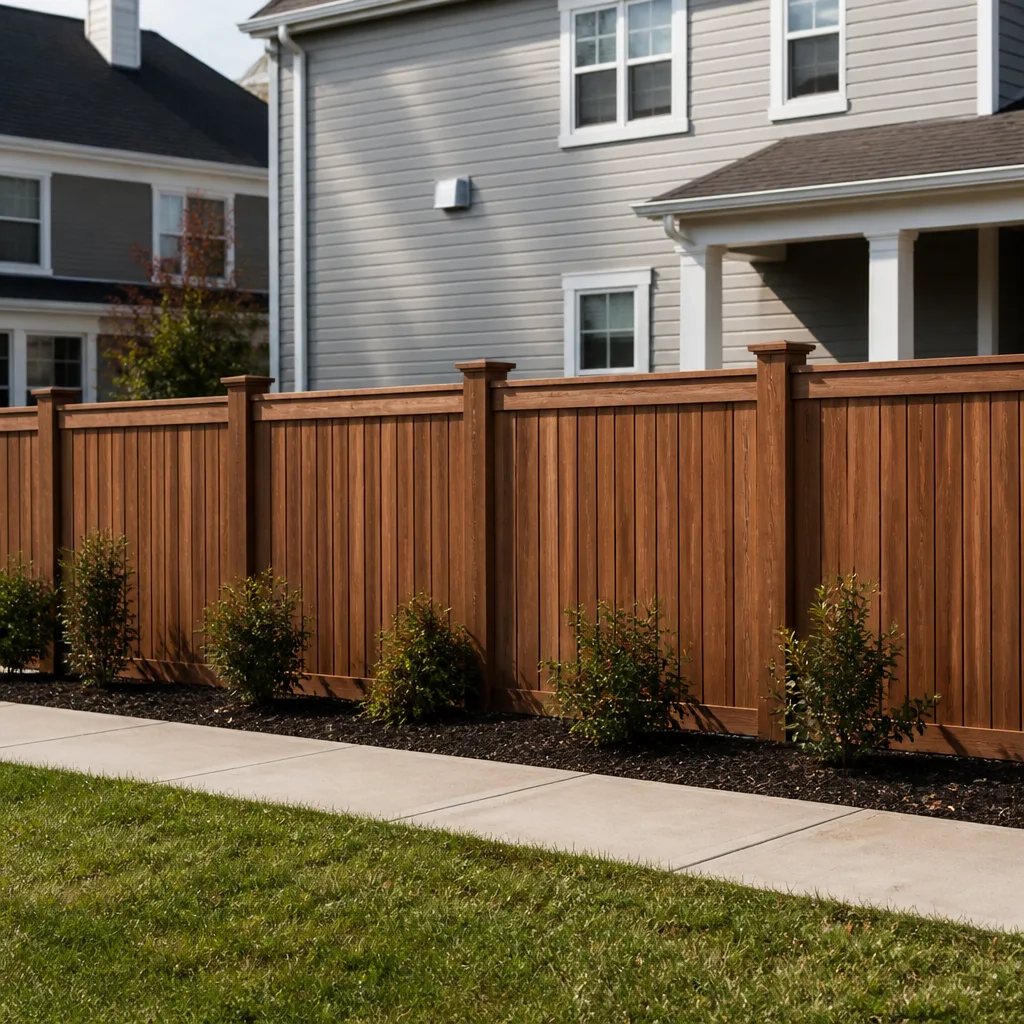 Fence
Free written scope consultation - allowances, timeline, and change-order rules on paper before a single trade is scheduled
Seasonal Construction Care for Irvine: Year-Round Homeowner’s Guide
Every October, the Santa Ana winds come through Irvine with sustained gusts over 60 mph, and in about 72 hours they can lift unsealed paver edges, work loose fence post footings, and drive wind-blown rain under siding that was flashed just well enough to pass a dry-season inspection. Irvine’s climate looks forgiving on paper (no freeze-thaw, no hurricanes), but the combination of wind season, harsh UV summers, and heavy rain falling on drought-hardened clay soil creates a predictable annual stress cycle. This guide gives you the Irvine-specific calendar for staying ahead of it: what to check each month, when to reseal and re-sand hardscape, how drought-then-rain cycles move your foundation soil, and the failure windows we see most often on Irvine homes.
Styles & brands we work with
- Kitchen remodeling
- Bathroom remodeling
- Home additions & ADU
- Roofing
- Windows & doors
- Driveway & pavers
- Fence
Quick Answer
In Irvine, seasonal construction care means working around four distinct stress periods: Santa Ana wind prep in September and October, marine layer moisture in May and June, UV and heat-driven expansion from June through August, and post-rain drainage and soil inspection from January through March. The single most valuable habit is a Saturday walkthrough after the first significant rain of the season, checking grading, stucco, fence posts, and paver joints before small failures turn into repairs.
Table of Contents
- The Irvine Four-Season Stress Calendar
- Santa Ana Prep: What to Secure Before September Ends
- Post-Rain Inspection: The First Storm Tells You Everything
- Hardscape Timing: When to Reseal, Re-Sand, and When to Leave It Alone
- Drought, Rain, and Irvine’s Clay Soil: What It Means for Your Foundation
- Stucco, Trim, and Fence Posts: Irvine’s Failure Windows
- The Saturday Walkthrough: A Month-by-Month Inspection Checklist
- When to Call a Professional
- Common Mistakes to Avoid
- Frequently Asked Questions
- The Bottom Line
The Irvine Four-Season Stress Calendar
Most seasonal maintenance advice is written for a four-season climate with freezing winters. Irvine doesn’t have that. Irvine has something more specific: a dry, hot stretch that bakes and expands materials, a windy autumn that pries at anything loose, a marine layer that keeps surfaces damp for weeks, and short bursts of intense rain that hit ground baked hard enough to shed water like pavement. Each period stresses different parts of your home, and each has a window where a small fix is cheap and a missed window makes it expensive.
Here’s the cycle as we’ve watched it play out on Irvine homes across neighborhoods like Woodbridge, Northwood, and Turtle Rock:
- September and October (Santa Ana prep): Wind season. The priority is securing anything the wind can lift, loosen, or drive water behind: paver edges, fence posts, roof edges, flashing, loose trim.
- November through December (first rains): The first meaningful storm of the season is the diagnostic event. Watch where water goes before you fix anything.
- January through March (post-rain drainage): Heavy rain on drought-hardened soil. Check grading, downspout discharge, and any ponding near the foundation.
- May and June (marine layer moisture): Weeks of damp mornings. This is when wood trim, fence posts, and painted surfaces show moisture damage that the dry months hid.
- June through August (UV and heat expansion): Intense sun. Concrete, stucco, sealants, and caulk all expand and contract daily. Cracks show up now.
The point of the calendar isn’t busywork. It’s knowing which season exposes which weakness, so you’re inspecting the right thing at the right time instead of guessing. Irvine’s climate compresses a lot of stress into a few predictable weeks, and that makes it manageable.
Santa Ana Prep: What to Secure Before September Ends
The Santa Ana wind events are the most underrated threat to Irvine construction elements. Sustained gusts over 60 mph don’t just blow debris around. They apply uplift and lateral force to anything attached to your house or sitting on your lot, and they carry fine grit that works into joints and seams. The prep window is late September, before the first event of the season. Once the winds start, you’re in damage-control mode, not prep mode.
Here’s the order we recommend for a Santa Ana prep pass:
- Walk the paver edges. Loose or unsealed edge restraints are the first thing wind gets under. Check the perimeter of driveways, walkways, and patios for lifted edges and missing joint sand.
- Test fence posts by hand. Push each post near the top. Any post that moves more than a fraction of an inch is already compromised and will lean or fail in a wind event.
- Check roof edges and flashing. Look at ridge caps, rake edges, and the flashing around chimneys and skylights. Lifted or cracked sealant is a wind-entry point.
- Inspect siding and trim joints. Wind-driven rain finds gaps that a garden hose never will. Caulk joints and trim separations are worth a look before October.
- Secure or store loose outdoor items. Patio furniture, planters, and anything on an elevated deck become projectiles. This is the easy part, and it’s the part most people skip.
If your fence is already leaning or you’re planning a replacement, fall is the right window to schedule it, before the wind season tests the old one. Our Fence Installation in Irvine team sets posts to account for Irvine’s wind exposure, which matters more here than in most of Southern California. And if your driveway or walkway pavers are shifting at the edges, that’s a wind-season vulnerability worth addressing now rather than after the first event. You can see how we approach that work on our Driveway & Pavers in Irvine page.
Post-Rain Inspection: The First Storm Tells You Everything
The first significant rain of the season is the best diagnostic tool you have, and it’s free. Irvine’s dry season leaves soil, stucco, and sealants parched and slightly shrunk. The first storm finds every gap, every low spot, and every failed joint, and it shows you exactly where water wants to go. The mistake is fixing things before that storm. Wait for it, watch it, then act.
Do the post-rain inspection within 24 to 48 hours of the first real storm, while the evidence is still visible:
- Walk the perimeter of the house and note where water pooled. Any ponding that lasts more than a day near the foundation is a grading or drainage issue.
- Watch downspout discharge. Water should flow away from the house, not dump against the foundation or into a planting bed that backs up against stucco.
- Look up at the roofline from the ground. Staining on fascia, drip edges, or the top of exterior walls points to gutter overflow or flashing failure, not just a dirty roof.
- Check the base of fence posts and any wood-to-ground contact. Standing water at a post base is the beginning of rot, and Irvine’s clay holds that moisture longer than sandy soil would.
- Look at paver joints and concrete slabs. Water sitting in joints, or new cracks that appear after a storm, tell you where the base has moved.
If you find water getting in, behind siding, or under a slab edge, that’s the point to bring in a professional before the next storm compounds it. Irvine’s rain comes in concentrated bursts, and a small drainage problem that runs for two seasons can undermine a foundation or rot a fence line. A free estimate now is far cheaper than a repair later.
Hardscape Timing: When to Reseal, Re-Sand, and When to Leave It Alone
Hardscape maintenance in Irvine has specific timing windows, and getting them wrong wastes money. Sealant applied in the wrong month can trap moisture, cure poorly, or fail within a season. Joint sand installed at the wrong time washes out in the first storm. And some years, the right answer is to leave the hardscape alone entirely.
When to reseal concrete and pavers
Reseal in spring or early fall, when temperatures are moderate and the surface is reliably dry for several days. Avoid sealing in the peak of summer heat, when the surface can flash-cure the sealant unevenly, and avoid sealing right before the rainy season if the forecast shows rain within the cure window. Sealing a paver driveway or a concrete patio protects it from UV, stains, and the grit that Santa Ana winds drive into the surface, but the timing matters as much as the product.
When to re-sand paver joints
Re-sand paver joints in late spring or early fall, after a dry stretch. The goal is to refill the joints to the proper depth before wind and rain start pulling sand out. Irvine’s wind season is the main culprit here; joint sand that’s been blown out leaves pavers loose and edges vulnerable to uplift. If you’re not sure whether your joints need sand, walk the surface and press down on a few pavers near the edges. Any rock or movement means the joint sand is gone.
When to leave things alone and just watch
Not every crack is a problem, and not every paver that shifts a millimeter needs attention. Hairline cracks in a concrete slab that aren’t widening and aren’t letting water in are cosmetic. A paver that sits firmly but isn’t perfectly level is doing its job. The instinct to “fix” everything every season leads to over-sealing, over-sanding, and unnecessary repairs. Watch first. Act when something changes: a crack that widens, a paver that rocks, a joint that won’t hold sand after two refills.
Drought, Rain, and Irvine’s Clay Soil: What It Means for Your Foundation
Irvine sits on soil with significant clay content, and clay does one thing extremely well: it expands when wet and shrinks when dry. Through Irvine’s long dry season, the clay under and around a foundation shrinks, sometimes pulling away from the structure and creating small voids. Then the winter rain arrives fast, the clay takes on water quickly, and it swells. This drought-then-rain cycle is the single biggest foundation stressor in Irvine, and it’s why a home that looked fine in September can show new cracks by February.
What to inspect after the first significant rainfall each season:
- Look for new cracks in interior drywall and exterior stucco, especially near corners, door frames, and window openings. Diagonal cracks are the ones to note.
- Check that doors and windows still operate smoothly. A door that suddenly sticks or a window that won’t latch is often a sign the foundation has shifted slightly.
- Walk the soil line against the foundation. Look for gaps where the soil has pulled away. Gaps are normal after a dry season, but they’re a sign the grading needs attention.
- Check that the ground slopes away from the house at a consistent grade. In Irvine’s clay, poor grading means water sits against the foundation and the clay swells right where you don’t want it to.
- Note any cracks that appear or widen after the rain. Hairline cracks are common. Cracks that widen over a season, or that appear in more than one spot at once, are worth a professional look.
The fix isn’t usually foundation work. It’s managing water: grading, drainage, downspout routing, and keeping the soil moisture around the foundation more consistent. But you need to know what you’re looking at first, and the post-rain inspection is where that starts. If a foundation issue turns out to be real, it’s the kind of thing that gets more expensive the longer it waits, so have it looked at rather than hoping it settles.
Stucco, Trim, and Fence Posts: Irvine’s Failure Windows
Irvine’s exterior materials fail in predictable patterns, and each has a window where the repair is simple. Miss the window and you’re replacing material instead of maintaining it.
Stucco cracks
Stucco in Irvine takes daily thermal expansion through the summer, then moisture in the marine layer months, then wind-driven rain in winter. Hairline cracks appear within a few seasons on most homes. The critical distinction is between a cosmetic hairline crack and a crack that’s letting water into the wall assembly. Cracks wider than a credit card, cracks that follow a pattern (diagonal from a corner, or horizontal along a floor line), and cracks with staining around them are the ones to have evaluated. Water behind stucco is the failure that turns a $200 patch into a wall repair.
Wood trim and paint failure
Exterior wood trim, fascia, and window surrounds are the most UV-exposed wood on most Irvine homes. Irvine’s summer sun is intense enough to break down paint film faster than in cooler coastal markets, and once the paint fails, the wood starts taking on moisture. The failure window is short: paint that’s chalky but intact still protects; paint that’s cracking, peeling, or flaking means the wood is exposed. Inspect trim on the south and west elevations first, since that’s where UV exposure is highest. Caulk joints where trim meets stucco or siding are the other weak point, and they need re-caulking every few years.
Fence post corrosion and rot timelines
Fence posts are the hardest-working exterior element on most Irvine lots, and they fail from the ground up. In Irvine’s clay soil, the base of a wood post stays damp longer than it would in sandy soil, and metal fasteners at the base are exposed to that moisture continuously. A wood post that was set properly can still show softness at the soil line within several seasons. The tell is movement when you push on it, or a post base that looks stained and soft. Metal posts and hardware can corrode at the ground contact point too, which is why inspecting the post bases each fall, before the wind season, is worth the ten minutes. Replacement is simple when you catch it early; a leaning fence that takes a wind event is a bigger job.
The Saturday Walkthrough: A Month-by-Month Inspection Checklist
This is the practical part. You can complete this checklist in a single Saturday walkthrough each month, and it covers the Irvine-specific stress points without turning home maintenance into a second job. Print it, keep it on the fridge, and work through it once a month.
January through March (post-rain season):
- Walk the perimeter after each significant storm and note ponding and drainage paths.
- Check interior drywall and exterior stucco for new or widening cracks.
- Test that doors and windows still close and latch cleanly.
- Confirm downspouts discharge away from the foundation and grading slopes away from the house.
- Check fence post bases and any wood-to-ground contact for softness or standing water.
April (transition):
- Inspect wood trim and paint on south and west elevations for chalking, cracking, or peeling.
- Check caulk joints at trim, windows, and doors, and note any that are cracked or pulling away.
- Look at the roof from the ground for lifted shingles, staining, or debris buildup.
May and June (marine layer moisture):
- Look for moisture staining on exterior wood, fence posts, and the base of stucco walls.
- Check gutters and downspouts for debris that’s holding moisture against the roof edge.
- Re-check caulk joints, since damp mornings expose failures the dry months hide.
June through August (UV and heat):
- Walk the concrete and paver surfaces and note new cracks or shifted pavers.
- Check sealant on hardscape for wear, and plan resealing for early fall if needed.
- Inspect exterior paint for UV breakdown, especially on sun-facing elevations.
September and October (Santa Ana prep):
- Push-test every fence post for movement.
- Walk paver edges and joints for lifted edges and missing joint sand; plan re-sanding.
- Inspect roof edges, ridge caps, and flashing for lifted or cracked sealant.
- Check siding and trim joints for gaps that wind-driven rain can enter.
- Secure or store loose outdoor items before the first wind event.
November and December (first rains):
- Watch where water goes during the first storm, and note it. Don’t fix anything yet.
- After the storm, do the full post-rain inspection from the earlier section.
If a walkthrough turns up something beyond your comfort level (a foundation crack, water getting behind stucco, or a roof issue), that’s the point to get a professional assessment rather than waiting a season. Irvine’s climate gives you a window between each stress period, and using that window is what keeps small issues small.
When to Call a Professional
Most of this guide is work you can do with a notebook, a hose test, and a Saturday. But some findings need a trained eye and a licensed crew. Call a professional when you see: cracks in stucco wider than a credit card or cracks with staining around them, water getting behind siding or trim, a foundation crack that’s widening or appearing in multiple locations after the rainy season, a fence line that’s leaning or has multiple loose posts, a roof with lifted shingles or flashing you can’t fully assess from the ground, or any hardscape where pavers are rocking and joints won’t hold sand after two refills.
For larger work like a roof replacement, an addition, or a full hardscape rebuild, the seasonal calendar is also your scheduling guide. The dry months are the window for exterior construction in Irvine, and booking early means you’re not waiting when the weather turns. If you’re planning an addition or ADU, the pre-construction and permitting phase can run while the weather is wet, so the build lands in the dry season. Our Home Additions & ADU in Irvine team can walk you through that timing. At Groundwork Construction Co. of Irvine, every project is covered by our 730-Day Done Right Promise, and all of our technicians are background-checked and arrive in uniform. Estimates are free, and our upfront pricing means the number you see is the number you pay.
Common Mistakes to Avoid
- Fixing drainage before you’ve watched a storm. The first rain is the diagnostic. If you re-grade or add drainage before you’ve seen where water actually goes, you’re guessing, and in Irvine’s clay, the water goes where the soil tells it to, not where you assumed.
- Sealing hardscape in peak summer. Sealant applied in 95-degree heat can cure unevenly and fail within a season. Wait for moderate spring or fall temperatures and a dry forecast.
- Ignoring hairline stucco cracks until they widen. A hairline crack is cheap to patch. Once water gets behind the stucco through a widening crack, you’re into wall repair, and Irvine’s marine layer months keep that moisture in the wall longer than you’d expect.
- Skipping the fence post push-test before wind season. A post that moves a fraction of an inch in September will lean or fail in an October wind event. The test takes ten minutes and costs nothing.
- Re-sanding paver joints right before rain. Fresh joint sand needs a dry cure window. Sanding in November ahead of a storm means the sand washes out and you’ve wasted the effort.
- Assuming no freeze means no weather damage. Irvine’s damage comes from wind, UV, and drought-then-rain soil movement, not cold. Homeowners who grew up in colder climates often miss the wind and soil-cycle issues because they’re looking for the wrong failure mode.
- Letting a small roof or flashing issue wait until the next rainy season. Irvine’s rain comes in bursts, and a flashing gap that lets in a little water in December can saturate framing by February. Roof issues are the exception to the “watch it first” rule: get them looked at.
Frequently Asked Questions
Most Irvine pavers benefit from resealing every two to three years, but the timing depends on sun exposure and traffic. South- and west-facing hardscape takes more UV and may need it closer to every two years, while shaded areas can go longer. Reseal in spring or early fall, not in peak summer heat or right before the rainy season. If the surface beads water well after a light spray, the seal is still working; if water soaks in immediately, it’s time.
The Santa Ana wind events in September and October are the most overlooked. Sustained gusts over 60 mph can lift paver edges, loosen fence post footings, and push wind-driven rain under flashing and siding within a short window. Most homeowners think of Irvine weather as mild and don’t prepare for wind the way they would for rain. A ten-minute post push-test and a paver edge walk in late September prevents most of the damage.
Irvine’s clay soil shrinks during the dry season and swells when the winter rain arrives, and that cycle is the main foundation stressor here. After the first significant rainfall, check for new or widening cracks in drywall and stucco, doors and windows that suddenly stick, and gaps where soil has pulled away from the foundation. Most of what you’ll find is cosmetic, but a crack that widens over a season or appears in multiple spots at once is worth a professional look. Call (888) 578-4462 if you want an assessment; estimates are free.
Replace a fence when multiple posts move when pushed, when post bases are soft or corroded at the ground line, or when the fence leans after a wind event and won’t stay straight. Fall is the best window to schedule replacement, before the Santa Ana season tests the old fence. Irvine’s clay soil keeps post bases damp longer than sandy soil would, so post rot and hardware corrosion tend to appear at the ground contact point first. Our Fence Installation in Irvine team sets posts to handle the local wind exposure.
Yes, and it’s a bigger factor here than in cooler coastal markets. Irvine’s summer sun is intense enough to break down exterior paint film faster, especially on south- and west-facing elevations. Inspect wood trim and fascia each spring for chalking, cracking, or peeling; once paint fails, the wood takes on moisture and the repair gets bigger. Re-caulking trim joints where they meet stucco or siding every few years is the cheapest way to protect the wood underneath.
You can handle the monthly walkthroughs, the fence post push-test, watching water during the first storm, checking caulk and paint condition, and noting cracks. What needs a professional: stucco cracks wider than a credit card or with staining, water getting behind siding, a widening foundation crack, a roof issue you can’t fully assess from the ground, and any hardscape where pavers rock and joints won’t hold sand. Groundwork Construction Co. of Irvine offers free estimates for anything beyond that line. Call (888) 578-4462 to schedule one.
The Bottom Line
Irvine’s climate doesn’t punish homes with cold, but it does stress them in a specific annual pattern: Santa Ana wind in fall, marine layer damp in late spring, intense UV through summer, and burst rain on clay soil in winter. Each stress period exposes different parts of the house, and each has a window where the fix is simple. The homeowner who wins this cycle is the one who does a Saturday walkthrough each month, watches the first storm before fixing anything, reseals and re-sands in the right season, and pushes on the fence posts before October. That’s a few hours a year. It’s the difference between maintaining a home and repairing one. If a seasonal inspection turns up something beyond a homeowner’s checklist, that’s what we’re here for. Groundwork Construction Co. of Irvine offers free estimates, our 730-Day Done Right Promise backs every project, and from foundation to finish line, we’ll take care of the work so you can get back to enjoying the home. Explore our Groundwork Construction Co. of Irvine home page to see the full scope of what we do, then call (888) 578-4462 for your free estimate.
Written by the team at Groundwork Construction Co. of Irvine.
See the difference
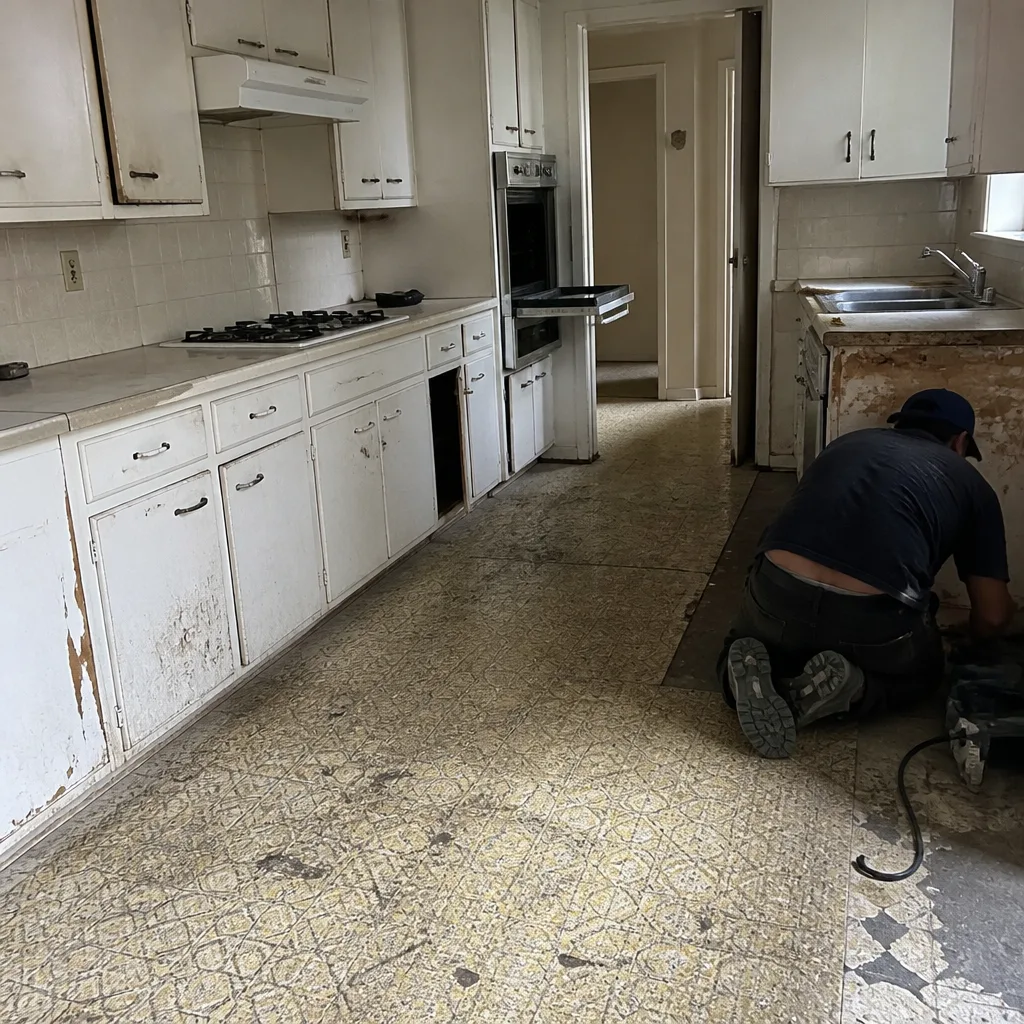 Before
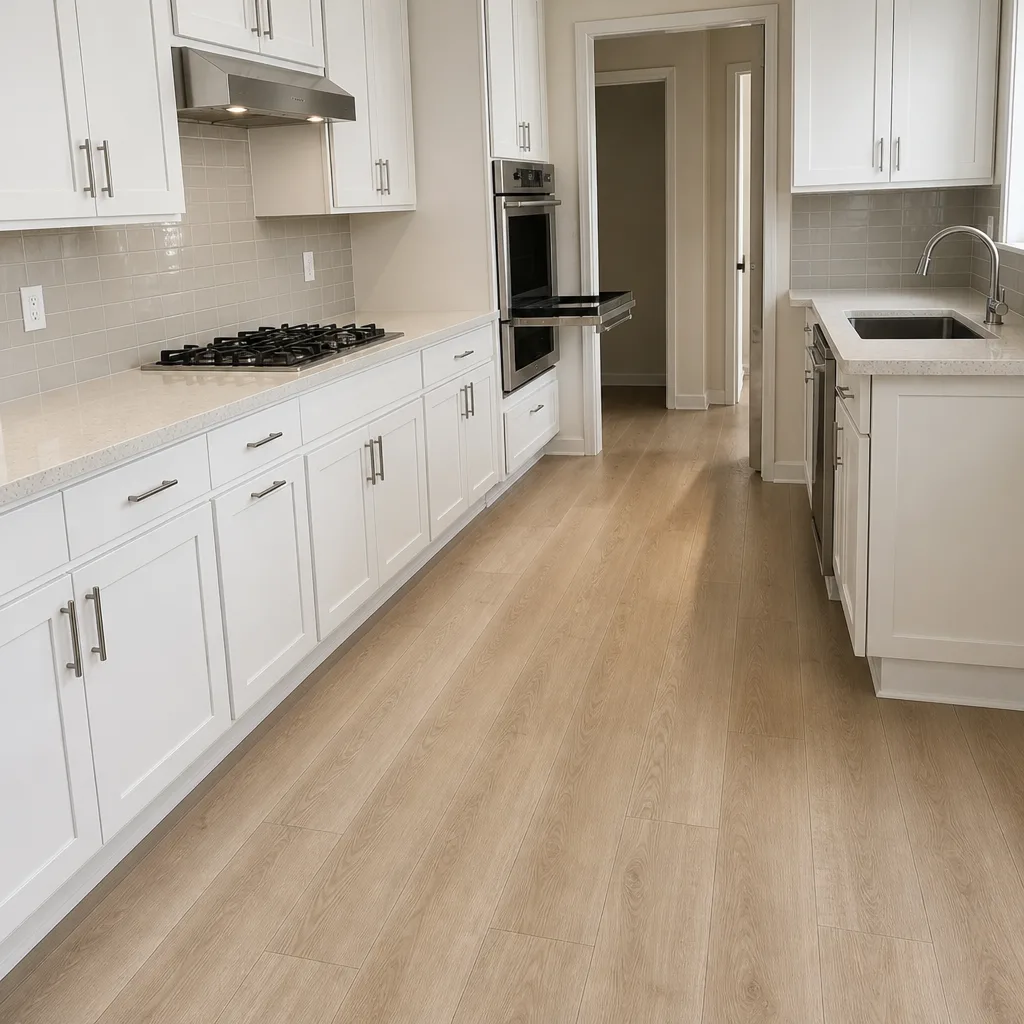 After
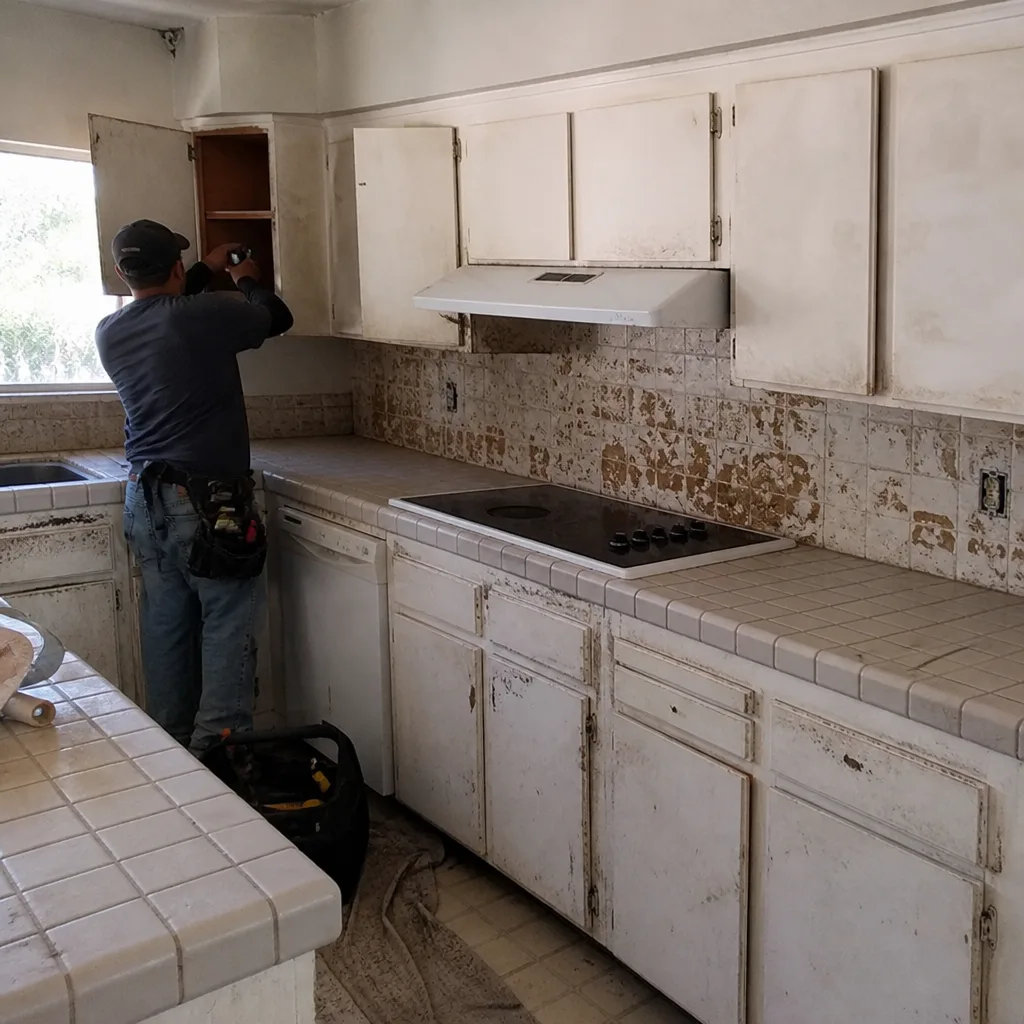 Before
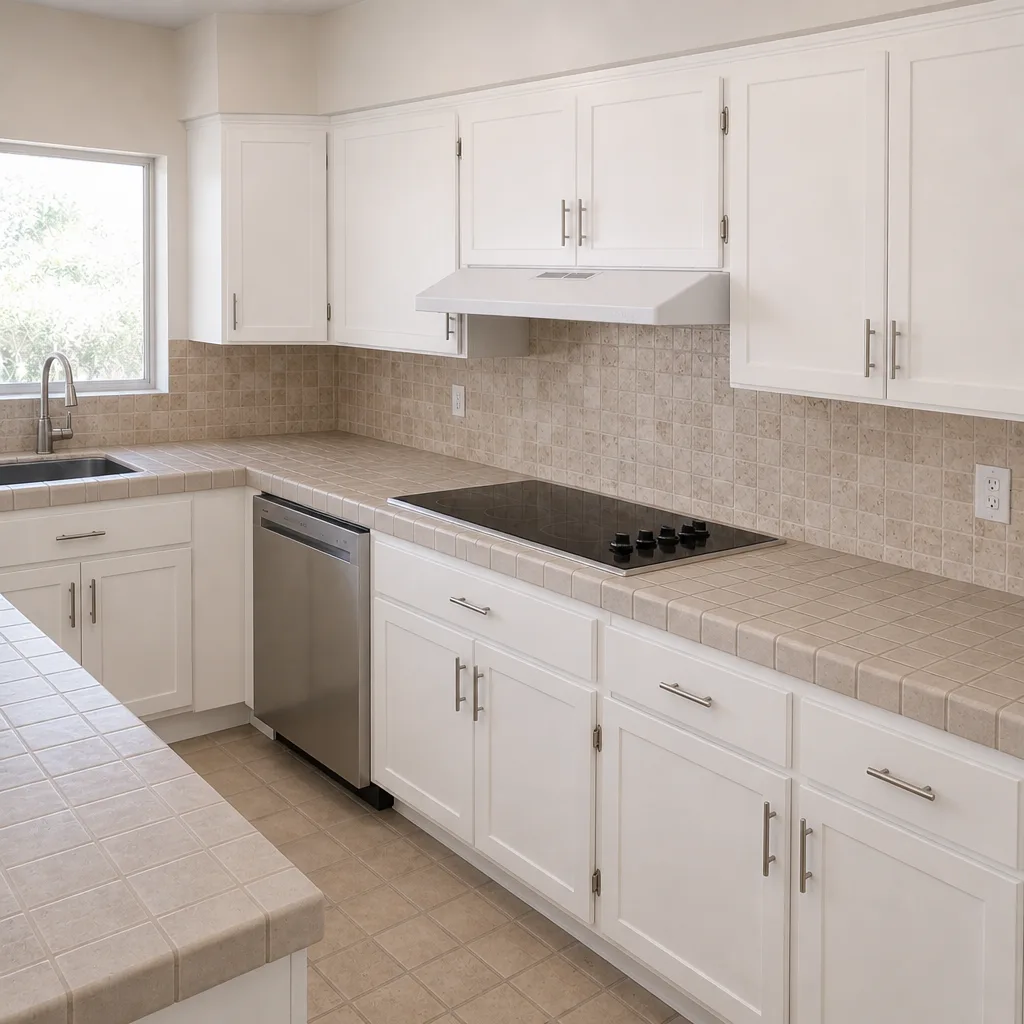 After
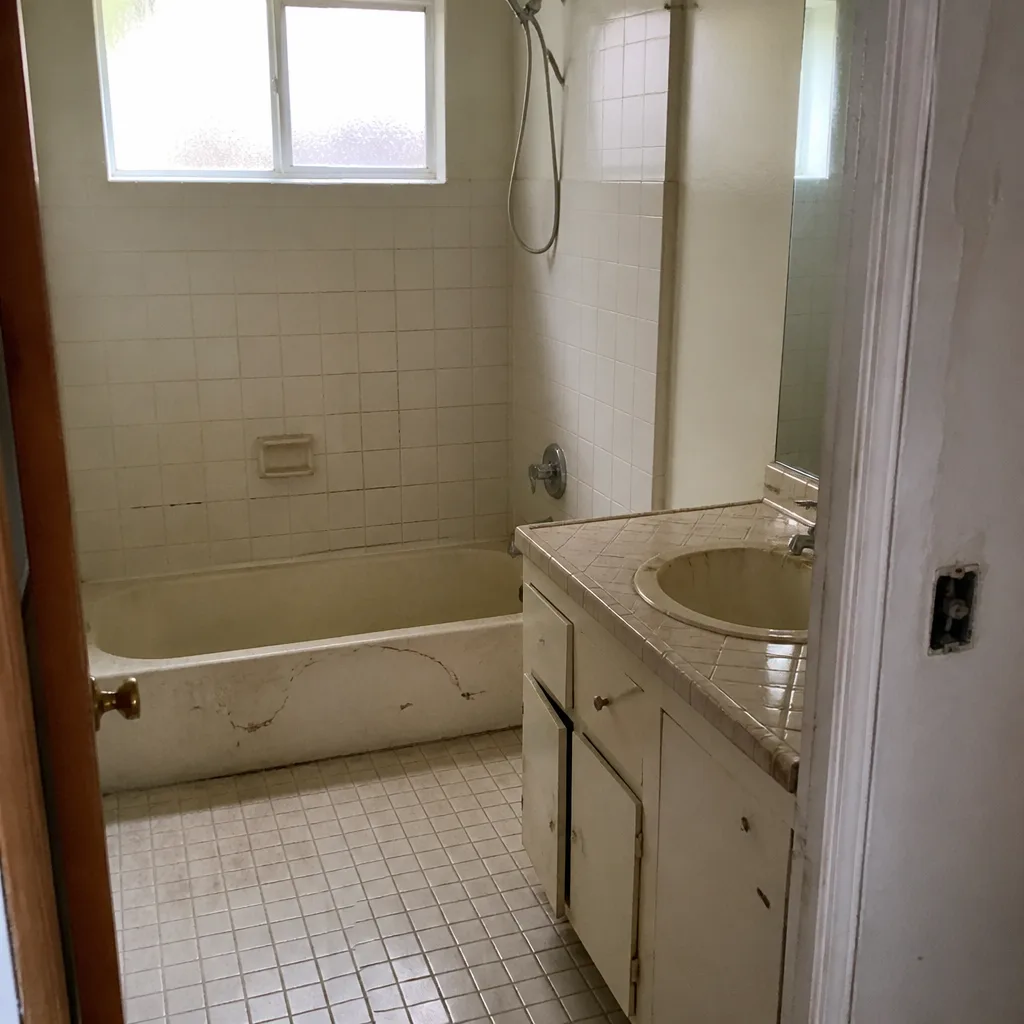 Before
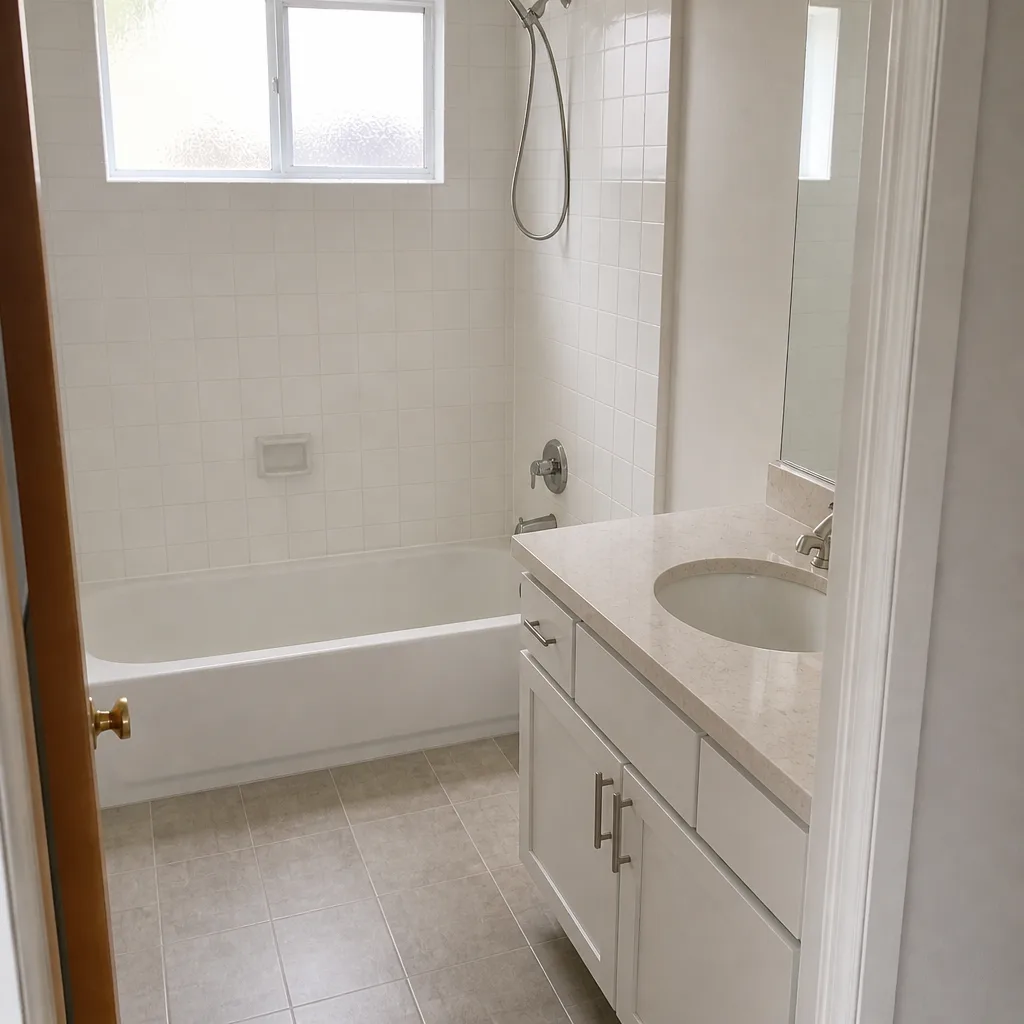 After