
Last updated November 17, 2026
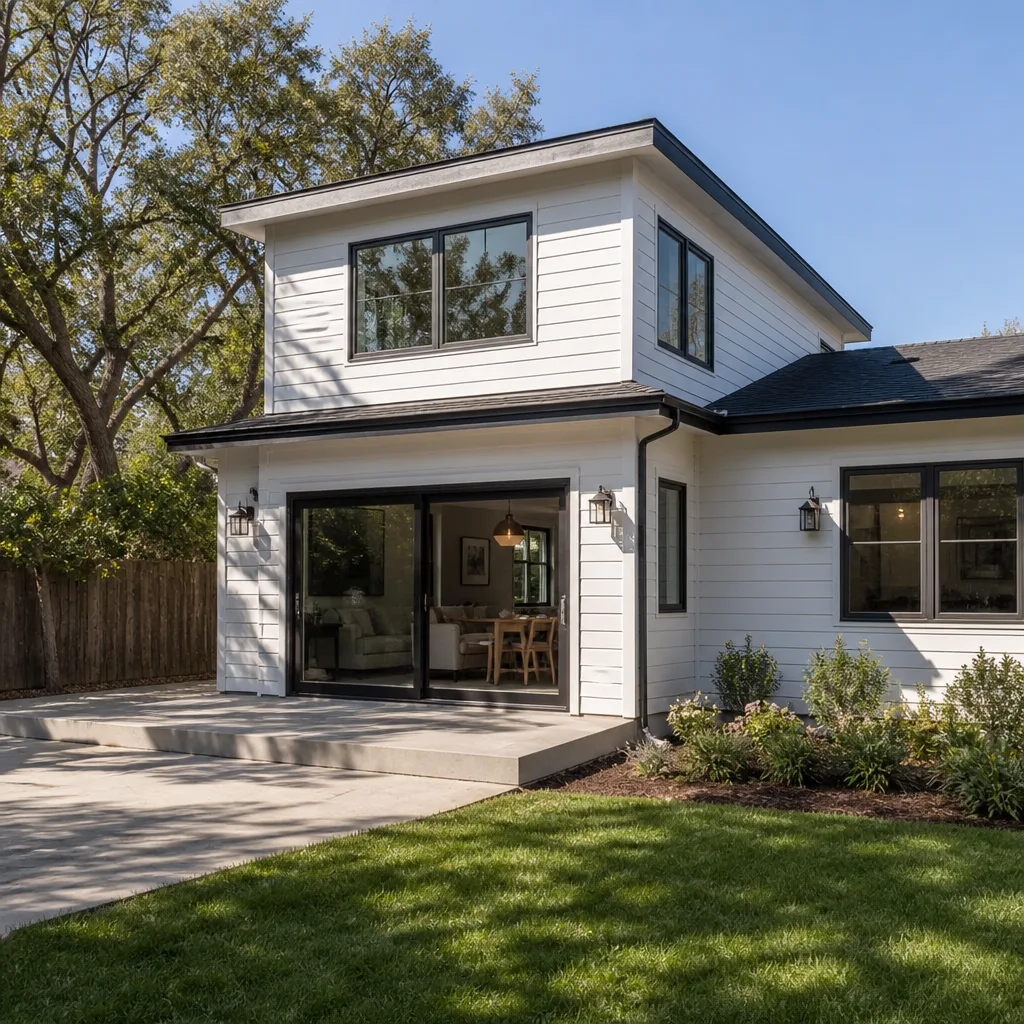 Home additions & ADU
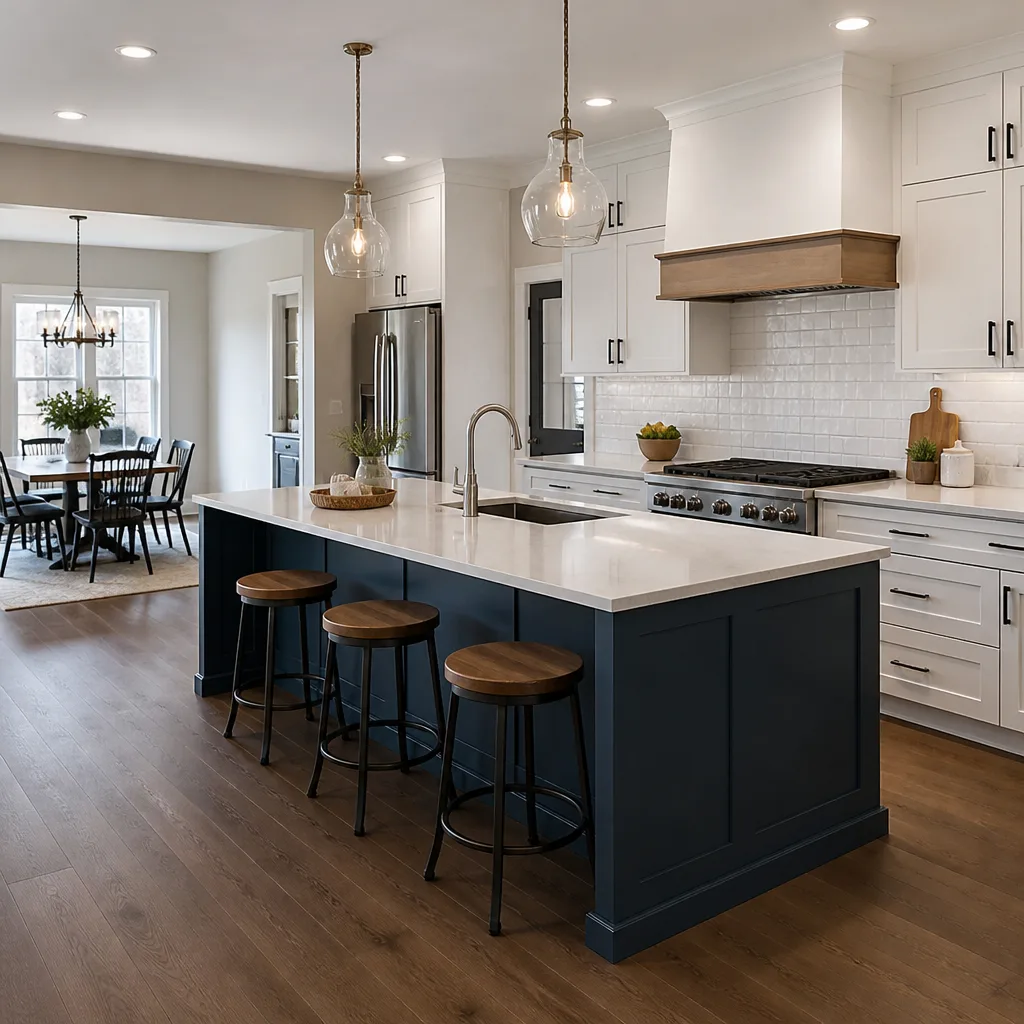 Kitchen remodeling
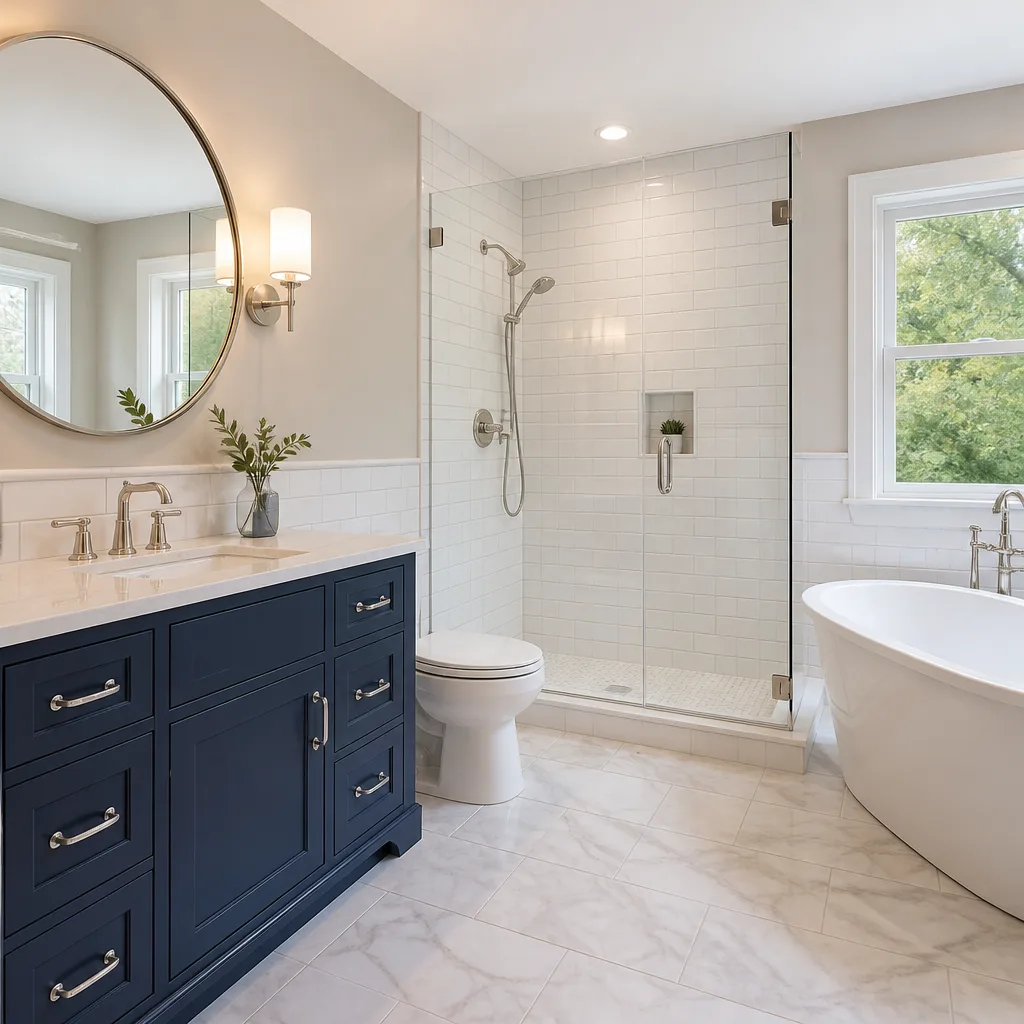 Bathroom remodeling
 Roofing
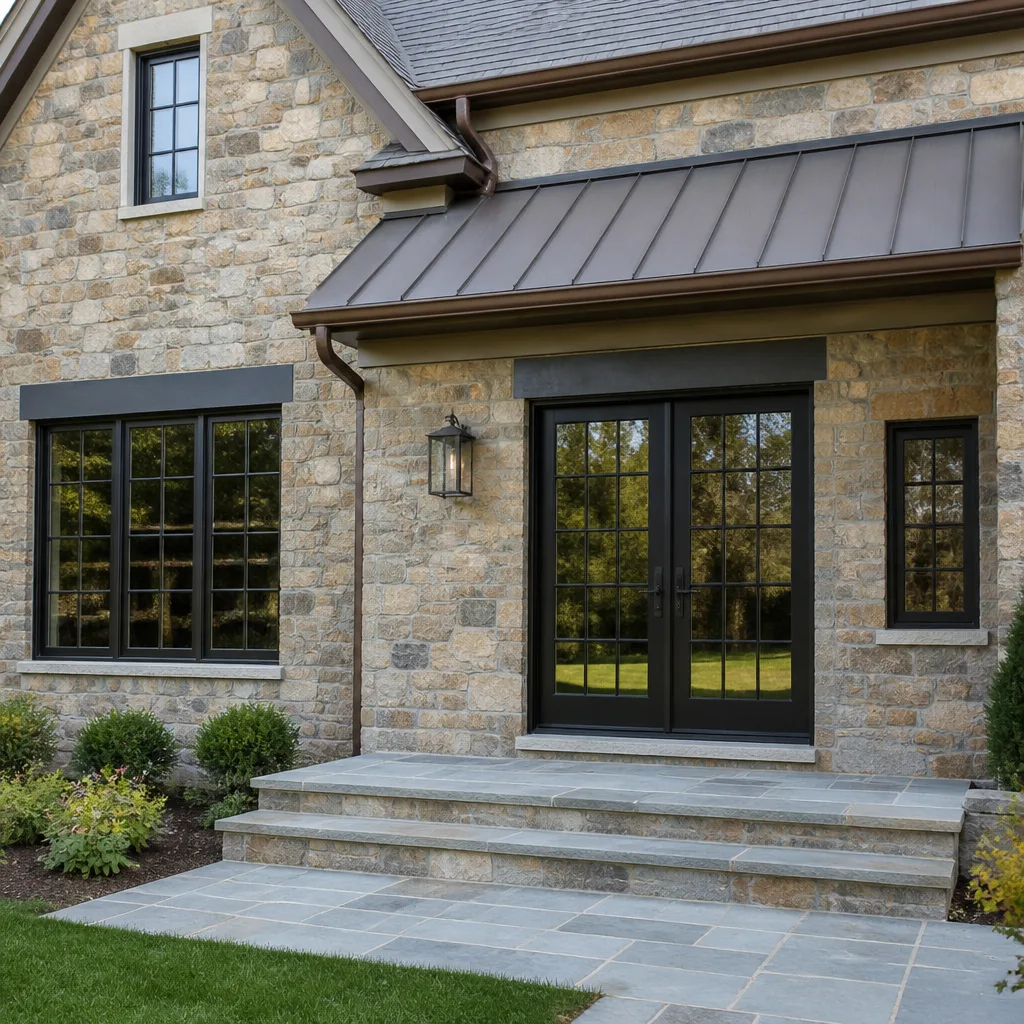 Windows & doors
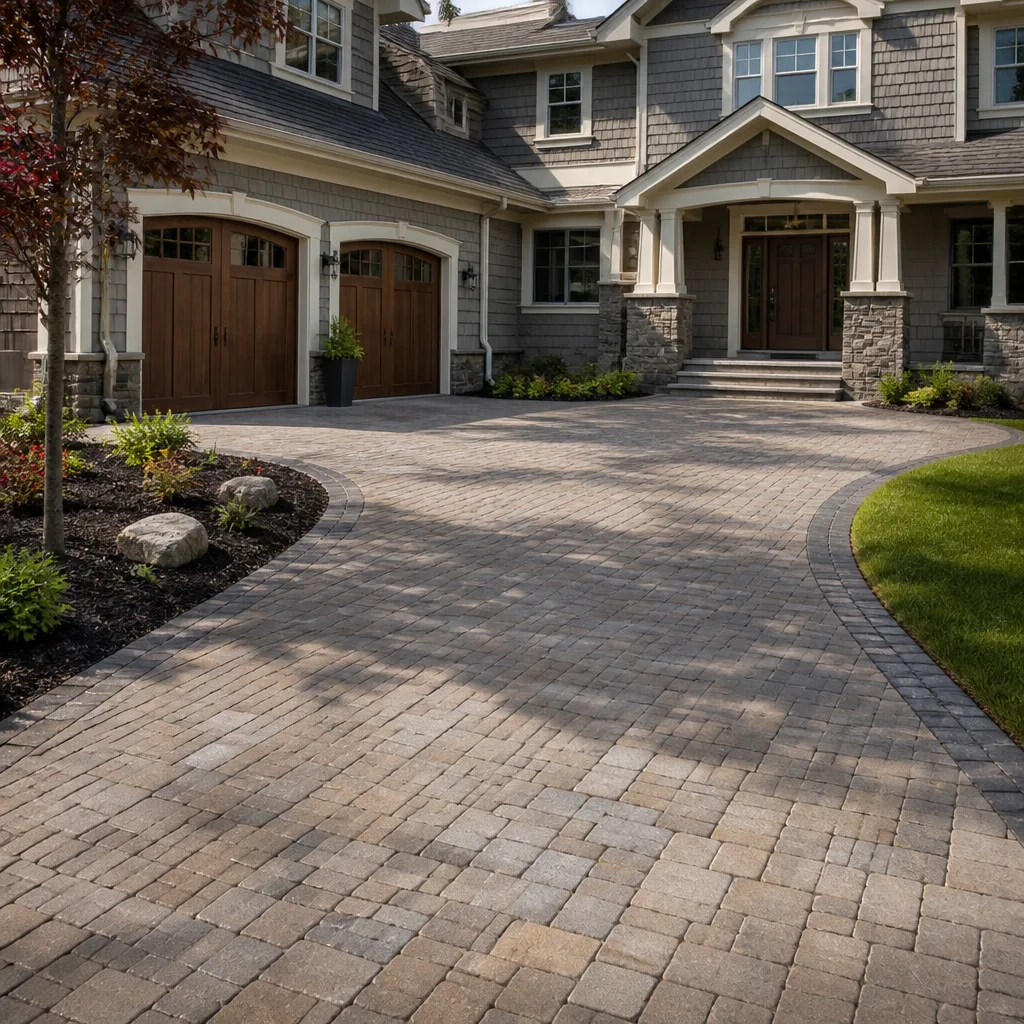 Driveway & pavers
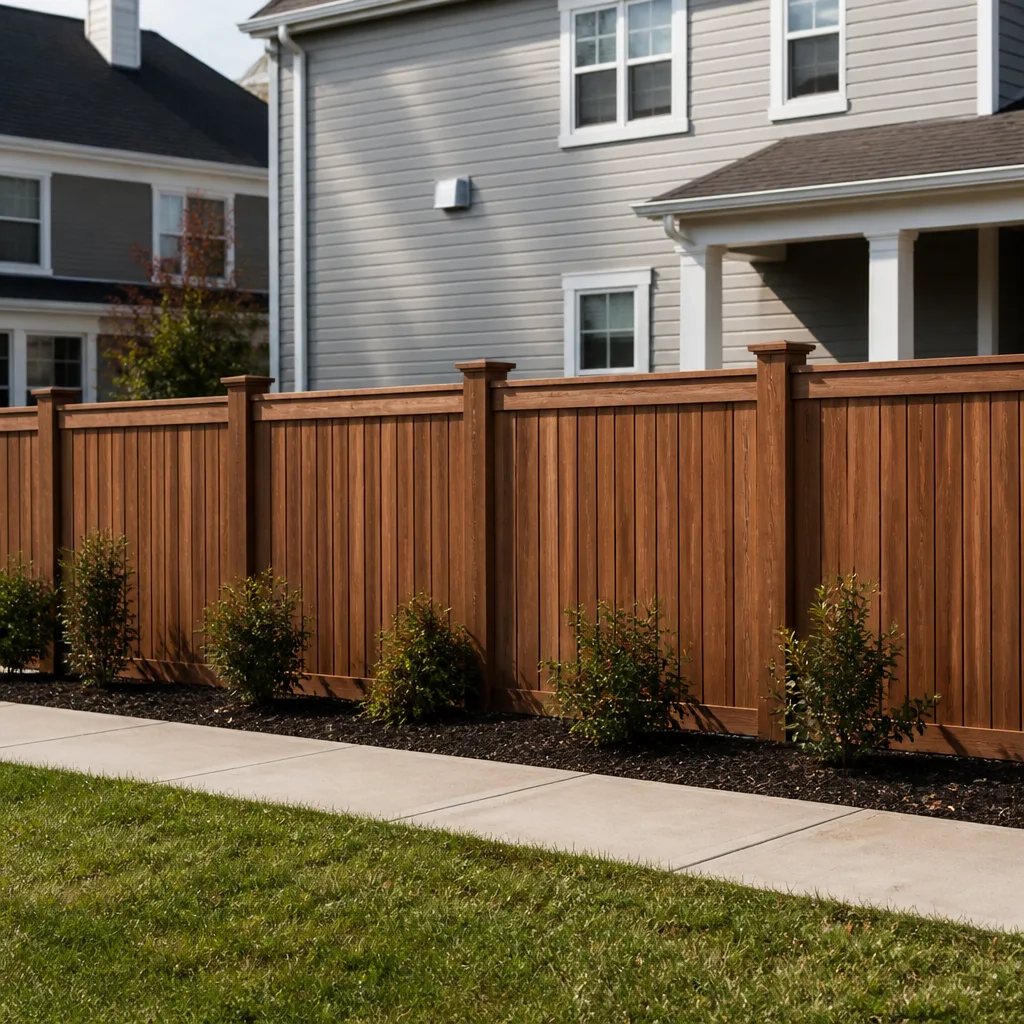 Fence
Free written scope consultation - allowances, timeline, and change-order rules on paper before a single trade is scheduled
DIY vs Professional Construction: The Irvine Homeowner’s Decision Guide
In California, a homeowner can legally pull an owner-builder permit for a long list of projects. That single fact is why so many Irvine homeowners assume the decision is theirs to make. It isn’t that simple. Irvine’s HOA overlay can require licensed contractor documentation even when the city would hand you the permit, which means a fully legal DIY job can still trigger a stop-work order from your association. What follows is the decision framework we walk homeowners through: where self-completion is genuinely smart, where it quietly creates a title problem, and how a hybrid approach saves real money without leaving you exposed when you sell.
Quick Answer
The DIY-versus-professional call in Irvine is less about your skill and more about jurisdiction. If your project touches structural work, electrical, gas, roofing at height, or anything your HOA reviews, hire a licensed contractor and get the permit and warranty in writing. Cosmetic finish work, landscaping, painting and trim are reasonable to self-perform. Everything in between depends on whether your HOA and the California licensing rules leave you legally allowed to do it yourself.
Styles & brands we work with
- Kitchen remodeling
- Bathroom remodeling
- Home additions & ADU
- Roofing
- Windows & doors
- Driveway & pavers
- Fence
Table of Contents
- The California Owner-Builder Permit: What It Actually Lets You Do
- Where Irvine’s HOA Overlay Overrides Your DIY Rights
- The Honest Skill and Risk Matrix for Irvine Projects
- The Hidden Cost of DIY Mistakes in Irvine
- The Hybrid Approach: Self-Perform the Finish, Hire the High-Stakes Phases
- What a Warranty Actually Changes in the Value Math
- The Title Problem Nobody Warns You About
- Irvine Climate, Materials and Why Some DIY Fails Here Specifically
The California Owner-Builder Permit: What It Actually Lets You Do
California lets a homeowner act as their own general contractor through an owner-builder permit. You apply with the city, sign a declaration that you’ll live in the home, and take on the legal responsibility a licensed contractor would normally carry. The city will inspect your work. The permit is legitimate and, for the right project, entirely reasonable.
Here’s the part most homeowners don’t read closely. The owner-builder exemption is narrow. It does not cover work you sell or rent out within a year. It does not let you hire unlicensed workers and still claim exemption. And it does not touch projects regulated by the state licensing board, which means anything requiring a licensed specialty trade is off the table even if you feel confident in your own hands.
In practical terms, the owner-builder route in Irvine works cleanly for:
- Interior cosmetic remodels that don’t move walls or alter electrical or plumbing rough-in
- Fencing on your own property line, within height and setback limits, when there’s no HOA design review
- Landscaping, hardscape touch-ups, and driveway resurfacing over an existing base
- Painting, trim, cabinetry installation, and finish carpentry
It stops being clean the moment you touch load-bearing walls, gas lines, panel upgrades, or roof structure. Those aren’t skill questions. They’re a licensing question. Our technicians have up to 12 years of experience and even we route certain scopes through licensed specialty trades. That’s the standard, not a sales pitch.
If you’re planning a larger scope, the smart move is to price the whole job before you decide. Start by looking at how a full build is structured on our Groundwork Construction Co. of Irvine home page, and you’ll see quickly which phases are trade-licensed and which aren’t.
Where Irvine’s HOA Overlay Overrides Your DIY Rights
This is the section that saves homeowners the most money and the most headaches. Irvine has a dense HOA footprint. Woodbridge, Turtle Rock, Northwood, Westpark, Quail Hill, and most of the newer villages along the Spectrum corridor all run architectural review committees. Those committees are private associations, not city agencies. They operate on their own rules, and those rules frequently require that any exterior modification be performed by a licensed, insured contractor with documentation submitted before work starts.
So the sequence that trips people up looks like this:
- The city issues your owner-builder permit for an exterior project.
- You start work in good faith, legally, under that permit.
- An HOA architectural review or a neighbor’s compliance complaint triggers a stop-work order.
- The association asks for contractor licensing documentation you don’t have because you’re the owner-builder.
- Work halts mid-project while you fight the review process or hire a licensed contractor anyway.
The projects most exposed to this override: exterior color and material changes, roof replacements, window and door replacements visible from the street, fencing, hardscape, additions, and any ADU. Interior work is usually outside HOA purview, but “usually” is doing a lot of work in that sentence. Check your CC&Rs before you buy materials, not after.
For exterior scopes, we’ve watched this play out enough times that we now tell Irvine homeowners to pull two things before deciding: the city permit requirements and the association’s architectural guidelines. When those conflict, the stricter one wins in practice, because the HOA can stop you and the city can’t override them.
The Honest Skill and Risk Matrix for Irvine Projects
Not every project carries the same risk. Here’s how we’d actually classify the common Irvine homeowner projects, with no incentive to talk you into anything.
Reasonable to DIY in Irvine
- Interior painting and trim. Low risk, no permit, easy to correct. The only Irvine-specific gotcha is picking a color that matches the association palette if any part is visible from the street.
- Cabinet refacing or installation in a like-for-like kitchen swap. No rough-in changes, no permit issue. Material quality matters here more than labor skill.
- Landscaping and planting. Turf replacement, drought-tolerant conversions, garden boxes. Irvine’s water-wise guidelines are strict on new turf, so read those before you buy sod.
- Fence repair and repaint. Repair, not full replacement, and only if the fence isn’t a shared boundary requiring neighbor sign-off and HOA review.
- Minor drywall patching and touch-up. Straightforward, low consequence.
Hybrid territory: legitimately self-performable with professional oversight
- Bathroom remodels. You can tile, paint and set fixtures. Route plumbing rough-in and any electrical through a licensed trade.
- Kitchen remodels. You can do demo and finish work. Electrical, gas, and any wall movement go to licensed trades.
- Driveway and paver work. You can prep. Base compaction, drainage grade, and material laying are where most DIY paver jobs fail. Look at how Driveway & Pavers in Irvine is actually scoped before deciding.
- Fence installation. You can dig and set. Post depth, footing in Irvine’s clay-heavy soil, and code height limits are the failure points. Same for Fence Installation in Irvine.
Not reasonable to DIY in Irvine
- Electrical panel upgrades or any new circuits. Panel work carries genuine shock and fire risk. This is a licensed electrician job, full stop.
- Gas line work. Carbon monoxide and explosion risk, plus a permit is mandatory regardless of who pulls it.
- Roof replacement. Height, fall risk, and Irvine’s specific wind-driven rain pattern during winter storms make this a hard no.
- Structural changes. Any wall removal, beam addition, or foundation work requires engineered plans and a licensed contractor.
- Additions and ADUs. The permit, inspection, and construction sequence is too complex for an owner-builder without trade experience. Our Home Additions & ADU in Irvine page shows what the real sequence looks like.
The Hidden Cost of DIY Mistakes in Irvine
The math on a DIY project usually compares your material cost to a contractor’s bid. That comparison is missing the downside case, and the downside case in Irvine is expensive.
Here’s what mistakes actually cost:
- Permit correction fees: roughly $150 to $600 per re-inspection depending on the scope and how many corrections are flagged. Non-compliant framing or rough-in can stack multiple correction visits.
- HOA violation fines: commonly $100 to $500 per violation notice, and they can accrue weekly in some associations until cured. A stop-work order also stalls your project timeline indefinitely.
- Demolish-and-redo costs: when work fails inspection and can’t be corrected in place, you pay to remove and rebuild. A non-compliant bathroom tile job that fails waterproofing can run $8,000 to $15,000 to redo because the tile has to come up first.
- Failed sale discovery: unpermitted work found during a buyer’s inspection can delay or kill a sale. Remediation plus the cost of retroactive permitting can run $5,000 to $20,000 on anything structural.
- Material loss: if you buy $4,000 in tile or pavers and they fail mid-installation, that’s not recoverable. A licensed contractor’s quote covers the risk of material failure on the job.
None of those numbers assume you’re careless. They assume you’re a capable homeowner who didn’t know the local rules. That’s the difference between confidence and competence.
The Hybrid Approach: Self-Perform the Finish, Hire the High-Stakes Phases
This is the section we wish more homeowners knew about. You don’t have to choose between full DIY and handing over the whole job. The hybrid model works like this:
- Design and permit phase: hire a licensed contractor or designer to produce the plans and pull the permit. This eliminates the HOA-overlay problem because the documentation is in place.
- Rough-in phase: licensed trades do electrical, plumbing, and gas. This is where DIY failure is expensive and dangerous.
- Structural phase: if anything moves, it’s licensed work with engineered plans. Non-negotiable.
- Finish phase: you self-perform the parts you’re confident in, working after the rough-in inspections pass. Tile, trim, painting, cabinetry, final detail work.
- Final inspection: the licensed contractor or the city inspector signs off. Your sweat equity is in the finish, not the risk.
The savings on a hybrid approach are real. On a mid-size bathroom, self-performing tile and paint can cut $4,000 to $8,000 off a professional bid. On a kitchen, finish work savings can reach $10,000 to $15,000 depending on scope. But you’re only capturing those savings if the rough-in is bulletproof, because it’s under the tile and behind the wall.
The trade-off: the licensed contractor’s warranty typically covers their scope, not your finish work. Which brings us to the value question.
What a Warranty Actually Changes in the Value Math
Here’s where the DIY decision gets less obvious than it looks, and where the math favors a professional more than homeowners assume.
When you self-perform and something fails six months after completion, you have no recourse. The material manufacturer will honor defects, but the installation labor is yours. That failed waterproofing in the shower, the pavers that settle and shift after a wet winter, the fence post that heaves during the second rainy season – all of that is your money to redo. On a $15,000 bathroom, a single failure of that kind wipes out the entire savings from doing it yourself.
That’s the specific math behind our 730-Day Done Right Promise. If something we installed isn’t right, we make it right within a two-year window. That’s one of the longest workmanship guarantees in the residential construction space, and it’s not a marketing line. It’s a contract term. No DIY project offers that protection because there’s no contractor to hold accountable.
The honest comparison isn’t “DIY saves $8,000.” It’s “DIY saves $8,000 now and risks $15,000 in redo cost later with zero recourse.” For high-consequence work – roofing, waterproofing, structural, driveways – the professional quote is genuinely less expensive on a risk-adjusted basis. For low-consequence work – painting, trim, cabinetry – DIY wins on cost and there’s no downside worth insuring.
The Title Problem Nobody Warns You About
This is the part of DIY that doesn’t show up until you try to sell. Unpermitted or non-compliant work stays attached to the property record. When you list the house, the buyer’s inspector finds it, the title company flags it, and you discover a problem you thought was finished years ago.
Concretely, what happens:
- A buyer’s inspection notices a bathroom or kitchen that doesn’t match the county’s recorded square footage. That triggers a permit search.
- The permit search turns up no record of the work. The buyer’s lender may refuse to fund until it’s resolved.
- You now need to retroactively permit the work, which means opening walls for inspection in the worst case, paying retroactive permit fees, and potentially redoing anything non-compliant.
- If the work was structurally unsafe, you may need to negotiate a credit to the buyer, which is often more than the original project cost.
Irvine’s real estate market is fast and the buyer pool is sophisticated. Buyers here do their homework, and their agents do it too. The “no one will notice” assumption fails in a market where every listing gets an inspection and a permit history review.
The way to avoid this entire conversation: pull the permit, do the work to code, keep the inspection record. That’s the difference between a project and a liability.
Irvine Climate, Materials and Why Some DIY Fails Here Specifically
Irvine has a mild climate that lulls homeowners into thinking exterior work is forgiving. It isn’t, and the failures are specific.
The marine layer that keeps Irvine’s summers pleasant also keeps exterior surfaces damp longer than inland cities. That matters for paint adhesion, deck sealing, and anything with a wood-siding component. James Hardie fiber cement siding handles the moisture far better than wood or T1-11, which is why we specify it. DIY wood siding jobs in Irvine often show failing paint within two seasons, and the redo cost runs $3,000 to $6,000 on a typical two-story wall section.
Irvine soils, particularly in the older villages around Northwood and Woodbridge, hold a meaningful clay component. Fence posts set at standard depth without proper footing heave during the wet season. Driveway pavers installed without adequate base compaction settle and shift within the first year. We’ve seen this pattern repeat across dozens of Irvine properties, and it’s the single most common DIY failure we’re called in to fix.
Winter rain events in Irvine come in concentrated bursts rather than steady drizzle. Roof flashing and window installation that isn’t water-tight against a two-inch-per-hour rain event will leak. That’s why our window work uses brands like Andersen and Marvin, and why we recommend ES Windows and ECO Window Systems as strong options in the Irvine market – the installation detail matters more than the brand, but the brand gives you a warranty to lean on when the detail fails.
And if you’re looking at an exterior project on the older housing stock in the tree streets of Old Town Irvine, get eyes on the substrate before committing. What starts as a paint job often reveals rot, and rot discovered mid-project is where DIY budgets fracture.
Common Mistakes to Avoid
- Assuming the city permit is the only permit you need. Your Irvine HOA runs an independent review process with its own documentation requirements and can stop work even after the city has approved it. Pull both approvals before you buy materials.
- Hiring unlicensed laborers under an owner-builder permit. The owner-builder exemption does not cover work performed by unlicensed trades. If a worker gets injured on your property, the liability lands on you, not them.
- Buying finish materials before the rough-in inspections pass. We’ve watched Irvine homeowners buy $5,000 in tile for a shower that fails waterproofing inspection. The tile is the last thing you buy, not the first.
- Treating an exterior color change as cosmetic. In most Irvine associations, exterior paint color is an architectural modification requiring approval, not a personal choice. Approval delays run two to six weeks.
- Underestimating the irrigation and drainage requirements on landscaping projects. Irvine’s water-wise rules and drainage code are stricter than most homeowners expect, and non-compliant landscape work has to be redone.
- Skipping the neighbor conversation on shared fences. In Irvine, boundary fences require neighbor agreement on the boundary line, and in many associations, shared fence replacement needs both parties to sign the HOA request.
- Assuming you’ll remember the details when you sell. Photograph every stage, keep every receipt, and pull the permit even when you self-perform. The paperwork is worth thousands at closing.
See the difference
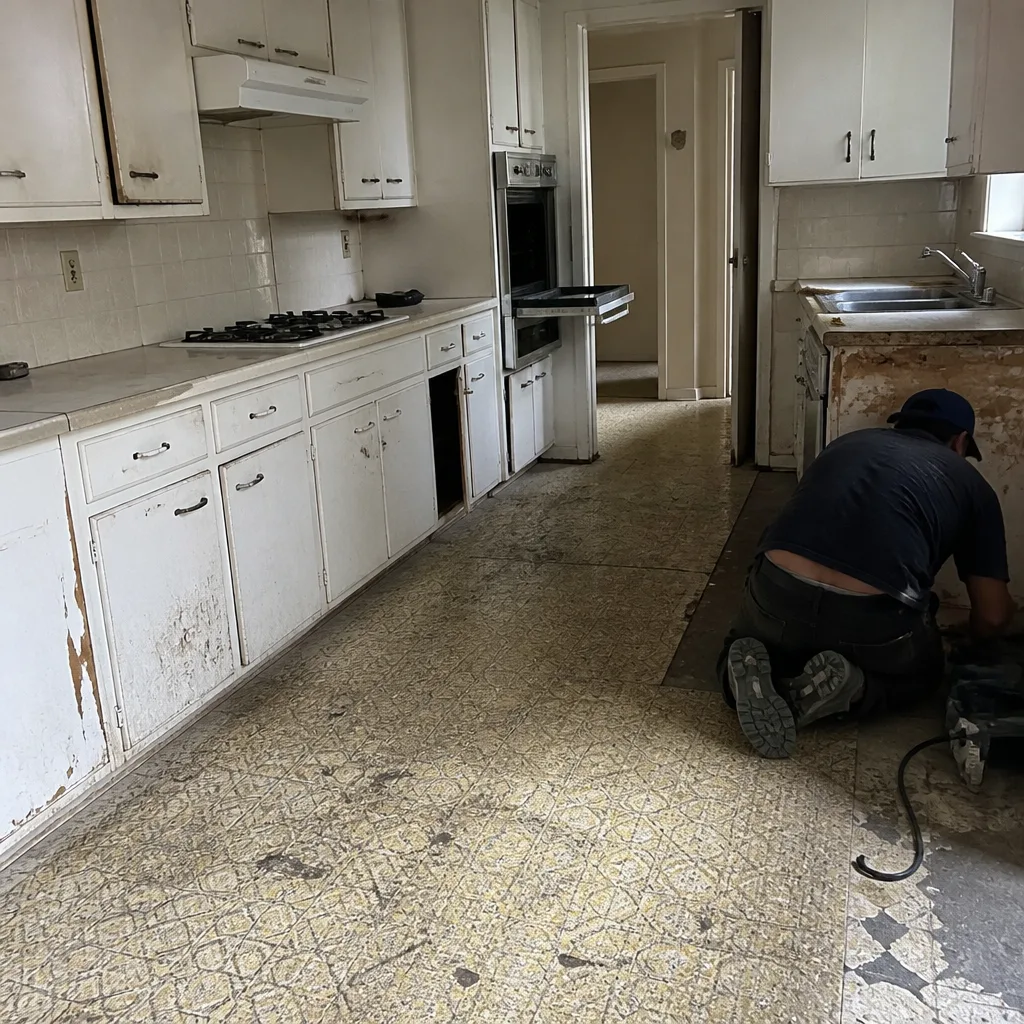 Before
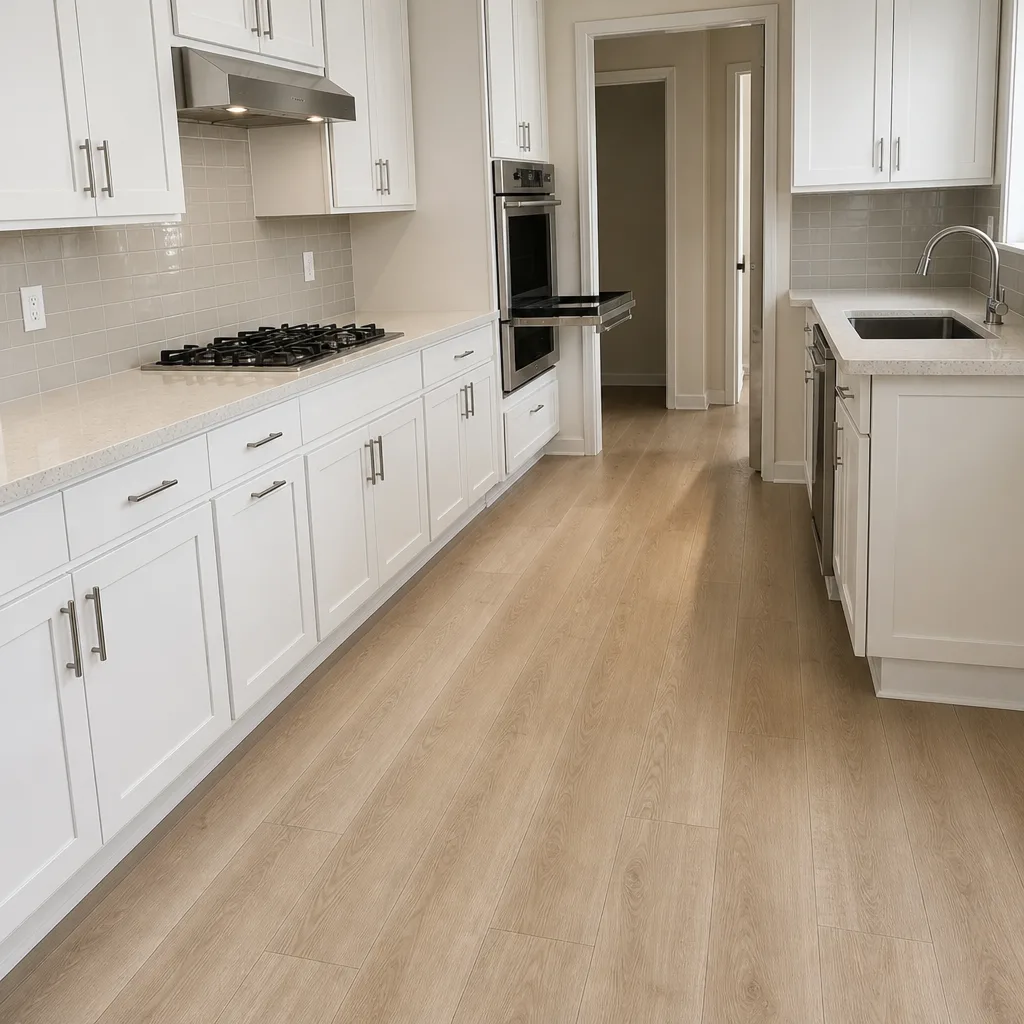 After
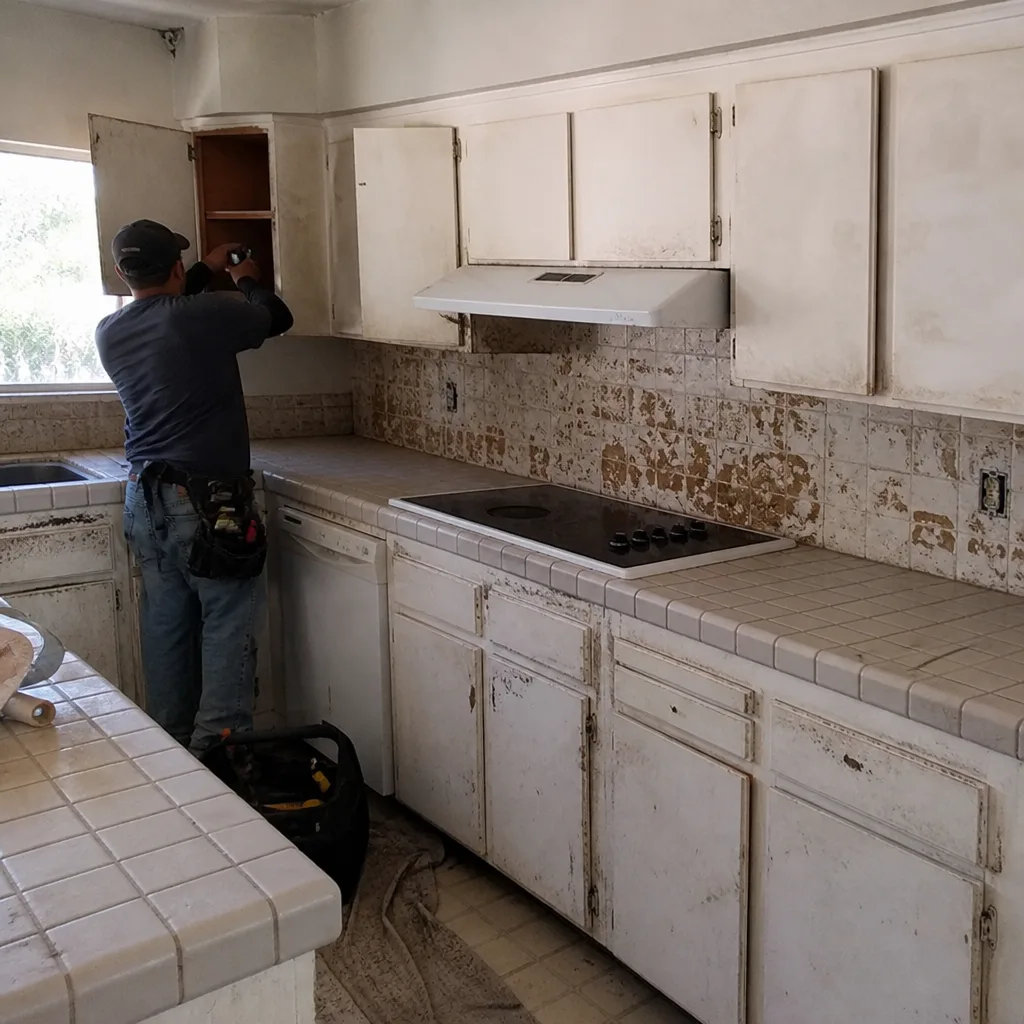 Before
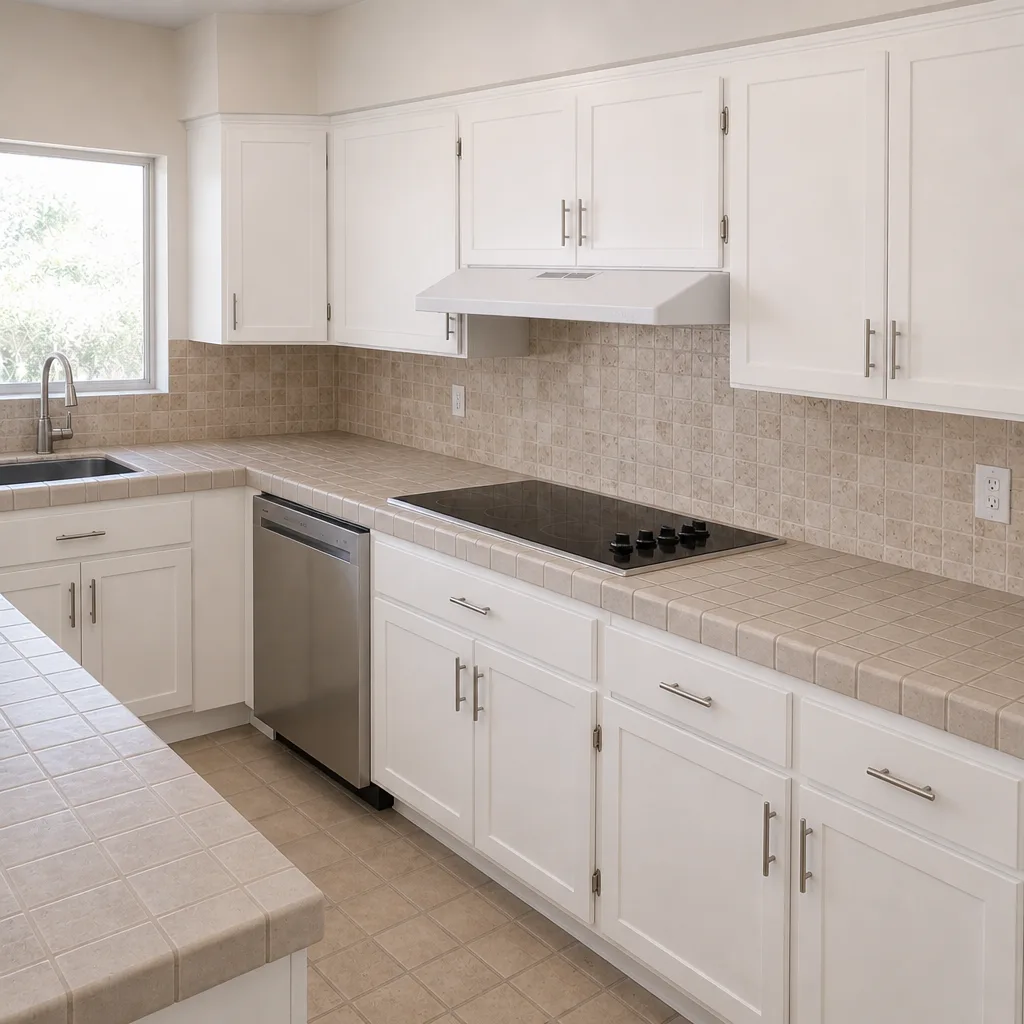 After
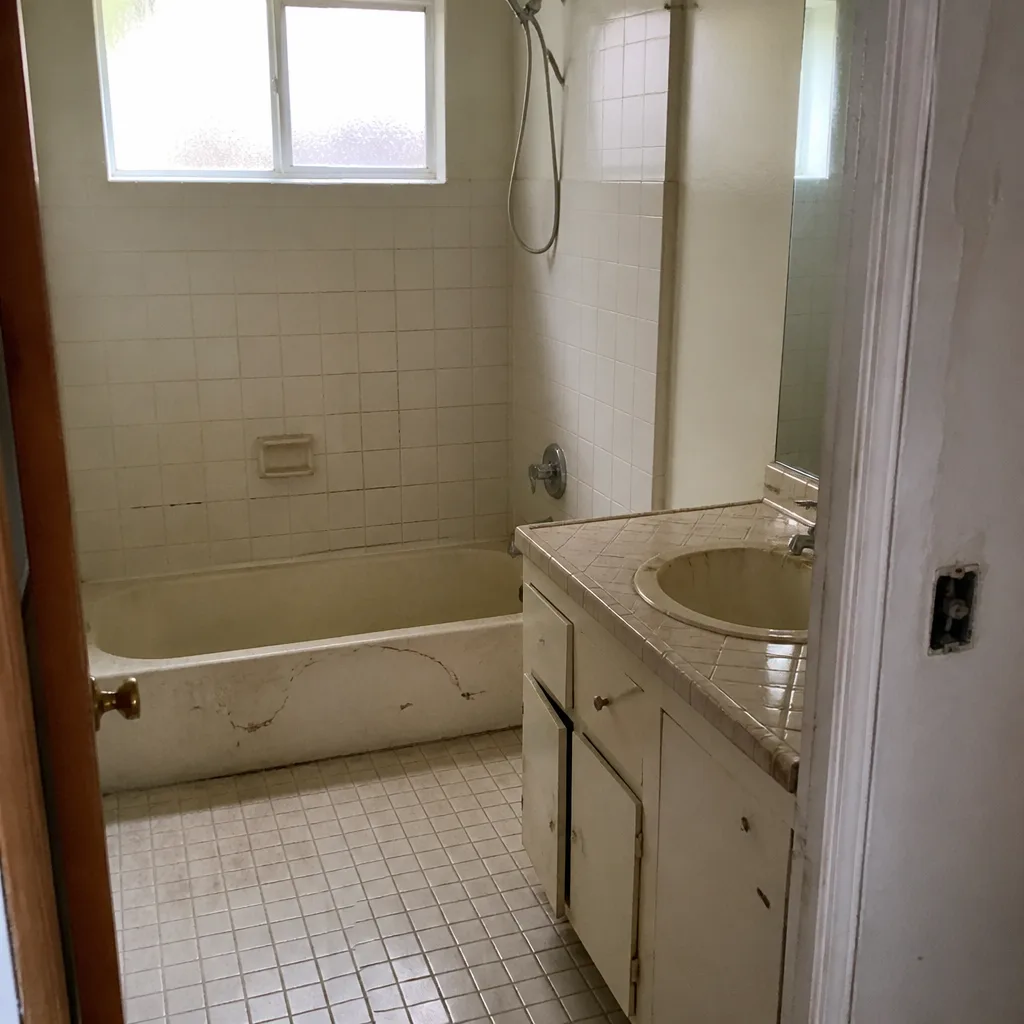 Before
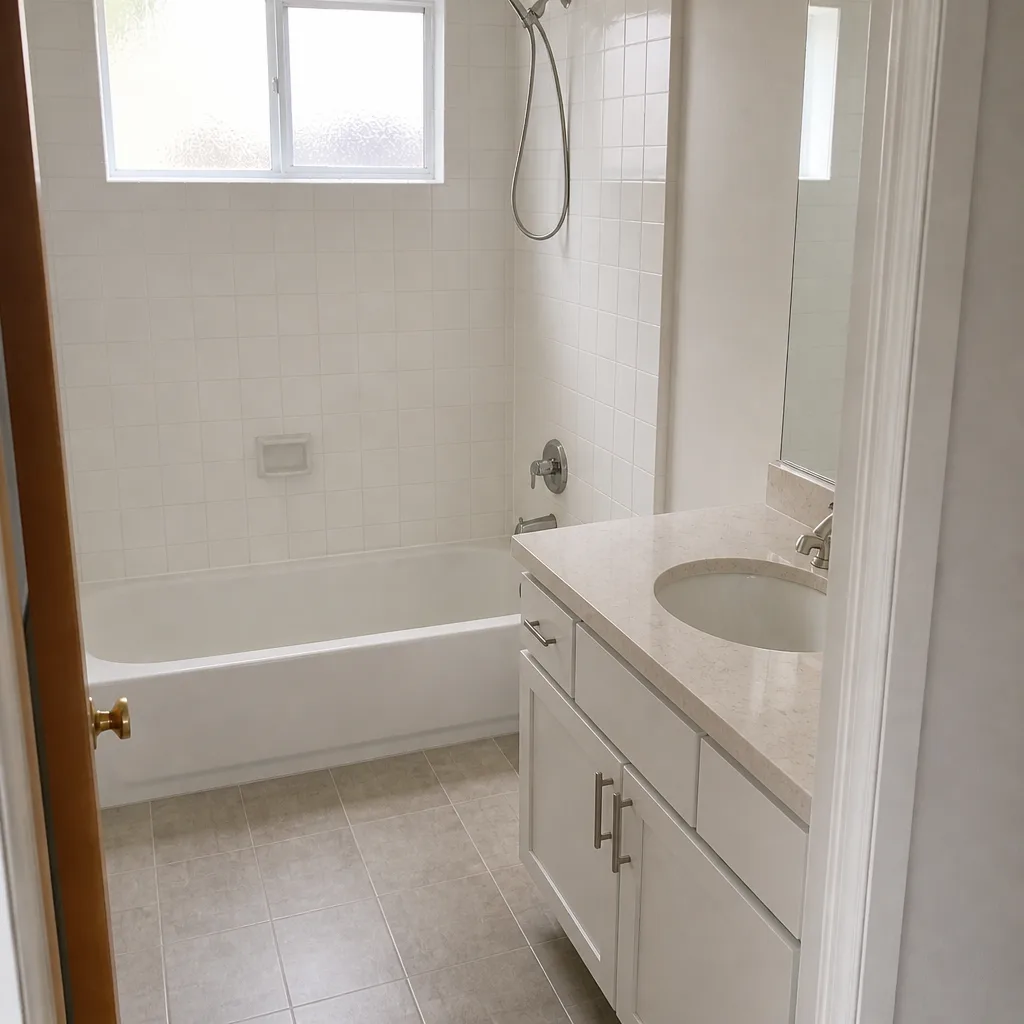 After
When to Call a Professional
Call a licensed contractor when the project touches anything structural, electrical, gas, roofing, waterproofing, or your HOA’s architectural review. Call when the permit would need to be pulled under a licensed trade. Call when the work will be inspected and the cost of failing the inspection is higher than the cost of doing it right. And call before you sign anything with your HOA, because their review process and your project timeline need to be aligned from day one.
Groundwork Construction Co. of Irvine offers free estimates in Irvine – call (888) 578-4462. Calls are answered by a live person 24/7, and every quote is upfront with no change-order surprises. If you’re not sure whether your project qualifies for the hybrid approach, that’s exactly the conversation a free estimate is designed to have.
Frequently Asked Questions
Yes, for some projects. California’s owner-builder permit lets you act as your own general contractor on work you’ll personally occupy, and Irvine issues these permits routinely for cosmetic remodels, fencing, landscaping, and similar scopes. It does not cover licensed trade work (electrical, plumbing, gas), and it does not override your HOA’s separate rules. Call (888) 578-4462 for a free estimate if you’re uncertain which category your project falls into.
Yes. Irvine HOA architectural review committees operate independently of the city permitting process and many require contractor licensing documentation regardless of what the city allows. The HOA can issue a stop-work order even on a legally permitted owner-builder project. Check your CC&Rs and submit for architectural review before starting. Call (888) 578-4462 for a free estimate if you’d rather have a licensed contractor handle the documentation.
Permit correction fees typically run $150 to $600 per re-inspection, HOA violations commonly cost $100 to $500 per notice, and demolish-and-redo work on a failed bathroom or kitchen runs $8,000 to $15,000 depending on scope. Unpermitted work discovered at sale can cost $5,000 to $20,000 to remediate, plus potential buyer credits. Call (888) 578-4462 for a free estimate and a written line-item quote – no surprises.
The hybrid approach means you hire a licensed contractor for the high-consequence phases (permit, rough-in, structural, waterproofing) and self-perform the finish work (tile, paint, trim, cabinetry). It saves $4,000 to $15,000 depending on scope and eliminates the HOA-overlay and inspection-failure exposure. It’s the best fit for homeowners with real finish-work experience and a project that passes rough-in cleanly. Call (888) 578-4462 for a free estimate on the licensed scope before you commit to self-performing the finish.
Our 730-Day Done Right Promise covers workmanship on everything we install for two years – if it’s not done right, we make it right. A DIY project has no comparable recourse; the material manufacturer honors defects, but the labor and redo cost is on you. That’s the specific math behind the guarantee. Call (888) 578-4462 for a free estimate and a written scope that shows exactly what’s covered.
Fence installation in Irvine generally requires a permit for anything over the standard height limit, and driveway replacement almost always does if the grading or drainage changes. Most Irvine HOAs also require architectural review for both, and shared boundary fences require neighbor sign-off. Call (888) 578-4462 for a free estimate that includes the permit and HOA documentation in the scope.
The Bottom Line
The DIY question in Irvine isn’t about whether you’re capable. It’s about whether the jurisdiction leaves you legally allowed to self-perform, whether the HOA will stop you, and whether the downside case of failure is one you can actually absorb. Cosmetic finish work is genuinely reasonable to self-perform. Structural, electrical, gas, roofing, waterproofing and anything reviewed by your HOA should be licensed work with a written warranty. Everything in the middle is where the hybrid approach wins. Groundwork Construction Co. of Irvine offers free estimates with upfront pricing, 0% financing for 18 months, $1,000 off projects over $10,000, and the 730-Day Done Right Promise backed in writing. Call (888) 578-4462 to schedule yours.
Written by the team at Groundwork Construction Co. of Irvine.