
Last updated November 17, 2026
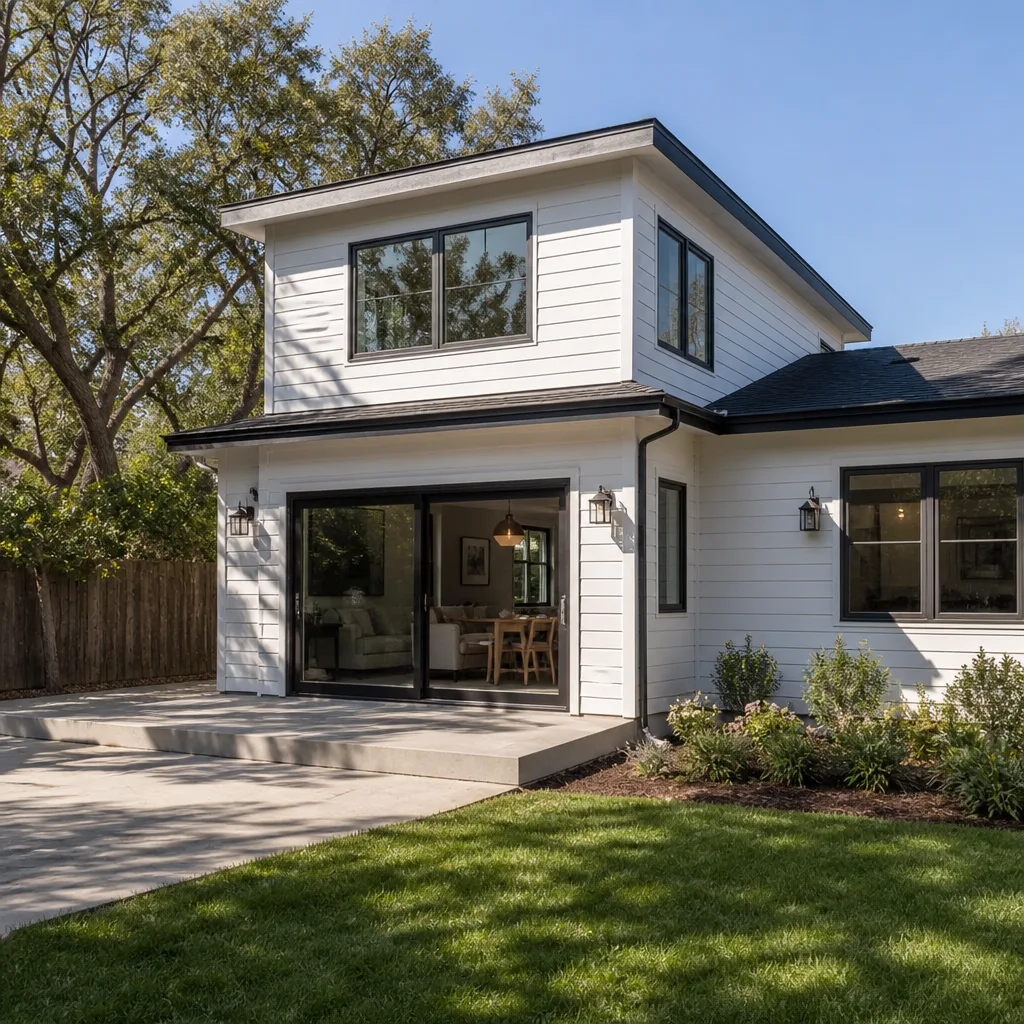 Home additions & ADU
 Kitchen remodeling
 Bathroom remodeling
 Roofing
 Windows & doors
 Driveway & pavers
 Fence
Free written scope consultation - allowances, timeline, and change-order rules on paper before a single trade is scheduled
DIY vs Professional Home Additions & ADU: What’s Safe to Do Yourself
California’s owner-builder law lets you pull your own permits for an addition or an accessory dwelling unit (ADU). What the statute doesn’t tell you is that your homeowner’s insurance policy may carry a clause that voids structural coverage on work not performed by a licensed contractor. Almost nobody reads that clause before the framing goes up. We’ve walked onto Irvine job sites where a homeowner saved $14,000 on labor and then faced a $60,000 tear-out because an inspection failed on a shear wall detail. This guide separates what’s genuinely safe to do yourself from what quietly costs you money, coverage, and resale value. You’ll get the permit categories, the insurance math, a real cost comparison, and the three ADU phases where amateur work creates downstream problems.
Quick Answer
Finish work is generally safe to do yourself in California: paint, interior flooring, trim, cabinetry installation, landscaping, and tile. Structural work, MEP (mechanical, electrical, plumbing), gas, and anything on the structural envelope are where DIY gets expensive, fails inspection, and can void insurance or workmanship warranties on adjacent professional work. An owner-builder permit is legal in California, but legal and insurable are two different questions you need to answer before you start.
Styles & brands we work with
- Kitchen remodeling
- Bathroom remodeling
- Home additions & ADU
- Roofing
- Windows & doors
- Driveway & pavers
- Fence
Table of Contents
- California Owner-Builder Permits: What’s Legally Allowed vs. What Code Mandates
- The Insurance and Resale Disclosure Problem Nobody Warns You About
- What’s Genuinely Safe to Do Yourself in an Irvine Addition
- The Real Cost Comparison: What DIY Actually Saves
- The Three ADU Phases Where DIY Creates Professional Problems
- How to Sequence DIY Finish Work Around Professional Structural and MEP Work
- Prefab ADUs and Modern Methods: Where They Fit
California Owner-Builder Permits: What’s Legally Allowed vs. What Code Mandates
An owner-builder permit is real. California Business and Professions Code Section 7044 lets a property owner pull permits and act as their own general contractor on their own residence, as long as they don’t sell or rent the structure within a year of completion without specific disclosures. That’s the law. The question is where the law stops and code mandates begin.
Here’s how the categories shake out in practice across Irvine projects we’ve reviewed:
- Structural framing, shear walls, foundations, and roof tie-downs: Legal for an owner-builder to permit and execute, but the inspection standard is unforgiving. Irvine uses the 2022 California Building Code with local amendments, and seismic detailing in Orange County is strict. Framing inspection failures are the most common DIY setback we see.
- Electrical, plumbing, and mechanical (MEP): California requires licensed contractors for work that connects to the grid, water supply, or gas. An owner-builder can permit some of this on their own residence, but most cities, Irvine included, require a licensed C-10 (electrical), C-36 (plumbing), or C-20 (HVAC) contractor to sign the final on utility-tied work. Gas line work is not owner-builder territory.
- Solar, battery storage, and panel upgrades: Licensed electrician only. No exceptions in practice.
- Finish trades and non-structural work: Interior paint, flooring, trim, cabinet install, tile, landscaping, fencing, and pavers are all permitted without special licensing for an owner. Some need no permit at all.
If your plan involves anchoring a new structure to an existing foundation, adding a second story, or cutting any load-bearing member, the permitting path exists but the inspection path is where the labor savings evaporate. For Irvine homeowners planning this scope, working with a team that pulls the permits and passes the inspections in one sequence is the calmer route – see Home Additions & ADU in Irvine for how that process is structured.
The Insurance and Resale Disclosure Problem Nobody Warns You About
Read your homeowner’s policy before you frame. Many carriers in California include language that limits or denies structural coverage when work above a threshold dollar amount wasn’t performed by a licensed contractor. The clause is buried in exclusions, and it doesn’t care that your work was legal.
The pattern we’ve seen play out in Irvine more than once:
- A homeowner completes an ADU as owner-builder, legally, with permits signed off.
- Two years later, a slab crack or roof leak causes damage.
- The carrier inspects, finds the structure was owner-built, and denies the claim on the structural exclusion.
- The homeowner covers a $40,000 to $120,000 repair out of pocket.
Resale disclosure is the second layer. California requires disclosure of any known material defects at sale, and unpermitted work is a disclosure item. Lenders for the buyer may also require evidence that additions and ADUs are permitted. We’ve watched Irvine sellers discount $50,000 off list to make an unpermitted bonus room “go away.” A permitted, professionally built addition is a value line on the appraisal. An unpermitted one is a negotiation liability.
The practical rule: call your insurance carrier before you pull your owner-builder permit and ask a direct question. “If I act as owner-builder on an ADU addition, what coverage remains on the structure?” Get the answer in writing. Then decide.
What’s Genuinely Safe to Do Yourself in an Irvine Addition
We’re not going to tell you to sit still. Finish work is where a motivated homeowner saves real money without putting a nail through a shear wall. Here’s what we’d sign off on in a typical Irvine project.
Safe to DIY on most projects:
- Interior paint and stain. Zero permit, zero inspection, immediate savings.
- Interior flooring: LVP, engineered hardwood, tile set over a properly prepped slab or subfloor.
- Baseboard, casing, and crown molding installation.
- Closet systems and non-structural built-ins.
- Cabinet installation on a licensed framer’s finished walls (measure twice).
- Landscaping, artificial turf, garden beds, and irrigation once rough grading is done.
- Driveway-adjacent hardscape finishing, though base prep matters more than the pavers themselves – see Driveway & Pavers in Irvine.
- Fence staining and post-setting on standard 6-foot residential fences – see Fence Installation in Irvine.
Do not DIY:
- Any electrical rough-in, panel work, or outlet/GFCI placement that ties to the house system.
- Any plumbing rough-in, gas connections, or water heater relocation.
- HVAC ducting, mini-split line sets, or refrigerant work.
- Framing, shear walls, headers, and anything a structural engineer has signed.
- Roofing tie-in on the new structure. That’s where water intrusion starts.
- Insulation on a structural envelope that will be inspected for Title 24 compliance.
In Irvine, coastal air isn’t a heavy driver of exterior rot like it is in Point Loma or San Clemente. What we see on Irvine additions is sun exposure at the inland edges of Northwood and Woodbridge – facing south and west, siding and trim take UV damage faster than homeowners expect. That’s a finishing detail, not a structural one, but it changes the material choice.
The Real Cost Comparison: What DIY Actually Saves
The honest math on DIY is different from the flyer math. Most homeowners compare the contractor’s labor line to their own hourly wage and stop there. The full picture includes tool rental, material waste, inspection fees, and the value of your own time.
Here’s a realistic comparison for a $180,000 Irvine ADU build where the homeowner planned to do the interior finish themselves, versus full professional. Ranges reflect what we actually see in Orange County 2025-2026 pricing.
| Cost Category | Full Professional | DIY Finish Scope |
|---|---|---|
| Structural + MEP + envelope | $140,000 | $140,000 (professional, unavoidable) |
| Interior finish labor | $38,000 | $0 |
| Finish materials (contractor priced) | $22,000 | $26,000 (retail, waste, overage) |
| Tool rental and specialty equipment | $0 | $2,200 |
| Inspection re-work risk (est.) | $0 | $4,000-$9,000 |
| Homeowner time off work (est.) | $0 | $6,000-$14,000 |
| Extended carrying costs (extra 4-8 weeks) | $2,000 | $5,000-$11,000 |
The headline savings say $38,000. The realistic savings after materials, tools, re-work, and carrying costs are closer to $6,000 to $14,000 – and that’s before you count the value of your own time off work. In Irvine, where contractors are already stretched and material pricing is negotiated at a discount contractors don’t get, the gap shrinks further. On a full addition, the DIY savings disappear. On finish scope only, they survive, but thinner than expected.
Where DIY earns its keep: coverage the professionals don’t want to include anyway. If your GC quotes paint, trim, and landscaping as separate line items and you want to handle those, the savings are real and clean. If you’re trying to save on framing or MEP, the numbers don’t work.
The Three ADU Phases Where DIY Creates Professional Problems
In our experience on Irvine ADUs, three specific phases are where DIY work creates the messiest downstream repairs. The money saved up front gets spent three times over correcting it later.
Phase 1: Foundation and slab prep. A slab that’s out of level by half an inch or missing a vapor barrier looks fine until the finish flooring goes down and starts cupping. Corrections require demolition of the finish work, self-leveling compound, or worse. We’ve seen a $3,000 slab prep saving trigger $18,000 of finish floor replacement. Boxabl and Mighty Buildings prefabs sidestep this because the slab is spec’d to their exact tolerance – a case where the manufacturer’s precision is the point.
Phase 2: Framing and shear detailing. This is the biggest one. Shear panels with the wrong nailing schedule, missing hold-downs, or improper blocking fail inspection and require opening the walls back up. In Irvine, where the seismic detailing is strict, a failed framing inspection on an ADU is common when the owner-builder is learning code as they go. Fixing it means drywall comes down, engineer re-inspects, and the schedule pushes by 3 to 6 weeks.
Phase 3: MEP rough-in coordination. Electrical, plumbing, and HVAC intersect in the same 5-inch wall cavity, and picking the wrong sequence costs days. Duct chases that block a plumbing vent, or a mini-split line set that crosses the electrical panel clearance – each is a full-day correction. This is where rough-in inspectors hold the line hard, because it’s where a wrong move is a real hazard. Cover and Dvele prefab ADUs avoid this by arriving with MEP pre-installed in the factory, which is exactly why those models pass Orange County inspections quickly.
Prep work is where the pros spend the most time fixing DIY starts. Expect 5 to 15 hours of investigation before any correction begins on a foundation issue, and 20 to 40 hours of re-work on a failed framing inspection. Those hours are pure loss.
How to Sequence DIY Finish Work Around Professional Structural and MEP Work
If you want to do finish work yourself without voiding the warranty on the structural build, sequencing is everything. Here’s the sequence that works on Irvine projects we’ve coordinated:
- Lock the professional scope in writing. Structural, MEP, and envelope are contracted, permitted, and warrantied in a single scope. Get the workmanship warranty terms in writing before you start – our Groundwork Construction Co. of Irvine home page spells out how our 730-Day Done Right Promise handles this.
- Complete all inspections before you touch finish. Framing inspection, MEP rough-in inspection, and insulation inspection sign off in that order. No DIY work starts until each is green.
- Drywall and prime, then hand off to you. The professional scope ends at primed drywall. From that point, paint, flooring, cabinets, trim, and landscaping are yours.
- Coordinate the handoff in a single written schedule. If a warranty-covered element (like a window or door) sits adjacent to your DIY trim work, the handoff date matters. Any damage after handoff should be clearly your scope.
- Keep the receipts and photos. Document every stage of your finish work. If a warranty claim arises on adjacent professional work, the documentation proves your scope didn’t cause it.
The warranty question is the one to raise with any contractor before you sign. Ask directly: “If I do the interior finish work after your handoff, does that affect the workmanship warranty on your scope?” Any builder who fumbles that answer is a builder who hasn’t thought it through. In Irvine, we’ve watched homeowners lose warranty coverage because the DIY tile work damaged a waterproofing membrane the professional installed – a claim that’s hard to win after the fact.
Prefab ADUs and Modern Methods: Where They Fit
Prefab ADUs changed the DIY-vs-professional equation in Irvine. A factory-built unit from Dvele, Mighty Buildings, or Boxabl arrives with structural and MEP already assembled under factory inspection. What’s left on site is the foundation, utility connection, and finish – a much smaller window for DIY errors to create downstream costs.
What we see on Irvine lots:
- Boxabl units are compact and deploy fast. Best fit for a rear-yard ADU where the lot is flat and utilities are accessible.
- Mighty Buildings uses 3D-printed panels that ship pre-engineered, which removes the framing inspection variable.
- Dvele builds to near-passive-house spec and arrives with the electrical panel and plumbing rough-in finished, so the local inspection is largely a connection verification.
- Cover ADUs are site-assembled from prefabricated panels with MEP pre-routed, cutting the on-site framing scope.
The prefab route doesn’t eliminate the professional. The foundation, utility trenching, and final connections still require licensed trades and permit sign-offs. But it does eliminate the framing inspection risk and the MEP coordination risk – the two single biggest sources of DIY ADU cost overrun we’ve tracked in Irvine.
If you’re evaluating a prefab versus a site-built ADU, our team can walk you through the trade-offs on your specific lot. Both paths still benefit from a real general contractor coordinating the foundation, utility, and final inspection sequence, especially on Irvine properties where HOA rules and setback requirements vary block by block.
Common Mistakes to Avoid
- Pulling an owner-builder permit without reading the insurance policy. The permit is legal but the coverage exclusion isn’t something you can undo after the fact. Read the policy first, in writing.
- Doing structural work “to save money” and getting it inspected later. In Irvine, a framing inspection that fails means opening the walls back up. That’s the entire cost of the framing you saved, spent again on demo and re-frame.
- Assuming an owner-builder permit removes the licensed-trade requirement on gas and electrical utility ties. Most Irvine trades will not sign final on gas or on panel-tied electrical unless the installing party is licensed. The permit says owner-builder; the utility and inspection say licensed.
- Sequencing finish work before the final inspection. We’ve seen Irvine homeowners install $8,000 of finish flooring before the insulation inspection and have to pull it up for the inspector.
- Not keeping documentation of DIY scope for resale. When you sell in Irvine, the disclosure form asks about unpermitted work. Missing photos and receipts make any DIY scope look worse than it actually is.
- Choosing a GC based on the labor line only. The $15,000 cheaper bid usually has a reason – no permit handling, thin warranty, or a crew that disappears. On an addition, that gap costs multiples of the difference to correct.
- Underestimating the tool and waste line. The average DIY finish scope overruns materials by 18 to 25 percent on first-time projects. Budget accordingly.
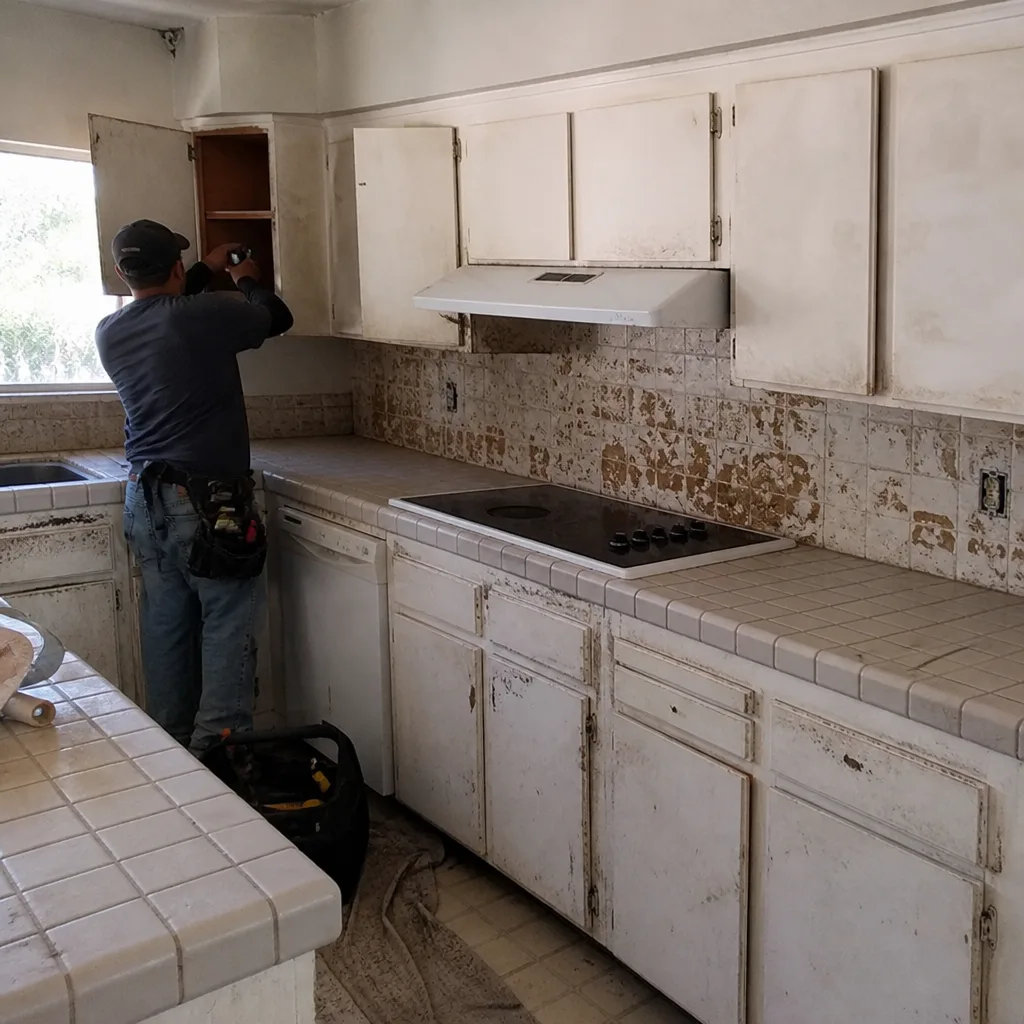
See the difference
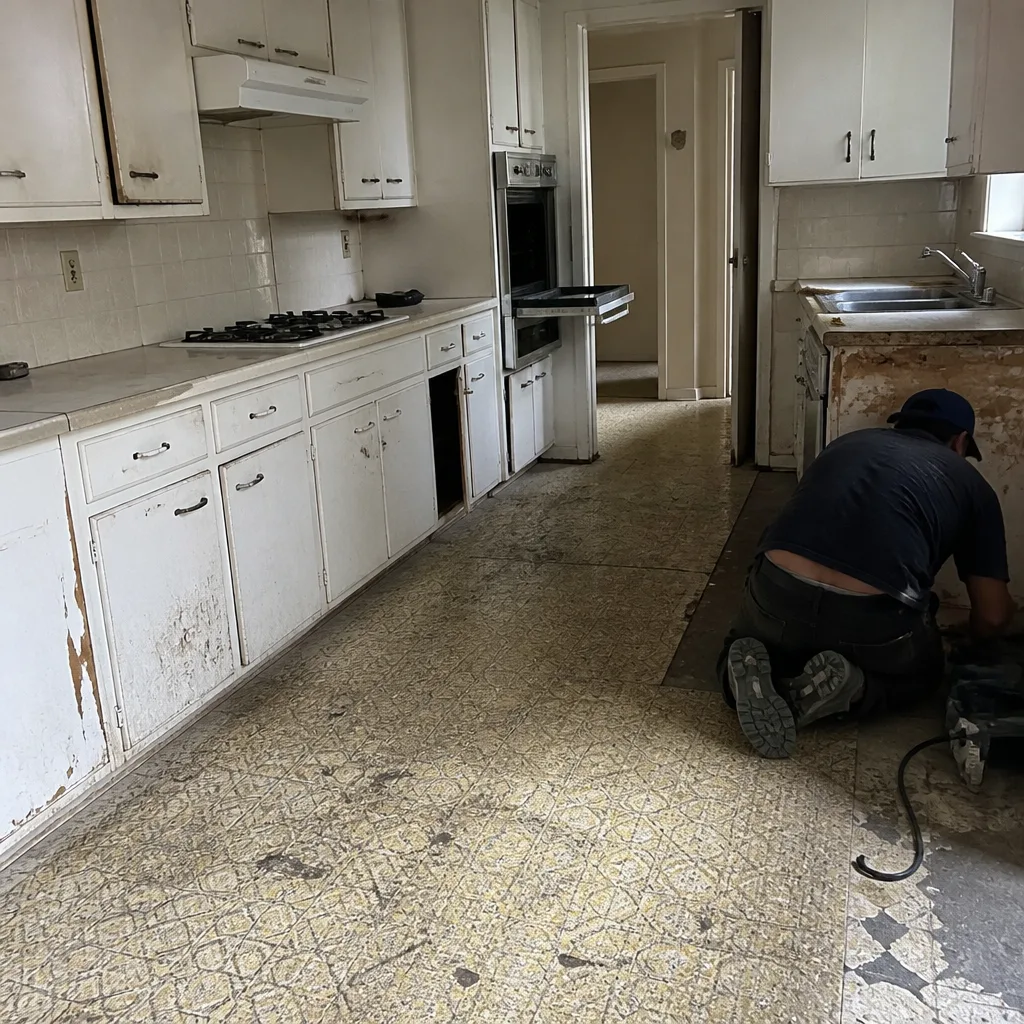 Before
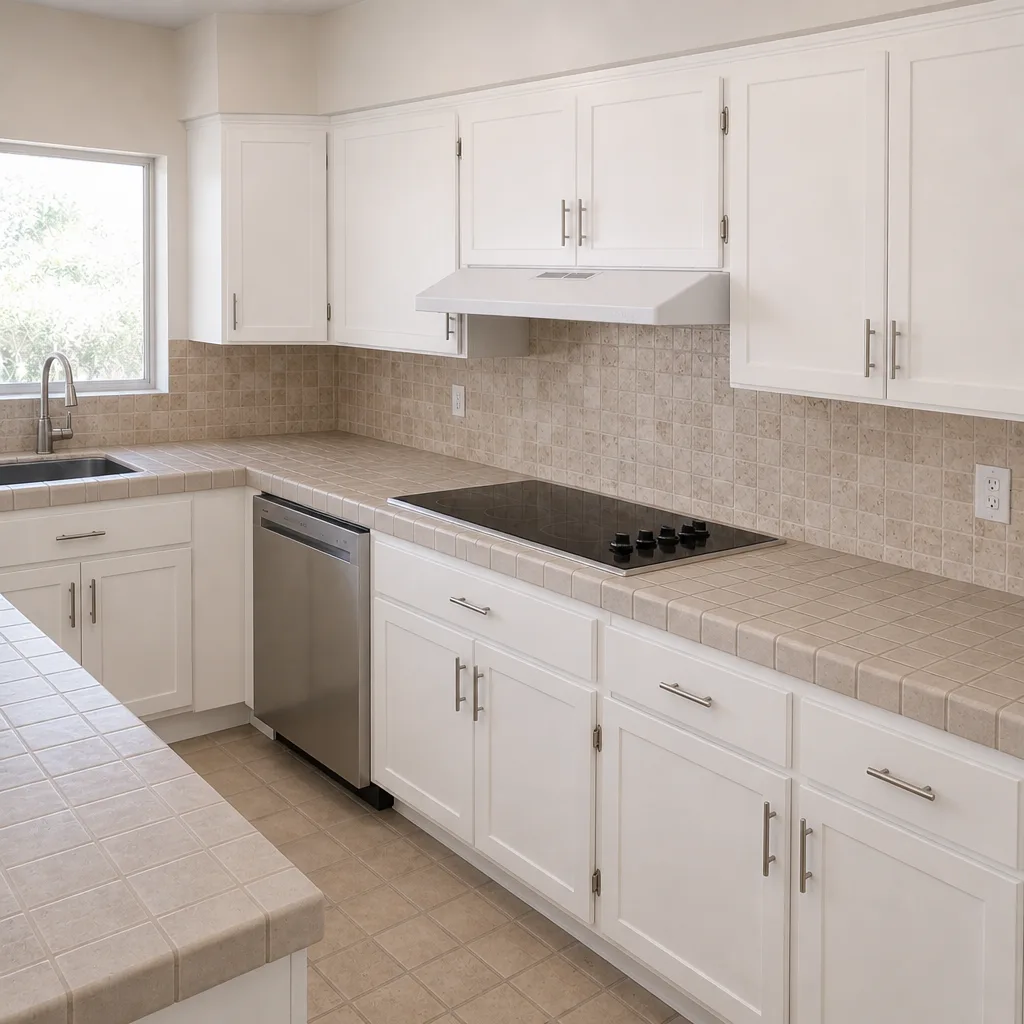
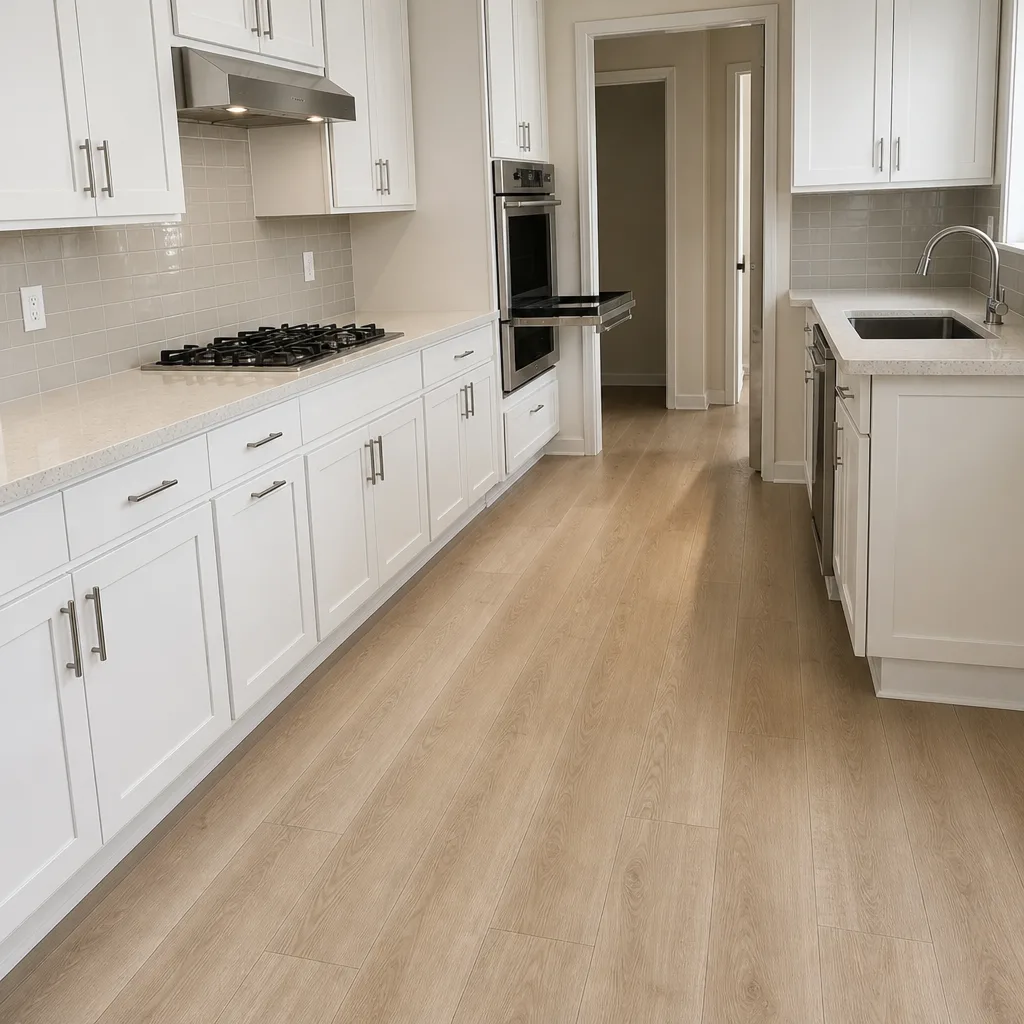 After
 Before
 After
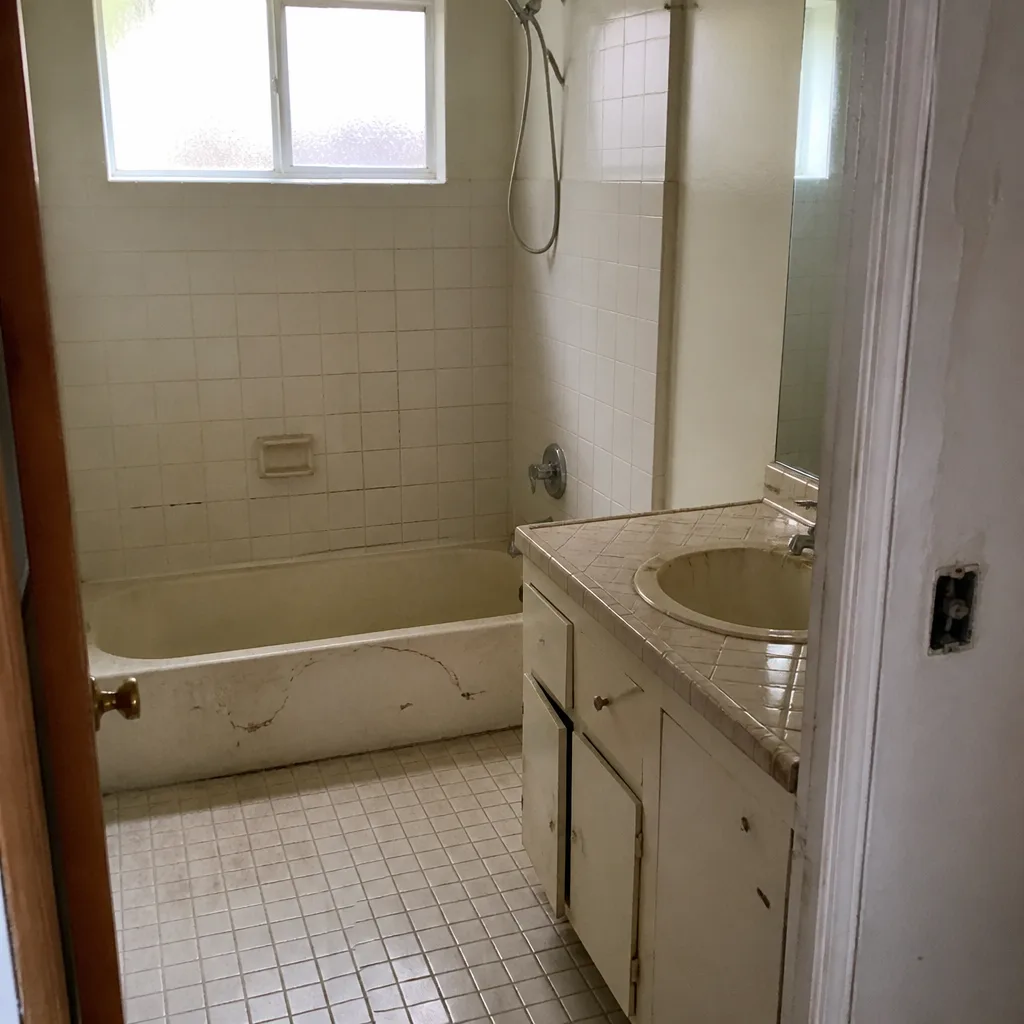 Before
 After
When to Call a Professional
Call a professional when the scope touches any of these: structural framing, shear walls, foundations, MEP rough-in, gas, electrical panel work, roof tie-ins, or anything a structural engineer signed. Call us too if your homeowner’s policy has a structural coverage exclusion that would trigger on owner-builder work – we can help you understand what scope needs to be professionally executed to keep that coverage intact. And call when the schedule matters. Irvine ADU projects running through HOA review, city plan check, and inspection cycles move slow when they’re coordinated by someone who hasn’t done them dozens of times. Groundwork Construction Co. of Irvine offers free estimates in Irvine – call (888) 578-4462 to schedule yours and get a written scope that separates professional work from finish scope you can safely do yourself.
Frequently Asked Questions
Yes. California’s owner-builder exemption lets you pull permits and act as your own general contractor on your own residence, and Irvine processes owner-builder ADU permits. The legal right doesn’t remove the practical risks: inspections are strict, utility-tied MEP requires licensed trades, and your homeowner’s insurance may limit structural coverage on owner-built work. Call (888) 578-4462 for a free estimate on the professional portion of your scope.
Not automatically, but it can if your DIY scope damages or interferes with the professionally performed work. A finish floor installed over a professionally prepped slab that damages the vapor barrier, or trim work that penetrates the waterproofing membrane, is a claim the professional can reasonably decline. Get the warranty terms and the handoff boundary in writing before you start. Call (888) 578-4462 to discuss a written scope that protects your warranty.
On a $180,000 Irvine ADU, realistic net savings on a full interior finish DIY scope run $6,000 to $14,000 after materials, tools, re-work, and extended carrying costs. The headline labor savings are closer to $38,000, but the fully loaded comparison is smaller. Call (888) 578-4462 for a free estimate that itemizes which scope is worth keeping in-house and which scope isn’t.
It depends on your specific policy. Many California carriers include an exclusion that limits structural coverage on work performed outside a licensed contractor. Read the exclusion section of your policy and get the answer from your carrier in writing before you pull the permit. Call (888) 578-4462 to discuss how our written scope can help preserve your coverage.
Framing inspection fails most often, specifically on shear panel nailing schedules, hold-down placement, and blocking. MEP rough-in is the second most common fail, usually on electrical panel clearances or vent intersections. Recovering from a failed framing inspection in Irvine typically costs 3 to 6 weeks of schedule and $4,000 to $9,000 in re-work. Call (888) 578-4462 to schedule a free estimate and get the professional scope locked before you start.
Prefab ADUs from Dvele, Mighty Buildings, Boxabl, or Cover arrive with structural and MEP work completed under factory inspection, which reduces the on-site inspection burden. The foundation, utility connections, and final sign-offs still require licensed trades and permits. Prefab simplifies the inspection path but doesn’t remove the professional scope. Call (888) 578-4462 for a free estimate on the coordinating work.
The Bottom Line
The safe DIY line in California runs through finish work, not structure. Paint, flooring, trim, cabinets, landscaping, and fencing are yours to take on and save real money on. Structural framing, MEP, gas, and anything touching the seismic envelope are professional scope, and the inspection, insurance, and warranty math on DIY there never pays back. Pull the owner-builder permit if you want, but read your insurance exclusion first and get a written scope that maps out exactly where professional work ends and finish work begins. That document is what protects your coverage, your warranty, and your resale value.
Groundwork Construction Co. of Irvine offers free estimates in Irvine for homeowners weighing this exact decision. Call (888) 578-4462 to schedule yours – our team answers live, 24/7, and every project is backed by our 730-Day Done Right Promise.
Written by the team at Groundwork Construction Co. of Irvine.