
Last updated November 17, 2026
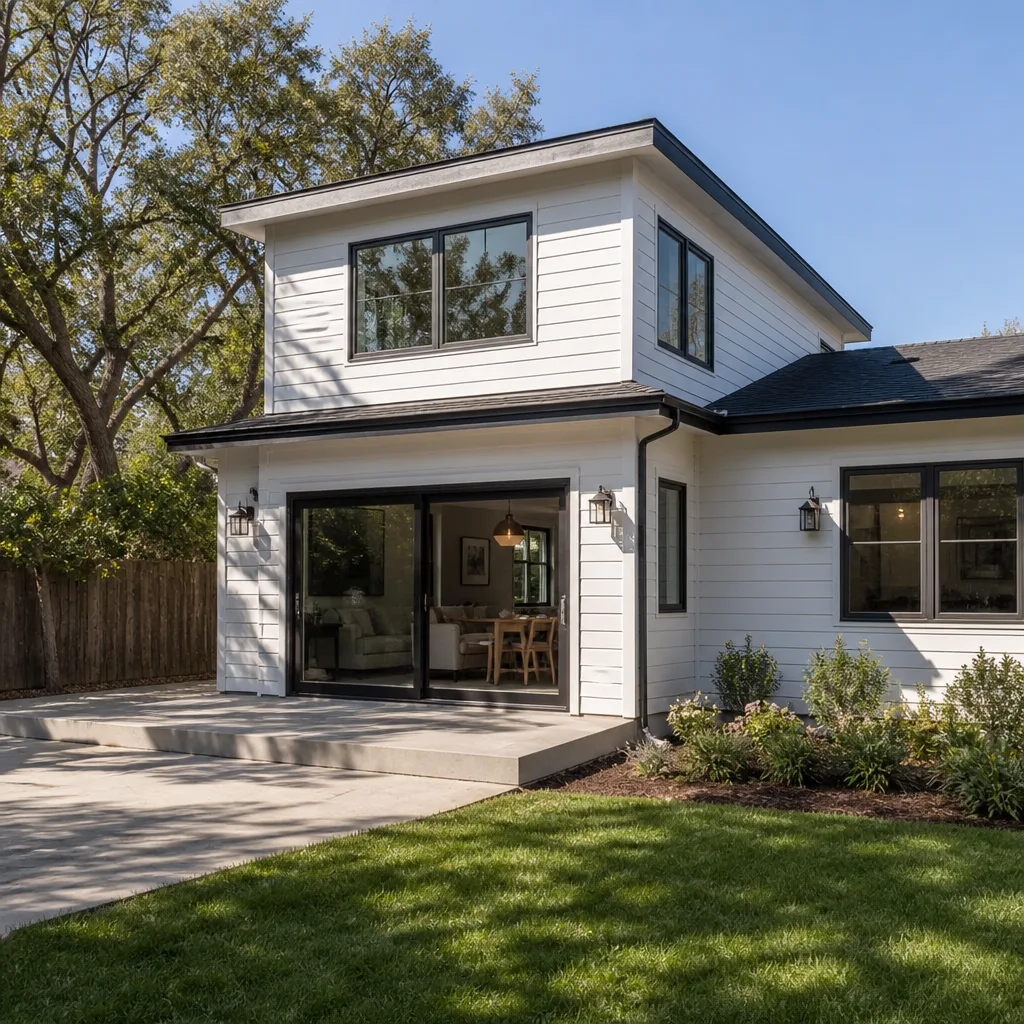 Home additions & ADU
 Kitchen remodeling
 Bathroom remodeling
 Roofing
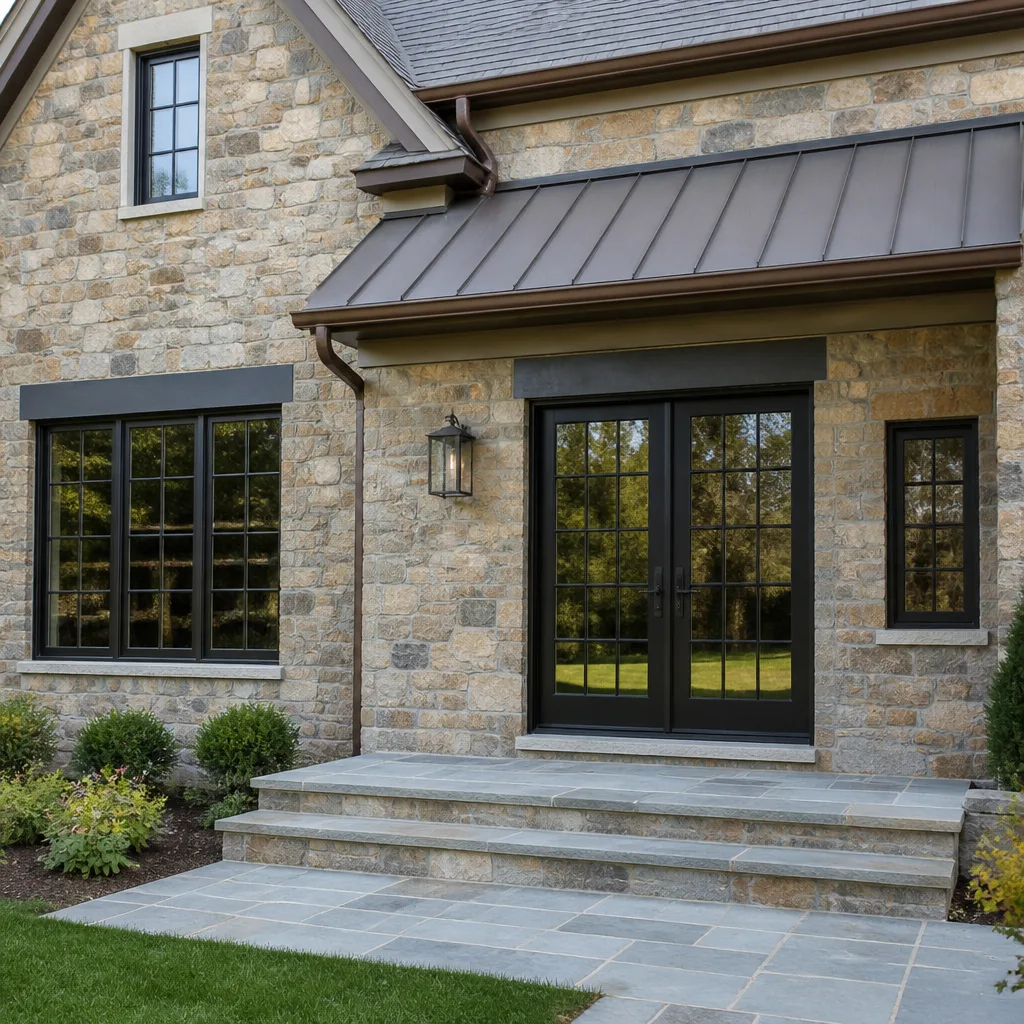 Windows & doors
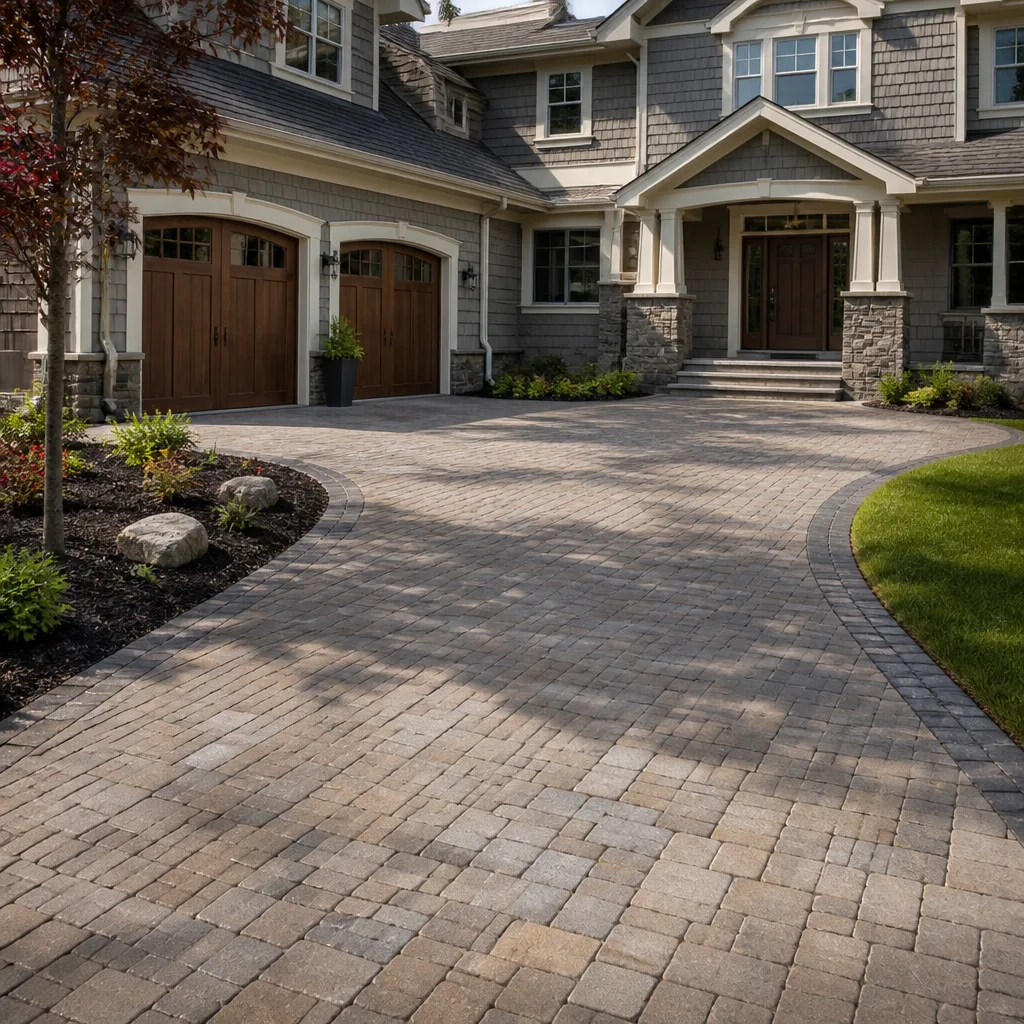 Driveway & pavers
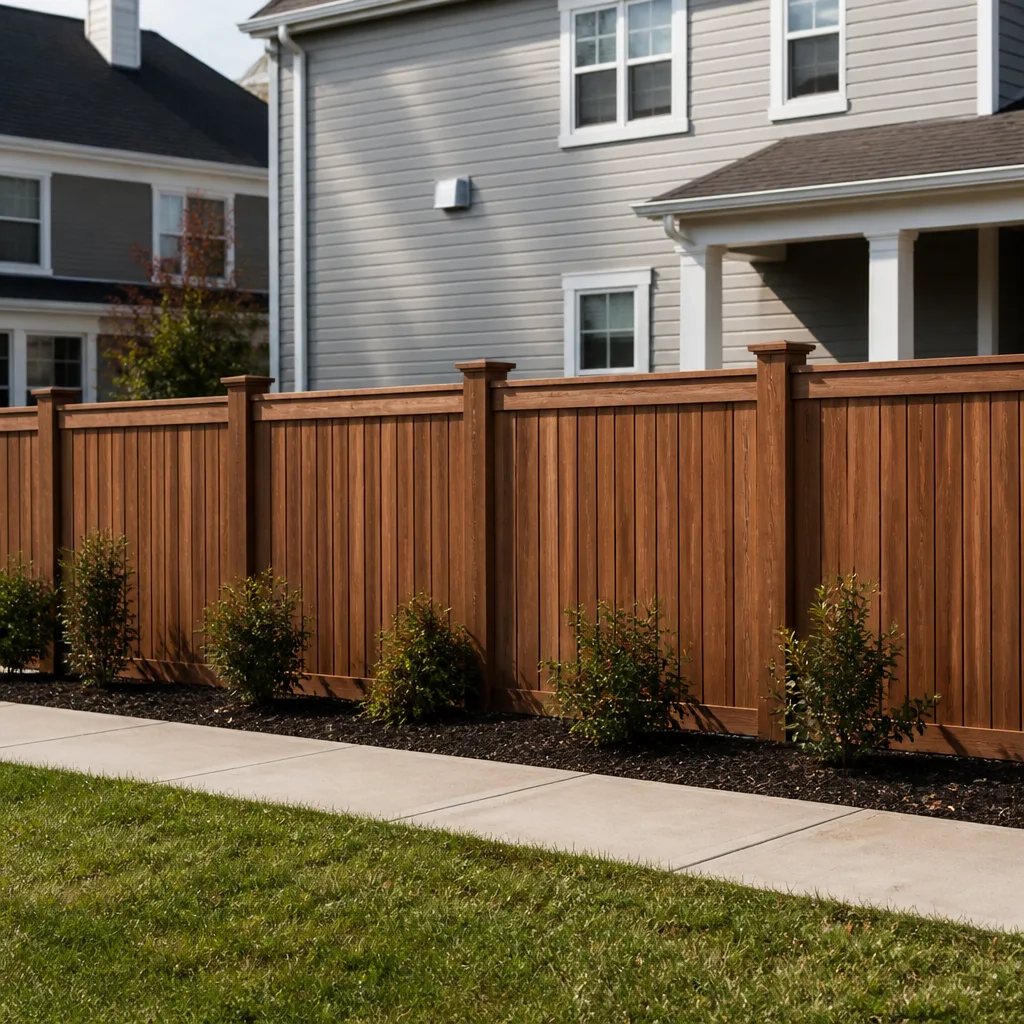 Fence
Free written scope consultation - allowances, timeline, and change-order rules on paper before a single trade is scheduled
Construction Emergency Preparedness Guide for Irvine Homes
The 2020 Silverado Fire burned 13,000 acres inside Irvine’s eastern boundary in roughly 36 hours. Most homes that took damage there didn’t lose it to flames. They lost it to embers that slipped through construction gaps a $200 weatherization job would have sealed. Irvine sits in a strange pocket of risk: Spanish clay soil that sheds heavy rain like a parking lot, Santa Ana winds that pry at every eave and fence post, and a wildland-urban edge that starts just past the 241. This guide covers how we’ve seen these emergencies actually play out in Irvine, what to check after each one, and how to document your home before anything happens. Read it while the weather is calm.
Quick Answer
Construction emergency preparedness for Irvine homes means hardening the building envelope before fire season, keeping gutters and drainage clear before the first rain, and photographing your home’s structure and materials now so a claim is quick later. Most of the actual loss from Irvine emergencies comes through construction gaps, blocked drainage, and wind-loosened connections, not direct destruction. Three weekends of focused work on vents, eaves, and drainage prevent the majority of what gets reported here.
Styles & brands we work with
- Kitchen remodeling
- Bathroom remodeling
- Home additions & ADU
- Roofing
- Windows & doors
- Driveway & pavers
- Fence
Table of Contents
- Irvine’s Emergency Risk Profile: What Actually Hits, Ranked
- Construction Hardening Checklist for Irvine’s Wildland-Urban Interface
- After a Santa Ana Wind Event: The Post-Event Inspection Protocol
- After the First Heavy Rain: Clay Soil and Drainage Checks
- After Seismic Activity: What to Check Before You Call Anyone
- Vetting an Emergency Contractor in Irvine Without Getting Burned
- Pre-Emergency Documentation: The Photos and Records You’re Missing
- Frequently Asked Questions
Irvine’s Emergency Risk Profile: What Actually Hits, Ranked
Earthquake preparedness is deeply baked into Irvine homeowners. Freeze-dried food, water barrels, a wrench strapped to the gas meter. All good. But if you rank Irvine’s home construction emergencies by actual frequency and actual dollars, earthquakes sit below three things that happen far more often. This is the ranking we’ve seen play out across Irvine neighborhoods, roughly most to least common:
- Santa Ana wind damage (annual, near-certain). Winds over 50 mph off the Santa Ana Mountains and through the Tustin foothills attack every weak junction on the exterior. Fence panels, patio covers, roof edges, and loose fascia go first. Damage is usually modest per event but it compounds year over year.
- Clay soil flash flooding (annual, first rain). Irvine’s expansive clay soil is fine for structural stability but terrible for drainage. It saturates slowly and sheds fast. Water pools against foundations, backs up through garage doors, and undermines driveway edges exactly where grading was done loosely.
- Wildfire ember intrusion (seasonal, high-consequence). Any Irvine property east of Culver, and especially near the 133 corridor, sits close to wildland fuels. The fire often doesn’t have to reach the house. Embers do the work through vents, gaps, and anything combustible on the deck.
- Post-event water intrusion through failed envelope components (one-to-two weeks after each storm). Rain finds the crack that wind opened. We routinely find this combination two weeks after a Santa Ana event followed by a storm.
Earthquake damage is real, but in this market, the majority of actual insurance claims we see come from the top three. Preparing for the wrong emergency wastes money and time. Preparing for the right ones costs a few weekends a year.
Groundwork Construction Co. of Irvine home
Construction Hardening Checklist for Irvine’s Wildland-Urban Interface
If your home sits in the part of Irvine that CAL FIRE maps as wildland-urban interface (WUI), the hardening conversation is different from the rest of the city. Neighborhoods in the eastern hills, anything backing onto open space near Bommer Canyon, Shady Canyon, or the 241/261 corridors, are all in this category. The good news is that most ember intrusion stops at three components: vents, eave gaps, and deck materials.
The vent screens to check first
California code now requires 1/8-inch to 1/16-inch mesh on attic and foundation vents in high fire hazard zones. If your house was built before that requirement was tightened, you probably have 1/4-inch mesh or open-weave vent covers. That gap is exactly the size an ember needs. A retrofit vent cover costs $15 to $40 per vent in materials and takes about 10 minutes each with the right clips. We’ve seen entire attic fires that started with an ember that shook through a foundation vent into the crawlspace and lit up the subfloor framing from below.
Eave gaps and fascia
Open eave construction was common in Irvine homes built in the 1970s through the 1990s. The same gap that lets soffit air circulate will pull embers into the attic in a wind-driven fire. Sealing those gaps with fire-rated caulk or a metal closure strip costs $200 to $600 for an average Irvine home, and it’s one of the highest-return weatherization jobs you can do in this market. A fence installation in Irvine is also worth looking at during fire season. A wood fence right against a house is a fuse, and a non-combustible panel at the 5-foot zone closest to the structure matters more than the rest of the run.
Deck and patio materials
CAL FIRE’s WUI zone requirements now push toward non-combustible decking or ignition-resistant materials within the first 5 feet of the home. If you’re in a high hazard zone and planning any exterior work, putting driveway & pavers in Irvine into the plan solves two problems at once: it creates a defensible surface right up to the house and it stops the clay-soil mud flow that usually follows a fire-damaged slope into the garage.
- Vent screens: retrofit all attic, foundation, and dryer vents to 1/8-inch or smaller mesh.
- Eave gaps: seal open soffit gaps with fire-rated closure strips or caulk.
- Roof edge: confirm Class A roofing assembly is intact and fascia is sound. GAF and CertainTeed assemblies are what we specify in Irvine, and they meet or exceed the required class.
- Deck: replace wood within 5 feet of the structure with ignition-resistant material.
- Chimney and dryer vents: cap with spark arrestors.
After a Santa Ana Wind Event: The Post-Event Inspection Protocol
Santa Ana winds don’t make the national news unless a fire starts, but they hit Irvine multiple times every fall and winter. We’ve seen gusts over 70 mph in exposed elevations above the 133. The wind event itself rarely destroys anything. The damage it leaves behind is a series of small openings that the next rain, or the next wind, will exploit. This is the walkthrough we recommend after any gusty event in Irvine, in order:
- Walk the roofline from the ground with binoculars. Look for lifted shingles, missing ridge caps, and sagging gutter sections. Don’t climb up. This is a spotter walk, not an inspection.
- Check every exterior door and garage door for alignment. A door that suddenly won’t latch means the frame or header has shifted. This is a call-now trigger, not a wait-and-see.
- Inspect fence posts and panels. Wind stress shows up first on the post-to-panel junction. If a post has a wiggle at the base, it’s already a failure risk and the next event will take the whole section down.
- Look at patio covers, carports, and any attached shade structures. Confirm every anchor bolt is tight and every connection has its washer. Wind-rated hardware is cheap; a pergola in your neighbor’s pool is not.
- Photo every elevation of the house. Same three shots every time: front, back, and the side that took the worst of the wind. This is insurance documentation. You’ll want a clean before/after record.
- Look for debris accumulation in gutters and roof valleys. A single palm frond wedged in a valley is a dam waiting for the first rain.
- Check downspout terminations. Water should exit at least 4 feet from the foundation on grade that slopes away, not into a planter bed against the stucco.
If any of the first three steps reveal movement, damage, or misalignment, stop the walkthrough and call a professional for a real inspection. Structural issues after a wind event don’t improve with time. Groundwork Construction Co. of Irvine answers live 24/7, so a Saturday-night gust doesn’t mean waiting until Monday to know whether your roofline is sound.
After the First Heavy Rain: Clay Soil and Drainage Checks
Irvine’s expansive clay soil is the culprit in most of the water intrusion we see in this market. Clay doesn’t absorb quickly. It saturates, then it slides. After the first heavy storm of the season, water that should be draining to the street is often pooling against foundations, sinking into the planter strip along the back of the house, and pushing under garage slabs. These are the specific checks we recommend in the 48 hours after the first big rain:
The grading check
Walk the perimeter of your house and confirm that soil slopes away from the foundation at roughly 6 inches of drop across the first 10 feet. Irvine’s clay holds water long enough for even a slight back-slope to become a serious problem. If you see standing water within 3 feet of the foundation an hour after the rain stops, that’s a grading failure. Regrading and a proper French drain is usually $1,500 to $4,000 in Irvine and solves most of the issue permanently.
The drainage check
Check every area drain, port, and gutter downspout immediately during a storm, not after. In Irvine, oak leaves and palm fronds plug scuppers faster than most homeowners expect. A plugged scupper can back water up under 3 or 4 courses of roof shingles before you’d notice from inside, and by then you’re replacing sheathing, not just shingles.
The foundation crack check
Walk the exterior perimeter looking for new cracks wider than a quarter-inch. Horizontal cracks in a foundation wall are a call-now trigger and often mean pressure from saturated soil against the wall. Vertical hairline cracks under 1/8 inch are usually cosmetic in Irvine’s clay soil, but they should still be photographed and dated so you can compare after the next event.
The garage door check
Garage doors are the largest opening in the house and the most common place water enters during a clay-soil storm. If water is pushing under the door during a heavy rain, the threshold seal has failed and the grade outside the door is likely a problem. A proper threshold and grade fix runs about $400 to $1,200 in Irvine, and it prevents the slab moisture that eventually warps drywall and rusts framing anchors.
Our home additions & ADU in Irvine builds get drainage specified before the slab is poured for exactly this reason. Retrofitting drainage to an existing Irvine home is more expensive than building it in.
After Seismic Activity: What to Check Before You Call Anyone
Even small quakes (M3.0 to M4.0 is common enough in Orange County) should trigger a short exterior walk. The most common things we’ve seen go wrong in Irvine after seismic activity aren’t dramatic. They’re the small settlement shifts that leave openings in the envelope. Here’s what to check first:
- Exterior wall to foundation junction. Look for new visible separation between stucco and the slab edge. Any gap wider than 1/8 inch is worth a professional look.
- Windows and doors that suddenly bind. If a single window that used to open smoothly now sticks, the frame has shifted. This is minor if it’s one window, but check every opening. Many windows failing on the same wall is a call-now signal.
- Chimney and any masonry element. Look for cracks in the brick, especially at the roofline. Any visible crack in a chimney means stop using it until inspected. A chimney failure is a serious risk.
- Attic check. Look for new daylight through the roof sheathing. Look for separated framing members, popped nails, and displaced insulation. If you see any of these, photograph from the attic hatch and call for an inspection.
- Water heater straps and gas line connections. Confirm straps are still tight and gas connections are sound. Any gas smell means evacuate and call the utility first, then us.
The one genuine safety caveat: if you see structural separation, sagging ceiling, or a crack running through a load-bearing wall corner, do not move back into the affected rooms and do not attempt any reinforcement yourself. Structural assessment after seismic activity is a licensed professional’s job, full stop. Call for a real inspection.
Vetting an Emergency Contractor in Irvine Without Getting Burned
In the 72 hours after a major wind or rain event in Irvine, the contractor market gets crowded fast. Some of the crews that show up on your driveway from out of the area do good work. Some don’t. The difference isn’t always visible from a business card. Here’s what we tell Irvine homeowners to verify before signing anything:
- Verify the contractor’s license on the CSLB website (cslb.ca.gov) before the truck pulls away. Look up the license number live. Anyone who can’t produce a license number on request is not a licensed contractor and you have no standing if work goes wrong.
- Confirm the physical business address is real. Ask for the office or shop address, and verify it exists on Google Earth. “We’ll call you back from the office” is not an address. Storm-chasers who arrived from out of area will be back out of area by next week.
- Demand a written scope and a written price before any work starts. A real contractor puts the scope, the materials, and the price on paper. Verbal-only bids are the single most common thing we hear about from Irvine homeowners who got burned on emergency repairs.
- Ask about their workmanship warranty in writing. Industry-standard for workmanship is often 12 months. Groundwork Construction Co. of Irvine stands behind every project with the 730-Day Done Right Promise, and it’s what we require of any contractor we work with.
- Never pay in full upfront. A reasonable deposit is standard. Full payment before completion is a red flag, and requesting cash only is a serious one.
- Get at least two bids, even under time pressure. Emergency repairs are rarely so urgent that a second bid is impossible. Wind and rain damage that isn’t’ actively leaking can wait 48 hours for a second look.
- Check for background-checked, uniformed technicians. Emergency work means letting strangers into your home, sometimes at night. A company that puts background-checked, uniformed crews on every job has made a commitment that a company which can’t answer that question hasn’t.
One more: any contractor who points at a problem you can’t see, insists there isn’t time for a second opinion, and pressures you to sign on the spot is likely a storm-chaser. Genuine emergencies with visual evidence (water actively leaking into a wall, structural movement) get an emergency call. Everything else waits for daylight and a second estimate.
Pre-Emergency Documentation: The Photos and Records You’re Missing
The single most common gap we see in Irvine insurance claims after a wind or rain event isn’t on the policy side. It’s the homeowner side. Most people can’t prove what their home looked like before the damage, which makes the adjuster’s job easier and the settlement smaller. Here’s the documentation setup we recommend every Irvine homeowner put together this month, before anything hits:
- Photograph every room from four corners, wide-angle. Use your phone, use natural light, and label the folder by room. Date every photo. This is your baseline record of condition.
- Photograph every exterior elevation, roof included. Use a phone on a selfie stick or hire a local drone operator for $100 to $250 for a proper aerial set. This is the single highest-value $150 you can spend on post-event claims.
- Photograph the inside of the attic. Framing, sheathing, insulation, ridge line, and every vent. That’s where fire and rain damage show first and where adjusters look hard.
- Photograph the water heater, HVAC, electrical panel, and the labels on each. Serial numbers and model data are critical and hard to read after damage.
- Photograph your landscape drainage. Every drain, swale, and French drain with a tape measure showing depth and width. This is what proves your drainage was adequate before a storm.
- Store everything off-site. Cloud backup plus a physical USB drive in a safe deposit box. A folder of photos on the same hard drive as your computer is worthless if the roof leaks into the home office.
- Keep a one-page inventory of major upgrades with dates and costs. Kitchen remodel in 2019, roof replacement in 2021, that kind of thing. This reduces how much the adjuster guesses at.
We do this documentation as part of every project handoff at Groundwork Construction Co. of Irvine, because we’ve seen what happens when a homeowner can’t prove what was there. The strongest insurance claim starts with a clean record.
See the difference
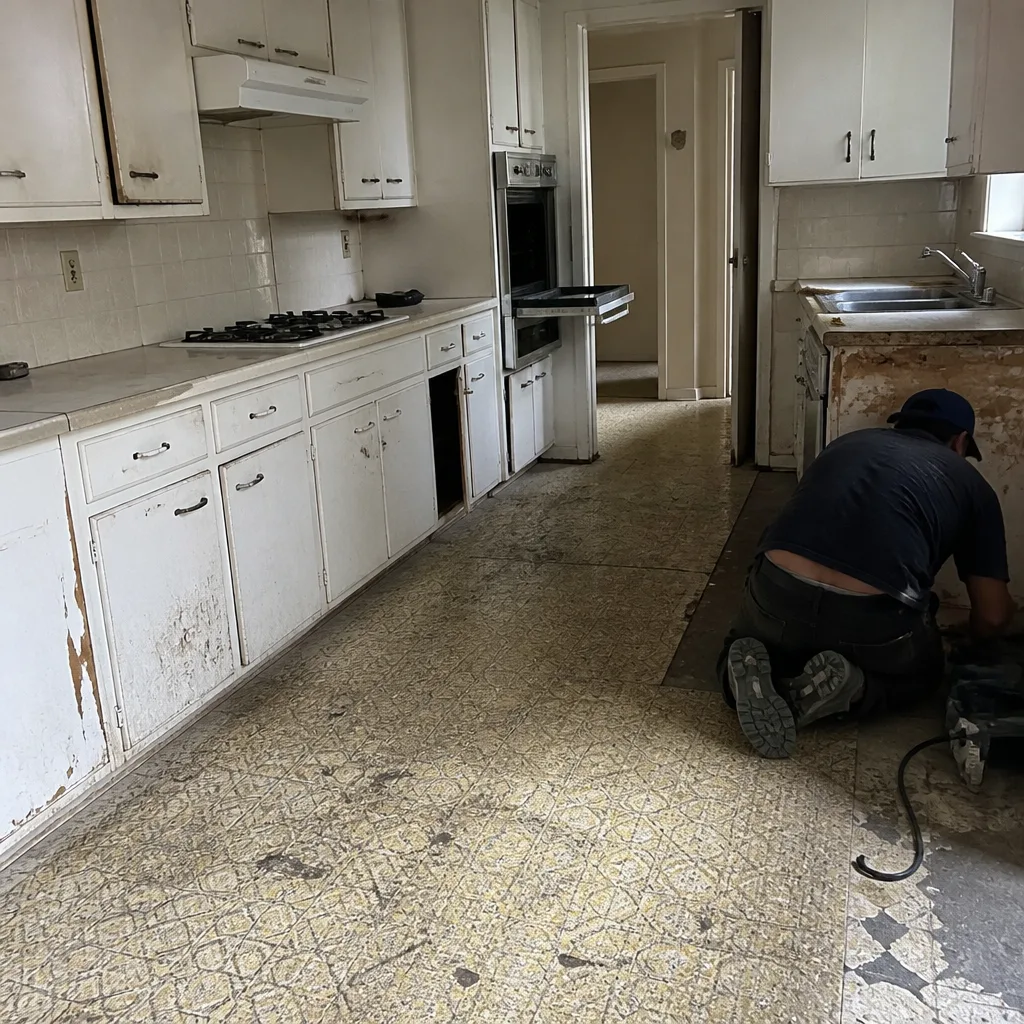 Before
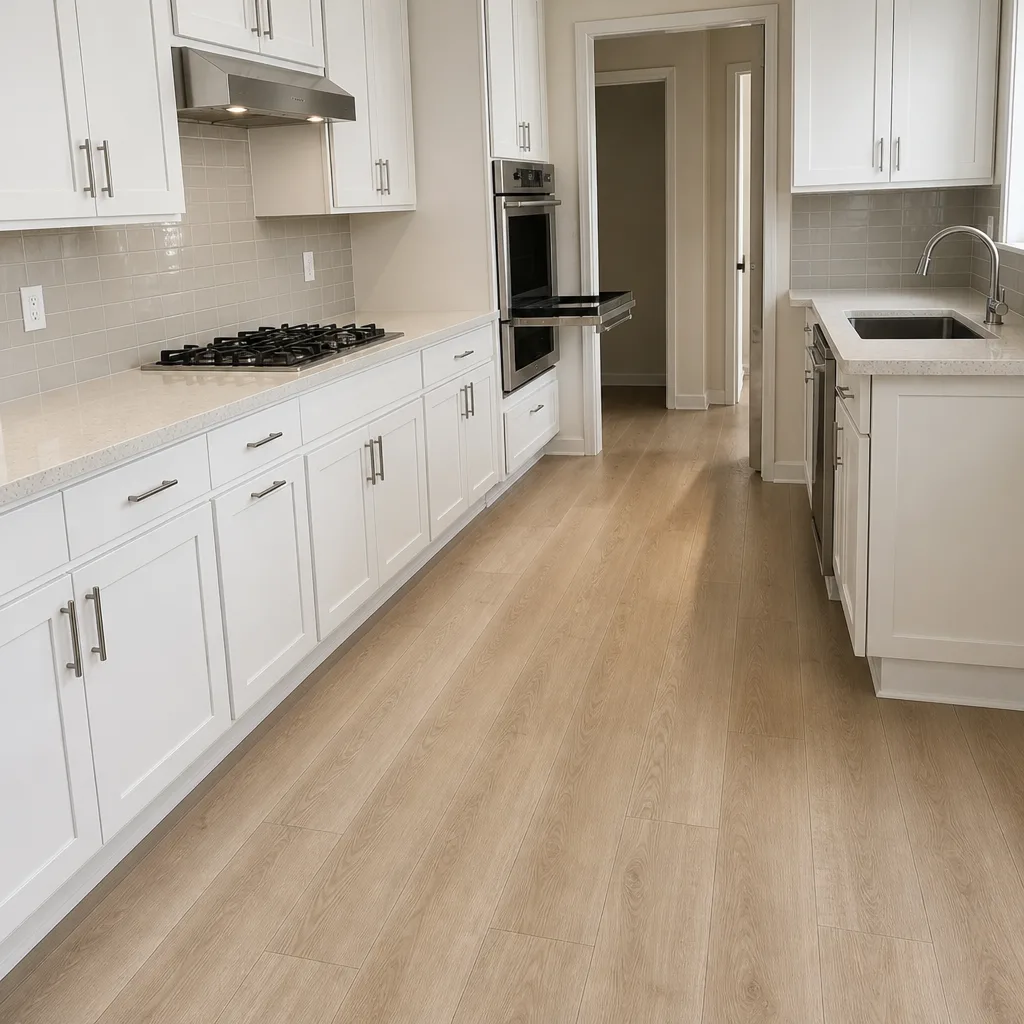 After
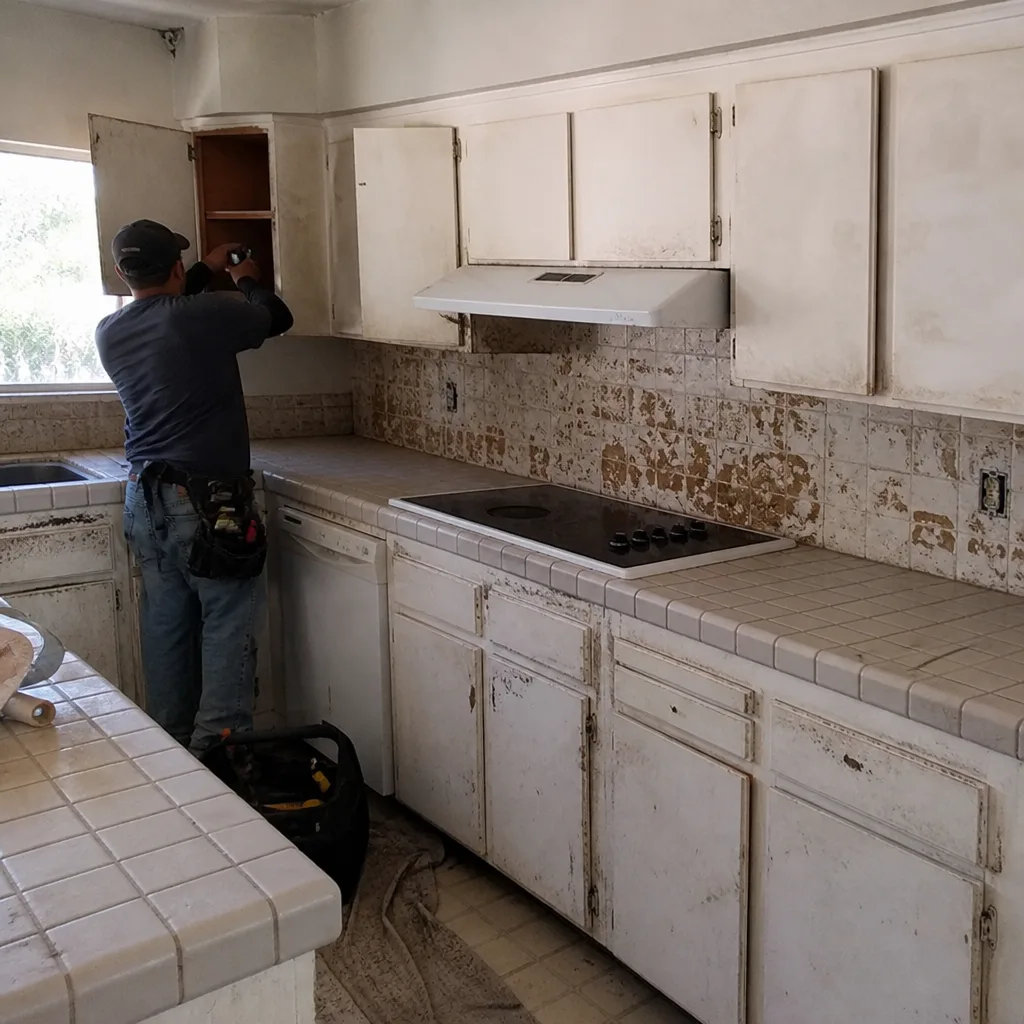 Before
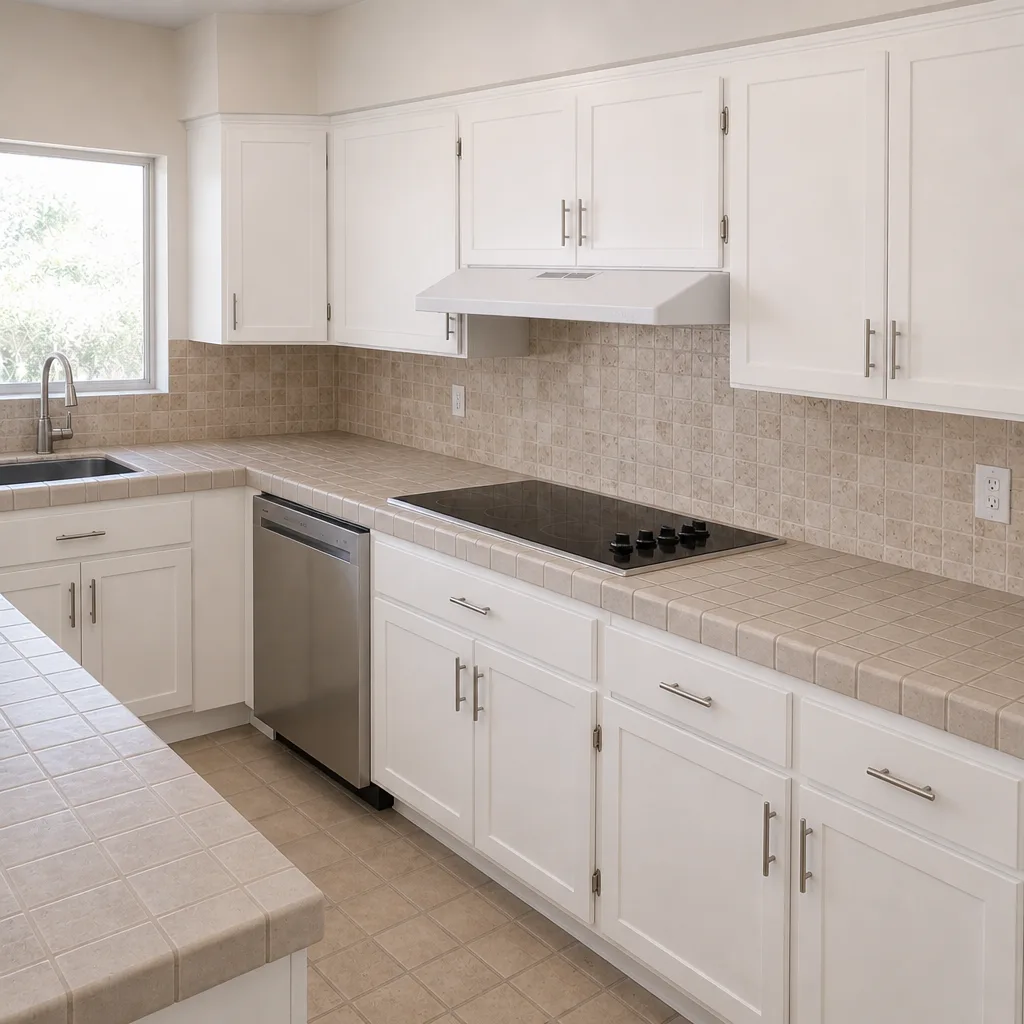 After
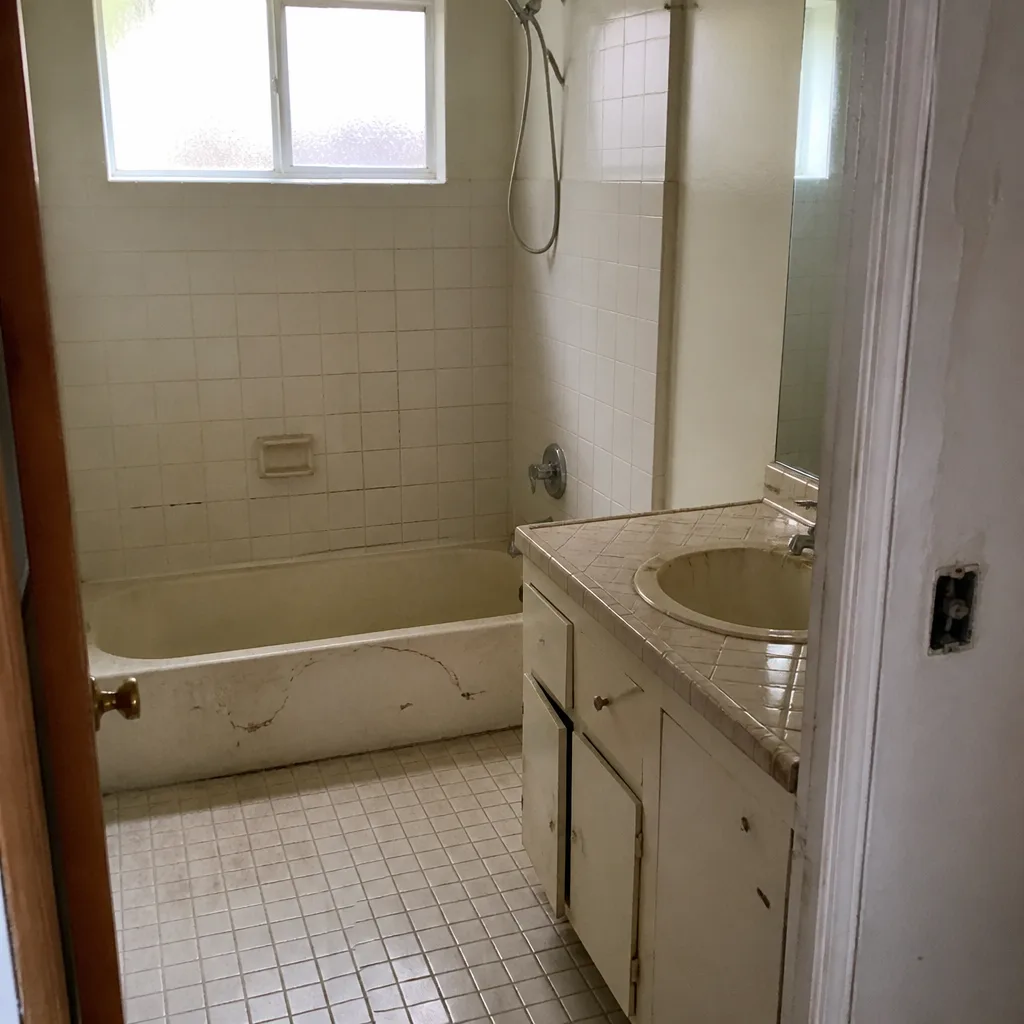 Before
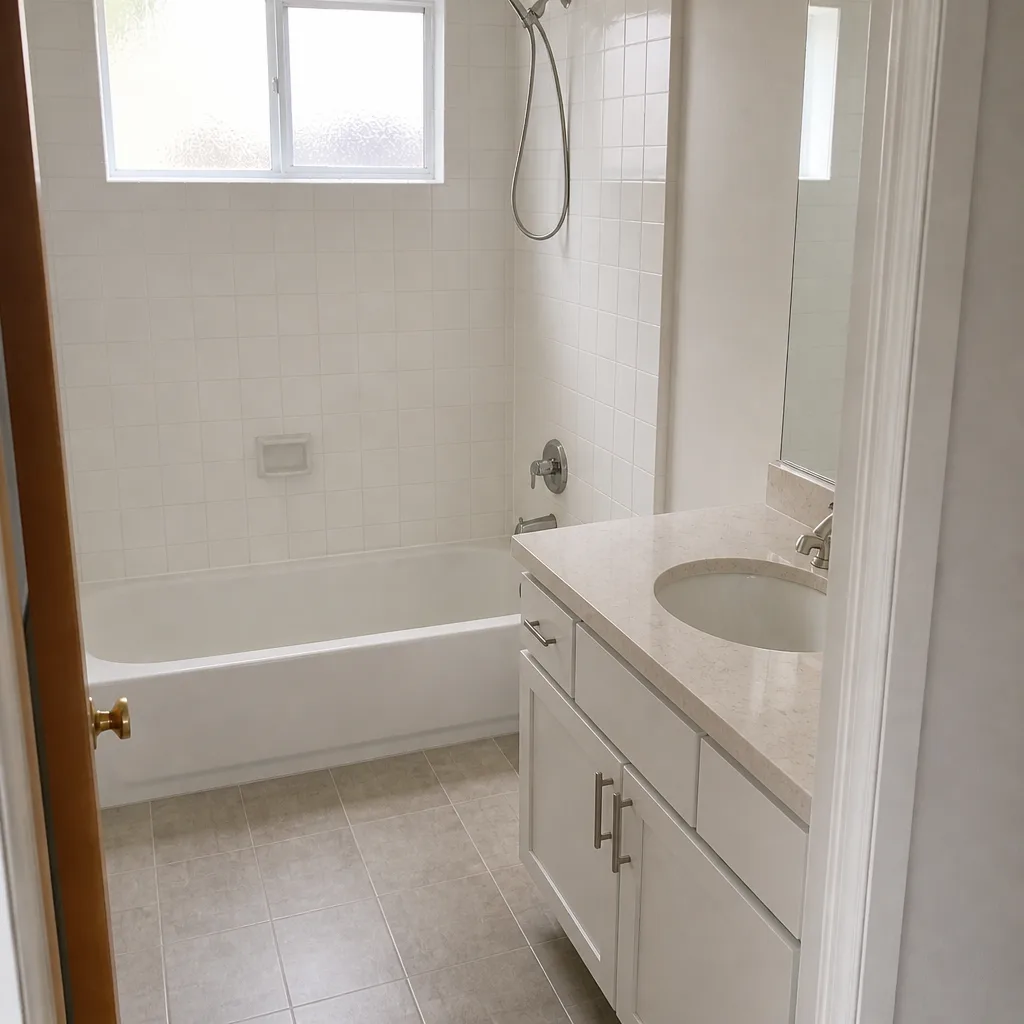 After
Common Mistakes to Avoid
- Preparing for earthquake and nothing else. Irvine homeowners spend on food kits and water barrels while their attic vents stay at 1/4-inch mesh and their gutters stay full of leaves through October. The fires and floods come from those gaps, not the fault lines.
- Waiting until fire season to think about hardening. Vent screens and eave sealing are two-weekend projects that should be done in March. By July, the material is right but the weather window has collapsed, and the schedule fills up citywide.
- Ignoring grading on clay soil until it floods. Irvine’s expansive clay soil is the single most common cause of water against the foundation. A 30-minute survey of your grade during a storm will tell you more than any inspection report.
- Hiring the first truck that shows up after a wind event. Storm-chasers follow the damage. Verify the CSLB license, confirm an actual local address, and get a written bid. Skip any of those three and the “great deal” becomes the most expensive repair of the year.
- Photographing the home with a phone and never storing the photos off-site. The baseline documentation only works if it survives the event. Cloud backup every time.
- Doing structural work yourself after wind or seismic movement. Structural repair is not a weekend DIY. A door that won’t latch after a wind event is a signal, not a hinge problem.
- Skipping the post-event walkthrough. Even a modest Santa Ana event leaves evidence. If you don’t inspect it in the 48 hours after, the next rain will find it for you, more expensively.
When to Call a Professional
Some things are worth a phone call. If you’ve found a horizontal foundation crack, a chimney crack, a door that suddenly won’t latch, water actively pushing into a wall, or any visible separation between the wall and the foundation after seismic activity, that’s a call-now trigger. Roof damage, wind-damaged fascia, and any drainage failure that’s put water within 3 feet of your foundation also justify a professional visit within a few days. Wanting a second opinion before signing a storm-chaser bid is a fully legitimate reason to call too. Groundwork Construction Co. of Irvine answers live 24 hours a day, and we offer free estimates in Irvine. Call (888) 578-4462.
Frequently Asked Questions
Santa Ana wind damage, clay-soil flash flooding on the first heavy rain, and wildfire ember intrusion top the list, in that order of frequency. Earthquake damage is the emergency Irvine homeowners prepare for most but experience least. Each of those top three produces damage you can usually catch in a walkthrough before it becomes a claim.
Typical Irvine ranges for the most common emergency repairs run $200-$600 for eave gap sealing, $15-$40 per vent screen retrofit (materials), $400-$1,200 for a garage door threshold and grade repair, $1,500-$4,000 for proper regrading and a French drain, and $1,800-$6,000 for fascia and roof edge repair after a wind event. Emergency work always costs 20-40% more than planned work for the same scope, so the cheapest repair is the one you do before the event. Call (888) 578-4462 for an exact estimate, free in Irvine.
Yes. Irvine properties in CAL FIRE-mapped wildland-urban interface zones fall under Chapter 7A of the California Building Code, which requires ember-resistant venting, ignition-resistant exterior materials within the first 5 feet of the structure, and specific decking and roof class requirements. Most of Irvine’s eastern neighborhoods (backing onto Bommer Canyon, Shady Canyon, or the eastern hills) sit in this zone, and if you’re planning an exterior project, your contractor should know the requirement cold before drawing a plan.
Non-emergency wind damage gets scheduled for the next available appointment, not same-day, because proper repair takes planning, the right materials, and a real scope. Emergencies with active water intrusion or structural movement should be called in immediately, and we answer live 24/7 so you can get direction even if the crew can’t be on-site that hour. For repair estimates, call (888) 578-4462 and we’ll schedule a free assessment.
Most Irvine homeowners’ policies cover sudden wind damage to the building envelope, including roof, fascia, and attached structures, but exclude damage that’s been developing over multiple years. That’s why pre-event documentation and post-event photos are critical: they establish whether the damage happened now or has been there. Check your deductible and coverage before you file, and take the photos before you move anything. Groundwork Construction Co. of Irvine can walk you through the damage documentation for a claim, free of charge.
Call (888) 578-4462. We answer live around the clock. Free project estimates and design consults are standing, and any project over $10,000 currently carries $1,000 off plus 0% financing for 18 months. Every project is backed by the 730-Day Done Right Promise, background-checked uniformed technicians, and upfront pricing with no change orders. That’s the whole package.
The Bottom Line
The emergencies that actually hit Irvine homes are wind, water, and ember, in that order. They’re all preventable with the hardening work this guide lays out: vent screens, eave sealing, proper grading on clay soil, and an annual post-event walkthrough after every Santa Ana wind and first heavy rain. Pre-event documentation is the quiet multiplier. Photos stored off-site plus a dated home inventory turns a stressful insurance claim into a straightforward one. Prep wins the day. If you’re ready to harden an Irvine home, from paver driveways to fence installation to additions and ADUs, call Groundwork Construction Co. of Irvine at (888) 578-4462 for a free estimate. Our technicians have up to 12 years of experience, our brand partners (Belgard, GAF, CertainTeed, and others) are selected for durability in this climate, and every project is covered by a 730-day workmanship guarantee.
Written by the team at Groundwork Construction Co. of Irvine.