
Last updated November 17, 2026
 Home additions & ADU
 Kitchen remodeling
 Bathroom remodeling
 Roofing
 Windows & doors
 Driveway & pavers
 Fence
Free written scope consultation - allowances, timeline, and change-order rules on paper before a single trade is scheduled
Construction Warning Signs: An Irvine Homeowner’s Reference Guide
Most guides about construction warning signs wait until the disaster is already on the evening news – the crack you can fit a quarter into, the water sheeting through a wall, the roof sagging under its own weight. That’s too late. The expensive problems we get called about in Irvine almost always announced themselves 12 to 18 months earlier, in ways that looked like nothing. A hairline crack running diagonally from the corner of a window isn’t cosmetic. Its angle and direction tell you which way the ground under the foundation is moving, and roughly how much time you have before a cosmetic patch turns into a structural repair. This guide teaches you to read those early signals – in Irvine soil, Irvine stucco, and Irvine lot grading – before they cost you a down payment.
Quick Answer
Construction warning signs in Irvine are usually early-stage, not catastrophic: diagonal hairline cracks at window and door corners, white salt deposits (efflorescence) on pavers and driveways that trace water moving through clay soil, stucco that sounds hollow when tapped, and drainage patterns that reveal themselves only after rain. Most of these signal a fixable problem in the hundreds or low thousands of dollars if you catch them within the first year or two, and a major foundation or wall repair if you ignore them for five.
Styles & brands we work with
- Kitchen remodeling
- Bathroom remodeling
- Home additions & ADU
- Roofing
- Windows & doors
- Driveway & pavers
- Fence
Table of Contents
- Reading Cracks: Settlement, Thermal, and Structural
- Irvine Soil Warning Signs: What Efflorescence Tells You
- The Stucco Warning Progression: Hairline to Hollow to Failure
- Warning Signs That Are Contractor Red Flags, Not Structural Issues
- The Walk-the-Perimeter Inspection After Rain
- Warning Signs Specific to Additions and ADUs
- Common Mistakes to Avoid
- When to Call a Professional
Reading Cracks: Settlement, Thermal, and Structural
Not every crack is a warning. Some are the building doing exactly what it’s supposed to do as it moves through Irvine’s dry summers and wet winters. The craft is telling them apart in under a minute, because the difference between a crack you watch and a crack you call about comes down to three things: direction, width, and whether it’s growing.
Settlement cracks are the most common and least alarming. They run vertically, usually start near the top or bottom of a wall, and stay stable – you measure them with a pencil mark and they don’t change across a dry season. Newer Irvine construction, especially anything under about a decade old, often shows a handful of these as the soil under the foundation finishes consolidating. Watch them. Measure them once a season. Don’t panic.
Thermal expansion cracks run horizontally and appear on long expanses of stucco, driveways, and concrete flatwork – most commonly on south- and west-facing surfaces that bake through Irvine summer afternoons. A horizontal crack on a sun-facing wall or a driveway slab that lines up with a control joint is almost always thermal movement, not structural. These are a maintenance item, not a rescue call.
Structural movement cracks are the ones that matter. They run diagonally, typically launching from the corners of windows or doors at roughly 45 degrees, and they’re stairs-shaped when they follow mortar joints on masonry. A diagonal crack pointing away from a window corner is your clearest signal of differential settlement – meaning one part of the foundation is dropping faster than the part next to it, and the crack is the wall stretching to stay connected. The direction of the crack tells you which way: cracks that open wider at the top mean the far corner is sinking; cracks wider at the bottom mean the near corner is. When you see a diagonal crack at a window or door corner and the door in that same wall is starting to stick, that’s a professional call, not a waiting game.
- Vertical, stable, hairline: Watch and measure. Usually normal settlement.
- Horizontal, sun-facing, on flatwork: Thermal movement. Maintenance item.
- Diagonal from a window or door corner: Differential settlement. Get eyes on it.
- Wider than a credit card edge (roughly 3mm) and growing: Structural evaluation, now.
- Any crack paired with a sticking door or window: Structural evaluation, now.
Irvine Soil Warning Signs: What Efflorescence Tells You
Irvine sits on a mix of clay-heavy soils and imported fill from grading, and clay does one thing well: it holds water, then sheds it slowly. When water moves through soil under a driveway, patio, or foundation and migrates to the surface, it carries dissolved salts with it. When that water evaporates – and it will, fast, on an Irvine July afternoon – the salts stay behind as a white, chalky, powdery haze. That’s efflorescence. It is a map of hidden water movement, and no other single visual on your property gives you as much diagnostic information for as little effort.
Where you see efflorescence matters. On a paver patio or driveway, a powdering white film along the joint line between pavers or at the base of a retaining wall is a sign water is finding a path under the hardscape rather than draining off it. Over a season, that path can undermine the base and cause pavers to settle or rock; over several seasons it can push a wall. On a stucco wall, efflorescence often appears as a horizontal band – typically about a foot above grade – at the point where groundwater is splashing back against the wall and wicking into the stucco.
What to do with it: wash off the bloom and see whether it comes back. Efflorescence that returns to the same spot within a month or two is a live water problem, not a cosmetic one. Get someone to look at grading, drainage, and where the water is traveling. If water is pooling or the wall is bowing, that’s an Irvine construction issue worth a free inspection rather than a pressure-washing appointment.
The Stucco Warning Progression: Hairline to Hollow to Failure
Stucco is what makes an Irvine house look like an Irvine house, and it’s also the surface that gives you the longest warning runway of any exterior material – if you know how to read its three stages. In our experience, the progression from cosmetic to structural runs on a predictable clock, and catching stage two is what saves you the ladder-to-stage-three repair.
- Stage 1: hairline cracking (first 1-3 years). Hairlines are smaller than a pencil line, mostly at intersections of framing or near window headers. This is stucco curing and flexing. It is normal, it’s cosmetic, and a properly applied elastomeric crack filler addresses it. Don’t ignore it – it’s the entry point for stage 2 – but it’s a maintenance item, not an emergency.
- Stage 2: hollow spots and sounding (years 3-7). Tap a stucco wall with your knuckles in a grid across each face of the house. Solid stucco gives a crisp, tight sound. A spot that thumps hollow is stucco that has detached from its backing – usually because water got behind the scratch coat, or because the original lath wasn’t fastened correctly. Hollow spots do not repair themselves. They’re the pivot point: catch them here and it’s a cut-and-repair of a small section; miss them and you graduate to stage 3.
- Stage 3: visible separation and structural exposure (years 7+). Stucco that visibly bulges, steps out from a corner, or separates at a control joint is a wall surface that has lost its bond and is letting water directly onto the sheathing and framing underneath. By this stage the repair is no longer cosmetic – it’s opening the wall, inspecting for rot in the sheathing and framing, and rebuilding the assembly.
Two additional stucco signals worth knowing here in Irvine: dark or damp-looking patches near hose bibs and window corners (the point where stucco meets a metal fixture is the single most common water entry point we find on inspection), and rust streaks on stucco, which are almost always from lath wire that’s been rusting since installation and are a warning that the base coat has failed somewhere nearby.
Warning Signs That Are Contractor Red Flags, Not Structural Issues
Cracks are easy because they’re big and dramatic. The subtler warning signs are the ones that tell you a repair or remodel was done by someone who was working fast rather than working properly – and that matters because the same sloppy habits that produce ladder-shaped caulk and mismatched grout often telegraph a shortcut somewhere that water will find later. When we get asked to quote a bathroom remodel in Irvine, half the conversation is about what we’ve been called to fix.
- Caulk joints with visible tool marks or thick, uneven beads. A crisp, consistent fillet of caulk takes time and a steady hand. A fat, lumpy, smeared bead is the fingerprint of a fast job – and usually accompanied by failing joints in the same room.
- Mismatched grout lines. Grout that changes color or width mid-wall means a repair was made with a different batch and nobody bothered to match it. It’s cosmetic until it’s on a shower wall, where inconsistent grout on a waterproofed surface is a leak waiting to happen.
- Flashing that steps short. On any roof, flashing that doesn’t extend up the wall behind a chimney or valley, or that’s sealed with caulk instead of stepped into the material, is a shortcut. It’s the most common cause of the water stains our teams find on interior ceilings, usually first noticed in Irvine’s first real winter storm after a repair.
- Fascia boards that don’t line up. On a roof, mismatched fascia heights around a house point to a roof replacement where the contractor patched rather than replaced.
- Hardscape that has no visible drainage. A driveway or patio built with no positive slope and no drain is a shortcut, and it’s especially costly on Irvine’s clay-heavy lots.
- Confirmations that come in writing and then disappear. If a contractor won’t put a warranty, a schedule, or a fixed price in writing before work starts, that’s the warning sign that outranks all the others. It’s the reason our 730-Day Done Right Promise exists as a contract, not a handshake, and why our Driveway & Pavers in Irvine and Fence Installation in Irvine work is quoted upfront and priced to the dollar.
The Walk-the-Perimeter Inspection After Rain
Irvine’s climate makes dry-season observation useless for drainage problems – the clay is hard, the sun is out, and the ground reveals nothing. Then the first real rain of the season arrives, and the true water paths show themselves within a couple of hours. That’s when you want to be outside, not inside the house. It takes about 15 minutes and it is the single best free diagnostic you will ever run on your own property.
- Do it 30-60 minutes after rain starts, and again about an hour after it stops. The first pass tells you where water is heading while it’s running; the second tells you where it’s pooling after.
- Start at the lowest corner of the lot. Irvine neighborhoods were graded with specific drainage plans; find the swale or low point and watch what flows into it. Water crossing your driveway from a neighbor’s yard is a grading problem, not yours alone, and it’s worth documenting for your HOA or city.
- Walk each face of the house at 6-12 inches from the wall. You’re looking for water sheeting INTO the foundation rather than away, and for standing water within the first foot of the wall – the two most common causes of foundation exposure.
- Watch the roof from the ground, not the ladder. Water running straight off the fascia, rather than into gutters, means gutters are pitched wrong or clogged. Water pouring from a valley means flashing has failed.
- Look at window sills and hose bibs. Water clinging to or running over a window sill means the flashing at that opening isn’t doing its job; water weeping out of stucco anywhere is telling you the assembly has failed at that wall.
- Check the perimeter foundation for exposed or missing grade. If you can see more of the foundation after rain than before, the soil is washing away. That’s your signal to call a professional – soil erosion against a foundation is a progressive problem.
Note what you see in a phone note – date, direction of water, and which side of the house. It’s the most useful thing you can bring to a free estimate, and it changes the quality of our answers from the first phone call. For homeowners considering hardscape improvements that solve the drainage problem once, our Driveway & Pavers in Irvine work is where a lot of water-management conversations start.
Warning Signs Specific to Additions and ADUs
An addition is the one project where the warning signs appear at a different scale. A 600-square-foot ADU changes how the water under your original foundation behaves and how the original walls carry load – so what looks like an innocuous crack 20 feet from a new addition can be the ground settling under the weight of the new build. Most of the calls we take about additions come down to three specific warning signs:
- New diagonal cracks in the original house within 12-24 months of an addition. New load on an existing foundation, particularly on Irvine’s clay-heavy lots, is the most common source of post-addition movement. The warning is a diagonal crack radiating toward the addition, not away from it.
- A ridge line, gutter line, or fascia that goes out of level right where the addition meets the original roof. That’s a sign the framing at the tie-in is moving or the original roof wasn’t properly carrying the new load. On the type of work our Home Additions & ADU in Irvine team does, that tie-in is the part we inspect most closely.
- Water stains appearing on the interior ceiling in the room closest to the addition. On a properly built addition, the tie-in is the most waterproofed point of the project. Stains there mean the flashing at the junction has failed, not that the original roof was always a problem.
The actual structural warning signs, then, are cracks and level. The rest are contractor red flags. When we quote an addition, we want to see the original home’s grading and structural history first – because the cheapest way to solve an ADU problem is to catch it before the concrete is poured.
Common Mistakes to Avoid
- Painting over a crack instead of measuring it. A patched-over crack disappears from view but keeps moving underneath. Pencil-mark the ends of the crack and log the width every three months; you’ll know in one dry season whether it’s structural.
- Treating efflorescence as a cleaning job. As above, a returning bloom is a water-map. Wash it, wait, and if it’s back in a month, call a professional – not another pressure washer.
- Making drainage decisions in July in Irvine. The clay reads the same year-round; it only shows you the truth after rain. Any drainage fix should be designed off wet-season observation, not a dry-season walkthrough.
- Waiting until the crack fits a credit card edge. That’s a 12-to-18-month problem progressed to the point where a small structural repair becomes a major one – the entire premise of this guide.
- Hiring on gut feel and a verbal price. No written scope, no written price, no written warranty is the warning sign. Every quote from us is line-item and fixed; it’s the way to tell a good contractor from a fast one before work starts.
- Ignoring hollow stucco because the surface looks fine. Hollowness is the single best early indicator of wall failure in Irvine stucco homes, and it’s invisible from a photo. Ten minutes of tapping with your knuckles will find it.
- Forgetting the permit. On any addition, grading change, or structural work, an unpermitted project is a warning sign you inherit along with the house. If a contractor says a permit isn’t necessary on a structural change, that’s the conversation to end.
See the difference
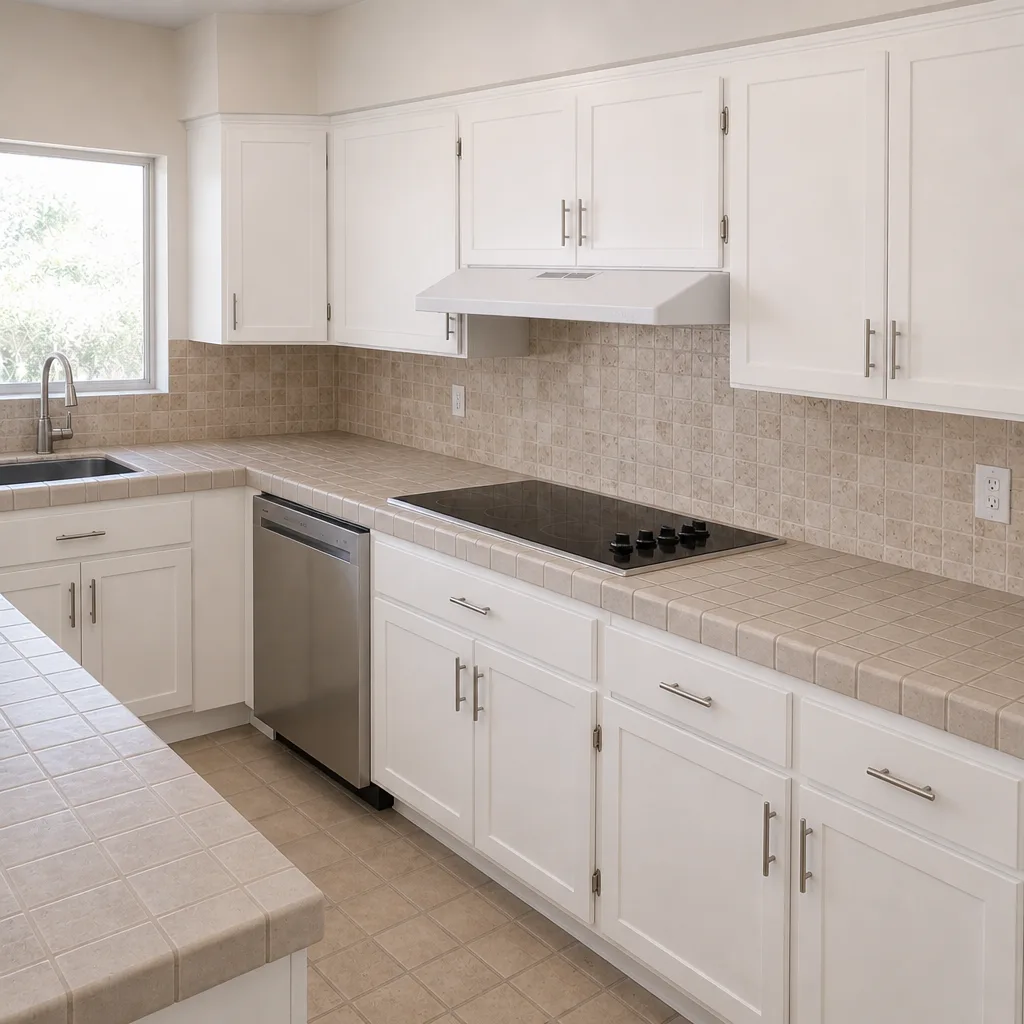
 Before
 After
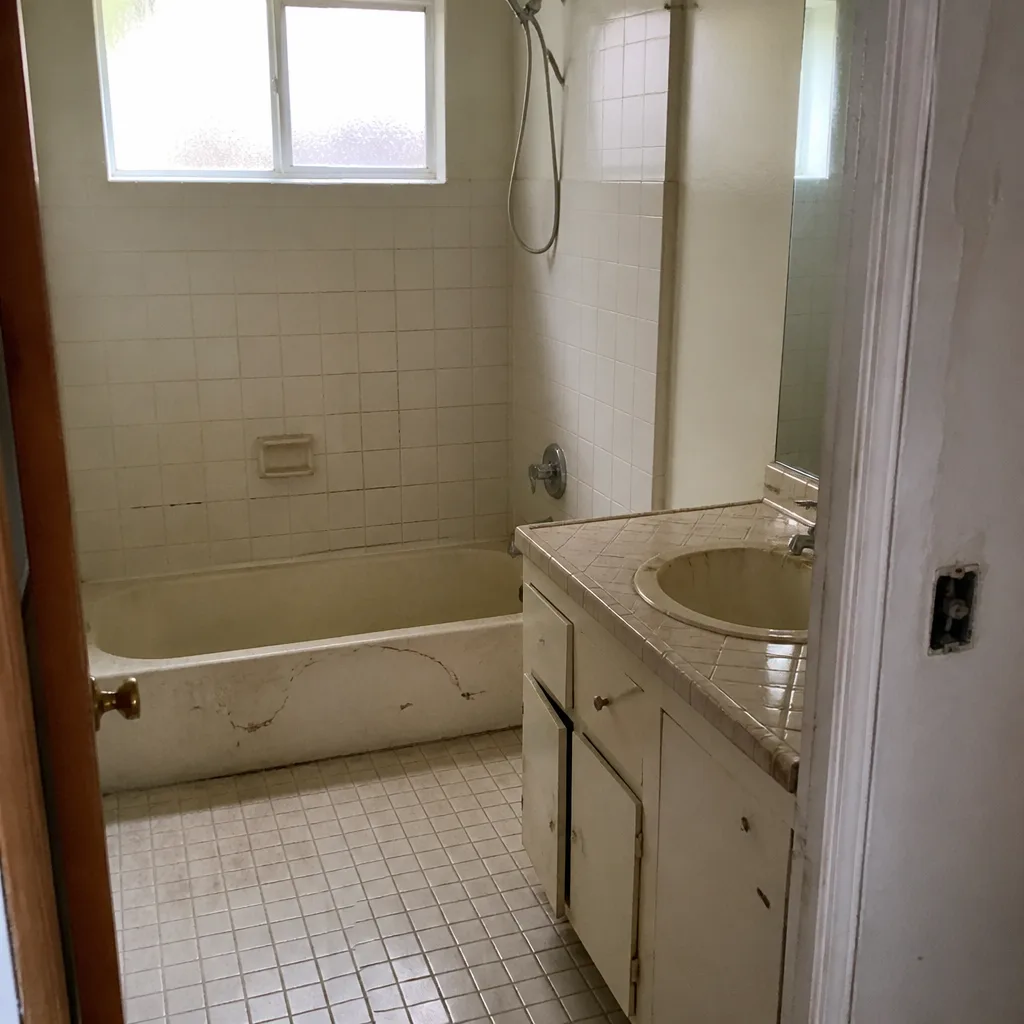
 Before
 After
 Before
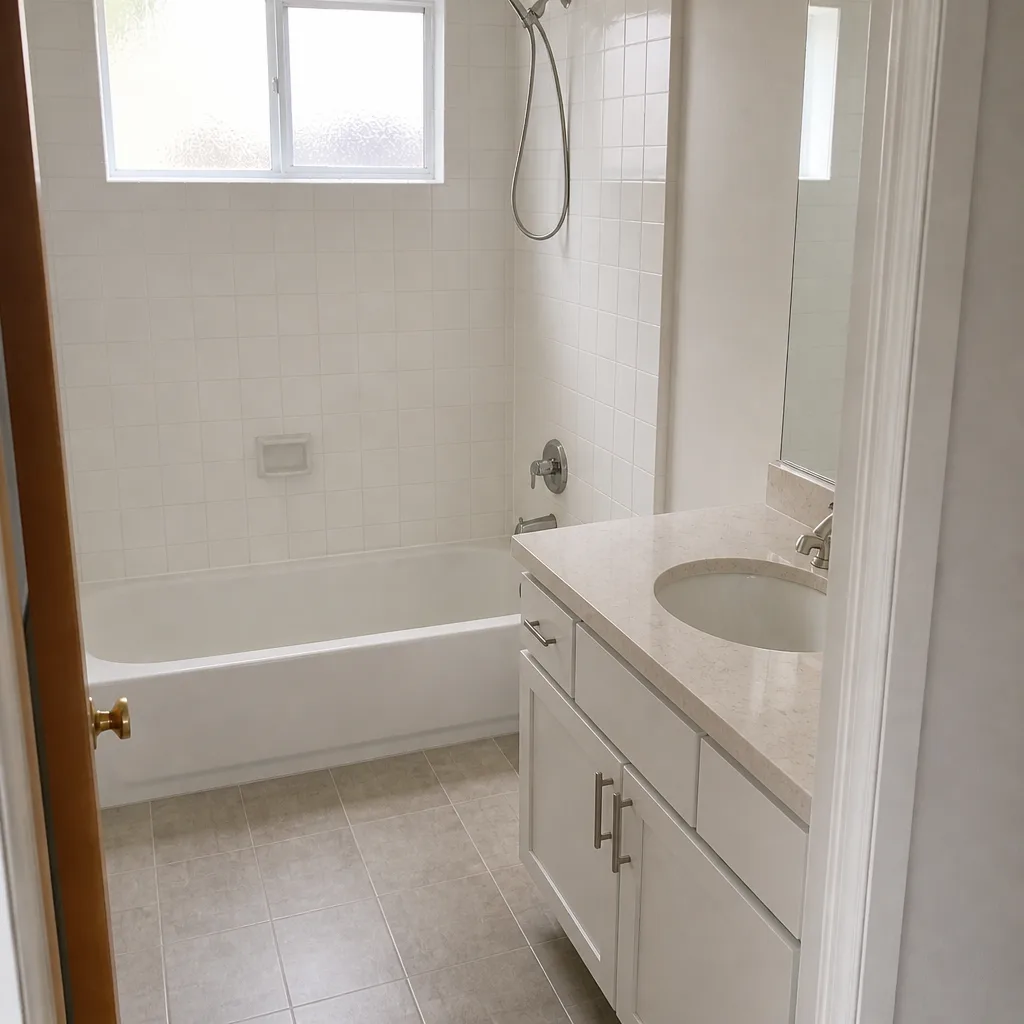 After
When to Call a Professional
Call a professional when you see any of the following: a diagonal crack from a window or door corner that’s wider than a credit card edge and growing; a sticking door or window in the same wall as a crack; hollow stucco over an area larger than a dinner plate; efflorescence that returns to the same spot after two washes; foundation exposure after rain; water entering a wall at a window sill, hose bib, or roof line; and any crack on the original home within 18 months of an addition. These are the signals where waiting costs real money. Groundwork Construction Co. of Irvine offers free estimates in Irvine – call (888) 578-4462 and a live person answers, day or night. You’ll get a written, line-item price and no pressure to book.
Frequently Asked Questions
Cosmetic crack repair and drainage correction in Irvine typically runs in the low hundreds to the low thousands depending on scope; structural underpinning, when the signs have been ignored for years, starts above $10,000 and climbs. Our free estimate gives you a written, fixed price – the number you see is the number you pay. Call (888) 578-4462 for an exact quote.
Not always, but it’s the most reliable early indicator of differential settlement, so it should always be looked at. A diagonal crack that opens wider at one end means one side of the foundation is moving away from the other. A short hairline diagonal crack that stays stable for a full season is a watch item; a growing one is a professional call.
Hollow-sounding stucco means the material has detached from its backing, usually because water got behind it or the lath was fastened incorrectly. It’s the stage-2 warning in the stucco progression and the best stage to repair before the wall opens. Call (888) 578-4462 to schedule a free stucco inspection.
No – a one-time bloom after a storm is normal, but efflorescence that returns to the same spot after two washings is a live water problem under the hardscape. In Irvine’s clay-heavy lots, that water has to go somewhere, and over time it will undermine pavers or push a retaining wall. Our team will trace it and quote a fix.
It depends on the scope – a single crack is a repair, but a room with multiple warning signs plus a hollow stucco wall is often best handled as a single coordinated project. Because we handle everything from Irvine construction repairs through additions, we can give you one fixed, upfront price for either. The Driveway & Pavers in Irvine and Fence Installation in Irvine teams often begin with the drainage side of the same problem.
No. Every quote is fixed and written, and the price you see is the price you pay – no change orders, no surprise add-ons after work begins. Most jobs are completed in a single visit, and every job is covered by our 730-Day Done Right Promise. Call (888) 578-4462 for a free estimate on any of the warning signs in this guide.
The Bottom Line
The warning signs of a construction problem in Irvine almost never arrive as a disaster. They arrive as a diagonal hairline crack at a window corner, a white bloom of efflorescence along a paver joint, hollow stucco, a puzzle of water paths visible only after the first winter rain. Read those early signals and you’re dealing with a repair; ignore them for a year or two and you’re dealing with a project. Walk the perimeter after rain, tap your stucco, measure your cracks, and when something looks like a warning, get a fixed, written quote before it becomes a rescue. That’s the whole guide – the expensive part is everything you don’t check.
Call Groundwork Construction Co. of Irvine at (888) 578-4462 for a free estimate. A live person answers, day or night, and you’ll get a written line-item quote, a free design consult, and the 730-Day Done Right Promise on every job.
Written by the team at Groundwork Construction Co. of Irvine.