
Last updated November 17, 2026
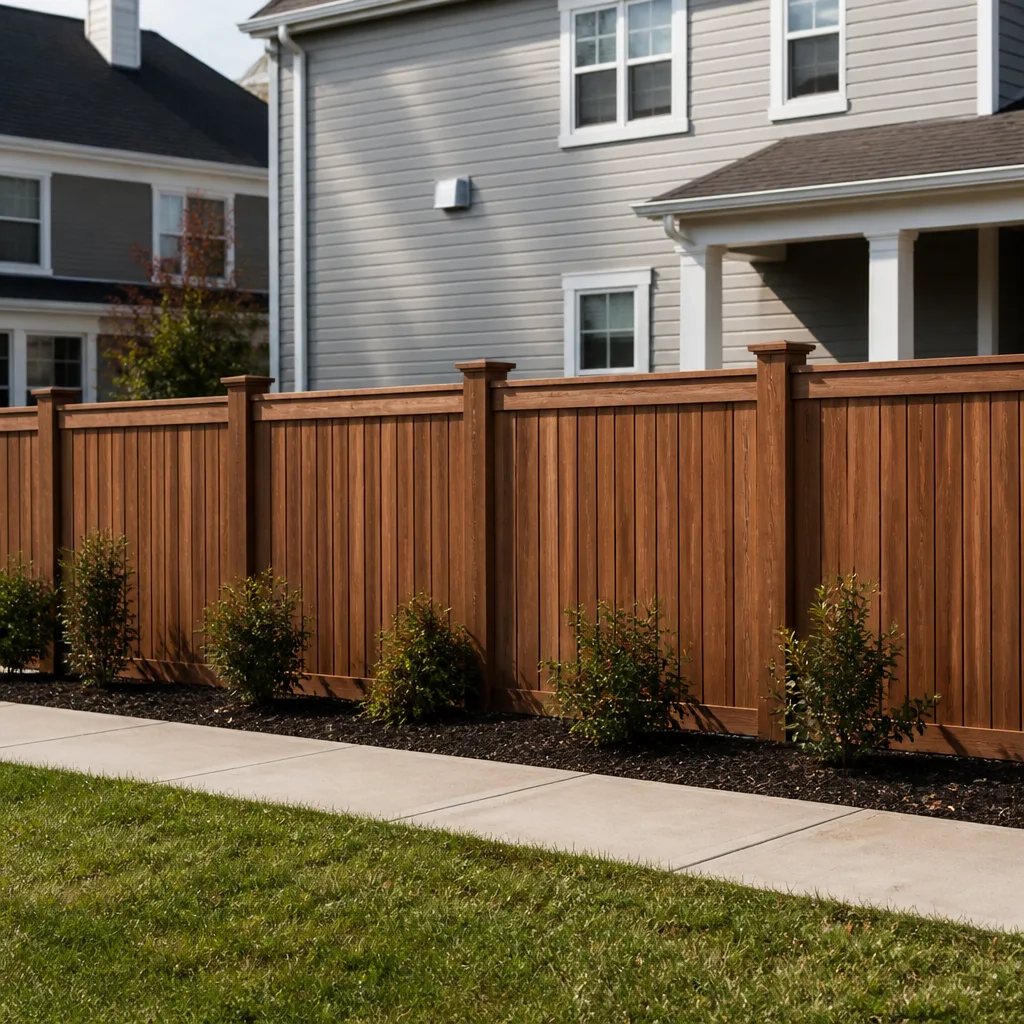 Fence
 Kitchen remodeling
 Bathroom remodeling
 Home additions & ADU
 Roofing
 Windows & doors
 Driveway & pavers
Free written scope consultation - allowances, timeline, and change-order rules on paper before a single trade is scheduled
Fence Installation Maintenance Schedule: What to Do and When
Most fences in Irvine don’t fail because they were built badly. They fail because nobody touched them for six years and then one Santa Ana wind event finished the job. Here’s the part that surprises homeowners: our technicians have cut apart fences barely a decade old that were structurally sound, and fences half that age with posts rotted clean through at the soil line. The difference was almost never the material. It was whether anyone checked the right things at the right time of year. Irvine’s climate makes this worse than most places, and we’ll show you exactly what to check each season, which wood species need what, and how to spot corrosion and rot before they cost you a full replacement.
Quick Answer
A wood fence in Irvine needs a full inspection twice a year (spring and fall), cleaning and UV protection once a year before summer, and re-staining or sealing every 2 to 4 years depending on species. Vinyl and aluminum fences need a wash once or twice a year and a fastener and post check every spring. Check every post at the soil line and every fastener annually, because that’s where the expensive failures start.
Styles & brands we work with
- Kitchen remodeling
- Bathroom remodeling
- Home additions & ADU
- Roofing
- Windows & doors
- Driveway & pavers
- Fence
Table of Contents
- Why Irvine’s Climate Is Harder on Fences Than You Think
- The Irvine Fence Maintenance Calendar, Season by Season
- Wood Fence Care: Staining and Sealing Intervals by Species
- Fastener Inspection: Catching Corrosion Before It Spreads
- How to Check Post Bases Without Digging Them Up
- Vinyl and Aluminum Fence Maintenance in Southern California
- Post-Santa Ana Wind Structural Checks
- When a Repair Job Is Bigger Than a Weekend
Why Irvine’s Climate Is Harder on Fences Than You Think
A fence in Seattle deals with constant moisture. A fence in Phoenix deals with constant dry heat. A fence in Irvine deals with both, just in alternating cycles, and that alternation is what breaks it down.
Here’s the pattern. Irvine sits in a semi-arid coastal climate with intense inland sun. A typical July brings weeks of UV exposure that break down the lignin in wood fibers and chalk the surface of vinyl. Then the Santa Ana winds arrive in fall and winter with hot, dry gusts that wick remaining moisture out of wood and load every post and rail with lateral force. Then we get a hard rain event, sometimes two inches in a day, and all that wood swells. When it dries out again, it’s already lost some of its structural grip.
The cycle repeats every year. Wood that’s wet and stays wet rots from the inside out. Wood that’s wet, then rapidly dry, then wet again, checks, cracks, and opens up channels where water gets deeper into the grain. Vinyl handles this better, but UV still yellows it and hard-driving gusts stress the posts. Aluminum resists almost everything except wind loading on the panels and corrosion at fastener points.
The honest bottom line: Irvine’s fence climate is genuinely harder on materials than either a consistently wet or consistently dry climate. Standard advice written for the Midwest doesn’t account for it, because a fence in Ohio gets a long, cool, wet winter that keeps wood stable for months at a time. Irvine fences never get that rest.
The Irvine Fence Maintenance Calendar, Season by Season
Here’s the schedule we use on every fence we install and every fence we service. It’s built specifically for Irvine, and it’s the single most useful thing on this page.
Spring (March – May): The Full Inspection
- Walk the entire fence line. Push on every post. Any post that rocks more than a quarter inch is telling you something.
- Check every post at the soil line. Look for soil that’s washed away, standing water, or wood that’s gone soft or dark. This is the most important five minutes of your year.
- Inspect fasteners. Look for rust streaks, loose nails, and popped screws. Galvanized and stainless will still be holding firm – standard screws will be the ones backing out.
- Check gate hardware. Hinges, latches, and the gate post itself. Irvine gates sag fast because the gate post takes all the lateral load from the whole run.
- Clean wood surfaces. A light pressure wash (under 1,500 PSI) or a garden hose and stiff brush removes dirt, mildew, and the gray fuzz that blocks stain from penetrating.
- Apply UV protection before summer. For wood, that means stain or sealer. For vinyl, it means a UV-resistant wash product, not just soap.
Summer (June – August): The Sun Damage Watch
You don’t need to do much in summer except watch. This is when UV damage shows up. On wood, look for the surface turning silver-gray faster than last year, and for horizontal rails getting noticeably more faded than vertical boards – the sun hits horizontal faces harder. On vinyl, look for yellowing at the top rail and on south- and west-facing panels.
If you stenciled your stain color a few years back, summer is a good time to check how much is left. We tell homeowners to check one rail per fence side. If stain still beads water when you splash it, you’re fine. If the water soaks in immediately, you’re due.
Fall (September – November): The Pre-Wind Season Check
This is the section our Irvine customers value most. Before the Santa Anas arrive, walk the fence and specifically look for:
- Loose or missing boards that can catch wind like a sail
- Any rail that moves when you push it sideways
- Post bases that have loosened over the summer
- Gates that no longer latch or swing evenly (wind will destroy a misaligned gate)
- Loose fasteners in vertical boards, especially at the top of the fence where wind loads are highest
Fix these in October. Waiting until after a Santa Ana event means fixing damage instead of preventing it.
Winter (December – February): Post-Rain Drainage Check
After the first hard rain of the season, walk the fence line and look for standing water. Irvine has areas where winter rain overwhelms surface drainage, and a fence whose posts sit in pooled water will rot much faster than a fence on dry ground. If you find pooling, address the drainage – regrade the soil, add mulch that drains, or consider a French drain – before the post pays the price.
Wood Fence Care: Staining and Sealing Intervals by Species
Wood species matter more than most maintenance guides admit. Cedar, redwood, and pressure-treated pine all want to be maintained on different schedules, and using the wrong interval is why some homeowners restain every year while their neighbor goes four years on the same fence.
Cedar
Cedar is naturally rot- and insect-resistant, which is why we recommend it for Irvine fences exposed to year-round sun. Its oils are water-soluble and degrade under UV, so it needs a penetrating stain or clear sealer every 2 to 3 years. Wait until the wood has dried out fully after installation (usually 4 to 6 weeks) before the first application, and always apply before summer UV gets to it. Cedar holds stain well. The failure mode isn’t the stain wearing off uniformly; it’s the top rails and sun-facing surfaces going first.
Redwood
Redwood has a tighter grain and slightly better natural durability than cedar, especially heartwood, so it can go 3 to 4 years between applications under Irvine conditions. Redwood is also easier to maintain if you leave it natural and just use a clear UV sealer, because you don’t have to deal with color matching. Penetrating oil finishes look great on redwood and reapply more easily. The trade-off is you may reapply every 2 to 3 years, but application is faster and cheaper.
Pressure-Treated Pine
Pressure-treated pine is the workhorse of most fence budgets, and it needs the most attention. It goes every 2 years on a stain or sealer cycle in Irvine, sometimes more often on south- and west-facing runs. New pressure-treated pine needs 6 to 8 weeks to dry and stabilize before it will hold stain. If you stain it too soon, the moisture in the wood pushes the finish off within a season. Watch for the surface checking that happens to pine faster than to cedar – those shallow cracks open up and let water in, so the maintenance cycle is about water exclusion, not just appearance.
What to Look For Before You Restain
Before any stain application, do these two checks:
- The bead test. Splash a cup of water on a horizontal rail. If it beads, the old finish is holding. If it soaks in, it’s time.
- The scrape test. Run a fingernail across the surface. If the finish comes off in a film, you need to remove it before applying a new coat. If it comes off as a fine dust, you can clean and reapply.
Stain color choice is personal, but the penetration of the finish is not. A cheap surface film will fail within a year in Irvine. A penetrating oil finish gets into the wood and stays there. That’s the one that buys you the interval on the bottle.
Fastener Inspection: Catching Corrosion Before It Spreads
Fasteners are where small problems turn into expensive ones. A single rusted-through nail on a rail is a two-minute fix. The same failure after a wind event is a 20-foot board torn off and a section of fence dangling.
The rules for what to use in Irvine:
- Galvanized fasteners are the workhorse standard. Hot-dipped galvanized screws and nails hold for decades in dry conditions. Look for a weight specification of G90 or better.
- Stainless steel fasteners are worth it for coastal exposure, high-wind areas, and anywhere you’re using cedar or redwood, because the natural tannins in those woods corrode treated steel fasteners much faster than you’d expect.
- Standard screws are what most discount fence builders use because they’re a fraction of the cost. They’ll show rust within 2 to 3 years in Irvine, and once rust starts it always gets worse.
How to Spot Early Corrosion
Walk the fence once a year and look for three specific signals:
- Rust streaks. Vertical brownish streaks on the wood below the fastener head mean the plating failed and the steel underneath is oxidizing. That streak is the only warning you get before the fastener head pops.
- Lifted or loosened heads. A nail that’s backed out by even an eighth of an inch loses most of its holding power. Push on the board above and below; if it moves, the fastener is compromised.
- Discoloration on the fastener head itself. Galvanized fasteners stay dull gray. Stainless stays bright. Any red or orange on the head is a signal to replace.
When you find rust, don’t just cover it with a coat of paint. Replace the fastener with a galvanized or stainless equivalent and check for hidden damage to the wood fibers around the hole. Once corrosion starts, it spreads from the fastener into the wood, and you’ll find yourself with a soft, crumbling hole around a fastener you can’t re-tighten.
How to Check Post Bases Without Digging Them Up
Post rot is the most expensive fence failure in Irvine, and it almost always starts at the exact point where the post meets the soil. That’s where moisture lives longest, where soil contact holds water against the wood, and where you can check it in seconds if you know what to look for.
The Post-Base Check
Here’s the technique we use:
- Look at the base of the post at the ground line. Without moving any soil, examine the visible 4 to 6 inches above grade. Dark, wet-looking wood means the post was exposed to standing water recently.
- Push on the post above the ground. If the post moves independently of the base – meaning the wood is flexing rather than the whole assembly rocking – you have a compromised post.
- Probe with a screwdriver. Push a small screwdriver into the wood right at the soil line, using moderate pressure. If it goes in 1/4 inch or more more easily than it should, the wood fibers are soft and the post is on its way to failure.
- Check for powdery residue. If you see rust-colored or dark brown powder at the base, that’s active wood rot eating the post from the inside.
- Check the soil. Pull back the mulch or soil around the base by an inch. If it’s saturated, you have a drainage problem to fix before the post becomes a repair.
You’re not trying to dig up the post. You’re reading its condition from the surface. A post with even minor rot at the base is going to fail within a few years, and the replacement cost is far more than the cost of fixing drainage and reapplying a protective treatment now.
What Post Construction Decisions Affect This
Two construction choices make a huge difference to post longevity in Irvine:
- Posts set in concrete that extends above grade keep the wood out of direct soil contact and drain better than posts set in bare dirt.
- Ground-contact-rated pressure-treated wood (marked as “UC4A” or similar) lasts significantly longer than non-rated wood when it does sit in soil.
If you’re having a new fence installed, specify that post bases get concrete that slopes away from the post. That one detail adds years to the install. If you want to talk through the right spec for your property, the team at our fence installation in Irvine page can walk you through it.
Vinyl and Aluminum Fence Maintenance in Southern California
Vinyl and aluminum fences get sold as maintenance-free, and for the most part that’s true. But “maintenance-free” doesn’t mean “nothing ever goes wrong.” In Irvine, both materials face specific stresses that a minimum maintenance routine is still worth running.
Vinyl Fences
What actually damages vinyl in Irvine isn’t water; it’s UV and thermal cycling. The material expands in the afternoon sun and contracts overnight, and that daily movement works fasteners loose over years. UV exposure yellows the surface slightly and makes the plastic more brittle over time.
The maintenance routine:
- Wash once or twice a year with a mix of mild soap and water. Avoid pressure washing above 1,200 PSI; high pressure drives water into the seams and can pit the surface.
- Check the post caps and top rail for cracks or separation each spring. These are the parts that take the most direct sun.
- Check every fastener annually. Vinyl fasteners back out with the thermal cycling, and a loose panel is more likely to crack in wind.
- Check gate hardware more often. Vinyl gates sag faster than wood gates because the material doesn’t self-correct; once it drops, it stays dropped.
Ignore the “vinyl restorer” products marketed heavily in the fall. In our experience, they don’t reverse UV yellowing meaningfully. A coated or UV-stabilized vinyl starts out better protected than a cheap uncoated vinyl, and that’s a spec decision made at the factory, not a maintenance decision made later.
Aluminum Fences
Aluminum holds up better than vinyl in most Irvine conditions because it doesn’t expand and contract nearly as much. The main failure points are:
- Corrosion at ground contact. Even aluminum corrodes when it sits in wet soil. Check post bases in spring the same way you would for wood.
- Fastener corrosion. Aluminum fence panels use stainless fasteners for good reason. If you find rust, that’s the fastener, not the fence, and it’s a quick fix.
- Paint or powder coat scraping. Touch up any scrapes promptly to keep water off bare metal.
Aluminum needs a light wash once a year. It doesn’t need staining, sealing, or UV protection in the way wood does.
Post-Santa Ana Wind Structural Checks
After any significant Santa Ana wind event – and we get them every fall and winter in Irvine – run this check within a week. Wind damage that isn’t caught early compounds; a leaning fence puts uneven load on its neighbors and spreads the problem along the line.
- Walk the line and sight down it. Any post that’s out of line is a signal of foundation movement or fastener failure.
- Push every post at shoulder height. If it moves more than the neighboring posts, that one has a problem.
- Look for lifted or broken boards. Even one missing picket creates a wind channel that loads the surrounding boards.
- Test the gates. Wind events almost always find a gate first. If it’s not latching cleanly, the gate post or hinge has moved.
- Check the top rail across the length. The top rail takes the most wind load and is the first part to lift.
One thing we hear from Irvine homeowners: “It was fine before the wind.” Usually it wasn’t. The wind just finished something the fastener was already holding loosely. A careful pre-wind check in the fall is the single most effective way to avoid the post-wind repair.
Common Mistakes to Avoid
- Pressure washing too aggressively. Homeowners love a 3,000 PSI clean, but that strips the surface layer of wood and opens up grain channels that hold water. Keep it under 1,500 PSI, always at an angle, never straight onto the surface.
- Staining over a dirty fence. Stain on top of dirt and mildew looks good for one summer and peels off in sheets after the first wet season. Clean, dry, and then stain.
- Skipping the post-base check because it’s not visible. Post rot is almost entirely hidden until it’s structural. The 60 seconds you spend probing each post base is the highest-return maintenance minute of the year.
- Using standard fasteners to save $40. In Irvine, that $40 of savings turns into $400 of replacement boards in three years. Galvanized or stainless, every time.
- Ignoring drainage around the fence line. A fence in a spot where water pools is going to have a shorter life than the surrounding fence, and probably will need a partial rebuild before the rest of the fence does.
- Waiting until after the wind event. Pre-side post checks in fall turn wind damage into a two-screw repair. Post-wind repairs usually need a section replacement.
- Over-treating vinyl. Vinyl doesn’t need “restoration” sprays or colorants. It needs gentle washing and a fastener check. Anything else is spending money on the wrong problem.
See the difference
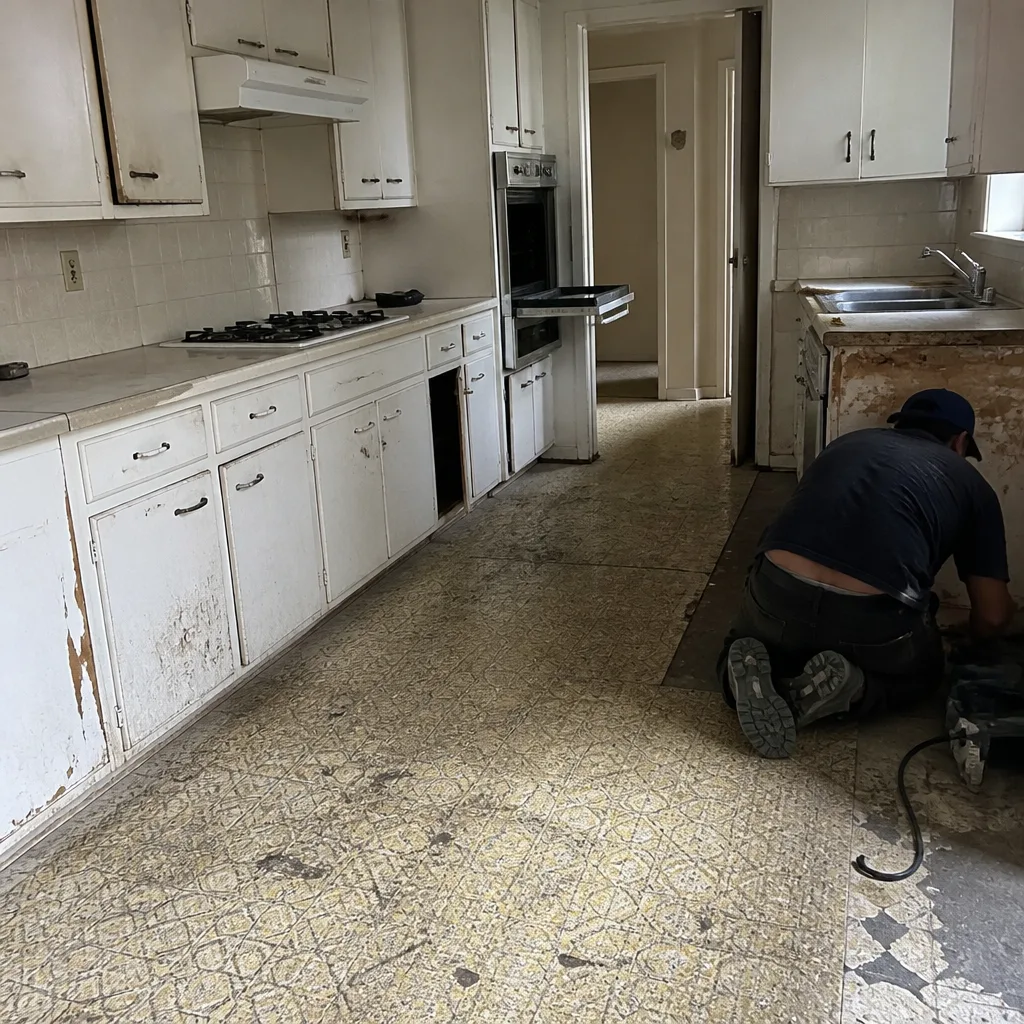 Before
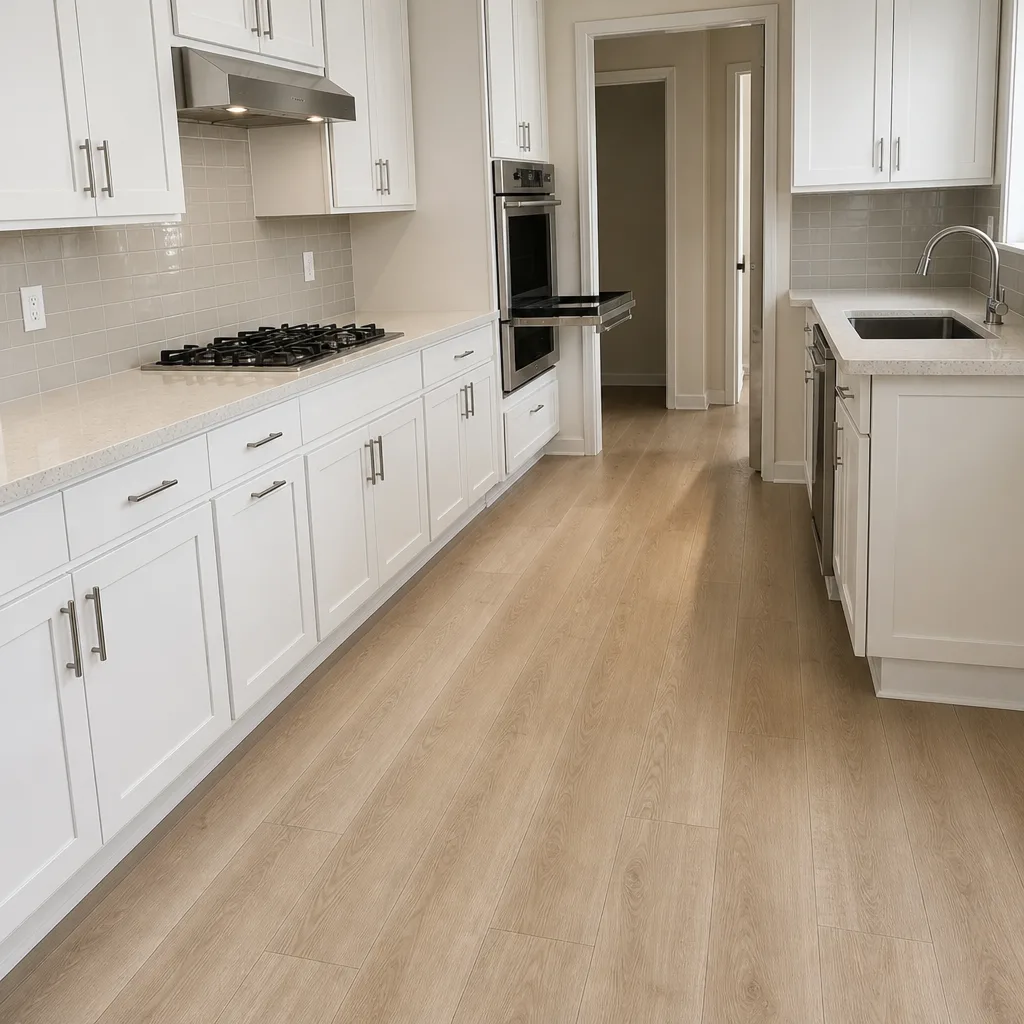 After
 Before
 After
 Before
 After
When to Call a Professional
Most of what’s in this guide is homeowner-level work. A few things aren’t. Call us when a post has failed outright (any post moving independently of its concrete base), when multiple posts along a run are questionable, when a wind event has taken down a section and the fence needs re-engineering rather than repair, or when the fence is holding up a gate that has structural problems. Those are the four situations where DIY becomes more expensive than a professional repair, because they all involve the fence’s structural system, not just its surface.
We also see situations where the maintenance window has passed – a fence that was never sealed, has now been in place 10 years, and the wood is at the point where a good maintenance coat will only delay replacement rather than extend it significantly. Knowing which side of that line your fence is on is one of the more useful things we do on a free estimate. Groundwork Construction Co. of Irvine offers free estimates in Irvine – call (888) 578-4462.
Frequently Asked Questions
Wood fences in Irvine need sealing or staining every 2 to 4 years depending on species: every 2 years for pressure-treated pine, every 2 to 3 years for cedar, and every 3 to 4 years for redwood. The right interval depends more on sun exposure and how much the wood is still holding the previous coat than on the calendar. Call (888) 578-4462 for a free assessment – we’ll tell you whether your fence needs a coat now or can wait another season.
New fence installation in Irvine generally requires a permit and a height limit of 6 feet for rear and side yard fences and 3 feet in the front yard setback, with some specific rules in planned communities and HOA-governed neighborhoods. Repair and maintenance of an existing fence typically does not require a permit. Height limits vary by lot and community, so confirm before you build. Call (888) 578-4462 for a free estimate that covers the permitting side.
Probe the post at the soil line with a screwdriver. If the wood gives easily, or the wood is dark, soft, or crumbling at the ground contact point, the post is rotting. Push on the post above the ground; if it moves independently of its concrete base, the post has failed. Call (888) 578-4462 for a free inspection – we can tell you in five minutes whether it’s a repair or a replacement.
Vinyl handles Irvine’s UV and rain cycles better than wood because it doesn’t absorb moisture or need staining, but wood fences are easier to repair sectionally and, in our opinion, look better against most Irvine home exteriors. Both work; the choice usually comes down to whether you’d rather spend time on wood maintenance or money on vinyl material cost. Call (888) 578-4462 for a free estimate that lays out the actual numbers on both.
Alternating dry Santa Ana winds and wet winter rain – the swing between the two is harder on wood than either condition consistently, because the wood never gets a stable moisture level. The most protective single step is a pre-wind check every fall plus a pre-rain drainage check every winter. Call (888) 578-4462 for a free estimate if you’d rather have a professional run the annual check.
Yes, a consistent annual maintenance routine genuinely can take a wood fence from roughly 12 to 15 years of usable life to 20 to 25 years, mostly by preventing post rot and catching fastener failures early. The biggest lever is the post-base check, because post failure is what usually ends a fence’s life. Call (888) 578-4462 for a free estimate – our technicians can walk your fence line and tell you exactly what needs attention now and what can wait.
The Bottom Line
A fence in Irvine is a 15-year asset if you ignore it and a 25-year asset if you don’t. The maintenance schedule isn’t complicated: a full inspection in spring, a UV-protection check before summer, a pre-wind structural check in fall, a post-rain drainage check in winter, and post-base probing on every post every year. Add the right species-specific re-staining interval for your wood, replace standard fasteners with galvanized or stainless, and follow the vinyl and aluminum rules instead of treating them like they’re bulletproof. Most of this is a few hours a year. The alternative is a full replacement a decade too early, and there’s no way to make that math work.
Contact
If you’d rather hand the annual check to someone with a trained eye, we’re here. Groundwork Construction Co. of Irvine offers free estimates across Irvine, backed by our 730-Day Done Right Promise – if it’s not done right, we make it right. Our technicians have up to 12 years of experience, and calls are answered by a live person 24/7. We also handle the full-scope work if your fence needs replacement rather than repair, from Groundwork Construction Co. of Irvine home services to full-property upgrades. Considering a matched upgrade at the same time? Our team also handles driveway & pavers in Irvine and home additions & ADU in Irvine for homeowners who want one contractor across the property. Call (888) 578-4462 to schedule your free estimate – no hassle, upfront pricing, the number you see is the number you pay.
Written by the team at Groundwork Construction Co. of Irvine.