
Last updated November 17, 2026
 Home additions & ADU
 Kitchen remodeling
 Bathroom remodeling
 Roofing
 Windows & doors
 Driveway & pavers
 Fence
Free written scope consultation - allowances, timeline, and change-order rules on paper before a single trade is scheduled
Fence Installation Warning Signs Every Homeowner Should Know
If a fence contractor hands you a quote without asking about your property line survey, walk away. That single omission causes more neighbor disputes, forced tear-outs, and legal headaches than any material failure we’ve seen. In Irvine, where lots sit close together and HOA rules stack on top of city code, a fence built three inches onto a neighbor’s side can mean pulling every post back out. The warning signs that predict a bad fence job show up long before the first post goes in the ground, in the bid, the conversation, and the contractor’s willingness to pull permits. This guide walks you through all of them.
Quick Answer
The biggest fence installation red flags are a bid written without a site visit or survey question, permit-avoidance language like “I do this all the time without one,” a quote that’s suspiciously fast compared to others, vague material claims like “good wood” with no grade stamp or treatment rating, and any contractor who won’t put the warranty in writing. Watch for lean, heave, and gap patterns in the first 90 days, because they signal footing problems that were there from day one. A legitimate Irvine fence contractor asks about property lines, pulls the permit, and specifies materials down to the grade stamp before signing anything.
Styles & brands we work with
- Kitchen remodeling
- Bathroom remodeling
- Home additions & ADU
- Roofing
- Windows & doors
- Driveway & pavers
- Fence
Table of Contents
- Red Flag #1: The Contractor Who Never Asks About Your Property Line Survey
- Red Flag #2: The Quote That Was Written Too Fast
- Red Flag #3: Permit Avoidance and “I Do This All the Time Without One”
- Red Flag #4: “Good Wood” With No Grade Stamp or Treatment Rating
- Warning Signs in the First 90 Days: Lean, Heave, and Gap Patterns
- Red Flag #5: Contracts That Hide the Warranty, the Schedule, and the Change-Order Rules
- What Irvine Soil, Wind, and Code Mean for Your Fence
- Common Mistakes to Avoid
- When to Call a Professional
- Frequently Asked Questions
Red Flag #1: The Contractor Who Never Asks About Your Property Line Survey
A fence is a boundary structure, and boundary structures live or die on one question: where exactly does your property line sit? A contractor who writes a bid without asking whether you have a survey, or whether the existing fence follows the recorded line, is guessing. Guessing on a boundary is how encroachment disputes start.
In Irvine, tract lots in neighborhoods like Woodbridge and Northpark were platted with shared fence lines that sometimes drift a few inches over decades of replacement. One homeowner replaces a fence along what looks like the line, and suddenly a neighbor is claiming the new fence sits on their side. If you don’t have a recent survey, the contractor should ask whether you want the line located before work starts. The good ones raise it before you do.
Here’s how to read whether the survey question is being handled honestly:
- Good sign: The contractor asks for your plot plan or survey and shows you exactly where the new fence will sit relative to the recorded line.
- Good sign: They recommend a lot line adjustment or survey if the existing fence location looks off.
- Bad sign: “We’ll just match the existing fence.” That only works if the existing fence is on the line, and that’s a big if.
- Bad sign: No mention of the property line anywhere in the bid.
On shared fences, the contractor should also be clear about who owns which side, and whether your neighbor needs to sign off. In Irvine, most shared fences are one owner’s responsibility per the recorded subdivision map, and the contractor should know the difference. If they don’t, they’re setting up a dispute you’ll be resolving long after they’re gone.
Red Flag #2: The Quote That Was Written Too Fast
A fence bid written in ten minutes without a site walk is a bid written from a template. Fence installation depends on things that only show up on site: soil type, slope, existing footings, access for a post-hole rig, hidden utilities, and the exact span between posts. A contractor who skips the walk is skipping all of that, and you’ll be funding the discovery on the back end.
An honest site assessment for a residential fence in Irvine usually takes 30 to 45 minutes. The contractor should be checking:
- Soil and slope. Irvine’s soil varies block by block. Some lots in older neighborhoods have expansive clay that moves with the seasons and needs deeper footings; newer graded lots can have fill that compacts differently.
- Existing fence and footings. Whether the old posts come out clean or are set in concrete that has to be broken out changes the labor substantially.
- Access. Whether a post-hole drill can reach the line or whether it’s hand-digging only.
- Utilities. A call to 811 for utility locating before digging isn’t optional, and a contractor who doesn’t mention it is skipping a step that can damage gas or irrigation lines.
- Neighbor conditions. Trees, retaining walls, or structures on the neighbor’s side that affect access or footing placement.
When we write a fence bid for an Irvine homeowner, that site walk is what generates the real number. A quote that arrives via text before anyone has stood on the property is a placeholder, and it will not be the number you pay.
Red Flag #3: Permit Avoidance and “I Do This All the Time Without One”
“I do this all the time without a permit, and nobody’s ever said anything.” That sentence should end the conversation. Permit avoidance transfers the liability from the contractor to you, and on a fence, it’s a liability you can’t easily unwind. If a fence is built without a permit and later fails inspection or violates a setback, the remedy is often removal at your cost. The contractor who skipped the permit is already gone.
In Irvine, fence permits depend on the fence’s height, location, and whether it borders a slope or open space. A standard rear or side yard fence at the city’s allowed height typically needs a permit, and most HOAs require architectural approval on top of that. The permit process also forces a code review: heights measured from grade, setback requirements along the property line, and pool enclosure requirements if the fence is acting as a pool barrier.
What to look for instead of the “no permit needed” line:
- The contractor explains what permit your specific fence requires and why.
- They build the permit fee into the quote, or tell you clearly that you are responsible for pulling it.
- They mention the inspection step and who will be on site for it.
- They ask whether your HOA has architectural review, and whether approval is required before work begins.
A contractor who cuts that corner on the permit will cut corners elsewhere. The permit conversation is a preview of how the whole job will go.
Red Flag #4: “Good Wood” With No Grade Stamp or Treatment Rating
“We use good wood” is a claim with no content. Wood in fence construction is graded and treated to specific standards, and both are printed or stamped on the material. If the contractor can’t name the species, the grade, and the ground-contact treatment rating, they either don’t know or don’t want you to compare.
Here’s the language that matters on a fence spec, and what it means:
- Species and grade stamp. Western red cedar, for example, is graded by agencies that stamp the boards. A no-grade “cedar” board is often a lower mill grade with more knots and shorter lifespan. The stamp proves what was actually delivered.
- Ground-contact (UC4A or better) treatment for posts. Posts sit in soil and wet-dry cycles. A post rated for above-ground use only will rot at the soil line years before the boards fail. The treatment rating is printed on the board.
- Galvanized or stainless fasteners. Untreated fasteners rust and stain the wood, and they fail faster than the structure they hold.
- Concrete footing depth and diameter. Footings should be specified, not left to chance. In Irvine, that usually means deeper than the minimum for fences exposed to wind along ridgelines and open space corridors.
- Brand and product for composite or vinyl. Reputable composite and vinyl fence brands publish specs and warranties. If the contractor names the brand, ask to see the spec sheet and warranty. If they can’t name a brand, you’re getting a commodity product at a branded price.
Every premium material carries a spec sheet. We treat brand partners like Atlas for roofing and Tamko, Boral and PGT for the other trades the same way: the spec sheet is part of the deliverable, not fine print. A fence contractor should hand you the same documentation without being asked.
Warning Signs in the First 90 Days: Lean, Heave, and Gap Patterns
A fence’s first 90 days tell you everything the bid couldn’t. Footing problems don’t announce themselves in week one; they show up as the soil settles and the seasons shift. Watch for these patterns, and photograph anything that changes.
- Lean. A post out of plumb by more than a quarter inch over its height is leaning for a reason: the footing is undersized, the soil is too wet for the concrete, or the post is set in the wrong place. A slight lean after the first heavy rain that keeps growing is a footing problem, not a settling issue.
- Heave. Posts or panels that rise after a wet winter are usually set in expansive soil with a shallow footing. Irvine’s older lots have plenty of this. A proper footing extends below the active soil layer.
- Gaps. Gaps at the bottom of panels or between pickets changing width over the first months are the fence telling you it’s moving. A gap that opens at the base of a shared fence often means a footing is pushing up or the span between posts is too wide for the material.
- Wobble. Push firmly on a post at chest height. A properly set post shouldn’t move. A post that wobbles in month two is a post that will fail in year four.
- Rust streaks and fastener pop. Rust stains at fasteners or screws backing out means the fasteners were the wrong grade and the wood is moving. This is a spec problem that could have been caught on the bid.
If you see any of these patterns within 90 days, call the contractor back in writing. A contractor with a real workmanship warranty will inspect on site. One without will tell you it’s “normal settling.”
Red Flag #5: Contracts That Hide the Warranty, the Schedule, and the Change-Order Rules
The red flags in the conversation and the bid are the first filter. The contract is the last one. Before you sign a fence contract in Irvine, the document should say, in plain language, four things:
- The warranty term and what it covers. Workmanship warranty length, what counts as covered failure, and how a claim is filed. “Guaranteed for life” with no written terms is a marketing line, not a warranty.
- The schedule. Start date, duration, and what counts as a delay. Fence work is weather-sensitive, so a schedule with rain days built in is a good sign. A schedule with no weather allowance is a setup for a change order.
- Change-order rules. Who approves changes, in what form, and whether payment for a change happens before the work starts. A contractor who handles changes in writing on site is one you can trust on the bigger items.
- Payment schedule. How much is due at signing, at completion, and any retainage. A large up-front deposit with no milestone billing is a warning sign on any construction job.
All of this is the same discipline we apply to the larger work: a fence installation in Irvine should carry the same written guarantee as a full-scope project. When your warranty is written and the terms are clear, the conversation after completion is short.
What Irvine Soil, Wind, and Code Mean for Your Fence
Irvine isn’t a generic Southern California climate, and a fence built for the national average won’t last here. Three local factors shape every fence spec:
Soil. The graded lots in newer Irvine villages and the older lots in neighborhoods like Turtle Rock and University Park behave differently. Expansive clay soils swell and shrink with wet and dry seasons, and fence footings have to account for that movement. The common failure mode in Irvine is a footing barely below grade that lifts a post a half inch every winter until the panel line goes out of alignment.
Wind. Fences along open space corridors and ridgelines in Irvine take wind loading that a sheltered backyard fence never sees. Posts spaced too far apart, or panels with too much solid area and no wind relief, will lean. On a fence bordering a hillside or open space, the contractor should be specifying deeper footings and heavier post dimensions than the minimum.
Code and HOA. Irvine regulates fence height measured from finished grade, setback from the property line, and pool enclosure requirements. Most HOAs have architectural review on top. The approval process is part of the job, and a contractor who treats it as your problem is a contractor who will be missing when the inspector shows up.
None of this is exotic. It’s just what a local contractor should know before writing the bid. If the contractor hasn’t asked what part of Irvine you’re in and what your fence borders, they haven’t thought about wind or soil.
Common Mistakes to Avoid
- Accepting a texted quote as a final price. A number that arrives before anyone walks the property is a placeholder, not a bid. In Irvine, where footing depth changes block to block, that placeholder can be thousands apart from the real number.
- Assuming the HOA approval is someone else’s job. If your fence borders open space or touches a shared line, the HOA and city process can add weeks. Confirm in writing who is pulling approvals before the first post-hole is dug.
- Skipping the utility locate. A contractor who starts digging without a locate call is putting your gas and irrigation lines at risk. The locate is free and the call is fast.
- Matching the old fence line without a survey. “We’ll match the existing fence” ignores the possibility the old fence was never on the line. In Irvine’s older tracts, it often isn’t.
- Taking “cedar” at face value. Without a grade stamp and a species name, you’re comparing a price on a board that may not be the same board your neighbor got. Ask for the spec sheet and the treatment rating on the posts.
- Ignoring the first lean. A post out of plumb in month one is a footing problem, and every month you wait makes the repair larger. Call it in while it’s still a single-post fix.
- Signing without the warranty in writing. A verbal “we guarantee it” ends the day the crew leaves. The warranty term, the coverage, and the claims process belong in the contract.
When to Call a Professional
Some fence problems are cosmetic. Others are structural and get worse with every season. Call a professional if a post is leaning more than a quarter inch over its height, if a panel line has visibly moved after the wet season, if you see rust streaks at fasteners within the first year, or if any post wobbles when you push on it at chest height. Call before the first post-hole on a new fence if you don’t have a recent survey, if your fence borders open space or a shared line, or if you’ve received a bid that doesn’t mention permits, footings, or material specs. Groundwork Construction Co. of Irvine offers free estimates in Irvine, including a site walk that checks the property line, soil, access, and utilities before we write a number. Call (888) 578-4462 to schedule yours, and we’ll walk you through the survey, permit, and spec sheet line by line.
Frequently Asked Questions
The biggest red flag is a bid written without a site visit or a question about your property line survey. It means the contractor is pricing from a template, not your lot, and every problem on your property will show up as a change order later. In Irvine, where lots vary block to block, that gap can be large. Call (888) 578-4462 for a free estimate that starts with a site walk.
Most fence installations in Irvine require a permit, and most HOAs require architectural approval on top of it. The exact requirement depends on fence height, location on the lot, and whether the fence acts as a pool barrier. A contractor who tells you “no permit needed, I do this all the time” is transferring the liability to you. Call (888) 578-4462 and we’ll tell you what your specific fence requires before you sign anything.
Fence installation in Irvine generally runs based on linear feet, material, and site conditions, with wood and composite at different price points and footing depth, access, and removal of old fence affecting the total. A quote without a site visit isn’t a real number. Call (888) 578-4462 for an exact, itemized quote from a site walk, and estimates are free.
A well-built fence with properly treated ground-contact posts and footings set below the active soil layer typically lasts many years, while a fence with undersized footings can show structural problems within the first two wet seasons. Irvine’s expansive soils and wind exposure along open space corridors are the two biggest variables. Call (888) 578-4462 if your fence is showing early lean or heave and you want an honest assessment.
Watch for lean, heave, gap changes, wobble, and rust streaks at fasteners. Any post out of plumb by more than a quarter inch over its height, or a panel line that moves after the first wet season, is a footing problem that should be addressed in writing. Call the contractor in writing and request an on-site inspection. If you’re not getting a response, call (888) 578-4462 for a second opinion.
It shouldn’t if the bid was written after a real site assessment with footings, materials, and access specified. Change orders should happen only for conditions that couldn’t be seen before digging, and those should be documented in writing before the work continues. Our bids are itemized and the number that’s on the bid is the number you pay unless a documented site condition requires a change. Call (888) 578-4462 to schedule your free estimate.
The Bottom Line
The fence job that goes wrong is almost always visible in the bid before a single post goes in. A contractor who skips the survey question, writes a quote in ten minutes, uses “no permit needed” as a selling point, and names “good wood” without a grade stamp is telling you everything you need to know. In Irvine, where soil movement, wind exposure, and code stacking on top of HOA rules raise the stakes, those early signs predict the 90-day problems that follow: lean, heave, and gap patterns from undersized footings. Read the bid, ask for the spec sheet, confirm the permit, and put the warranty in writing. That’s how you avoid the tear-out.
If you want a fence bid built the way we build every project, from a site walk to a written guarantee backed by our 730-Day Done Right Promise, call Groundwork Construction Co. of Irvine at (888) 578-4462 for a free estimate. Whether you’re planning a fence, a driveway and pavers project in Irvine, or a larger home addition or ADU in Irvine, the same upfront pricing and written accountability apply. Start with our Groundwork Construction Co. of Irvine home page for the full scope, and call (888) 578-4462 to schedule your free estimate.
Written by the team at Groundwork Construction Co. of Irvine.
See the difference
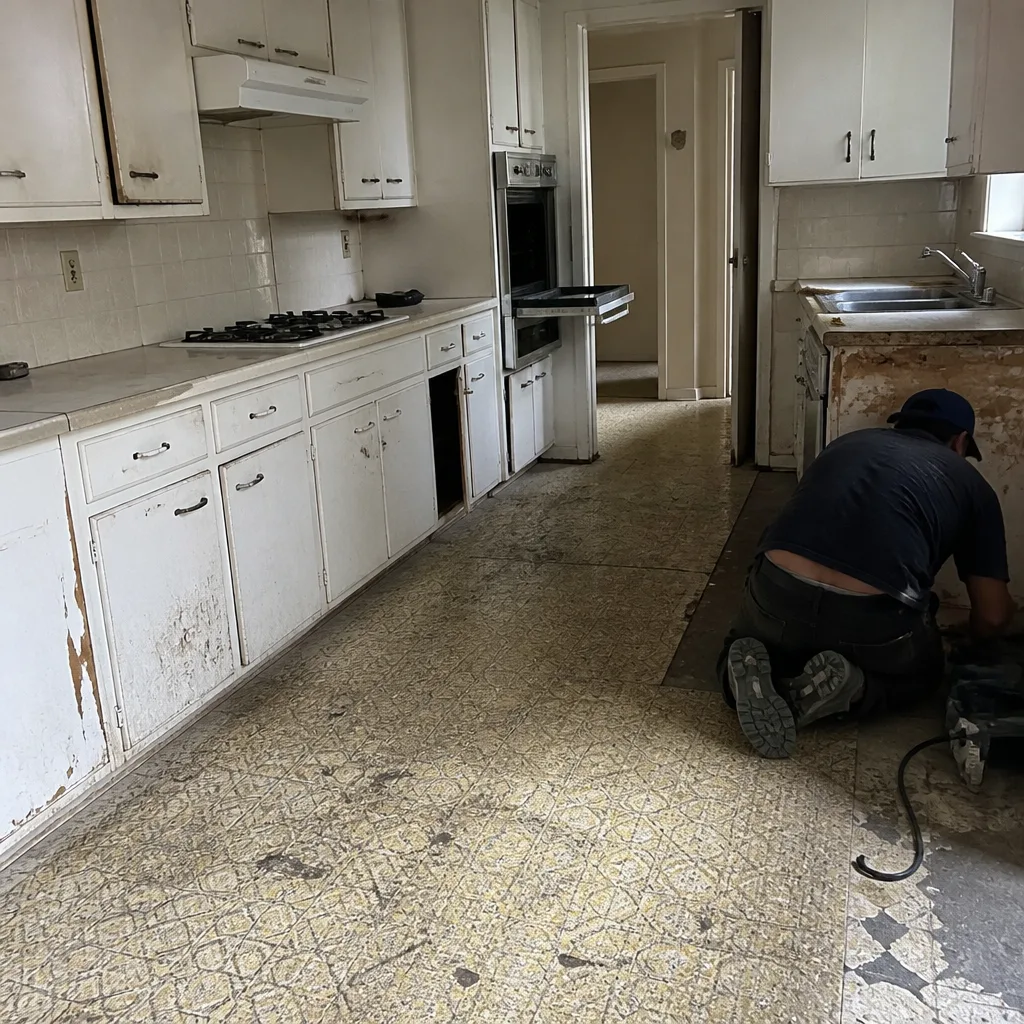 Before
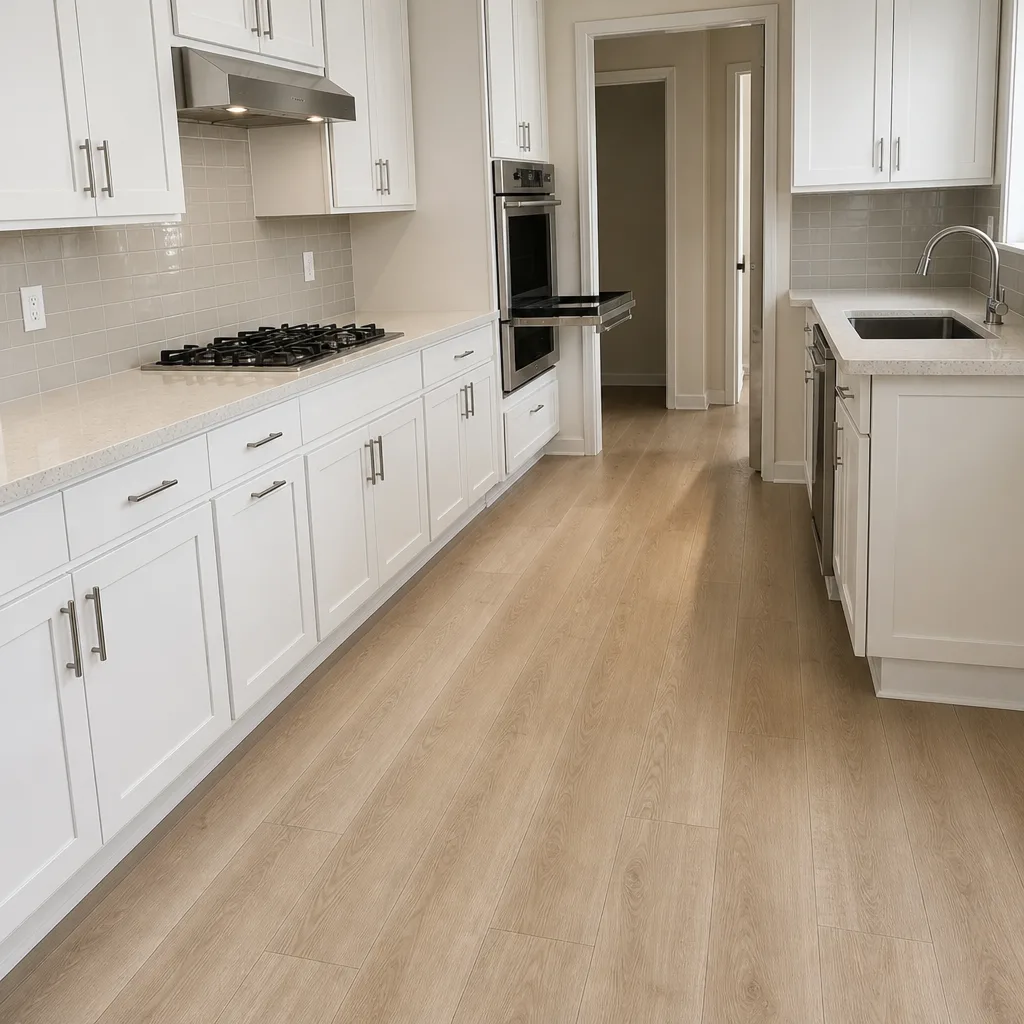 After
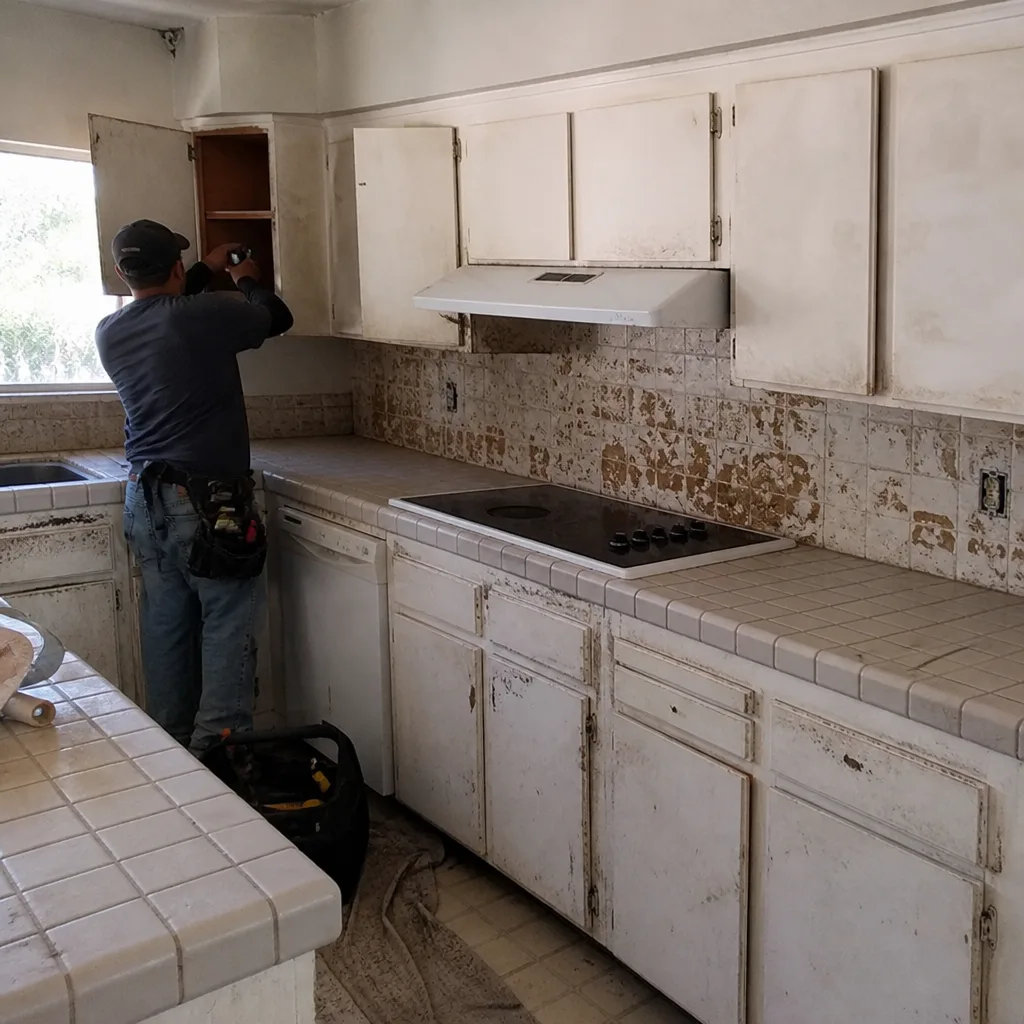 Before
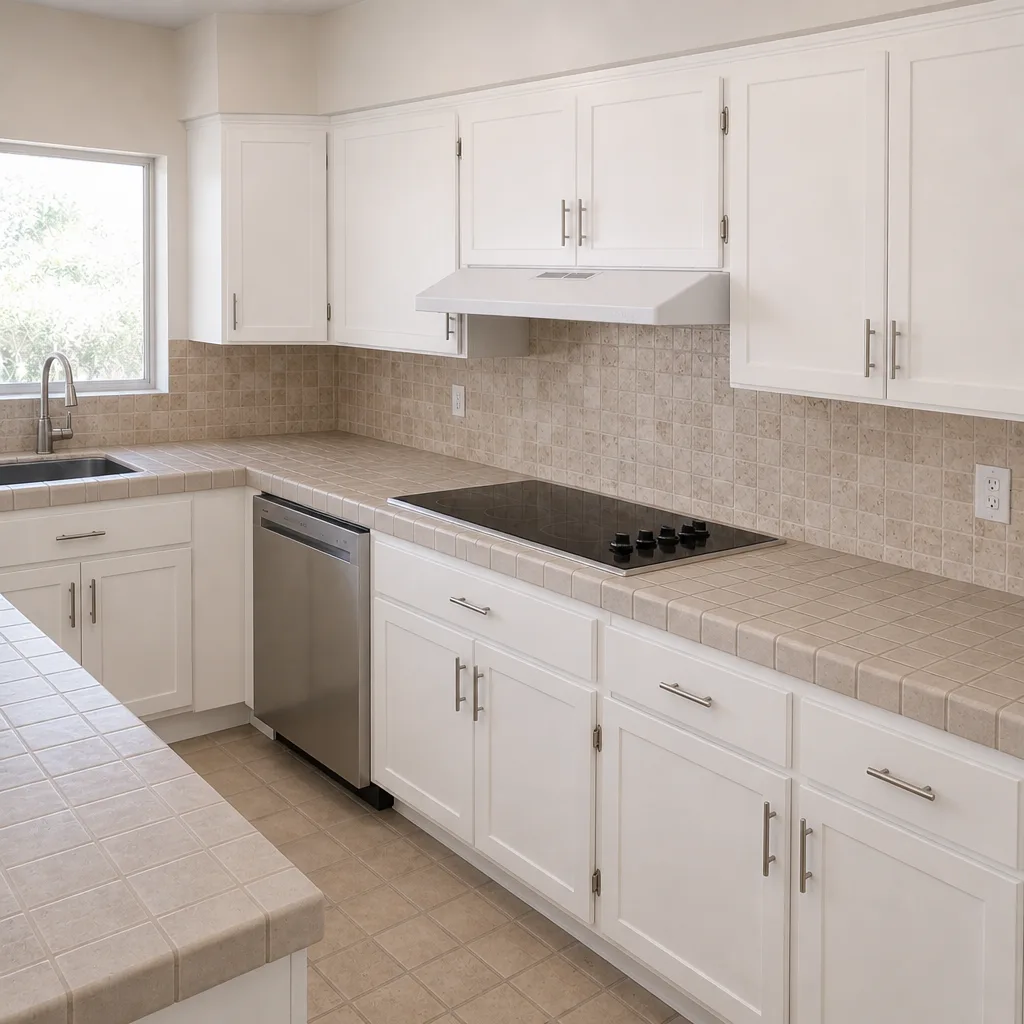 After
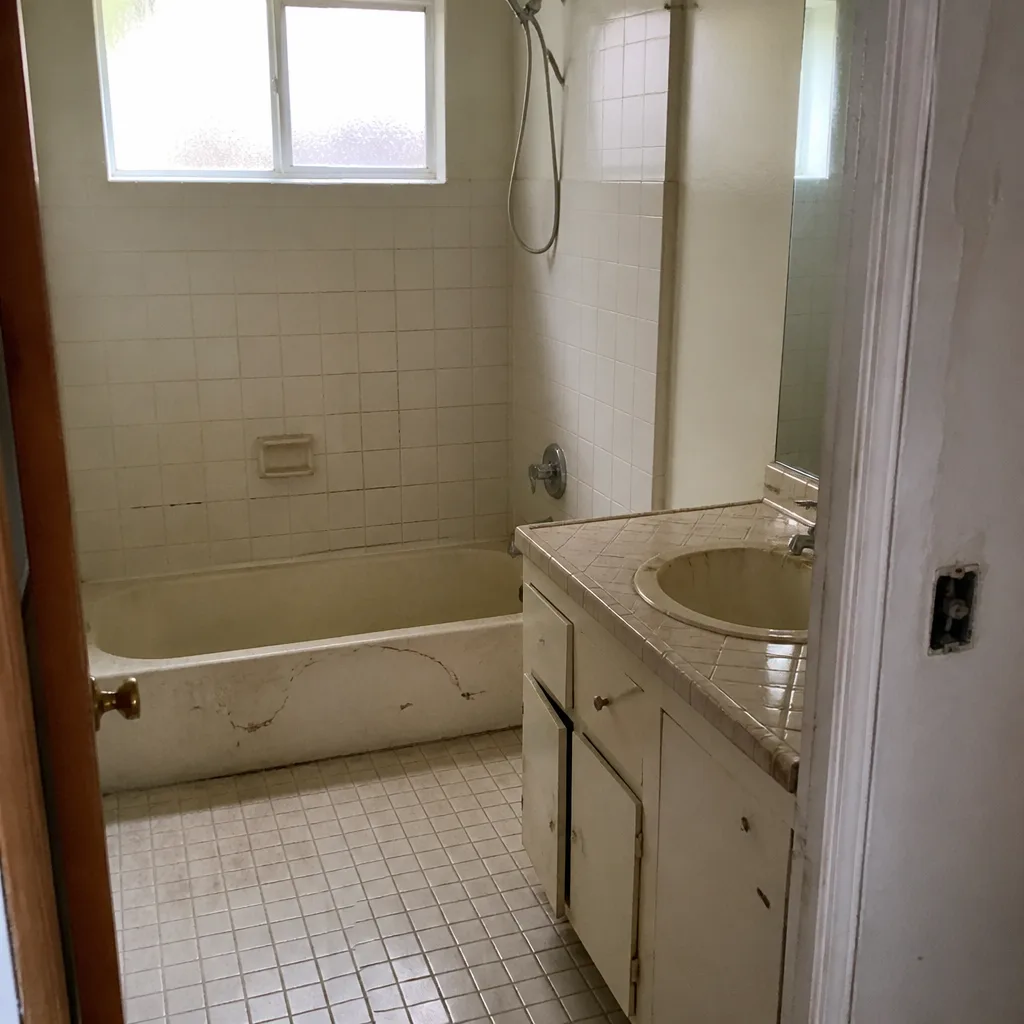 Before
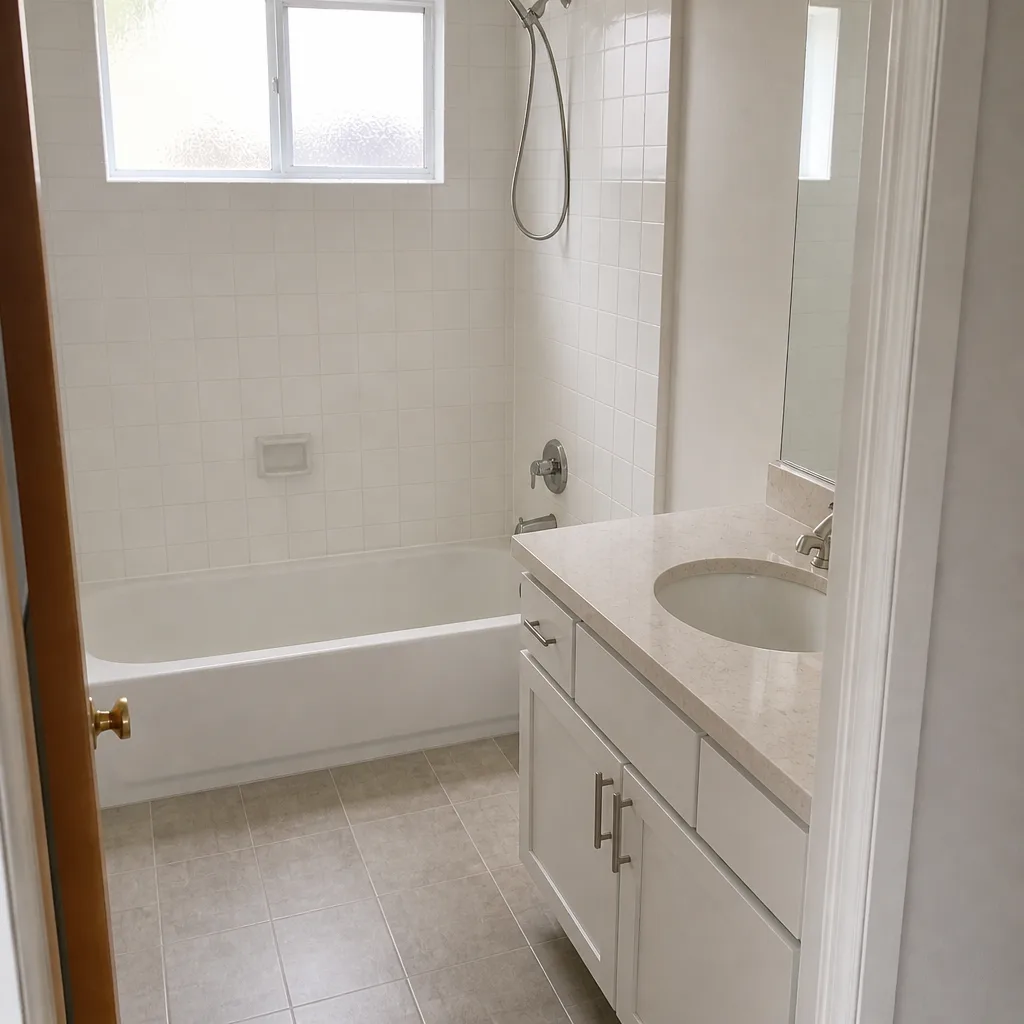 After