
Last updated November 17, 2026
 Kitchen remodeling
 Bathroom remodeling
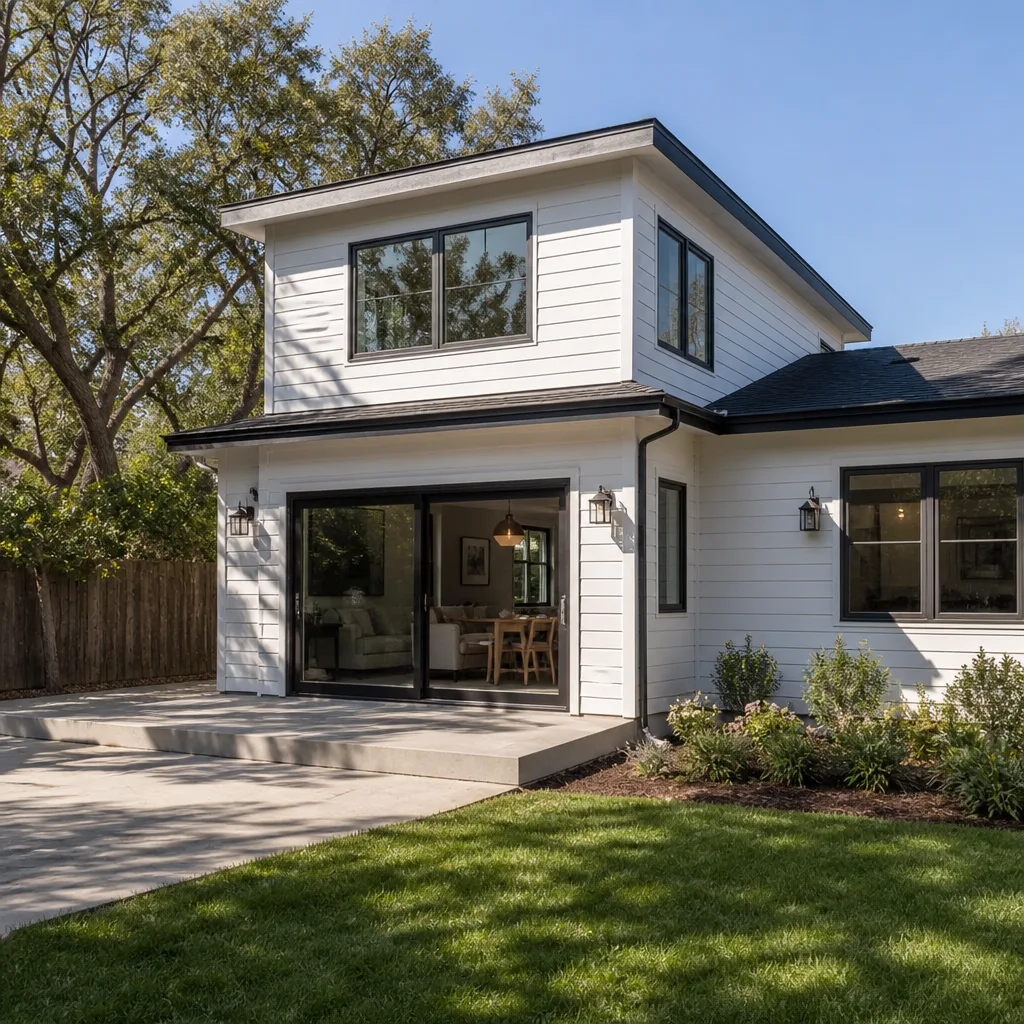 Home additions & ADU
 Roofing
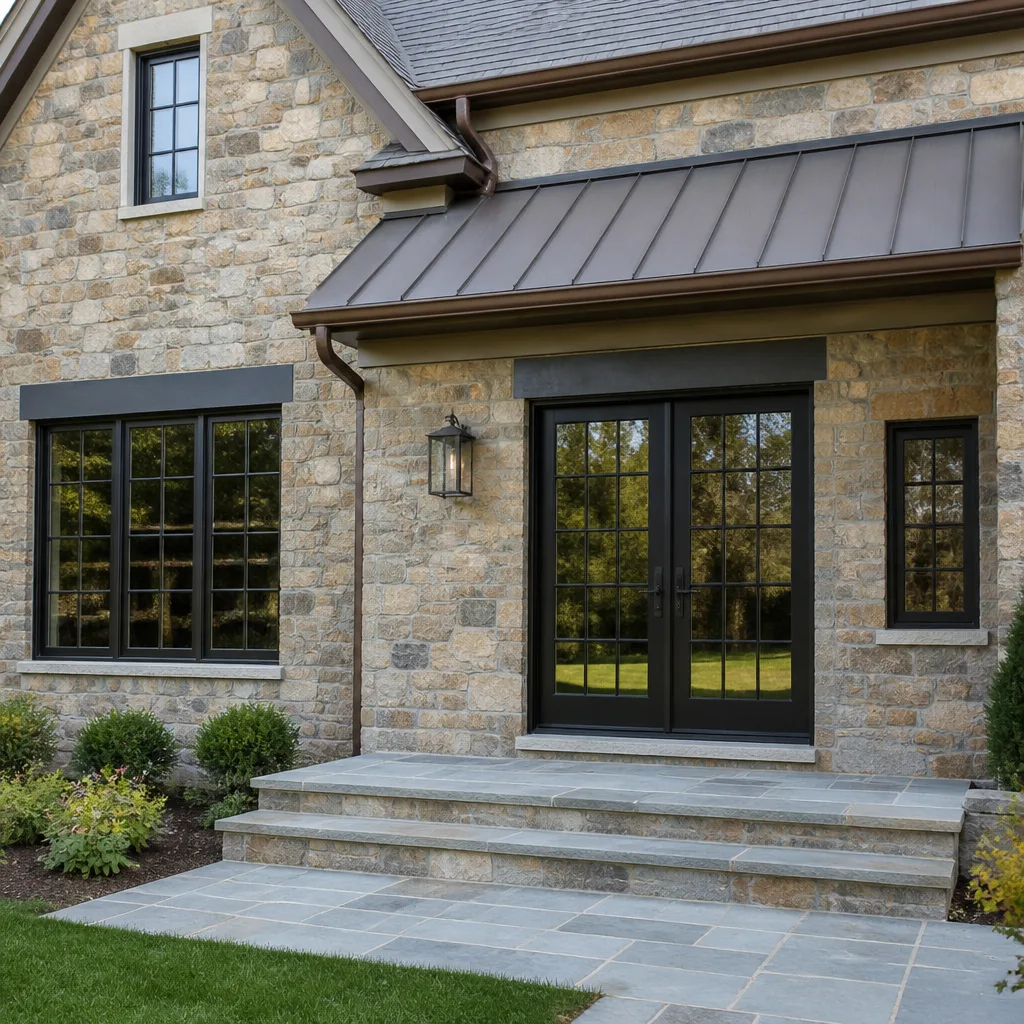 Windows & doors
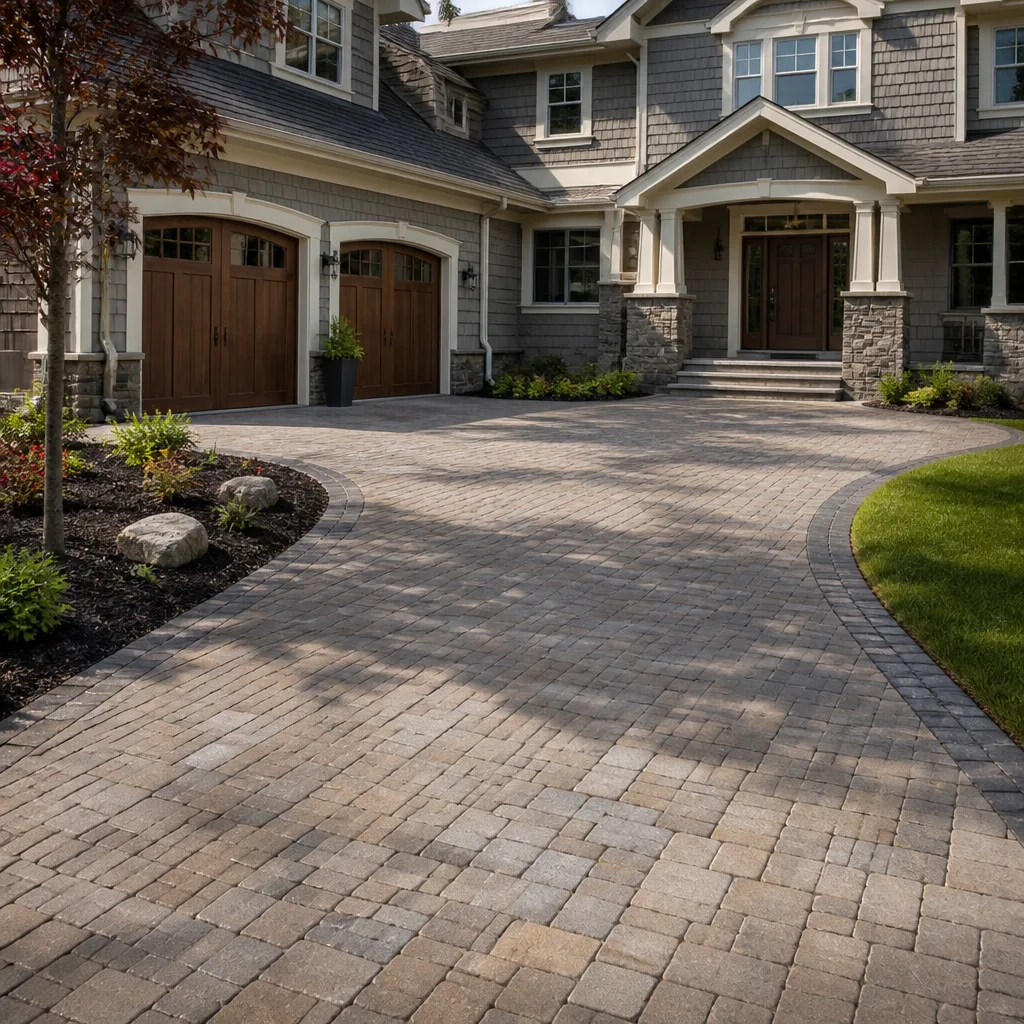 Driveway & pavers
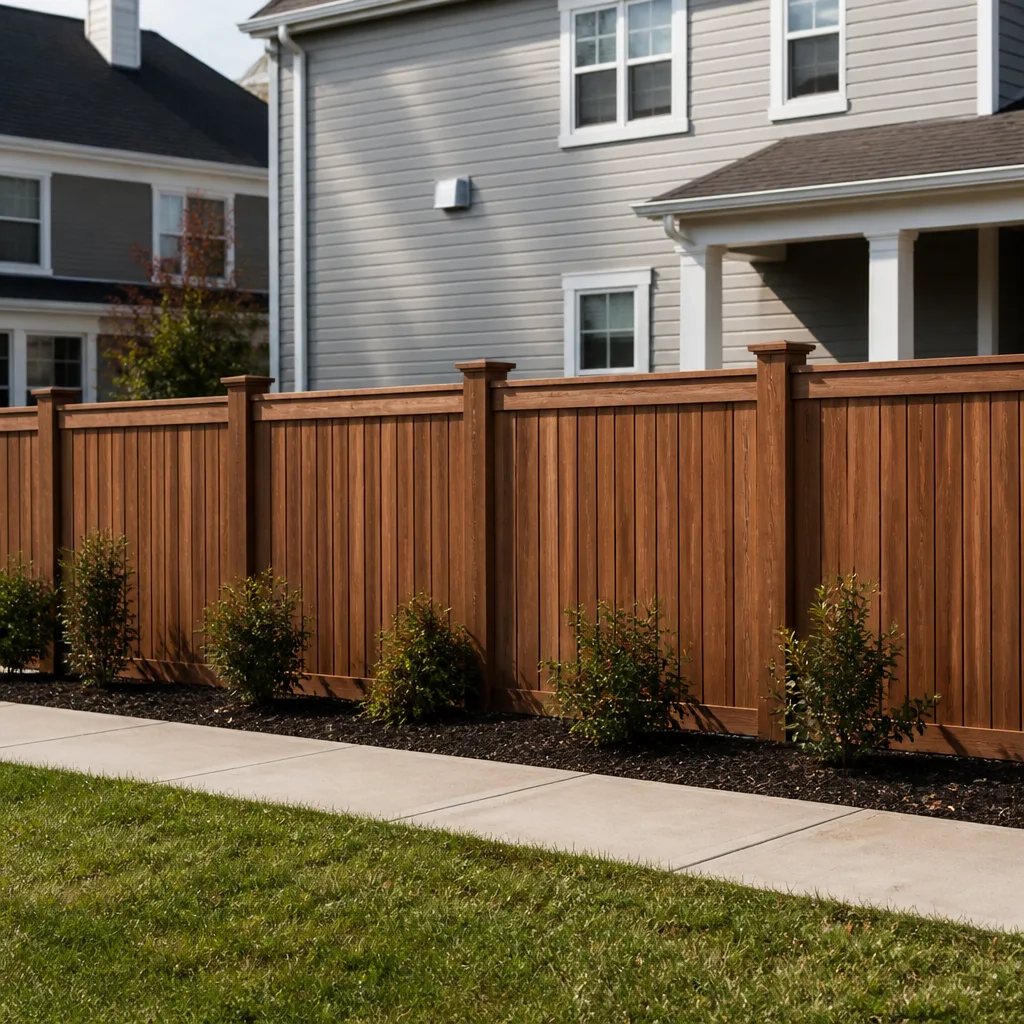 Fence
Free written scope consultation - allowances, timeline, and change-order rules on paper before a single trade is scheduled
How to Hire a Construction Contractor in Irvine: A Step-by-Step Guide
A valid CSLB license doesn’t tell you whether a contractor has ever pulled a permit in Irvine. It doesn’t tell you how they handle the city’s layered approval process, or whether they know the difference between a village HOA review board and a planning department sign-off. Plenty of experienced general contractors from Anaheim or Santa Ana can build a beautiful kitchen, and still crater your timeline by six months because they’ve never navigated an Irvine approval from the inside. This guide is written the way a construction attorney would vet a contractor – permits, bonds, complaint history, contract clauses, and payment schedules that protect you. By the end, you’ll know exactly what to check before you sign anything.
Quick Answer
To hire a construction contractor in Irvine, verify the CSLB license number beyond the status field, confirm active bond and insurance coverage, pull the contractor’s complaint history, ask specifically about Irvine permit and HOA experience for your village, and require a written contract that complies with California Business & Professions Code 7159. Never pay more than 10% down before work begins, and never sign a bid that lacks line-item scope.
Styles & brands we work with
- Kitchen remodeling
- Bathroom remodeling
- Home additions & ADU
- Roofing
- Windows & doors
- Driveway & pavers
- Fence
Table of Contents
- How to Run a Real CSLB License Check
- The Irvine-Specific Vetting Questions Competitors Skip
- The Contract Clause Checklist Under B&P Code 7159
- How to Read a Bid Apples-to-Apples
- The Payment Schedule That Protects You
- Permits, Inspections, and Irvine’s Approval Layers
- Red Flags That Show Up Before the First Nail
- The 8-Step Hiring Sequence
How to Run a Real CSLB License Check (Beyond the Green Checkmark)
Most homeowners stop at the CSLB search page, see a green “Active” status, and call it done. That green checkmark confirms the license is current. It tells you nothing about whether this contractor has ever been disciplined, whether their bond is at the legal minimum or higher, or whether they’ve carried continuous workers’ comp coverage. Those are the fields that actually predict how a project goes.
Here’s what to pull from the CSLB record for every contractor you’re considering:
- License classification. A B-General Building license covers most whole-home work. A C-39 Roofing license does not authorize kitchen remodels. A specialty license bidding outside its classification is a serious red flag.
- Bond amount. California requires a $25,000 contractor bond as of 2023. If a contractor is bonded at the exact minimum, that’s legal but thin. Ask what other coverage they carry.
- Workers’ comp status. If they have employees and no workers’ comp, you can be liable for injuries on your property. Look for “Workers’ Compensation Insurance” listed on the record, not “Exempt.”
- Complaint disclosure. The CSLB publishes disciplinary actions and arbitration awards. One resolved complaint isn’t a dealbreaker. A pattern of them is.
- License history. A license issued six months ago on a contractor who claims twenty years of experience means the entity is new, even if the tradesperson isn’t. Ask how long the company has operated under that license number.
In our experience across Irvine projects, the CSLB complaint page is where most homeowners find the answer they needed before signing. Checking it takes four minutes. Skipping it can cost a full remodel.
The Irvine-Specific Vetting Questions Competitors Skip
Irvine is not like most Southern California cities. A large share of its housing stock sits inside planned communities – Woodbridge, Northwood, Turtle Rock, Quail Hill, Cypress Village, Great Park – and most of those communities have architectural review requirements layered on top of the city’s own permit process. A general contractor can be brilliant at framing and still fail here, because Irvine approvals are their own discipline.
Ask every contractor these three questions and watch what happens:
- “Who is the architectural review contact for my village, and what does your submittal package typically include?” A contractor with real Irvine experience will name the process, not just the concept. If they go quiet, they’ve never submitted to your community’s review board.
- “How long does a typical Irvine permit take for a project this size?” The answer should be specific and slightly uncomfortable – Irvine’s plan check is not fast, and a contractor who promises two weeks is either guessing or hasn’t done it.
- “Which Irvine projects have you permitted in the last two years?” You want addresses or neighborhood names, not “all over Orange County.”
The reason this matters so much in Irvine is the sequencing. If a contractor starts framing before the architectural review is finalized, or pulls the permit with a plan that hasn’t been reviewed by your community association, you can be ordered to stop work and resubmit. That’s not a paperwork delay. That’s your framing crew standing on a job site for months while you fight the process.
We’ve watched this play out on Irvine ADU projects where the contractor treated the community review like an afterthought. The homeowner lost half a year. For projects that include an addition or ADU, the approval chain is even more critical – you can learn more about the requirements on our Home Additions & ADU in Irvine page.
The Contract Clause Checklist Under B&P Code 7159
California Business & Professions Code 7159 is the law that governs home improvement contracts, and it’s strict about what must appear in writing. If your contract is missing any of the seven required elements below, it’s not just weak – it’s non-compliant, and it gives the contractor room to argue about scope later.
Your contract must include, in writing:
- The contractor’s name, business address, and license number. The exact legal entity, not a DBA that leads nowhere.
- The date the contract was signed and a description of the work, with materials and equipment specified by brand or grade where it matters.
- The total contract price, or a clear formula for calculating it if the price is time-and-materials.
- A detailed payment schedule tied to specific milestones, with the down payment clearly stated (see the payment section below).
- The approximate start and completion dates, plus a statement of what happens if the schedule slips for reasons within the contractor’s control.
- A notice of the homeowner’s three-day right to cancel for contracts signed at the home, as required by law.
- A statement about mechanics’ liens and the homeowner’s right to a lien release from subcontractors and suppliers.
Two more clauses are not strictly required by 7159 but separate a professional job from a risky one: a written change-order procedure (no verbal scope changes, ever) and a warranty section that states the workmanship guarantee in writing. Groundwork’s 730-Day Done Right Promise exists because a warranty you can’t point to on paper is a warranty you can’t enforce.
How to Read a Bid Apples-to-Apples
Three bids on the same project are not comparable if the scopes don’t match. The classic Irvine low-ball bid comes in 20% under the others because it quietly left out demolition, haul-away, drywall repair after electrical, and permit fees. Each of those omissions becomes a change order the moment work starts. The “cheap” contractor finishes 30% higher than the middle bid, and you’ve already signed.
Here’s how to normalize every bid before you compare numbers:
- Demolition and disposal. Is demo and dumpster included, or listed separately?
- Permit fees and plan check. Who pays them and at what amount? Irvine permit fees vary by scope and are not small.
- Design and drawings. Are architectural drawings included, or do you need to hire them separately?
- Allowances. Any line item labeled “allowance” is a placeholder. Ask what happens if you exceed it and what happens if you don’t spend it.
- Material brands. A bid that says “tile” is not a bid. A bid that names the brand and grade is. We name brands in every scope – KraftMaid cabinets, Cambria counters, GAF roofing, Andersen and Pella windows – because you can’t compare bids when the materials are left blank.
- Change-order rate. Ask the hourly rate for out-of-scope work in writing. That rate is where the surprise lives.
If a bid is under 10 pages and doesn’t break down by room, trade, and line item, it’s not ready to sign. A scope-complete bid is longer, slower to read, and the one that protects you.
The Payment Schedule That Protects You
California Business & Professions Code 7159.5 caps the down payment on a home improvement contract at 10% of the contract price, or $1,000, whichever is less. Any contractor who asks for 30% or 50% up front – and plenty do, in Irvine and everywhere else – is asking you to break the law with them. That’s not a style preference. It’s a warning.
A payment schedule that actually protects you looks like this:
- 10% at signing, to hold the schedule and order materials. Never more.
- Progress payments tied to completed milestones, not to calendar dates. Framing complete, rough-in inspection passed, drywall hung – each milestone releases the next payment.
- Inspection-based releases where applicable. Irvine requires inspections at specific phases; payment should release after those pass, not before.
- A final payment of at least 10% withheld until everything on the punch list is done and you’ve walked the job with the contractor.
Never pay in cash, always pay by check or card so you have a record, and never let a payment get ahead of the work. If the contractor needs cash to fund the next phase, that’s a sign their business is stretched thin, and a stretched contractor is a contractor who disappears mid-project. Groundwork’s upfront pricing means the number you see is the number you pay – the payment schedule is planned around milestones from day one, not adjusted mid-job.
Permits, Inspections, and Irvine’s Approval Layers
Irvine’s building department is well-organized and thorough, and because it’s well-organized, it’s also specific. A project that pulls the wrong permit type, or submits plans that don’t match the site, gets bounced – and every bounce adds weeks. The right contractor has pulled enough Irvine permits to know the sequence for your project, and to build the approval timeline into the contract dates rather than discovering it mid-job.
Here’s the approval order for a typical Irvine project that touches structure or exterior:
- Design and drawings. Finalized and, for additions and ADUs, stamped by a licensed architect or engineer.
- Community architectural review, where required. This happens before or in parallel with the city, and can be the single longest step in the entire project.
- City permit application and plan check. Irvine plan check runs at its own pace. Ask what the contractor has seen recently.
- Permit issued and work begins. Inspections follow the city’s phase schedule – foundation, framing, rough electrical/plumbing/mechanical, insulation, drywall, final.
- Final inspection and certificate of occupancy if applicable. Never skip this. It’s the document that proves the work was done to code, and it matters at resale.
For exterior work, Irvine’s climate adds its own requirements. Roofs here deal with dry heat, Santa Ana winds, and occasional heavy winter rain. A contractor who pulls a permit but installs roofing to a Texas standard has missed the local weather. Our Groundwork Construction Co. of Irvine home page is where we lay out how we approach every one of these categories, from roof to foundation.
Red Flags That Show Up Before the First Nail
The good news about hiring a contractor: most of the risk is visible before the contract is signed. If you know what to look for, the warning signs are already there in the first phone call, the first bid, and the first walkthrough. Here’s what we watch for when we’re advising a homeowner to walk away.
- No license number on the bid, the truck, or the business card. California law requires it to appear on contracts and advertisements. If it’s missing, ask why.
- A demand for cash and a large deposit together. Cash removes your paper trail, and a large deposit removes your leverage. Both together is a walk-away.
- A bid under a page with no scope detail. Not because short bids are bad, but because a bid without line items cannot be enforced.
- Pressure to sign today for a “discount.” Real contractors don’t price by urgency. Discounts that expire in the next hour are a sales tactic, not a construction plan.
- No fixed business address. A P.O. box and a cell number with no physical business address is a contractor who can vanish.
- Reluctance to name subcontractors. If they won’t tell you who’s doing the electrical and plumbing, you don’t know what licenses are on the job.
- No written warranty. If the workmanship guarantee is verbal, it isn’t a guarantee. It’s a hope.
Common Mistakes to Avoid
- Accepting the green CSLB checkmark as proof of quality. An active license is the floor, not the ceiling. Pull the complaint history and the bond amount before you make a call.
- Comparing bids by bottom-line price only. A bid that’s $18,000 cheaper only because demolition and permit fees were stripped out is not cheaper – it’s a change order waiting to happen.
- Letting the contractor “handle” the HOA. In Irvine’s planned communities, you’re the owner, and the architectural review is your responsibility as much as the contractor’s. Follow the submittal yourself.
- Skipping the workers’ comp check. If a worker is injured on your property and the contractor has no coverage, that injury can come back to your homeowner’s policy. Verify it before work starts.
- Signing a contract without the 3-day right to cancel clause. It’s required by law for contracts signed at your home. If it’s missing, the contract is non-compliant.
- Paying a deposit larger than 10%. The legal cap exists for a reason. Contractors who ask for 30% or 50% up front are asking you to take the entire financial risk of the project.
- Not scheduling a final walkthrough. The walkthrough is your chance to catch the punch list before final payment. Skip it, and the small stuff becomes your project to fix.
See the difference
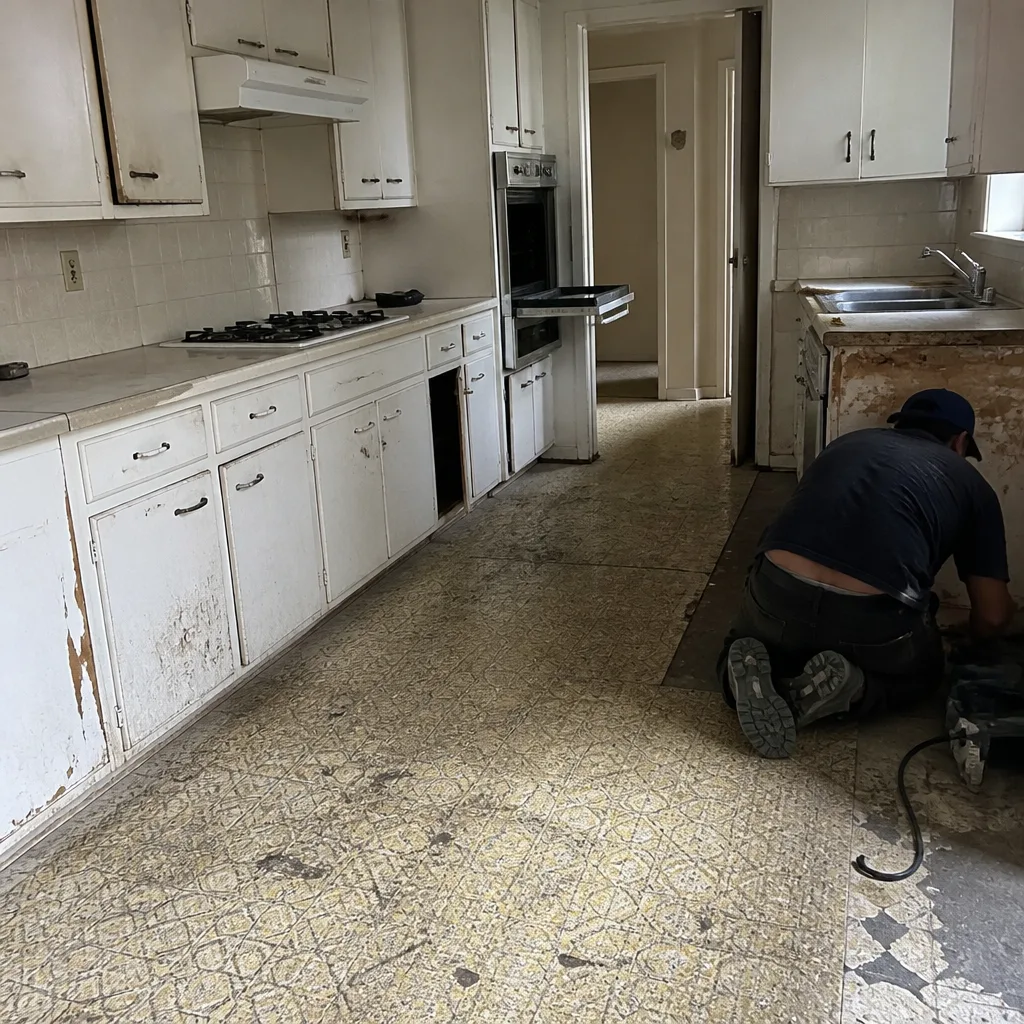 Before
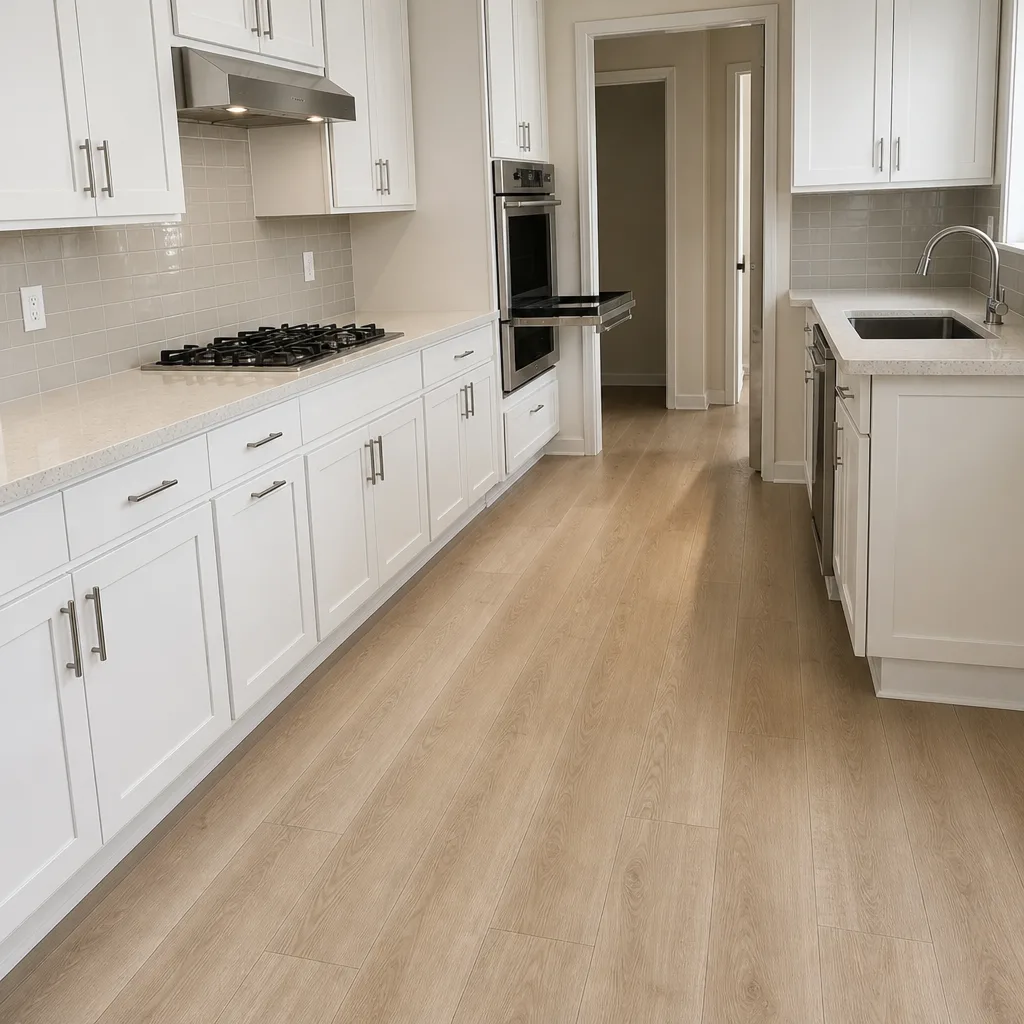 After
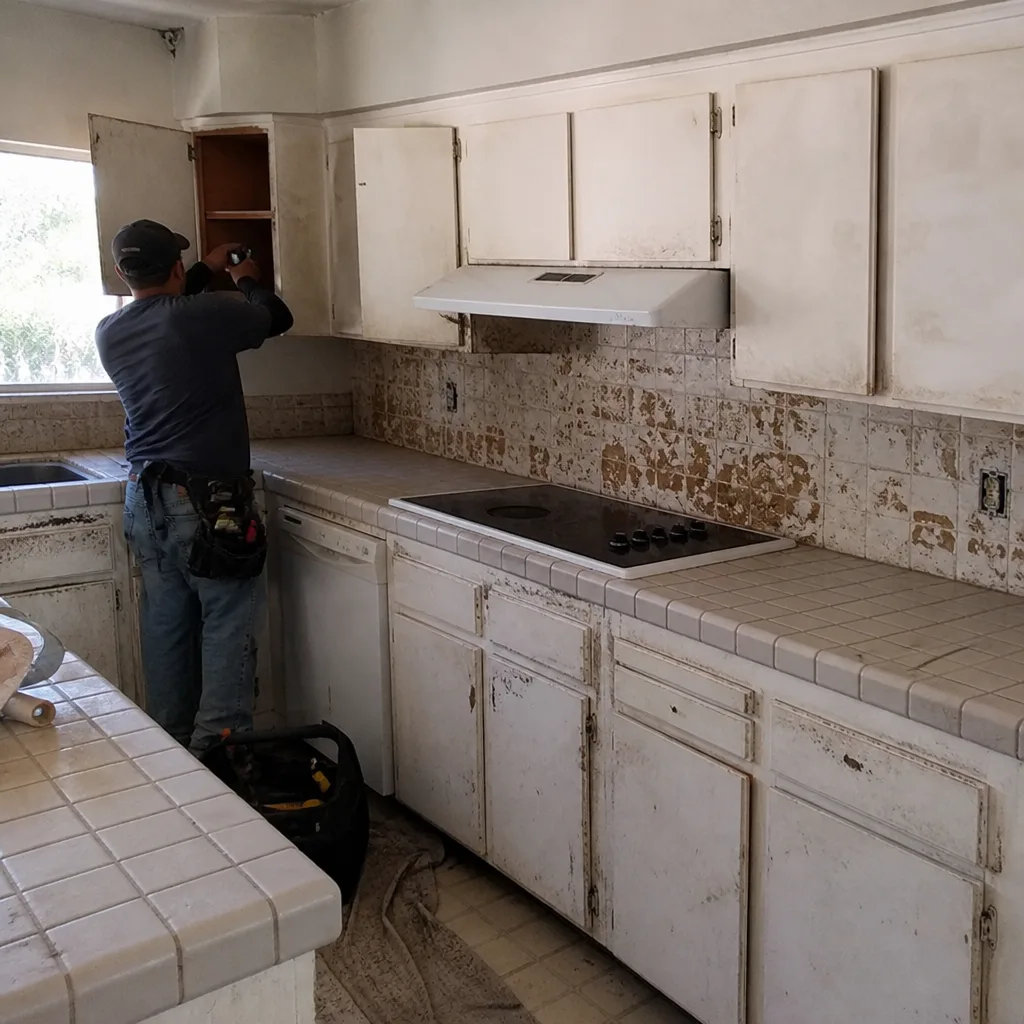 Before
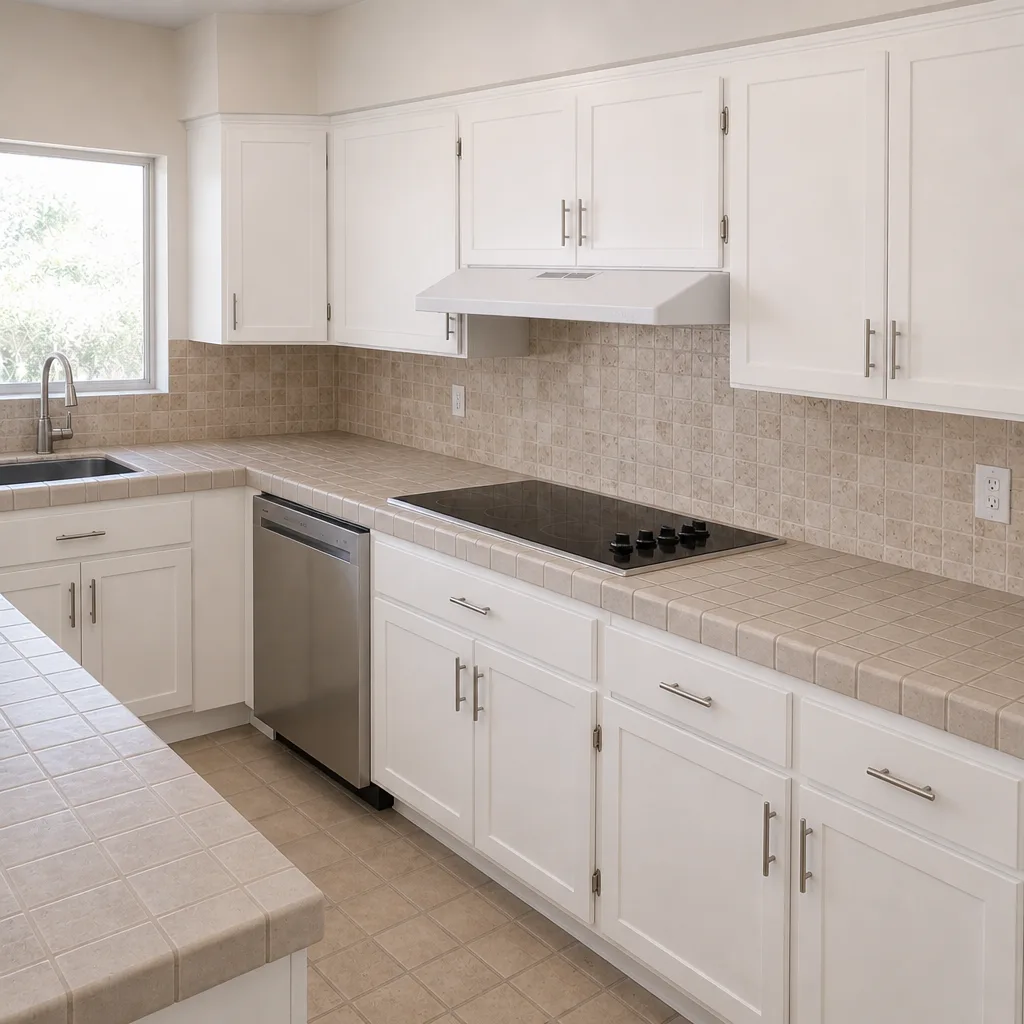 After
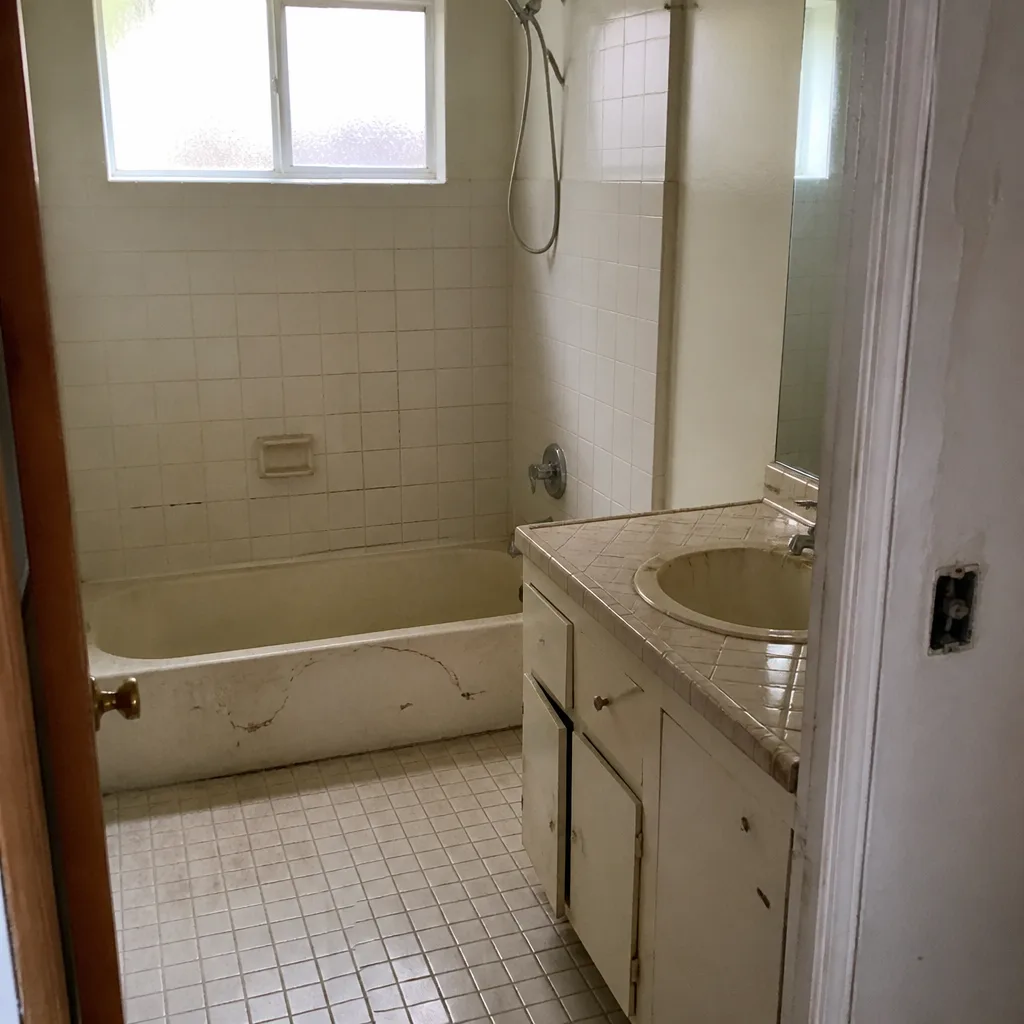 Before
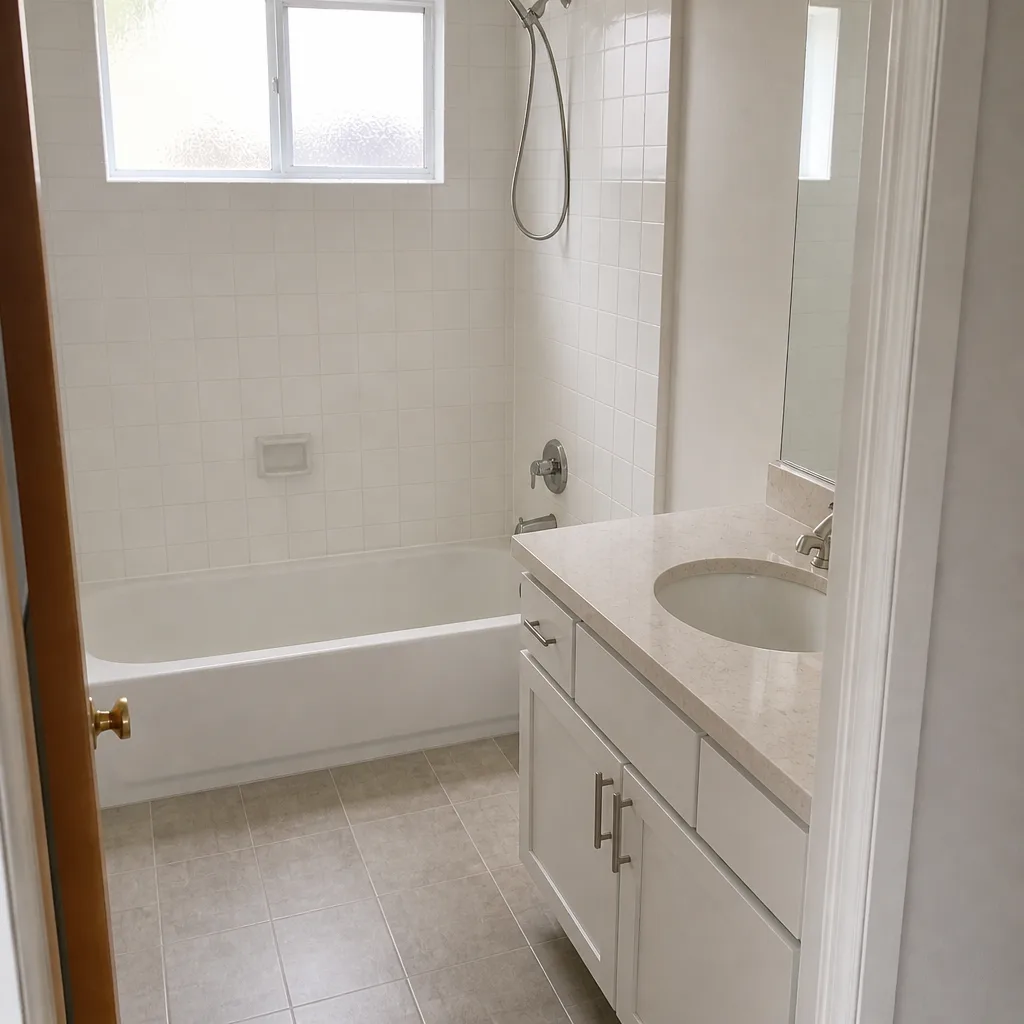 After
When to Call a Professional
Some homeowner projects are fine as weekend work: painting a bedroom, replacing a faucet, swapping a light fixture. Others are not worth the risk, no matter how many videos you’ve watched. If the project involves moving a load-bearing wall, opening a roof deck, running new electrical circuits, adding an ADU, re-grading a driveway that drains toward the house, or anything that requires a permit, call a licensed contractor. The DIY math never works on structural work, because the first mistake is the last one you get to make.
If you’re already in the middle of a project that’s gone sideways – a contractor who’s stopped showing up, a permit that wasn’t pulled, a warranty that turned out to be verbal – the honest answer is that a trained professional can assess and reset the job before it costs more. Groundwork Construction Co. of Irvine offers free estimates in Irvine – call (888) 578-4462 to schedule one. A live person answers, 24/7, and the number you see on the estimate is the number you pay.
Frequently Asked Questions
Look up the contractor’s license number on the CSLB website, or call the CSLB directly, and check the status, classification, bond amount, workers’ comp status, and complaint history – not just the status field. A license that shows “Active” can still have a disciplinary record behind it. Call (888) 578-4462 for an exact quote on your project – estimates are free.
California law caps the down payment at 10% of the contract price or $1,000, whichever is less, for a home improvement contract. Any contractor asking for more is asking you to break the law with them. Call (888) 578-4462 to walk through a payment schedule that’s tied to completed milestones.
Most planned communities in Irvine – Woodbridge, Northwood, Turtle Rock, Quail Hill, Cypress Village, Great Park – have some form of architectural review, and it usually runs separately from the city permit process. Confirm with your community’s board before signing a contract so the timeline is real. Call (888) 578-4462 for an estimate that accounts for the full approval sequence.
Only if there’s a change order you’ve signed in writing – a legitimate contractor doesn’t raise the price for weather, materials, or scope surprises unless the scope itself changed. Ask for the change-order procedure to be spelled out in the contract. Groundwork’s upfront pricing means the number you see is the number you pay. Call (888) 578-4462 to schedule your free estimate.
Yes – the contractor on the job should pull the permit and manage the inspections, not leave them to the homeowner. A contractor who asks you to “handle the permit” is unloading a licensed responsibility. Call (888) 578-4462 to confirm the permit process for your specific project.
Timelines vary widely by project type – a kitchen remodel is weeks, a roof replacement is days, and an ADU is a multi-month build with its own approval sequence in Irvine. The right number to compare is not “how fast,” it’s “how accurately is the schedule planned.” Call (888) 578-4462 for a written schedule with your estimate.
The Bottom Line
The bar for hiring a contractor in Irvine is higher than the CSLB green checkmark. Verify the license beyond the status field, read the bond and the complaint history, ask about Irvine permits and community architectural review before you sign, and demand a written contract that meets the requirements of Business & Professions Code 7159. Compare bids on scope, not price. Protect yourself with a 10% down payment cap and a payment schedule tied to completed milestones. Do those five things, and you will have eliminated the majority of the ways a construction project goes wrong in Irvine. Do them with a contractor who backs the work in writing – a real workmanship guarantee, upfront pricing, and a live person who answers the phone every time – and you’ve swung the odds even further.
If you’re ready to get a real number instead of vague bids, call (888) 578-4462 to schedule your free project estimate with Groundwork Construction Co. of Irvine. And when your project moves outside the house – new pavers, a new fence line, an ADU in the backyard – our guides to Driveway & Pavers in Irvine and Fence Installation in Irvine walk through the vetting questions specific to those builds. One contractor, one written scope, one warranty, from foundation to finish line.
Written by the team at Groundwork Construction Co. of Irvine.