
Last updated November 17, 2026
 Fence
 Kitchen remodeling
 Bathroom remodeling
 Home additions & ADU
 Roofing
 Windows & doors
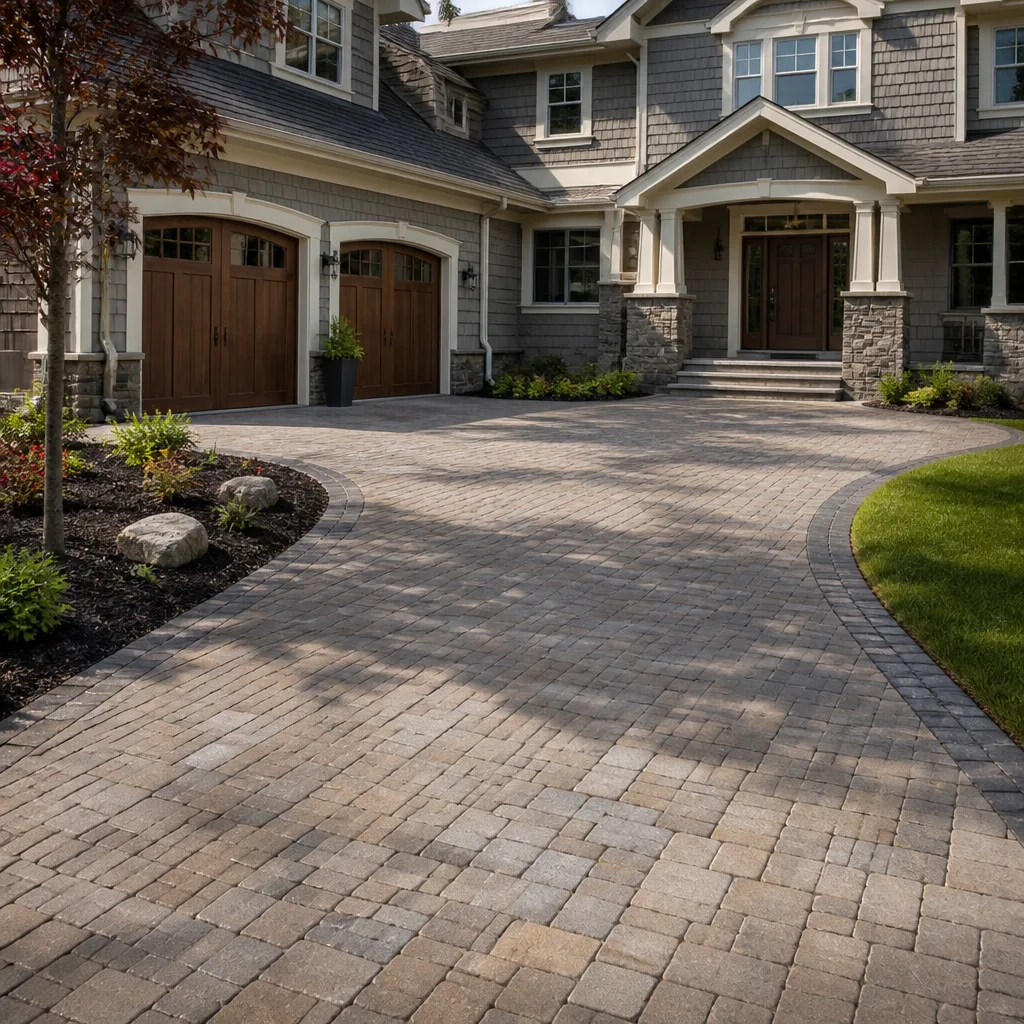 Driveway & pavers
Free written scope consultation - allowances, timeline, and change-order rules on paper before a single trade is scheduled
DIY vs Professional Fence Installation: What’s Safe to Do Yourself
Post hole depth isn’t a preference. It’s an engineering calculation driven by soil type, fence height, and wind load, and in Irvine’s expansive clay soils, undersized footings are the number one reason new fences lean, heave, and fail within three years. That single fact reframes the whole DIY fence conversation: some fence work is genuinely safe to do yourself, and some of it quietly becomes a liability the moment the first bag of concrete goes in the ground. This guide walks through fence installation task by task, tells you exactly where the DIY line sits, and explains what Irvine-specific conditions you need to understand before you decide which side of that line you’re on.
Quick Answer
Painting panels, replacing gate hardware, and repairing individual pickets are safe, cost-effective DIY projects for most homeowners. Layout, post hole digging, footing engineering, panel setting, and gate hanging are not: they require soil assessment, correct footing depth and diameter, proper bracing, and in Irvine, compliance with city and HOA requirements. Get any of those wrong and a new fence can fail inspection or fail physically within a few seasons.
Styles & brands we work with
- Kitchen remodeling
- Bathroom remodeling
- Home additions & ADU
- Roofing
- Windows & doors
- Driveway & pavers
- Fence
Table of Contents
- Why Fence Installation Gets Marketed as DIY (and Where That Breaks Down)
- A Task-by-Task Assessment: What’s Actually Safe to DIY
- Irvine Soil Conditions and Why Footings Matter More Than You Think
- How to Test Your Own Soil Before You Decide
- Permits, HOA Rules, and Who’s Liable When a DIY Fence Fails
- The DIY Tasks That Are Genuinely Worth Doing Yourself
- How to Hire a Fence Contractor Who Pulls the Right Permits
- DIY vs Professional: The Real Cost Comparison
Why Fence Installation Gets Marketed as DIY (and Where That Breaks Down)
Search for “fence installation” and you’ll find a dozen cheerful guides promising a weekend project and a few hundred dollars saved. There’s a reason that messaging dominates: for a panel swap on an existing, sound post system, it’s largely true. You can unbolt a damaged panel, drop in a new one, and be done before lunch. The confusion starts when “replace a panel” gets treated as the same project as “install a new fence,” because the two share almost no actual work.
A new fence starts with a blank line of soil. Every phase after that, from layout to the last gate swing, depends on decisions made in the first few hours. In our experience, the failures we’re called out to correct in Irvine almost always trace back to one of four things:
- Footings too shallow or too narrow for the soil and fence height, causing posts to heave or lean within two to three winters.
- No layout check against the property line, which can put a fence inches onto a neighbor’s lot and create a dispute that costs more to resolve than the fence itself.
- Panels set before concrete cured, so the whole run is subtly out of plumb and gates never close cleanly.
- No permit or HOA approval, leaving the homeowner on the hook if the fence has to come down.
None of those are dramatic mistakes. They’re small judgment calls made without the right information. That’s exactly why the DIY line isn’t about effort – it’s about which decisions carry consequences you can’t undo with a wrench.
A Task-by-Task Assessment: What’s Actually Safe to DIY
Here’s the honest breakdown of each phase of fence installation, ranked by DIY viability. This is the section most guides skip, because most guides assume you’re doing the whole project.
1. Layout and property line marking – Not DIY-friendly
Layout sounds simple: run a string, mark the posts. But layout requires knowing exactly where your property line sits, which requires your plat map or a recent survey. In Irvine subdivisions, lot lines often run at slight angles that don’t match the fence line the previous owner installed. If you lay out on the wrong line, you’re building onto a neighbor’s property, and no amount of good workmanship fixes that. Failure risk: high. Cost to correct: potentially the entire fence.
2. Post hole digging – Partially DIY-friendly
Digging holes is physical labor, not skilled labor. If you know the correct depth, diameter, and spacing for your fence height and soil, digging is a fair DIY task. The catch is that “correct” numbers depend on your specific site, and the hole itself is where the stakes get high. If you dig shallow, the post leans; if you dig into a gas or irrigation line, you’ve got a much bigger problem than a fence.
3. Footing engineering (concrete and depth) – Not DIY-friendly
This is the single most consequential phase and the one most often done wrong. Correct footing depth is a function of soil bearing capacity, frost depth (minimal in Irvine), fence height, wind load, and post spacing. Under-sized footings are the primary reason new fences fail within three years in Irvine. A pro will size footings to your site; a homeowner guessing from a video will not.
4. Post setting and bracing – Not DIY-friendly
Setting posts plumb in concrete and bracing them through cure is a technique problem, not a knowledge problem. It’s doable, but it’s the phase where small errors compound. Posts that are 3 degrees off plumb show up as gates that drag a year later.
5. Panel installation – Partially DIY-friendly
If the posts are correct and sound, hanging panels is manageable for a careful homeowner. Panel swaps on existing posts are genuinely fair DIY work. New panel installation on new posts is only as good as the posts underneath.
6. Gate hanging – Partially DIY-friendly
Gates are the highest-tolerance hardware on a fence. Hinges need to be set into sound framing, the gate needs to be square and slightly diagonal-braced, and the latch has to line up after the wood moves through its first wet-dry cycle. Lots of homeowners hang a gate that works for six months and sags after that.
7. Staining, painting, and picket repair – Fully DIY-friendly
These are the tasks worth doing yourself. No structural consequence, no permit, no risk to the fence’s integrity, and you can stop mid-project without creating a problem.
Irvine Soil Conditions and Why Footings Matter More Than You Think
Irvine sits on a mix of clay, sandy loam, and fill soil depending on which part of the city you’re in. That variety matters, because two fences on the same street can require different footing depths if the soil underneath them behaves differently.
The biggest issue is expansive clay, which swells when wet and shrinks when dry. A post set in a shallow footing in clay soil gets pushed around by the soil itself every rainy season. Over two or three winters, that motion translates into leaning posts, misaligned panels, and gates that stop latching. In our experience, the fence failures we see in Irvine neighborhoods built on clay-heavy lots start showing up around year three, not year one, which is exactly why homeowners don’t catch the problem until the warranty window (if there was one) has closed.
Footing depth also interacts with fence height. A six-foot privacy fence with a solid panel design catches significantly more wind load than a four-foot picket fence, which means the footing has to resist more lateral force. The math changes. Post spacing may need to tighten. Concrete volume per hole goes up. None of that shows up on a generic DIY instruction sheet.
If you’re planning a new fence and want the project to hold up, the footing decision should be made with soil in mind, not copied from a template. That’s also part of why Fence Installation in Irvine is a category where we recommend a professional assessment even for homeowners who plan to do most of the work themselves.
How to Test Your Own Soil Before You Decide
You can learn a lot about your soil in about 20 minutes without spending more than a few dollars. Doing this before you commit to a DIY install tells you whether your site is even a candidate.
- Dig a small test hole near where the fence will run. Use a hand trowel or post hole digger and go down about 12 inches. Set the soil on a tarp so you can inspect it.
- Squeeze a moist handful. If it forms a ribbon that holds together for several inches, you have significant clay. If it crumbles, you have more sandy or loamy soil. If it ribbons easily and feels slick, it’s heavy clay.
- Do the jar test. Fill a clear jar one-third with soil, top with water, add a drop of dish soap, shake hard, and let it sit for 24 hours. Sand settles first, silt next, clay last. The relative layer thickness tells you your approximate soil composition.
- Check drainage. Fill your test hole with water and time how long it takes to drain. Slow drainage in clay soil is a signal that footings need to be deeper and wider, and that post rot risk is higher.
- Note lot history. Newer Irvine subdivisions often sit on graded fill. If your home was built in the last 15 to 25 years and the lot was graded, the soil under the fence line may not be native and may not drain uniformly.
A jar test is not a substitute for an engineer’s assessment on a tall or load-bearing fence. But it’s a fast way to know whether you’re in “simple loam” territory or “handle clay with care” territory, and that alone changes the DIY calculation.
Permits, HOA Rules, and Who’s Liable When a DIY Fence Fails
Permit requirements for residential fences vary by city, and HOAs add another layer. In Irvine, many neighborhood associations have specific rules on fence height, material, color, and where on the lot the fence can be placed, particularly in planned communities and newer developments. Most require a submittal and approval before work starts. If you install a fence that doesn’t meet the architectural standard, the HOA can require you to remove or modify it at your own expense, regardless of how well-built it is.
City permits are a separate matter. Fence permit thresholds in California commonly hinge on height, location, and whether the fence is on a property line with a retaining wall component. A fence that exceeds certain heights or sits near a slope often triggers a permit requirement even where a shorter fence on the same lot would not. The permit process isn’t just paperwork: it’s a review that catches footing and structural issues before the fence is built.
Here’s the part that changes the ROI calculation: if you build a fence without required permits or HOA approval, the liability sits with you, not with whoever drew up the plan or posted the video you followed. If a future buyer’s inspector flags an unpermitted fence, or if a neighbor disputes the placement, you’re the one paying to bring it into compliance. A fence that looked like a $600 weekend project can turn into a $3,000 problem.
If your property also needs driveway or hardscape work coordinated with the fence line, that’s a good moment to look at Driveway & Pavers in Irvine so the two projects are planned together rather than fighting each other on layout.
The DIY Tasks That Are Genuinely Worth Doing Yourself
The flip side of a strong warning is a clear green light. These fence maintenance and upgrade tasks are safe, cost-effective, and don’t require a permit or a professional’s eye. Spend your DIY hours here.
- Painting or staining panels. If the wood is sound, you can extend the fence’s life by several years with a proper clean and coat. Do it in dry weather, not right after a rain.
- Replacing gate hinges and latches. Hardware wears out before the wood does. A new self-closing hinge and a fresh latch is a $40 to $80 project and restores function on a gate that drags.
- Repairing individual pickets. A split or rotted picket can be swapped out with basic hand tools. Match the profile and thickness, and re-seal the cut ends.
- Tightening loose fasteners. A seasonal pass with a driver to snug up screws and brackets catches problems before they become panel replacements.
- Clearing vegetation and debris. Soil contact keeps wood damp. A few feet of clearance along the fence line slows rot and deters pests.
- Touch-up painting on gates and posts. Small chips let moisture in. A 15-minute touch-up once a year is worth hours of future repair.
- Replacing a single damaged panel on a sound post system. This is DIY-friendly, provided the posts are solid and plumb. If they aren’t, the panel is the symptom, not the problem.
We tell homeowners the same thing: do the maintenance work yourself and save the installation work for people whose job it is. You’ll get more years out of the fence that way, and you won’t be re-doing the whole thing in three seasons.
How to Hire a Fence Contractor Who Pulls the Right Permits
If you’ve decided to hire, the contractor you choose matters more than the fence material. Three specific questions filter out the ones who won’t stand behind the work.
Question 1: “Will you pull the permit and show me the number before work starts?”
A contractor who builds fences in Irvine regularly knows the permit thresholds cold and can tell you, in one sentence, whether your project needs one. If they don’t know, or they say “you don’t need one” without checking, that’s a red flag. A written permit number belongs on the estimate before the crew shows up.
Question 2: “What’s the footing spec, and how did you decide?”
A pro can explain footing depth and diameter in terms of your soil, fence height, and wind load, not by quoting a generic number. If the answer is a number without reasoning, they’re guessing. If the answer is “we use 24-inch footings for every fence,” they’re not adjusting for the site.
Question 3: “What’s the workmanship warranty, in writing?”
Footing failures usually show up in year two or year three. A one-year workmanship warranty doesn’t cover the failure mode that matters. Look for a warranty that spans multiple years and is included in the contract, not promised verbally. At Groundwork Construction Co. of Irvine, all fence work is covered by our 730-Day Done Right Promise: if it’s not done right, we make it right.
A fourth question worth asking: “Who answers the phone if there’s a problem?” If you get a voicemail on the first call, that’s what you’ll get on the follow-up. Our calls are answered by a live person, 24/7, so a fence issue doesn’t wait until Monday morning.
DIY vs Professional: The Real Cost Comparison
The DIY pitch usually rests on material cost alone. The real comparison adds up tools, permits, disposal, and the risk of correction.
Typical DIY fence install costs (Irvine market, 100 linear feet, 6-foot wood privacy fence)
- Materials (posts, panels, rails, concrete, fasteners, gate hardware): $1,800-$3,200
- Tools (post hole digger, level, string line, driver, circular saw, required safety gear): $250-$600, some rented
- Permit (if required): $150-$400 depending on scope
- Old fence disposal: $150-$400 if you haul it yourself
- Time: 3-5 weekends for an experienced DIYer, longer if issues come up
- Risk of correction (leaning posts, out-of-plumb panels, gate rehang in year 2 or 3): $400-$2,000
Typical professional fence install costs (same scope)
- Full installation, materials and labor: $4,000-$7,500 depending on material, height, and site conditions
- Permit pulled by the contractor: included
- Disposal: included
- Time: one to three days for most standard residential runs
- Workmanship warranty: 730-Day Done Right Promise on Groundwork projects
The straightforward DIY savings on materials versus professional labor is real, often $1,500 to $3,000 on a 100-foot run. But the risk of correction is where the math gets tighter than it looks. A single re-do on the footing phase wipes out the labor savings entirely, and you still spent the weekends.
If you’re combining fence work with broader exterior improvements, like a new driveway or hardscape, staging them together makes more sense than doing them separately. The full-scope approach is one reason homeowners call us for Driveway & Pavers in Irvine alongside the fence project, so the hardscape and fence lines agree on layout before either crew starts. And if a fence is part of a larger site plan, it may belong in a Home Additions & ADU in Irvine conversation where fence placement, utility routing, and grading need to be coordinated from day one.
Common Mistakes to Avoid
- Copying footing depth from a video instead of from your soil. A 24-inch footing in sandy loam is not the same as a 24-inch footing in Irvine clay. The video doesn’t know your soil, and the fence pays for that gap.
- Setting posts without checking layout against the property line. Even a few inches of encroachment into a neighbor’s lot can trigger a dispute. Pull the plat map before you dig, not after.
- Pouring concrete in wet, clay-heavy soil without checking drainage. Concrete cured against waterlogged clay can lose its bond with the post. Do the jar test and a drainage check first.
- Skipping the HOA submittal. Irvine HOAs routinely require architectural approval for fence height, style, and color. Building first and asking later is a common way to spend $1,000 to $3,000 on a fence that has to be painted or partially torn down.
- Hanging gates before the posts have cured. Gates installed on green posts will sag. Give concrete the full cure time and brace the posts through the cure, not just through day one.
- Buying material without matching the fence line to the site. A six-foot solid panel catches far more wind than the four-foot picket fence it replaces. Footings and post spacing need to change with that, and a weekend plan won’t prompt the review.
- Skipping disposal coordination. Old fence disposal gets forgotten in DIY plans and shows up as a $300 to $400 surprise at the end of the project. Plan the haul-off or dumpster before demolition day.
See the difference
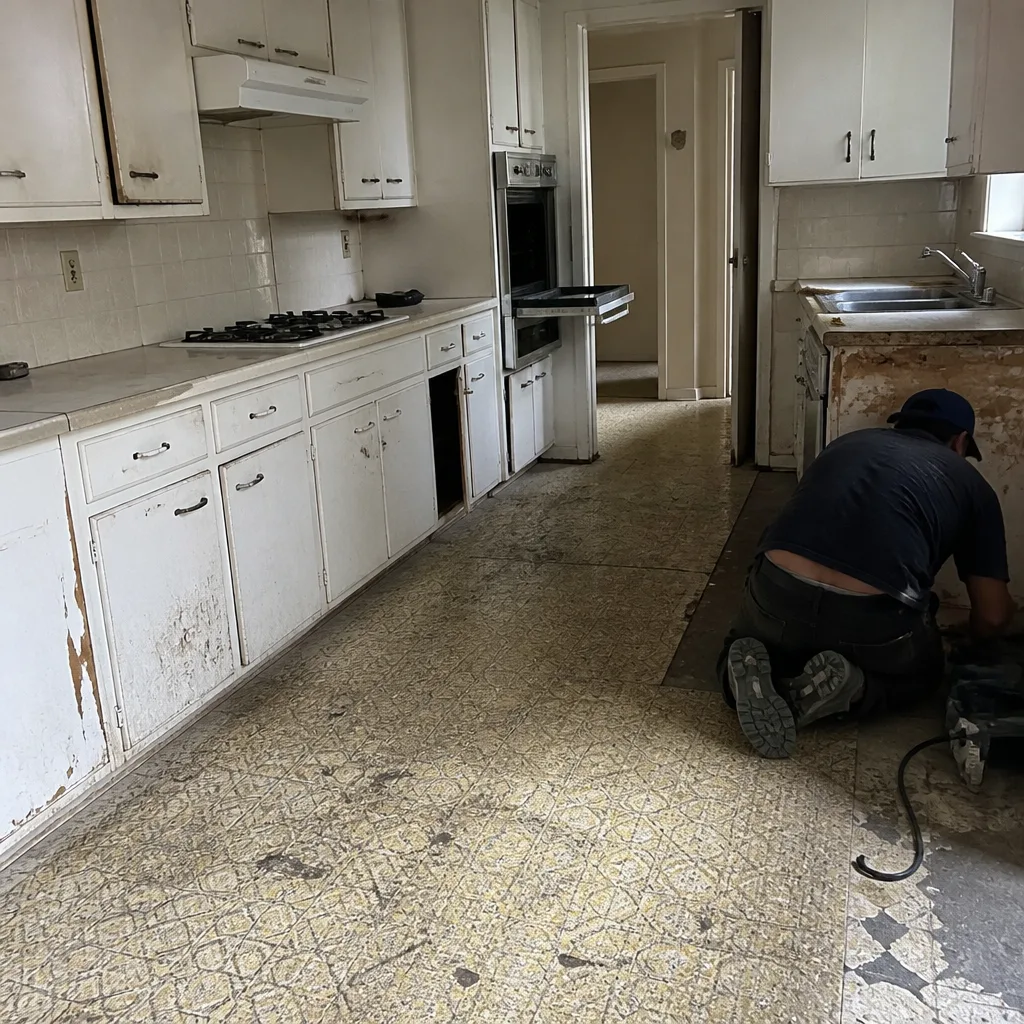 Before
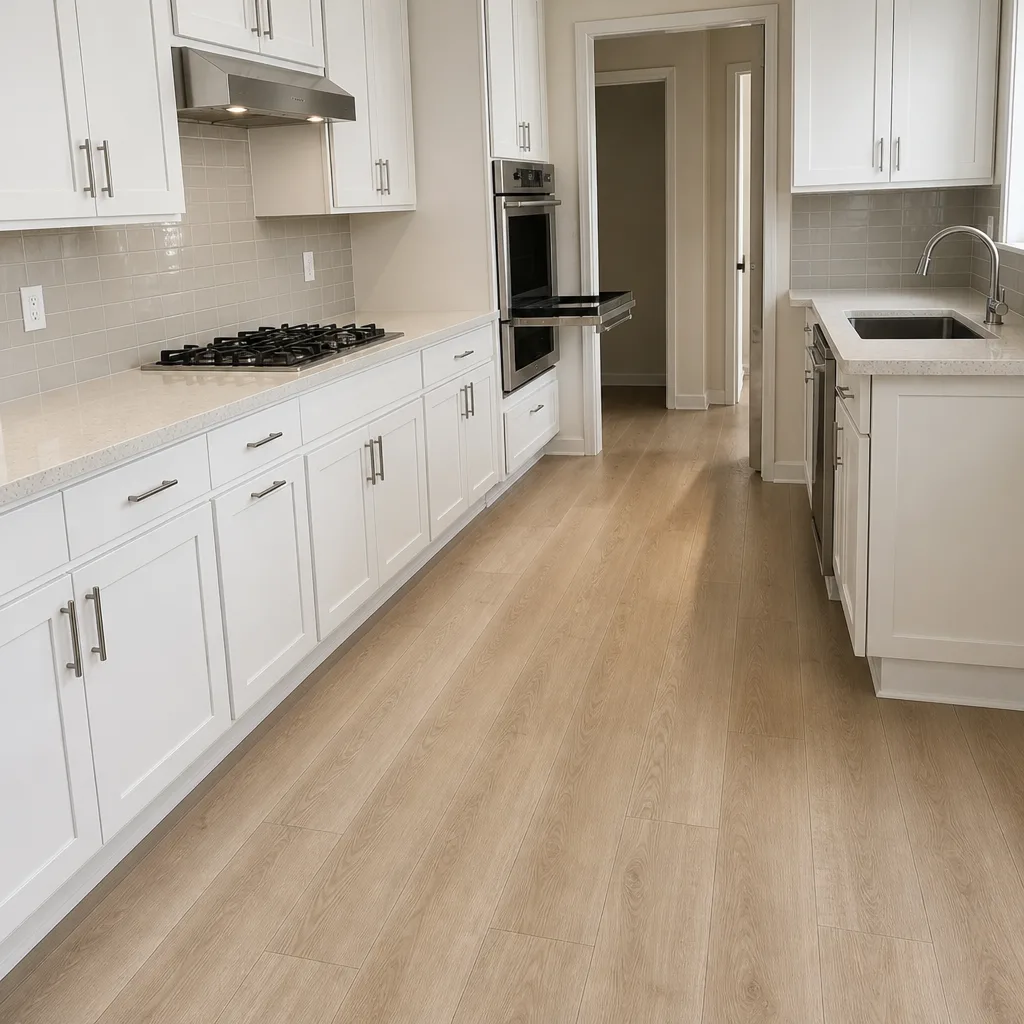 After
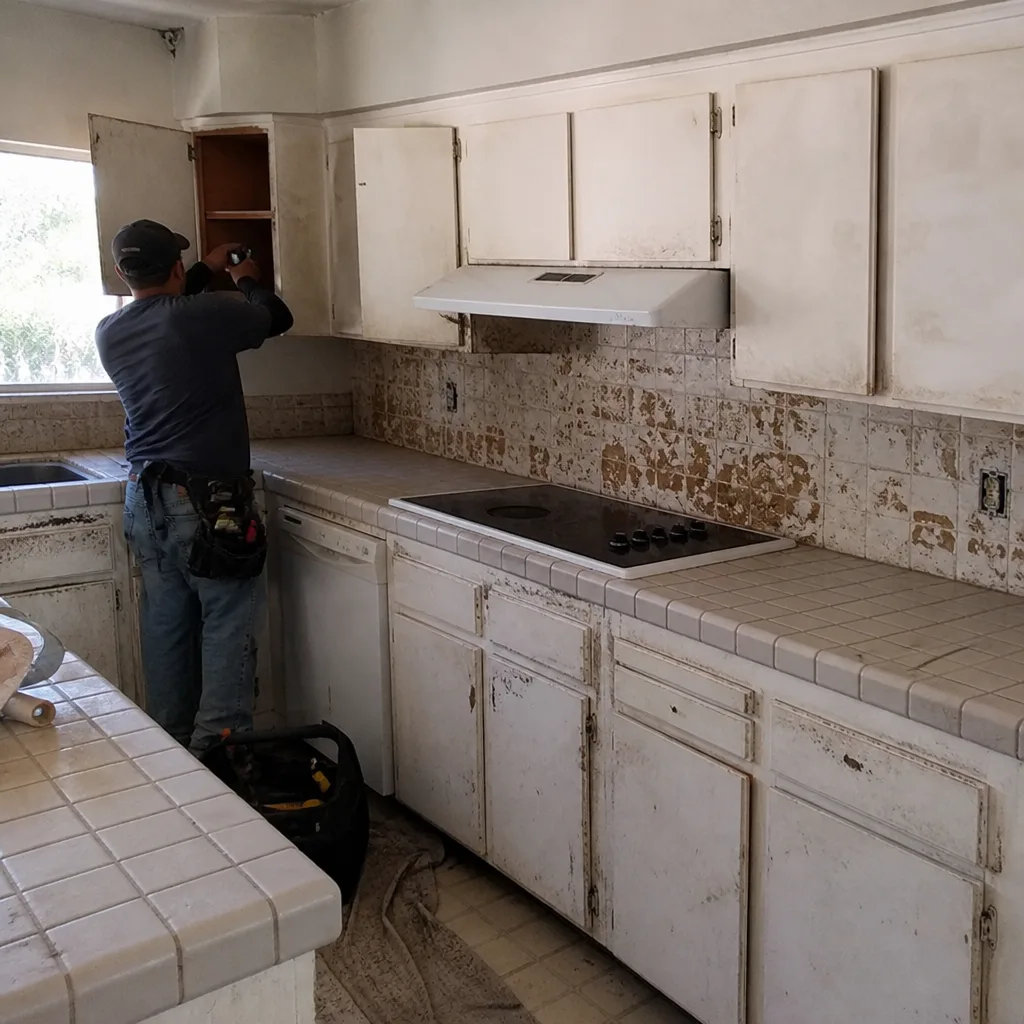 Before
 After
 Before
 After
When to Call a Professional
Call a professional when the project involves a new fence line on unfamiliar or clay-heavy soil, when the fence is on or near a property line you haven’t verified, when HOA or city rules might apply, when the fence is taller than standard or load-bearing, or when a gate, retaining component, or slope is part of the design. Also call when the honest answer is “I don’t want to redo this in three years.” A properly built fence is a 15-plus-year investment; the shortcuts that save a weekend add years to the recovery timeline. Groundwork Construction Co. of Irvine offers free estimates in Irvine – call (888) 578-4462. We’ll assess your soil, walk the property line, tell you what permits you need, and put the scope in writing with upfront pricing – the number you see is the number you pay.
Frequently Asked Questions
Yes for panel swaps on sound posts, picket repairs, painting, and hardware replacement. For a new fence line, the layout, footing, and permit work should be done by a professional because Irvine clay soils and HOA rules make the failure and compliance risk too high. If you’re doing a new install, get a soil assessment first.
Depth depends on soil, fence height, wind load, and post spacing – it is not a fixed number you can copy from a template. In Irvine clay specifically, undersized footings are the number one reason fences fail within three years. A professional assessment sizes the footing to your site, and a jar test on your soil is the quickest way to know you need one.
Permit requirements depend on fence height, location, and whether any retaining component is involved. Many Irvine HOAs also require architectural approval before work starts, regardless of city permit thresholds. The safe move is to confirm both before building. If a contractor says “you don’t need a permit” without checking, get a second opinion.
The homeowner who built it, not the source they learned from. If the fence violates an HOA standard or a city permit threshold, the cost of bringing it into compliance falls on whoever owns the property when the issue surfaces. That’s why pulling permits and getting HOA approval first isn’t just policy, it’s protection.
Painting and staining panels, replacing gate hardware, swapping individual pickets, tightening fasteners, and clearing vegetation along the fence line. Panel swaps on already-sound posts are also fair DIY work. Footings, new post setting, layout, and gate hanging on new posts are the phases where professional help prevents the failures that show up two to three years later.
A competent one will, and they’ll show you the permit number on the estimate before work starts. Ask the question up front: “Will you pull the permit and show me the number?” If the answer is vague, that’s your signal. The same goes for workmanship warranty: get the years in writing, not verbally. Fence footing failures typically surface in year two or three, so a one-year warranty doesn’t cover the failure mode that matters.
The Bottom Line
Fence installation is a spectrum, not a single yes/no decision. Painting, picket repair, hardware swaps, and panel replacements on sound posts are genuinely worth doing yourself – low risk, real savings. Layout, footing engineering, new post setting, and gate hanging on new posts carry risks that show up years later, in Irvine clay especially, and those are the phases where the DIY savings disappear into re-work. If you’re at a fork in the road and you’re unsure which side of the line your project sits on, get a free estimate before you buy material. The assessment itself costs nothing, and it tells you whether you’re looking at a weekend project or a footing calculation. A full-scope contractor coordinates fence, hardscape, and structural site work from foundation to finish line, so the project doesn’t need to be re-done in stages. Built to last, backed in writing. Start with the Groundwork Construction Co. of Irvine home for an overview of our service lines, and for a broader look at exterior work that pairs with a fence project, see our Driveway & Pavers, Fence Installation, and Home Additions & ADU pages.
Call Groundwork Construction Co. of Irvine at (888) 578-4462 for a free estimate. Live person, 24/7, no voicemail, no waiting until Monday. Upfront pricing, background-checked technicians in uniform, and every project covered by the 730-Day Done Right Promise. If it’s not done right, we make it right.
Written by the team at Groundwork Construction Co. of Irvine.